
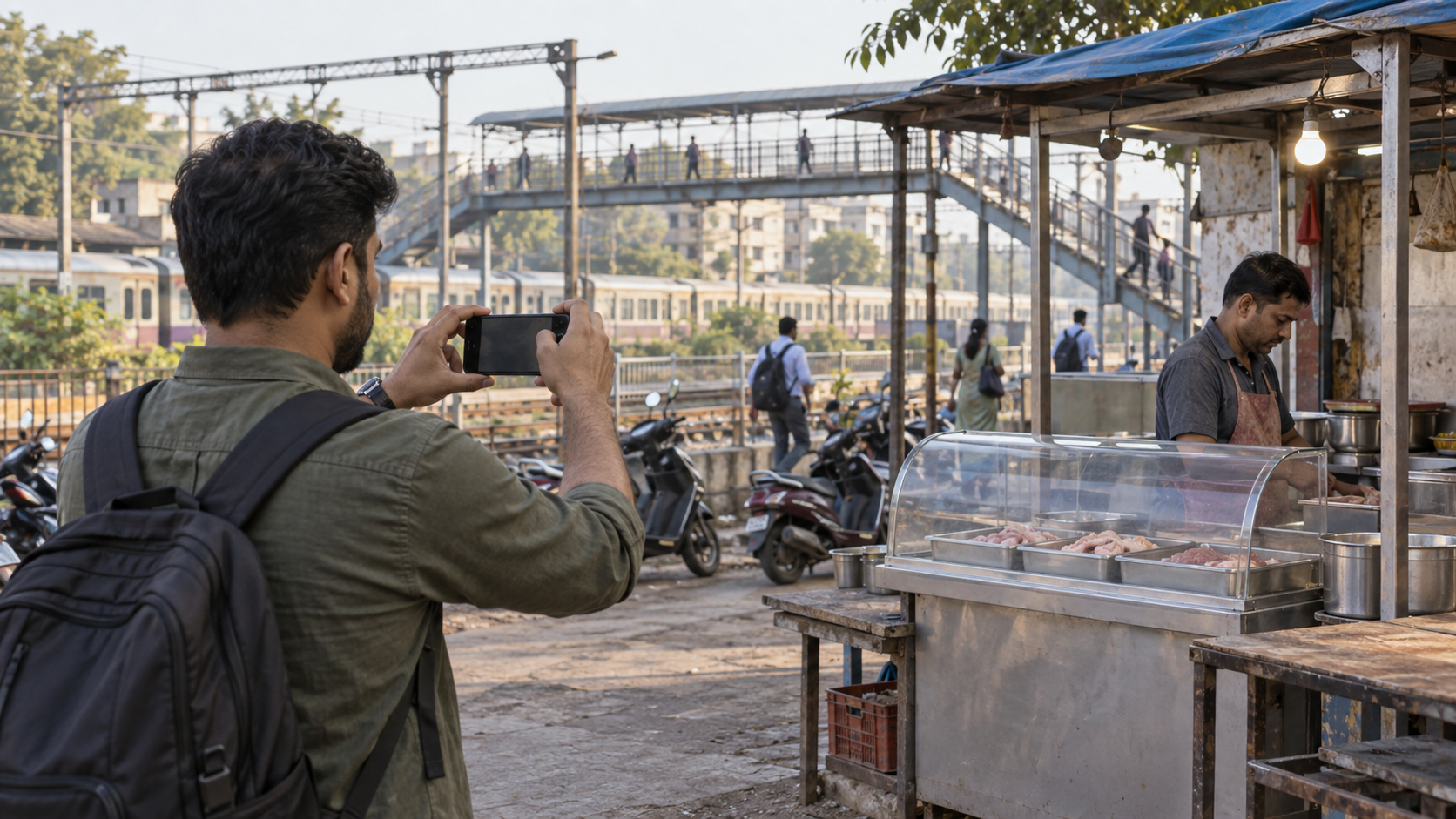
If you have seen meat being sold or animals being slaughtered in the open near Talegaon Dabhade railway station, the useful question is not how angry you should become. It is how you can turn what you witnessed into a precise record that the authorities can verify and act upon.
A formal complaint has already placed the matter before public officials. Your role now is to preserve the difference between an allegation and a proven violation, report only what you know, and insist on a traceable inspection rather than allowing the issue to dissolve into rumour or confrontation.
What is known, and what still needs verification
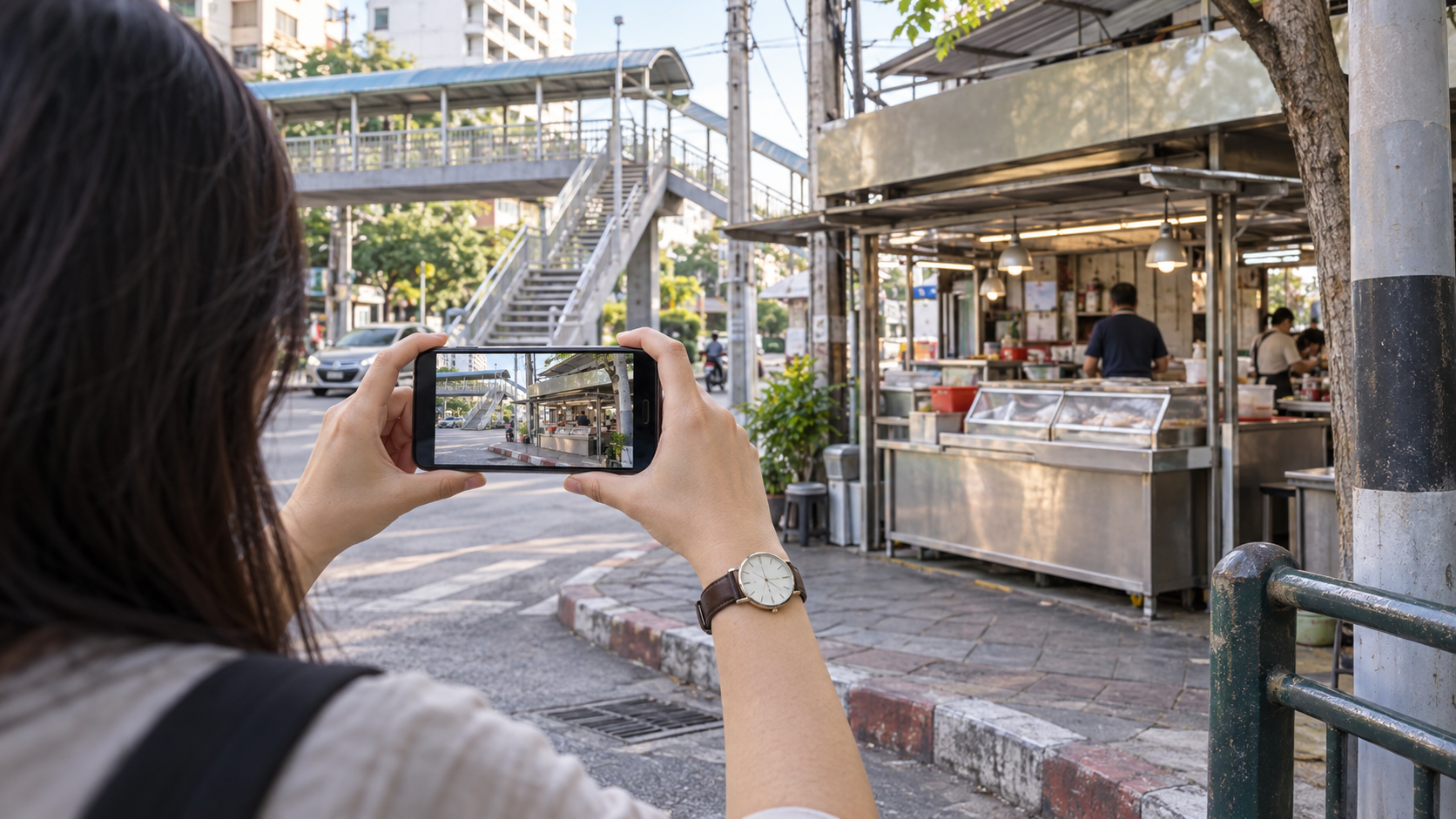
The Hindu Vidhidnya Parishad has filed a formal complaint with the Talegaon Dabhade Municipal Council and Maharashtra’s FDA Minister. It has sought the closure of stalls near the railway station that it alleges are unauthorised, openly slaughter animals, sell meat in the open, and violate food-safety laws.
The filing of that complaint is established. The alleged conditions at the stalls still require official verification. No inspection result, adjudication, or enforcement outcome is contained in the information presently available.
- Confirmed: A formal complaint was submitted, public authorities were addressed, and closure was requested.
- Alleged: The stalls lack authorisation, animals are slaughtered openly, and meat is sold contrary to food-safety requirements.
- Still to be determined: Which permissions apply, whether each stall possesses them, what inspectors find at the location, and what action the competent authorities take.
This distinction matters. Saying that a complaint alleges a violation is accurate. Declaring particular people guilty before inspection is not. Careful wording protects both fairness and the credibility of the demand for enforcement.
A disciplined response is also a Dharmic response
For a Dharmic citizen, concern for ahimsa can sit alongside an equally firm commitment to satya. You do not have to ignore visible animal killing or possible public-health violations. You also should not exaggerate what you saw, circulate an unverified accusation, or punish someone on the strength of a social-media message.
The relevant question is conduct, not community identity. Do not presume the religion, caste, language, or political affiliation of a vendor. None of those details establishes whether a stall is authorised or compliant. Communal speculation distracts from the inspectable questions and can turn a solvable civic matter into a broader conflict.
Do not threaten vendors, damage property, obstruct customers, seize goods, or publish private personal information. Do not enter a stall or restricted area to obtain evidence. Confrontation can endanger you and others, while also weakening an otherwise legitimate complaint. If violence or an immediate physical danger develops, move away and contact the appropriate local emergency authority rather than attempting an intervention.
Build a report that an inspector can actually use
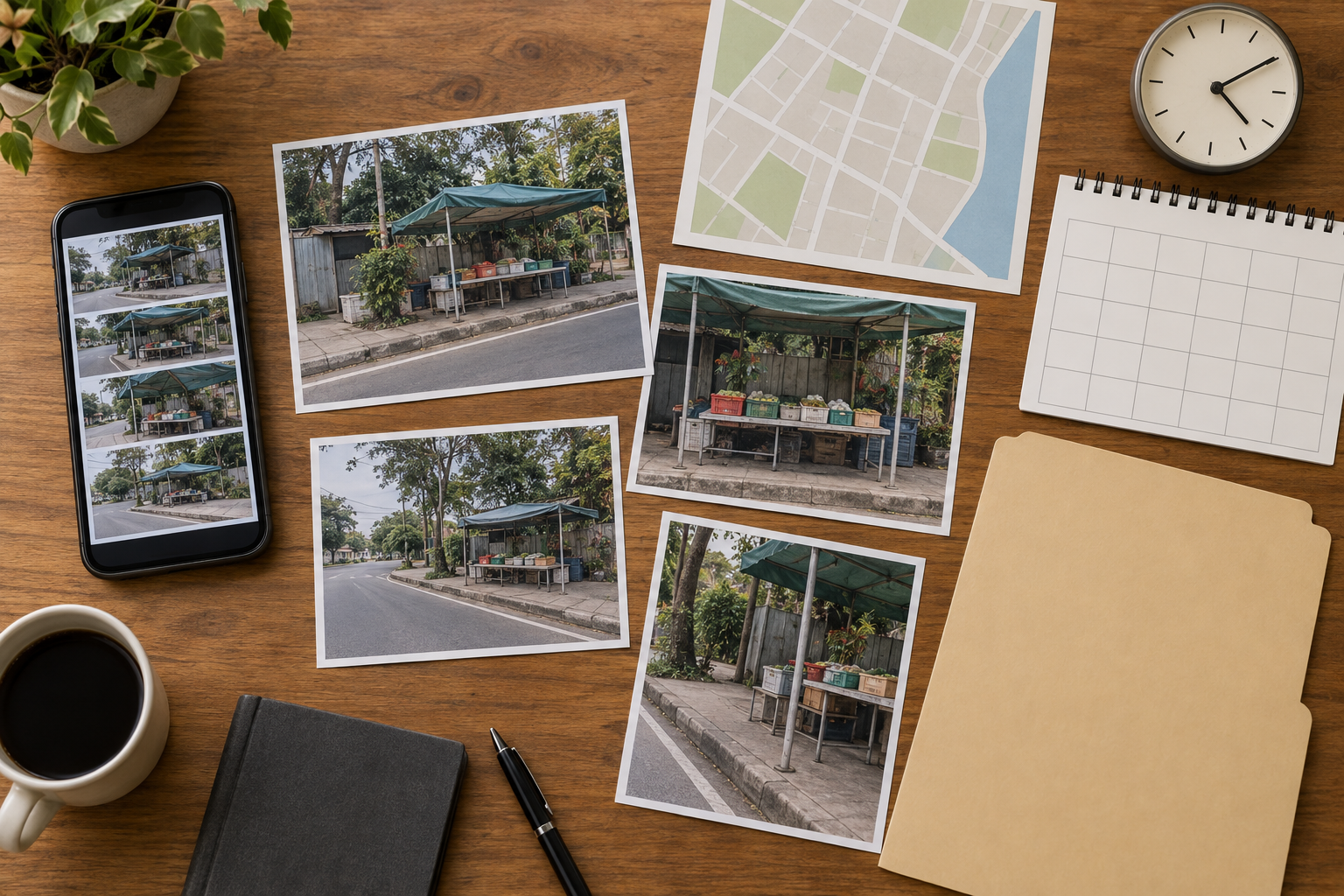
A vague message saying that something unlawful is happening gives an official little to locate or verify. A useful representation identifies one place, one period, and one set of observable facts. You can prepare it in the following order:
- Identify the location precisely. Record the side of the railway station, a nearby entrance or landmark, and any visible stall name or distinguishing feature. Avoid descriptions so broad that an inspector could visit the area without finding the place.
- Record the date and time. Repeated activity should be logged as separate observations. Do not convert several observations into a claim that the activity happens continuously unless you can establish that.
- Describe only what you directly observed. Distinguish selling or displaying meat from slaughtering an animal. If you saw only the former, do not report the latter. If your concern came from another person’s message, identify it as second-hand information rather than personal observation.
- Preserve evidence without creating another risk. If it is lawful and safe to record from a public place, retain the original photograph or video with its date and location information. Do not trespass, provoke anyone, film children unnecessarily, edit files in a way that changes their meaning, or circulate graphic imagery merely to generate outrage.
- Request verification instead of announcing a legal verdict. Ask the authority to determine whether the seller possesses the required permissions, whether slaughter is allowed at that location, and whether the observed handling and disposal practices comply with applicable rules.
- Create a paper trail. Send the representation to the Talegaon Dabhade Municipal Council and the appropriate food-safety authority. Ask for an acknowledgement or complaint reference, retain your submitted copy, and use that reference in every follow-up.
Suggested wording: Subject: Request for inspection of suspected unauthorised meat sale near Talegaon Dabhade railway station. On [date] at [time], I personally observed [specific visible facts] at [precise location]. Please inspect the premises, verify the permissions applicable to sale and slaughter at this location, examine food-safety compliance, and inform me of the complaint reference and action taken.
Attach only material relevant to the location and conduct. A short representation with usable details is stronger than a long message filled with slogans, assumptions, or forwarded claims.
What to ask authorities to establish
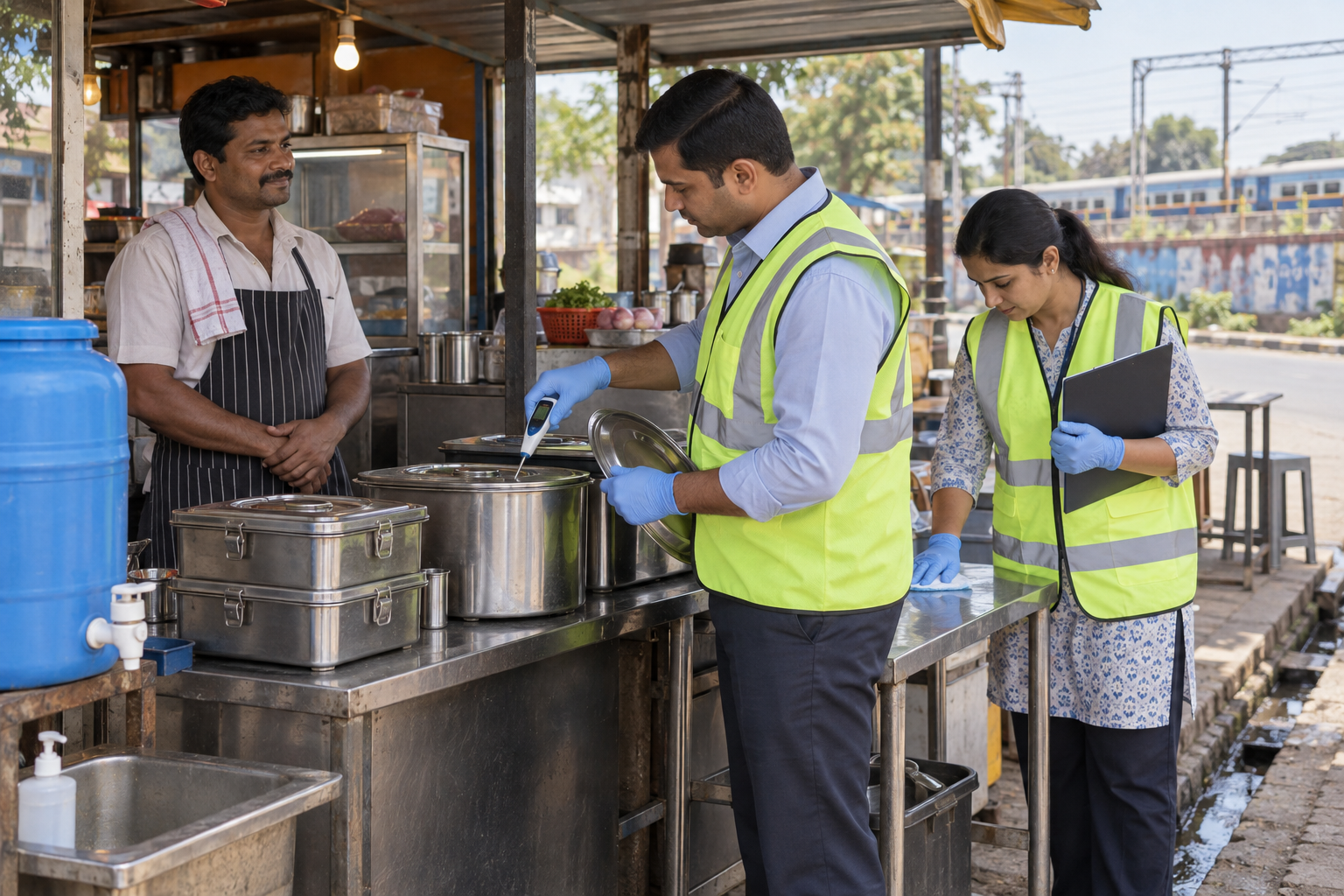
Closure is an enforcement outcome, not a substitute for inspection. The public interest is best served when the responsible authority establishes the facts, applies the relevant rules consistently, and records what it has done.
- Was the exact location identified in the complaint inspected, and on what date?
- What permissions or registrations are required for the activities observed there?
- Did the persons operating each stall hold the permissions applicable to that activity and location?
- Was slaughter taking place at the site, and is that activity permitted there?
- Were food handling, storage, cleanliness, and waste-disposal conditions examined?
- If a violation was found, what corrective or enforcement action was initiated?
- If time was allowed for compliance, when will a follow-up inspection occur?
- If no violation was found, what factual or regulatory basis supports that conclusion?
You do not need private information about individual vendors to obtain a meaningful response. Ask for the inspection status, the compliance finding, and the action taken. That keeps the request focused on public accountability rather than personal exposure.
A delay does not by itself prove that the complaint was ignored, but an unacknowledged complaint is difficult to pursue. That is why the reference number matters. Follow up with the date of submission, exact location, and original subject line instead of starting a new and disconnected complaint each time.
Key takeaways
- A formal complaint has been filed, but the allegations against particular stalls still require official verification.
- Document the exact location, date, time, and only the conduct you personally observed.
- Ask the Municipal Council and the appropriate food-safety authority for an inspection, acknowledgement, and written outcome.
- Do not confront vendors, trespass, circulate graphic material, or attach a communal identity to an unresolved regulatory issue.
- Keep one continuous paper trail so that follow-up produces accountability rather than another round of untraceable messages.
If you are in Talegaon Dabhade, take one useful step: turn what you personally observed into a dated, factual, acknowledged representation. A calm paper trail gives concern for ahimsa, public hygiene, and lawful governance a real path toward action.
References

Leave a Reply
You must be logged in to post a comment.