
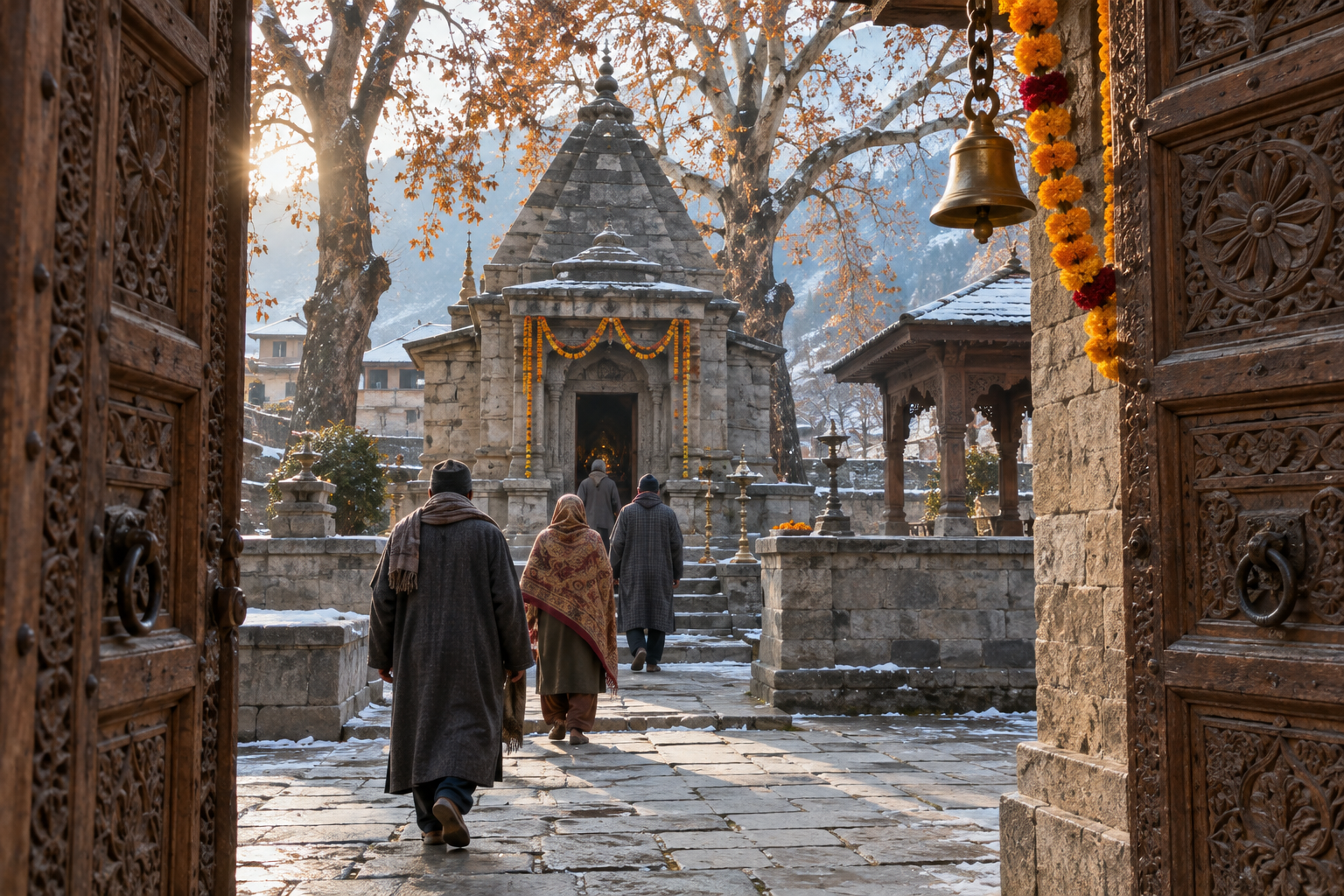
If you saw the news from Srinagar and wondered whether one reopening means that a Hindu institution has truly returned, the honest answer is measured: a real barrier has been crossed, but reopening a door is not the same as securing a lasting revival.
Sheetalnath Temple matters because religious continuity depends on more than private remembrance. It needs a place, access to that place, people able to worship there, and arrangements strong enough to survive after public attention moves elsewhere.
What the reopening confirms, and what remains unknown
Srinagar’s historic Sheetalnath Temple reopened on 25 September 2026 after remaining closed for 36 years. That long interruption began amid the jihadist upsurge in the Kashmir Valley in 1990.
Those facts are significant without embellishment. They establish the place, the length of the closure, the historical rupture, and the fact of reopening. They do not, by themselves, tell you whether the temple now has regular worship, published visiting hours, permanent management, completed conservation work, predictable security arrangements, or sustained participation by families connected with it.
This distinction matters whenever you read the word “reopened.” It may describe access restored for a particular observance, the resumption of worship, the return of a building to community administration, or the beginning of a longer restoration effort. These outcomes overlap, but they are not interchangeable. Until further details become public, celebrate the confirmed development without turning unanswered questions into claims.
Why one reopened temple carries more than symbolic weight
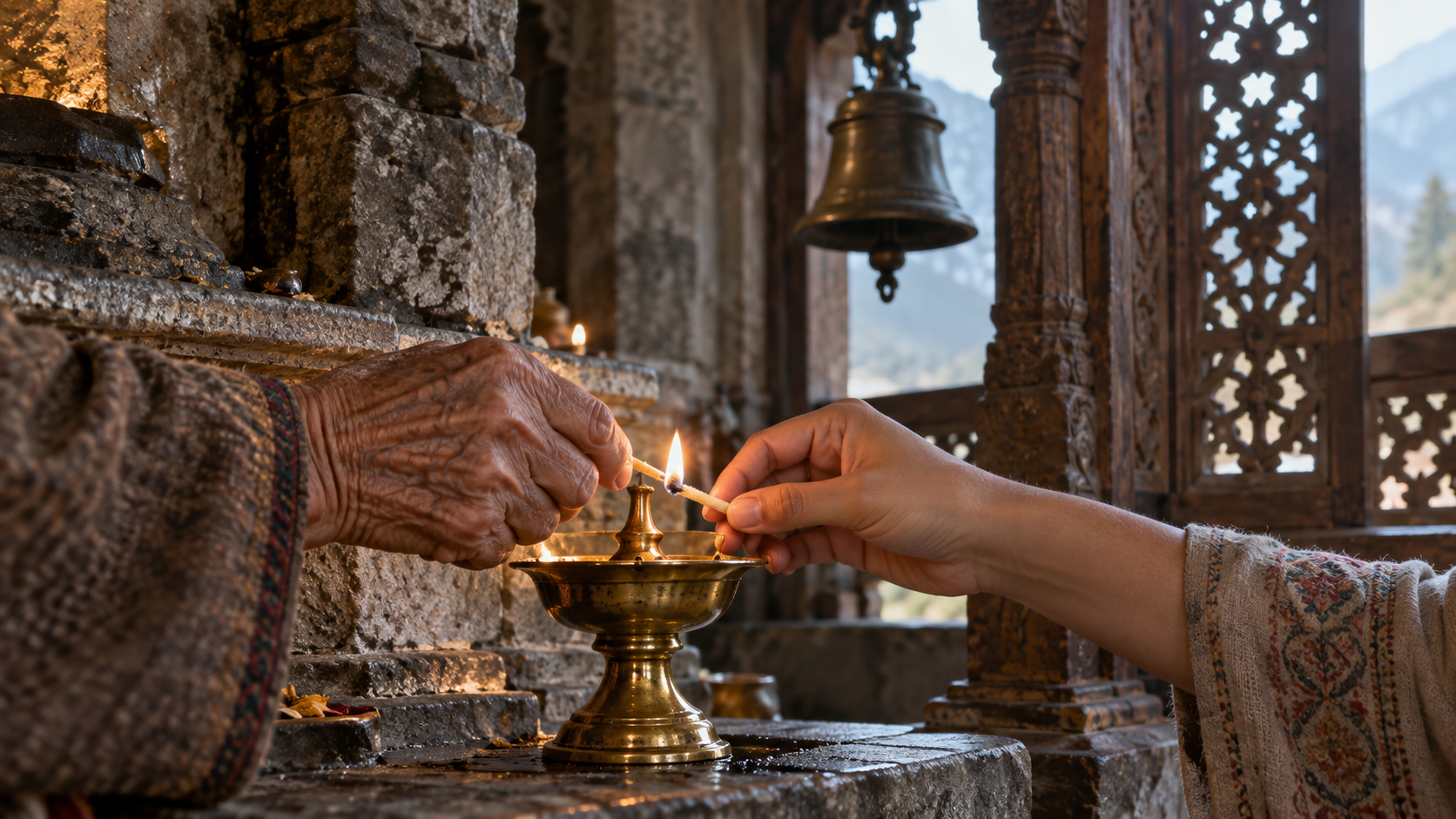
A temple is not merely a structure that happens to contain worship. It holds repeated practices: the route by which devotees approach it, the timing of puja, the memory of festivals, the care of sacred objects, and the relationships through which knowledge passes from one generation to another. When access ends for decades, that chain is disrupted even if devotion survives in homes and memory.
Reopening therefore restores a possibility. Darshan can again become a lived practice rather than only a recollection. A younger person can encounter a sacred place directly instead of knowing it solely through a family account. The temple can resume its place in Srinagar’s public religious landscape rather than exist only as evidence of what was lost.
There is also a civic meaning. A functioning Hindu shrine affirms that Hindu sacred geography in Kashmir is not a closed historical chapter. That does not erase the violence, fear, displacement, or institutional failures associated with the rupture that began in 1990. Nor should the building be used as a substitute for the safety, dignity, property rights, and agency of people. A temple’s reopening and a community’s secure rehabilitation are related achievements, but they are not the same achievement.
You can hold both truths at once: Sheetalnath’s reopening deserves recognition, and the deeper test is whether religious life around it can endure.
How to judge whether reopening becomes restoration
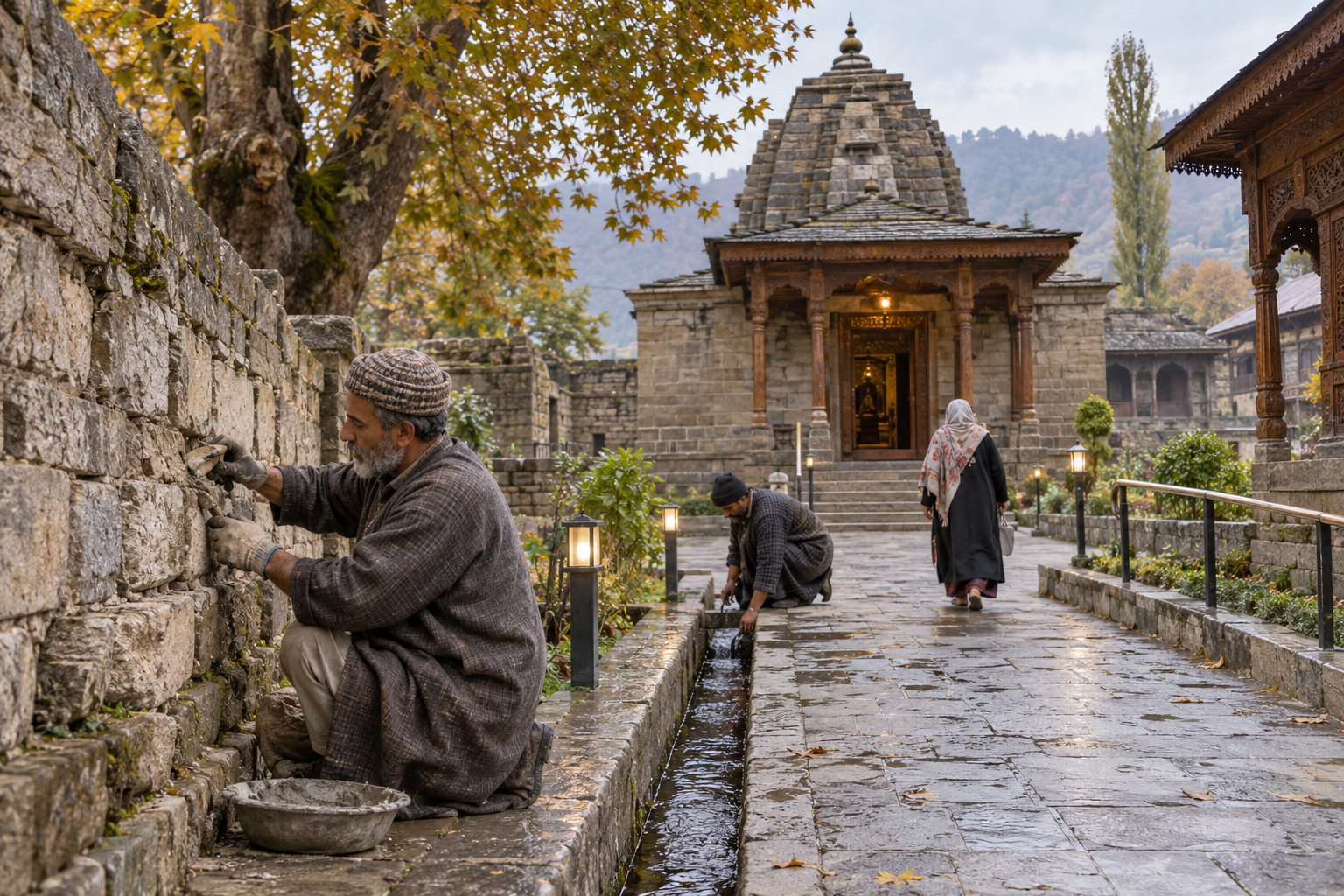
The most useful response is to watch what happens after the first announcement. A durable revival leaves observable signs. When more information becomes available, ask these questions:
- Access: Can ordinary devotees visit on known days and at published times, or does entry depend on a special occasion or invitation?
- Ritual continuity: Is there a recurring schedule of puja, seva, or festival observance rather than a single reopening ceremony?
- Stewardship: Is responsibility for the premises clearly assigned, including custody of keys, routine maintenance, and decisions about religious use?
- Conservation: Has the condition of the structure and its sacred objects been recorded before repairs, and are changes being documented?
- Community participation: Do families and representatives with a historical connection to the temple have a meaningful voice in its future?
- Accountability: If donations are collected, are the authorised recipient, intended use, and reporting arrangements clearly identified?
- Continuity under pressure: Are access and worship supported by stable arrangements that can continue after media attention fades?
These questions prevent two common misreadings. The first is to call every ceremonial opening a complete restoration. The second is to dismiss symbolic milestones because they do not solve every surrounding problem. A milestone can be incomplete and still be consequential. The right response is to identify what has changed, what has not, and what evidence would demonstrate the next stage.
Language is part of that discipline. Use “reopened” for the confirmed event. Reserve “regular worship restored,” “fully renovated,” “permanently accessible,” or “returned to community management” for the point at which those developments are independently established.
What meaningful renewal should protect
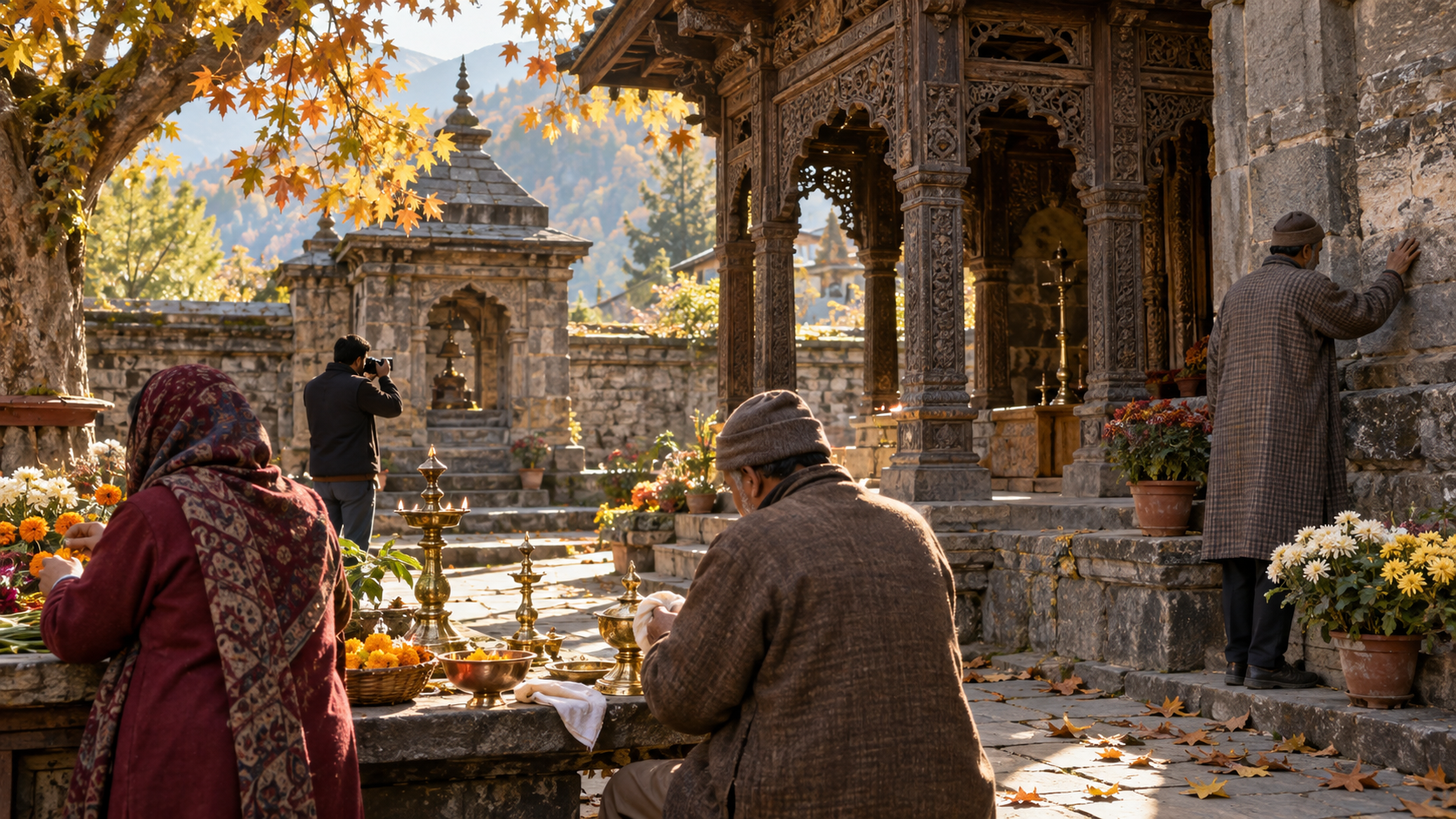
Long-term renewal should be built around continuity, not spectacle. That requires several kinds of work, each of which protects something the others cannot.
- Record the temple before changing it. A dated photographic survey, an inventory of sacred objects, copies of available records, and carefully attributed oral histories create a baseline. Without one, later repair can unintentionally erase evidence of the temple’s history.
- Establish a sustainable worship rhythm. A modest recurring schedule is more meaningful than an ambitious programme that cannot be maintained. Published timings also allow devotees to plan a visit and distinguish continuing access from a one-day event.
- Separate conservation from cosmetic renovation. Cleaning and repainting may improve appearance, but historic structures can require specialised assessment. Materials, inscriptions, architectural features, and sacred objects should be documented before alteration.
- Make stewardship legible. Devotees should be able to determine who administers the temple, who authorises work, where donations go, and how concerns can be raised. Clarity reduces both confusion and the risk that goodwill will be misused.
- Give connected families a role. Administrative control alone cannot reproduce inherited knowledge. People who remember the temple’s customs, observances, and social place may hold information that no building survey can recover.
- Preserve an accessible archive. Photographs, verified dates, testimonies, ritual calendars, and restoration records should be stored in more than one place. Public copies, with sensitive personal details removed where necessary, make continuity less dependent on a single custodian.
None of this requires inflating the reopening into a claim it cannot yet bear. It requires treating the temple as a living institution whose religious use, physical fabric, memory, and governance all need care.
Key takeaways for readers and supporters
- Sheetalnath Temple in Srinagar reopened on 25 September 2026 after a 36-year closure associated with the upheaval that began in 1990.
- Reopening is a meaningful recovery of access and public Hindu presence, but it does not by itself prove that worship, management, conservation, or security arrangements are permanent.
- Judge progress through observable continuity: published access, recurring worship, clear stewardship, documented conservation, community participation, and transparent use of donations.
- When sharing the news, keep confirmed facts separate from hopes, predictions, and unverified captions.
- Before donating or volunteering, verify who is authorised to act for the temple, what the proposed work covers, and how completion and expenditure will be reported.
Your most useful next step is simple. Share the confirmed reopening accurately, then keep asking about the practices that turn access into continuity. If you plan to support the temple, direct that support toward verified, recurring needs rather than reacting to an unauthenticated appeal.
Sheetalnath should be neither reduced to a symbol nor presented as proof that every wound has healed. Its reopened doors create an opportunity. Whether that opportunity becomes a durable Hindu institution in Srinagar will be shown by who can enter, what worship continues, how the heritage is protected, and whether the people connected to it retain a voice.
References

Leave a Reply
You must be logged in to post a comment.