-
Parashurama Jayanti 2026 on Akshaya Tritiya: Auspicious Date Rules, Muhurta, Puja, and Meaning

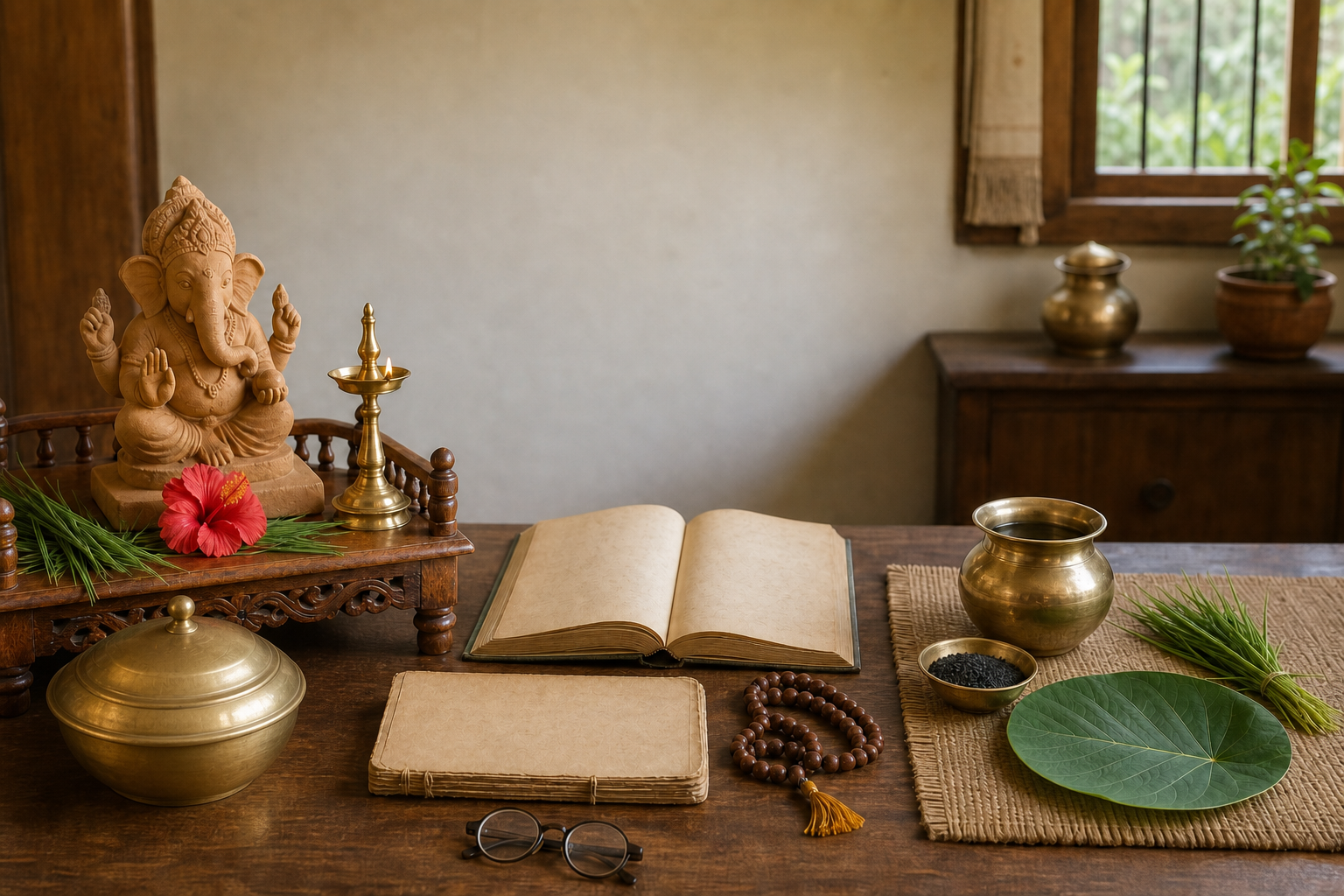
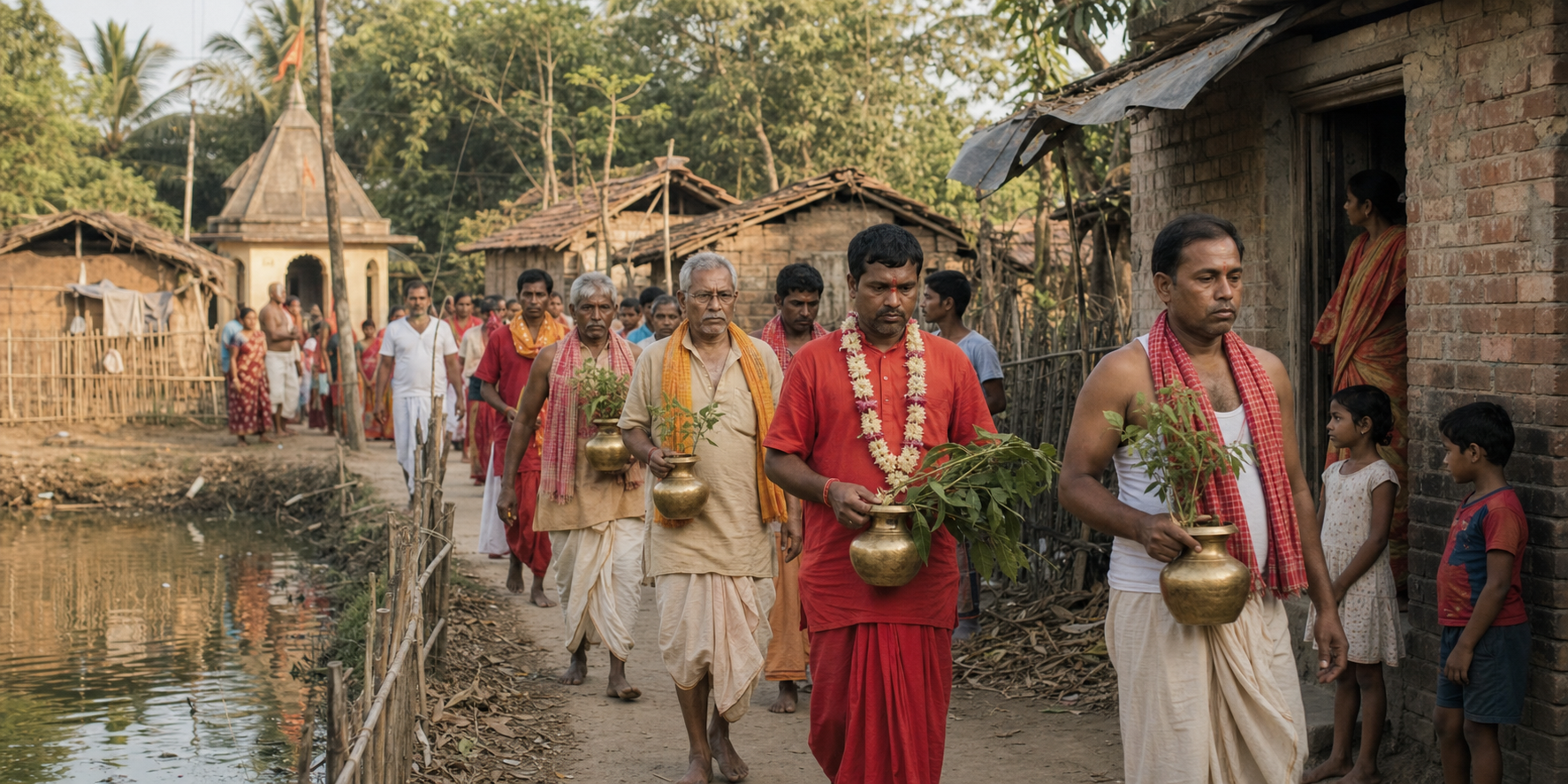
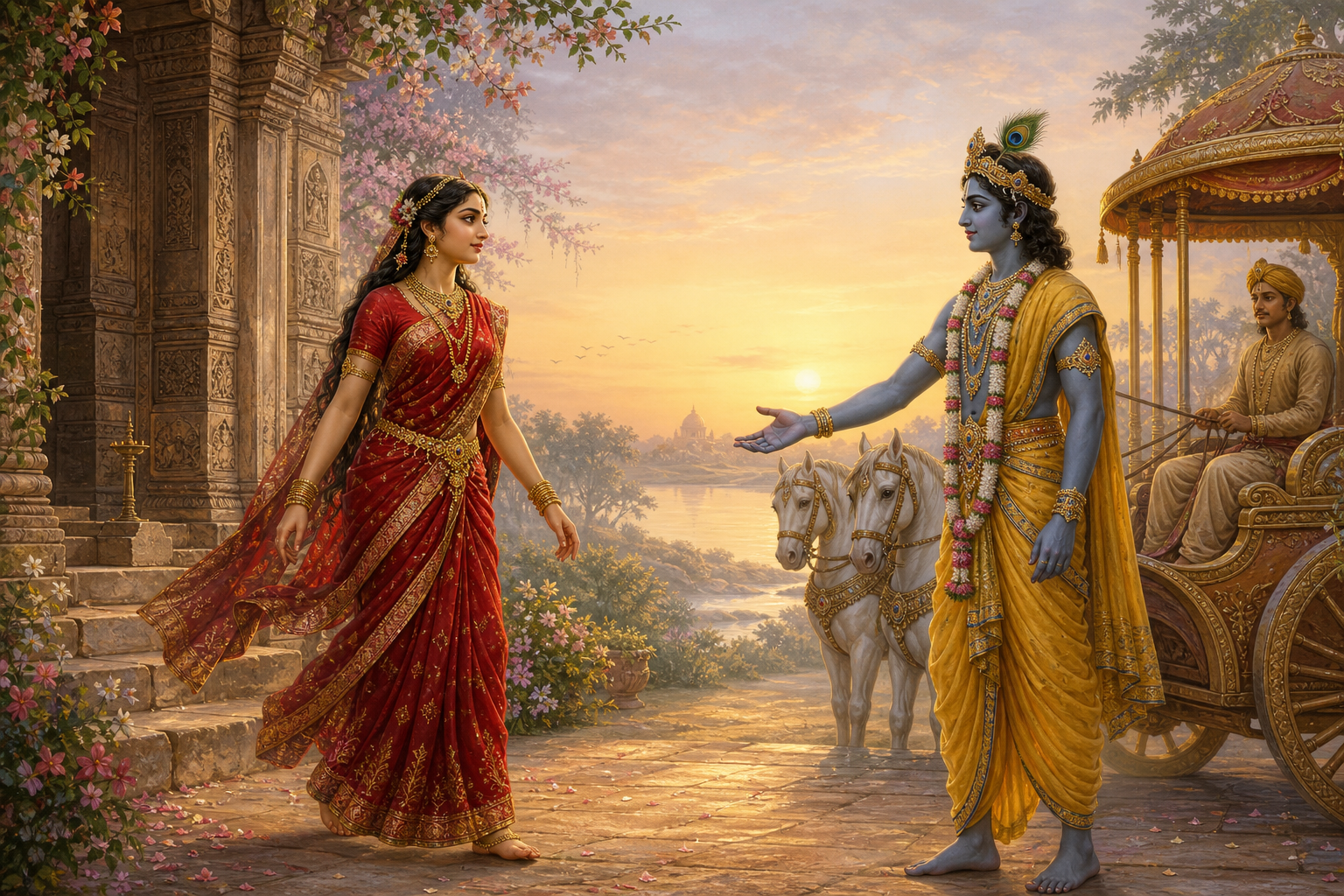
Parashurama Jayanti 2026 coincides with Akshaya Tritiya, observed on Vaishakh Shukla Tritiya, and is dedicated to Lord Parashurama, the warrior-sage avatar of Lord Vishnu. Because the Tritiya tithi can overlap civil dates and time zones, traditions may choose the day based on sunrise or Madhyahna, so local Panchang consultation is essential. The day’s core practices…
-
Compassion in Vaishnava Culture: Practical Ahimsa that Prevents Harm and Fosters Harmony

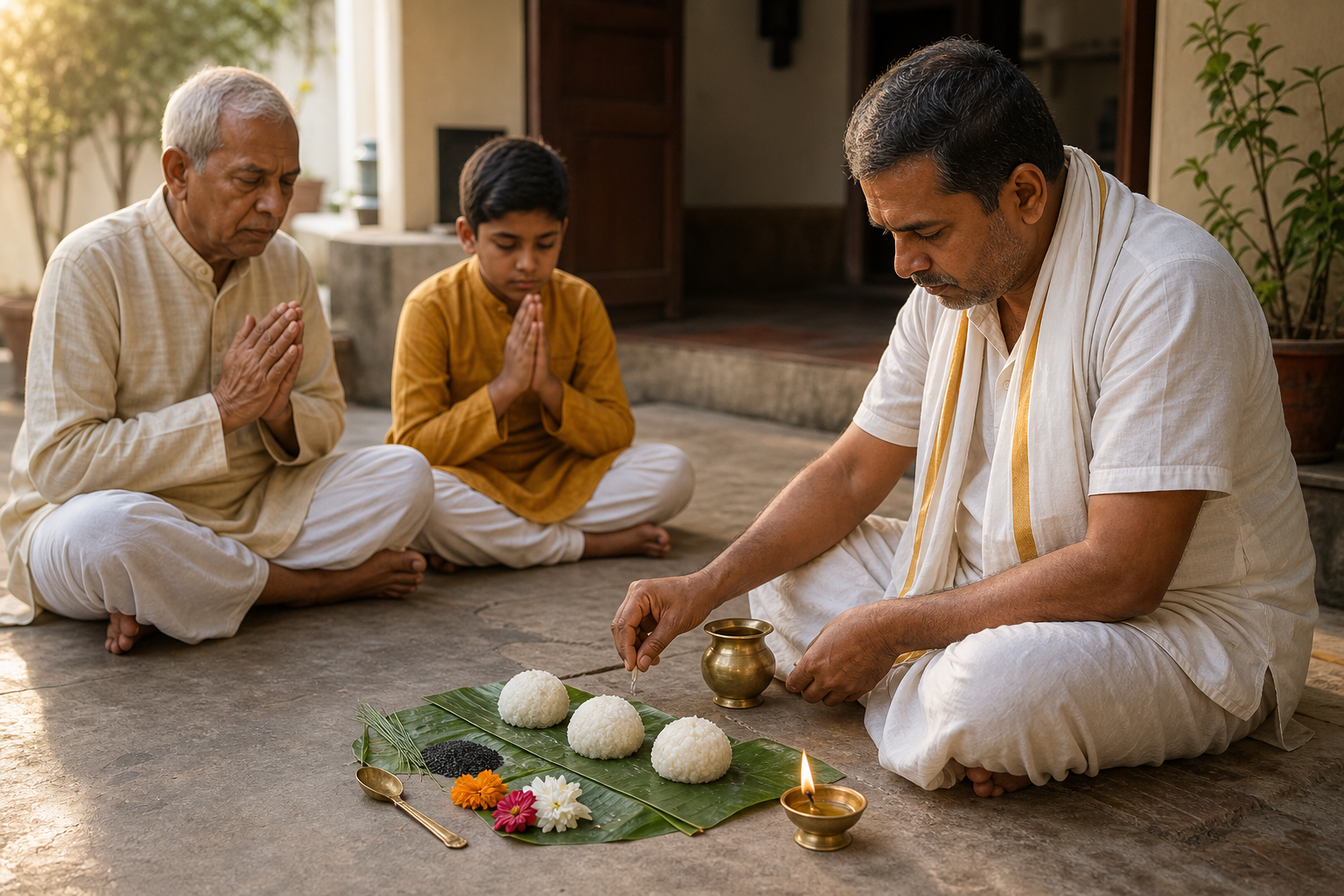
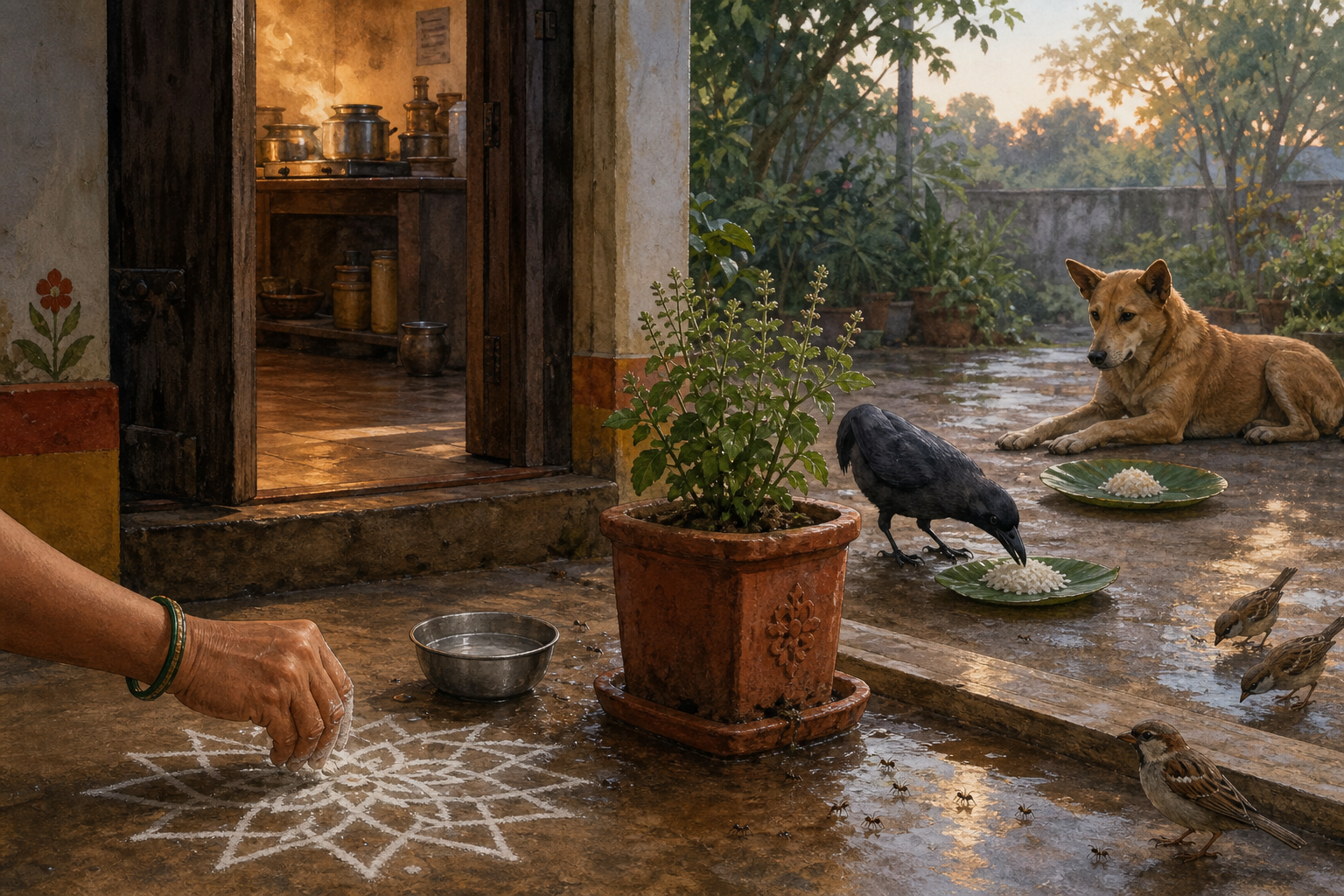
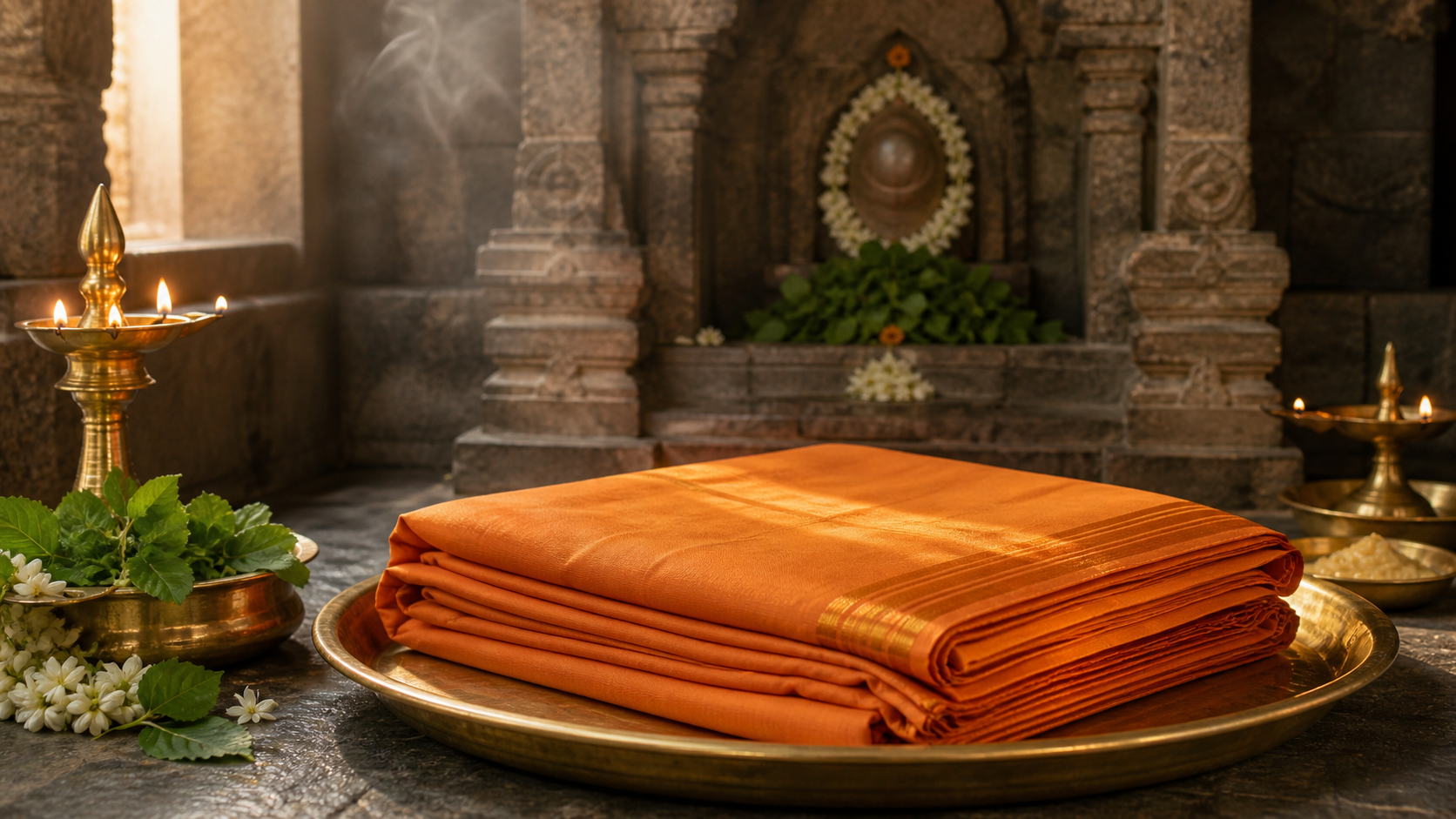
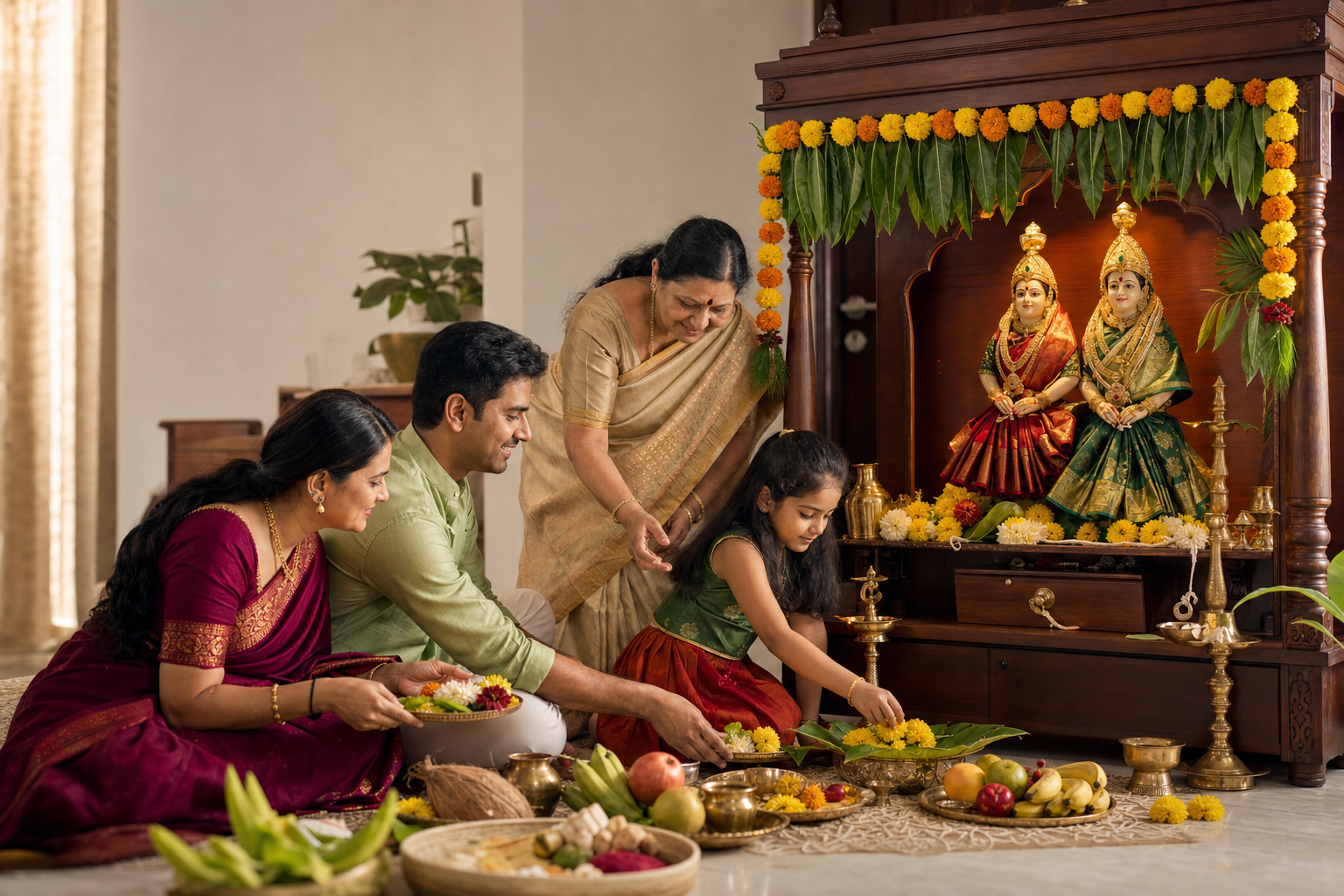
Compassion in Vaishnava culture operates as a precise, practical ethic rather than mere sentiment. A classic Gaudiya Vaishnava teaching story—placing a basin of rice to deter rats from damaging costly cloth—illustrates how non-harm and foresight can protect both beings and livelihoods. Grounded in the Bhagavad Gita’s calls for equal vision and friendliness to all beings,…
-
Srivari Pournami Garuda Seva 2026: Full-Moon Dates, Ritual Significance & Planning Tips

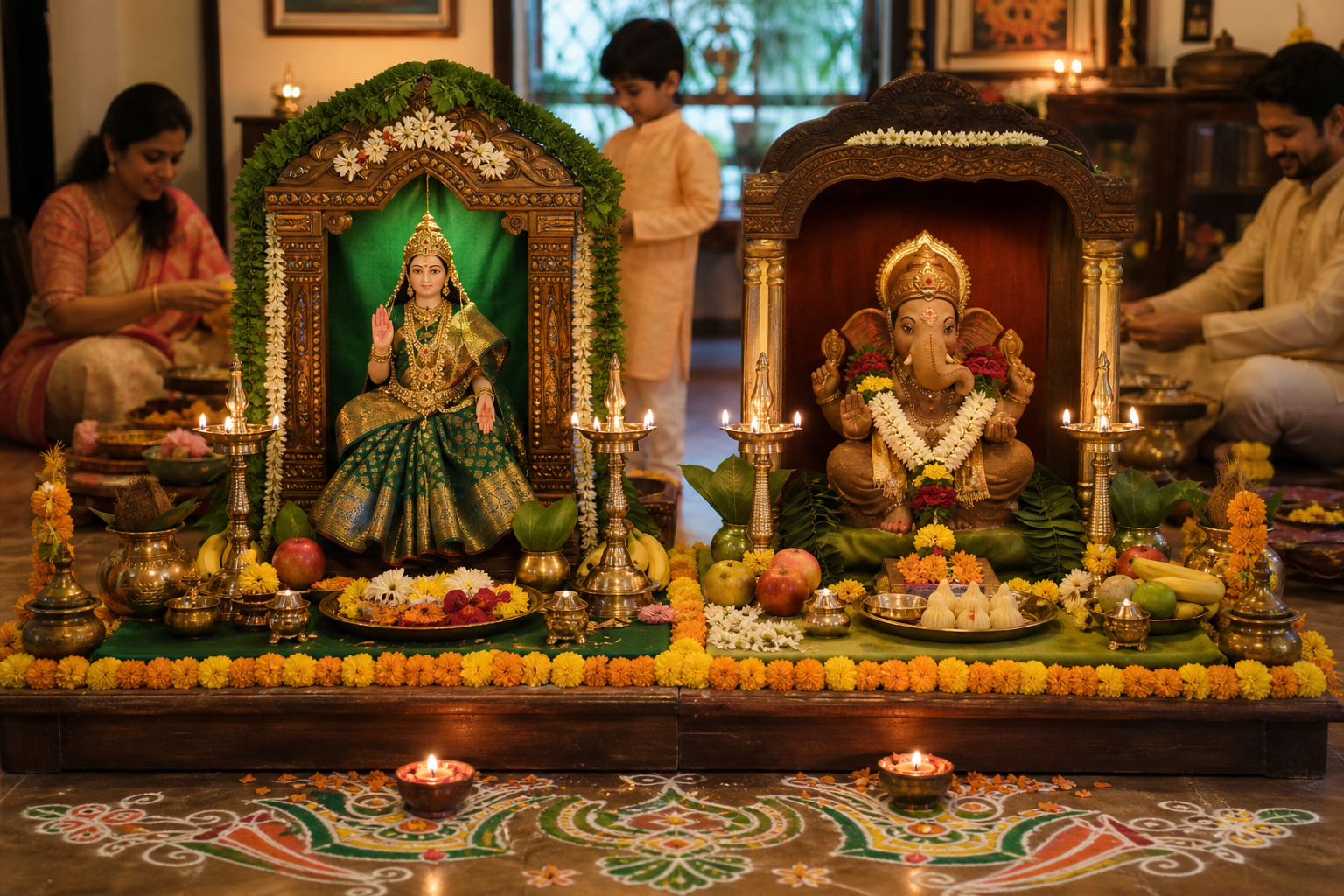
Srivari Pournami Garuda Seva at Tirumala is a full-moon procession of Sri Venkateswara Swamy on the Garuda Vahanam, drawing thousands for an uplifting darshan. For 2026, the Purnima-based dates in IST are projected as 1 May, 31 May, 29 June, 29 July, 28 August, 26 September, 26 October, 24 November, and 24 December, subject to…
-
In-Depth April 13, 2026 Panchang: Precise Ekadashi Tithi, Muhurta, Nakshatra & Rashi Guide

April 13, 2026 aligns with Krishna Paksha Ekadashi until about 9:30 PM (IST), transitioning to Krishna Paksha Dwadashi thereafter. The post explains Ekadashi’s Tithi mechanics, fasting guidelines, and Parana on April 14 after sunrise while observing Hari Vasara. It clarifies key Panchang components—Tithi, Nakshatra, Rashi, Yoga, and Karana—and emphasizes why local calculations are essential. Practical…
-
April 12, 2026 Panchang Guide: Tithi Change, Auspicious Timings, Nakshatra & Rashi Insights

Sunday, April 12, 2026 in most Hindu Panchangs is Krishna Paksha Dashami until 9:19 PM, after which Krishna Paksha Ekadashi begins. This guide explains how tithi is computed, why a tithi can span two civil dates, and why most Ekadashi observers will fast on Monday, April 13, 2026. It outlines how to use Abhijit Muhurta…
-
Paralakhemundi’s Hidden Durga Temple: Sacred Seclusion and the Navratri-Only Opening

The Paralakhemundi Durga Temple in Odisha’s Gajapati district practices a remarkable discipline: it opens to the public only during Navratri, preserving a Shakta tradition of sacred seclusion while intensifying the experience of darshan. Situated on Dandumala Street near Dola Tank Road, the shrine honors Dandu Maa (also known in Telugu as Goddess Dandu Maramma), reflecting…
-
April 11, 2026 Panchang: Sacred Navami–Dashami Transition, Auspicious Timings and Vedic Insights

Saturday, April 11, 2026 features Krishna Paksha Navami until about 8:40 PM, transitioning to Dashami thereafter in most regions. The article explains how tithi is computed, why timings vary by location, and how to use Panchang responsibly. It clarifies practical rules like udaya tithi and highlights Saturday’s association with Shani, aligning the day with steadiness…
-
Radiant Konna Poo in Vishu: Botany, Bloom Cycles, and Sacred Symbolism in Kerala

Konna poo, the golden raceme of Cassia fistula, anchors the Vishukkani Darshan of Vishu by aligning seasonal bloom with sacred symbolism. This comprehensive overview explains the tree’s botany and phenology, showing why its peak flowering in mid-April so precisely matches Kerala’s new year observances. Readers will find a clear account of the Vishukkani arrangement and…
-
Vishukkani Darshan: Timeless Ritual Science, Solar New Year, and Kerala’s Sacred Abundance

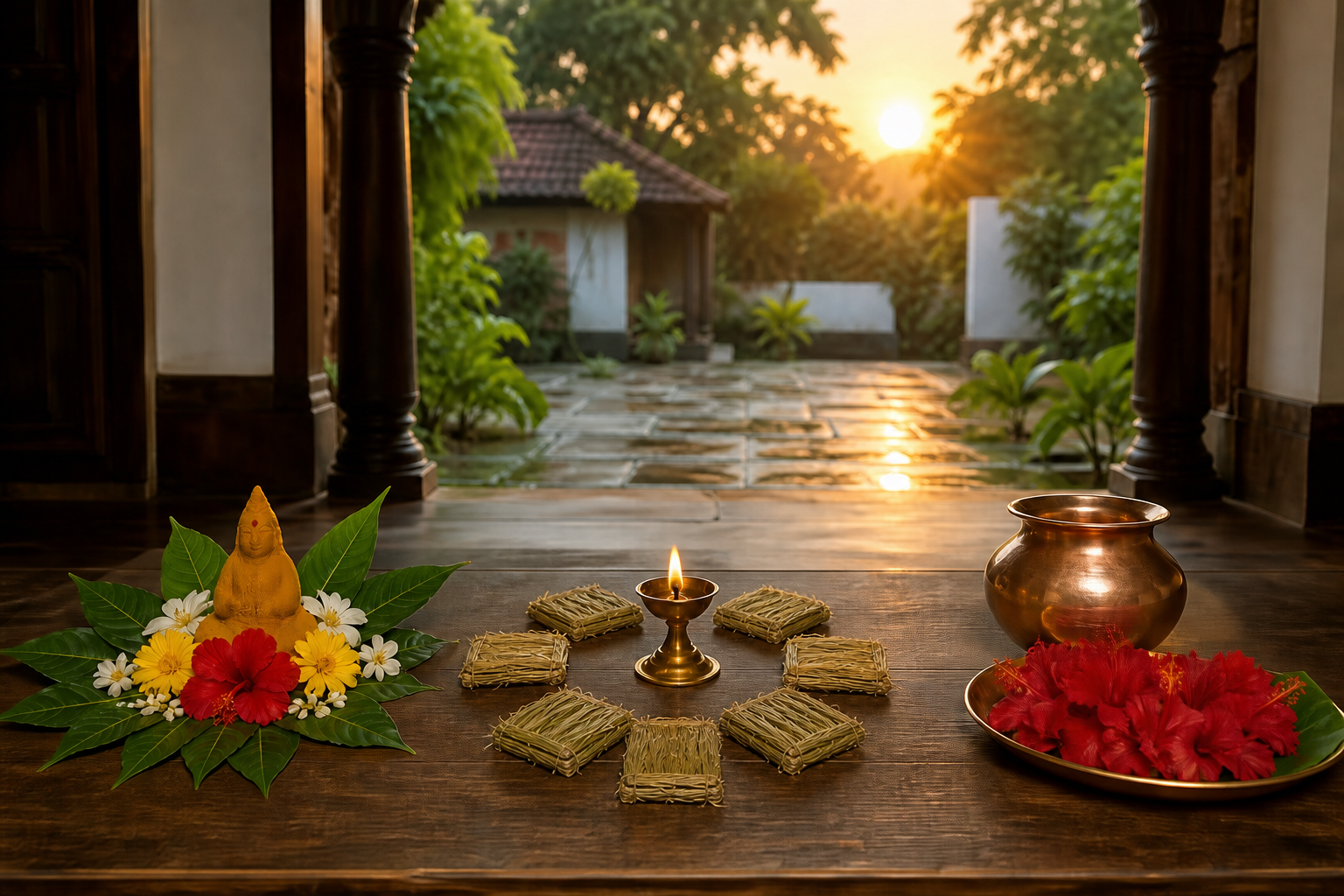
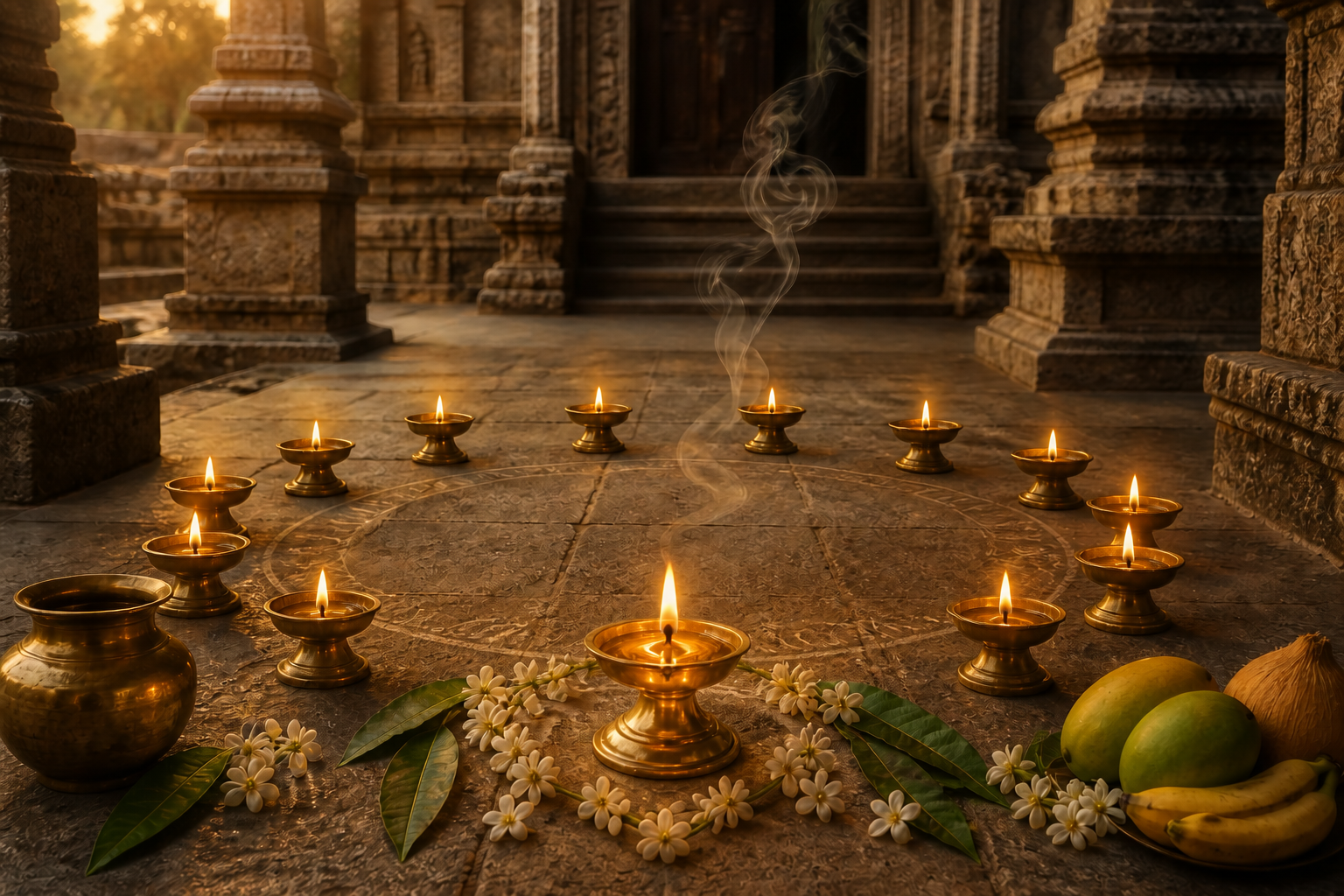
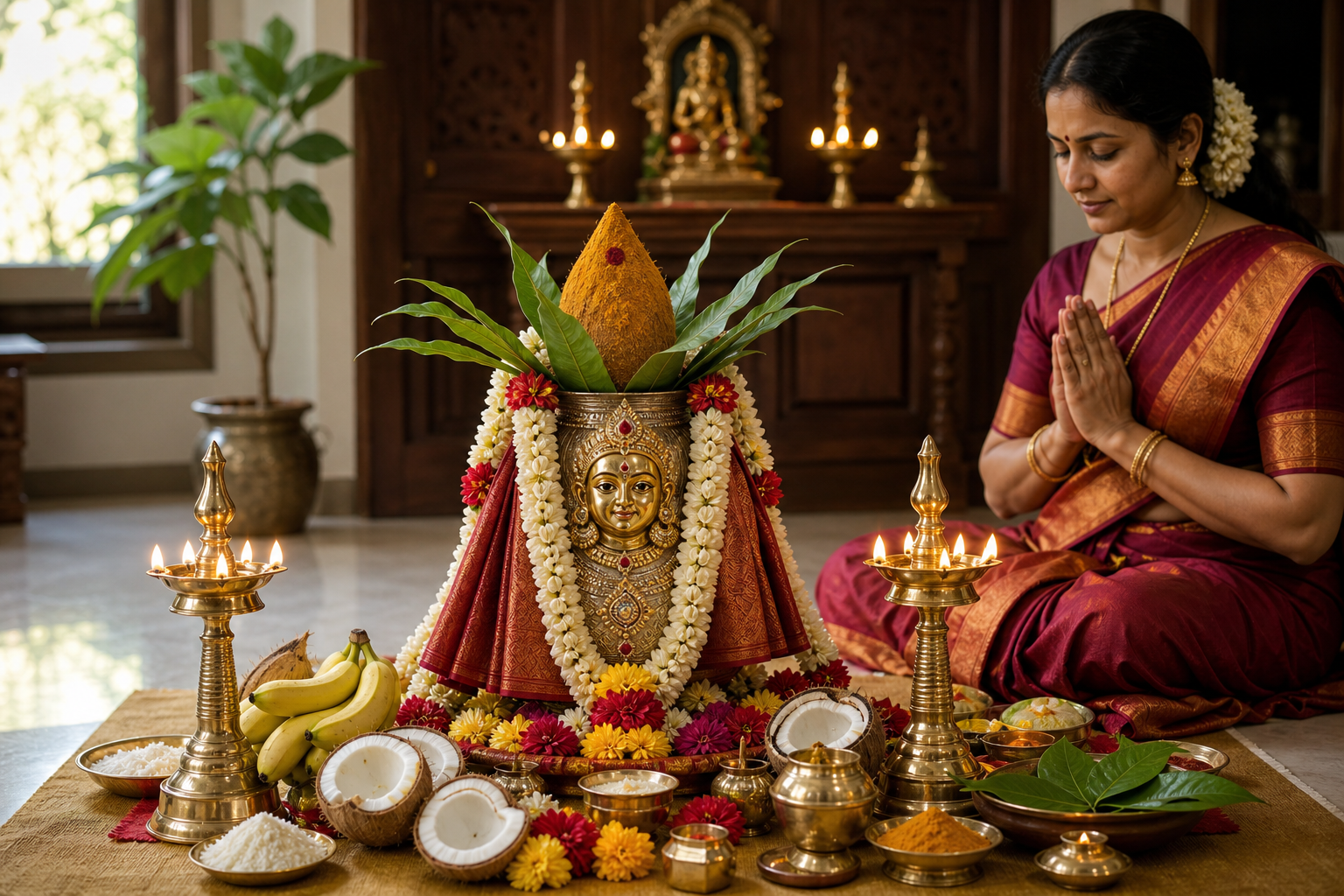
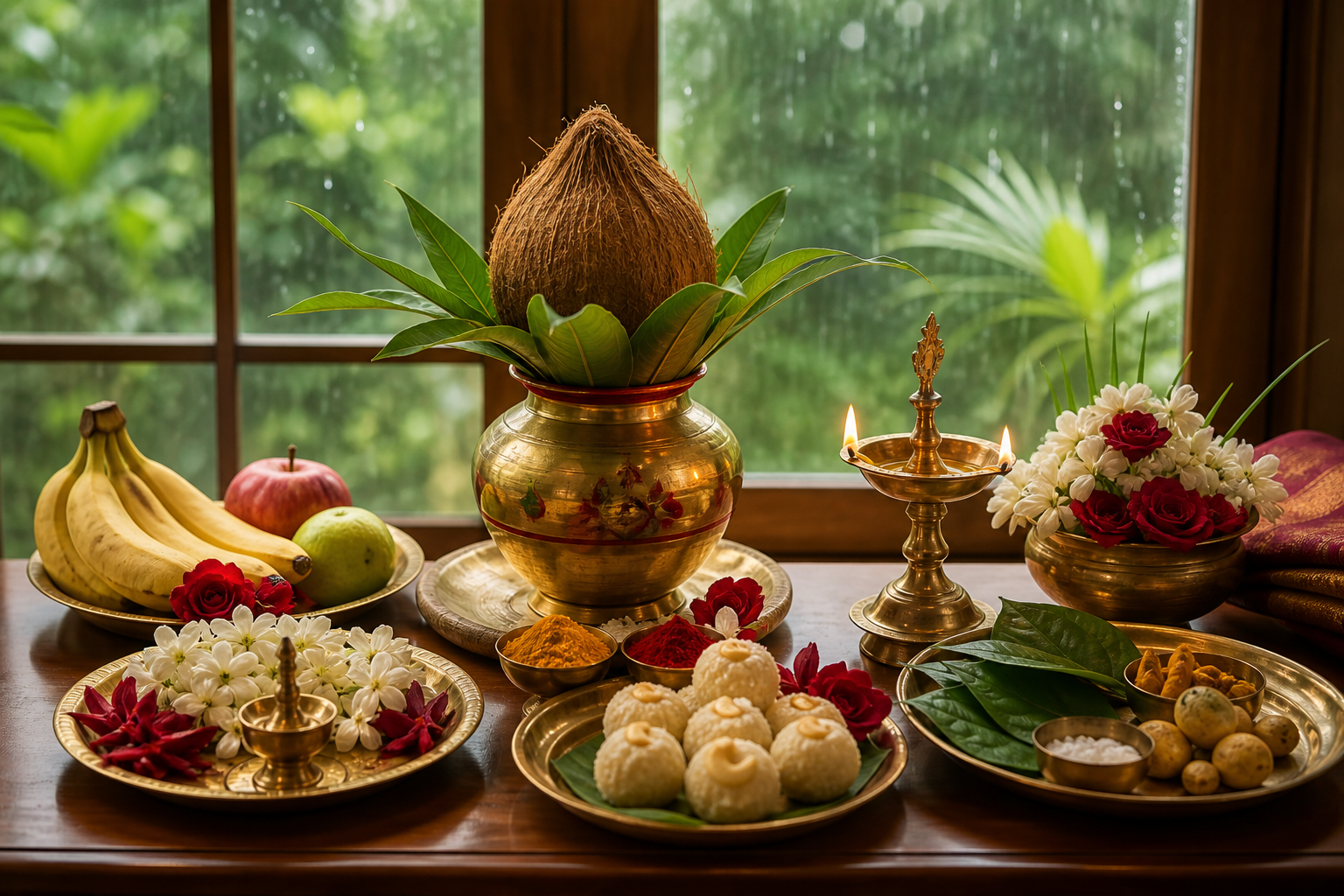
Vishukkani Darshan—Kerala’s sacred first sight on the Solar New Year—unites ritual, ecology, and ethics in a luminous dawn tableau. The arrangement features konna pua, a bronze Uruli with rice, seasonal fruits and vegetables, a nilavilakku, a mirror, gold or coins, and a revered text. Celebrated at Mesha Sankramana (mid-April), it aligns eyes and mind with…
-
Vishu Kanji & Vishu Katta: Authentic Kerala Vishu Breakfast, Ritual Meaning, and Recipe Guide

This long-form guide clarifies the cultural and culinary essence of Vishu Kanji and Vishu Katta, the traditional Kerala breakfast served after Vishukkani Darshan on Vishu. It explains how both dishes share core ingredients—unakkalari or pacha ari, fresh grated coconut, cumin, and salt—while diverging in texture through different liquid ratios and techniques. A detailed, time-efficient workflow…
-
Vishu Festival Unveiled: Astronomical New Year of Kerala, Sacred Kani, Kaineettam & Sadya

Vishu, Kerala’s Astronomical New Year, is celebrated at Mesha Sankramana when the Sun enters sidereal Aries, aligning the festival with the first day of Medam in the Malayalam calendar. The hallmark Vishukkani Darshan—an arrangement of uruli, konna blossoms, lamp, coins, sacred text, and mirror—encapsulates prosperity, knowledge, and self-reflection in a single auspicious sight. Vishu Kaineettam…
-
Konna Poo (Cassia fistula) in Vishu: Science, Sacred Symbolism, and Sustainable Tradition

Cassia fistula (Konna poo/Kanikkonna), the golden shower tree, blooms in perfect synchrony with Vishu, anchoring the Vishukkani in Kerala with its luminous racemes. This comprehensive guide explains its taxonomy, morphology, native range, and seasonal ecology, then connects those facts to the solar new year’s symbolism in the Malayalam calendar. Readers learn how the golden hue…
-
Vishukkani Darshan Unveiled: Meaning, Muhurta, and Complete Setup for a Prosperous Vishu

Vishukkani Darshan is the sacred “auspicious sight” that inaugurates Vishu, the Malayalam solar New Year, by presenting a curated ensemble of light, abundance, and devotion. This comprehensive guide explains what Vishukkani is, when it is celebrated (on Mesha Sankranti, typically 14–15 April), and why each component—konna pua, the ‘Uruli’ of rice, fruits, vegetables, lamp, mirror,…
-
Vishu Kanji & Vishu Katta: Authentic Kerala New Year Breakfast—History, Method, and Meaning

Vishu Kanji and Vishu Katta anchor the Vishu morning in Kerala with a sattvic, auspicious breakfast rooted in simplicity and seasonality. Drawing on raw rice, abundant fresh coconut, cumin, and a restrained use of salt, both dishes can be prepared within one hour. Vishu Kanji is a silken coconut–rice porridge, while Vishu Katta is a…
-
Vishu Festival Rituals and Customs: A Complete Guide to Vishukkani, Kaineettam, and Sadya

Vishu, Kerala’s astrological New Year, is observed on the first sunrise after Mesha Sankramana and centered on the sacred first sight called Vishukkani. This comprehensive guide explains the astronomy behind timing, clarifies the distinction between Vishu and the Malayalam civil new year, and details how to assemble the Vishukkani with nilavilakku, uruli, kani konna, grains,…
-
April 10, 2026 Panchang: Krishna Paksha Ashtami→Navami, Auspicious Muhurats, Nakshatra & Rashi

On Friday, April 10, 2026, the Hindu Panchang shows Krishna Paksha Ashtami until 7:34 PM IST, followed by Krishna Paksha Navami. The article explains tithi scientifically as 12-degree lunar elongations, clarifies why timings vary by location, and outlines how drik calculations with Lahiri ayanamsa are used. It details practical muhurta selection—Abhijit Muhurat, Choghadiya (with Friday’s…
-
April 9, 2026 Panchang: Krishna Paksha Saptami→Ashtami, Shubh Muhurat, Nakshatra & Rashi

On Thursday, April 9, 2026, the Hindu Panchang records Krishna Paksha Saptami until 6:00 PM, followed by Krishna Paksha Ashtami for the remainder of the day. This guide explains how tithi works technically, why sunrise and locality matter, and how to use Shubh Muhurat, Rahu Kalam, Yamaganda, Gulikai, and Choghadiya to plan important actions. It…
-
Vishukkani Vili in North Malabar: Living Heritage of Vishu, Community Joy, and Generous Giving

Vishukkani Vili is a living folk tradition of Vishu in North Malabar, Kerala, where children move door to door calling ‘vishukaniye, vishukaniye’ and receive Vishukkaineettam as blessings. Rooted in the dawn viewing of the Vishukkani, the practice turns private auspiciousness into a shared neighborhood experience. The custom strengthens intergenerational ties, teaches dana (giving) and reciprocity,…
-
Sital Sasthi 2026, Sambalpur: Shiva–Parvati’s Sacred Wedding and Odisha’s Grand Carnival

Sital Sasthi 2026 in Sambalpur, Odisha, falls on 20 June (Jyeshtha Shukla Sasthi) and reenacts the sacred wedding of Lord Shiva and Goddess Parvati through a citywide carnival. The festival combines precise Vedic marriage rites—kanyadaan, panigrahan, and saptapadi—with public processions, folk performances, and neighborhood stewardship. Visitors encounter Sambalpuri music and textiles, Dalkhai dance, and all-night…
-
Pana Sankranti 2026 on April 14: Odia New Year’s astronomy, rituals, and dharmic unity

Pana Sankranti on 14 April 2026 marks the Odia New Year (Maha Vishuva Sankranti/Meru Sankranti) and the Sun’s ingress into sidereal Aries (Mesha Sankranti). This long-form guide explains the astronomical basis (sidereal vs tropical frameworks and ayanamsa), clarifies why solar months run from Sankranti to Sankranti while some lunar months run from Purnima to Purnima,…