-
Girivalam 2026: Thiruvannamalai Pournami Dates, Sacred Route, and Devotee Guide

Girivalam in Thiruvannamalai is the sacred practice of circumambulating Annamalai Hill on each full moon (Pournami), centered on Arunachaleshwarar Kovil. In 2026, the cycle begins with Margazhi Pournami (Pushya Pournami; Velthuvavu in Dhanu Masam) on 3 January, spanning the full-moon window of 2–3 January. The 14-kilometer route includes traditional stops at the Ashta Lingams, blending…
-
Vasavi Atmarpana Dinotsavam 2026: Date, Tithi, Meaning, and Peaceful Rituals of Ahimsa

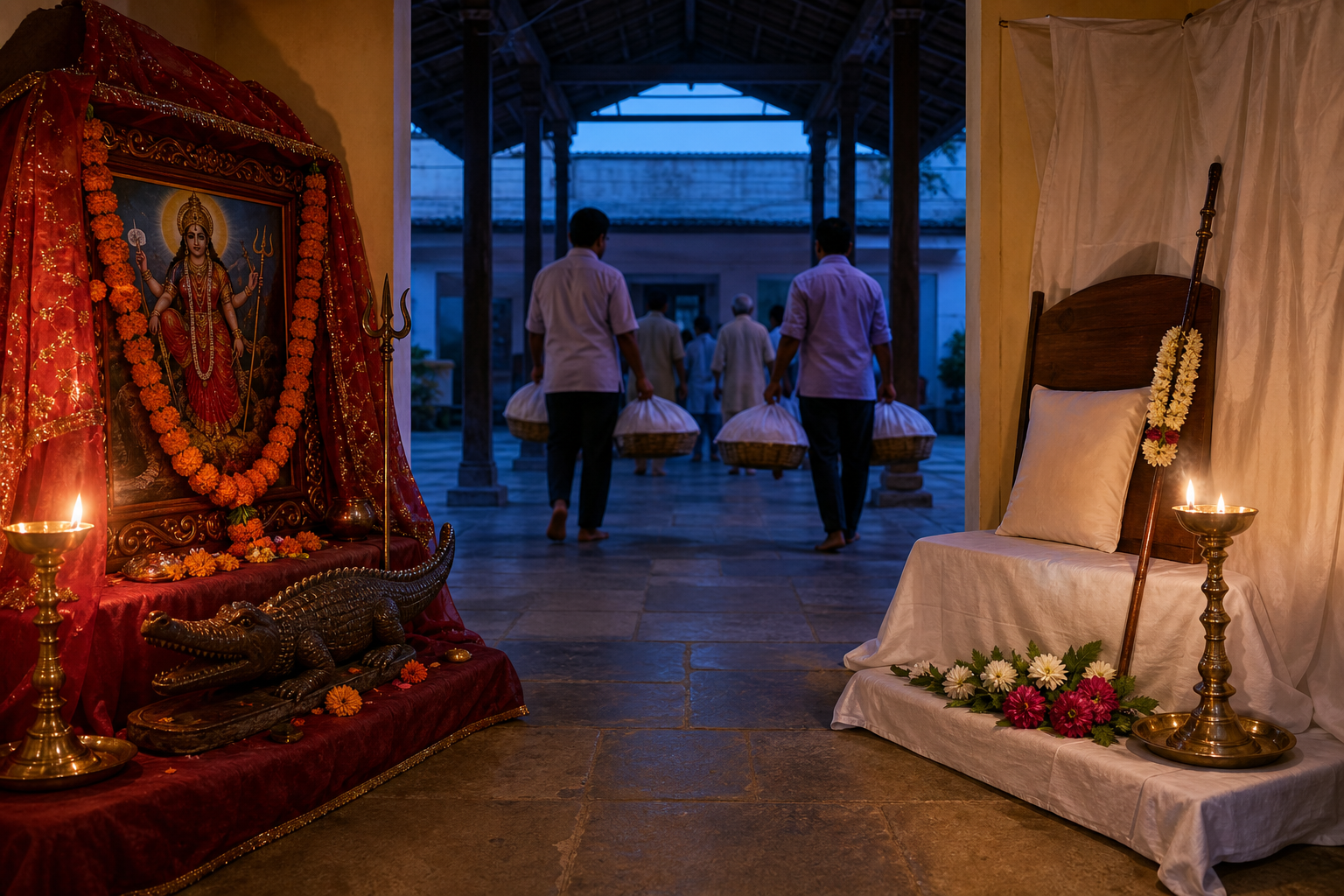
Vasavi Atmarpana Dinotsavam 2026 is observed on 20 January, corresponding to Magha Shukla Dwitiya. The day honors Vasavi Kanyaka Parameswari Devi’s union with the Divine and highlights the ethical ideals of ahimsa, dignity, and social harmony. Devotees commonly light lamps, offer kumkum and turmeric, and engage in prayer, meditation, and charity. The festival’s message resonates…
-
Magh Navratri 2026 Dates & Ritual Guide: Experience Gupt Navratri’s Sacred Nine Nights

Magh Navratri (Magha Navaratri), also known as Gupt Navratri, will be observed from January 19 to January 27, 2026. The festival unfolds during the Shukla Paksha of Magha maas and honors Goddess Shakti over nine sacred nights. Many households follow the Navadurga sequence, balancing devotion with inner sādhanā characteristic of Gupt Navratri. Simple practices—vrata, diya…
-
Murugan Unveiled: Tamil Hero, Spiritual Harmony, and the Transformative Power of Thaipusam

This exploration presents Murugan as a timeless Tamil icon whose youthful vigor, compassion, and discernment inspire communities across the Dharmic world. It clarifies why reducing him to a mere “God of War” overlooks deeper theological meanings centered on wisdom and restoration. Readers discover how classical texts, especially the Tolkappiyam, ground his identity in the mountain…
-
January 12, 2026 Panchang Guide: Sacred Tithi Timings—Navami to Dashami Shift

January 12, 2026 features a distinct Tithi transition in the Hindu calendar: Krishna Paksha Navami lasts until 1:54 PM, followed by Krishna Paksha Dashami for the remainder of the day. This precise timing supports confident planning for puja, vrata, and daily activities. Readers gain clarity on how Tithi complements Nakshatra and Rashi in the Panchang.…
-
Bhogi Pallu (Bhogi Pandlu): A Heartwarming Telugu Ritual Blessing Children with Prosperity

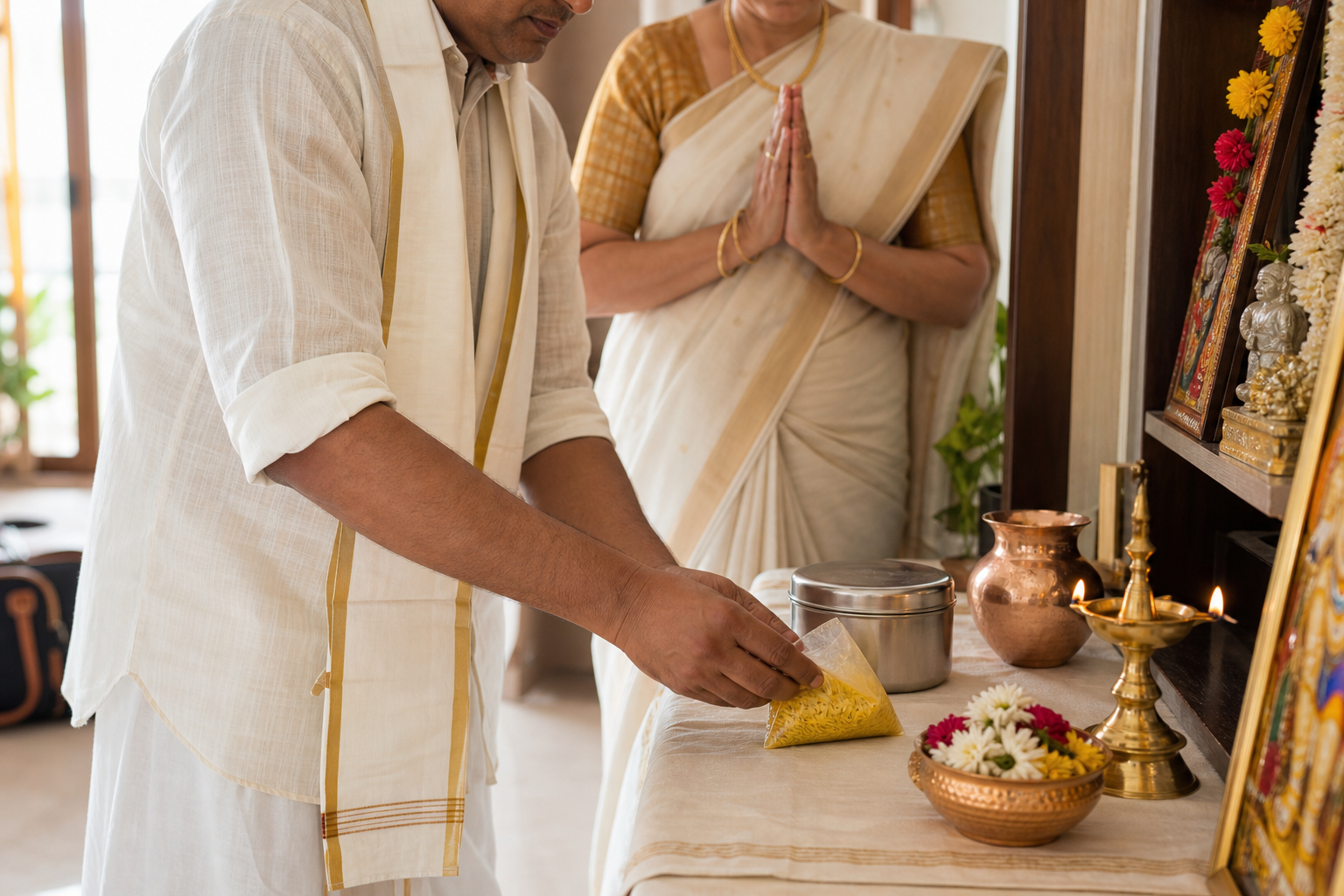
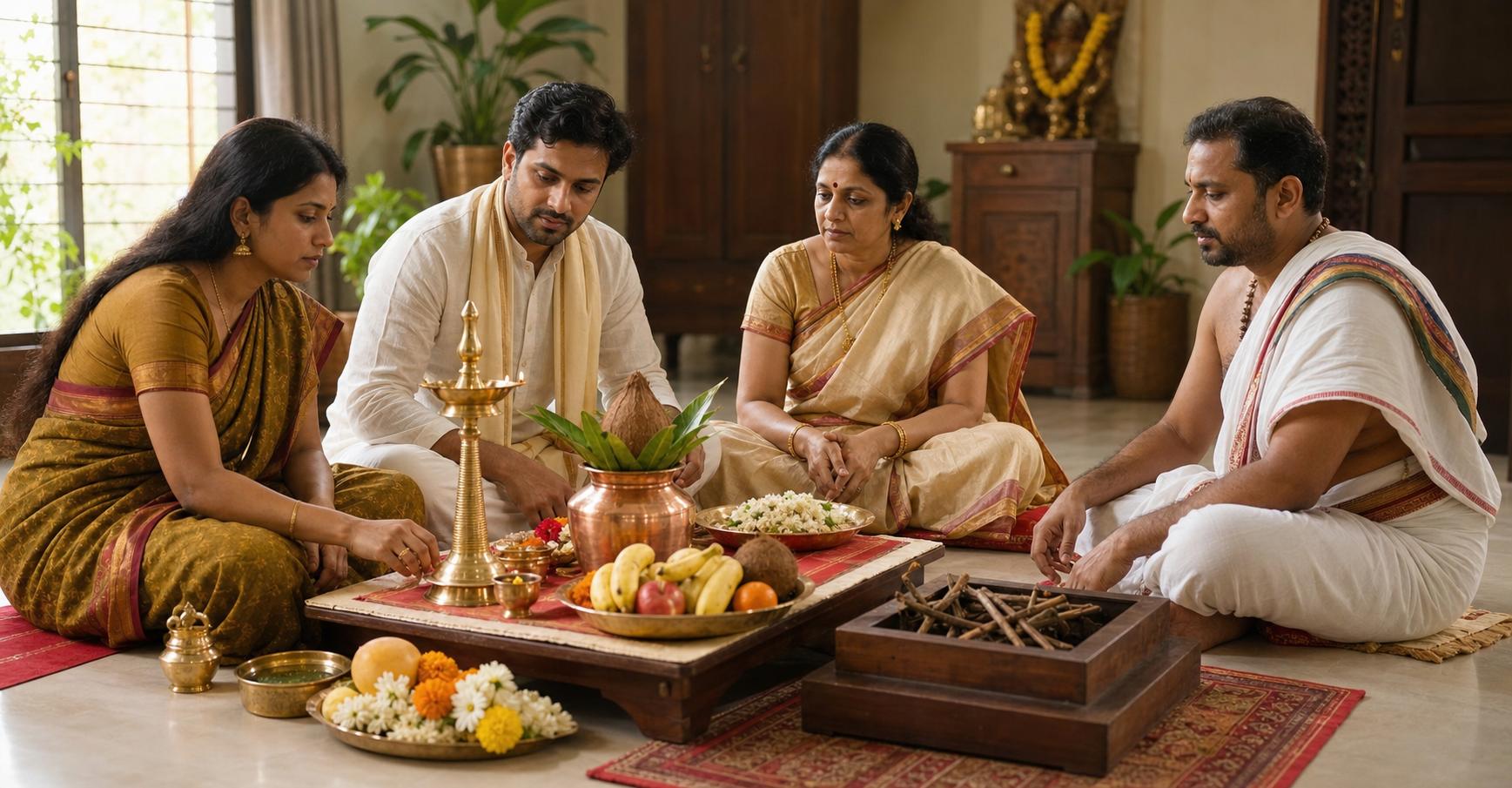
Bhogi Pallu—also called Bhogi Pandlu or Bhoda Pandlu—is a beloved Telugu ritual performed on Bhogi to bless and protect children at the start of the Makar Sankranti/Pongal season. Families dress children in new clothes, offer Aarti, and shower a seasonal mixture of gooseberries, sugarcane, and rice over their heads to ward off drishti and invite…
-
Makar Sankranti: Sun’s Transit to Makara Rashi, Sacred Snan, Pongal Traditions, and Unity

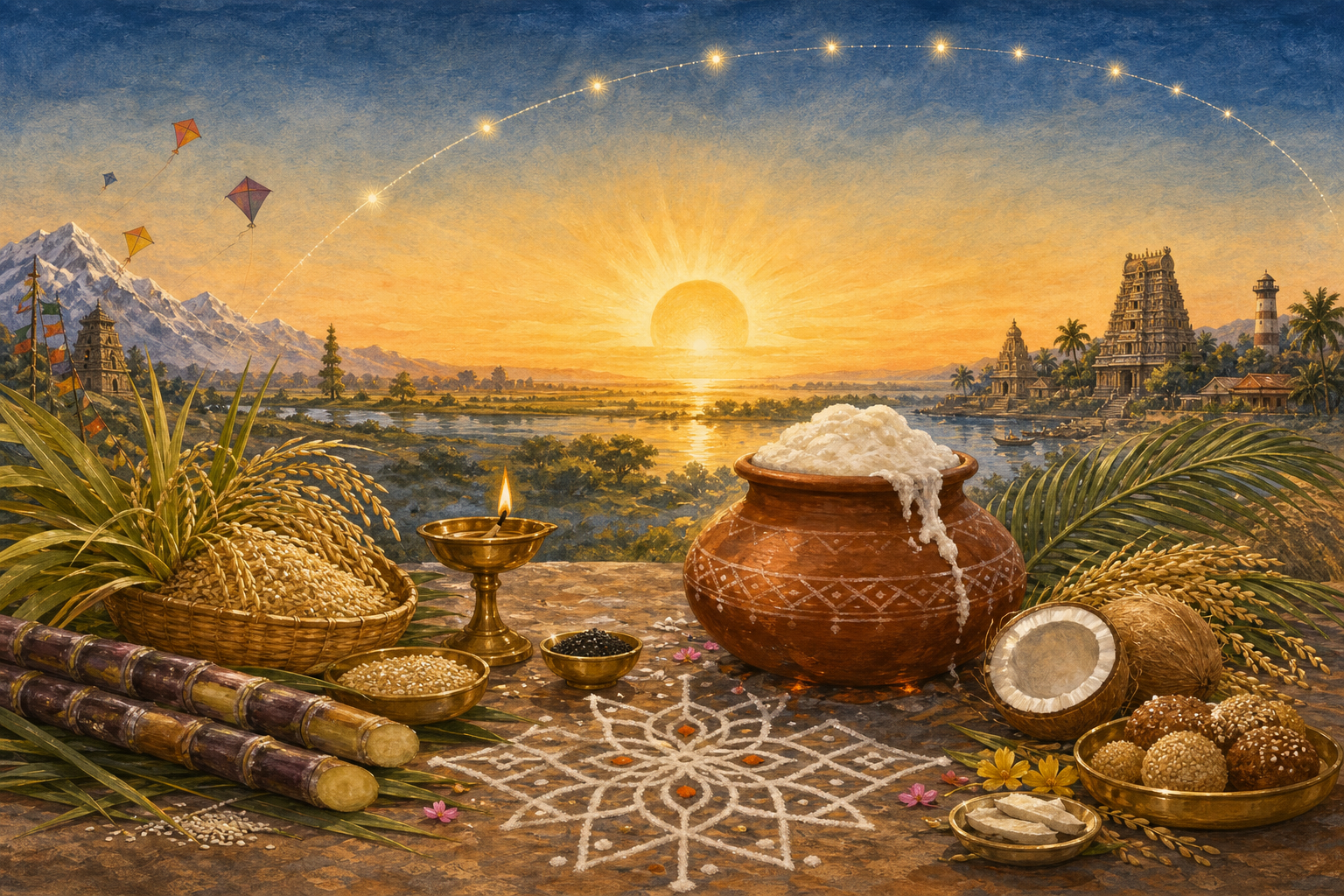
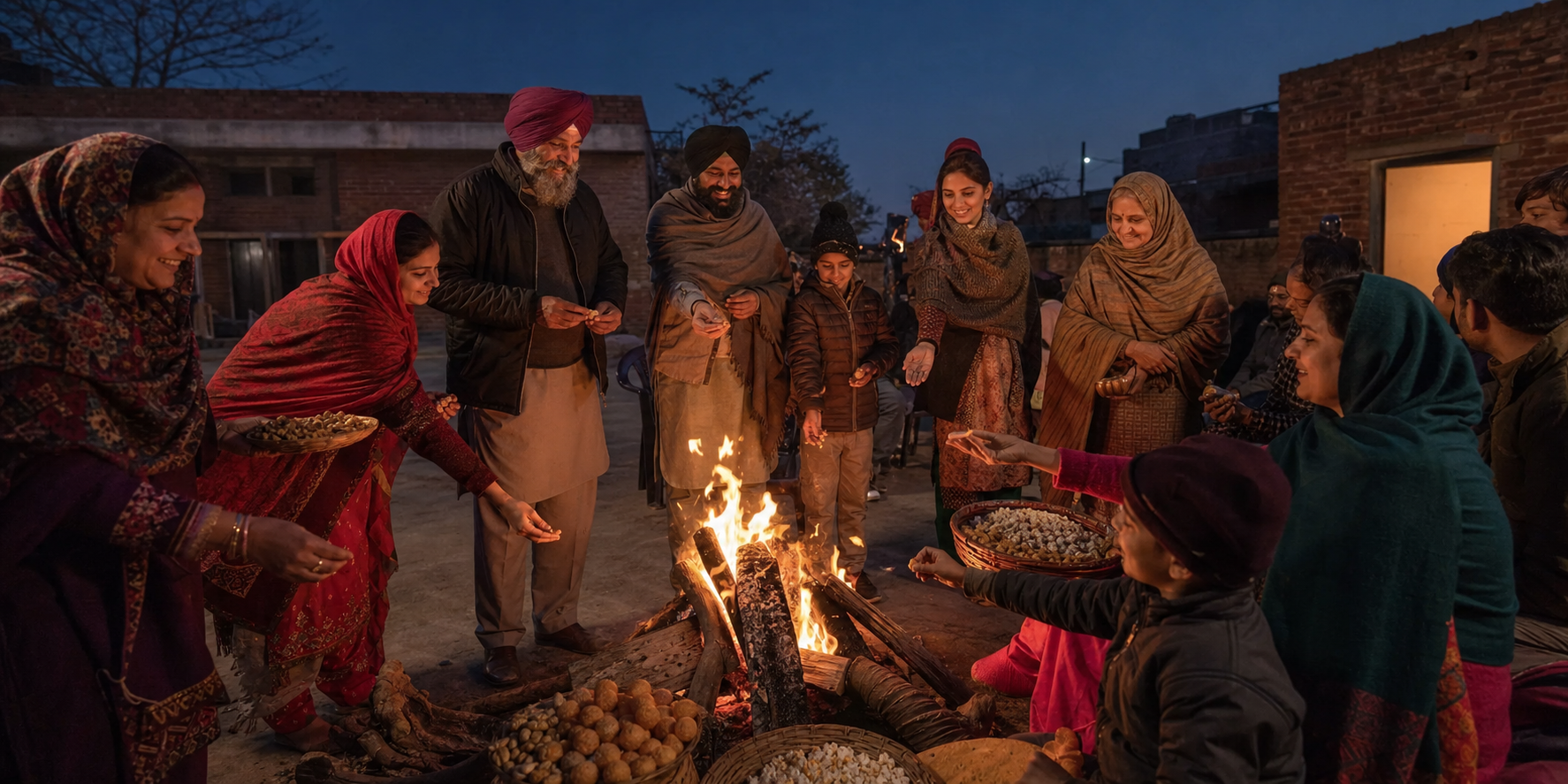
Makar Sankranti marks the Sun’s transit into Makara Rashi (Capricorn) and the beginning of Uttarayana Punyakalam, a turning point in the Vedic solar calendar. The day centers on Makara Sankramana Snan, Surya worship, and acts of charity, promoting inner clarity and compassion. Celebrated nationwide under various names, it is observed as Pongal in Tamil Nadu…
-
When Shiva and Hanuman Visit Young Rama: Folk Ramayana Symbolism, Significance, and Unity
Folk Ramayana traditions present a poignant scene where Shiva and Hanuman visit young Rama, conveying recognition across sacred paths and modeling humility, service, and righteous conduct. While absent in the Valmiki Ramayana, the motif thrives in Hindu folklore and devotional literature, expanding the epic’s ethical reach. Symbolically, Shiva represents jñāna, Hanuman embodies bhakti and seva,…
-
Bhogi Pandlu Muhurtham 2026: Sacred Timings, Ritual Meaning, and Family Blessings on 13–14 January

Bhogi Pandlu (Bhogi Pallu) is a children’s blessing ritual integral to Makara Sankranti in Andhra Pradesh and Telangana, with related practices recognized in Karnataka and Maharashtra. In 2026, Bhogi falls on 13 January and Sankranti on 14 January; families typically schedule the muhurtham on Bhogi morning according to the local Panchang. The ceremony involves showering…
-
Amavasya January 2026: Exact Date, Sacred Timings Guidance, and Regional Traditions

Amavasya in January 2026 falls on Sunday, January 18, marking the New Moon and, in Amavasyant calendars, the end of the lunar month. In North India, it is observed as Magh Amavasya, often associated with sacred snan and daan. Because Amavasya tithi timings vary by location, a city-specific Panchang is recommended for accurate observance. The…
-
Uttarayana Punyakalam Tharpana, 14 Jan 2026: Exact Sankalpa, Auspicious Timings, and Significance

14 January 2026, the day of Makara Ravi Sankramanam, is an auspicious time for Uttarayana Punyakalam Tharpana. This overview explains the significance of Uttarayana, why the solar transition into Makara matters, and how Sankalpa precisely frames the ritual. The commonly cited line—“Viswavasu nama samvathsare, Utharayane, hemantha rithou, Makara mase, Krishna pakshe, adhya […]”—is preserved to…
-
Chaturtha Visarga Shradh Explained: Honor Three Generations, Preserve Ancestral Bonds

Chaturtha Visarga Shradh (Caturtha Visarga) focuses Shradh offerings on three generations of ancestors while intentionally omitting the fourth and beyond. Grounded in Dharmashastra concepts of sapinda and samanodaka, it preserves ritual precision and devotional clarity. Families commonly observe it during Pitru Paksha or on specific death anniversaries, adapting practice to regional and familial traditions. The…
-
January 10, 2026 Panchang: Exact Tithi Timings, Auspicious Windows, and Devotional Guidance

January 10, 2026 features Krishna Paksha Saptami until 11:05 AM, followed by Krishna Paksha Ashtami for the remainder of the day. This precise timing helps devotees plan puja, vrata, and family rituals with confidence. Scheduling key acts before 11:05 AM aligns with Saptami phala, while post-11:05 AM observances suit Ashtami. Shubh Muhurat depends on local…
-
Magh Bihu 2026 in Assam: Date, Uruka Feasts and Meji Bonfires that Unite Communities

Magh Bihu (Bhogali Bihu or Maghar Domahi) in 2026 falls on January 14 and marks the close of Assam’s harvest season with Uruka feasts and Meji bonfires. Observed over several days, the festival blends agrarian rhythms with community fellowship. Key rituals include building bhelaghar, offering grains and sesame to the dawn bonfire, and sharing traditional…
-
Narmada Jayanti 2026: Date, Ratha Saptami Tithi, Significance, Rituals, and Sacred Journey

Narmada Jayanti 2026 falls on January 25 and coincides with Ratha Saptami, occurring on Shukla Paksha Saptami in the Magh Month. The festival honors the sacred appearance of the River Narmada, which originates at Amarkantak in Madhya Pradesh and flows west through Maharashtra and Gujarat. Devotees observe snan, aarti, deep daan, and hymn recitation, aligning…
-
Auspicious Varad Chaturthi 2026 (Ganesh Jayanti): Date, Significance, and Magh Shukla Chaturthi Rituals

Varad Chaturthi (Ganesh Jayanti), observed on January 22, 2026, aligns with Magh Shukla Paksha Chaturthi and is celebrated prominently in Maharashtra, Gujarat, and parts of North India. The festival’s names—Varad Til Chaturthi and Tilkund Chaturthi—highlight Ganesha’s boon-bestowing grace and the sacred use of sesame in worship. The post outlines core practices: vrata, upavasa, Ganesha puja,…
-
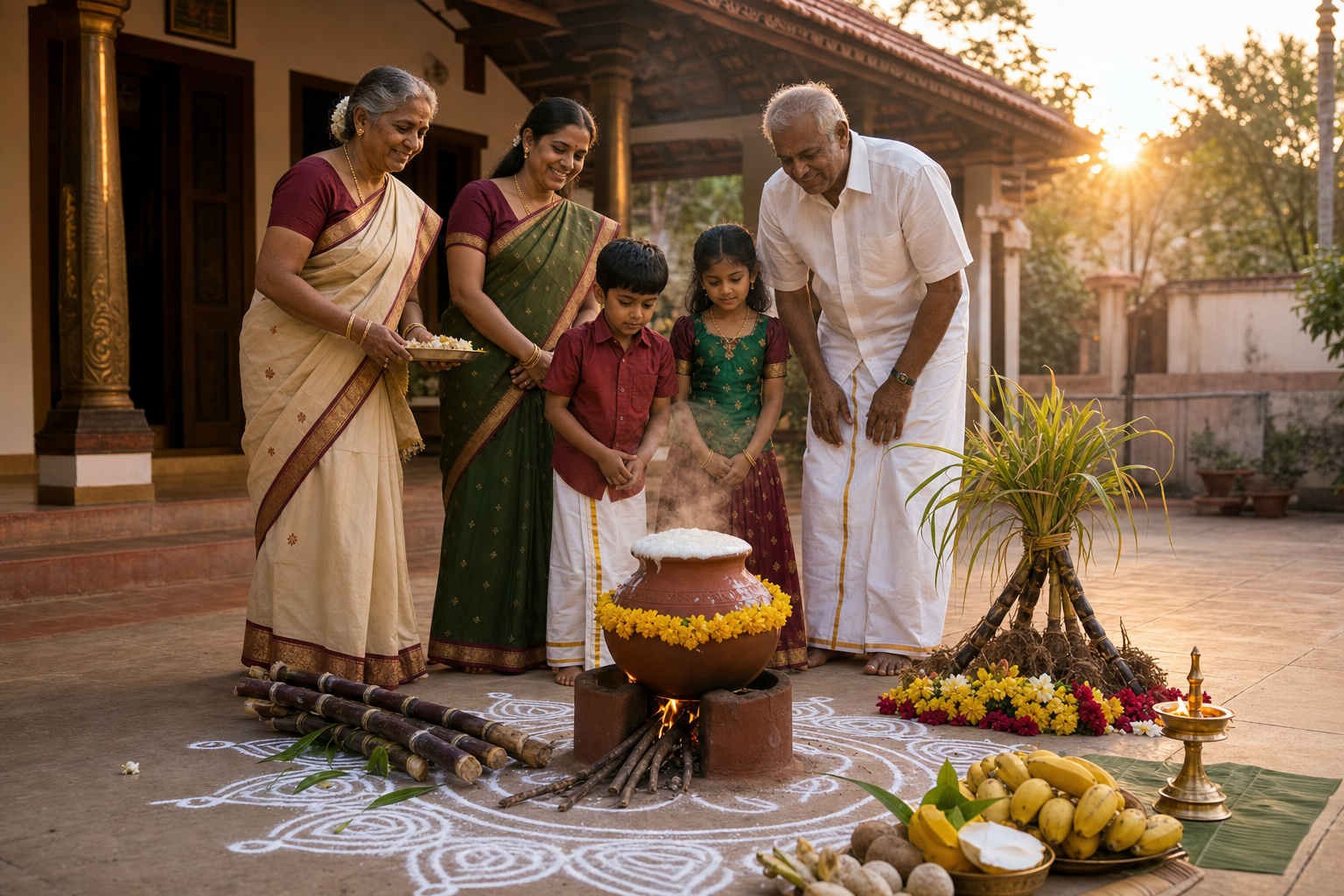
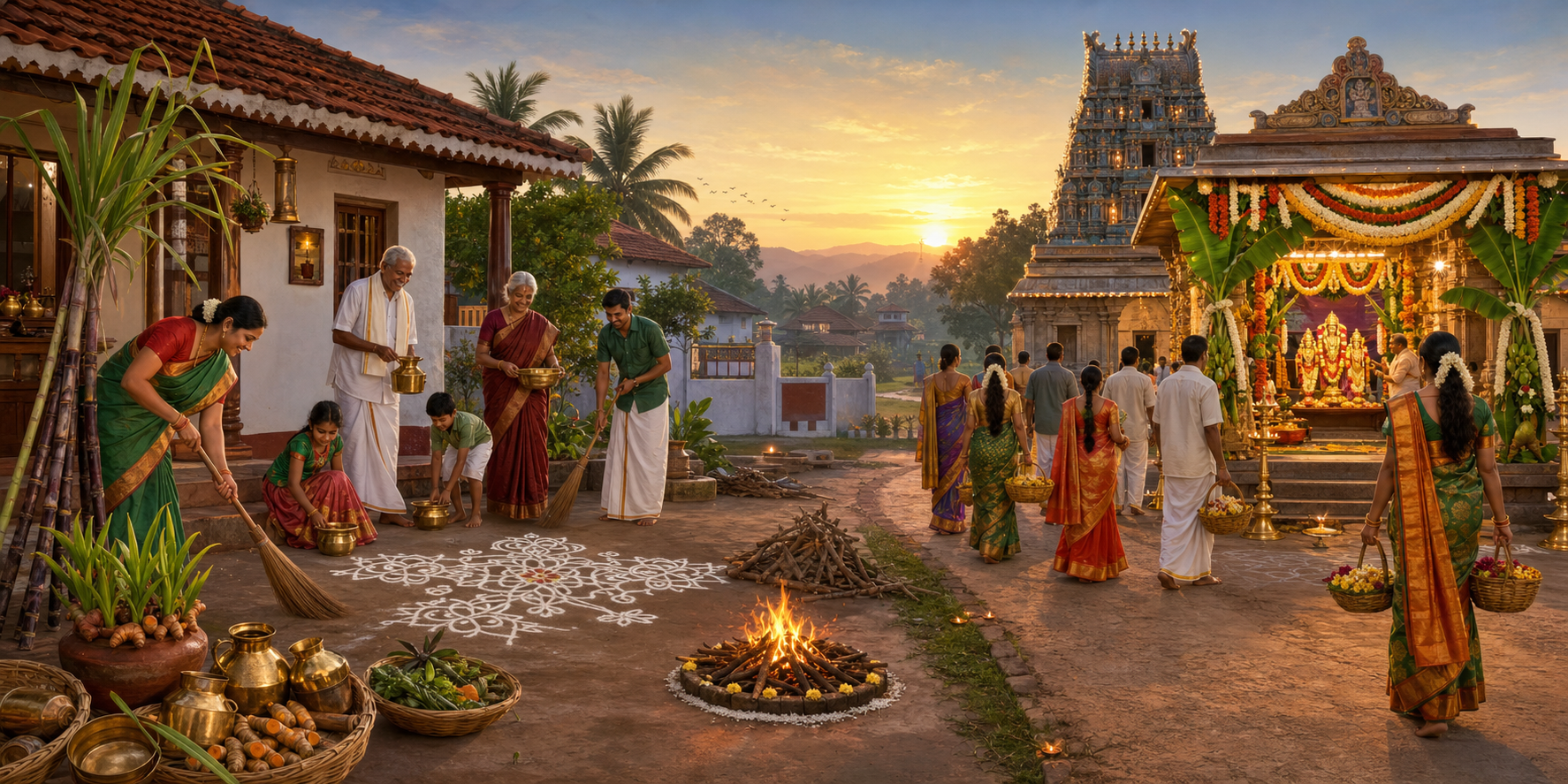
Bhogi Pongal Rituals and Bhogi Mantalu: Customs, Puja Steps, and the Joy of Renewal

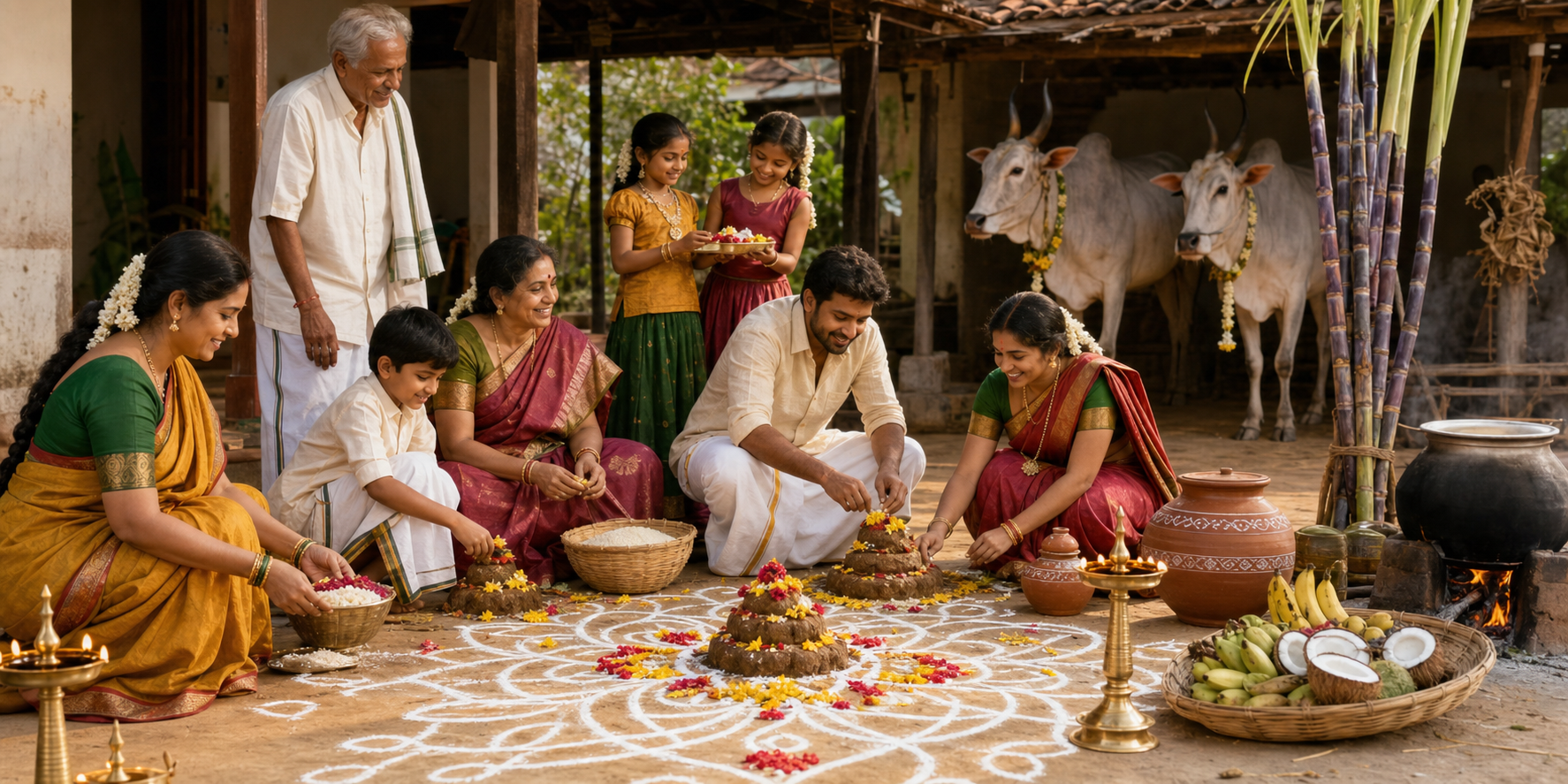
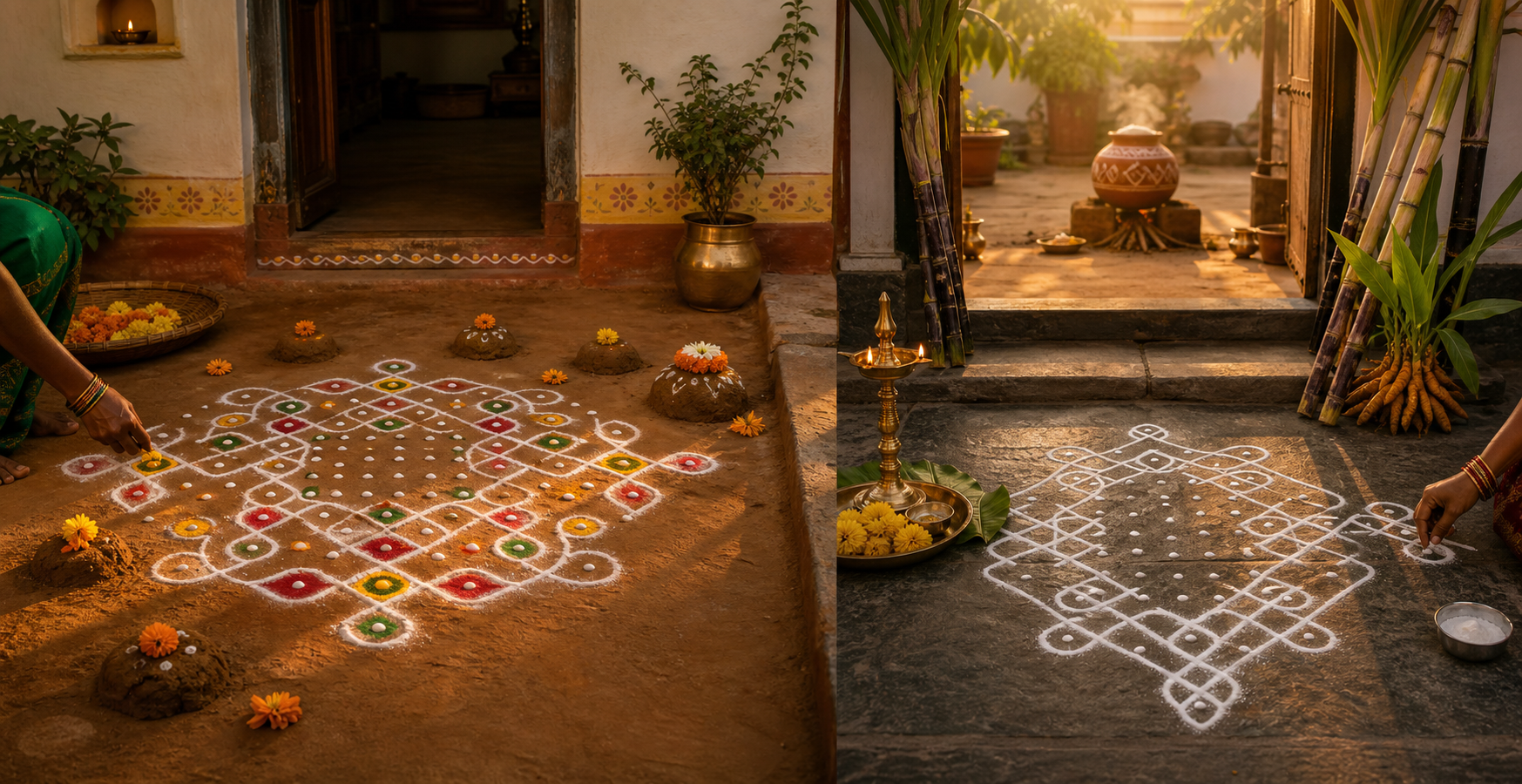
Bhogi, the first day of Sankranthi and known as Bhogi Pongal in Tamil Nadu, celebrates renewal, gratitude, and community across Andhra Pradesh, Tamil Nadu, and Karnataka. Homes are cleaned, thresholds glow with “Rangoli / Kolam / Muggu,” and the Bhogi Mantalu sacred bonfire symbolizes leaving behind what no longer serves. Bhogi Puja emphasizes purity and…
-
Timeless Meaning of the Nath: Cultural, Ayurvedic, and Marital Significance in Hinduism

The nose ring, or nath, endures as a culturally significant ornament in Hinduism, symbolizing auspiciousness, marital commitment, and reverence for the sacred feminine. Regional styles—Maharashtrian, Punjabi/Rajasthani, and South Indian—reflect localized identity and craftsmanship. Traditional Ayurvedic beliefs associate left-side piercing with women’s well-being, illustrating how symbolism and daily life intersect in Hindu traditions. As part of…
-
Vidhan Saptami 2026 (Magh Shukla Saptami): Auspicious Ratha Saptami Rituals and Surya Jayanti

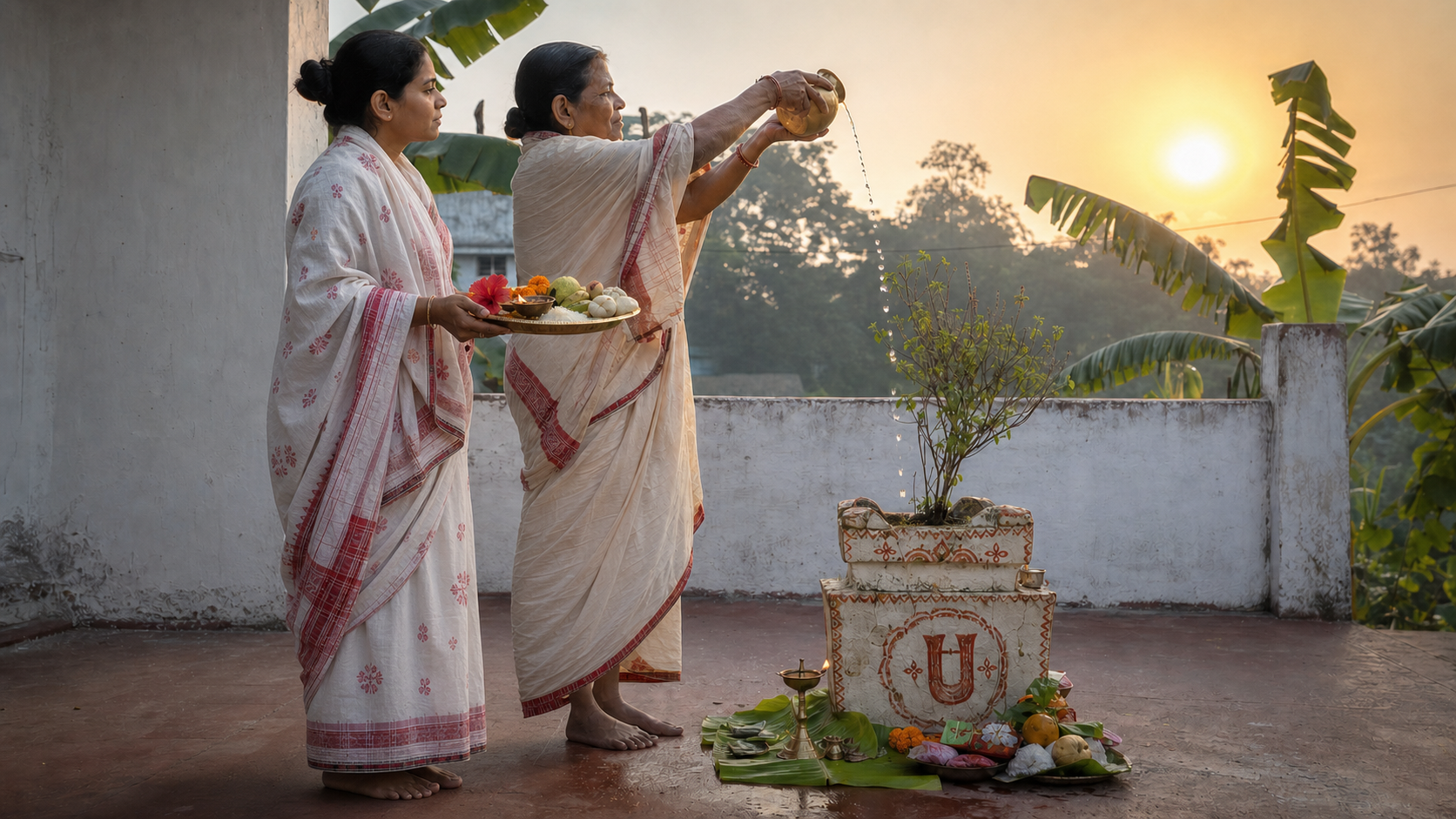
Vidhan Saptami (Vidhana Saptami) in 2026 falls on January 25, aligning with Magh Shukla Saptami in the Hindu calendar. Known variously as Arogya Saptami, Ratha Saptami, Radha Saptami, and Surya Jayanti, the day emphasizes health, renewal, and gratitude for the Sun. Devotees traditionally offer arghya at sunrise and prepare special naivedya, centering worship on purity…
-
Pracinavita Revealed: Why the Sacred Thread Shifts Right in Hindu Śrāddha Rites

This article explains Pracinavita—the right-shoulder orientation of the sacred thread—within Hindu Shraddha rites. It clarifies how the yajnopavita changes from upavita to pracinavita to signal a shift in ritual intention toward the ancestors (Pitrs). Readers learn the doctrinal basis in Vedic traditions, the symbolism of the thread as a tactile mnemonic, and the practical sequence…