-
January 9, 2026 Panchang: Sashti to Saptami Tithi Timing, Auspicious Cues, Spiritual Insights

January 9, 2026 spans two tithis in the Hindu calendar: Krishna Paksha Sashti until 10:21 AM (local time in most regions) and Krishna Paksha Saptami thereafter. Readers benefit from confirming local Panchang timings because tithi shifts and the Moon’s Rashi or Nakshatra can vary by place and time. The day’s reflective tenor suits simple, steady…
-
Magha Masa 2026 in the Kannada Calendar: Sacred Dates, Rituals, and Shiva Puja Insights

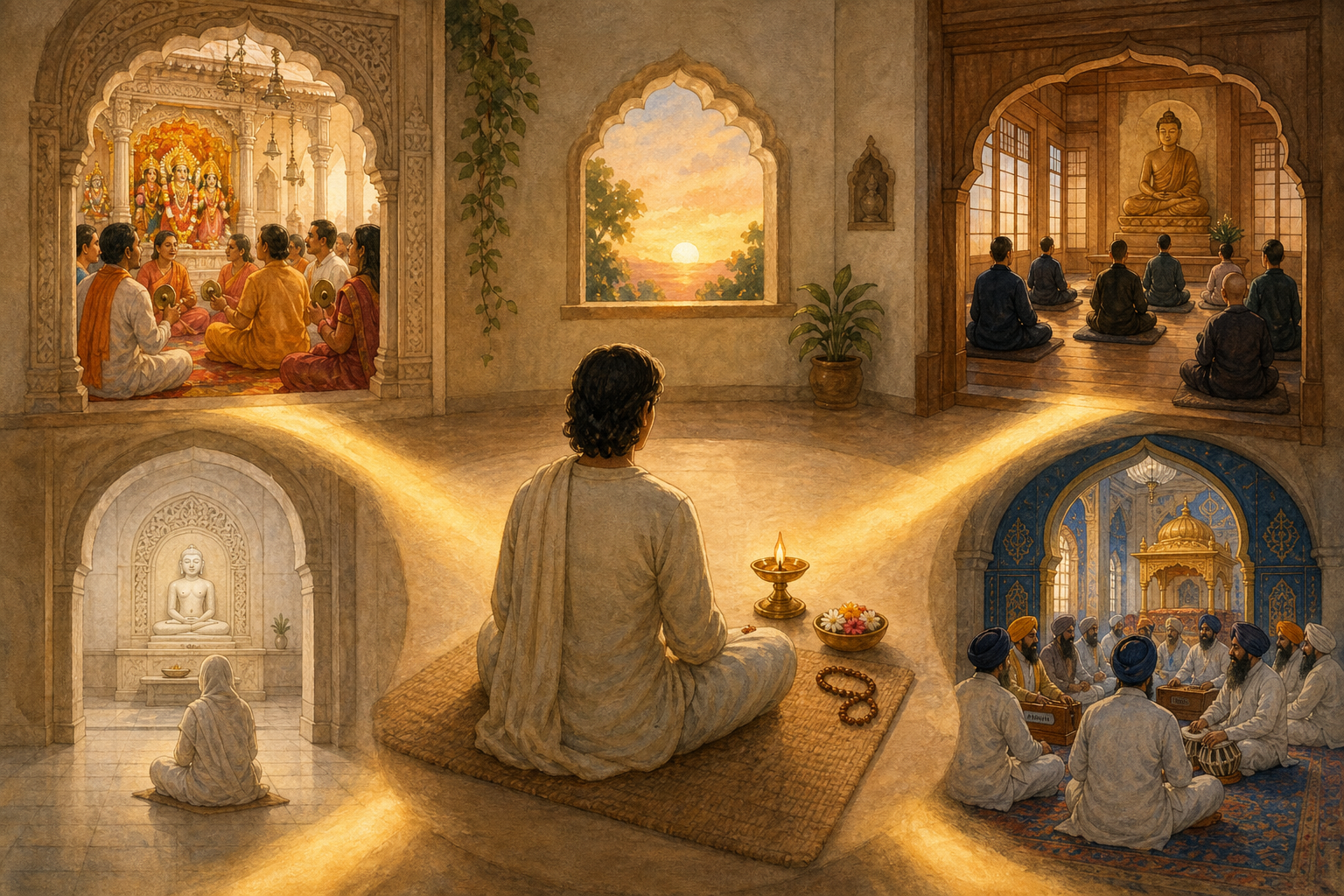
Magha Masa 2026 in the Kannada calendar runs from 19 January to 17 February, a revered span for Shiva Puja and Magha snana. The month emphasizes discipline, purity, charity, and mindful living, aligning with dharmic values common to Hinduism, Buddhism, Jainism, and Sikhism. Core observances include dawn bathing, Rudrabhisheka, Monday vows, mantra recitation, and simple…
-
Chollangi Amavasya 2026: Experience the Sacred Godavari–Sea Confluence on Pushya Amavasya

Chollangi Amavasya in 2026 falls on January 18, aligning with Pushya Masa Amavasya, the No Moon day in Pushya masam. Observed at the sacred confluence where the River Godavari meets the Bay of Bengal (Bangala Khatham), the day invites reflection, gratitude, and ancestral remembrance. Devotees traditionally perform snana, sesame-based tarpan, deepa lighting, parayana, and daan,…
-
Magha Masam 2026 (Telugu Calendar): Auspicious Dates, Shiva Worship, and Sacred Practices

Magha Masam 2026 in the Telugu calendar spans 19 January to 17 February, a period widely honored for intensified Shiva worship and disciplined practice. The month’s core observances include Magh Snan, Mauni Amavasya, and Maghi Purnima, with devotees emphasizing prayer, japa, and dana. Families often consult the Telugu Panchangam to align vrata and temple visits…
-
Sankashti Chaturthi January 2026: Auspicious Date, Ritual Guide, and Peaceful Blessings

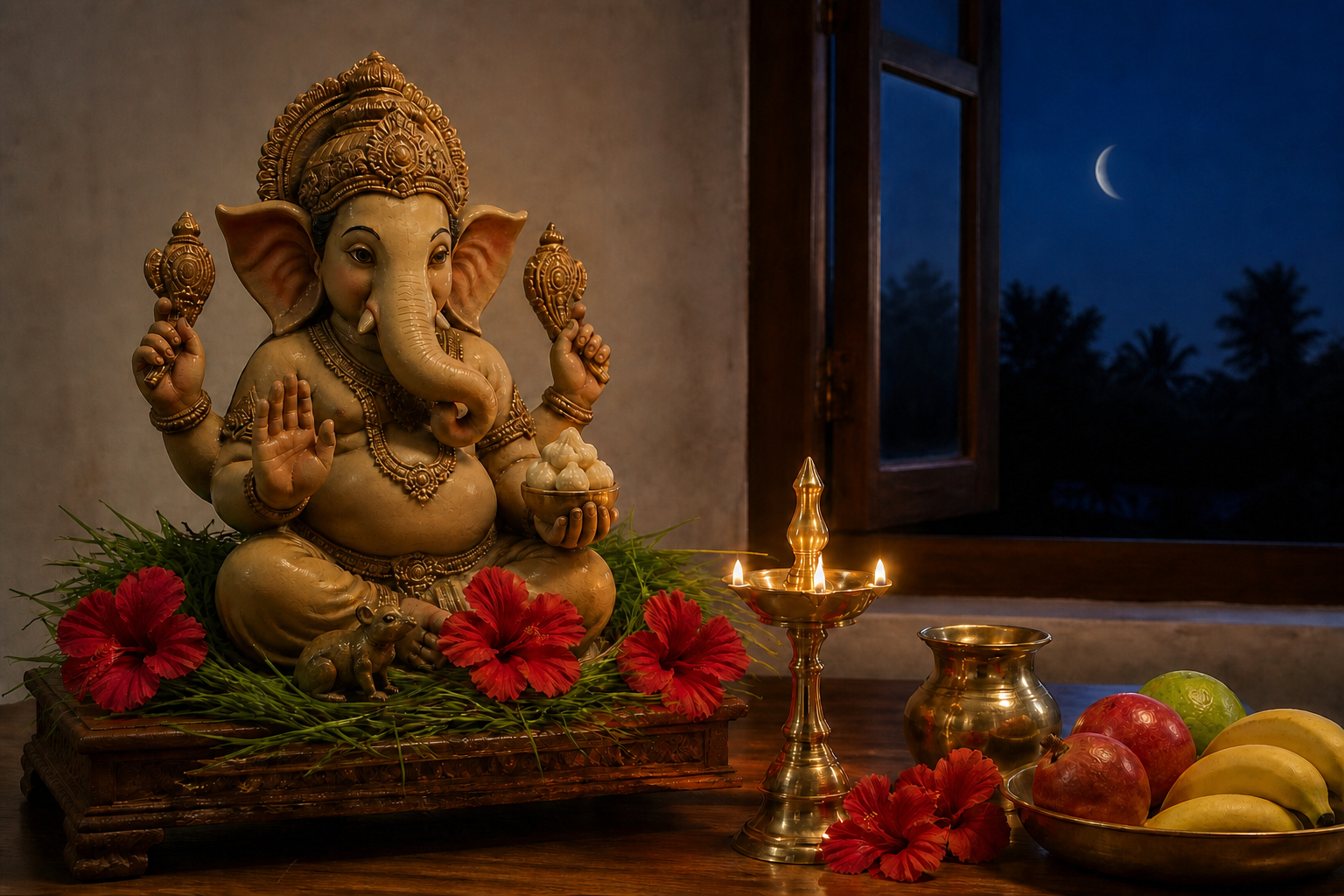
Sankashti Chaturthi in January 2026 falls on Tuesday, 6 January, a day considered highly auspicious for Ganesha Pujan. It aligns with Poush Month in Amavasyant calendars (Maharashtra, Gujarat, Karnataka, Telangana, Andhra Pradesh) and with Magh Month in Purnimant systems. Observance includes fasting from sunrise to moonrise, offering durva and modak, and reciting sacred texts such…
-
Shubh Muhurat January 2026: Auspicious Days and Timings for Confident, Harmonious Starts

This guide presents general Shubh Muhurat guidance for January 2026, highlighting auspicious days and timings for everyday tasks. It explains how to use the Hindu calendar (Panchang) and why local sunrise-based calculations matter for accuracy. Readers learn practical cues: favor Abhijit Muhurat for concise starts and avoid Rahu Kalam, Yamaganda, and Gulika Kalam. The approach…
-
Pradosh Kaal Bhojan: Sacred Twilight Discipline in Ancient Hinduism for Mindful Eating

Pradosh Kaal Bhojan is an ancient Hindu practice of eating once daily within the Pradosh period—six ghatikas (about 144 minutes) after sunset—framing nourishment as a mindful, sacred act. The twilight interval, long revered in Hindu traditions, invites quiet reflection, gratitude, and simplicity. This practice resonates with shared dharmic values found across Buddhism, Jainism, and Sikhism,…
-
January 7, 2026 Panchang: Precise Tithi Timings, Insights, and Auspicious Guidance

On Wednesday, January 7, 2026, the Panchang records Krishna Paksha Chaturthi until 10:29 AM, transitioning to Krishna Paksha Panchami thereafter. This precise timing helps plan vratas, puja, japa, and reflective study with confidence. Because Nakshatra, Rashi, and Shubh Muhurat vary by location, consulting a region-specific Panchang remains essential. The post emphasizes practical, accurate scheduling without…
-
Magh Month (Magha Masam): Auspicious Power, Shiva Worship, Surya and Saraswati Puja

Magh month (Magha masam) is the eleventh month of the Hindu calendar and is widely regarded as auspicious, with a devotional focus on Lord Shiva. Its hallmark observances—Magh Snan, Mauni Amavasya, Maghi Purnima, and Vasant Panchami—highlight purification, silence, learning, and reverence for Saraswati Devi and Surya Bhagwan. The month encourages practical sadhana such as dawn…
-
Thai Masam 2026: Auspicious Tamil Month, Pongal Celebrations, and Shared Dharmic Harmony

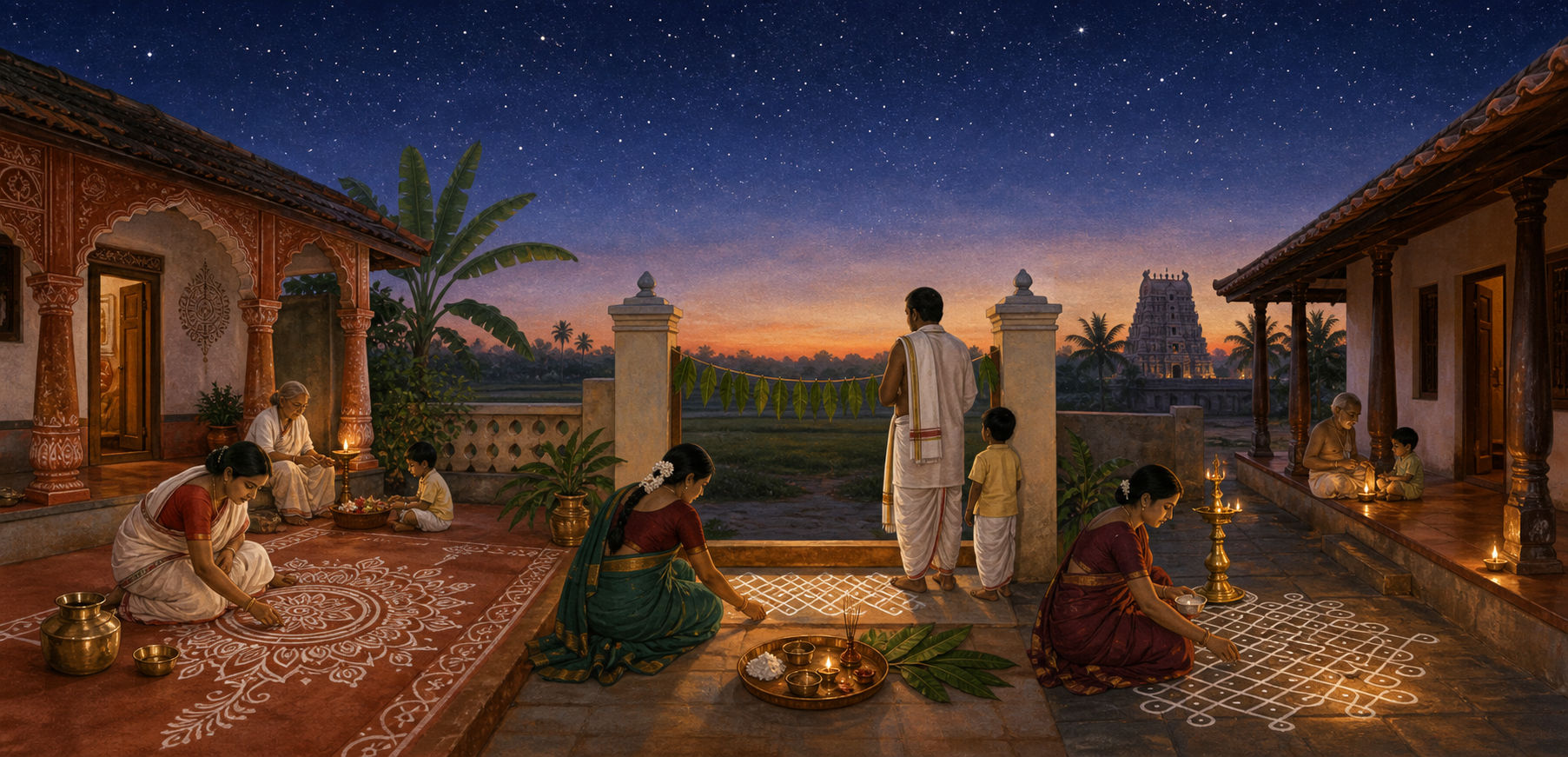
Thai masam 2026 spans January 15 to February 12 in the traditional Tamil calendar, beginning with Thai Pongal on January 15. The month is considered highly auspicious for weddings, housewarmings, and new ventures, encapsulated in the saying “Thai pirandhaal vazhi pirakkum.” Its start aligns with Makara Sankranti, a pan-Indic solar transition honored across dharmic traditions.…
-
Uttarayan (Uttarayanam) 2026: Sacred Northward Sun, Auspicious Dates, Rituals, and Unity

Uttarayan (Uttarayanam, Uttarayana Punyakalam) marks the Sun’s northward journey from Makara Sankranti to Karka Sankranti and begins on January 14, 2026. Rooted in Vedic astronomy and Hindu calendar practice, it aligns seasonal change with ritual life while explaining why dates may vary by regional Panchang. Communities across India celebrate this transition through Makara Sankranti, Pongal,…
-
Magh Month 2026 Guide: Exact Magha Masam Dates, Key Rituals, and Shared Dharmic Traditions

Magh Month 2026—also called Magha Masam or Magh Mahina—falls from 3 Jan to 1 Feb in the North Indian (Purnimanta) calendar and from 19 Jan to 17 Feb in the Marathi, Gujarati, Telugu, and Kannada (Amanta) systems. This guide explains why the dates differ, how to align personal observances with local panchang, and which practices—such…
-
Kolabou as Lakshmi: Sacred Symbolism of the Banana Plant in Bengali Hindu Tradition

This article explores Kolabou (Kola Bou) worship in Bengali Hindu tradition, where the banana plant is revered as Goddess Lakshmi and also understood within the Nabapatrika during Durga Puja. It highlights the practice’s cultural roots in Faridpur and Barisal, its migration into the diaspora, and its layered meanings that embrace plural interpretations without conflict. The…
-
January 6, 2026 Panchang: Precise Tithi Timings, Sacred Guidance from Tritiya to Chaturthi

On Tuesday, January 6, 2026, the Hindu Panchang marks Krishna Paksha Tritiya until 11:18 AM, after which the tithi shifts to Krishna Paksha Chaturthi. These precise timings help devotees plan study, seva, and Ganesha-focused worship with clarity. Because Panchang calculations can vary by region and method, checking a local Panchang remains essential for exact Nakshatra,…
-
Kanuma 2026: Date, Rituals, and Heartfelt Traditions of Sankranthi in Andhra Pradesh

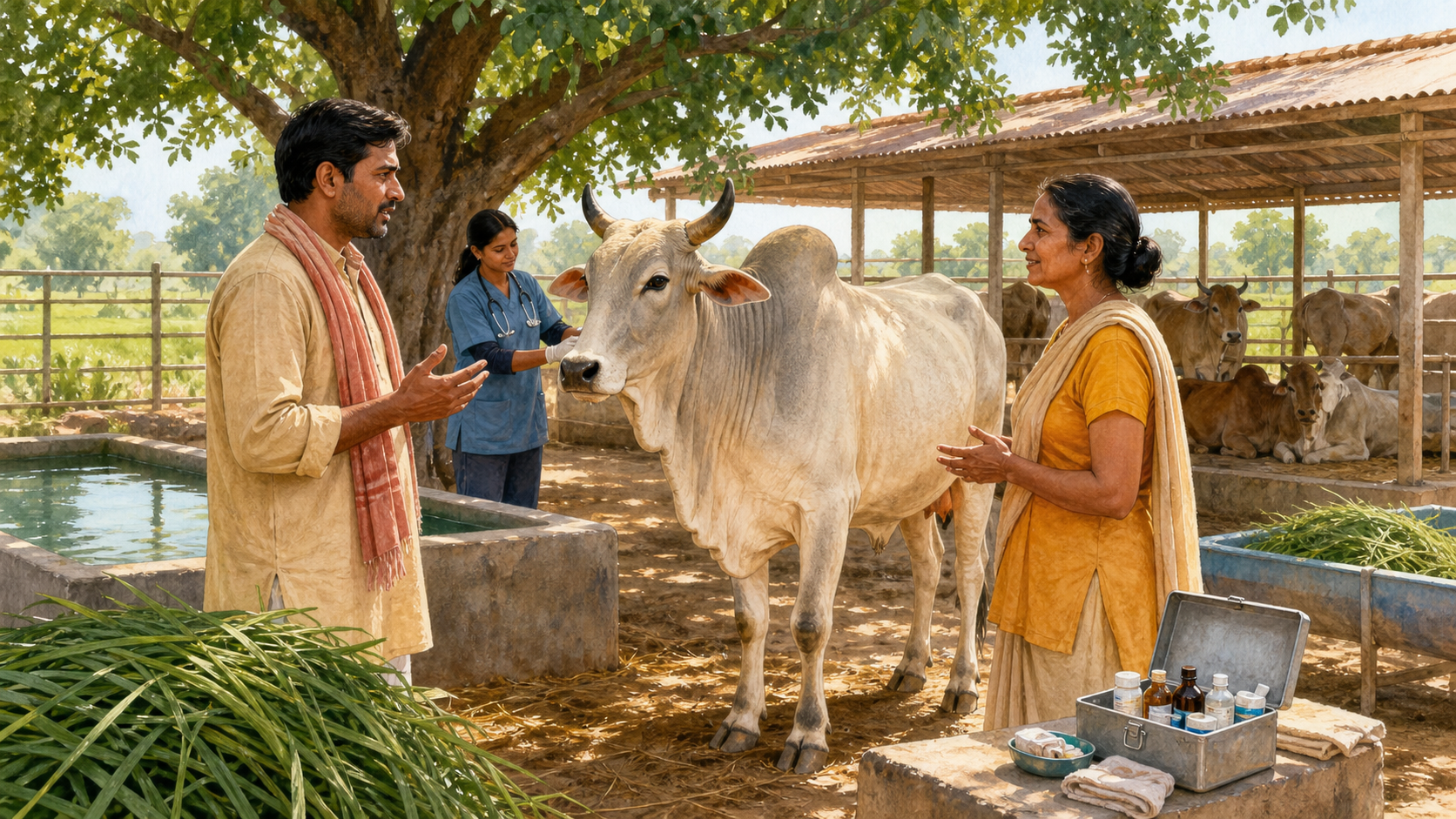
Kanuma 2026, the third day of the Sankranthi festivities in Andhra Pradesh and Telangana, falls on January 15. The day centers on Govardhana Puja (Go puja), where cows and bulls are worshipped in gratitude for their role in agrarian life. Families decorate cattle, prepare offerings from the new harvest, and visit temples, recalling Sri Krishna’s…
-
Sankranthi Bommala Koluvu: Meaning, Rituals, and Community Joy from Bhogi to Mukkanuma

Bommala Koluvu (Bommala Nomu) is a beloved Andhra tradition during Makara Sankranti that begins a day prior to Bhogi and concludes on Mukkanuma. The tiered display of dolls (koluvu padi) forms a narrative altar depicting deities, harvest life, and cultural scenes. Families invite women and girls for haldi-kumkum, share prasadam, and pass on stories to…
-
Pitrgatha in the Matsya Purana: Sacred Hymn of Ancestral Blessings, Duty, and Legacy

The Pitrgatha (Song of the Manes) in the Matsya Purana (204.3–17) presents the ancestors’ own voice, offering blessings while affirming ethical duty. It frames Shradh not merely as ritual, but as a living ethic of compassion, truth, and generosity. The hymn’s dialogic form draws readers into a personal encounter with ancestral legacy. Its themes resonate…
-
January 5, 2026 Panchang: Exact Tithi Change, Auspicious Guidance, and Dharmic Harmony

January 5, 2026 features Krishna Paksha Dwitiya tithi until 12:33 PM, followed by Krishna Paksha Tritiya. This precise timing helps plan vratas, puja, and daily tasks with confidence. Dwitiya favors quiet reflection and steadiness; Tritiya supports organized, measured initiative. Local Nakshatra and Rashi should be verified with a regional Panchang for accuracy. Recognized periods like…