
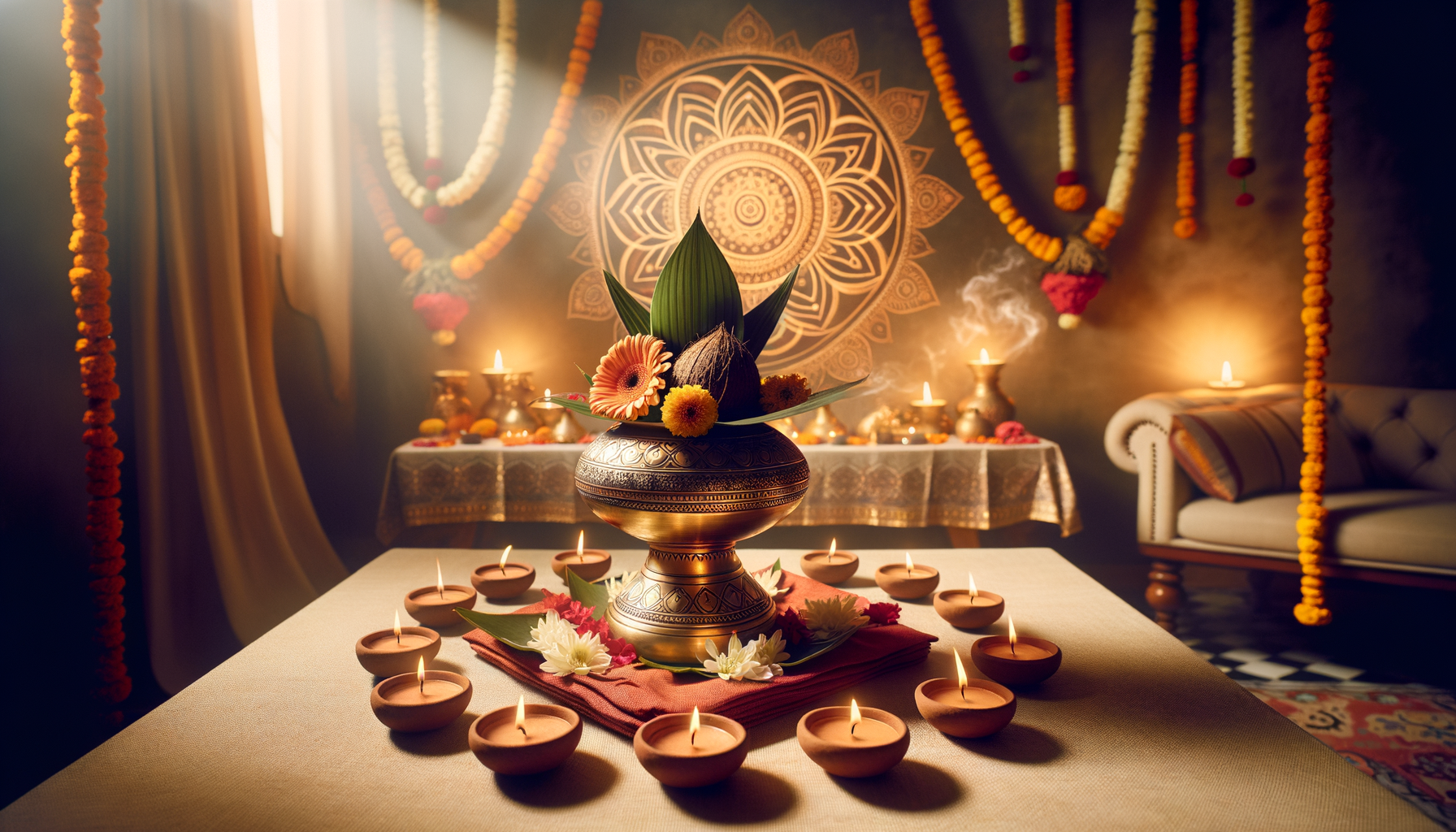
Magh Navratri, also known as Magha Navaratri and traditionally referred to as Gupt Navratri, is observed during the Shukla Paksha of Magha maas (Magh month). In 2026, Magh Navratri begins on January 19 and concludes on January 27, spanning nine sacred nights dedicated to Goddess Shakti. Across regions, devotees mark this period with focused worship, inner discipline, and contemplative practices that honor the divine feminine in her many revered forms.
According to the Hindu calendar, these observances typically align from Shukla Paksha Pratipada to Navami in Magha. While specific tithi timings may vary slightly across regional almanacs (panchangs), the date range of January 19–27, 2026 remains a reliable guide for festival planning, puja preparation, and community celebrations. This clarity helps households align daily rituals with the Magha Navaratri calendar and traditional practices.
Each day of Magh Navratri venerates a distinct aspect of Goddess Shakti. Many households follow the Navadurga sequence: Shailaputri, Brahmācharini, Chandraghanta, Kushmanda, Skandamaatha, Katyayani, Kalaratri, Mahagauri, and Siddhidatri. In the more contemplative ethos of Gupt Navratri, worship often emphasizes inner sādhanā while retaining the devotional continuity of honoring the Goddess as mother, guide, and protector.
Common observances include vrata (fasting), lighting diyas, offering flowers and fruits, reciting stotras, and performing evening āarti. Many families describe the gentle rhythm of pre-dawn prayers, the fragrance of incense, and the quiet recitation of mantras such as “Ya Devi Sarvabhuteshu” as anchoring experiences that bring serenity and purpose. Children learn simple aarti melodies, elders lead collective japa, and neighborhoods often come together in shared devotion to Goddess Shakti.
The Gupt Navratri dimension highlights introspection, mantra-japa, and meditation. Devotees frequently choose a sankalpasuch as cultivating compassion, clarity, or steadfastnessand align daily puja with that intention. This approach strengthens focus and deepens the spiritual significance of the nine nights, transforming routine worship into a meaningful journey of inner refinement.
Magh Navratri’s values resonate across dharmic traditionsHinduism, Buddhism, Jainism, and Sikhismthrough shared emphasis on self-discipline, non-violence, seva, and inner awakening. Communities often reflect this spirit by extending hospitality, sharing prasad, and engaging in inclusive, respectful gatherings. Such practices foster unity in diversity while honoring the cultural and spiritual heritage of the wider dharmic family.
For a simple home observance: maintain a sāttvik diet during the vrat, set a clear sankalpa on Day 1, perform daily puja with lamp lighting, flower offerings, and brief readings from texts like Devi Mahatmyam, and close each evening with gratitude. Short meditation at sunrise and sunset supports the Gupt Navratri focus on inner calm. Eco-conscious choicessuch as natural flowers and minimal wastealign devotion with care for the environment.
In summary, Magh Navratri 2026 falls from January 19 to January 27, honoring nine forms of the Goddess and inviting devotees to unite devotion with discipline. Whether observed quietly at home or in community settings, these sacred nights offer an opportunity to deepen faith, strengthen family bonds, and celebrate the compassionate power of Shakti in ways that resonate across dharmic traditions.
Inspired by this post on Hindu Pad.
