-
Bihar Verdict Decoded: Deep Dive into NDA’s Win, Voter Mood, and History’s Echoes

This in-depth analysis decodes the Bihar Assembly Elections, explaining how the NDA converted development messaging and organizational strength into a decisive majority while the INDI alliance struggled with coherence and seat conversion. It situates the result within Bihar’s longer historical arc, from Magadha’s statecraft to late 20th-century governance shifts, to clarify enduring patterns in voter…
-
Narayani Mata Mandir, Amanbagh, Alwar: A Revered Rajasthan Shrine of Unity and Faith

Narayani Mata Mandir near Amanbagh in Alwar, Rajasthan, is a revered Hindu temple dedicated to Ma Narayani and a vital part of India’s cultural heritage. Along with a companion shrine in Lonavala, Maharashtra, it forms a meaningful devotional circuit that connects regions and communities. The temple’s inclusive ethos—welcoming seekers from all backgrounds—aligns with shared values…
-
Detentions in Ghaziabad: Calls for a White Paper on Extremism, Rule of Law, and Social Harmony

Detentions in Ghaziabad involving Yati Narasimhanand spotlight the delicate balance between peaceful protest rights and public order. The group demanded a government white paper on violent extremism, which, framed constructively, could advance transparency and accountability. An evidence-led report should address radicalization without stigmatizing any community, protecting civil liberties while improving safety. Inclusive consultations with dharmic…
-
Madhya Pradesh Vigilantism: Why Rule of Law Must Prevail to Protect Women and Harmony

Reports from Bhopal describe an assault by self-styled activists on two accused men amid claims of police inaction. This analysis explains why vigilantism undermines due process, endangers survivors, and erodes communal harmony. It offers a dharmic framework—anchored in ahimsa, compassion, and lawful conduct—to protect women without resorting to violence. Readers gain concrete, lawful steps for…
-
Punjab’s River Water Crisis: Unraveling Decades of Injustice and a Path to Renewal

Punjab’s river water crisis reflects decades of policy, ecological, and interstate misalignments that depleted aquifers, strained canals, and heightened public health concerns. This post traces the historical arc from colonial canals to Green Revolution incentives and modern hydropolitics, including the SYL dispute. It highlights community experiences—farm wells deepening, tail-end canal shortfalls, and water quality anxieties—while…
-
Rajnath Singh’s Sindh Remark Sparks Diplomatic Firestorm as Pakistan Revives ‘Expansionist’ Charge

Pakistan’s Ministry of Foreign Affairs condemned remarks attributed to India’s Defence Minister Rajnath Singh referencing Sindh, calling them evidence of a ‘Hindutva mindset’ and reviving the ‘expansionist’ charge. The controversy highlights how rhetoric can escalate Indo-Pak Relations and complicate confidence-building measures. Situating the issue within South Asian Geopolitics, the analysis emphasizes the need to distinguish…
-
Ferozepur RSS Activist Murder: Key Plotter Arrested as ISI–KLF Links Probed
Punjab Police have arrested Gursimran Singh in the Ferozepur killing of an RSS activist, with investigators examining potential links to ISI and the Khalistan Liberation Force (KLF). The probe is focused on verifying claims of a foreign handler and mapping communications and funding trails. The update underscores an evidence-led approach and the importance of due…
-
Bhakti Night in Chandigarh: Radhika Das Leads Mantra Music Uniting Dharmic Hearts

A Bhakti concert at Homeland Global Park, Chandigarh, showcased kirtan and mantra chanting led by Radhika Das, drawing a diverse audience into a calm yet celebratory atmosphere. The program emphasized devotional music as a unifying force that nurtures well-being and collective resonance. Call-and-response mantras made participation accessible for both newcomers and seasoned practitioners. The evening’s…
-
From jugaad to excellence: how Indian industry can rival Japan’s quality—and win

Japan’s reputation for world-class quality often fuels claims that Chinese and Indian industry cannot match its standards. A closer look at industrial history challenges that view. Japan succeeded by adapting Western methods—Deming, Juran, Ishikawa, Ohno, Taguchi—to its cultural strengths, elevating operators into craftspeople and institutionalizing Kaizen. China’s scale-first approach shows how freedom to experiment fosters…
-
Mayapur Tremors After 5.5 Bangladesh Quake: Timelines, Impact, and Safety Guidance

Mild tremors were reported in Mayapur after a 5.5 magnitude earthquake near Narsingdi, Bangladesh, around 10:08–10:10 am IST. Shaking lasted only seconds but was felt across Kolkata, Malda, Nadia, Cooch Behar, and other districts of West Bengal. Preliminary reports indicate at least three fatalities and several injuries in Bangladesh, with no major damage reported in…
-
North Goa Memo Demands Lawful Action on Anti-National Networks, Upholding Unity and Due Process

Hindu Rashtra Samanvay Samiti’s memorandum to the North Goa District Collector calls for action against anti-national networks through lawful, evidence-based procedures. The approach outlined emphasizes due process, judicial oversight, and proportionality, reinforcing public trust. It promotes community cohesion by rejecting profiling and encouraging interfaith harmony across Hindu, Buddhist, Jain, and Sikh communities. Practical steps include…
-
YSRCP Accuses TDP‑BJP Govt in Andhra Pradesh: Temple Governance, Dharma, and Beef Exports
YSRCP alleges that the TDP‑BJP government in Andhra Pradesh has neglected Hindu interests, undermined temple governance, and enabled irregularities in beef export policy. The controversy highlights the need for transparent administration of religious endowments, independent audits, and public reporting. A dharmic unity approach—embracing shared values across Hinduism, Buddhism, Jainism, and Sikhism—offers a constructive pathway forward.…
-
Unmasking Bihar’s Jungle Raj: Shahabuddin, Lalu, and the Price of Criminalized Politics

This analysis revisits Bihar’s “Jungle Raj” to examine how political criminalisation took root in the 1990s and why its lessons remain urgent today. Drawing on reporting by Sankarshan Thakur, a PUCL fact-finding bulletin, and intelligence accounts cited by Arun Shourie, it traces the rise of Mohammad Shahabuddin and the enabling environment that blurred lines between…
-
Outrage Over Mumbai Train Proselytizing: Protecting Shared Spaces and Interfaith Respect

A widely shared video of loud religious promotion on a Mumbai local train has reignited debate about acceptable conduct in shared public spaces. This analysis explains why overt proselytization in confined transit environments can feel coercive and spark public outrage. It underscores India’s constitutional balance between freedom of religion and responsibilities owed to fellow commuters.…
-
Surajya Abhiyan demands mandatory bridge audits, digital Health Cards to avert deadly collapses

Surajya Abhiyan calls for mandatory structural audits of all bridges in India and a nationwide Bridge Health Card system to prevent collapses. The twin measures would standardize safety assessments, improve maintenance planning, and enhance infrastructure governance. A digital Health Card for each bridge would centralize inspection records, load ratings, and repair timelines for transparent oversight.…
-
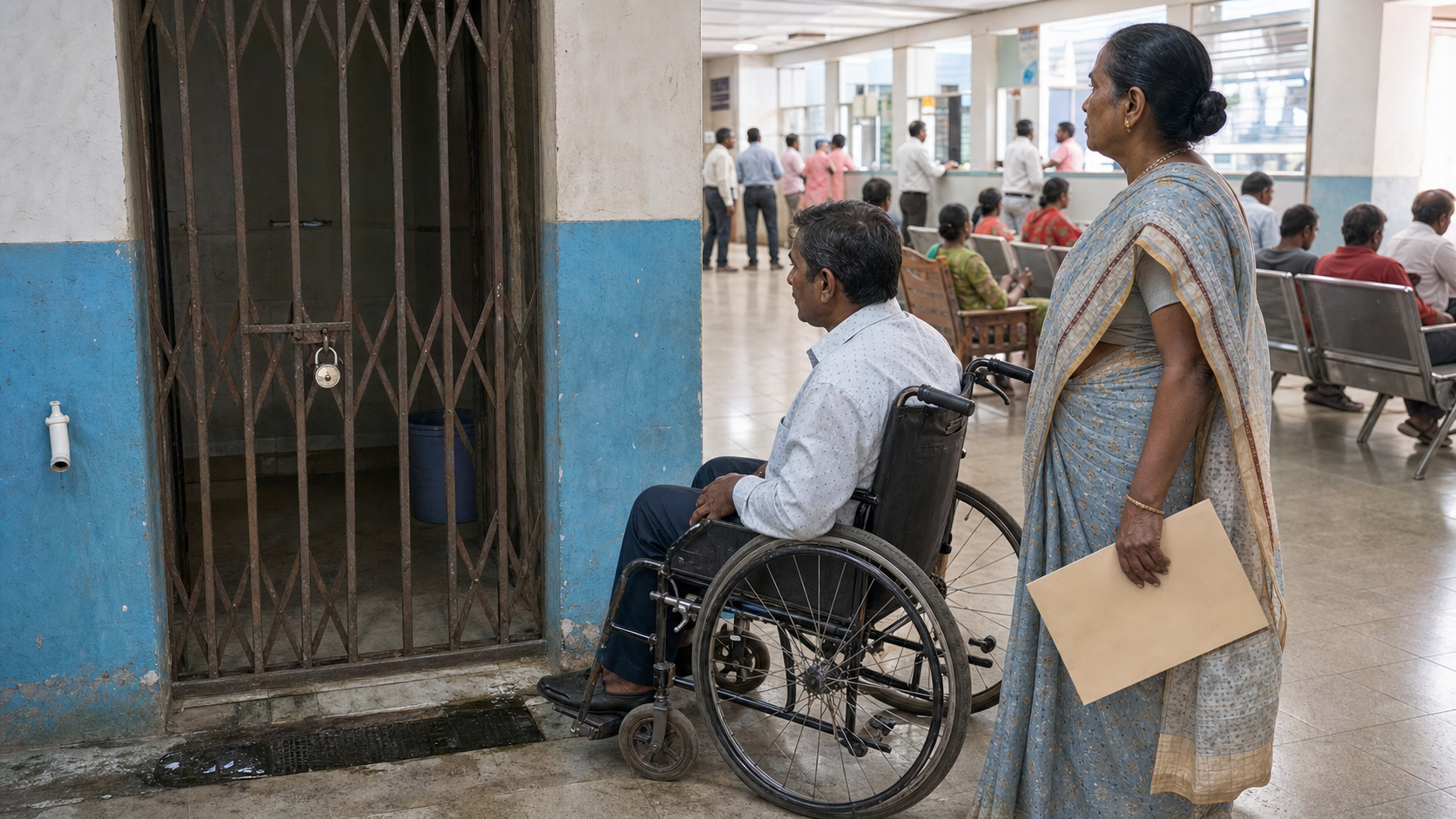
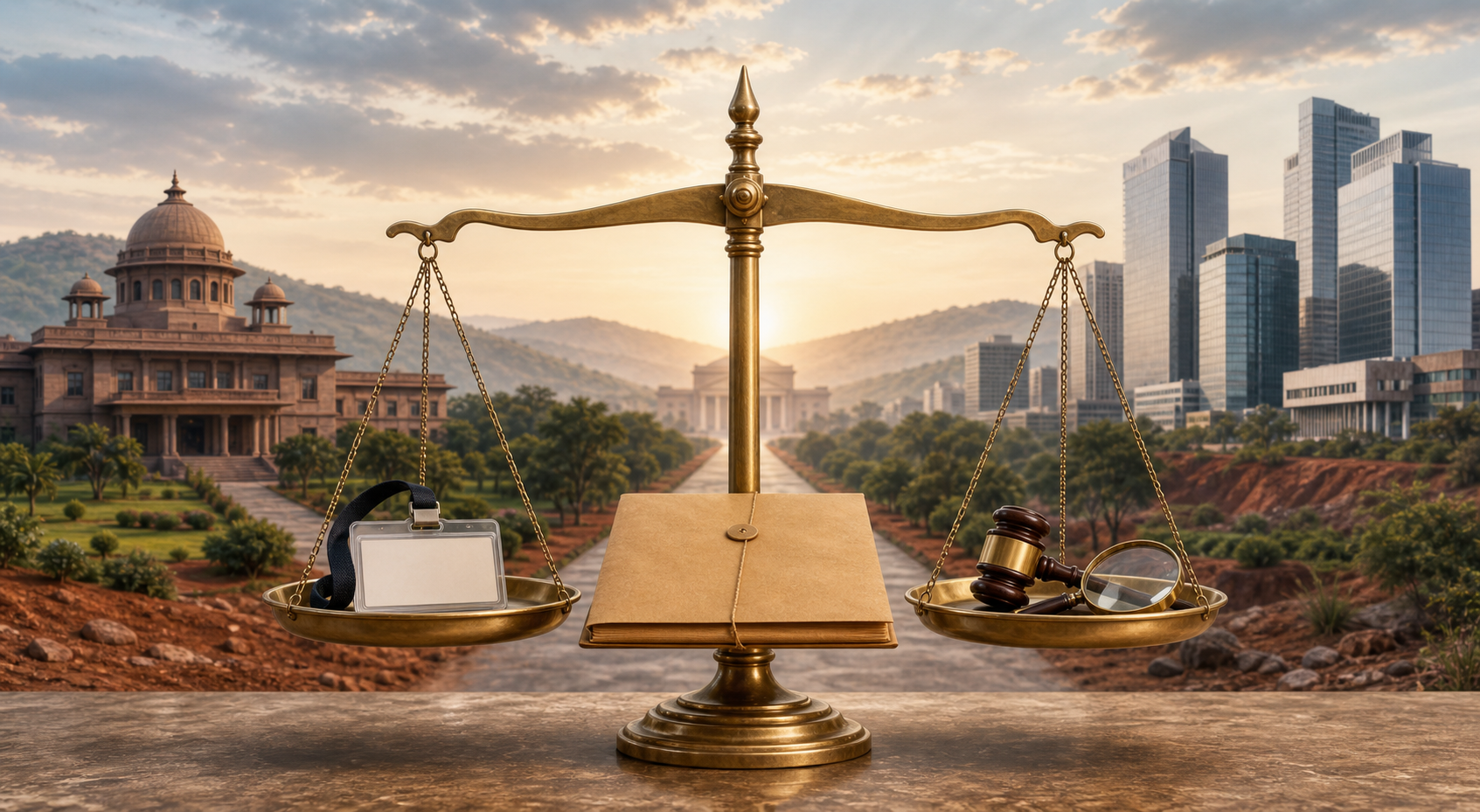
Vaishno Devi Medical Institute Row Spurs Soul-Searching on Merit, Harmony, and Healthcare

A public controversy around SMVDIME and the Shri Mata Vaishno Devi Narayana Superspeciality Hospital has prompted concerns about fairness in admissions and hiring. The analysis explains how NEET-based merit, recruitment norms, and constitutional guarantees of equality frame institutional decision-making. It emphasizes patient-first care, transparency, and due process as the most effective responses to public doubts.…
-
Rohtak video sparks outrage: interfaith appeals after sacred texts burned
A circulating video from Rohtak, Haryana, allegedly showing the burning of the Bible and the Quran has raised fears of communal tension. Authorities are investigating, and responsible communication is crucial to avoid rumor-driven unrest. The incident underscores the importance of Religious Tolerance, ahimsa, and interfaith dialogue across Hindu, Buddhist, Jain, Sikh, Christian, and Muslim communities.…
-
Ghati Subramanya Temple near Bengaluru: Sacred Swayambhu Subrahmanya and Lakshmi Narasimha

Ghati Subramanya Temple near Doddaballapur, about 60 km from Bengaluru, is a revered Karnataka pilgrimage site dedicated to Lord Subramanya with Lord Lakshmi Narasimha also consecrated. The Subramanya murti is venerated as a Swayambhu vigraha, enhancing the shrine’s spiritual gravitas. Visitors frequently describe a calm, reflective atmosphere that supports both devotion and contemplation. The shared…
-
Hindu Rashtra Samanvay Samiti decries laxity on Kanasageri goshala corruption, seeks swift justice

Hindu Rashtra Samanvay Samiti has questioned delays in legal action over alleged irregularities worth lakhs of rupees in the construction of the Kanasageri government goshala. The concern highlights the importance of transparency, due process, and timely accountability in the use of public funds. A time-bound, impartial investigation can distinguish allegations from facts while restoring faith…
-
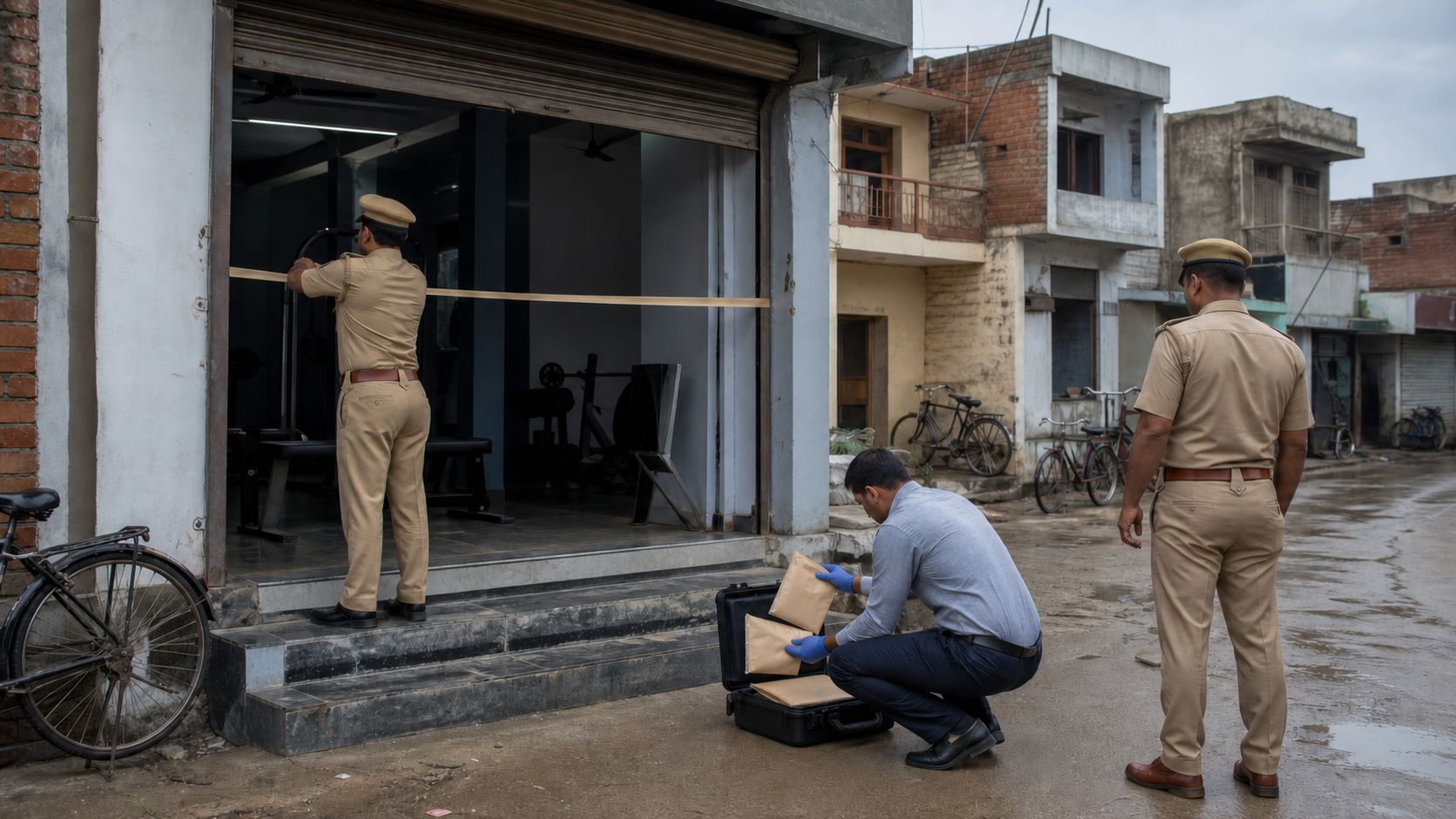
Foiled Babri Anniversary Plot: Probing Alleged Network Links and a Path to Communal Harmony

An exclusive report on Nov 16, 2025 described a foiled plot allegedly linked to Jaish-e-Mohammad and timed to the Babri demolition anniversary. The analysis emphasizes sober, fact-based assessment over sensationalism to safeguard public trust. It underscores due process, inter-agency coordination, and community outreach as pillars of effective counterterrorism. The discussion cautions against conflating individuals’ actions…