
-
Sankashti Chaturthi June 2026: Date, Moonrise Rituals, Puja Vidhi & Deep Significance
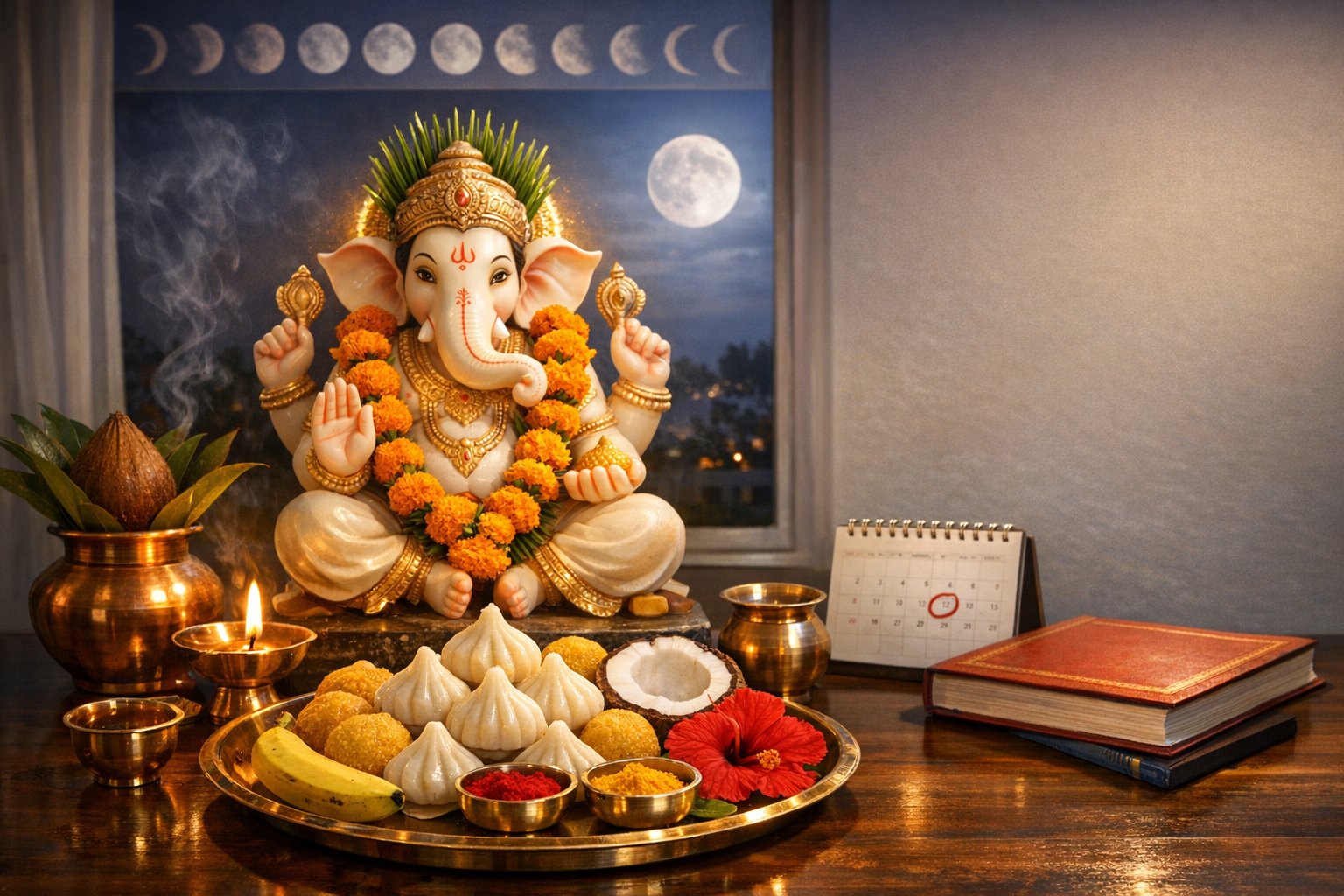
Sankashti Chaturthi in June 2026 falls on Wednesday, June 3, aligning with the Krishna Paksha Chaturthi of Adhika Jyeshta Mahina in North Indian Hindi calendars. The vrat is kept with the tithi-at-moonrise rule, so local moonrise times determine when the fast is concluded. Traditional puja vidhi includes sankalpa, stotra recitation—especially the Sankashta Nashana Ganapati Stotra—offerings…
-
Historic First for Nevada: Gayatri and Vedic Sanskrit Mantras to Open Elko City Council

On 26 May 2026, the Elko City Council in Nevada will, for the first time, open a meeting with Hindu prayers led by Rajan Zed, featuring the Gayatri Mantra and other Vedic-Upanishadic verses. This inclusive civic moment aligns with U.S. constitutional guidance that permits non-coercive, rotating legislative invocations. The Gayatri Mantra (Rigveda 3.62.10), composed in…
-
Chandra Darshan 16 June 2026: Powerful First-Moon Sighting, Rituals, and Calendar Map

Chandra Darshan on 16 June 2026 marks the first visible crescent after Amavasya and inaugurates Shukla Paksha. The observance falls in Nija Jyeshta (Jyeshta Masam) for North India, Andhra Pradesh, Telangana, and Karnataka due to the Adhik Jyeshta sequence earlier in 2026. In the solar calendars, it aligns with Aani (Tamil), Mithunam (Malayalam), and Ashar…
-
CSA Honour for Dr. Sahota: Inspiring, Transformative Leadership in Sustainable Agronomy

Dr. Sahota has been recognised with a CSA honour for outstanding leadership in agronomy. This feature explains why CSA recognition matters and unpacks the science it typically celebrates: soil health, 4R nutrient stewardship, precision agriculture, climate-resilient cropping, and integrated pest management. It shows how systems agronomy links productivity, profitability, and planetary boundaries while protecting water…
-
Inside the Impregnable: Golden Walls, Iron Gates, and Hanuman’s Reconnaissance of Lanka

This long-form analysis situates Hanuman’s reconnaissance in the Yuddha Kāṇḍa of the Valmiki Ramayana as a precise military assessment of Lanka’s defenses. It explains Lanka as a classic jala-durga (water fort), where golden walls and iron gates combine spectacle with deterrence. Readers gain a technical view of fortification-in-depth, early-warning systems, ordnance such as śataghnī, and…
-
GBC Resolutions 2026: Strengthening ISKCON Governance and Srila Prabhupada’s Vision

The 2026 Annual General Meeting formally recognized the paper affirming the GBC as ISKCON’s ultimate managing authority, aligning contemporary governance with Srila Prabhupada’s original instructions. This decision consolidates decades of guidance into a clear framework that supports accountability, subsidiarity, and doctrinal fidelity across ISKCON’s global footprint. It emphasizes practical mechanisms—audits, ethical safeguards, grievance redress, and…
-
Unlocking the Samakanda Shivling: Sacred Geometry, Agama Proportions, and Trimurti Harmony

The Samakanda Shivling is a mānuṣa liṅga crafted so that the Brahmā, Viṣṇu, and Rudra sections are exactly equal in height. This sacred geometry embodies the Trimūrti’s harmony, turning complex theology into an accessible visual and ritual language. Drawing on Śilpa-Śāstra and Śaiva Āgama guidance, it balances square, octagonal, and circular principles across the vertical…
-
Sat Sanga Deep Dive: Tradition, Inclusion, and Purushottama Masa in ISKCON’s Living Dharma
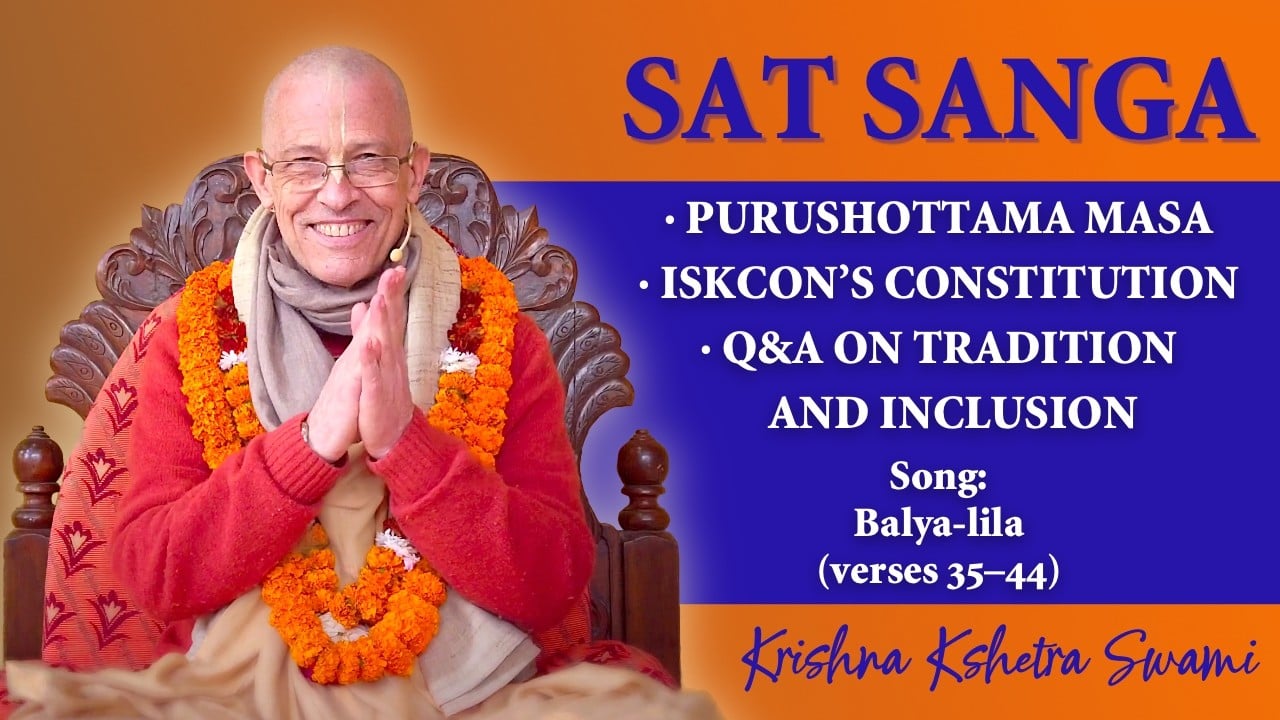
This Sat Sanga (16 May 2026) examines Purushottama Masa with calendrical accuracy, showing how Adhik Jyeshta Maas 2026 becomes a devotional opportunity rather than a mere intercalary fix. It clarifies how ISKCON’s emerging Constitution anchors mission fidelity, transparent governance, and culturally sensitive inclusion without compromising core siddhānta. The guidance on “Try to chant and be…
-
Srila Prabhupada and the sastric ideal: timeless devotion, inner power, and dharmic unity
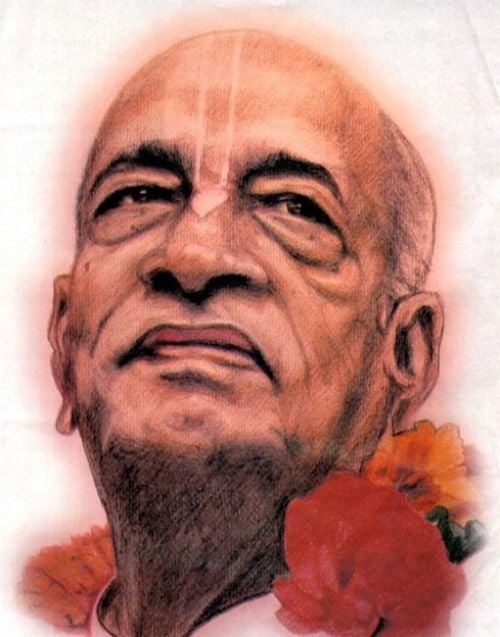
This analysis presents Srila Prabhupada as a sastrically grounded exemplar of pure devotion whose every action is directed toward Lord Sri Krsna. It explains how freedom from the three modes of nature and reliance on Krsna’s Internal Potency define the perfected devotee in Vaishnava theology. It shows how faith matures through guidance by the guru…
-
Unlocking the Power of Prayer: Vandanam in Daily Sadhana and Dharmic Unity Practices
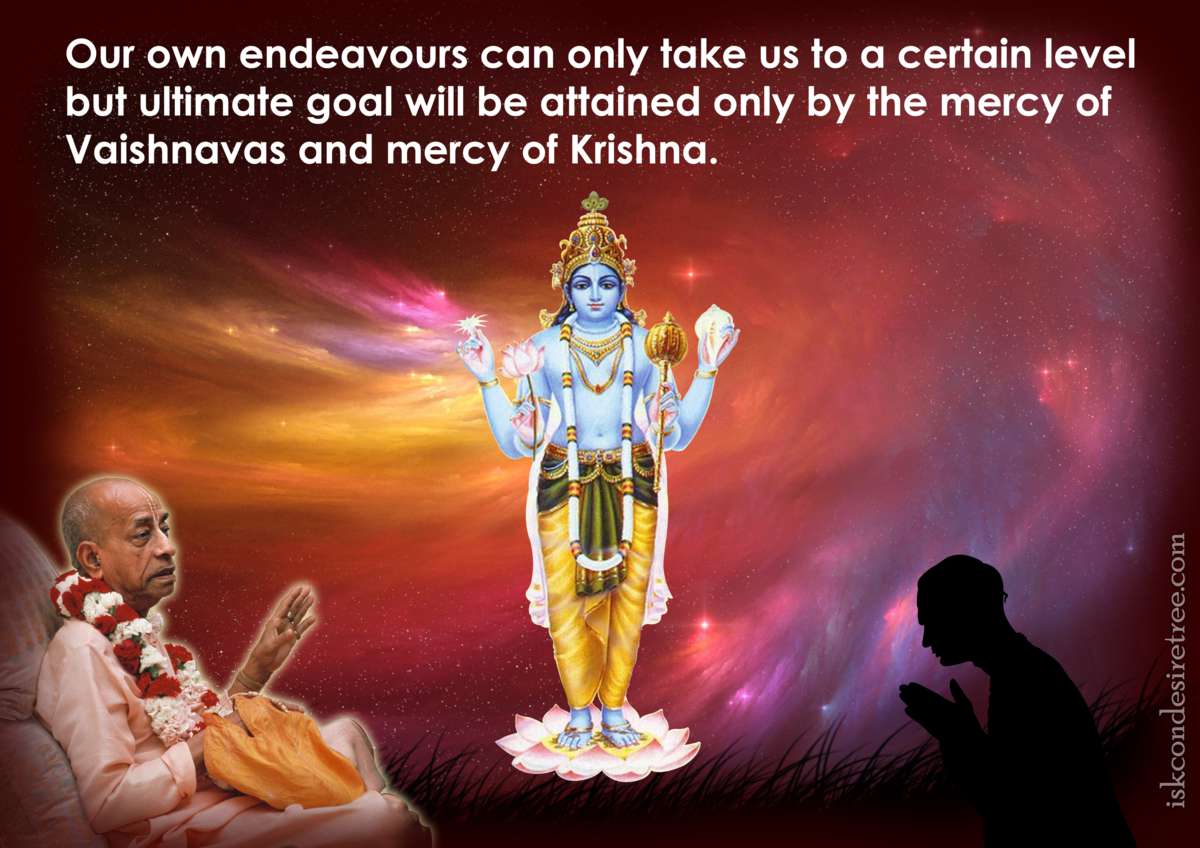
Prayer in the bhakti tradition, known as vandanam, is a core best practice of daily sadhana rather than an optional sentiment. Classical sources present it as one of the nine limbs of bhakti, with the capacity—when practiced deeply—to orient the whole of spiritual life. Pranama-mantras address Bhagavan, the Deity, the Ācārya, and the Guru, cultivating…
-
Shyam Manav’s Pune Remarks Ignite Fierce Debate: Free Speech, Faith, and Social Harmony

A public programme in Pune featuring rationalist activist Shyam Manav sparked a forceful debate about the boundaries of criticism, constitutional protections for free speech, and the duty to uphold dignity around Hindu Dharma, saints, and traditions. This analysis frames the incident through a dharmic-unity lens, emphasizing shared values across Hinduism, Buddhism, Jainism, and Sikhism. It…
-
Bengaluru Debate on ‘Corporate Jihad’: Safeguarding Business with Law, Compliance, and Unity

A Bengaluru awareness programme by the Hindu Janajagruti Samiti spotlighted concerns surrounding the contested term “corporate jihad,” urging a pivot from rhetoric to evidence-based risk management. The dialogue emphasized lawful remedies under India’s existing frameworks, including the Companies Act, SEBI’s LODR, PMLA, UAPA, and Karnataka’s KCOCA. Participants outlined practical compliance controls—beneficial ownership checks, sanctions screening,…
-
Calcutta HC upholds Bengal’s Bakri Eid cattle curbs, says cow sacrifice non-essential

Calcutta High Court has upheld West Bengal’s pre‑Bakri Eid notification that restricts cattle slaughter and bars public slaughter, clarifying that cow sacrifice is not an essential religious requirement of Islam. The bench led by Chief Justice Sujoy Paul and Justice Partha Sarathi Sen anchored its analysis in Article 25, stressing that religious freedom is subject…
-
The Peril of Vaishnava Aparādha: SB 11.1.13–15 and the Yadu Dynasty’s Devastating Fall
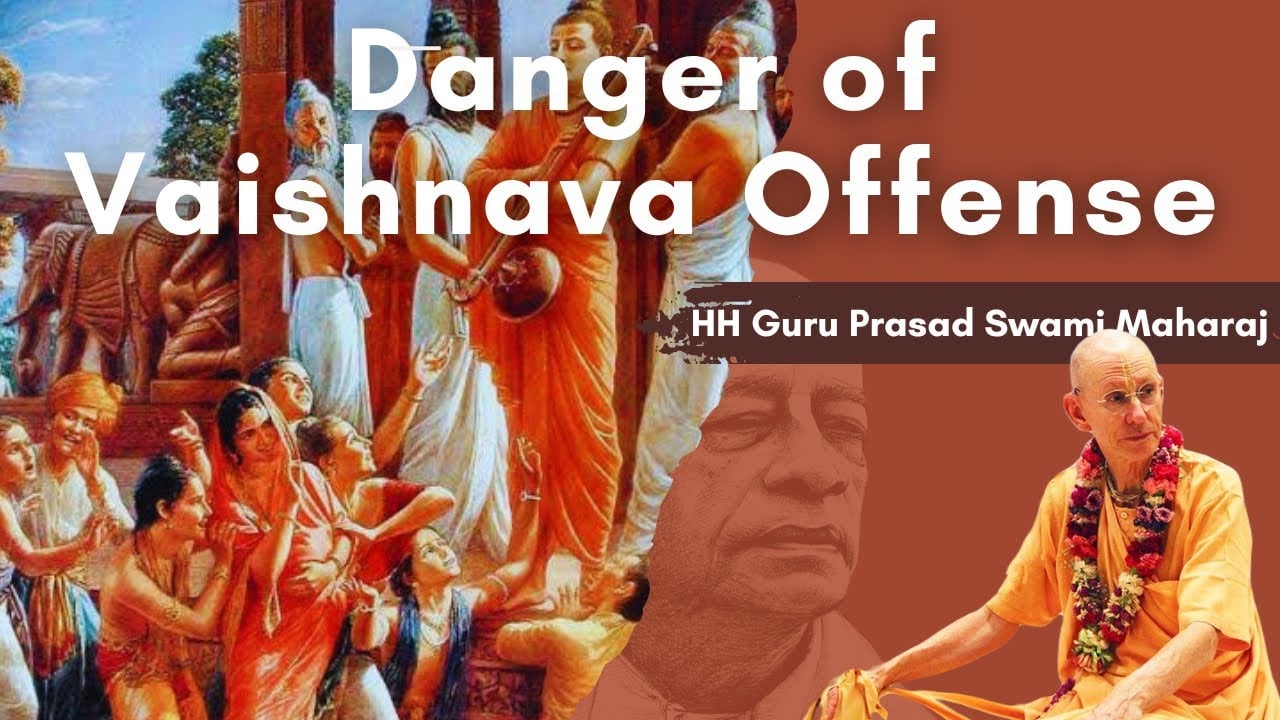
Srimad Bhagavatam 11.1.13–15 warns that mocking saintly persons—illustrated by the Yadu youths disguising Samba as a pregnant woman—carries devastating karmic and social consequences. Drawing on HH Guru Prasad Swami Maharaj’s insights, this analysis clarifies the doctrine of Vaishnava aparādha and shows how even technical fixes cannot undo moral causes. Readers gain precise context for the…
-
Conquering the Disease of Envy: SB 3.29’s Remedy for Respect, Ahimsa, and Dharmic Unity
This deep-dive, inspired by a Brambleton, VA discourse on May 21, 2026, examines why envy (īrṣyā, asūyā, mātsarya) is the principal obstacle to authentic respect and spiritual growth. Drawing on Srimad Bhagavatam 3.29, it maps how envy aligns with rajas and tamas and why non-envious devotion in sattva is essential. The analysis integrates parallel remedies…
-
Unveiling Bhaujya: Aindra Mahabhisheka, Aitareya Brahmana, and the Power of Vedic Statecraft

Bhaujya in the Aitareya Brahmana names both a system of governance and the oath-taking moment of the Aindra Mahabhisheka, where sovereignty is publicly bound to dharma. The celebrated sequence “samrajyam”, “bhaujyam”, “svarajyam”, “vairajya”, and “paramestya” maps layered forms of power—from self-rule to apex sovereignty—while insisting on ethical constraint. Read with Arthasastra and Dharmasastra, bhaujya emerges…
-
Rama on Hanuman, Lakshman on Angada: Decoding Yuddha Kanda Strategy and Sacred Symbolism

This study examines Rama’s march to Lanka through the dual lenses of strategy and symbolism in the Yuddha Kanda. It traces how intelligence from Sundara Kanda matured into a disciplined campaign: ritual diplomacy with the ocean, Nala’s engineering of Rama Setu, and Sugriva’s team-of-teams command across a high-mobility Vanara army. It clarifies that Valmiki does…
-
The Quiet Architecture of Grief: Evidence-Based Ways Small Rituals and Memories Sustain Love

Grief seldom ends; it changes form. Using a clear case of companion‑animal loss, this piece explains how routine, memory, and community support help sustain love after bereavement without minimizing sorrow. Readers will learn key frameworks from contemporary bereavement science—Continuing Bonds Theory, the Dual Process Model, disenfranchised grief, and post‑traumatic growth—and how these map onto everyday…
-
Panjurli Daiva of Tulunadu: Sacred Boar, Agrarian Covenant, and the Living Bhuta Kola

Tulunadu’s Panjurli Daiva, the sacred boar guardian of coastal Karnataka and northern Kerala, embodies a living covenant between forest and farmland. This in-depth overview situates Panjurli within Bhuta Kola/Nema traditions, tracing historical continuities, ritual roles, costume language, and oracular justice. Readers gain an integrated view of how daivasthanas function as both sacred spaces and civic…
-
Beyond the Chase: Hinduism’s Radical Blueprint for Lasting Happiness and Inner Freedom

This long-form analysis explains a core Hindu teaching: lasting happiness is revealed when the compulsive pursuit of happiness ends. It clarifies the difference between sukha (pleasure) and ananda (bliss), grounding the argument in the Upanishads, Bhagavad Gita, and Patanjali’s Yoga Sutra. Readers gain a rigorous framework for understanding moksha, along with a practical blueprint that…