
-
NHRC seeks urgent J&K Police report on alleged targeted Hindu killings, demands safeguards
The National Human Rights Commission has sought an urgent report from the Jammu & Kashmir Police on alleged targeted killings of Hindus, placing a premium on timely accountability, survivor support, and due process. This analysis explains what an NHRC “urgent report” entails under the Protection of Human Rights Act, 1993, and how such oversight advances…
-
Beyond Right and Wrong: Hindu Dharma’s Compassionate Guide to the Sacred Relativity of Truth

This article explains how Hindu Dharma frames morality as contextual rather than absolute, grounding ethical judgment in place, time, person, intention, and consequence. It clarifies the difference between universal virtues and their context-sensitive application, showing how ahimsa, satya, and lokasangraha orient decision-making. Drawing from the Mahabharata, the Bhagavad Gita, Dharmashastra, Yoga philosophy, and Mimamsa hermeneutics,…
-
From Overexplaining to Equanimity: A Science-Backed Method to Stay Calm in Conflict

This analysis explains how overexplaining in conflict is often anxiety in disguise and shows why clarity outperforms volume. It presents an evidence-based protocoldraft fully, pause, edit for outcomes, convert judgments into specific requests, and send only when the body feels steadier. The approach integrates cognitive load principles and affect labeling with practical somatic tools (long…
-
US House Resolution Seeks Justice for 1971 Bangladesh Genocide, Highlighting Hindu Targeting
A new US House resolution, H. Res. 1130, seeks recognition of the 1971 Bangladesh genocide, condemning atrocities by elements of the Pakistan Army and Jamaat-e-Islami-linked militias and highlighting the disproportionate targeting of Bengali Hindus. The measure frames 1971 within the Genocide Convention, emphasizing documented patterns of group-directed violence, large-scale displacement, and sexual violence. It draws…
-
Srila Prabhupada’s Compassionate Diplomacy: Inclusive Lessons for Spreading Love of Krsna

This analysis explores Srila Prabhupada’s “compassionate diplomacy,” as described by Srutakirti dasa, highlighting how calibrated guidance and empathetic outreach awakened love of Krsna without discouraging seekers. It explains the pedagogical logic behind encouraging feedback and reserving chastisement for those ready to benefit, aligning with Vaishnava ethics and modern motivational research. Readers gain practical principles for…
-
March 29, 2026 Panchang: Ekadashi till 8:31 AM, then DwadashiAuspicious Rituals, Muhurta, Rashi
On Sunday, March 29, 2026, the Panchang records Shukla Paksha Ekadashi until 8:31 AM, followed by Shukla Paksha Dwadashi for the remainder of the day. This transition guides Ekadashi fasting and parana practices, with care taken to avoid breaking the fast during Hari Vasara. The article explains tithi mechanics, Panchang’s five limbs, and how Nakshatra…
-
Sindhara Dooj 2026: Complete Guide to Gauri Dwitiya Rituals on Navratri Day 2 in North India
Sindhara Dooj (Gauri Dwitiya/Sindoor Dooj) falls on the second day of Navratri and, in 2026, is observed on March 20 (Chaitra Navratri) and October 12 (Sharad Navratri) across North India. This comprehensive guide explains the Dwitiya tithi basis of the festival, how to align puja with the living lunar day, and why local Panchang consultation…
-
Maharashtra’s Freedom of Religion Bill 2026: Safeguards, Constitutional Tests, and Harmony

On 18 March 2026, the Maharashtra Legislative Assembly passed the Freedom of Religion Bill 2026, presented as “Not Against Any Religion.” Congress has called it unconstitutional, while Shiv Sena (UBT) extended support, prompting a rare cross-aisle debate. The Bill sits within a constitutional framework that protects freedom of conscience (Article 25) yet permits states to…
-
Navreh 2026 (Laukika 5102): Sacred Kashmiri New Year Date, Rituals, Meaning, and Unity

Navreh, the Kashmiri Hindu New Year, falls on 19 March 2026 (IST), aligned with Chaitra Shukla Paksha Pratipada and the first day of Chaitra Navratri. The festival inaugurates Laukika (Saptarishi) year 5102 (2026–2027), rooting contemporary practice in an ancient Kashmiri time-reckoning tradition. Observance centers on the Navreh thaalrice, mirror, flowers, coins, curd, salt, walnuts, a…
-
Devi Damanotsav 2026: Damana Leaf Adornment, Durga Navami Rites, and Deeper Meanings
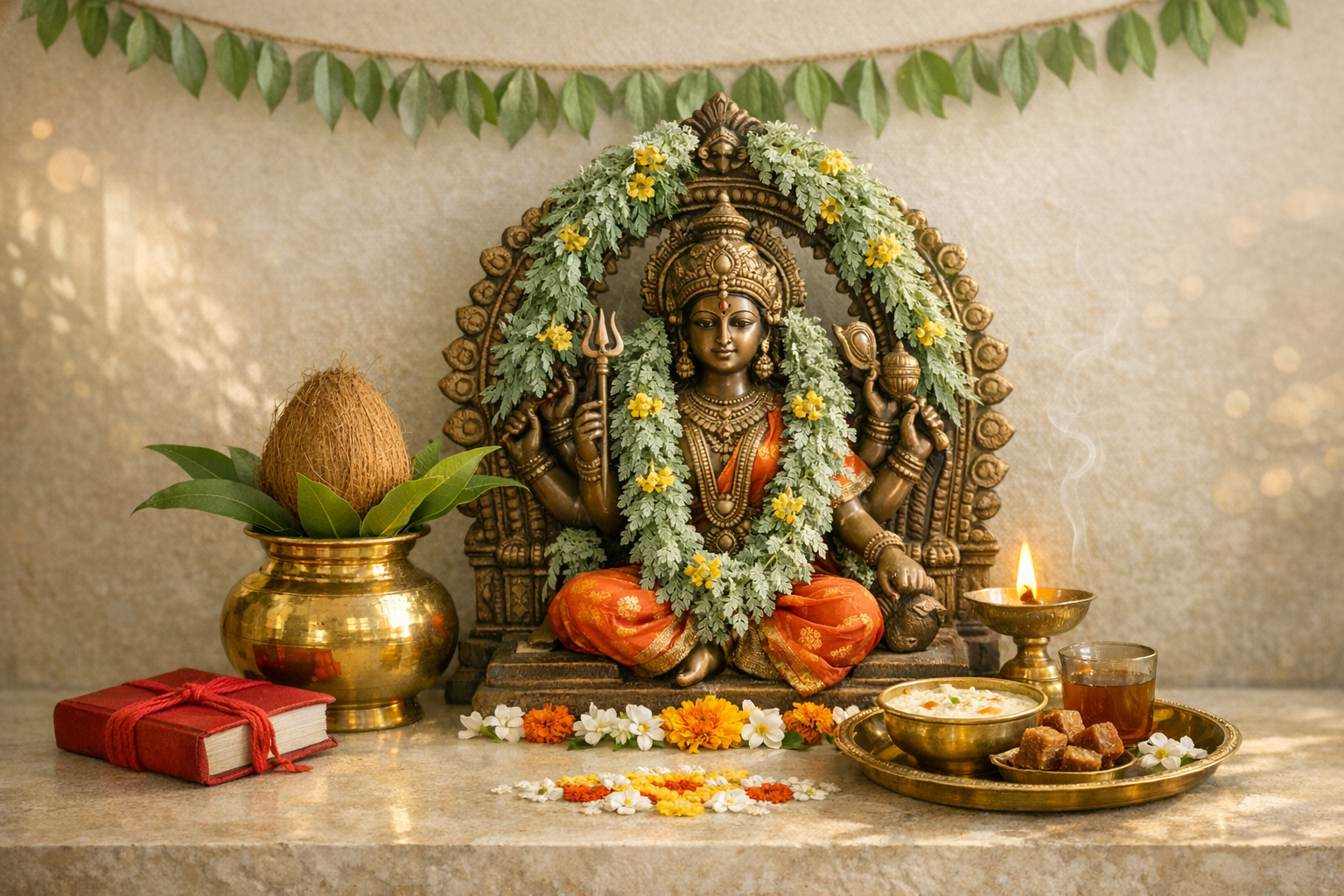
Devi Damanotsav (Durga Damanaropanam) is observed on Chaitra Shukla Navami and, in 2026, falls on March 27. The festival marks the culmination of Vasant Navratri by adorning the Goddess with fragrant damana (dhavanam) leaves, a practice that unites botanical symbolism with Shakta devotion. This long-form guide explains the festival’s names, dates, calendrical nuances, and regional…
-
Srimad Bhagavatam 10.13.4–11: Kṛṣṇa as yajña-bhuk in a Dazzling Vraja-Līlā of Love and Wisdom
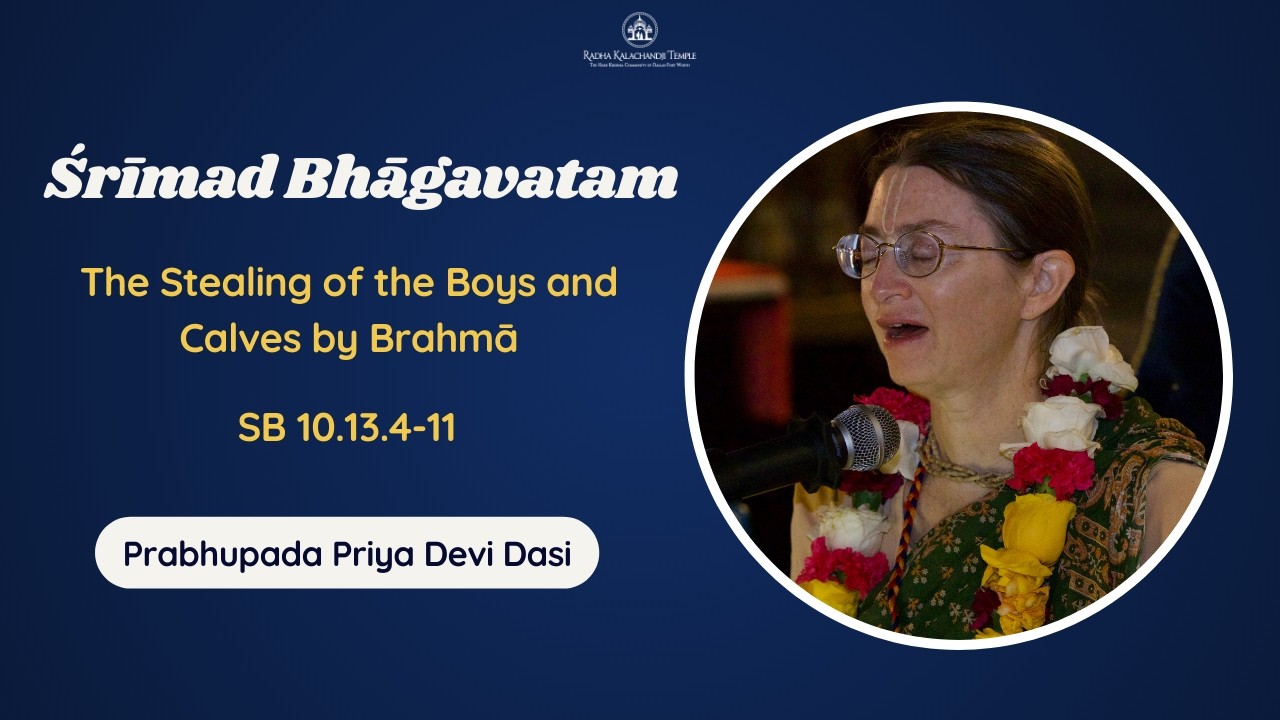
Srimad Bhagavatam 10.13.4–11 portrays Kṛṣṇa as yajña-bhukthe supreme enjoyer of offeringswhile sitting in the affectionate circle of Vraja’s cowherd boys, uniting transcendence with intimacy. The passage reframes ritual logic: the forest meal functions as a living yajña where bhāva (devotional intention) consecrates food into prasāda. Iconographic details (flute, horn bugle, and staff) are not ornaments…
-
Gurbani as a Living Mirror: How Shabad-Guru Reflects, Heals, and Guides the Inner Life

Gurbani is presented as a mirroring companionShabad-Guru that reflects inner patterns, steadies the heart, and aligns conduct with hukam. The article explains how the scripture’s musical architecture (rāg), multi-lingual texture, and ethical imperatives work together to cultivate sehaj. It clarifies practical modes of engagementkirtan, Naam Simran, hukamnama, and daily rhythms like Japji Sahib, Rehras Sahib,…
-
After Nerul Meet, 25 Navi Mumbai Temples Adopt Dress Code to Preserve Sanctity and Inclusion

Trustees representing 25 Navi Mumbai temples resolved in a Nerul meeting under the Maharashtra Mandir Mahasangh to introduce a dress code aimed at preserving sanctity while enhancing devotee comfort and dignity. The move aligns with dharmic norms across Hindu, Buddhist, Jain, and Sikh spaces, where modest attire signals reverence and inner readiness for darshan. Constitutionally,…
-
Global Dharma Catalyst: Dharma Endowment Fund’s 2026 Grants for Hindu Unity and Education
HENB reported from New Delhi on March 12, 2026, that the Dharma Endowment Fund launched a 2026 Grants Programme to support Hindu initiatives worldwide. The programme addresses persistent funding gaps while promoting Hindu unity, education, and heritage within the broader Sanatan Dharma ethos. In line with dharmic pluralism, it encourages inter-dharmic collaboration with Buddhism, Jainism,…
-
Thaal Barun before Navreh 2026: A Definitive Guide to Dates, Ritual Steps, and Symbolism
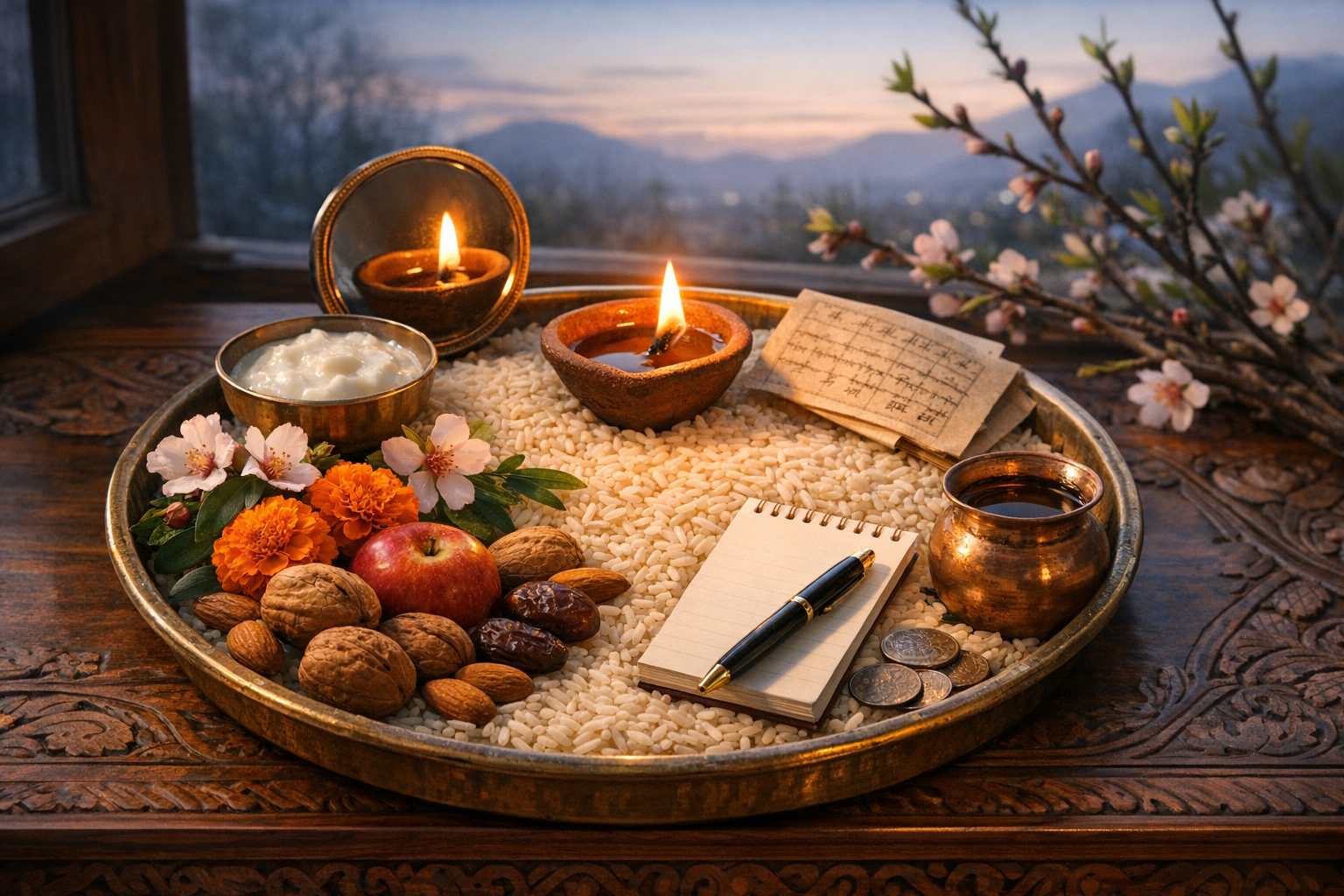
Thaal Barun is the Kashmiri Pandit ritual of arranging a sanctified thali on the night before Navreh, the Kashmiri New Year, to be seen at dawn as an act of conscious, auspicious beginning. For 2026 (IST), Thaal Barun for Sonth is on March 13, Sonth is March 14, and Thaal Barun immediately preceding Navreh is…
-
Lava and Kusha’s Divine Recital: How Valmiki’s Ramayana First Echoed Through Ayodhya
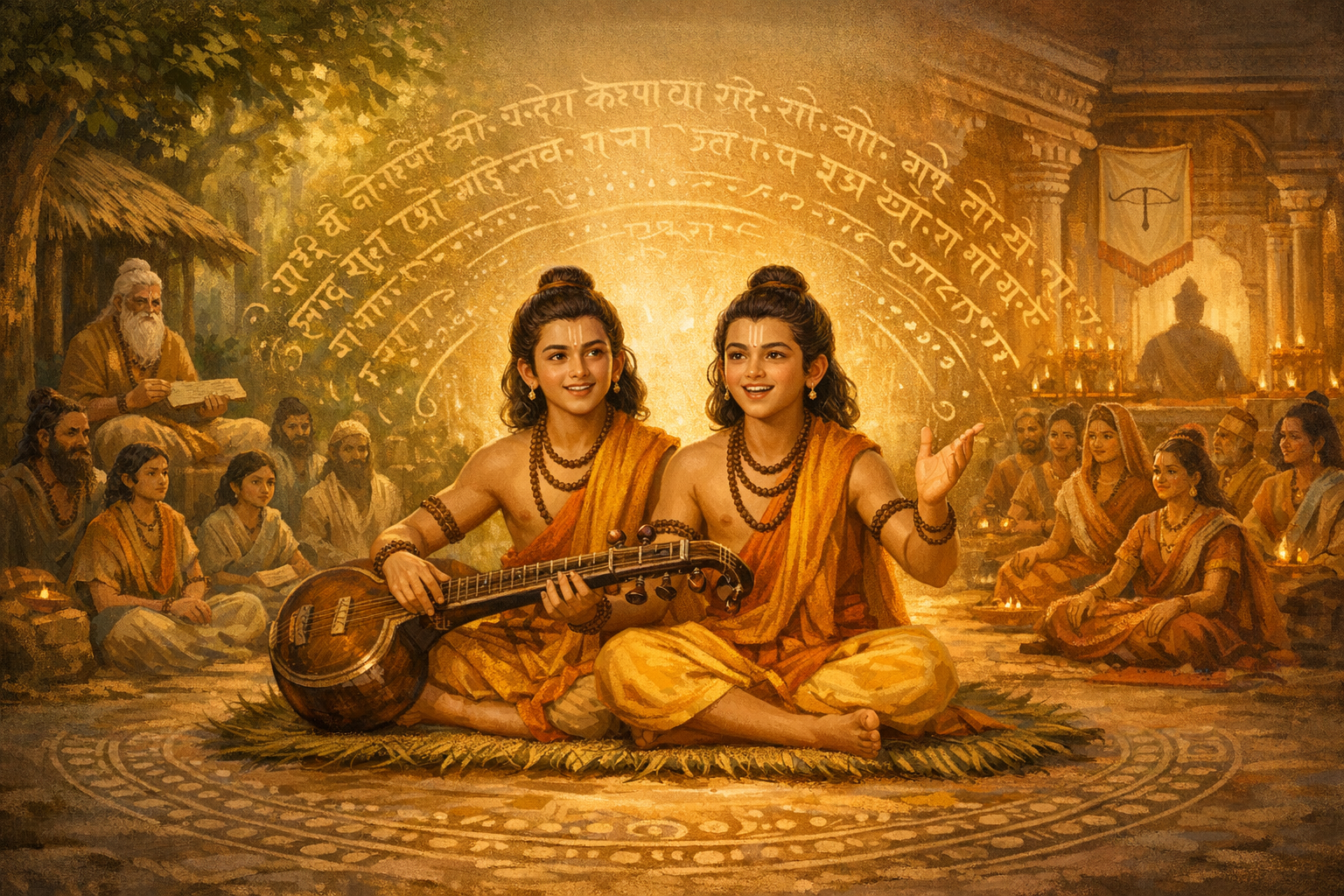
This essay explores the formative moment when Lava and Kusha first chanted Valmiki’s Ramayana, tracing how an ashram audience and a later royal performance shaped the epic’s authority as sung narrative. It explains the technical foundations of the recitalmetre, intonation, and emotive deliveryand shows why disciplined orality anchored the Ramayana’s cultural spread. The analysis situates…
-
Dashavatara to Digital Screens: How Vishnu’s Avatars Shape Indian Politics and Pop Culture Today

Vishnu’s avatars are not relics of the past; they are an active ethical and cultural vocabulary shaping Indian politics, cinema, music, festivals, and civic life. Drawing on the Bhagavata Purana, Ramayana, and Mahabharata, this analysis shows how Rama and Krishna anchor debates on leadership, justice, and welfare without collapsing pluralism. It explains why Ayodhya’s contemporary…
-
Shweta Kali Unveiled: The White Radiance of Kali, Creation’s Source and Ash’s Return

Shweta Kali, the white, luminous manifestation of Kālī, embodies both creation’s dawning radiance and the serene return of all forms to ash. Rooted in Shakta Tantra and cherished in Bengal and Nepal, this form unites sattvic clarity with Kālī’s timeless power, offering a sophisticated theology of origin, transformation, and dissolution. The essay surveys iconography, mantric…
-
Navaratri Vrata Mahatmyam: Scriptural Roots and Seasonal Science Behind Chaitra & Ashwin Fasts
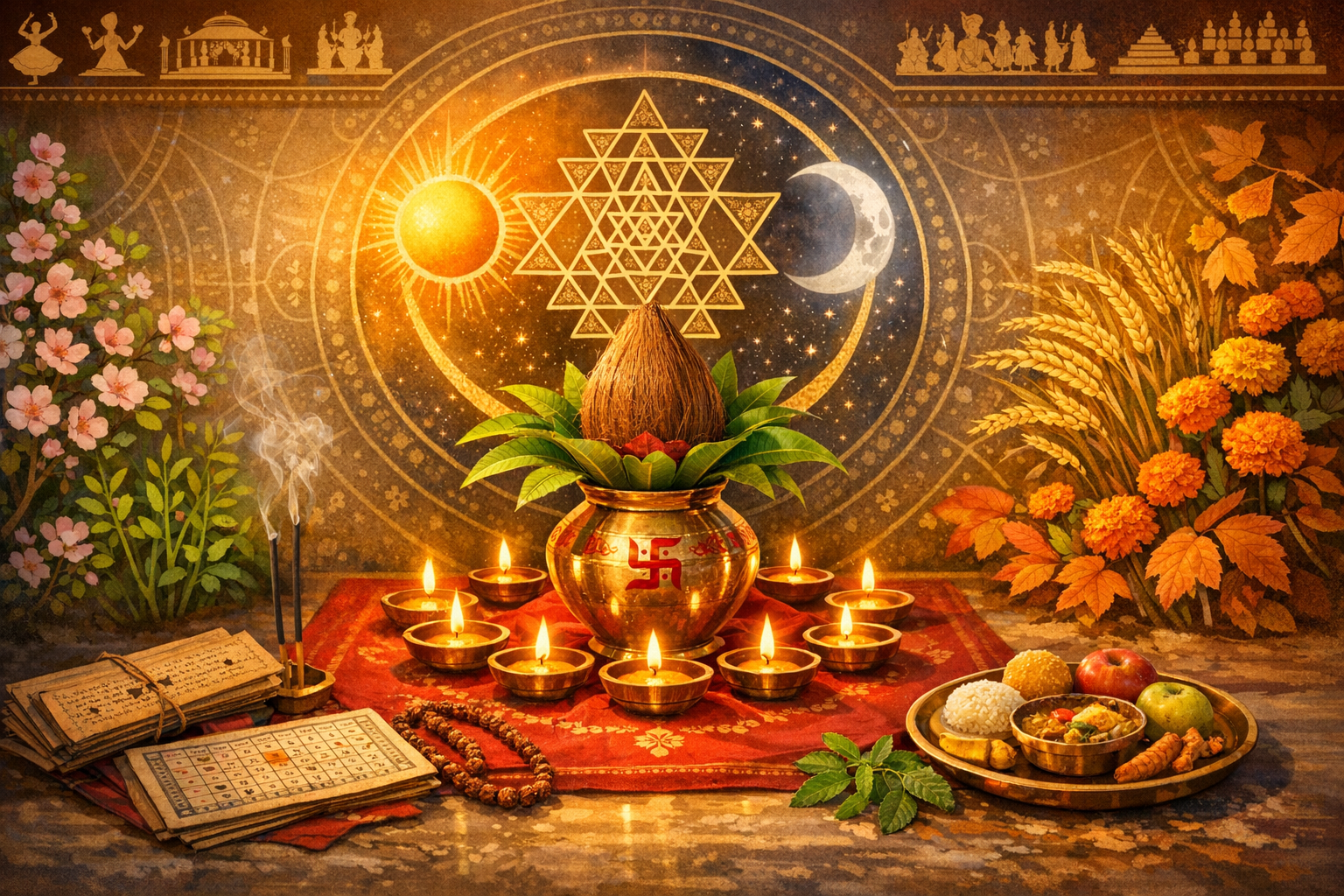
Navaratri Vrata Mahatmyam explains why the sacred nine-night fast centers on Chaitra and Ashwin: both occur at powerful seasonal junctions near the equinoxes, making them ideal for renewal and inner rebalancing. Scriptural foundations in the Devi Mahatmya and traditions attributed to Veda Vyasa affirm the efficacy of the vow when aligned with Shukla Pratipada to…
-
Honoring Sikh Women: Trailblazing Courage, Seva, and Scholarship for International Women’s Week

International Women’s Week highlights the enduring leadership of Sikh women in seva, scholarship, and public life. Grounded in Gurbani’s affirmation of equality“ਸੋ ਕਿਉ ਮੰਦਾ ਆਖੀਐ ਜਿਤੁ ਜੰਮੇ ਰਾਜਾਨ॥”their contributions span the langar tradition of Mata Khivi, the martial resolve of Mai Bhago, and the statecraft of Rani Sada Kaur. From heritage stewardship to humanitarian response,…