
-
Agni’s Gift to Durga: The Sacred Spear of Shakti and the Transformative Fire of Wisdom

Agni’s gift of the spear (Borsha) to Goddess Durga, as narrated in the Devi Mahatmya, signifies the union of righteous strength with purifying wisdom. The spear’s straight shaft symbolizes disciplined focus, and its tip stands for discriminative insight that pierces ignorance. Ritual experiencesfrom āratī to Navaratri celebrationsinvite practitioners to internalize this clarity in ethical action.…
-
Spirituality Means Intensity: Uncover Timeless Jewels of Wisdom in London with Keshava Swami
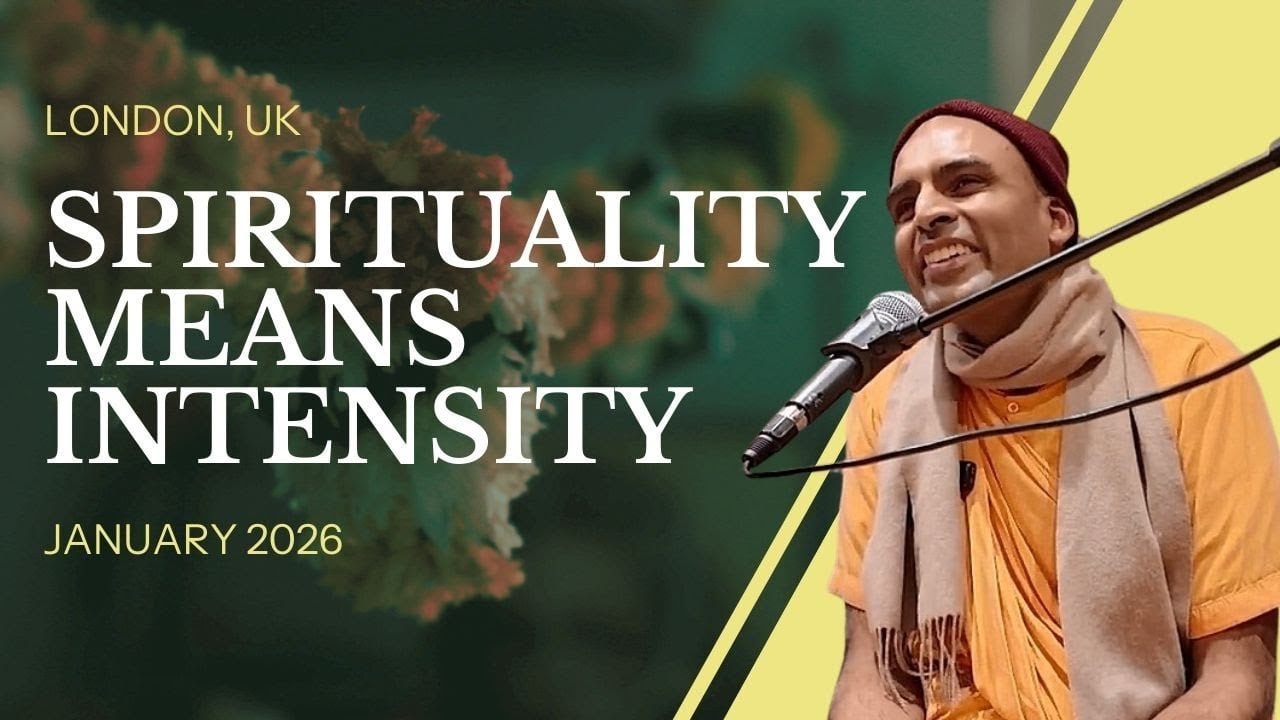
Set in London and associated with Svayam Bhagavan Keshava Swami, this reflection explores why genuine spirituality is best understood as disciplined, compassionate presence. The “Find Your Jewels” approach distills ancient dharmic teachings into practical guidance that seekers can apply immediately. It emphasizes that the greatest offering to the world is refined inner lifeconsciousness, character, and…
-
WSN December 2025: Nearly 5 Million Sacred Texts SharedA Pan‑Dharmic Celebration

WSN December 2025 documents a landmark month with nearly five million sacred texts shared worldwide. Leading results came from Mayapur, New Delhi, and Mumbai-Juhu among large temples; Pune Camp, Mumbai-Mira Road, and Salem for medium; and Chandigarh, Budhanilkantha, and Bangalore-Jag Mandir among small centers. Participation extended from India to Europe, with Genova and Kishinev contributing…
-
Madhurabhashini of Vilamal: Moon‑Eyed Parvati’s Blessings at Thiruvarur Patanjali Manoharar

Madhurabhashini of Vilamal, the moon-eyed form of Goddess Pārvatī, is revered at the Thiruvarur Pathanjali Manoharar Temple in Tamil Nadu for blessing devotees with gentle eloquence and clear judgment. The shrine’s association with Pathanjali subtly links yogic discipline and refined speech, uniting ethics of right communication across Hinduism, Buddhism, Jainism, and Sikhism. Visitors often report…
-
Why 108 Lotus Flowers for Goddess Durga? Powerful Bengali Legends of Sandhi Puja

During Durga Puja’s Sandhi Puja, the offering of 108 lotus flowers to Goddess Durga carries both ritual precision and profound symbolism. Two renowned Bengali legends explain this practice: one commemorates 108 wounds sustained by the Goddess in her battle with asuras, and the other narrates Śrī Rāma’s Akal Bodhan, where his resolve to offer his…
-
Haviryajna Unveiled: Vedic Sacrifices that Harmonize Cosmos, Ethics, and Unity
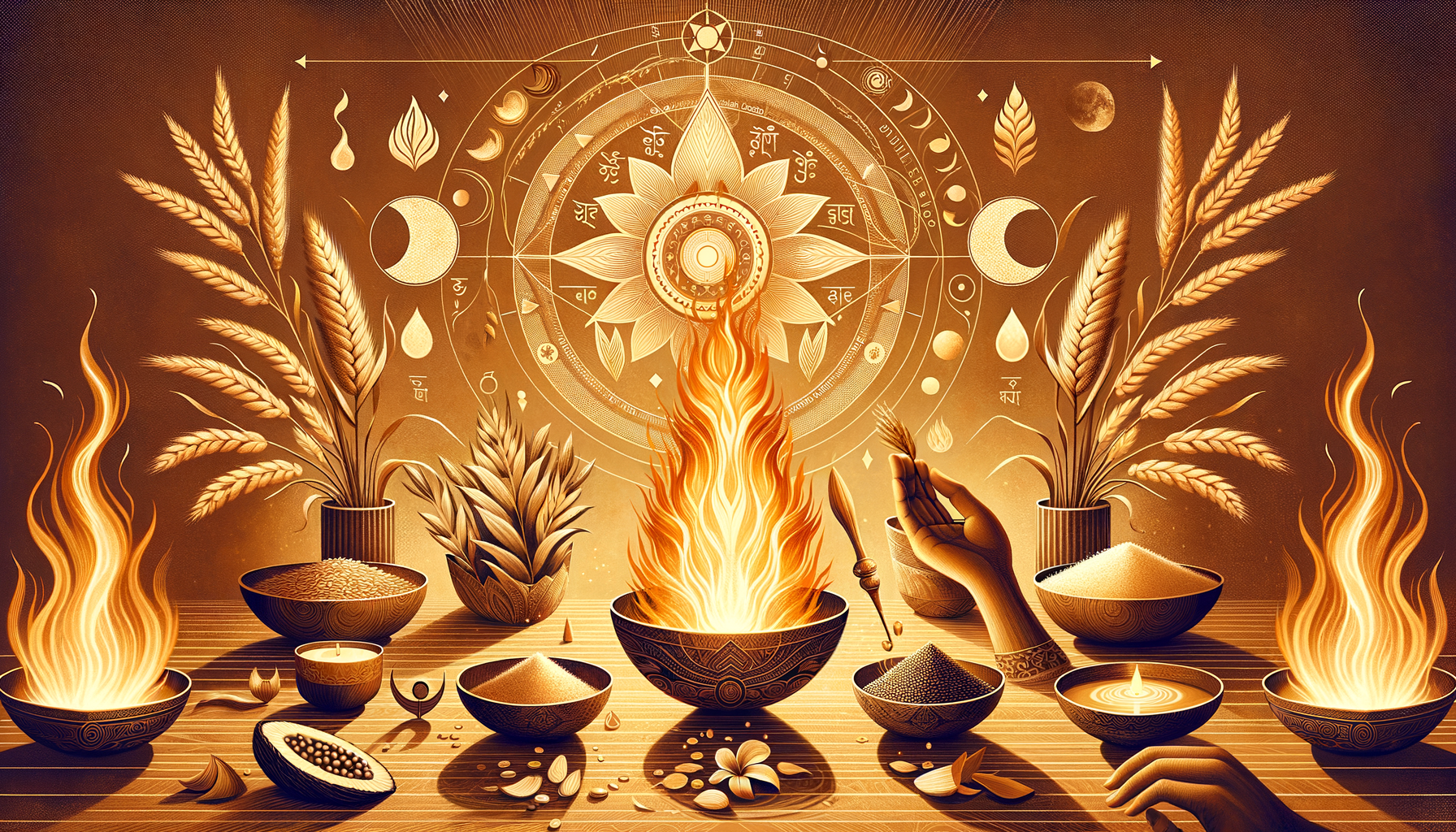
Haviryajna represents a core class of Vedic sacrifices using havismeasured offerings of grains and gheealigned with cosmic order. The threefold classification of Pakayajnas, Haviryajnas, and Soma Yajnas clarifies how Vedic ritual scales from household devotion to communal and cosmic responsibility. Rites such as Agnihotra, Darśa–Pūrṇamāsa, Cāturmāsya, and Āgrayaṇa illustrate the Haviryajna focus on sacred time…
-
Sri Vaishnavism Unveiled: Devotion, Vedanta, and the Heart of Vishnu Worship
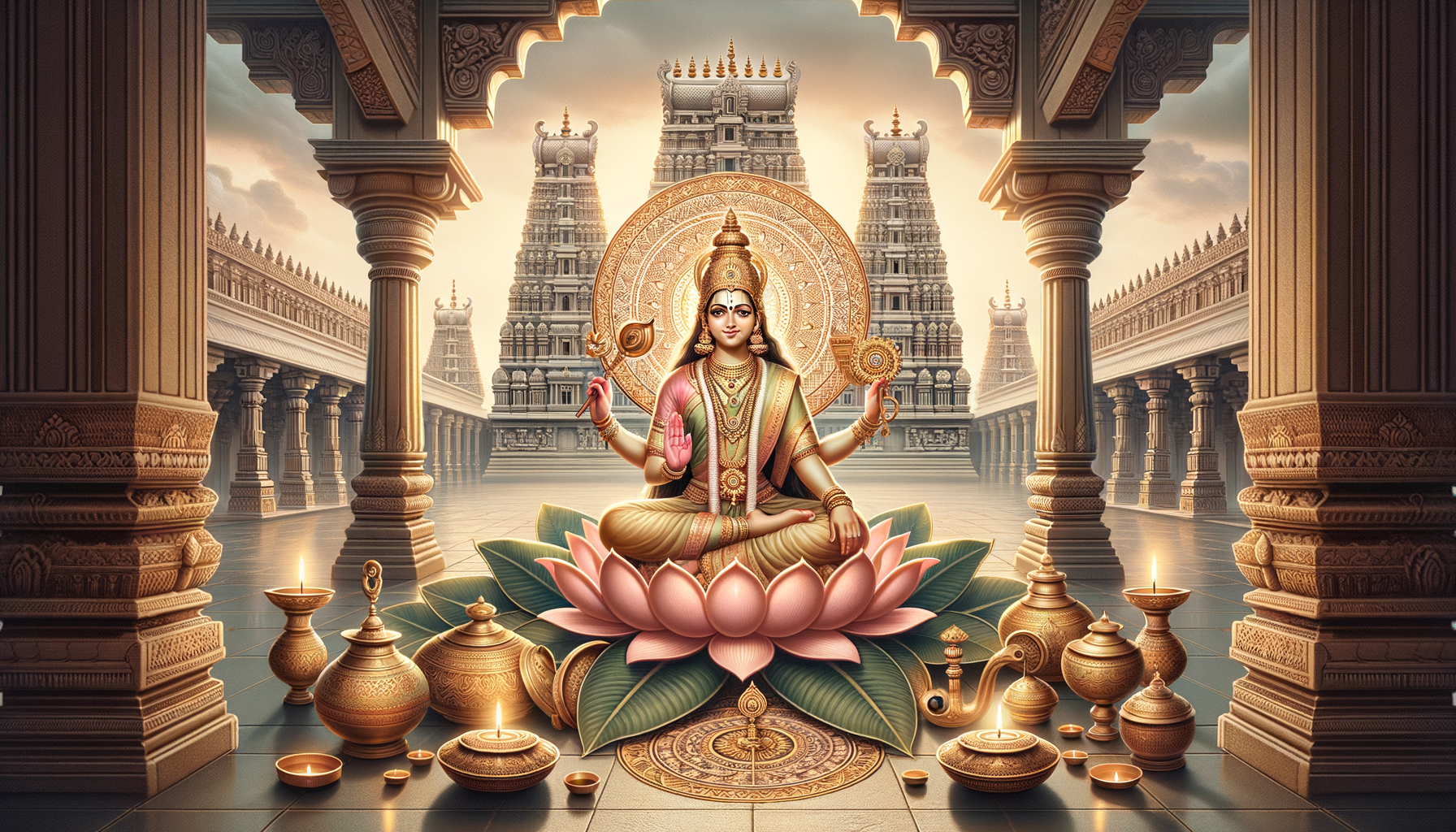
Sri Vaishnavism (Srivaishnavism) is a major Hindu tradition that unites Vedanta philosophy with heartfelt bhakti to Vishnu, especially through devotion to Sri Rama and Sri Krishna. Anchored in Tamil Nadu and Karnataka, it draws on the Tamil Alvars’ hymns and Acharya scholarshipespecially Ramanuja’s Vishishtadvaitato harmonize poetry and philosophy. Readers gain clear insight into its sacred…
-
Sri Ramanujacharya’s Magnificence: How Bhakti Masters Illuminate Kali‑yuga and Inspire Unity

This reflection situates Sri Ramanujacharya within a Gaudiya Vaishnava narrative that honors multiple bhakti masters sent to uplift Kali-yuga. It presents Sri Krishna Caitanya’s descent to Gauda-bhumi as a devotional-theological perspective, while highlighting Ramanuja’s enduring contributions to compassionate, rigorous practice. Readers gain a clear, accessible context for the Bhakti and Vedic Traditions and their relevance…
-
Karmashaya Demystified: Uncovering the Hidden Storehouse of Karma in Patanjali’s Yoga

KarmashayaPatanjali’s term for the subtle storehouse of karmaexplains how actions leave impressions (samskaras) that condition future experience. Grounded in the Yoga Sutras (2.12), it links klesha-driven actions to both present and unforeseen outcomes, clarifying the mechanics of reactive patterns. Read together with the threefold classification of karma (sanchita, prarabdha, agami), karmashaya functions as a dynamic…
-
Cheti Chand 2026: Sindhi New Year on March 19Date, Significance, and Shared Dharmic Traditions

Cheti Chand 2026 falls on March 19, marking the Sindhi New Year on Chaitra Shukla Dwitiya. The day also celebrates Jhulelal Jayanti, with prayers, aarti, and Baharana Sahib processions reflecting gratitude and cultural continuity. Families describe a strong sense of renewal through simple home rituals, charity, and community gatherings. The festival aligns with other spring…
-
Ratha Saptami 2026 Puja Muhurat & Snana Muhurtham: Harness the Sacred Brahmi Dawn

Ratha Saptami (Surya Jayanti) falls on January 25, 2026, with the most auspicious Snana Muhurtham in the Brahmi Muhurtham from 5:02 AM to 5:49 AM. Observing the pre-dawn bath and offering Arghya to Surya during this window is traditionally considered highly meritorious. Many households experience a distinctive calm before sunrise that enhances focus and gratitude.…
-
Ghanapatha: The Brilliant Oral Science That Preserved the Vedas with Unmatched Precision

Ghanapatha is an advanced Vedic recitation method that preserved the Vedas with exceptional precision through patterned repetition and reversal. Situated within the Shiksha Vedanga, it crowns a structured pedagogySamhita, Pada, Krama, Jata, and Ghanathat builds redundancy and error-checking into every line. By guarding phonetics and pitch accents (udātta, anudātta, svarita), it retains exact meaning and…
-
Angaraka Loka Unveiled: Mangala’s Sacred Realm and the Red Planet in Dharmic Wisdom

Angaraka Loka, the subtle realm of Mangala (Mars), illuminates how Vedic cosmology unites symbolism, ethics, and lived practice. Puranic narratives variously present Mangala as the son of Varaha and Bhudevi or as Bhauma born of Bhudevi, converging on a vision of disciplined courage in service of dharma. The association with Lord Muruga underscores protection, clarity,…
-
Hindu Gods and Their Vahanas: Timeless Symbolism, Deeper Meaning, and Dharma in Daily Life
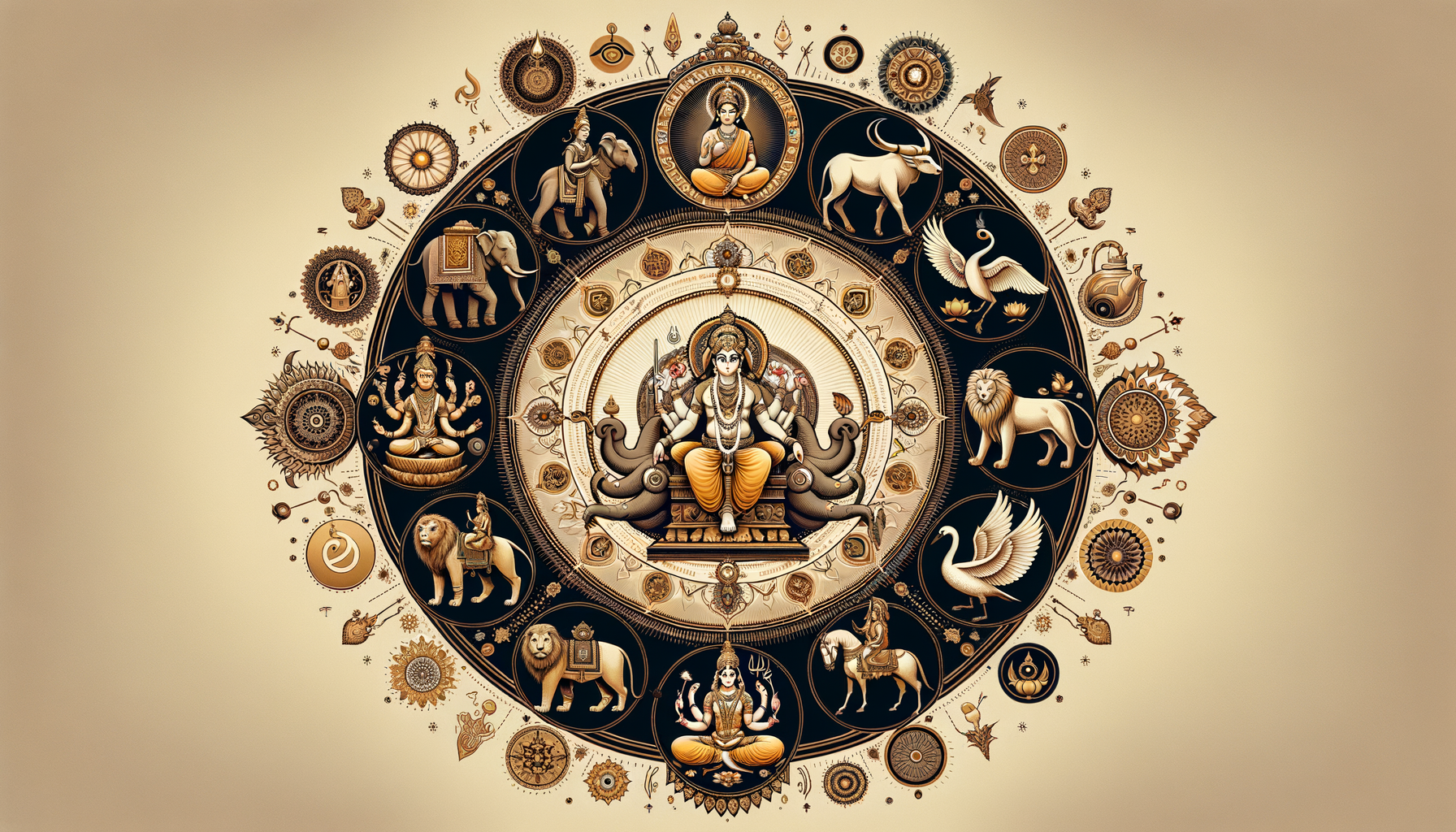
The vahanas (vehicles) of Hindu gods are not literal transport but layered symbols that teach ethics, ecology, and inner balance. Each deity–vahana pairing encodes a virtue to cultivate and an impulse to master, turning metaphysical insight into daily practice. Ganesha’s mouse models focused intellect; Shiva’s Nandi, disciplined strength; Vishnu’s Garuda, protective clarity; Durga’s lion or…
-
Khodiyar Mata Jayanti 2026: Timeless 8th‑Century Katha, Vrat Significance, and Dharmic Unity

Khodiyar Mata Jayanti (Khodiyar Maa Pragatya Din) falls on January 26, 2026, inviting focused observance through the Khodiyar Mata Vrat Katha. Rooted in 8th‑century Gujarati and Rajasthani scriptures, the Katha sustains living traditions of devotion, ethical reflection, and community solidarity. The festival draws diverse communities across Gujarat and Rajasthan into shared worship, exemplifying unity within…
-
Mewat Outcry: Muslim Family Demands Impartial Probe, Cross-Community Solidarity Fuels Justice

A Mewat, Haryana case involving an alleged assault of a minor has prompted a Muslim family to seek a fresh, impartial investigation and cross-community support. The family reports serious procedural lapses and potential political influence, highlighting the need for due process and police accountability. An independent or court-monitored probe could address forensic integrity and POCSO…
-
Harmony with Nature: Hinduism’s Timeless Dharma for Inner Peace, Compassion, and Earth Care

This essay explores how Hinduism frames harmony with nature as a dharmic imperative that elevates both inner life and ecological responsibility. It explains core ideas like ṛta, dharma, and “Isha vasyam idam sarvam,” showing how they sacralize the natural world. Ethical principles such as Ahimsa and Aparigraha become practical guides for sustainable living and compassionate…
-
Kokamukhi Devi: Unmasking the Jackal-Faced Shakti of Time, Death, and Sacred Renewal

Kokamukhi Devi, the jackal-faced manifestation of Adi Shakti, illuminates how fierce iconography can teach compassion, courage, and clarity. This analysis situates her cremation-ground symbolism within Shakta Tantra while drawing bridges to Buddhist charnel-ground meditations, Jain vairāgya, and Sikh remembrance of hukam. Readers gain a grounded understanding of how time and impermanence catalyze ethical living, not…
-
Why Hindus Shave Heads in Temples: Surrender, Samskara, Vows, and the Meaning of Mourning

Head shaving at temples such as Tirumala (Tirupati) is a devotional act rooted in samskara, personal vows, and humility. The practice symbolizes letting go of ego and past impressions to begin anew in alignment with dharma. In mourning, tonsure expresses impermanence and solidarity with the departed, varying by region and custom. Practical benefitsease of ritual…
-
Free Two-Day Shaurya Jagruti Camp in Durg: Build Strength, Resilience, and Leadership

A free two-day ‘Shaurya Jagruti Prashikshan Shibir’ in Durg, Chhattisgarh, organized by Hindu Janajagruti Samiti (HJS), aims to empower youth through physical fitness, mental resilience, and values-led leadership. The initiative emphasizes discipline, teamwork, and ethical clarity to strengthen community engagement. Its inclusive, non-sectarian approach supports harmony across Hinduism, Buddhism, Jainism, and Sikhism. Participants can expect…