
-
Purandhara Dasa Aradhana 2026, Tirumala–Tirupati: Three Sacred Days of Music, Bhakti, Unity

Purandhara Dasa Aradhana returns to Tirumala–Tirupati from 17–19 January 2026, honoring Sri Purandara Dasa’s living legacy as the father of Carnatic music. Hosted at Asthana Mandapam under TTD’s Dasa Sahitya Project, the celebration blends Suprabhatam, meditation, group bhajans, and Nagar Sankirtana into a contemplative three-day rhythm. Attendees benefit from an immersive devotional atmosphere where music,…
-
Sri Dharma Sastha Bhujangam: Adi Sankara’s Powerful Hymn of Unity, Devotion, and Dharma
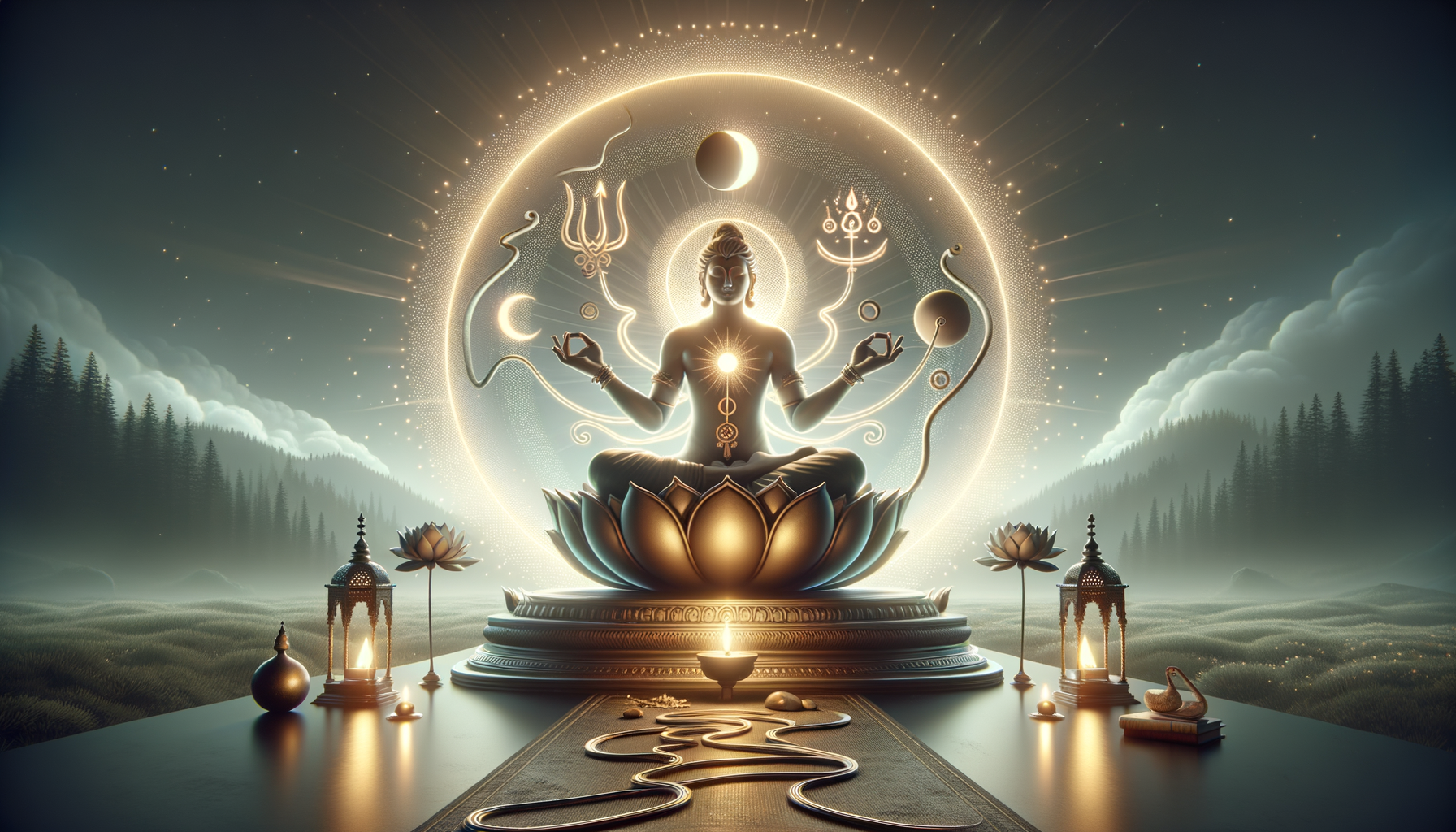
Sri Dharma Sastha Bhujangam, attributed to Sri Adisankara, is a Sanskrit devotional hymn that praises Lord Dharma Sastha (Ayyappa) as a compassionate protector and guide to dharma. Composed in the bhujangam meter, its calming cadence supports mindful breathing and focused devotion. The hymn integrates Advaita insight with the Bhakti Tradition, showing how knowledge and love…
-
How Sita Ram Goel Reframed Indian Historiography: Shivaji, Nehru, and the Mughal Myth
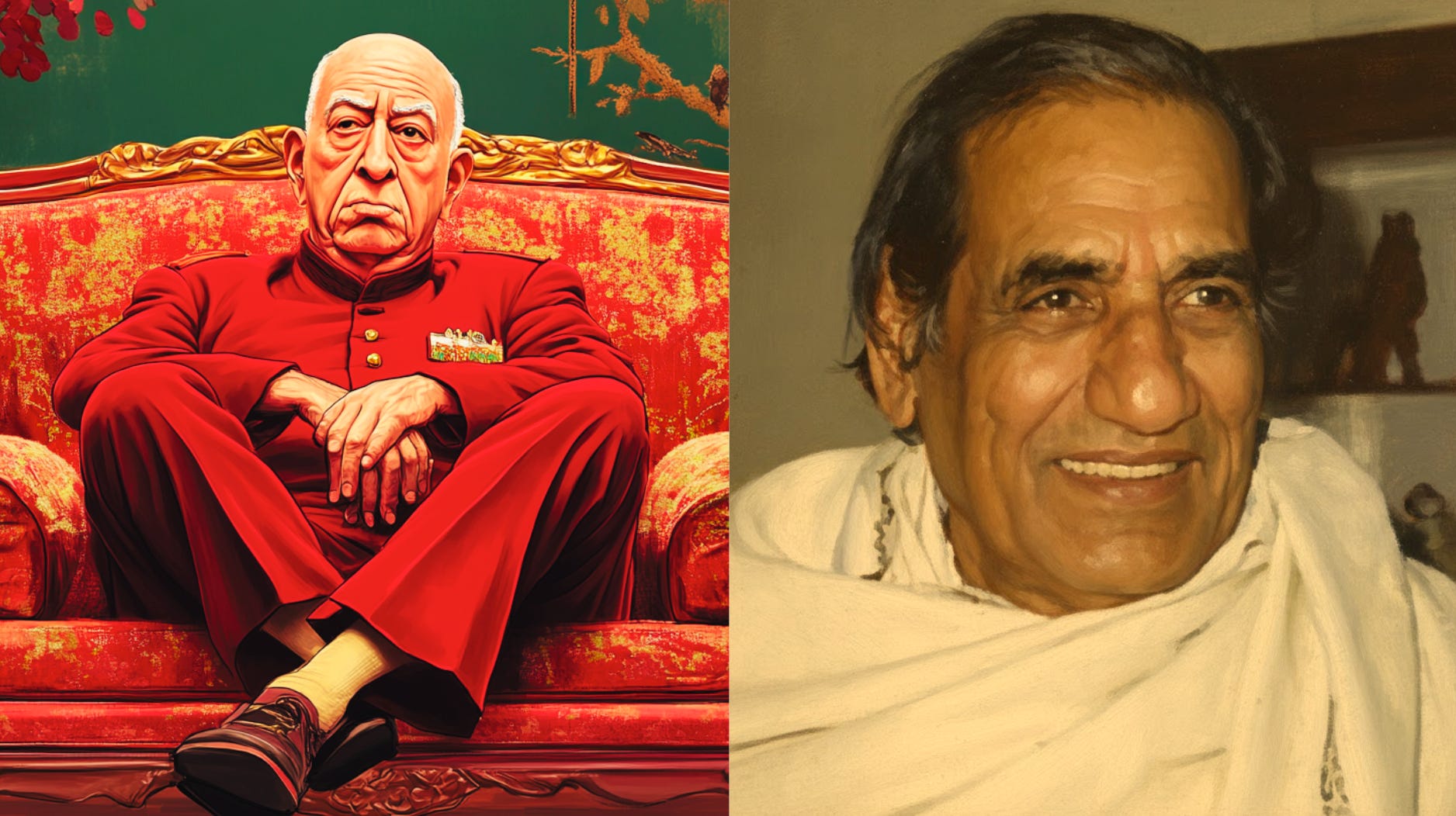
Sita Ram Goel’s Shaktiputra Shivaji offers a concise yet rigorous meditation on Indian historiography, foregrounding Shivaji as an indigenous state-builder. Drawing inspiration from Dennis Kincaid’s The Grand Rebel, it rejects simplistic Western misconceptions that fixate on the Mughals as Britain’s chief adversaries. The analysis critiques overreliance on marital alliances to explain “indigeneity,” urging methodological consistency…
-
Mystic Power of the Divine Name: How Chanting Awakens the Heart across Dharmic Traditions

This reflection addresses a classic paradox in devotional life: if the Name of God is truly transcendental, what is achieved through congregational chanting? Drawing on Bhaktivinode Thakur’s insight that the Name descends and acts upon the heart, it explains how chanting functions as cooperation with grace rather than a human conquest. The analysis clarifies why…
-
January 16, 2026 Panchang: Trayodashi to Chaturdashi at 10:10 PM Timings, Meaning, Reflection

Friday, January 16, 2026 features Krishna Paksha Trayodashi in most regions until 10:10 PM, followed by Krishna Paksha Chaturdashi. The day’s progression supports calm routines, mindful reflection, and a gentle close to the lunar fortnight. Observers often note that Trayodashi encourages steadiness, while Chaturdashi deepens inward focus ahead of Amavasya. Key elements such as Nakshatra,…
-
Gupt Navratri 2026 (Magha): Sacred January Dates, Rituals, and Spiritual Insights

Gupt Navratri 2026 (Magha) will be observed from 19–27 January 2026 during the Shukla Paksha of Magha maas. This nine-night festival of Goddess Shakti emphasizes inward sadhana, disciplined vrat, and daily puja. Families often perform Ghatasthapana on Pratipada and conclude with special prayers on Navami, supported by recitation of Durga Saptashati or Lalita Sahasranama. The…
-
Bhuikot Fort Awakens: A Day with Chhatrapati Shivaji Maharaj Inspires Youth and Seva

Hindu Janajagruti Samiti (HJS) hosted ‘A Day in the Presence of Chhatrapati Shivaji Maharaj’ at Bhuikot Fort, Solapur, uniting youths from Solapur, Akkalkot, and nearby rural areas. The programme combined worship, devotional chanting, a guided fort tour, and a cleanliness drive to blend spiritual reflection with civic action. Participants reported a strong sense of shared…
-
Murugan Unveiled: Tamil Hero, Spiritual Harmony, and the Transformative Power of Thaipusam

This exploration presents Murugan as a timeless Tamil icon whose youthful vigor, compassion, and discernment inspire communities across the Dharmic world. It clarifies why reducing him to a mere “God of War” overlooks deeper theological meanings centered on wisdom and restoration. Readers discover how classical texts, especially the Tolkappiyam, ground his identity in the mountain…
-
Bhogi Pandlu Muhurtham 2026: Sacred Timings, Ritual Meaning, and Family Blessings on 13–14 January

Bhogi Pandlu (Bhogi Pallu) is a children’s blessing ritual integral to Makara Sankranti in Andhra Pradesh and Telangana, with related practices recognized in Karnataka and Maharashtra. In 2026, Bhogi falls on 13 January and Sankranti on 14 January; families typically schedule the muhurtham on Bhogi morning according to the local Panchang. The ceremony involves showering…
-
From Exile to Action: How the Viradha Encounter Forged Rama’s Righteous Resolve

The Viradha encounter in Aranyakanda marks the first decisive turn in Shri Rama’s exile, shifting it from passive endurance to an active guardianship of dharma. In confronting a foe shielded by a boon, Rama and Lakshmana demonstrate principled strength, restraint, and strategic clarity. The episode grounds kshatra dharma in protection, proportionate response, and the restoration…
-
When Control Collapses: A Practical Path to Peace with Uncertainty, Change, and Letting Go

This reflective narrative traces a shift from over-control to acceptance during a season marked by relationship loss and job uncertainty. It demonstrates how surrender, mindfulness, and presence can reduce anxiety and cultivate inner calm. Through simple practicesbreath awareness, attentive walking, and allowing questions to remain openpeace emerges without perfect plans. A volunteer teaching role reveals…
-
Prophecy and Peril: Hanuman’s Divine Birth That Defied Vali’s Deadly Plot
A lesser-known episode from the Kamba Ramayana recounts how Vali, fearing a prophecy, sought to destroy Hanuman before birth, only for Vayu to shield Anjana and the unborn child in a stunning affirmation of dharma. This retelling clarifies how regional variants complement the Valmiki Ramayana, enriching the epic’s living tradition. Readers gain insight into why…
-
Conquering Fear through Vedic Wisdom: SB 10.87.32 on Māyā, Time and Liberation
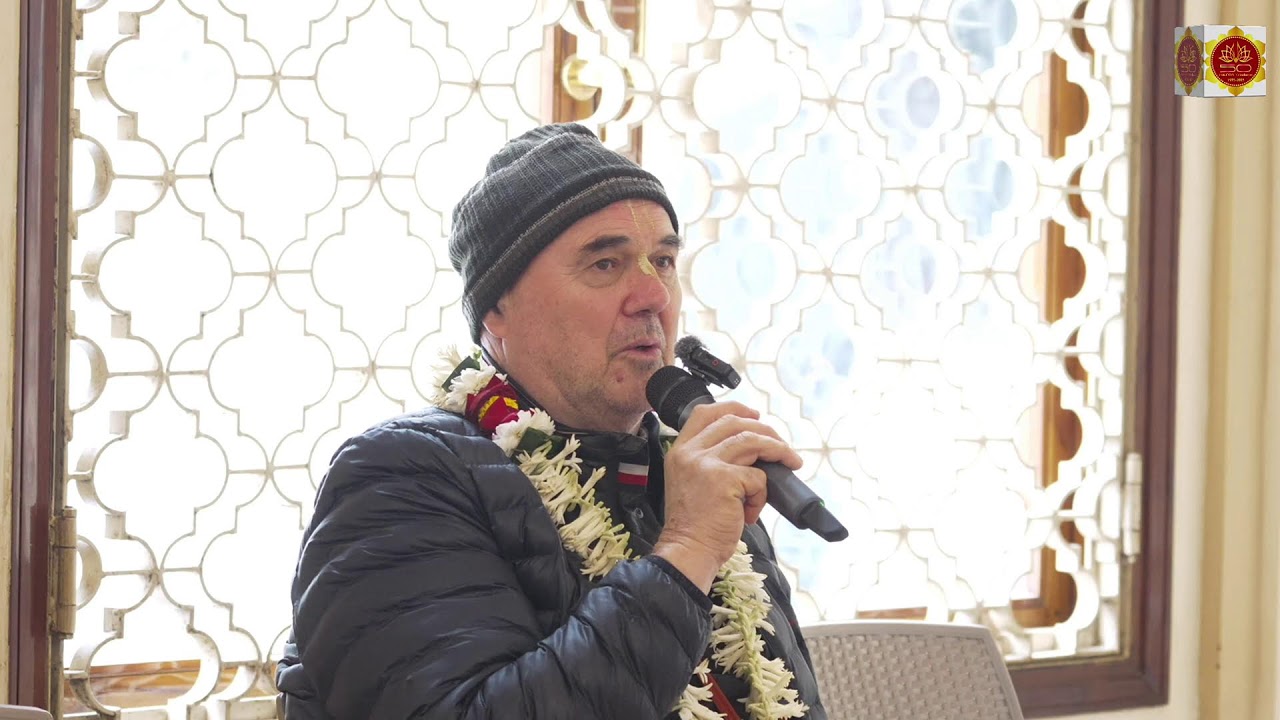
Srimad-Bhagavatam 10.87.32 presents a clear Vedic pathway from discerning Māyā to cultivating devotion and attaining fearlessness. It frames the wheel of time as a constant force, inviting a shift from anxiety to service-oriented steadiness. Read alongside the Upanishads, the verse underscores how insight (vidyā) and bhakti mutually reinforce liberation. Parallels across Buddhism, Jainism, and Sikhism…
-
Lord Buddha as Vishnu’s Avatar: Bridging Hinduism and Buddhism with Compassionate Dharma
This reflection considers Lord Buddha through a Vaishnava lens as an avatar of Vishnu, clarifying how a historical de-emphasis on ritual can be read as a restoration of Vedic ethical essence. It highlights Lord Buddha’s global impact 2,500 years ago and how that influence aligns with ahimsa, compassion, and dharma. The discussion fosters unity among…
-
Vaikunta Ekadashi Unveiled: The Sacred Gateway of Grace That Sets It Apart
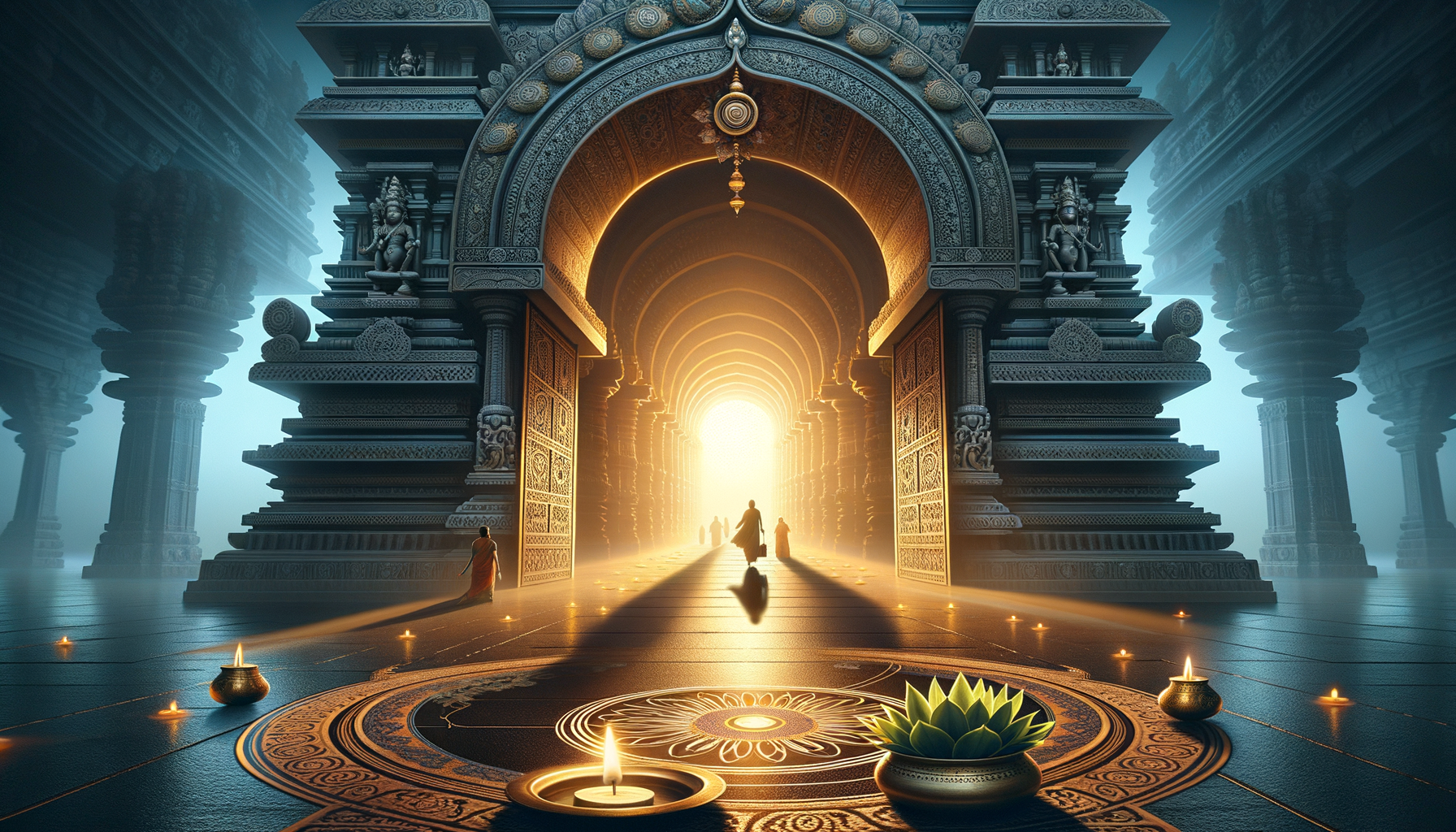
Vaikunta Ekadashi stands out among annual Ekadashi observances by uniting rigorous fasting with the unique symbolism of the Vaikuntha Dwaram. It is honored as a day when Lord Vishnu opens the gateway to grace, inviting inner transformation and the pursuit of moksha. Temple rites in places like Srirangam and Tirumala bring this symbolism to life…
-
Beyond Differences: Dharmic Wisdom on Unity, Empathy, and the Illusion of Separation

Modern life often magnifies difference while obscuring shared humanity. Drawing on dharmic wisdom, this reflection shows how Hinduism, Buddhism, Jainism, and Sikhism converge on a vision of unity that honors diversity without erasing conviction. It highlights how concepts like Tat Tvam Asi, Anekāntavāda, pratītya-samutpāda, and Ik Onkar ground compassion and interfaith harmony in a coherent…
-
Anvikshiki and Nyaya: Timeless Reasoned Inquiry to Clarify Truth and Unite Dharmic Wisdom

Anvikshiki, defined by Vatsyayana in Nyaya-Bhashya (I.1.1), is the disciplined science of examining what tradition (agama) teaches alongside what sense experience (pratyaksha) reveals. It is analyzed as anuikshana, or reflection, and is closely identified with Nyaya’s commitment to logical enquiry and “reasoned analysis,” as emphasized by Vacaspati. This approach builds clarity by testing assumptions, comparing…
-
Raising Fearless Children: Powerful Parenting Lessons from Dharmic Wisdom and Practice

Fearlessness in childhood is best understood as calm confidence rooted in dharmic valuesahimsa, satya, seva, and mindful presence. Evidence-informed parenting lessons show that secure attachment, steady routines, and growth-oriented language build resilience. Mindfulness and breathing exercises (pranayama, anapanasati, simran) help children regulate emotions during exams, performances, and social pressures. Storytelling from Ramayana, Jataka, Jain traditions,…
-
Narayana Mantra at Life’s Final Breath: How Last Thoughts Shape Destiny and Peace

This reflection explains why chanting the Narayana Mantra, Om Namo Narayanaya, is revered at life’s final breath in Hindu beliefs. It clarifies how the mind’s last impressions align with karma and reincarnation, echoing Bhagavad Gita teachings on the power of final consciousness. Practical, compassionate guidelines are offered for creating a calm environment, choosing suitable modes…
-
Mastering the Senses in Bhakti: Narayani Devi Dasi on Srimad Bhagavatam 4.29.11

On December 19, 2025, ISKCON Brisbane hosted a thoughtful class by HG Narayani Devi Dasi on Srimad Bhagavatam 4.29.11, focusing on sense gratification and the purposeful engagement of the senses in Krishna Consciousness. The session clarified that sense control is not suppression but skillful redirection toward seva. Practical methodsśravaṇa, kīrtana, association, and regulated habitswere presented…