
-
Canada Clarifies Hate-Symbol Law: Swastika Protected, Nazi Hakenkreuz Explicitly Banned

Canada’s Parliament has amended Bill C-9 to remove the term “Swastika,” ensuring the law applies only to Nazi hate symbols, specifically the Hakenkreuz. This clarification protects the sacred Swastika revered in Hinduism, Buddhism, and Jainism and respected within wider dharmic heritage. The change advances both religious freedom and accurate historical understanding. It reduces harmful mislabeling…
-
Hindu Goddess Kali’s Fifty-Skull Garland: Fearless Wisdom on Creation, Death, and Renewal

Kali’s mundamala, the garland of fifty skulls, is a precise philosophical symbol rather than a macabre accessory. Each skull corresponds to a Sanskrit phoneme, expressing the creative power of Vāk and the sovereignty of Shakti over time and form. The image teaches fearlessness, non-attachment, and ethical clarity by confronting impermanence and dissolving ego. Variations in…
-
The Sacred Black of Goddess Kali: Profound Symbolism, Unity, and Inner Awakening

Goddess Kali’s blackness is a precise spiritual symbol, pointing beyond physical color to the infinite and unmanifested. In Hindu philosophy and Tantra, it signifies the absorptive wholeness that dissolves ego and form while nurturing clarity and courage. Practitioners often report calm and resilience when contemplating Kali, suggesting a lived integration of psychological and contemplative insight.…
-
Becoming an Empty Vessel: Surrendering Doership for Peace and Clarity in Dharmic Paths

This reflection explores the Dharmic insight that ego-driven doership is an illusion and that becoming an “empty vessel” restores clarity, peace, and ethical strength. It explains how the Bhagavad Gita’s Karma Yoga reframes action as service, releasing attachment to outcome without weakening responsibility. The discussion highlights convergences across Hinduism, Buddhism, Jainism, and Sikhismanatta, aparigraha, samayik,…
-
Bhagavad Gita Leadership Lessons: Timeless Strategies for Ethical, Resilient Decision-Making
The Bhagavad Gita articulates a clear, practical framework for ethical leadership and resilient decision-making. Grounded in Dharma and Karma Yoga, it strengthens self-leadership, reduces anxiety through non-attachment, and aligns choices with long-term social good. The dialogue between Sri Krishna and Arjuna models calm, courageous action under uncertainty. Compassion, dialogue, and Lokasangraha reposition leadership as stewardship…
-
Khatima Tensions After Fatal Stabbing: Police Action, Verified Updates, and Calls for Calm

A fact-focused update from Khatima, Uttarakhand, notes a fatal stabbing, subsequent unrest, and the arrest of a named suspect following a police action described locally as a ‘half encounter’. The analysis emphasizes verified information, due process, and transparent investigation as essential to public trust. It highlights the human impactgrief, anxiety, and disrupted routineswhile affirming non-violence…
-
Canada’s Landmark Decision: Honoring the Sacred Swastika, Rejecting the Nazi Hakenkreuz
Canada has formally clarified the difference between the sacred Swastika and the Nazi Hakenkreuz, protecting religious freedom while reinforcing opposition to hate symbols. The step affirms the Swastika’s millennia-old meaning in Hinduism, Buddhism, and Jainism, and its broader cultural presence across South Asia, without diluting the ban on Nazi imagery. Educators, museums, and law enforcement…
-
Shani Sade Sati for Kanya Rashi: Decode Janma Shani’s Second Phase, Effects, Remedies

Janma Shani, the second 2 1/2-year phase of Shani Sade Sati for Kanya Rashi (Virgo sign), invites disciplined effort, clarity, and ethical alignment. The transit’s effects vary by Lagna, Nakshatra, natal Shani, and Dasha, making outcomes neither fixed nor fated. Practical responsesstructured routines, mindful finances, meditation, and steady sevareduce stress and enhance resilience. Traditional upaya…
-
Koodaravalli 2026 on January 11: A Sacred Margazhi Guide to Meaning, Rituals, and Community Joy

Koodaravalli 2026 falls on January 11, aligning with the 27th day of Margazhi Month in the Tamil calendar and concluding a key phase of Pavai Nombu. Grounded in Sri Andal’s 27th Pashuram from the Thiruppavai‘Koodarai Vellum Seer Govinda’the observance celebrates the triumph of divine grace through devotion and sharing. Households and temples mark the day…
-
Experience the Sacred Dawn: TTD Tiruppavai Pravachanams Nationwide (233 Centres), Dec 16–Jan 14

Tiruppavai pravachanams will be held nationwide from 16 December 2025 to 14 January 2026 at 233 centres across India under the TTD Alwar Divya Prabandha Project. The programmes focus on Andal’s Tiruppavai, traditionally recited at dawn during Dhanurmasa (Margazhi), with eminent scholars offering clear, accessible expositions. Participants benefit from structured learning, devotional recitation, and community…
-
Sankashti Chaturthi December 2025: Dates, Moonrise Puja Vidhi, and Auspicious Poush Guide

Sankashti Chaturthi in December 2025 falls across 7–8 December (Sunday–Monday), as the Krishna Paksha Chaturthi tithi can span two civil dates and moonrise varies by location. Observed as per the Hindu panchangPoush month in the North Indian calendarthis vrat honors Shri Ganesha with fasting until moonrise and an evening puja. Devotees typically offer durva grass,…
-
From Restraint to Revenge: Dharmic Psychology of Violence and Paths to Compassionate Action

Retaliatory violence feels intuitive, yet Dharmic wisdom reveals why it often harms more than it heals. Hindu, Buddhist, Jain, and Sikh traditions converge on Ahimsa, disciplined intention, and compassionate restraint. Hindu Dharma distinguishes protective duty from vengeful harm through Dharma-Yuddha principles. Buddhism interrupts anger’s cycle with mindfulness, right intention, and skillful means. Jainism extends non-violence…
-
From Discord to Dialogue: Hindu Wisdom to Prevent Animosity and Heal Modern Divides

Modern public debate often slips from critique into personal animosity. Dharmic teachings offer a corrective: examine ideas rigorously while honoring the dignity of persons. Hindu philosophy’s commitment to Ahimsa and the Bhagavad Gita’s portrait of equanimity encourage clarity without cruelty. Jainism’s Anekantavada reframes disagreement as a many-sided search for truth. Buddhist Right Speech and Sikh…
-
Mesha Lagna 2026–2027: Powerful Aries Ascendant Forecast for Career, Love, and Wealth

Mesha Lagna (Aries Ascendant) in 2026–2027 experiences a dynamic, growth-oriented period shaped by general planetary trends. Career prospects brighten through leadership, entrepreneurship, and structured execution. Finances stabilize with prudent budgeting, diversification, and sensible risk control. Relationships deepen via empathy, clarity, and shared purpose, reflecting dharmic values of unity and compassion. Health improves with disciplined routines,…
-
Surpanakha in Kerala Folklore: A Gripping Tale of Love, Betrayal, and Sacred Justice

This article explores a compelling Kerala folktale in which Surpanakha is depicted as killing her husband, highlighting how regional Ramayana variants deepen ethical reflection. It situates Surpanakha within the sacred lineage of Pulastya, Vishrava, and Ravana while examining how Kerala’s oral tradition reframes her agency and motives. The discussion analyzes themes of raudra rasa and…
-
The Transformative Power of Book Distribution: Sankirtana, Prasadam, and Dharmic Unity

Book distribution in the Krsna consciousness movement functions as sankirtanathe devotional glorification of the divine through words. It is simple and accessible, whether through the Hare Krsna mantra or reflective reading and discussion. Receiving a book invites personal dialogue with the philosophy and pastimes of Krsna, offering solace and ethical clarity. Temples complement these efforts…
-
Ganesha’s New Head and the Grace of Correction: A Dharmic Meditation on Second Chances
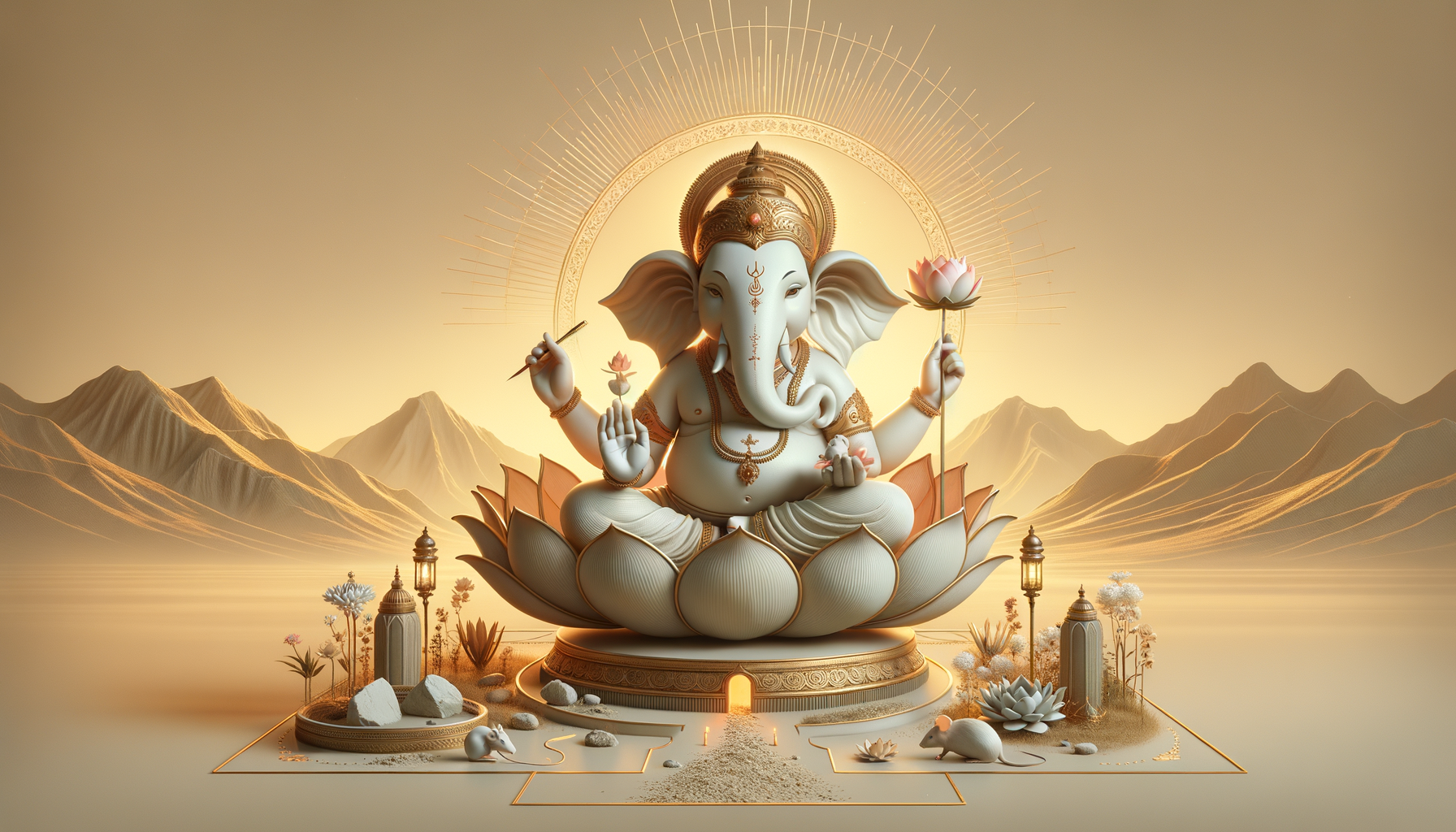
Ganesha’s birth and rebirth offers a timeless guide to human fallibility, emotional intelligence, and the ethics of second chances. The story highlights accountabilityrecognizing harm, accepting responsibility, and making meaningful amends. As a Hindu symbol, the elephant head teaches deep listening, measured speech, and adaptable strength. The narrative’s restorative vision resonates across Buddhism, Jainism, Sikhism, and…
-
A Nationwide Anti-Polygamy Law? Assam’s Bold Model Fuels an Urgent Call for Equality

Hindu Janajagruti Samiti (HJS) has called for a nationwide anti-polygamy law, taking cues from the Assam Prohibition of Polygamy Bill 2025. The proposal seeks to align personal law practices with constitutional guarantees of equality and dignity. Supporters argue that a harmonized framework can improve legal certainty, protect vulnerable spouses and children, and reduce litigation complexity.…
-
Protecting Women’s Dignity in Goa: Ranragini Wing Demands Urgent Ban on Obscene App

HJS’ Ranragini Wing has petitioned the Goa Superintendent of Police to immediately ban an app alleged to promote obscenity and defame Goan women. The initiative underscores women’s dignity, community safety, and adherence to cyber law in India. It highlights shared dharmic valuesacross Hinduism, Buddhism, Jainism, and Sikhismof mutual respect and non-harm in digital spaces. The…
-
Why Gentle Guidance Works: Building Trust and Unity with a Counselor System in ISKCON

This reflection outlines a compassionate, experience-based case for a counselor system in ISKCON, emphasizing guidance rooted in empathy rather than institutional authority. It explains why top-down “hammering” rarely opens hearts and how gentle, consistent support strengthens trust and spiritual well-being. The counselor model fosters peer mentorship, early conflict resolution, and shared accountability. It aligns naturally…