
-
Why Ganesha Is Invoked First: Timeless Wisdom Behind Auspicious Beginnings in Hindu Pujas

Ganesh is invoked first in Hindu pujas because dharmic tradition emphasizes auspicious beginnings grounded in wisdom, humility, and ethical intent. Scriptures present him as prathama pujya, the remover of obstacles who sanctifies new ventures. Symbolically, Ganesh represents focused intellect and expansive understanding, encouraging steadiness before action. Rituals such as Ganesh Puja, housewarmings, and educational commencements…
-
Ayodhya Dhwajarohan: PM Modi hoists saffron flag at Ram Mandir, a unifying milestone

Prime Minister Narendra Modi’s Dhwajarohan at the Shri Ram Janmbhoomi Mandir in Ayodhya marked a historic, emotionally resonant milestone for devotees worldwide. The saffron flaglinked to the Ikshvaku lineage, the eco-symbolism of the Kovidar tree, and the Sun emblem of the Suryavanshi heritagesignifies the temple’s transition to a fully sovereign divine abode. Vedic scholar Dushyanth…
-
CC Madhya 10.62–73 Explained: Devotional Wisdom and Harmony at ISKCON Govardhan Eco Village
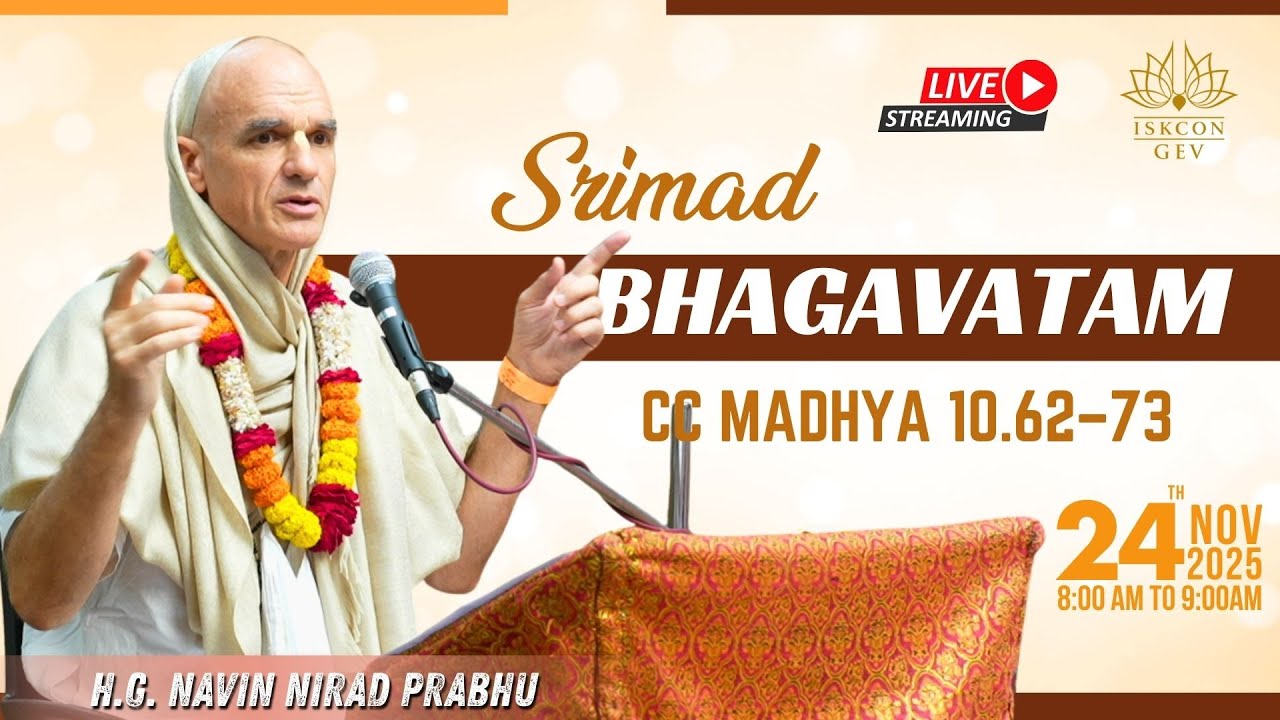
This academic yet accessible class at ISKCON Govardhan Eco Village examined Sri Caitanya-caritāmṛta, Madhya-līlā 10.62–73, drawing out enduring principles of humility, service, and attentive devotion. H.G. Navin Nirad Prabhu connected scriptural insights to daily routines, emphasizing nāma-saṅkīrtana, compassionate conduct, and steady sādhana. The session highlighted how Lord Chaitanya Mahaprabhu’s teachings translate into ethical action and…
-
Why Devotees Offer 21 Durva Blades to Ganesha: Analasura Legend, Symbolism, and Meaning
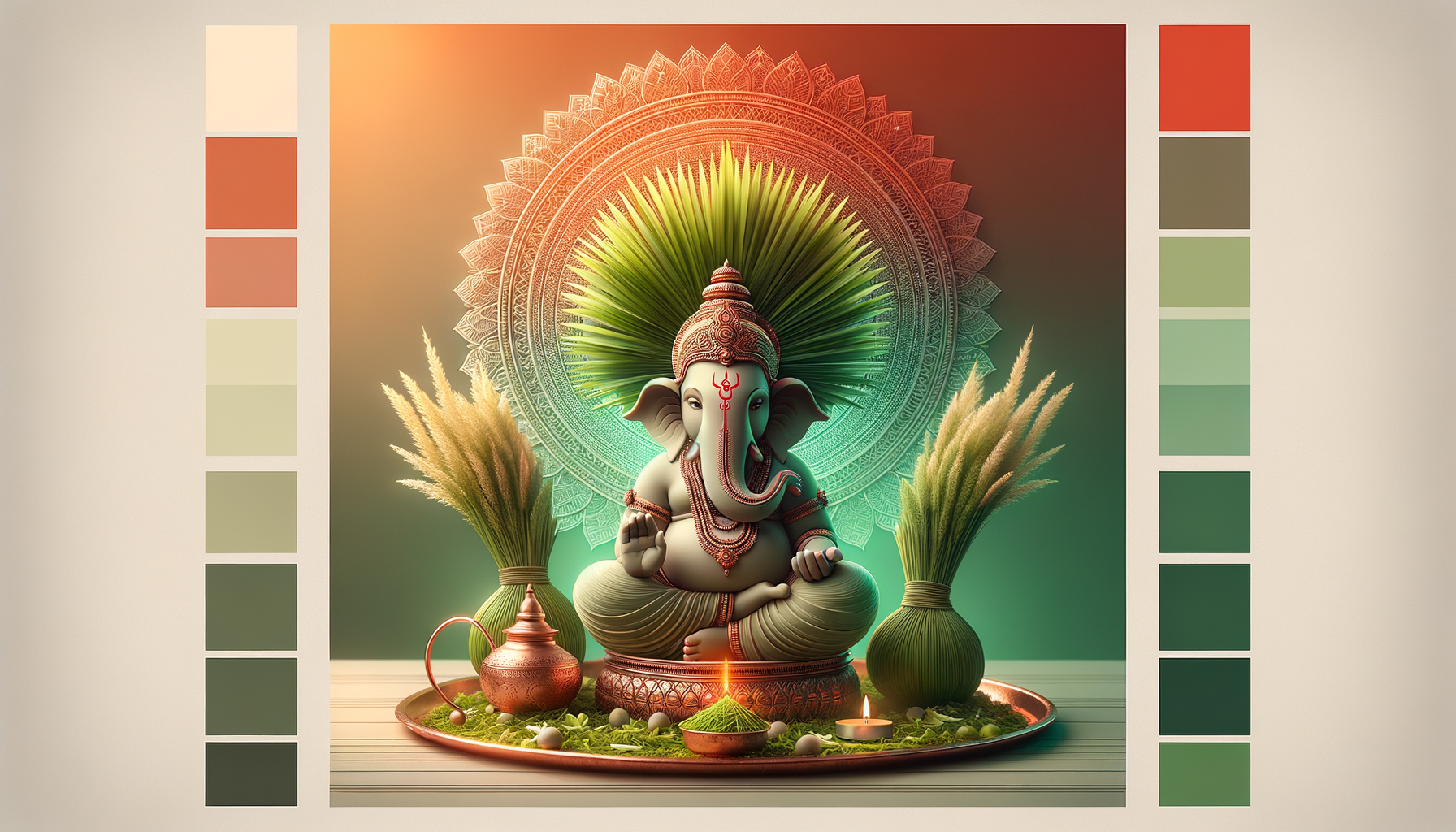
The offering of twenty-one durva blades to Ganesha, rooted in the Analasura legend, unites narrative, symbolism, and practice into a single, accessible ritual. It teaches that humility and sincerity can resolve what grandeur cannot, cooling intense inner heat with nature’s simplest gift. Interpreted philosophically, twenty-one represents the totality of human faculties and cosmic principles surrendered…
-
November 28, 2025 Tithi: Ashtami to NavamiEssential Panchang Insights to Plan Rituals

Friday, November 28, 2025 features Shukla Paksha Ashtami until 6:45 PM, transitioning to Shukla Paksha Navami thereafter, as per the Hindu calendar in most regions. These tithis support disciplined practice and renewed momentum, helping households plan puja, vrat, study, and seva with clarity. Because muhurat, Nakshatra, and Rashi depend on location and calendar tradition, consulting…
-
From Battlefield to Home Shrine: The Gentle Rise of Dakshina Kali in Bengal’s Devotion
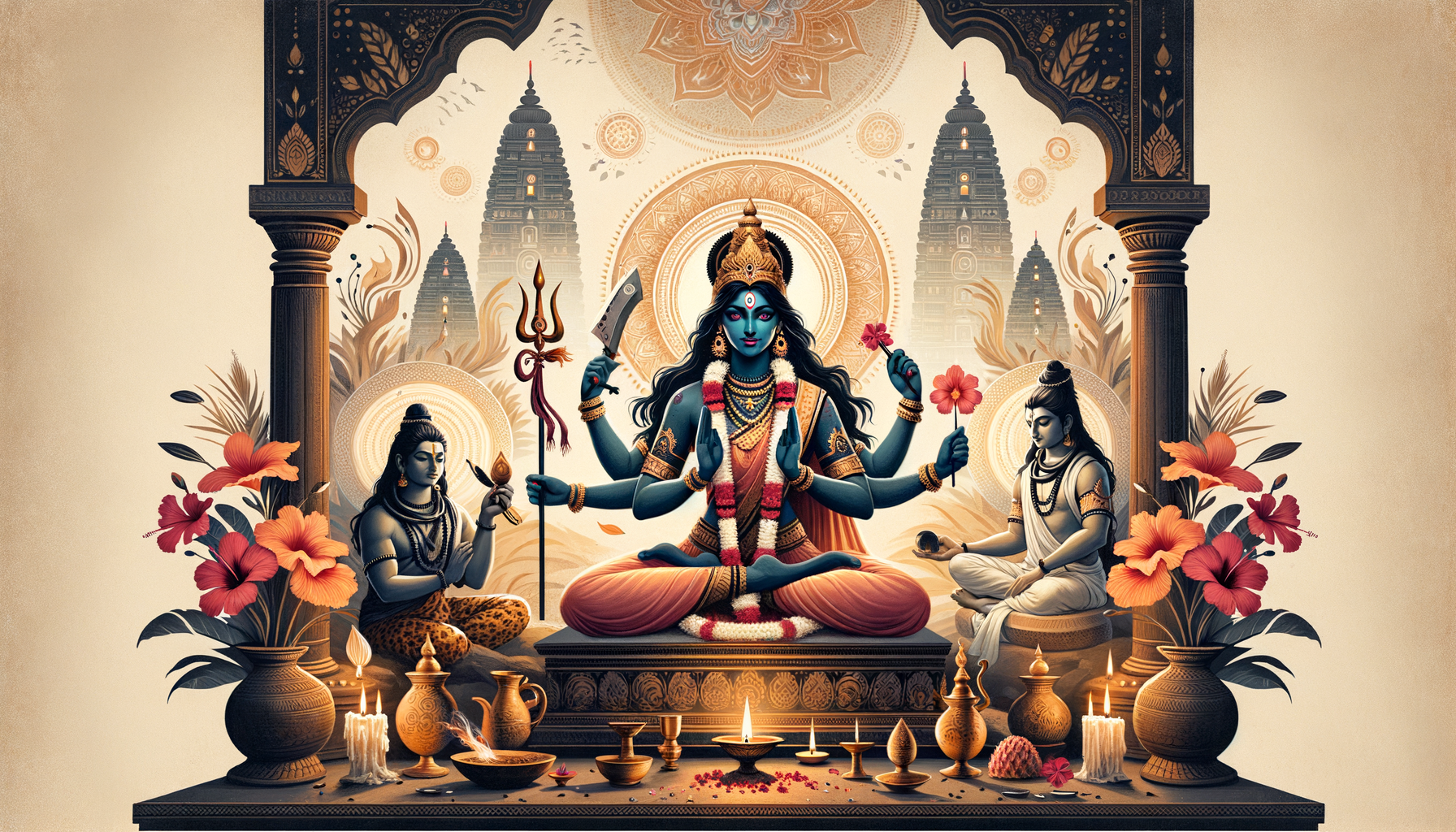
This article traces how Dakshina Kali, first revealed in the Devi Mahatmya as a ferocious force of dharma, became a compassionate presence in Bengali homes. It explains the iconographic shift to the gentler Dakshina Kali and shows how Shakta Tantra, bhakti poetry, and popular art enabled domestic worship. The roles of Kalighat, Dakshineswar, and 19th-century…
-
Inside the Carnegie Indian American Survey: What the Data Misses on Dharmic Lives

The Carnegie Endowment’s 2024 Indian American Attitudes Survey offers a useful snapshot of the diaspora, but several findings require careful interpretation. Treating “Indian American” as synonymous with “Hindu American” can obscure the distinct experiences of dharmic communities, including Hindus, Buddhists, Jains, and Sikhs. Reported caste discrimination (7%) is lower than discrimination based on skin color,…
-
Hindu Festivals in January 2026: Verified Vrat Dates, Rituals, and Panchang Insights (IST)

This January 2026 festival guide lists verified Hindu Vrat and ritual dates in IST drawn from major Hindu calendars and the Panchang. It highlights Purnima Vrat on January 2, and on January 3 the full-moon rites, Shakambari Purnima (marking the close of Shakambari Navratri), and Arudra Darshanam. Readers gain clear, practical cues for fasting, puja,…
-
Daksha’s Lineage Unveiled: How Haryashvas, Devas, and Asuras Arise in the Puranas

Purāṇic accounts portray Daksha’s lineage as a blueprint for ethical leadership and cosmic diversity. Asikli’s five thousand sons, the Haryashvas, heeded Narada’s challenge to seek knowledge before ruling, choosing inquiry over immediate power. A second group, the Shabalashvas, followed the same path, reinforcing the primacy of wisdom and renunciation. Creation then continued through Daksha’s daughters,…
-
19th Warkari Maha-adhiveshan: Urgent Call to Protect Dharma and Sacred Warkari Heritage

Ahead of the 19th Warkari Maha-adhiveshan, Rashtriya Warkari Parishad and HJS issued a focused call to protect Dharma and the Warkari tradition. The message stresses community-led preservation, intergenerational transmission of knowledge, and respectful dialogue with policymakers. It highlights how Warkari values of bhakti, seva, and humility align with shared dharmic principles across Hinduism, Buddhism, Jainism,…
-
Vedic Astrology and Troubled Friendships: Decode 11th House Clues, Heal Toxic Social Bonds
Vedic astrology offers a structured way to understand troubled friendships by analyzing the 11th house, its lord, and key planetary aspects. Afflictions from Saturn, Rahu, Ketu, or Mars can reflect distance, confusion, detachment, or conflict within social circles. Attention to dashas and transits reveals when friendship themes are most active, helping anticipate and manage group…
-
How to Choose the Right MLA/MP: A Practical, Dharma-Centered Checklist for Indian Voters

Voters often feel every candidate looks the same; this guide offers a clear, dharma-centered method to choose an MLA or MP. It draws on shared values from Hinduism, Buddhism, Jainism, and Sikhismtruth, non-violence, compassion, and serviceand translates them into democratic criteria. The checklist emphasizes integrity, proven public service, policy competence, inclusivity, accessibility, and financial ethics.…
-
Discover the Sacred Map of the Body: How Each Limb Aligns with Devas in Vedic Practice
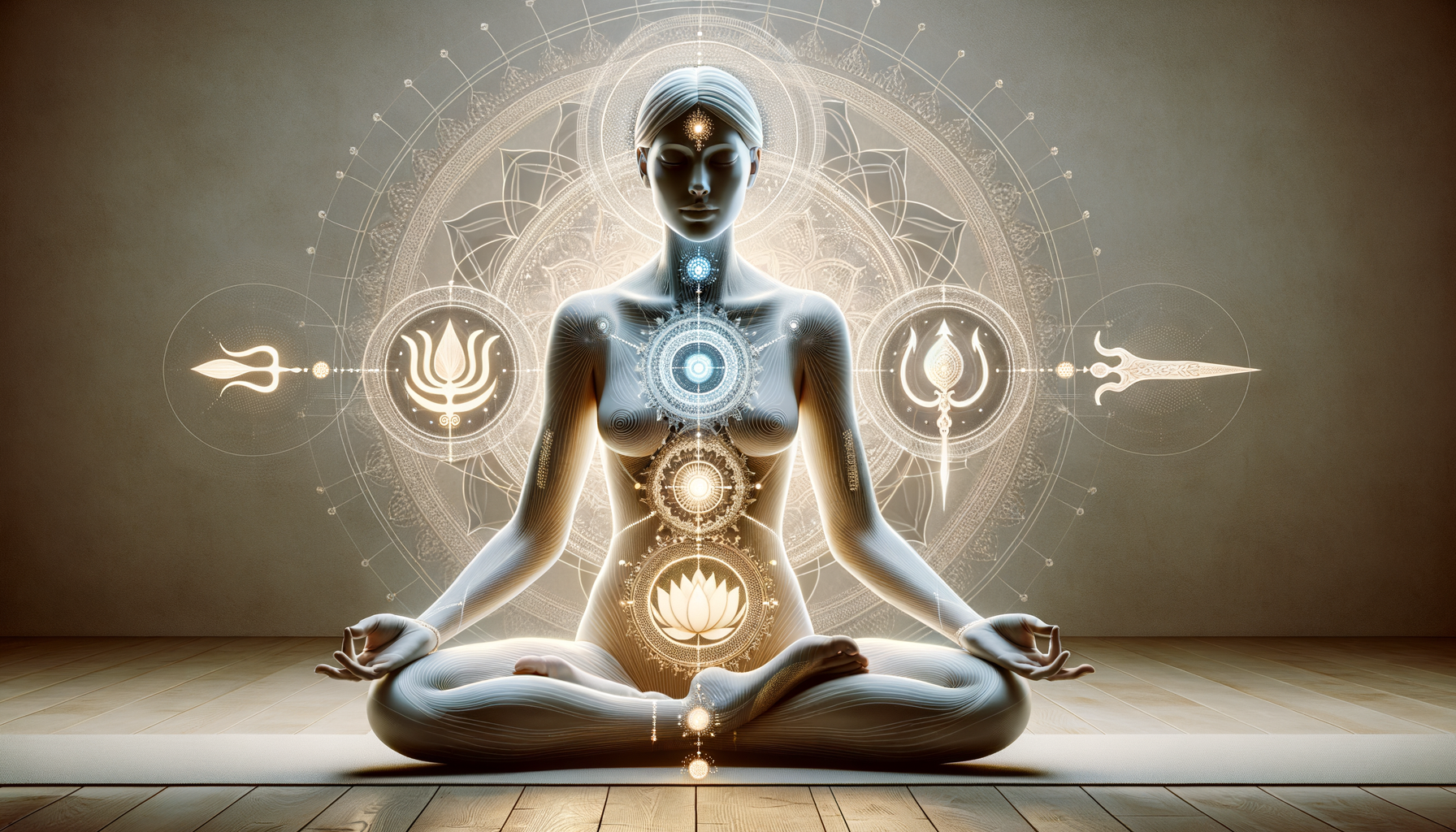
This article explains how Vedic practice maps specific Devas to the body’s limbs through mantras like ‘Prajanane Brahma tishtatu’, ‘Padayo Vishnu tishtatu’, and ‘Hastayo Hara tishtatu’. It clarifies the symbolismcreation, preservation, and transformationand shows how this enhances the body-mind connection in Hindu spirituality. Readers learn how simple, daily contemplations support ethical action, emotional balance, and…
-
Srimad Bhagavatam 10.90.18: Mortal Wounds, Spiritual Resilience, and Dharma’s Healing Power
This reflection on Srimad Bhagavatam 10.90.18 clarifies the metaphor of a “mortal wound” and applies it to spiritual ethics and daily practice. It distinguishes minor setbacks from integrity-compromising harms that demand urgent repair. The analysis offers practical toolsatonement, meditation, seva, satsangto prevent moral injury from becoming entrenched. It highlights parallels across Hinduism, Buddhism, Jainism, and…
-
Hrishikesha: Why Sri Krishna Is the Lord of the Senses and Guide to Inner Harmony

“Hrishikesha” reveals Bhagavan Sri Krishna as the Lord of the Sensesan insight central to Yoga, bhakti, and ethical action in the Bhagavad Gita. The Mahabharata deploys this epithet at decisive moments, highlighting composure, clarity, and mastery in the midst of conflict. Etymology and Upanishadic symbolismespecially the charioteer allegoryclarify how sense-discipline fosters inner harmony. This principle…
-
Poetry as an Arrow: Devotion That Pierces the Heart and Spins the Mind in Bhakti
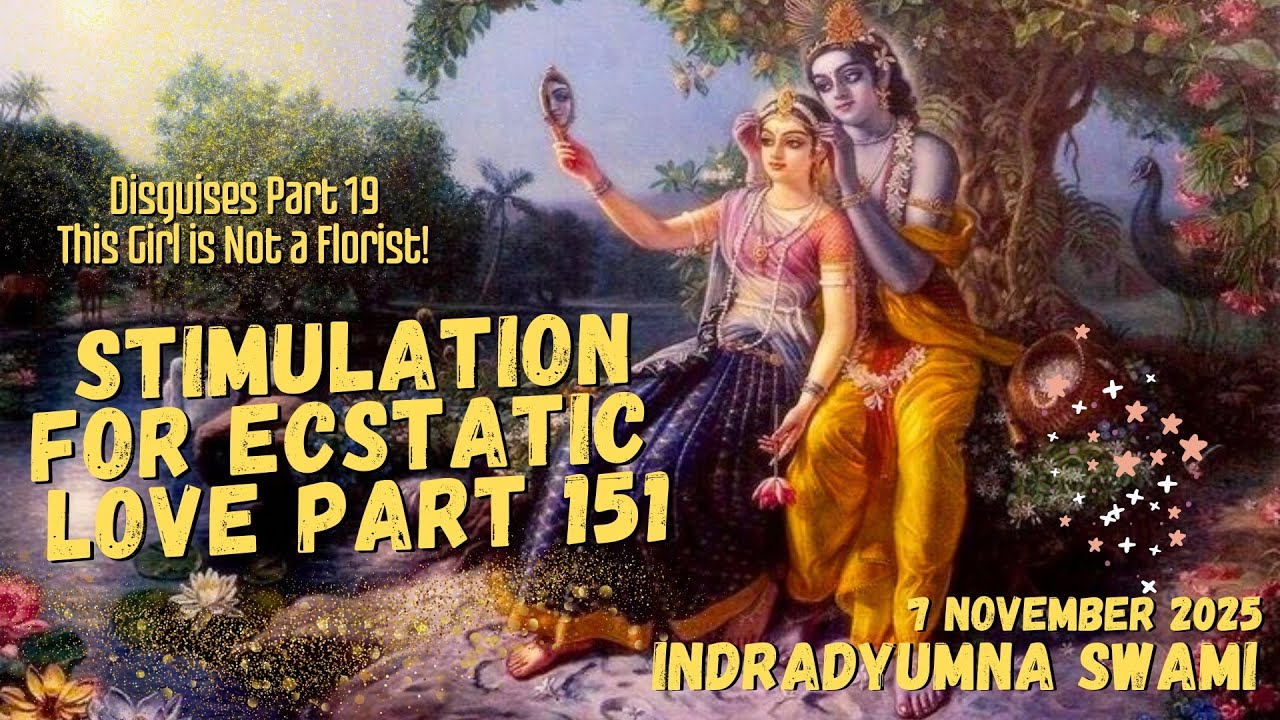
A timeless aphorism frames a dharmic insight: true poetry and devotion should stir both heart and mind. This piece explores how bhajans, shabads, gathas, and stavans act like a bowman’s arrowprecise, transformative, and unifying across Hinduism, Buddhism, Jainism, and Sikhism. Readers gain an academic yet accessible understanding of why emotional resonance must be joined with…
-
Timeless Wisdom: Why the 16 Samskaras Exclude Divorce and What It Reveals about Dharma
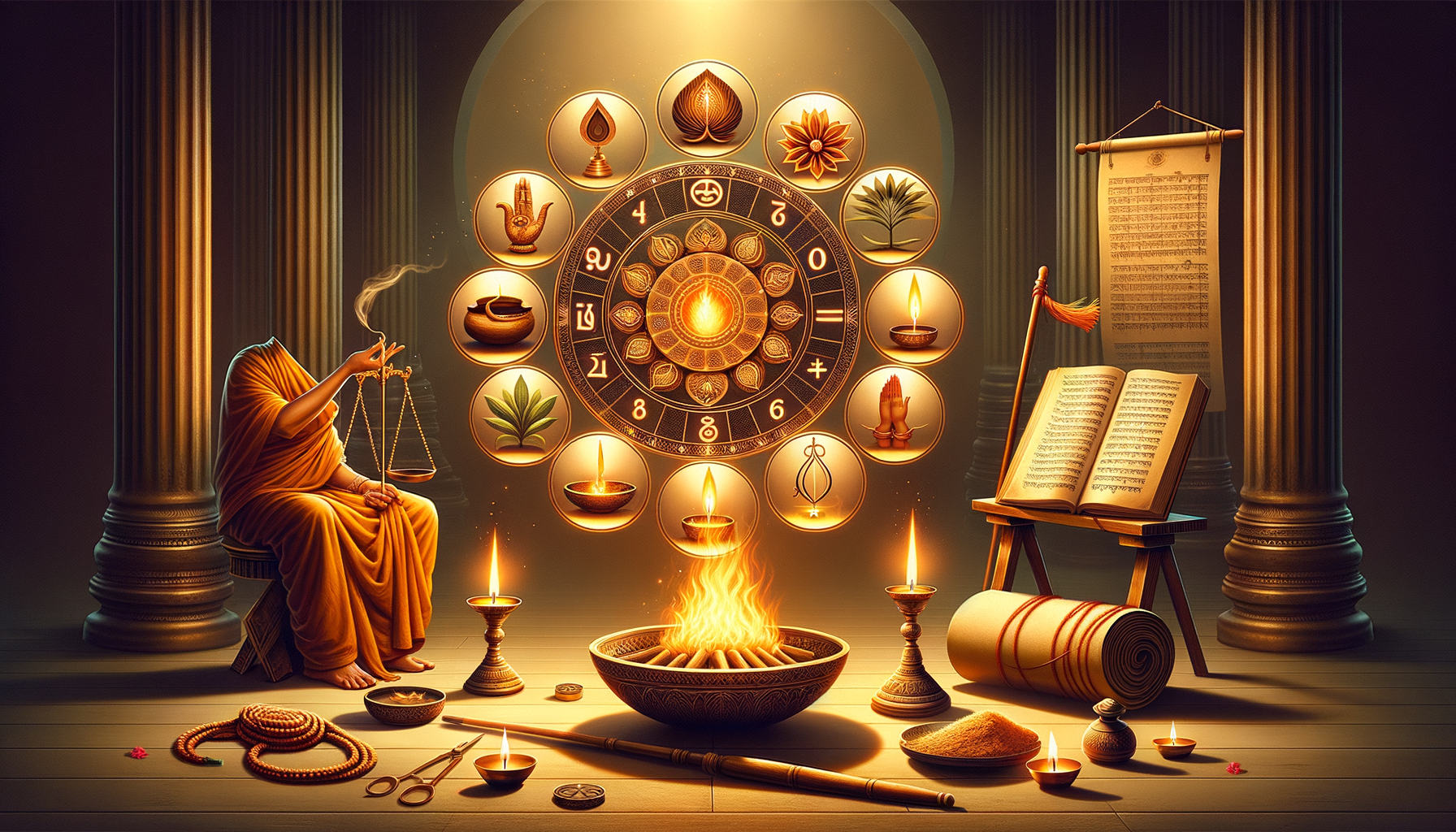
This analysis explains why the 16 Samskaras in Hinduism exclude a ritual for divorce, highlighting that samskaras are purificatory rites designed to consecrate constructive life transitions and responsibilities. Vivaha inaugurates the grihastha āśrama, while sannyasa initiates a purposeful renunciate pathneither functions as a ritualized negation. Classical Dharmashastra addresses marital breakdown through ethics, community mediation, and…
-
Decode Horoscope House Strength: Kendra, Tricona, Upachaya, and Dhushta Sthana for Life Clarity
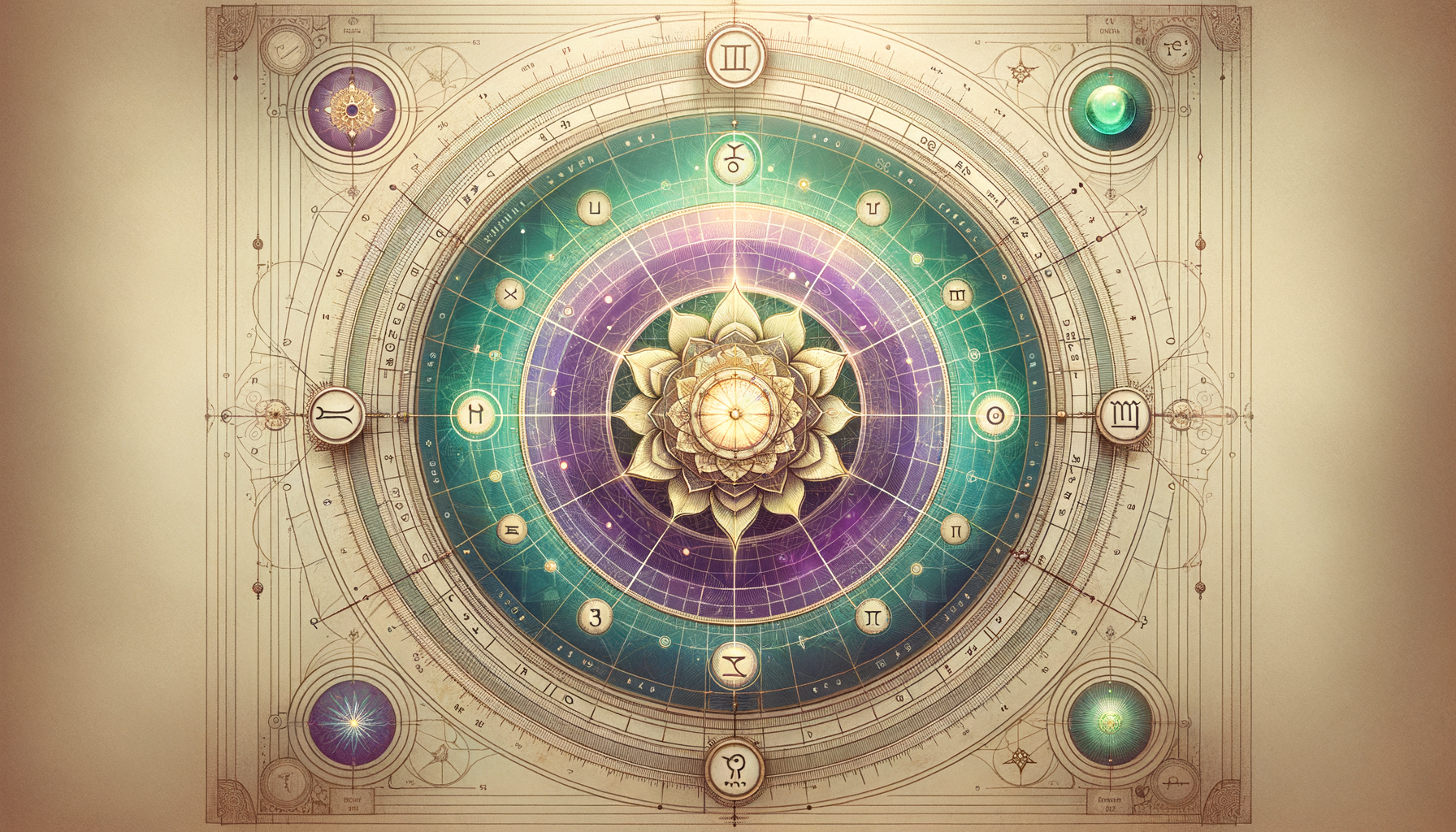
This guide explains how the strength of horoscope houses is assessed through the four classical groupsKendra Houses, Tricona Houses, Dhushta Sthana, and Upachaya Houses. It clarifies the role of planetary dignity, aspects, lordship, Shadbala, and Digbala in determining real-world impact. Readers learn why Kendra and Tricona synergy is prized, how Dhushta Sthana can catalyze growth…
-
UP Social Media Row: Minor Detained, Parents ArrestedA Teachable Moment for Respect and Harmony

Reports from Lucknow indicate a minor was detained and her parents arrested after an allegedly derogatory social media reel about Hindu deities. The case highlights how the attention economy can pressure adolescents into risky online behavior. An academic, fact-based lens emphasizes due process, juvenile protections, and the importance of avoiding community vilification. Drawing on dharmic…
-
Mayapur’s Kartik Navadvipa Mandal Parikrama 2025: A Soul-Stirring Pilgrimage of Seva and Kirtan

Kartik Navadvipa Mandal Parikrama 2025 in Mayapur invites seekers to experience pilgrimage as living bhakti through kirtan, seva, and mindful movement across sacred sites. Grounded in Srila Prabhupada’s teaching that Krishna kirtana is service rather than entertainment, the event emphasizes disciplined devotion over spectacle. Participants often find calm focus and inner clarity as walking and…