
-
Manthanabhairavatantra: Unveiling Kubjika’s Shakti and the Western Kaula’s Living Wisdom

The Manthanabhairavatantra is a monumental Shakta scripture centered on Goddess Kubjika and Bhairava, anchoring the Western Kaula tradition. It presents a unified vision of energy and awareness, integrating mantra, ritual, and meditation with a nuanced map of consciousness and kundalini awakening. The churning metaphor makes complex metaphysics vivid and emotionally resonant, offering readers an accessible…
-
Bhakti and Swachchatha: How Devotion Cultivates Inner Purity, Clarity, and Everyday Discipline

Bhakti and Swachchatha are presented as mutually reinforcing: sincere devotion naturally matures into inner purity and disciplined living. Multiple dharmic methodstemple worship, meditation, chanting, and honoring spiritual guidanceallow seekers to choose a path aligned with temperament without compromising the goal of ethical refinement. The perspective is inclusive, highlighting how Hinduism, Buddhism, Jainism, and Sikhism share…
-
When Trauma Hides Your Childhood: Regulate Your Nervous System and Reclaim Joy

A simple birthday scene can expose the hidden cost of childhood trauma: memory gaps that arise as protective dissociation. This reflection presents a calm, evidence-informed framework for those momentsacknowledge the pain, regulate the body, return to the present, plan forward, and share with a trusted person. The approach blends practical grounding techniques with the compassionate…
-
How Gen Z Ignites a Dharmic Cultural Renaissanceand Why Older Generations Should Cheer

A spirited debate on X has reframed Gen Z’s cultural choices as a dharmic renaissance rather than a turn to rigid orthodoxy. The emerging pattern shows young Indians reclaiming and modernising traditions across Hinduism, Buddhism, Jainism, and Sikhismthrough music, clothing, pilgrimage, and service. Earlier generations preserved culture defensively under Westernized narratives; Gen Z is now…
-
Cultivating an Unwavering Mind: Timeless Yogic Wisdom to Embrace the Whole of Life

Hindu philosophy teaches that a stable and unwavering mind is essential for perceiving the interconnected whole of life. Drawing on the Upanishads, the Bhagavad Gita, and Patanjali’s Yoga Sutras, this reflection explains how steady awareness emerges through disciplined practice and ethical living. It outlines practical stepsmindful breathing, mantra japa, and the yamas–niyamasthat reduce agitation and…
-
Dhanurmasam Utsavalu 2025–26 at TTD Temples: Dates, Ritual Highlights, and Devotional Joy
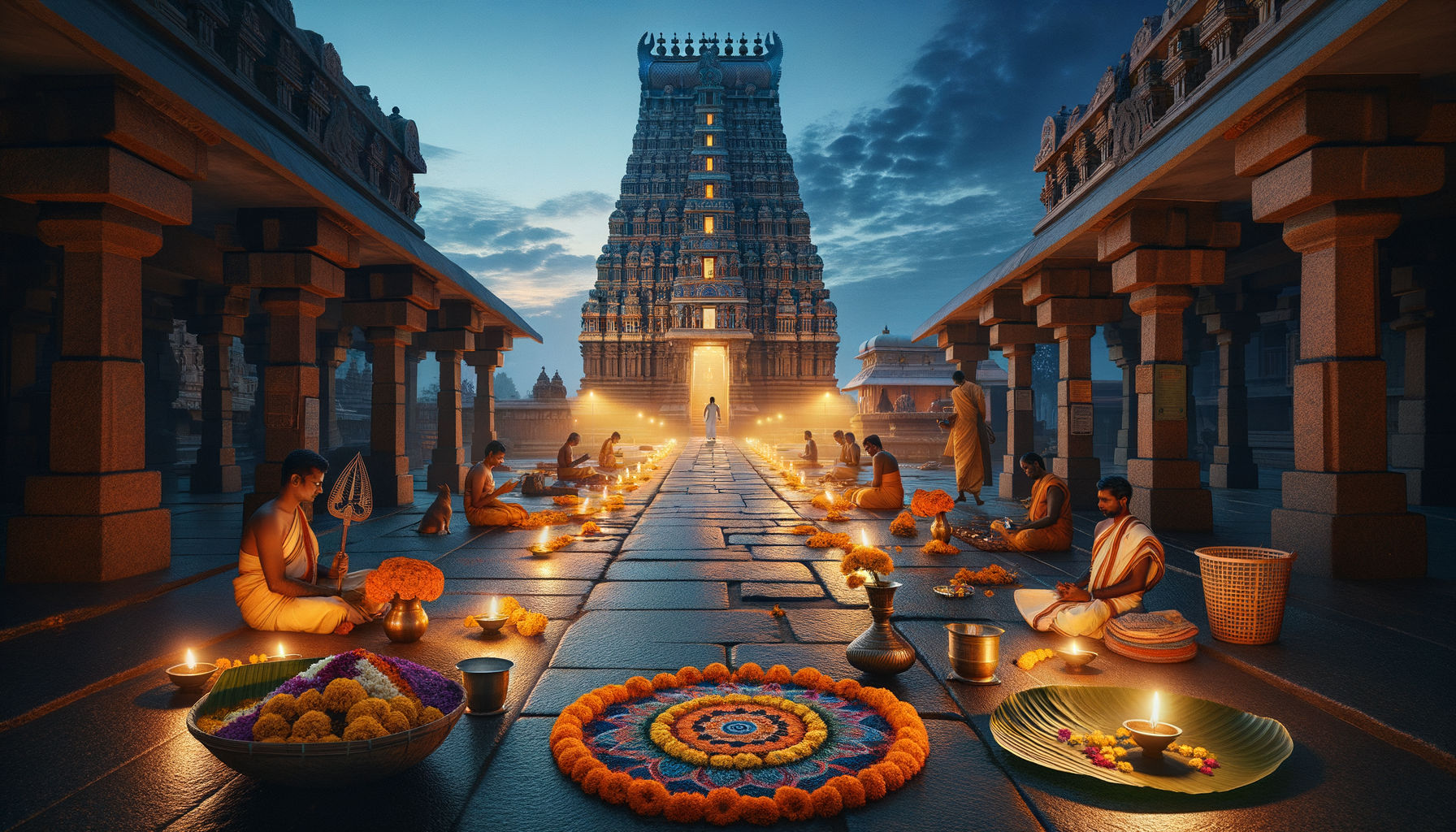
Dhanurmasam Utsavalu 2025–26 at TTD Temples will be observed from December 16, 2025, to January 14, 2026, with the sacred month commencing at 1:23 pm on December 16. TTD local temples, notably Sri Kalyana Venkateswara Swamy Temple in Srinivasa Mangapuram, will host enhanced devotional programmes. The month emphasizes pre-dawn worship, Tiruppavai recitations, and seva-oriented offerings…
-
Thyagaraja Aradhana 2026: Dates, Traditions, and the Soul-Stirring 179th Thiruvaiyaru Tribute

Thyagaraja Aradhana 2026, the 179th Thyagaraya Aradhanotsavam, will be observed in Thiruvaiyaru from 3–7 January, with the main aradhana on Wednesday, 7 January 2026. Centered at Sri Tyagaraja Swamigal’s samadhi on the banks of the Cauvery, the festival unites musicians, devotees, and rasikas in collective singing, including the Pancharatna Kritis. The event sustains the bhakti…
-
Conquering Inattention: Choosing Effective Sadhana to Deepen Devotion and Inner Focus
This reflective analysis reframes the common spiritual question“What will bring me closer to Krishna?”by identifying inattention as the root obstacle to deep practice. It explains how distracted awareness weakens japa, dhyana, simran, and samayik across dharmic traditions, while cultivated attention restores depth and devotion. The piece offers practical, research-informed steps to stabilize focus: mindful preparation,…
-
Krishna’s Cows in New Vrajamandala: Devotional Bonds of Care, Ahimsa, and Sacred Ecology

Krishna’s Cows in New Vrajamandala offers an academically grounded yet accessible meditation on the sacred relationship among Krishna, devotees, and cows. The work highlights go-seva and ahimsa as living practices that nurture compassion, ecological stewardship, and communal responsibility. Guided by an introduction from Yadunandana Swami, the text invites reflective readingbeginning with “In the pages …”and…
-
Toe Rings (Metti) in Hinduism: Timeless Symbolism, Ritual Power, and Marital Grace

Toe ringsMetti in Tamil, bichiya in North Indiaare worn on the second toe by married Hindu women as a sacred marker of marriage within Hindu customs. Typically fashioned in silver, they symbolize auspiciousness, fidelity, and the sanctity of household life. Ritual placement during the vivaha ceremony blends duty with emotional resonance, making the moment memorable…
-
Lal Kitab Guidance for Shukra in the 4th House: Remedies to Restore Harmony at Home

Lal Kitab views Shukra (Venus) in the 4th house through themes of home, mother, property, and emotional grounding, recommending remedies that are ethical, symbolic, and context-sensitive. Classical notes caution against covering an existing well during construction, a reminder to respect domestic sanctity and natural water sources. Rather than instilling fear, this guidance invites ecological care…
-
Vritrasura Samhara Murthy: Indra’s Vajrayudha, Dharma, and the Defeat of Obstruction

Vritrasura Samhara Murthy honors Indra’s decisive victory over Vritrasura with the Vajrayudha and the restoration of dharma. The narrative portrays Vritra as a symbol of obstruction and Indra as a restorer of cosmic order. Read through a dharmic lens, this tale aligns with Buddhist, Jain, and Sikh teachings on overcoming inner afflictions and ego. The…
-
When Silence Speaks: Hindu, Buddhist, Jain, and Sikh Wisdom for Social Media Calm

Social media rewards speed and outrage, yet dharmic traditions teach that silence is disciplined strength. Hindu philosophy frames silence (mauna), meditation (dhyana), and sensory restraint (pratyahara) as ethical practices that refine speech and preserve clarity. Parallel insights in Buddhism, Jainism, and Sikhism elevate non-reactivity, compassionate truth, and inner equipoise. Applied today, choosing “no response” can…
-
Letting Go Like the Sacred Tree: Dharmic Wisdom on Release, Renewal, and Inner Freedom

A tree’s effortless shedding of leaves models the dharmic discipline of letting go. By aligning with Aparigraha and acting without rigid attachment to outcomes, practitioners cultivate inner freedom and clarity. Parallel teachings in Buddhism, Jainism, and Sikhism reinforce a shared ethic of balance, compassion, and resilient optimism. Practical stepssuch as breathwork, meditation, and sevatranslate symbolism…
-
December 12, 2025 Panchang: Krishna Paksha Ashtami to Navami, Auspicious Timings & Insights

December 12, 2025 begins with Krishna Paksha Ashtami and transitions to Navami at 6:56 PM, as per the Hindu calendar followed in most regions. The day supports quiet, disciplined practices such as japa, dhyana, and svadhyaya, with a reflective mood during the waning phase of the moon. Those planning rituals can complete Ashtami observances before…
-
Quieting the Overthinking Mind: Ashtavakra’s Advaita Wisdom for Modern Mental Clarity

Information overload and constant notifications have intensified overthinking and anxiety. Ashtavakra’s Advaita insightone is not the mindoffers a clear, practical antidote by shifting identity from mental turbulence to steady awareness. The article explains sakshi (witness) consciousness, links it to Pancha Kosha discernment, and shows how breath awareness, pratyahara, dhyana, and inquiry (vichara) reduce reactivity. It…
-
Rama, Jatayu, and Dharma: Was Cremation a Transgressionor Compassionate Justice?

A northern Kerala folk questionwas Rama wrong in cremating Jatayu?opens a nuanced inquiry into dharma, ritual norms, and compassion in the Ramayana. The episode portrays Rama honoring Jatayu as a father-figure through antyeṣṭi, foregrounding intention and gratitude over rigid taxonomies. While some customs reserve cremation for humans, the epic frames Jatayu’s valor as ethically exceptional.…
-
Hinduism’s Bold Vision of Soul Freedom: How Dharmic Unity Empowers Every Seeker

This article explores Hinduism’s distinctive vision of freedom as inner liberation (Moksha), rooted in the Upanishads and the Bhagavad Gita. It explains how Dharma unites responsibility with liberty, preventing freedom from descending into license. The piece highlights Religious Pluralism through the concept of Ishta, showing how diverse methods align with a shared horizon of realization.…
-
Adi Kumbeswarar Temple Kumbabhishekam in Kumbakonam: Timeless Rituals, History & Spiritual Renewal

The Adi Kumbeswarar Temple Kumbabhishekam in Kumbakonam renews the sanctity of one of Tamil Nadu’s foremost Shiva temples through a meticulous sequence of Vedic rites, consecrated waters, and ritual anointments. The temple venerates Lord Shiva as Adi Kumbeswarar and Mangalambigai Ammanrevered as “MA KUMBESWARINI”within a Dravidian architectural setting shaped by Chola and Nayak legacies. The…
-
Revealing Creation’s Design: HH Bhakti Prabhupada Vrata Damodara on SB 3.20.30–31 in Alachua
This class situates SB 3.20.30–31 within the Maitreya–Vidura dialogue to clarify how Vedic cosmology aligns material causality with transcendental purpose. It models a dharmic method of learning where attentive hearing and sincere questioning foster humility and clarity. The presentation translates philosophical nuance into practical devotion through remembrance, ethical self-discipline, and gratitude for guidance. Listeners found…