
-
Sacred Sound at Life’s Threshold: The Transformative Power of Om for Conscious Departure

This essay explores why chanting Om at the end of life is revered in Hinduism and how it supports a conscious, peaceful departure. Drawing on the Bhagavad Gita and the Upanishads, it explains Om as a symbol of total consciousness and a practical aid for liberation (moksha). It highlights how regular mantra-japa, meditation, and pranayama…
-
Chinchwad’s Hindu Rashtra-Jagruti Sabha Energizes Youth, Fostering Dharmic Unity

A Hindu Rashtra-Jagruti Sabha in Chinchwad attracted over 200 attendees with exceptional youth participation, reflecting rising civic-spiritual engagement. The active involvement of former Deputy Mayor Mr Sachin Chinchawade highlighted constructive cooperation between civic leadership and community initiatives. Members of the Swami Vivekanand Society anchored the event in character-building and service, aligning with Swami Vivekananda’s vision.…
-
GBC AGM 2026 Day 1: Landmark Governance Advances and Historic ISKCON Constitution Launch

Day One of the GBC AGM 2026 in Mayapur set a decisive tone for transparent governance and institutional accountability. Opening addresses aligned delegates around disciplined administration and service-focused outcomes. A data-informed Book Distribution review showcased 2025 outreach achievements and collaborative impact. Executive Committee elections emphasized continuity, oversight, and renewed momentum. The historic launch of the…
-
Mercury in the 1st House (Budha in Lagna): Unlocking Intellect, Vitality, and Social Influence
Mercury in the 1st house (Budha in Lagna) heightens intellect, communication, and social influence while supporting vitality and financial steadiness. Often worldly rather than overtly ritualistic, this placement still aligns with dharma through ethical speech and purposeful service. When balanced, it fosters teamwork, mediation, and community upliftqualities that nurture unity across Hindu, Buddhist, Jain, and…
-
Breaking Cycles of Unworthiness: How Conscious Parenting Heals Intergenerational Wounds

A child’s quiet confession“There’s something wrong with me”reveals a repeating pattern of intergenerational trauma centered on conditional approval and self-worth. This reflection traces how elusive validation in childhood can shape adult relationships, despite meaningful therapy and self-awareness, and explains why knowing isn’t healing without somatic integration and nervous system regulation. It shows how conscious parenting,…
-
Vinata and Aruna: A Powerful Hindu Tale on Patience, Parenting, and Letting Go

The Vinata and Aruna narrative from Hindu scriptures presents a clear, timeless teaching on patience, parenting, and trusting natural timing. Readers gain a concise understanding of how premature intervention can deform outcomes, despite loving intent. The story’s emotional resonance lies in everyday dilemmaswhen to help, when to wait, and how to align care with a…
-
Navakandam in Medieval Tamil Nadu: Ritual Devotion, Cultural Memory, and Dharmic Lessons Today

Navakandam, documented in Tamil Nadu between the 11th and 13th centuries, is a historical ritual of self-sacrifice associated with the goddess Kotravai and recorded in temple inscriptions and texts like Silappadhikaram, Kalingathup Bharani, and Takkayakap Bharani. Exploring this practice academically clarifies its medieval social and ritual context without endorsing it. The discussion highlights how dharmic…
-
Karungali Malai (Ebony) Mala: Holistic Benefits, Japa Methods, Care Tips, and Dharmic Harmony
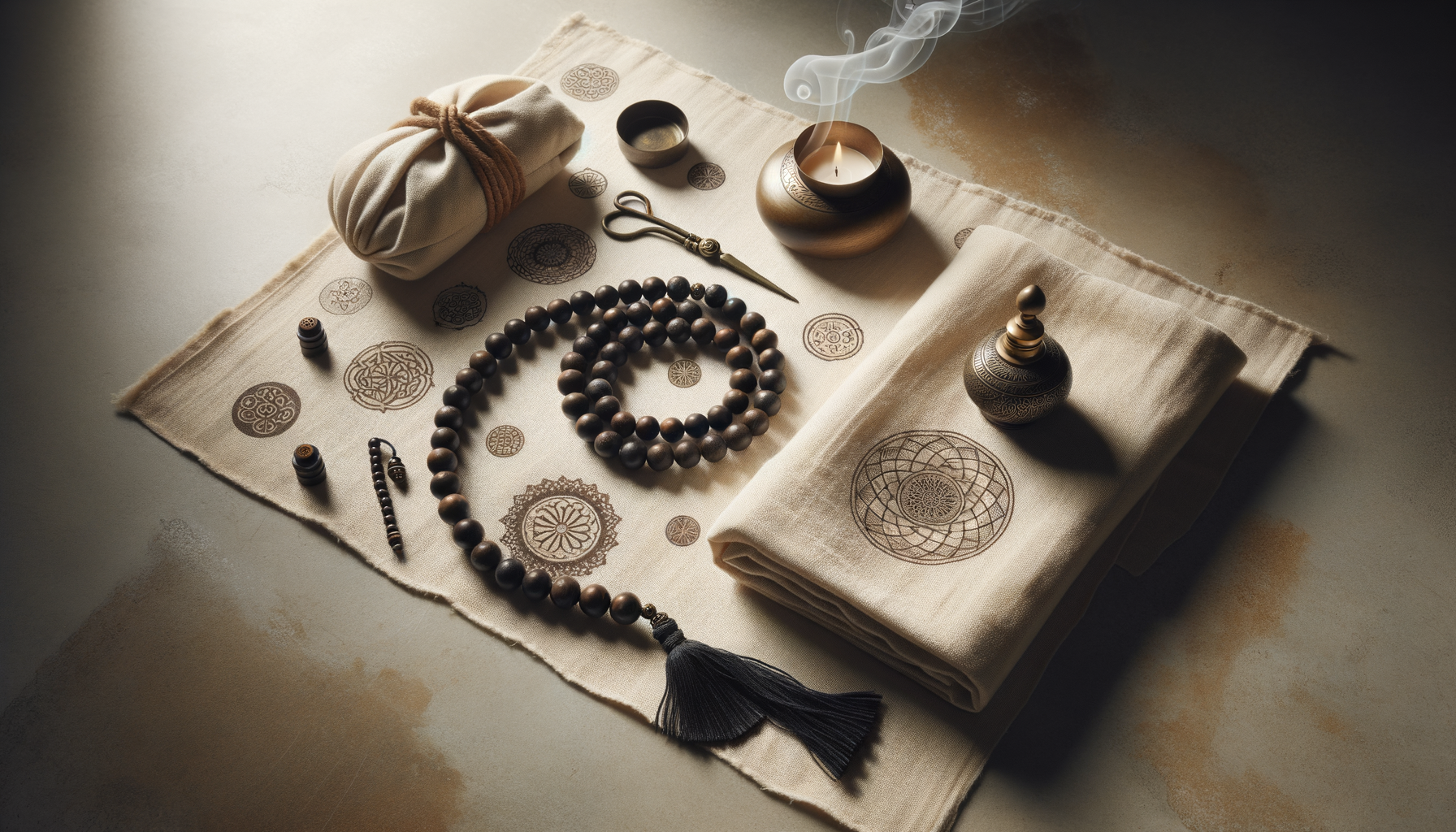
Karungali Malai (Ebony Wood Mala) has drawn widespread interest for its grounding symbolism and practical utility in meditation and japa. Traditions across Hinduism, Buddhism, Jainism, and Sikhism use malas to cultivate focus, illustrating unity in spiritual diversity. While some question metaphysical claims, an experiential approachconsistent practice over timeoffers a fair assessment of value. The mala’s…
-
Tirupati Sri Kodandarama Swamy Temple: Sacred, Soul-Stirring Festivals in February 2026
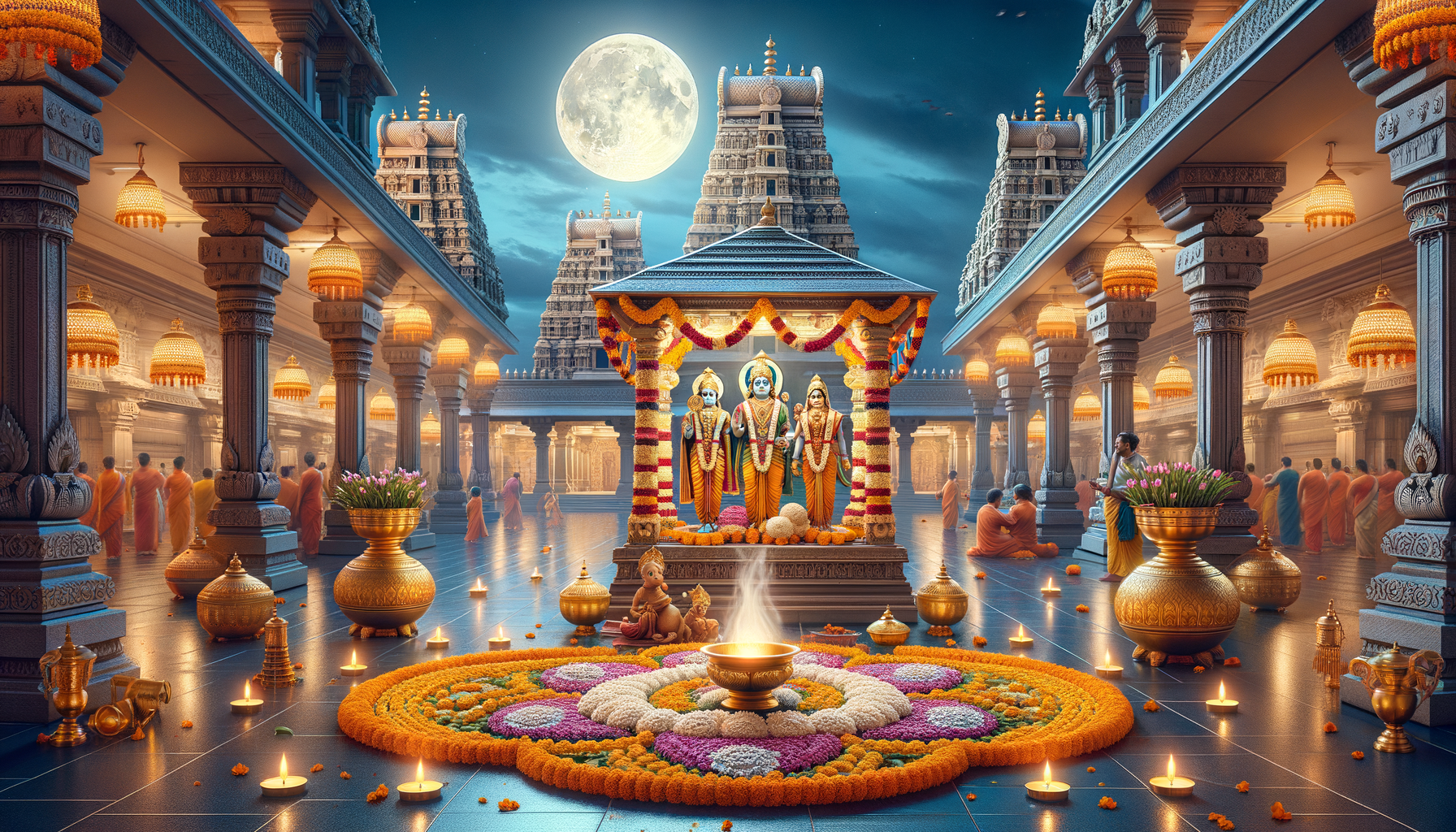
Sri Kodandarama Swamy Temple in Tirupati will observe a meaningful festival calendar in February 2026, combining scriptural significance with lived devotion. The Koopuchandrapeta Utsavam on Magha Pournami (2 February 2026) anchors the month’s observances in the auspicious energy of the full moon. On the Saturdays of February7, 14, 21, and 28Abhishekam will be performed for…
-
Yuyutsu’s Moral Stand: The Kaurava Who Chose Dharma Over Dynasty in the Mahabharata

Yuyutsu’s decision to side with the Pandavas in the Mahabharata exemplifies moral courage over dynastic loyalty. Born to Dhritarashtra and a Vaishya maid, he navigated social marginality with ethical clarity. His public defection before the Kurukshetra War signals allegiance to dharma rather than bloodline. Surviving the war, he was entrusted with responsibilities in Hastinapura, affirming…
-
Unclothed Infinity: Kali as Digbasana and the Fearless Symbolism of Sky-Clad Truth

Kali as Digbasana“clothed by the directions”presents a sky-clad iconography of truth, not sensuality. The image signals freedom from illusion and social codification, aligning with Advaita insights on reality beyond attributes. Within Shakti iconography, nakedness becomes an ethic of fearlessness, compassion, and authenticity. Cross-dharmic resonances arise with Jain non-possession, Buddhist Śūnyatā, and Sikh reverence for the…
-
Honoring Advaita Acharya: A Powerful Reflection on Devotion, Wisdom, and Dharmic Unity

Advaita Acharya’s appearance day offers a timely reflection on the enduring legacy of Sri Advaita Acarya and the Vaishnava tradition of Navadwip. The observance emphasizes the harmonious integration of knowledge, renunciation, and devotion as a practical framework for ethical living. By framing scriptures through Krishna-bhakti, his teachings render complex ideas accessible and practice-oriented. The day’s…
-
Dharmanath Beej 2026: Date, Rituals, and Navnath Legacy Inspiring Spiritual Unity

Dharmanath Beej 2026 will be observed on January 20, aligning with the second day (Beej/Dwitiya) of the Magh Month in the Hindu calendar. The festival commemorates the initiation of Shri Dharmanth, son of Shri Machindranath, and celebrates the Navnath Sampradaya’s enduring guru–shishya tradition. Devotees often mark the day with temple prayers, satsang, and simple home…
-
Adhi Gajanathar in Tamil Nadu: Discover the Primordial Power and Timeless Grace of Ganesha

Adhi Gajanathar, revered as the primordial form of Lord Ganesha in Tamil Nadu temples, embodies the principle of auspicious beginnings woven through South Indian worship. This form’s placement near thresholds and prakaras reflects a theology of commencement that aligns space, ritual, and meaning. Iconographynoose, goad, modaka, and the protective gesturecommunicates wisdom, protection, and inner sweetness.…
-
Hindu Festivals in February 2026: Your Sacred Magha–Falgun Guide to Dates, Tithis, Muhurats

February 2026 spans Magha into Falgun across Hindu calendars, offering a rich cycle of vrata, puja, and community observances. This guide explains how tithi, nakshatra, and weekday shape auspicious days and muhurats for planning family rituals and temple visits. It highlights key observances likely to fall in February 2026such as Vasant Panchami, Ratha Saptami, Bhishma…
-
Unlock Ishtadevta through Lagna: पंचमेश सूत्र, सरल उपासना, आंतरिक शांति और धर्मिक एकता

A concise, Lagna-based guideline from Jyotisha offers a practical way to contemplate one’s Ishtadevta by focusing on the fifth-house lord (Panchamesh). The maxim“आपकी लग्न कुंडली मैं पंचम भाव का स्वामी गृह (पंचमेश ) आपके इष्ट देव है !”frames a simple, accessible starting point that aligns devotion with the chart’s bhakti-oriented house. Even when doshas create…
-
Beyond Ego: Unmasking Supreme Truth in Dharmic Wisdom for Inner Freedom and Clarity

This article explores a core paradox in Hindu philosophy: the Supreme Truth exists prior to the ego, and practices driven by self-importance obscure rather than reveal it. Drawing on the Upanishads, Bhagavad Gita, and Advaita Vedanta, it shows how sadhana matures from acquisition to attunement. It connects Hindu insights with Buddhism’s anatma, Jainism’s Anekantavada, and…
-
When Hatred and Jealousy Backfire: Dharmic Wisdom on Karma, Healing, and Freedom

Hatred and jealousy act like venomous darts that ultimately return to the archer, a truth echoed across Hindu, Buddhist, Jain, and Sikh teachings. Drawing on the Bhagavad Gita, Upanishads, Srimad Bhagavata Purana, Ramayana, and Mahabharata, this piece explains how karma and dharma frame these emotions as forces that corrode clarity and freedom. It highlights iconic…
-
Griha Arambha Muhurtham 2026: Auspicious Neev Pujan Dates, Bhumi Pujan Guide, Timing Tips
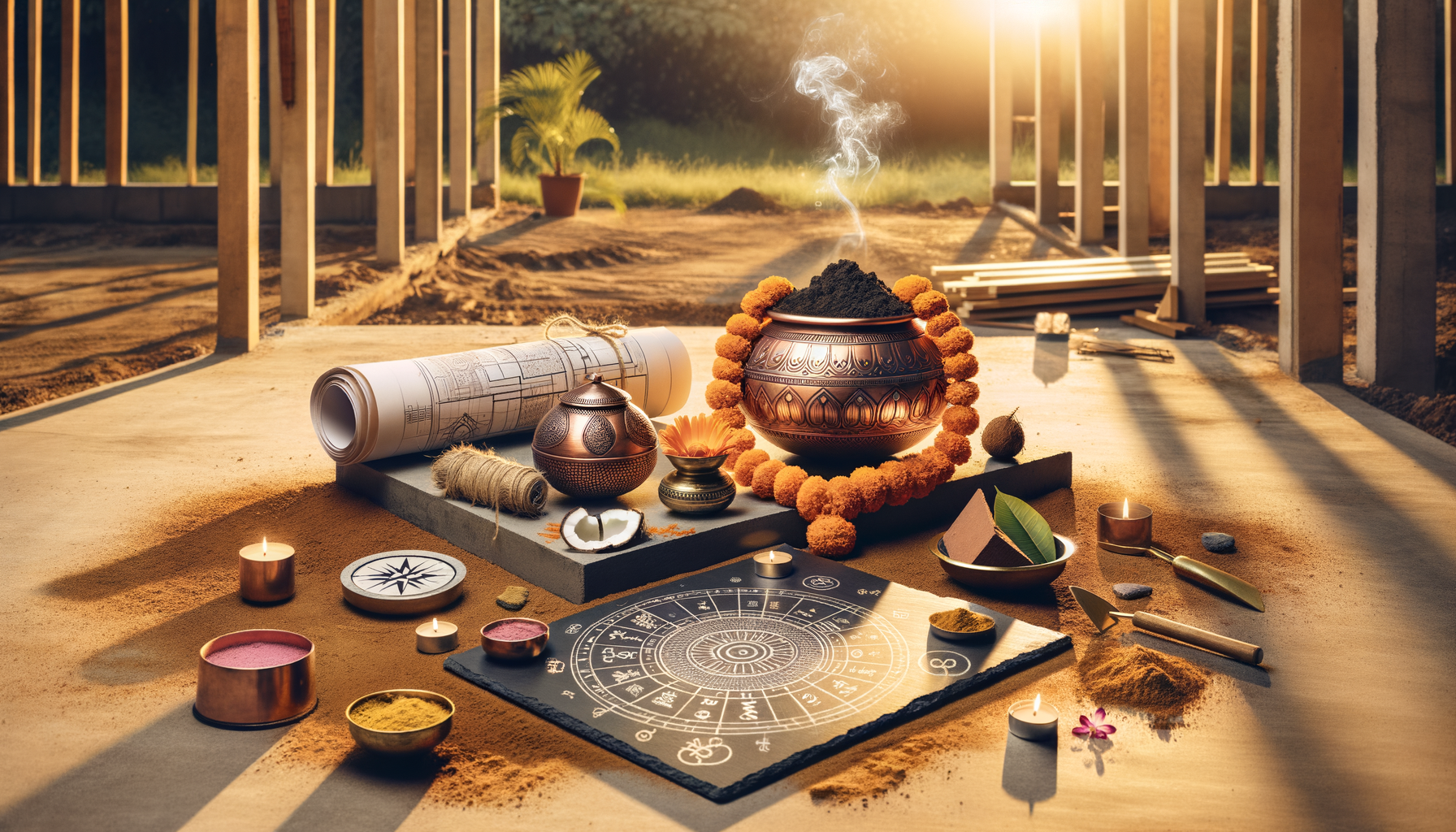
This guide to Griha Arambha Muhurtham 2026 explains how to select Shubha Muhurtham for Neev Pujan and Bhumi Pujan using Tithi, Nakshatra, Lagna, and Panchang rules. It outlines widely favored combinations, practical exclusions like Rahu Kalam, and a step-by-step method for refining dates to precise local timings. January 2026 selections can be identified by applying…
-
Unlocking Sanskrit Mastery: Patanjali’s Mahabhashya on Panini’s Ashtadhyayi, Explained

Panini’s Ashtadhyayi (5th century BCE), with its eight chapters and 3,996 sutras, offers a precise formal system for Sanskrit grammar that has influenced linguistic thought for millennia. Patanjali’s Mahabhashya deepens this precision through dialectical analysis, clarifying rule interactions and interpretive principles across phonology, morphology, and syntax. Together, they provide a shared scholarly foundation for Hindu,…