Author: Kushal Mehra

  • The Courage to Surrender: How Divine Will Transforms Duty, Fear, and Freedom

    The Courage to Surrender: How Divine Will Transforms Duty, Fear, and Freedom

    This long-form reflection examines surrender as a disciplined integration of divine trust, ethical action, and freedom from possessive attachment. It explains why “not my will” does not require passivity, self-erasure, or the abandonment of reason. The Bhagavad Gita’s dialogue between Kṛṣṇa and Arjuna shows how deliberation, personal choice, dharma, and śaraṇāgati can operate together. The…

  • Powerful Krishna Meditation: How Vidura Teaches Form, Memory, and Devotion

    Powerful Krishna Meditation: How Vidura Teaches Form, Memory, and Devotion

    Śrīmad-Bhāgavatam 1.13.11-16 offers a profound model for meditating on Krishna’s form through remembrance, hearing, ethical speech, and service. The passage shows that Krishna consciousness is not restricted to renunciation but can be practiced within family, leadership, pilgrimage, and daily responsibility. Vidura’s compassion, Yudhiṣṭhira’s devotional concern for Dvārakā, and the survival of Parīkṣit reveal how divine…

  • Bhadali Navami 2026: Powerful Meaning, Date, Rituals and Sacred Wisdom

    Bhadali Navami 2026: Powerful Meaning, Date, Rituals and Sacred Wisdom

    Bhadali Navami 2026, also known as Bhadali Nom, Bhadariya Navami, Ashara Shukla Paksha Navami and Kandarpa Navami, falls on July 23, 2026. The observance is dedicated to Lord Vishnu and Goddess Bhadrakali, combining the themes of preservation, protection, purification, and dharmic discipline. It is especially noted in parts of North India and Central India, where…

  • Powerful Lessons from Guru Puja and Caitanya-caritāmṛta Ādi-līlā 14.34–37

    Powerful Lessons from Guru Puja and Caitanya-caritāmṛta Ādi-līlā 14.34–37

    This article explores the theological and practical meaning of Śrī Caitanya-caritāmṛta Ādi-līlā 14.34–37 in connection with Deity greetings and Guru Puja. It explains how mother Śacī’s instruction to child Nimāi teaches practical spiritual discernment rather than vague abstraction. The discussion also examines the visiting brāhmaṇa’s offering and how the Lord’s acceptance reveals the inner meaning…

  • Sant Gajanan Maharaj Palkhi 2026: Powerful Guide to the Shegaon-Pandharpur Wari

    Sant Gajanan Maharaj Palkhi 2026: Powerful Guide to the Shegaon-Pandharpur Wari

    Sant Gajanan Maharaj Palkhi 2026 is a major devotional procession in Maharashtra’s Varkari and Pandharpur Wari tradition. The journey from Shegaon toward Pandharpur combines bhakti, discipline, seva, walking pilgrimage, and community organization. This guide explains the spiritual meaning of the Palkhi, the role of Sant Gajanan Maharaj, the connection with Ashadhi Ekadashi, and the importance…

  • Sant Namdev Maharaj Palkhi Sohala 2026: Sacred Wari, Living Bhakti Legacy

    Sant Namdev Maharaj Palkhi Sohala 2026: Sacred Wari, Living Bhakti Legacy

    Sant Namdev Maharaj Palkhi Sohala 2026 is a major devotional procession within Maharashtra’s Ashadhi Wari tradition. It is associated with Sant Namdev Maharaj, the Varkari saint remembered for his deep devotion to Vithoba and his accessible abhang tradition. The palkhi traditionally begins from Narsi Namdev in Hingoli district and proceeds toward Pandharpur, where Ashadhi Ekadashi…

  • Powerful Losar Wisdom: Four Buddhist Practices for a Fearless Good Heart

    Powerful Losar Wisdom: Four Buddhist Practices for a Fearless Good Heart

    This rewritten Losar reflection presents the cultivation of a good heart as a disciplined path of Dharma, not merely a warm feeling. It explains four practical conditions for transforming habits: repetition, intensity, counteragents, and the creation of a supportive field. The article connects Tibetan Buddhist teachings on bodhicitta, dak nang, and universal compassion with the…

  • Powerful Prabhupada Memories: Lessons in Bhakti, Service, and Living Faith

    Powerful Prabhupada Memories: Lessons in Bhakti, Service, and Living Faith

    This featured reflection on Prabhupada Memories – DVD 109 examines the recollections of Anandamaya, Ghosh Thakur, Nayanabhirama, and Ramestha within the wider history of Srila Prabhupada and ISKCON. It explains why oral memory matters in preserving the lived experience of the guru-shishya tradition. The post places Srila Prabhupada’s global mission in historical, theological, and cultural…

  • Lekhani in Hindu Iconography: The Sacred Stylus That Preserved Divine Knowledge

    Lekhani in Hindu Iconography: The Sacred Stylus That Preserved Divine Knowledge

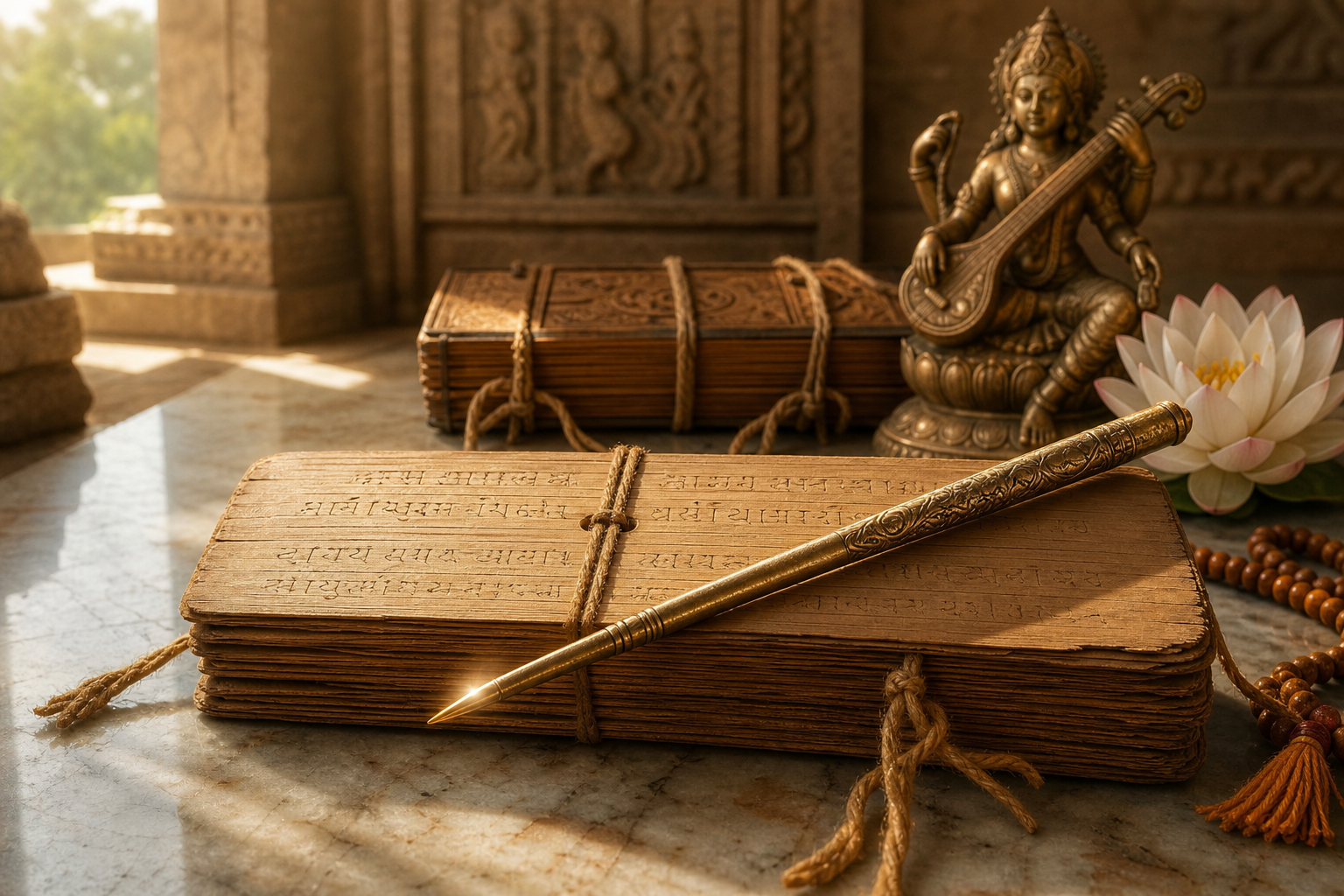
    The lekhani, or sacred stylus, is a refined symbol of knowledge, memory, ethical accountability, and sacred learning in Hindu iconography. Its association with manuscript culture, Saraswati, Ganesha, Chitragupta, sages, and teachers reveals how writing became a vehicle for preserving dharma. This study explains the lekhani as both a practical instrument used in palm-leaf manuscript traditions…

  • Ardhanarinaravapuh Revealed: Powerful Hindu Wisdom on Sacred Gender Unity

    Ardhanarinaravapuh Revealed: Powerful Hindu Wisdom on Sacred Gender Unity

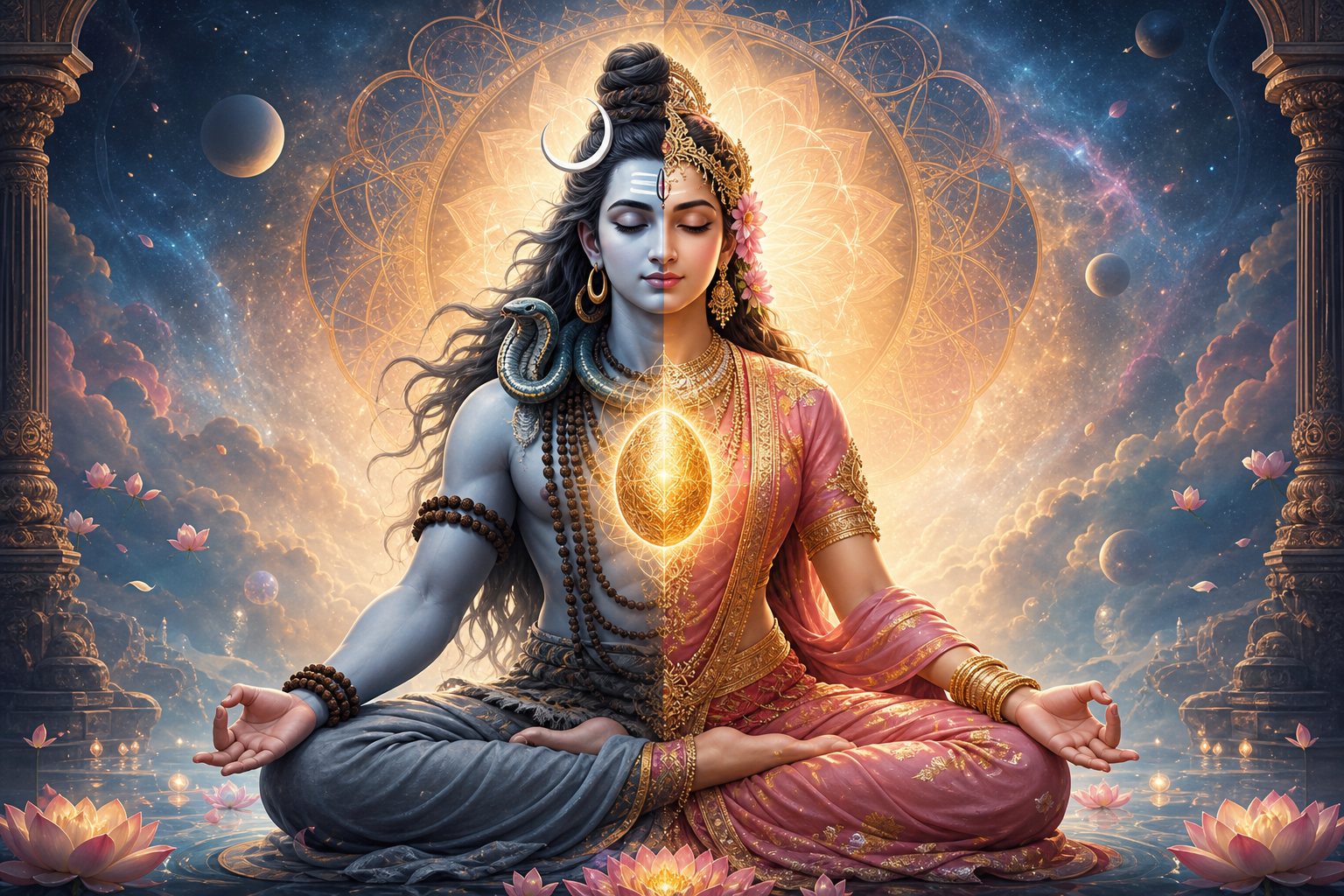
    Ardhanarinaravapuh is a profound Hindu concept describing a sacred form that unites masculine and feminine principles in one indivisible body. Connected with Hiranyagarbha, the cosmic womb or golden egg, it points to the origin of creation as a state of luminous wholeness. The idea is closely related to Ardhanarishvara, the union of Shiva and Shakti,…

  • Shri Kali’s Fierce Grace: Powerful Symbolism of the Divine Mother in Hindu Dharma

    Shri Kali’s Fierce Grace: Powerful Symbolism of the Divine Mother in Hindu Dharma

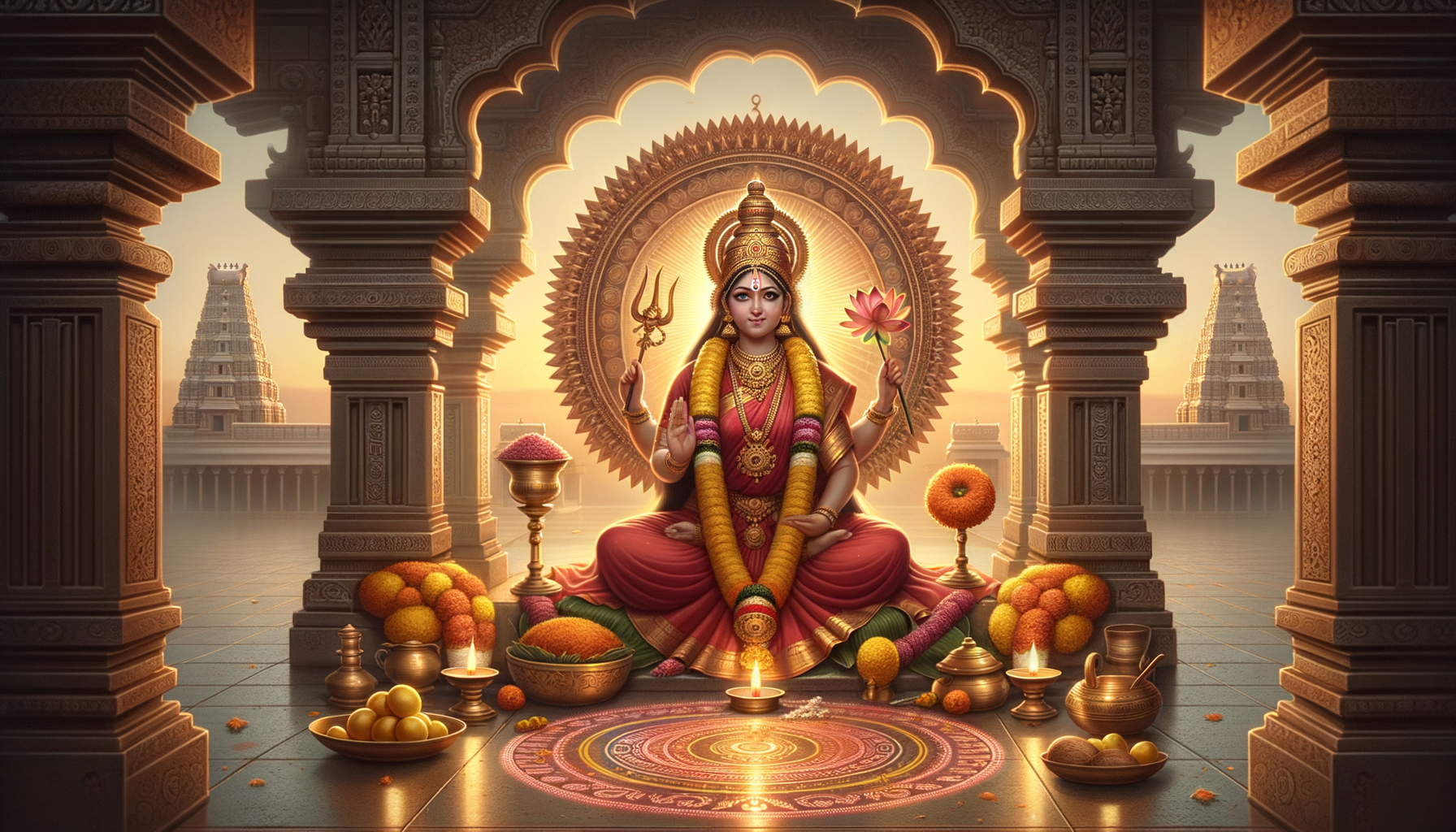
    Shri Kali represents the fierce and auspicious power of the Divine Mother within Hindu Dharma. Her symbolism reveals how darkness, time, death, ego, and fear can become pathways to wisdom when understood through Shakti. This article explains her sword, garland, dark form, cremation-ground imagery, and relationship with Shiva in a clear academic style. It also…

  • Gangaur Teej Vrat Rituals: A Complete Sacred Guide to Gauri-Shiva Worship

    Gangaur Teej Vrat Rituals: A Complete Sacred Guide to Gauri-Shiva Worship

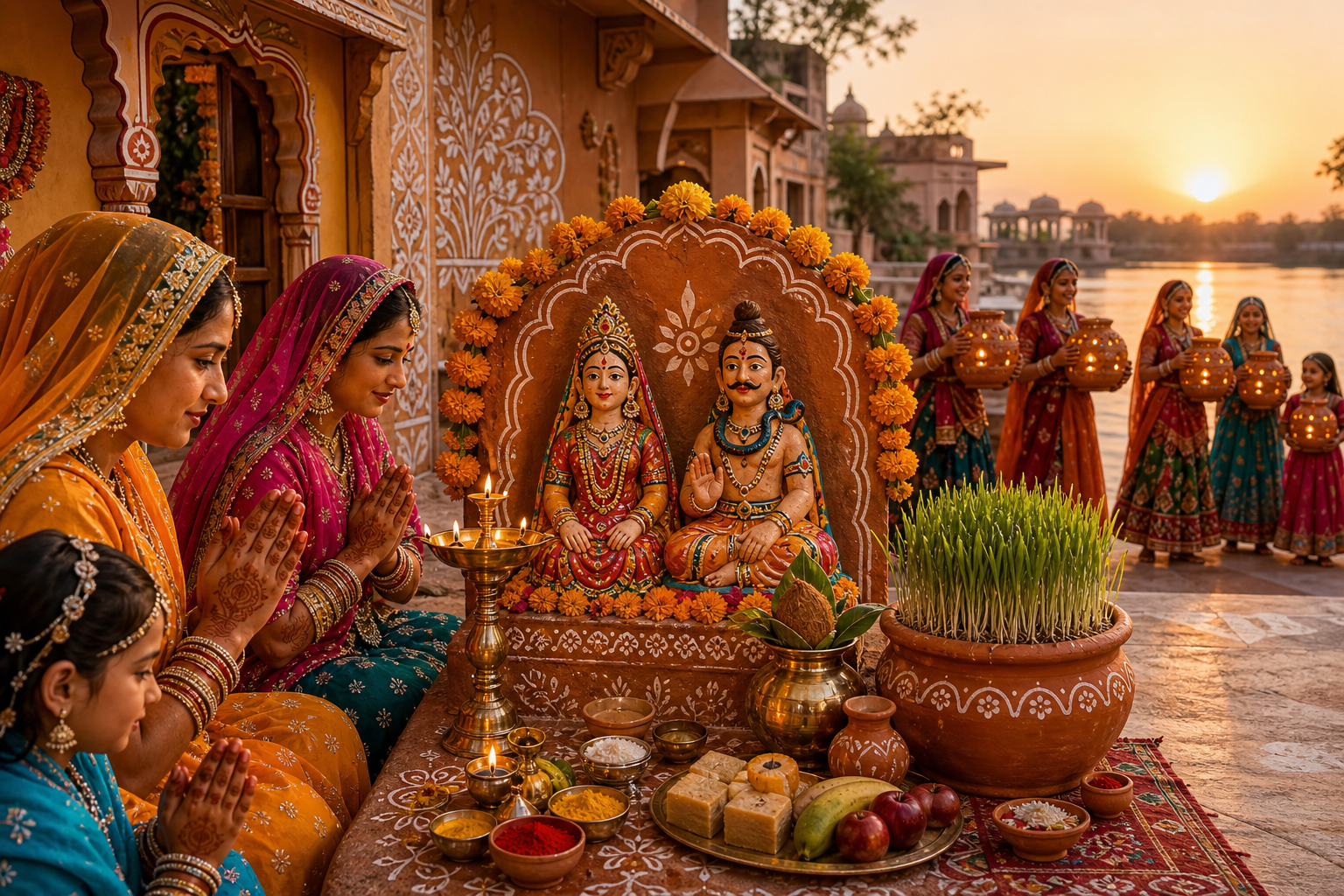
    Gangaur Teej Vrat is a sacred observance dedicated to Goddess Gauri and Lord Shiva, traditionally performed after Holi and culminating around Chaitra Shukla Tritiya. The vrat includes fasting, daily worship, sowing and watering wheat or barley seeds, decorating clay or wooden images, singing traditional songs, and participating in community rituals. Married women pray for the…

  • Translating the Infinite: Ek Ong Kaar Kaur Khalsa on Gurbani, Meaning, and Unity

    Translating the Infinite: Ek Ong Kaar Kaur Khalsa on Gurbani, Meaning, and Unity

    This in-depth conversation with Ek Ong Kaar Kaur Khalsa presents a rigorous, compassionate framework for translating Gurbani with scholarly accuracy and devotional integrity. It explains how formal, dynamic, and contemplative equivalence work together to honor the meaning, music, and soteriological function of Sikh scripture. Readers learn why raga, chhand, Gurmukhi orthography, and multi-lingual layers (Punjabi,…

  • Protecting Young Hearts: HJS Awareness Session at Shri Seervi Samaj, Thane

    Protecting Young Hearts: HJS Awareness Session at Shri Seervi Samaj, Thane

    An HJS-led awareness session at the Shri Seervi Samaj Youth Meet in Thane examined relationship risksoften framed in public discourse as ‘love jihad’through a rights-based, behaviour-focused lens. The lecture emphasized youth safety, digital literacy, and legal awareness while rejecting stereotyping and prioritizing interfaith harmony. Participants learned how constitutional protections, the Special Marriage Act, POCSO, and…

  • Tula, Karma, and Dharma: The Sacred Weighing Balance in Hindu Icons, Rituals, and Cosmology

    Tula, Karma, and Dharma: The Sacred Weighing Balance in Hindu Icons, Rituals, and Cosmology

    The weighing balance (tula) is a rare yet profound Hindu symbol that encodes a civilizational ethic: weigh intentions, actions, and outcomes in the light of karma and dharma. Rather than relying on frequent iconographic depictions, the symbol operates powerfully across ritual (tulābhara), philosophy (samatā in the Bhagavad Gita), and astrology (Tula Rashi’s emblem of parity).…

  • Baba Balwinder Singh Dhaliwal (1958–2026): A Life of Seva, Sarbat da Bhala, and Dharmic Unity

    Baba Balwinder Singh Dhaliwal (1958–2026): A Life of Seva, Sarbat da Bhala, and Dharmic Unity

    Baba Balwinder Singh Dhaliwal (1958–2026) is commemorated as an exemplar of Sikh seva whose legacy is best understood through disciplined practice, ethical governance, and interfaith collaboration. This profile anchors his remembrance in Sikh principlesNaam Japna, Kirat Karni, Vand Chaknaand demonstrates how the langar ethos becomes a technical system of compassion through transparent procurement, hygiene, and…

  • Rashi Vrata Unveiled: A Solar-Calendar Vow Across 12 Rashis to Cultivate Discipline and Dharma

    Rashi Vrata Unveiled: A Solar-Calendar Vow Across 12 Rashis to Cultivate Discipline and Dharma

    Rashi Vrata is a classical solar-calendar observance that aligns a year of disciplined practice with the Sun’s monthly transits (Sankranti) through the twelve rashis. Structured around clear sankalpa, simple Surya worship, calibrated fasting, and meaningful dāna, it converts cosmic time into steady character-building. Unlike weekday or lunar fasts tied to a birth Moon sign, this…

  • Vachaka Shakti Unveiled: The Timeless Power of Words in Mimamsa, Nyaya, and Dharmic Thought

    Vachaka Shakti Unveiled: The Timeless Power of Words in Mimamsa, Nyaya, and Dharmic Thought

    Vachaka Shaktilanguage’s inherent potency to convey meaningserves as a shared foundation across Mimamsa, Nyaya, Vyakarana, Buddhist, Jaina, and Sikh traditions. The classical Indian framework of abhidha (denotation), lakshana (secondary extension), and vyanjana (suggestion) shows how words communicate directly and indirectly with precision and depth. Mimamsa debates (abhihitanvaya vs. anvitabhidhana) and Nyaya’s conditions (akanksha, yogyata, sannidhi)…

  • Not Feeling Bliss in Hare Krishna Chanting? A Research-Backed, Dharma-Uniting Cure

    Not Feeling Bliss in Hare Krishna Chanting? A Research-Backed, Dharma-Uniting Cure

    Many dedicated practitioners chant Hare Krishna for years without sensing the expected bliss. This academic, Dharma-uniting guide explains why dryness is common and how to remedy it through tradition-rooted and research-aligned methods. It maps the classical stages of bhakti, shows how steady taste typically follows purification and steadiness, and aligns these insights with parallel practices…

  • Appalayagunta Sri Prasanna Venkateswara Brahmotsavam 2026: Grand Dates, Rituals & Vahana Sevas

    Appalayagunta Sri Prasanna Venkateswara Brahmotsavam 2026: Grand Dates, Rituals & Vahana Sevas

    Appalayagunta’s Sri Prasanna Venkateswara Swamy Brahmotsavam will be celebrated from 25 June to 3 July 2026, with Koil Alwar Tirumanjanam on 23 June and Ankurarpanam on 24 June. Daily Vahana Sevas will take place from 08:00–09:00 and 19:00–20:00, offering pilgrims contemplative mornings and radiant evening processions. The festival follows Vaikhanasa Agama traditions, beginning with Dwajarohanam…