
-
Profound Review of 64 Elements of Pure Devotional Service in Mayapur with HH Krishna Kshetra Swami
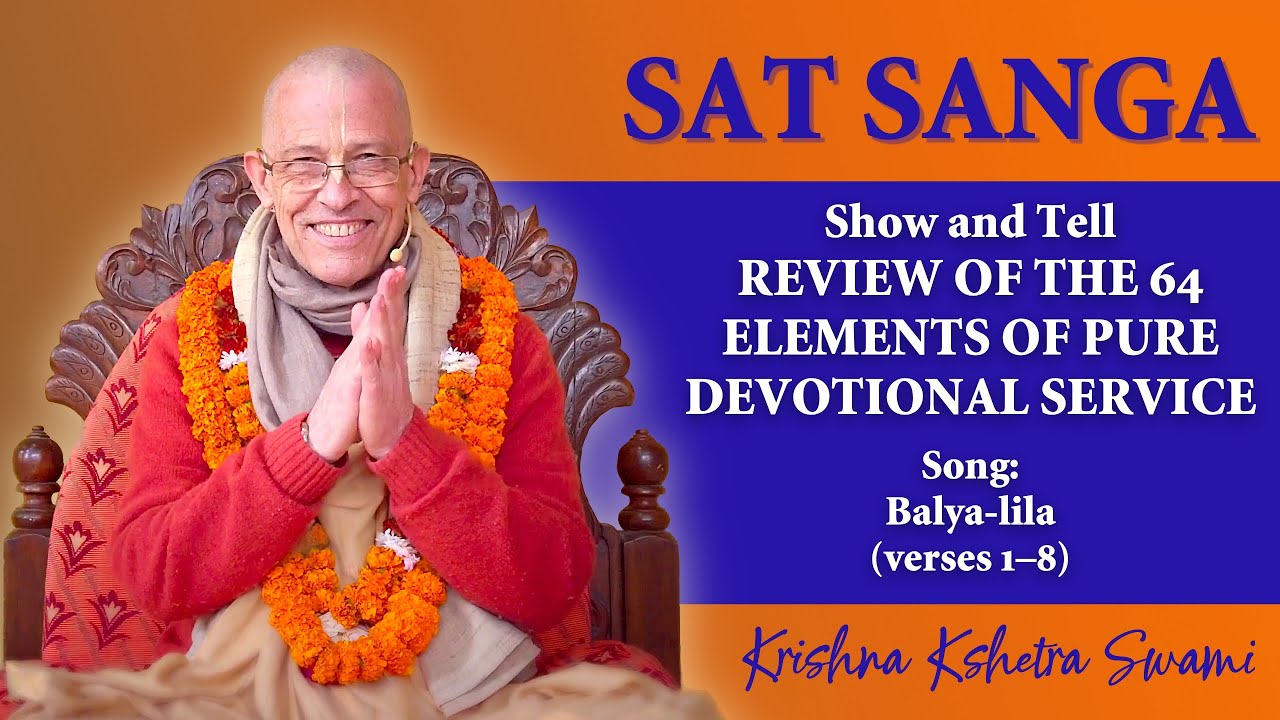
Held on January 10, 2026, at Go-druma Bhavan, Mayapur, the Sat Sanga led by HH Krishna Kshetra Swami offered a clear and compassionate review of the 64 Elements of Pure Devotional Service. The session began with Balya-lila (verses 1–8) from Srila Locana Dasa Thakura’s Sri Caitanya Mangala, setting an emotive and scriptural tone. Participants engaged…
-
Govindarajaswamy Temple Adhyayanotsavams 2026: 24 Days of Divya Prabandham in Tirupati

The Adhyayanotsavams at Sri Govindaraja Swamy Temple, Tirupati, will take place from January 18 to February 10, 2026, aligning with Magha Masam in the Telugu calendar. Central to this 24-day observance is the daily 5:30–6:30 PM recitation of the Divya Prabandham, a hallmark of Sri Vaishnava tradition. The festival preserves sacred hymnody, encourages disciplined study,…
-
Hamsa in Hinduism: Sacred Swan Symbolism and the Vahana of Saraswati, Brahma, Gayatri, Vishwakarma

The hamsa (swan) holds a sacred place in Hindu scriptures and iconography, especially as the vahana of Saraswati, Brahma, Gayatri, and Vishwakarma. Legends situate divine swans in the Himalayan ranges and at Manasarovar Lake, where they signify purity and transcendence. As a symbol of viveka (discriminative wisdom), the hamsa aligns naturally with learning, truthful speech,…
-
‘Unacceptable’: Priti Patel Slams Bangladesh Hindu Killings, Demands Robust UK Diplomacy

UK MP Priti Patel condemned the reported killings of Hindus in Bangladesh as “unacceptable” and called for stronger UK-led diplomacy. This analysis outlines practical steps: impartial investigations, credible prosecutions, and safeguards for minority rights. It situates the violence within broader human rights concerns while rejecting collective blame and polarization. Readers gain a clear view of…
-
Varṇāśrama and Bhakti in Gauḍīya Siddhānta: A Powerful Guide to Harmonizing Duty and Devotion

Śrī Caitanya-śikṣāmṛta clarifies how varṇāśrama-dharma supports vaidhi-bhakti in Gauḍīya Siddhānta, showing that ethical order stabilizes and nourishes devotion. Rather than competing, duty and devotion complement each other: responsibilities cultivate clarity, while bhakti completes and elevates life. Practitioners benefit from relatable, practical guidancesteady work, family care, and seva make japa and śāstra-study more focused and joyful.…
-
Goddess Tara at Tarapith: Decoding the Divine Symbolism of the Twin Murti Forms

Tarapith Temple in West Bengal venerates Goddess Tara through two complementary imagesan aniconic essence and an anthropomorphic Murtioffering a layered experience of darshan. The maternal icon of Tara nursing the infant Shiva symbolizes compassionate wisdom sustaining consciousness. Cremation ground motifs and skull garlands invite reflection on impermanence and fearlessness, common themes in Shakta Tantra. Rituals…
-
Sheegra Vivah Totke: शीघ्र विवाह के लिए समन्वयी, सरल और सार्थक उपाय जो उम्मीद जगाएँ

यह लेख Sheegra Vivah Totke को अकादमिक और संतुलित दृष्टि से समझाता है। विवाह में विलंब के बहु-आयामी कारणों का संक्षिप्त विश्लेषण कर, यह पारंपरिक उपायों को मनोवैज्ञानिक स्थिरता, आशा और सामाजिक संपर्क बढ़ाने वाले सांस्कृतिक अभ्यास के रूप में रखता है। हिंदू, बौद्ध, जैन और सिख परंपराओं के साझा मूल्योंधैर्य, सेवा, दया और अंतर्मुखताको…
-
Sixteen Sacred Days in Jharkhand: An Immersive Guide to Navratri and Durga Puja Heritage

Jharkhand observes a distinctive sixteen-day Navratri and Durga Puja that extends devotion beyond the familiar nine days, aligning with Mahalaya and culminating on Vijayadashami. The longer cycle deepens spiritual focus through Kalash Sthapana, Akhanda Deepa, and Devi Mahatmyam recitations, while showcasing regional arts, eco-conscious idols, and Sal Tree motifs. Community-led prasad distribution and cultural programs…
-
HJS’ urgent call to Chhattisgarh: fortify anti-coercion safeguards and reform curriculum for social harmony

Hindu Janajagruti Samiti (HJS) has urged the Chhattisgarh Government to tighten anti-coercion safeguards in conversion-related laws, introduce protections against deception in interfaith relationships, and reform the state curriculum. The proposals stress constitutional valuesreligious freedom, dignity, and equalitywhile calling for precise definitions, due process, and impartial enforcement. Framed as anti-coercion rather than anti-faith, the approach aims…
-
Unveiling Prajapati in the Bhagavad Gita: Cosmic Creator and the Sacred Bond of Yajna

Prajapati, the “Lord of living beings,” anchors the Bhagavad Gita’s profound teaching on yajnasacred reciprocity that sustains both cosmic order and human society. Etymologically and theologically rich, Prajapati points to a creation suffused with ethical responsibility and gratitude. The Gita reframes yajna beyond ritual as selfless action, aligning intention with the common good through Karma…
-
Awaken the Silent Witness: Master the Mind with Dharmic Wisdom for Calm and Clarity

Sakshi-bhavathe unaffected witnessoffers a practical, dharmic way to master the mind without suppressing emotions or withdrawing from life. Rooted in the Upanishads, the Bhagavad Gita, and Yoga philosophy, it cultivates equanimity (samatva), ethical clarity (viveka), and compassionate action through Karma Yoga. Breath-centered pranayama, daily dhyana, steady japa, and informal mindfulness build this capacity in realistic,…
-
Why a Harmonious Hindu Rashtra Remains Elusive: Confusion, Compromise, and Consequence

This analysis explains why the goal of a widely accepted Hindu Rashtra in Bharat remains elusive and how to realign the conversation with constitutional dharma. It clarifies the term’s meaning, separating civilizational ethos from theocracy, and shows how political compromises without clear frameworks erode trust. It maps the social consequences of ambiguitypolarization, misinformation, and policy…
-
Beyond Religion: How Sanatana Dharma Champions Spiritual Freedom and Unity in Diversity

Sanatana Dharma is presented as a living wisdom tradition rather than a narrow, exclusive religion. Its core emphasizes dharma, experiential understanding, and plural pathways such as Karma Yoga, Bhakti, Jnana, and meditation. The principle of Ishta validates diverse forms of worship and aligns with Buddhist upaya, Jain Anekantavada, and Sikh Nam-simran, strengthening interfaith harmony. Rather…
-
Srimad Bhagavatam 11.2.11 at ISKCON Juhu: The Transformative Power of Devotional Questions
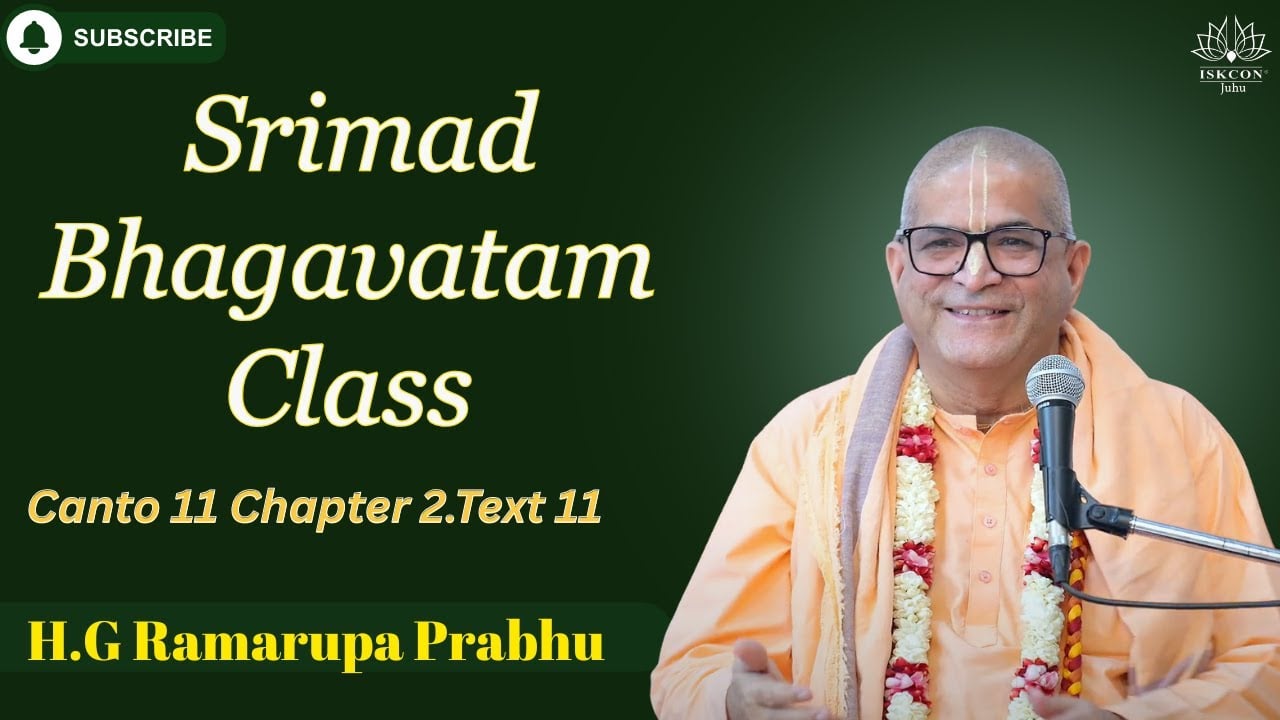
Delivered at ISKCON Juhu on 30 December 2025, this Srimad Bhagavatam 11.2.11 discourse by H.G. Ramarupa Prabhu demonstrates how intelligent, sincere questions about Krishna and devotional service deepen understanding and accelerate spiritual growth. Set within the dialogue of Maharaja Nimi and the Nine Yogendras, the lecture shows that inquiry benefits the questioner, the speaker, and…
-
Sanatana Gosvami’s Humble Plea: Timeless Vaishnava Etiquette, Devotion, and Dharmic Unity
Sanatana Gosvami’s request to be guided from within models the core of Vaishnava etiquettehumility, devotion, and disciplined conduct. The passage elevates service over self-assertion and places ethical behavior within the Guru-Shishya Tradition. It highlights how genuine learning begins with surrender and culminates in responsibility to scripture, community, and practice. These themes resonate across Hinduism, Buddhism,…
-
Timeless Vedic Discipline: Living Below Your Means for True Wealth and Inner Freedom

Living below one’s means is presented as a disciplined, dharmic path to true wealth, rooted in Vedic wisdom and reinforced across Buddhism, Jainism, and Sikhism. The post explains how artha flourishes under dharma, reframing wealth as stewardship rather than accumulation. It outlines practical stepsethical earning, mindful spending, consistent saving, and regular givingthat build both financial…
-
Kantakashodhana in Ancient India: Timeless Strategies to Uproot Social ‘Thorns’ with Dharma

‘Kantaka Shodhana’the “removal of thorns”in Kautilya’s Arthasastra is a classic model of ethical Statecraft from Ancient India. It frames law and order within Dharma, emphasizing proportionate justice, due process, and social harmony. Rather than glorifying punishment, it prioritizes public safety, economic fairness, and institutional trust. The doctrine aligns with shared values across Hinduism, Buddhism, Jainism,…
-
Atmarina in Hinduism: Honoring the Self to Unlock Dharma, Clarity, and Liberation

Atmarinathe debt to the selfframes an inner commitment within Hinduism to cultivate clarity, virtue, and wisdom so that all other duties are fulfilled well. Grounded in the Upanishads, the Bhagavad Gita, and Yoga philosophy, it emphasizes svadhyaya, yama-niyama, wellbeing, and meditation. This approach strengthens Devarina, Pitrina, Rishirina, and Bhutirina by making worship sincere, tradition discerning,…
-
Online Gurbani Kirtan Mastery: A Step-by-Step Learning Manual for Ragas, Taal, and Simran

This step-by-step online manual equips learners with a clear path to Gurbani Kirtan, combining sur sadhana, raag–taal foundations, and careful Gurmukhi diction with devotional focus. It outlines a four-phase pedagogyfrom simran and technique to shabad learning, rhythmic integration, and digital presentationsuited to beginners and intermediates. Practical guidance covers harmonium basics, tabla or app-based theka, metronome…
-
Decoding the Legendary Chakravyuha: The Circular Formation that Shaped Kurukshetra
Chakravyuha, the circular battle formation described in the Mahabharata, shaped a decisive phase of the Kurukshetra War through disciplined rotation, dynamic encirclement, and strategic deception. Its layered design illustrates how command, communication, and training determine battlefield outcomes, as seen in Abhimanyu’s valiant ingress and the risks of incomplete procedural knowledge. The formation’s vulnerabilitiesespecially at coordinated…