
-
Sacred Bulls Across Civilizations: Nandi in Ancient Hinduism vs Minoan Crete’s Bull Cult

From Indus Valley seals to the palaces of Knossos, this long-form comparative study explores how the bull became a sacred anchor in both ancient Hinduism and Minoan Crete. Readers learn how Nandi, Śiva’s vahana and gatekeeper, embodies dharma, while Minoan bull‑leaping and horns of consecration ritualize courage and communal identity. The analysis integrates archaeology, textual…
-
Krishnavataram Trailer Unveiled at Krishna Janmabhoomi: Sacred Cinema That Unites Devotion

The Krishnavataram trailer launch at Krishna Janmabhoomi evolved from a routine release into a living act of devotion, as chants and darshan-oriented gathering reshaped it into a sacred public moment. Set within Mathura’s revered temple ecology, the event demonstrated how mythological cinema can align with Sanatana Dharma’s values when framed by reverence and protocol. It…
-
Divine Touch (Anugraha): Timeless Bhakti, Sacred Grace, and Inner Transformation

This in-depth exploration clarifies “Divine Touch” (anugraha/divya sparśa) as a core Dharmic idea that unites Hinduism, Buddhism, Jainism, and Sikhism through a shared emphasis on grace aligned with ethical practice. It defines key terms, explains ritual and initiatory dimensions (abhiṣekam, dīkṣā, Guru–Śiṣya Relationship), and connects classical insights from the Upanishads and the Bhakti Tradition to…
-
CinemaCon Stunned into Silence: Vidyut Jammwal’s Gayatri Mantra Elevates Street Fighter Launch

At CinemaCon in Las Vegas, the Street Fighter trailer launch paused for an unexpected moment of contemplation when Vidyut Jammwal chanted the Gayatri Mantra after brief invocations to the sun and moon. The auditorium’s energy shifted from high-decibel anticipation to attentive silence, with many audience members closing their eyes. The clip quickly went viral, widely…
-
June 2026 Hindu Festivals and Vrat Calendar: Auspicious Dates, Key Rituals, IST Moonrise Time

This IST-aligned June 2026 guide consolidates key Hindu vrat and festival datesSankashti (with 9:50 PM moonrise), Kalashtami, Ekadashi, Pradosh, and Masik Shivaratribased on major Indian Panchang traditions. It explains how tithi timing, Pradosha Kāla, and Chandrodaya determine observance windows. Each section outlines practical fasting options, essential rituals, and mantra-centered practices that households can adapt with…
-
From Numb to Whole: How Emotional Suppression Derails Hormones, Gut Health, and the Nervous System

This case study traces how lifelong emotional suppression created nervous system dysregulation, hormonal imbalance (notably PMS), and gut-brain axis disturbancesand how listening to the body reversed these trends. It explains mechanisms (polyvagal theory, HPA/HPO axes, vagus nerve, microbiome) alongside Ayurvedic concepts (vata, pitta, kapha, agni) to show why symptoms escalated with “push through” strategies. Evidence-aligned…
-
Bhadrakali Amman Unveiled: Sacred Iconography, Rituals, and Time-Transcending Philosophy
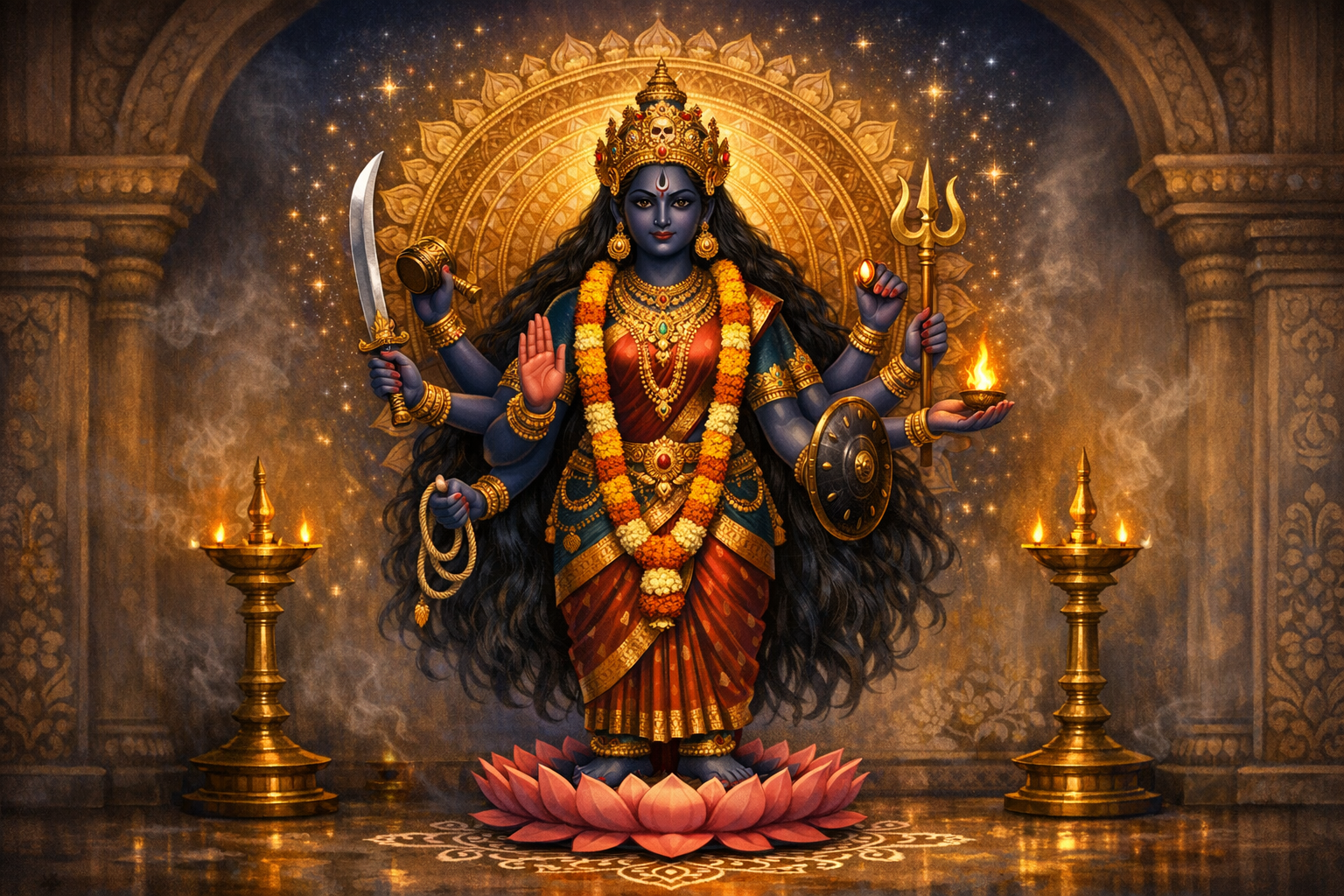
Bhadrakali Amman is presented as fierce grace: a guardian who unites auspiciousness with the transformative power of time. The analysis explains the etymology from Kala, the iconography of weapons and mudrās, and the ritual ecosystem of Amman worship in Tamil Nadu and Kerala. It highlights key festivals such as Attukal Pongala and the ethical turn…
-
Living Fully Now: Dharmic Science of Memory, Mindfulness, and Ethical Action

A simple lessontouching fire once teaches lasting respectunlocks a profound dharmic principle: live fully in the present while letting memory inform, not govern, wise action. Drawing on the Bhagavad Gita, the Yoga Sūtra, Buddhist mindfulness, Jain anekāntavāda, and Sikh simran, this analysis shows how experience becomes discernment across Hinduism, Buddhism, Jainism, and Sikhism. It connects…
-
The Conscious User: Mastering AI with Jain, Buddhist, Hindu, and Sikh Wisdom

Artificial Intelligence is now a household reality; the challenge is using it without losing clarity, agency, or ethics. This essay outlines a dharmic frameworkrooted in Jainism and harmonized with Buddhism, Hinduism, and Sikhismfor human-centered, responsible AI. It translates anekantavada, syadvada, and nayavada into concrete practices for uncertainty handling, multi-metric evaluation, and context-aware decisions. Ahimsa informs…
-
He Is Myself and I Am He: Timeless Vedanta on Atman-Brahman Unity and Liberation

This article unpacks the Vedantic insight behind “He is myself and I am He,” explaining how the Upanishads reveal the identity of atman and Brahman. It surveys Advaita Vedanta alongside Vishishtadvaita, Dvaita, Gaudiya Vaishnavism, and Kashmir Shaivism to show complementary ways of understanding unity and difference. It bridges Hindu philosophy with related aims in Buddhism,…
-
Dharma Paripalana Moorthy: Sri Rama’s Timeless Blueprint of Rajadharma in Rama Rajya
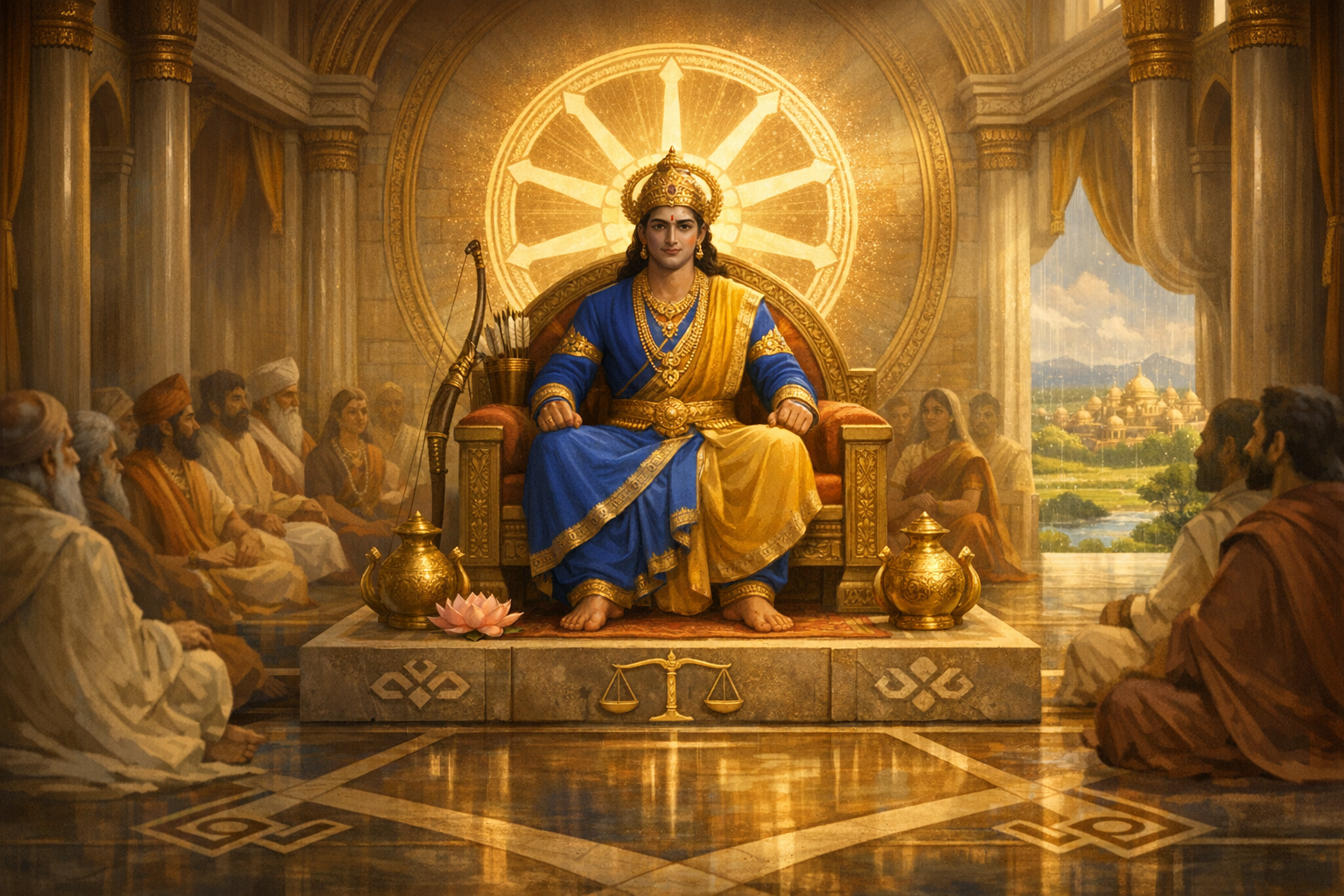
Sri Rama as Dharma Paripalana Moorthy embodies a rigorous model of ethical governanceRama Rajyathat continues to inform discussions on justice, welfare, and leadership. Grounded in the Valmiki Ramayana, including the Uttara Kanda’s portrayal of an 11,000-year reign, the narrative articulates rajadharma as personal virtue aligned with fair institutions and compassionate law. The analysis situates this…
-
Unlocking the Hidden in Hindu Philosophy: Arthapatti and the Power of Postulation in Mimamsa

Arthapatti (postulation) is a distinctive Mimamsa pramana that posits an unperceived fact when established data would otherwise be incoherent. Classic examples such as the stout Devadatta who does not eat by day illustrate how explanatory necessity (anyathā-anupapatti) drives this cognition. The article clarifies how arthapatti differs from ordinary inference, outlines its two forms (drshtārthapatti and…
-
Akshaya Tritiya Dāna: The Definitive Guide to Inexhaustible Blessings and Scriptural Merits

Akshaya Tritiya, the sarva-siddhi day of Vaishakh, is celebrated across Dharmic traditions as an auspicious time for dāna (charitable giving) that yields inexhaustible merit. This guide explains the day’s scriptural footing in the Puranas and Dharmaśāstra, unifies perspectives from Hinduism, Jainism, Buddhism, and Sikhism, and details practical, ethical ways to give. It highlights Jala Daanam…
-
Ramanuja Jayanthi 2026: Date, Rituals, and Vishishtadvaita Legacy of Sri Ramanujacharya

Ramanuja Jayanthi 2026 falls on 22 April, aligning with Chaitra Shukla Panchami and, in several traditions, the Tiruvadirai (Ardra) Nakshatra. The observance honors Sri Ramanujacharya’s Vishishtadvaita Vedanta and his inclusive Sri Vaishnava legacy that unites devotion, knowledge, and service. Temples at Srirangam, Sriperumbudur, Melkote, and Tirumala typically conduct parayanam, special alankara, and annadanam, while households…
-
At the Doorstep of Light: Hindu Lamp Symbolism for Inner Wisdom and Social Harmony
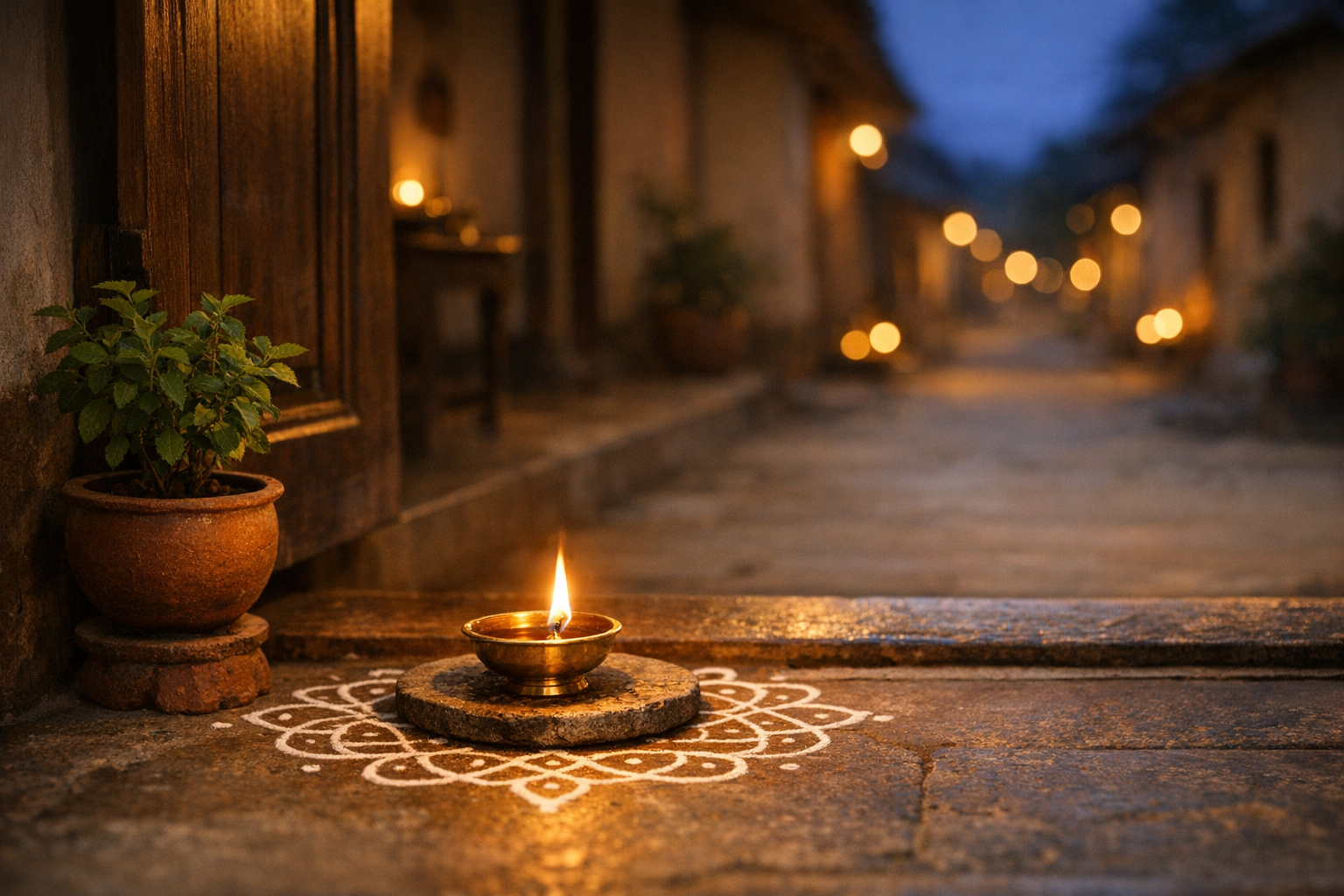
A lamp at the doorstep in Hindu tradition is more than décor; it encodes a philosophy in which inner clarity must become outer care. Light symbolizes knowledge in the Upanishads, while the thresholdbeing a liminal spacebridges private devotion and social responsibility. Diwali, Yam Deep Daan, Karthika masam, and Karthigai Deepam place lamps at entrances to…
-
Shiva at the Margins: Why Mahadeva Reigns Over Ghosts, Outcasts, and Sacred Transgression
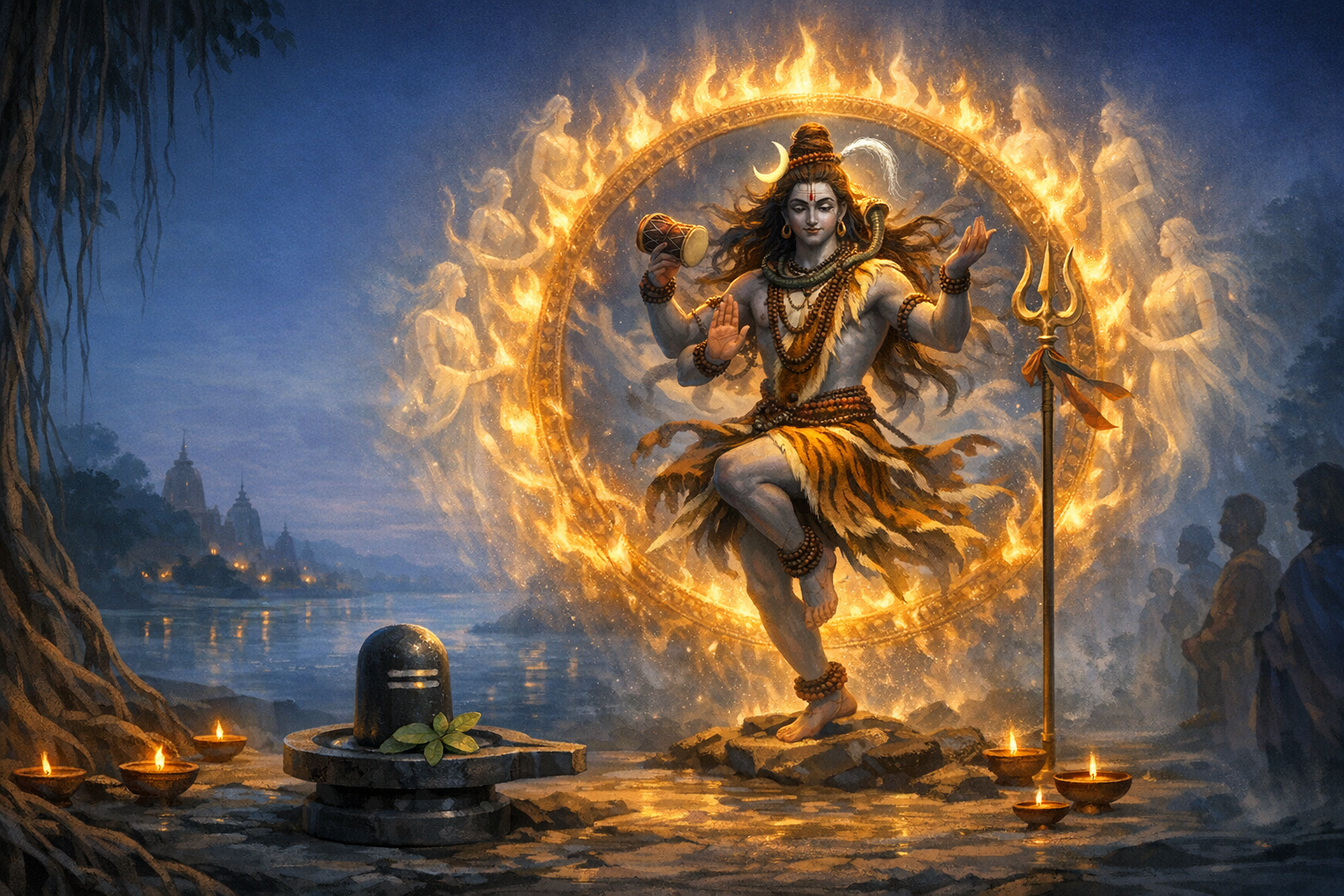
Shiva’s dwelling in cremation grounds and sovereignty over bhuta-ganas present a theology of fearless inclusion that dignifies what societies often cast aside. By tracing the arc from Vedic Rudra to Puranic Shiva, the discussion shows how ashes, serpents, and the smashana encode teachings on impermanence and compassion. Bhairava’s guardianship of thresholds clarifies why time, change,…
-
Decoding the Golden Temple (Harmandir Sahib): Marble Motifs, Sacred Geometry, and Seva

This in-depth exploration decodes the Golden Temple (Harmandir Sahib) as a readable language of marble, motifs, and gilded form, revealing how architecture teaches Sikh ethics of oneness, seva, and equality. Readers will discover how geometry, calligraphy in Gurmukhi, floral arabesques, and jaali screens cohere into a visual theology aligned with continuous kirtan. The essay traces…
-
Kukke Subramanya Sthala Purana: Timeless Serpent-Lord Legends, Ritual Science, and Sacred Landscape

Anchored at the foot of Kumara Parvatha and on the banks of the sacred Kumara Dhara, the Kukke Subramanya Swamy Temple preserves a powerful sthala purana that unites myth, ritual, and landscape. The narrative recounts Subrahmanya’s victory over Tarakasura, his marriage to Devasena, and a lasting covenant of protection extended to Vasuki and the Nagas.…
-
Chanting the Holy Names to Heal Divides: Dharmic Unity, Neuroscience, and a Tehran Legacy

A remembered exchange from 1970s Tehranwhere Muslims joined in chanting the Hare Krishna mantra and received an affirming response from Srila Prabhupadaoffers a practical template for unity across dharmic traditions. This article situates the episode within the shared contemplative heritage of Hinduism, Buddhism, Jainism, and Sikhism, showing how nāma, simran, and mantra enact unity in…
-
Hindu Population 2050: Pew Projections, South Asian Demographic Shifts, and India’s Roadmap
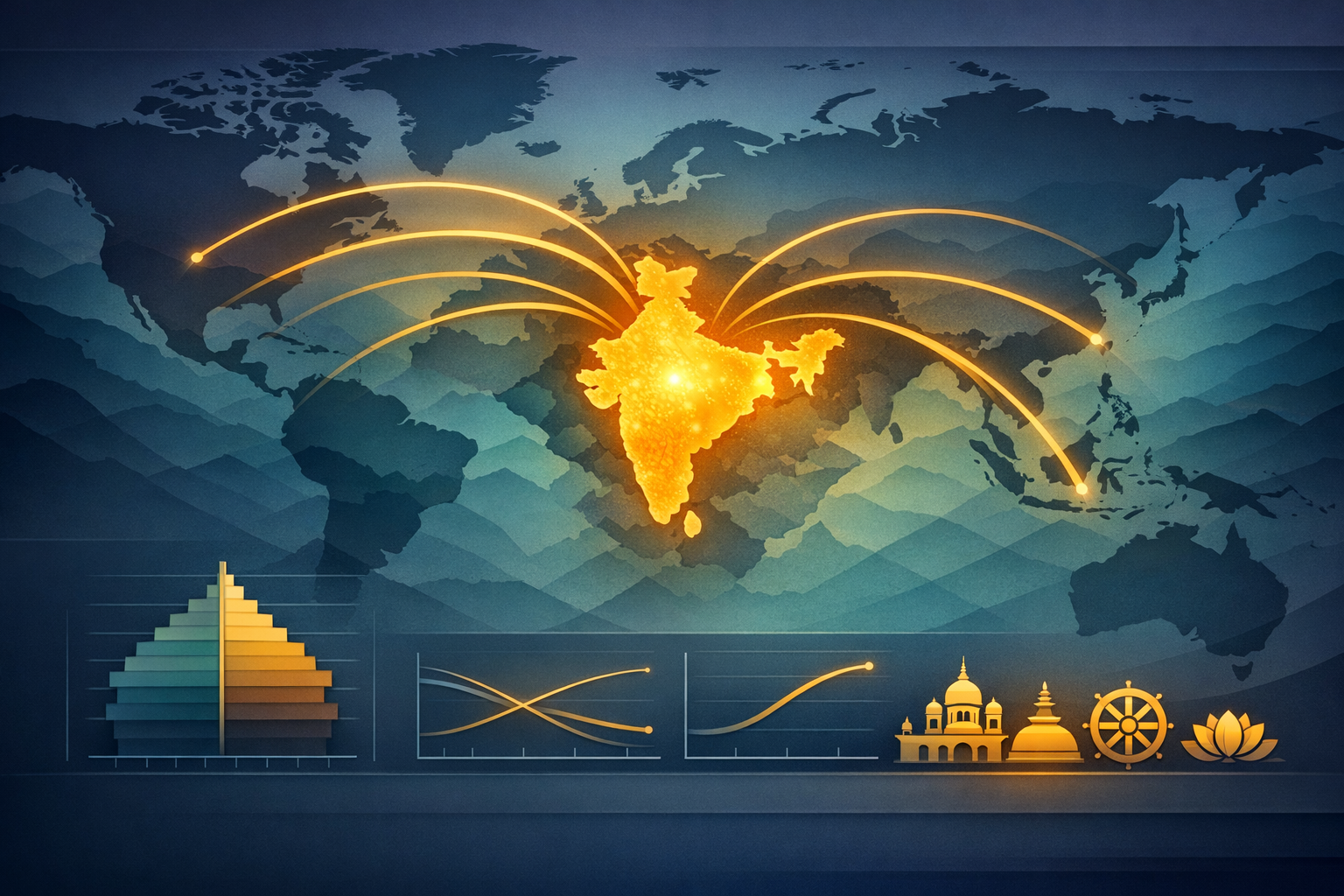
Pew Research Center’s cohort-component projections to 2050 indicate that Hindus will grow substantially in absolute numbers while maintaining a broadly stable global share. India remains the demographic center of gravity and a Hindu-majority nation, even as fertility converges across communities due to education, urbanization, and health gains. Nepal sustains a Hindu-majority profile, Sri Lanka and…