
-
Swaswas Bhairava: Fierce Protector of Dharma, Lord of Time, and the Sacred Bond with Dogs
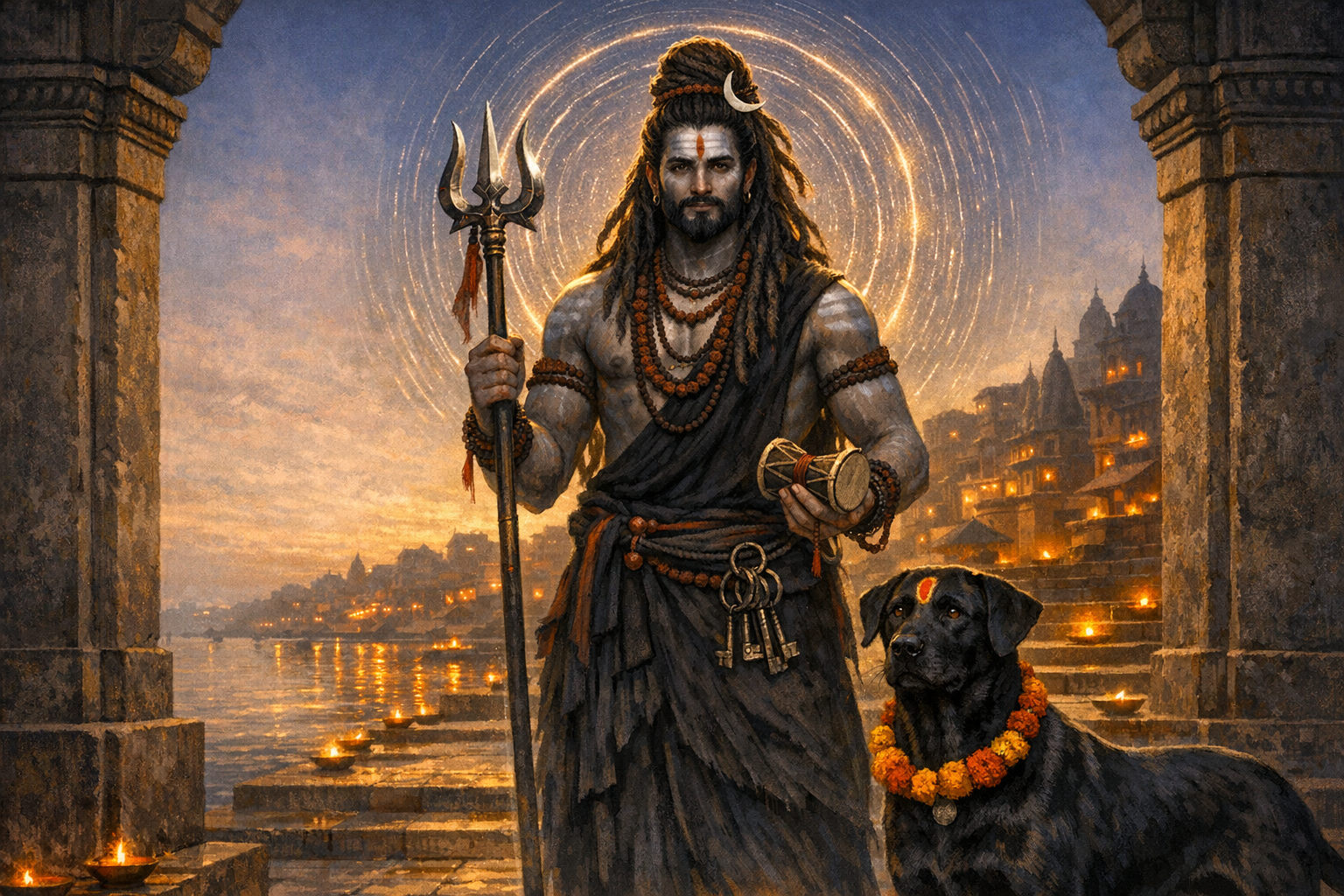
Bhairava’s Swaswas form illuminates a profound synthesis of guardianship, time, and compassion through the sacred bond with dogsespecially black dogs. As kṣetrapāla, Bhairava protects thresholds while the dog symbolizes fidelity, vigilance, and the courage to dwell at liminal edges. Vedic memory of Yama’s four‑eyed dogs and Puranic narratives from the Skanda Purana reinforce the dog’s…
-
Anantavaram Sri Venkateswara Brahmotsavams 2026: Dates, Rituals, TTD Arrangements & Pilgrim Guide
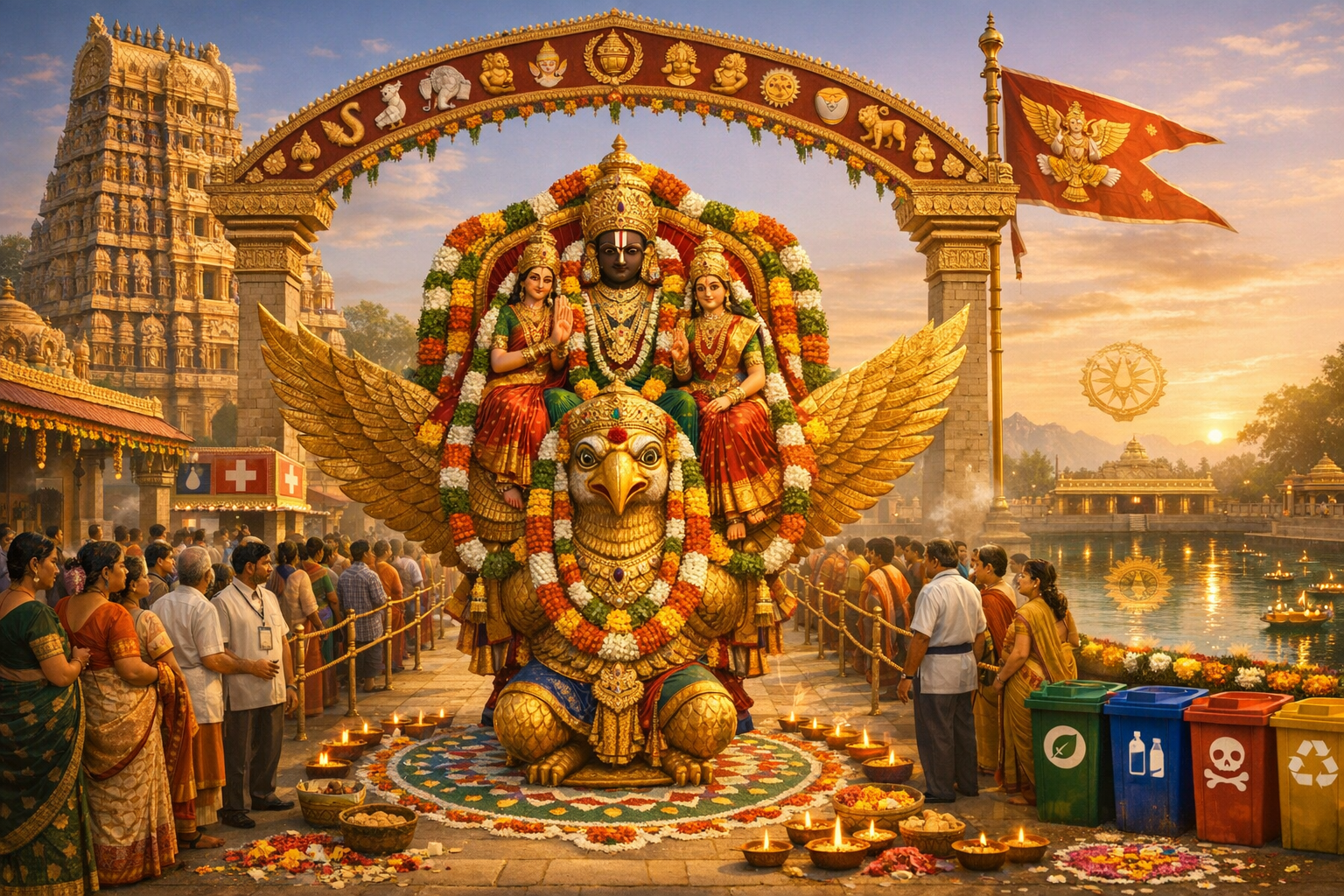
Anantavaram Sri Venkateswara Brahmotsavams 2026 will be observed from 28 February to 4 March at the Sri Venkateswara Swamy Temple in Thullur Mandal, Guntur. This comprehensive guide explains the festival’s ritual arcfrom Koil Alwar Tirumanjanam and Dwajarohanam to vahana sevas, Snapana Tirumanjanam, and Chakrasnanamalong with the theological significance of Sri Venkateswara with Sridevi and Bhudevi.…
-
Yoga Dakshinamurti Unveiled: Two Sacred Postures, Agamic Iconography, and Inner Silence

Dakshinamurti, Shiva’s south-facing form, embodies the Adi Guru whose silence instructs more deeply than speech. This long-form guide decodes two canonical idol forms of the Yoga DakshinamurtiDhyana-Padmasana and Virasana/Maharajalilasanausing Agamic and Shilpa Shastra principles. Readers learn practical cues to identify each form in temples, from asana and yogapatta to mudras, attributes, and the optional presence…
-
Shravana Kumara in the Ramayana: Timeless Ideal of a Dutiful Son and Matru-Pitru Bhakti
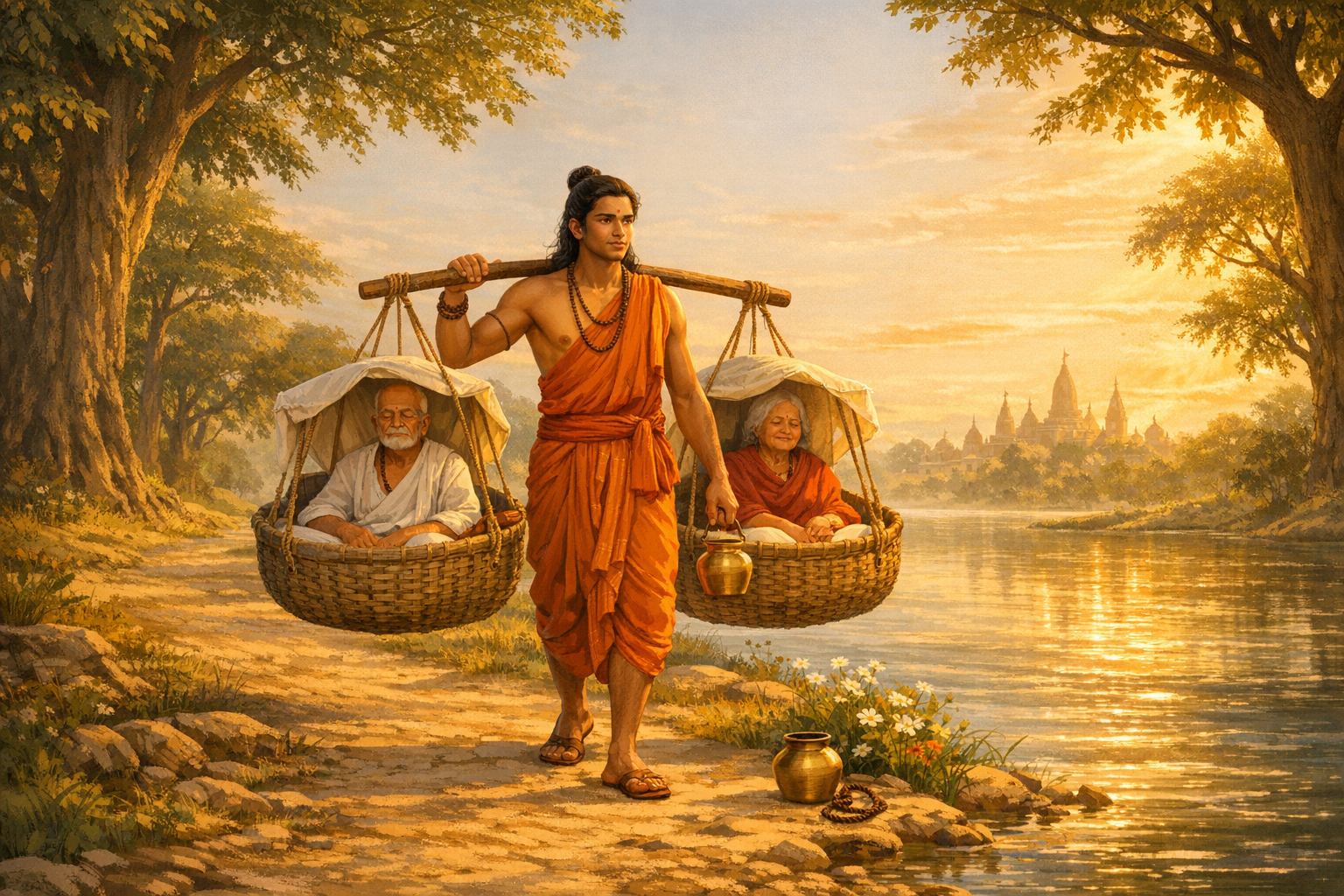
Shravana Kumara’s narrative in the Ramayana exemplifies Matru-Pitru Bhaktifilial devotion that is both emotionally resonant and doctrinally central to Hindu Dharma. Situated in the Ayodhya Kāṇḍa, the episode weaves family duty, rāja-dharma, and karma into a single ethical tapestry. The story shows how vigilant compassion must guide power, as Daśaratha’s tragic error with śabdavedhī archery…
-
Clash and Convergence: How Vedic and Western Worldviews Shaped Science, Faith, and History

This long-form essay traces how encounters between Vedic knowledge systems and Western scholarship reshaped global debates on science, faith, and history. It contextualizes John Bentley’s 1825 rebuke of John Playfair within wider conflicts over chronology, authority, and civilizational legitimacy. Readers gain a clear view of India’s mathematical and astronomical achievements, the emergence of Indology, and…
-
Nava Narasimha Kshetra of Ahobilam: The Ultimate Guide to Nine Sacred Temples and Yatra

This guide presents a clear, research-grounded overview of the Nava Narasimha Kshetra at Ahobilam, where nine distinct shrines of Narasimha are venerated in a forested, cave-studded landscape. It explains how Narasimha’s awe-inspiring form ultimately signifies compassionate protection, supported by scriptural narratives from the Bhagavata Purana and Vishnu Purana. Each of the nine temples is described…
-
Ashta Sastha Revealed: Eight Transformative Forms of Lord Ayyappa and Their Spiritual Power
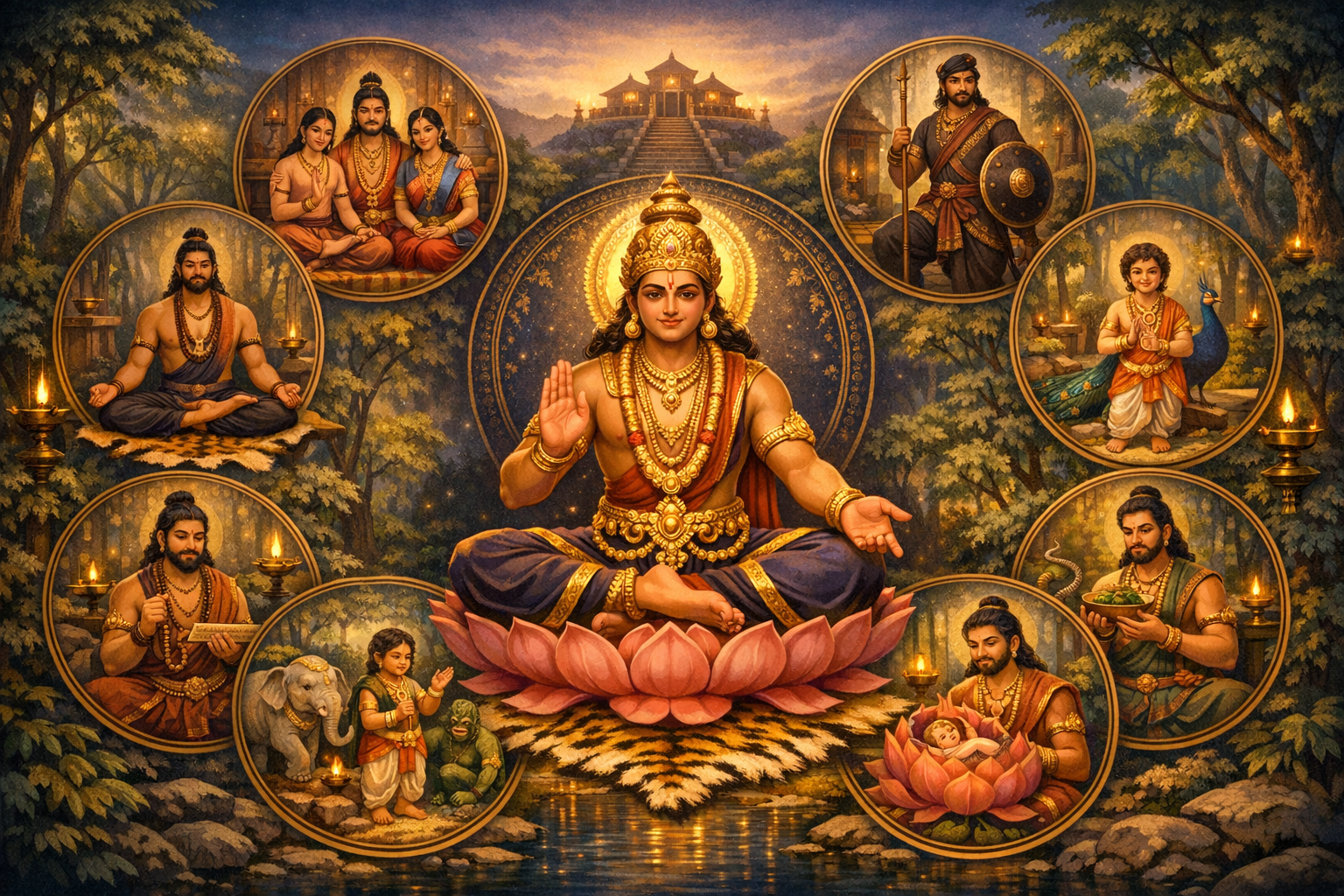
Ashta Sastha presents eight sacred modes of Lord Ayyappa (Dharma Śāstā) that together form a complete pedagogy of spiritual growth. Drawing on Puranic memory, regional sthala-purāṇas, and agamic iconography, the eight forms range from Yoga Śāstā’s meditative stillness to Gṛhastha Śāstā’s family ethics and Vīra Śāstā’s righteous guardianship. The account highlights living practices at Sabarimala,…
-
Beyond Self-Help: Ashtavakra Gita’s Radical Path to Effortless Freedom and Peace

In a culture obsessed with optimization, the Ashtavakra Gita advances a precise Advaita Vedanta insight: liberation is recognition, not improvement. The text dismantles the self-help treadmill by distinguishing instrumental refinement of the mind from Self-realization, which rests on witness-consciousness and non-doership. Practical contemplationsneti neti, seer-seen discernment, resting as awarenessintegrate easily into daily life without breeding…
-
Falgun Mela 2026 at Khatu Shyamji: Nishan Yatra, Lakkhi Mela Dates, Rituals & Guide
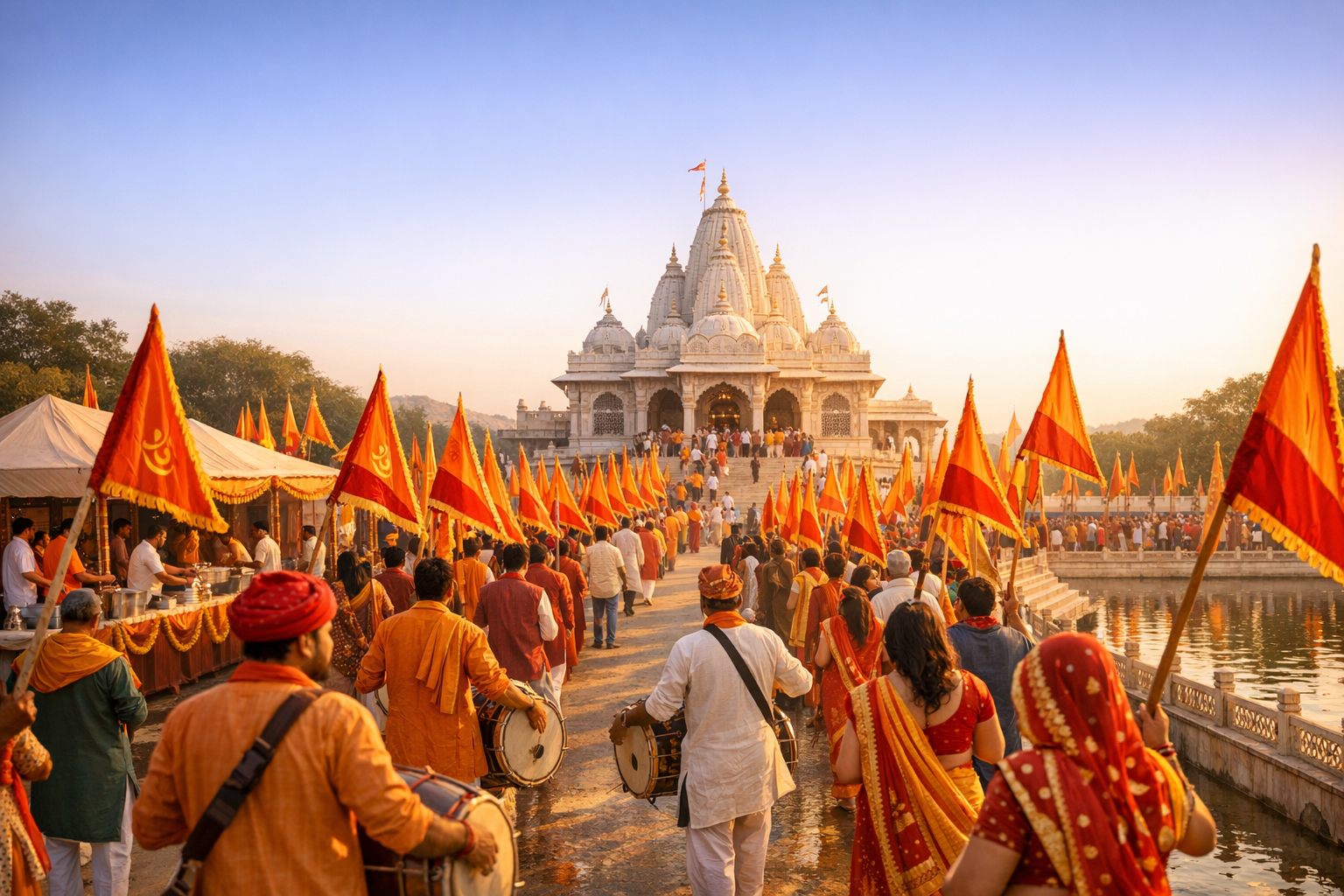
Falgun Mela 2026 at Khatu Shyamji Temple runs from 18 to 28 February, uniting lakhs of devotees in Nishan Yatra, kirtan, and seva. The Lakkhi Mela’s inclusive ethos exemplifies dharmic unity and shared values of compassion and service. This guide explains the festival’s significance, expected peak days, rituals at the temple and Shyam Kund, and…
-
Vedanta’s Call to Inquiry: A Rigorous, Transformative Journey through the Upanishads to Self

This essay presents Vedanta as a disciplined path of inquiry grounded in the Upanishads and guided by rigorous methods of knowledge. It explains pramana, and the classical triad of shravana–manana–nididhyasana, showing how contemplative assimilation transforms insight into lived clarity. It outlines practical qualifications (sadhana-chatushtaya) and core analyses such as pancha-kosha viveka, drg-drshya viveka, and avastha-traya…
-
Unmasking Myths: How Truly Enlightened Beings Live, Eat, and Speak Among Us

This essay dismantles the popular myth that enlightened beings must look or act extraordinary, showing instead how Dharmic traditions depict realization as profound normalcy. Drawing on Hindu philosophy, Buddhism, Jainism, and Sikhism, it clarifies how liberation expresses itself in everyday eating, speaking, working, and serving. It synthesizes concepts such as mokṣa, nirvāṇa, kaivalya, kevala-jñāna, and…
-
Shivaratri Jatara 2026 at Vemulawada: Dates, Rituals, Travel and a Devotional Deep Dive

Maha Shivaratri 2026 at Vemulawada Rajarajeshwara Swamy Temple will be observed on 15 February, with the three-day Shivratri Jathara running from 14–16 February. This guide explains the festival’s lunar timing, the four-prahar night vigil, and Lingodbhava Kalam at midnight. It details distinctive local practices such as Kode-Mokku and the Dharma Gundam snana, while highlighting bilva…
-
Unveiling Meenakshi’s Fish-Eyed Gaze: Compassion, Protection, and Madurai’s Living Temple

This in-depth exploration decodes why Goddess Meenakshi is praised as the fish-eyed queen of Madurai, revealing how her unblinking gaze symbolizes ever-watchful compassion, civic guardianship, and spiritual assurance. It traces the epithet’s etymology, links it to Pandya dynastic emblems and South India’s riverine culture, and explains how darśana transforms devotees through a felt experience of…
-
Ganesha’s Small Eyes, Vast Vision: Iconography, Mindfulness, and Dharmic Unity Lessons
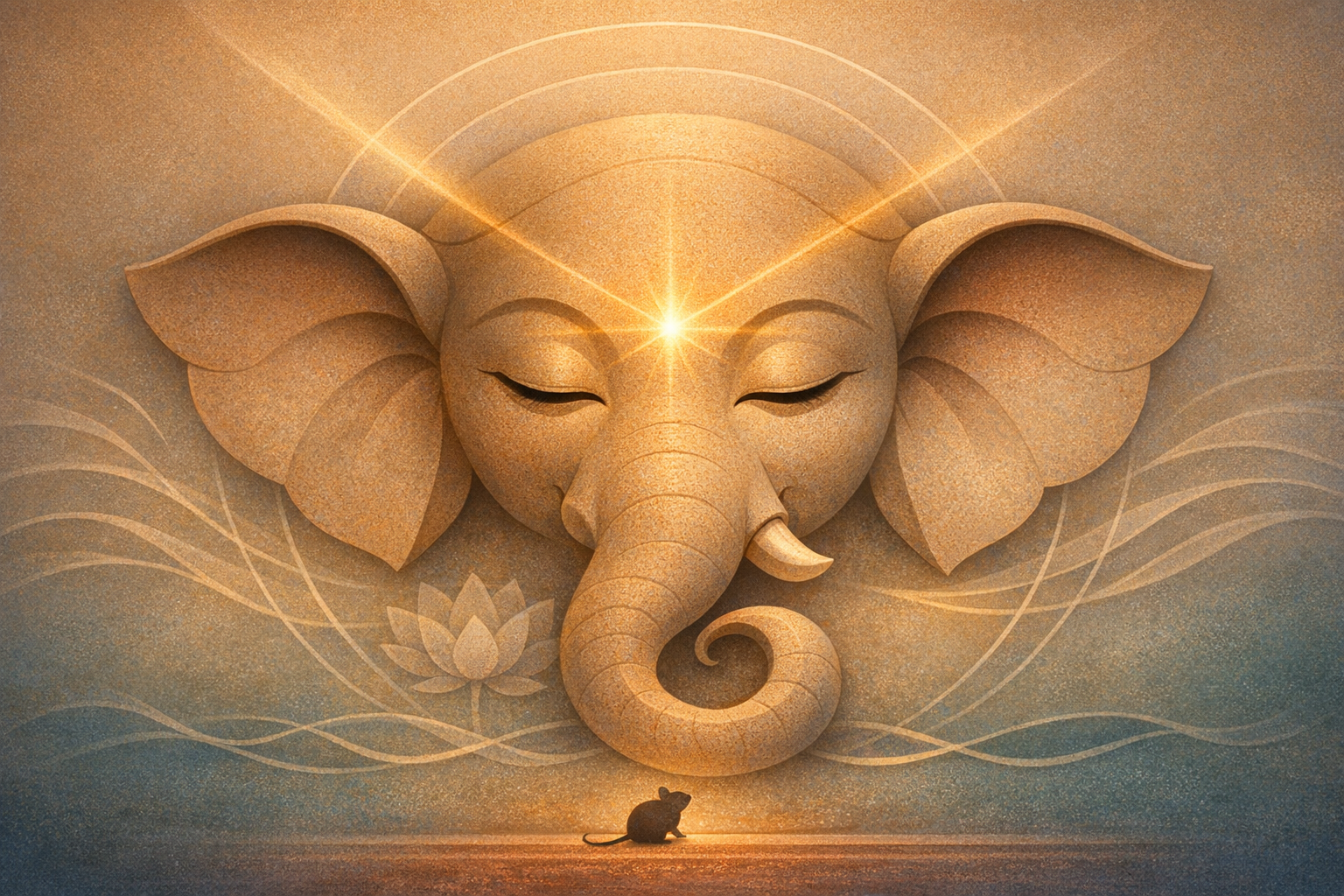
Ganesha’s small, intent eyes encode a powerful contemplative teaching: expansive wisdom arises from focused, compassionate attention. Drawing on Hindu iconography and Yoga philosophy, the symbol aligns with pratyahara, dharana, and dhyana, and is reinforced by the Bhagavad Gita’s guidance on nasikagra-drishti. Contemporary attention science complements this reading, linking steady gaze with reduced cognitive load and…
-
Beyond Names and Forms: Embracing the Infinite Nature of God in Dharmic Wisdom

Hinduism teaches that the divine is infinite and cannot be confined to one form or name, as expressed in the Upanishadic dictum “Ekam Sat Vipra Bahudha Vadanti.” This perspective affirms religious pluralism through Ishta, allowing varied yet valid approaches to the sacred. Related dharmic traditions reinforce this vision: Jainism’s Anekantavada, Buddhism’s skillful means, and Sikhism’s…
-
Beyond Glamour and Noise: How Bhakti Love of God Satisfies the Heart’s Deep Thirst

Modern life offers endless stimulationgadgets, parties, and social media fameyet the heart’s thirst for love often remains unsatisfied. A classical insight from the Bhakti Tradition explains why: when love is offered to the Divine Source, fulfillment naturally overflows into all relationships. This root-and-branches model clarifies how devotion to Krishna (Supreme God) integrates one’s inner life…
-
Mata Purnagiri Devi Temple: Sacred Shakti Peeth Near Tanakpur, ChampawatA Serene Himalayan Pilgrimage Guide

Mata Purnagiri Devi Temple, also known as the Purnagiri Shakti Peeth or Punyagiri, is a premier Himalayan pilgrimage set at about 3,000 metres in Uttarakhand. Located 20 km from Tanakpur and 92 km from Champawat, it blends the serenity of mountain landscapes with the spiritual resonance of the Shakti Peeth tradition. Chaitra Navratri draws a…
-
Lakshmana’s Defining Victory: Indrajit Samhara Moorthy and Dharma’s Triumph in the Ramayana

Lakshmana is revered as INDRAJIT SAMHARA MOORTHY for defeating Indrajit (Meghanada) during the Ramayana war, shortly after interrupting the yagna at Ma NIKUMBILA. This turning point affirms dharma’s triumph over adharma and highlights disciplined strategy, moral clarity, and steadfast courage. The episode’s ethical resonance extends beyond a single tradition, reflecting values cherished across Hindu, Buddhist,…
-
Maori Haka at Medaram Jathara, Telangana: A Powerful Salute to Indigenous Unity

A historic cultural exchange unfolded at Medaram Jathara (Sammakka Saralamma Jathara) in Telangana as New Zealand’s Maori community joined India’s largest Hindu tribal gathering. The Maori Haka honored local traditions and embodied mutual respect, indigenous solidarity, and interfaith harmony. The encounter showcased how Hindu festivals serve as inclusive platforms for dialogue across dharmic traditions and…
-
After Day-Long Protest, JnU Hindu Students Symbolically Begin Central Temple, Urge Campus Harmony
Hindu students at Jagannath University in Dhaka staged a day-long, peaceful protest to highlight the need for a designated Central Temple on campus. Their symbolic “inauguration” sought to draw attention to administrative inaction while affirming religious freedom and cultural identity. Participants emphasized non-violence, unity in diversity, and interfaith respect aligned with campus harmony. The episode…