
-
Kada Dham’s Kaleshwar Mahadev: The Sacred Power and Symbolism of a Broken Shivling

Kaleshwar Mahadev Temple at Kada Dham, Kaushambi (Uttar Pradesh) is renowned for the rare practice of venerating a broken Shivling, a tradition that blends local memory with śaiva ritual norms. The site’s sthala-purāṇa links the linga to Dharmaraja Yudhisthira during the Mahabharata’s Agyatavasa and to consecration with the Holy Ganga’s waters. While oral histories associate…
-
April 29, 2026 Panchang Guide: Shukla Trayodashi, Budh Pradosh, Shubh Muhurat, Nakshatra & Rashi

On Wednesday, April 29, 2026, Shukla Paksha Trayodashi prevails until 7:32 PM (local time in most regions) and then transitions to Shukla Paksha Chaturdashi. Because Trayodashi persists into twilight in many locales, Budh Pradosh can be observed this evening, aligning Shiva upasana with the Pradosh Kaal. The guide explains how tithi is calculated (each spanning…
-
Somnath Pran Pratishtha 2026: 75 Years of Sacred Resurgence, Unity, and Nation‑Building

Somnath Pran Pratishtha Din 2026 commemorates seventy-five years since Dr. Rajendra Prasad consecrated the present Somnath Temple on 11 May 1951. The day highlights Sardar Patel’s post-1947 resolve, K. M. Munshi’s stewardship, and the Shri Somnath Trust’s model of heritage governance. Readers gain a clear, research-based understanding of Pran Pratishtha’s technical ritual sequence, the temple’s…
-
Chinnamasta Jayanti 2026: Fierce Shakti AwakeningDate, Tithi, Rituals, Deep Meaning

Chinnamasta Jayanti 2026 falls on 29 April and is observed on Vaishakh Shukla Trayodashi according to the Hindu calendar. This comprehensive guide explains the festival’s date–tithi alignment, its profound Mahavidya symbolism, and how householders can perform a sattvic, family-friendly puja at home. It connects Chinnamasta’s fierce wisdom to yogic themes of manipura chakra, kundalini, and…
-
Akshaya Tritiya Unveiled: Auspicious Tithi Science, Sacred Wealth, and Dharmic Unity
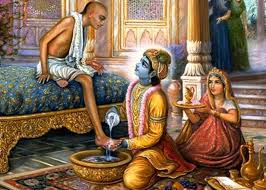
Akshaya TritiyaAkha Teejfalls on Vaishakh Shukla Tritiya and is classed among the Sade-Teen Muhurat, requiring minimal muhurta selection. This article decodes the tithi science behind the day, explains why the Sun in Mesha and the Moon in Vrishabha are read as universally shubha, and clarifies how to determine observance across regions and time zones. It…
-
Pune Zilla Parishad warns private schools: stop forced uniform, textbook sales or lose recognition

The Zilla Parishad Education Department in Pune has warned private schools that compelling families to buy uniforms and textbooks from specific vendors could lead to suspension or withdrawal of recognition. The directive affirms vendor neutrality, protects parents from inflated costs, and strengthens transparency in school procurement practices. It aligns with national and state education norms…
-
From Denial to Discernment: Unmasking Prejudice with Hindu, Buddhist, Jain, Sikh Wisdom
Prejudice often hides behind the confident refrain, “Who, me? Never!”a denial that blocks learning. This essay unpacks prejudice with clear definitions from social psychology and aligns them with dharmic analyses of avidya, kleshas, and papañca. Drawing on Srila Bhaktivinoda Thakura’s warning against party-spirit, it offers a practical roadmap to move from self-satisfaction to viveka-driven discernment.…
-
Awe-Inspiring Miracles of Venkateshwara Swamy: Testimonies, Temple Science, and Grace
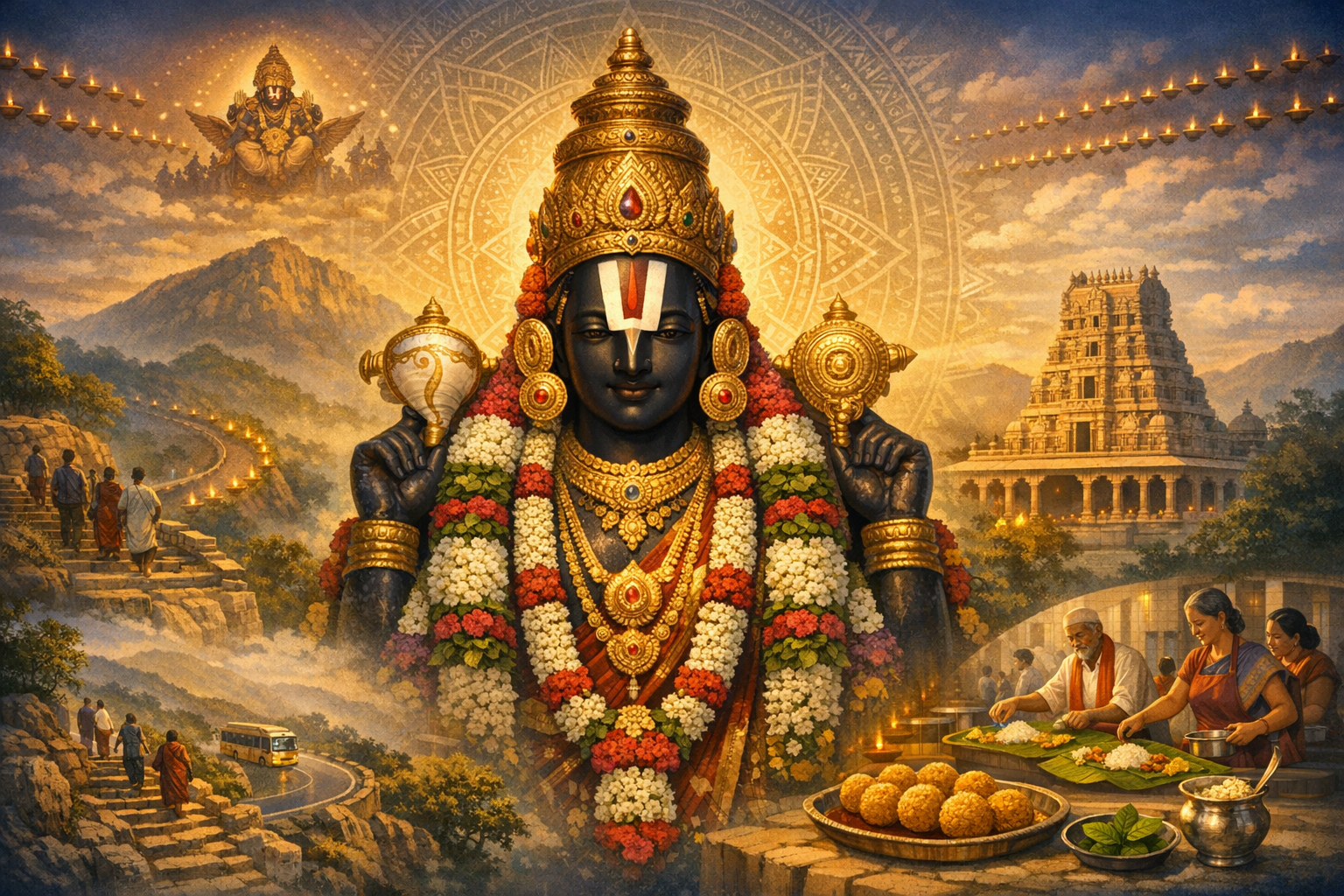
This in-depth exploration examines the miracles attributed to Venkateshwara Swamy through scriptural sources, inscriptional history, and contemporary testimonies. It clarifies how dharmic traditions frame miracles as anugraha (grace) that aligns karmic causes with compassionate help. Readers will discover how temple ritualSuprabhātam, arjitha sevas, Annadanam, and festival cycles like Brahmotsavam and Vaikuntha Ekadasifunctions as a lived…
-
Ayodhya’s Sacred Flame Debate: Honouring Akhand Jyoti while Meeting Modern Safety Norms
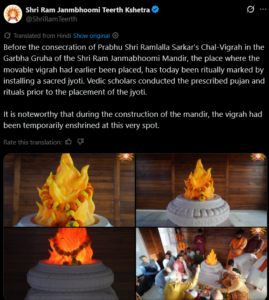
A social media dispute about an alleged plastic lamp at the Shri Ram Janmabhoomi Mandir sparked a wider discussion about the Akhand Jyoti, ritual integrity, and heritage stewardship. This analysis distinguishes the sacred, ghee-fed flame from decorative or safety lighting, clarifying why Agni as Devata cannot be reduced to mere illumination. It draws on safety…
-
Beyond Concepts: The Transformative Power of Direct Realization Across Dharmic Paths

This essay clarifies why Dharmic traditions prize direct realization over mere conceptual assent, showing how Hinduism, Buddhism, Jainism, and Sikhism converge on experiential knowledge as the heart of transformation. It explains technical distinctions such as paroksha versus aparoksha jñāna and pratyaksha within classical pramāṇa theory, while situating Advaita Vedānta, the Yoga Sūtras, Bhakti traditions, and…
-
Courage and Compassion in Statecraft: Hindu War Ethics from Hemu to Kautilya and Ashoka

Hemachandra Vikramaditya’s remarkable rise and fall reframes a larger, enduring question in Indian statecraft: how should force be guided by dharma? This long-form analysis traces the Hindu ethics of warfrom Sama, Dana, Bheda as last resort to strict noncombatant immunityacross sources like the Arthasastra, Dharmasastra, and Mahabharata. It decodes the tripartite ideal of Dharma Vijaya,…
-
Millions on VFX, But Where Is Bhakti? Why Modern Ramayana Films Miss Sri Rama’s Soul

Modern Ramayana films often invest heavily in spectacle while missing the devotional and ethical essence associated with Bhagavan Sri Rama. This analysis explains how the Ramayana’s status as itihasa, the Natyashastra’s rasa-bhava science, and the lived grammar of bhakti must inform cinematic craft. It outlines practical methodssadhana-informed acting, Sanskritic dramaturgy, iconographic fidelity, and sound design…
-
Boishakh Mash 2026, Bengali Calendar 1433: Dates, Poila Boishakh 2026, Rituals, and Dharmic Unity

Boishakh Mashalso known as Baisakh or Baishakhopens Bengali Calendar 1433 in mid-April 2026, setting the cultural and seasonal tone for West Bengal and Bangladesh. This guide clarifies region-specific dates (15 April–15 May in West Bengal; 14 April start in Bangladesh), explains the sidereal solar mechanics behind Mesha Saṅkrānti, and shows how time zones and civic…
-
Nrusimha Navaratri 2026: Definitive Dates, Daily Puja, Muhurtas, and Narasimha Jayanti Insights

Nrusimha Navaratri 2026 runs from 22 to 30 April, concluding with Narasimha Jayanti on Vaishakha Shukla Chaturdashi. This guide explains the lunar-tithi basis of the festival, how to align worship with local Panchang, and when to choose madhyahna or pradosha muhurta. It outlines a complete home puja vidhi, widely recited mantras and stotras, and practical…
-
Bihar Madrassa Sealed After Arms Haul; Andhra Links Probed as Authorities Urge Calm and Unity
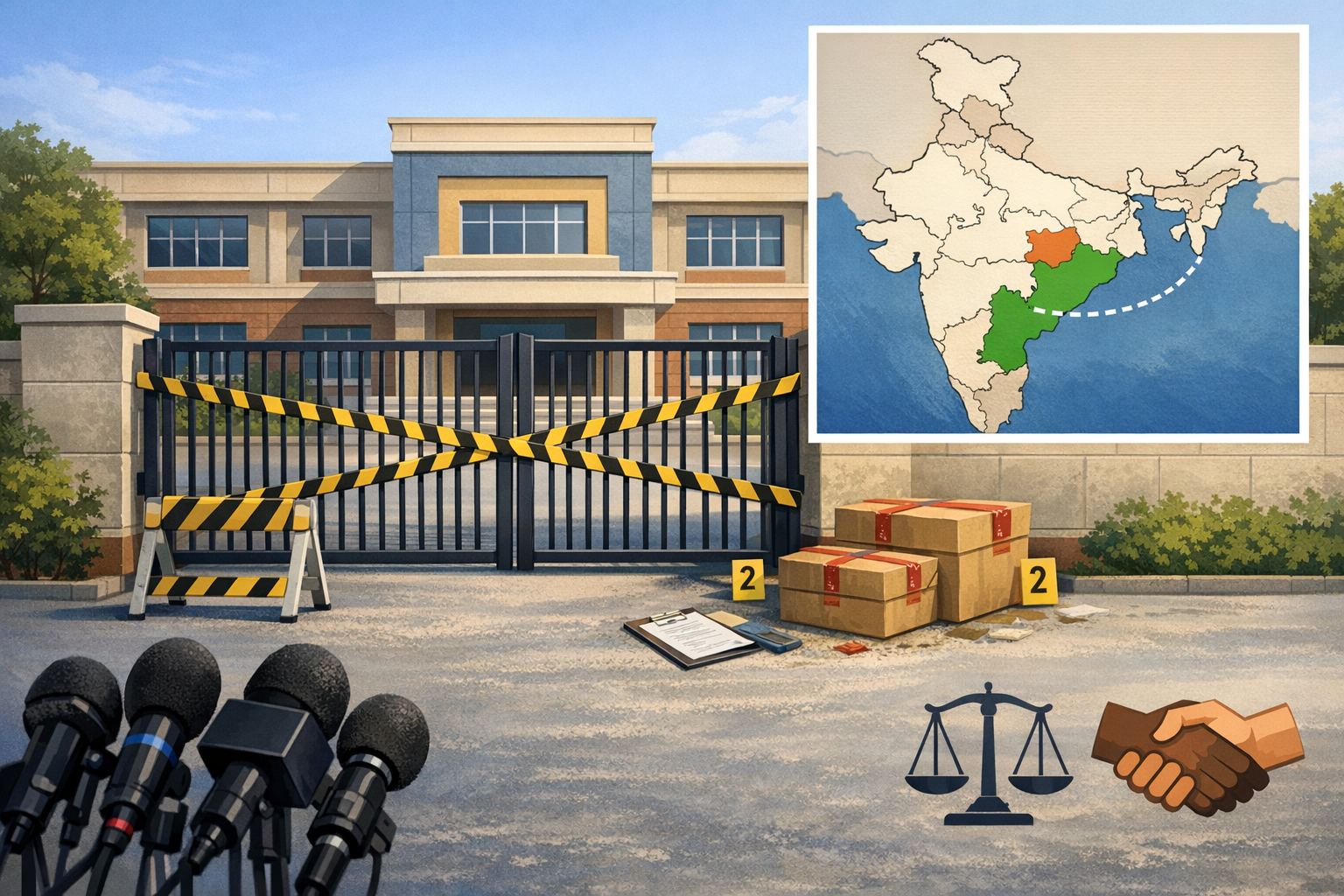
Bihar Police sealed a madrassa in West Champaran on April 6, 2026, after an arms recovery, detaining three individuals for questioning and probing possible links to Andhra Pradesh. This analysis explains how Indian counterterrorism investigations proceed under the Arms Act, UAPA, and the NIA framework, highlighting forensic protocols and chain-of-custody safeguards. It emphasizes the presumption…
-
Ego’s Illusion of Difference: Dharmic Wisdom on Avidya, Unity in Diversity, and Healing

This essay examines why humans manufacture differences where none ultimately exist, using a dharmic framework drawn from the Upanishads, the Bhagavad Gita, Yoga Sutra, Anekantavada, Buddhist anatta, and Sikh teachings on Ik Onkar. It explains how avidya and ahankara harden provisional distinctions into identity, and how sama-darshana resists that process. It integrates classical Indian logic…
-
Ancient Roots of Renunciation: Vedas, Upanishads, and the Living Dharma of Monastic Life

Monasticism in the Vedas and Upanishads is not a late add-on but an organic evolution from early Vedic archetypes like the muni and vratya into the refined sannyāsa ideal. The Upanishads interiorize ritual and elevate renunciation, while the Dharmasūtras and Sannyāsa Upanishads organize practice through codes, vows, and teacher-lineages. This history offers readers a clear,…
-
Chanda at Vishnu’s Eastern Gate: The Fierce Dvarapala Safeguarding Vaishnava Sanctuaries
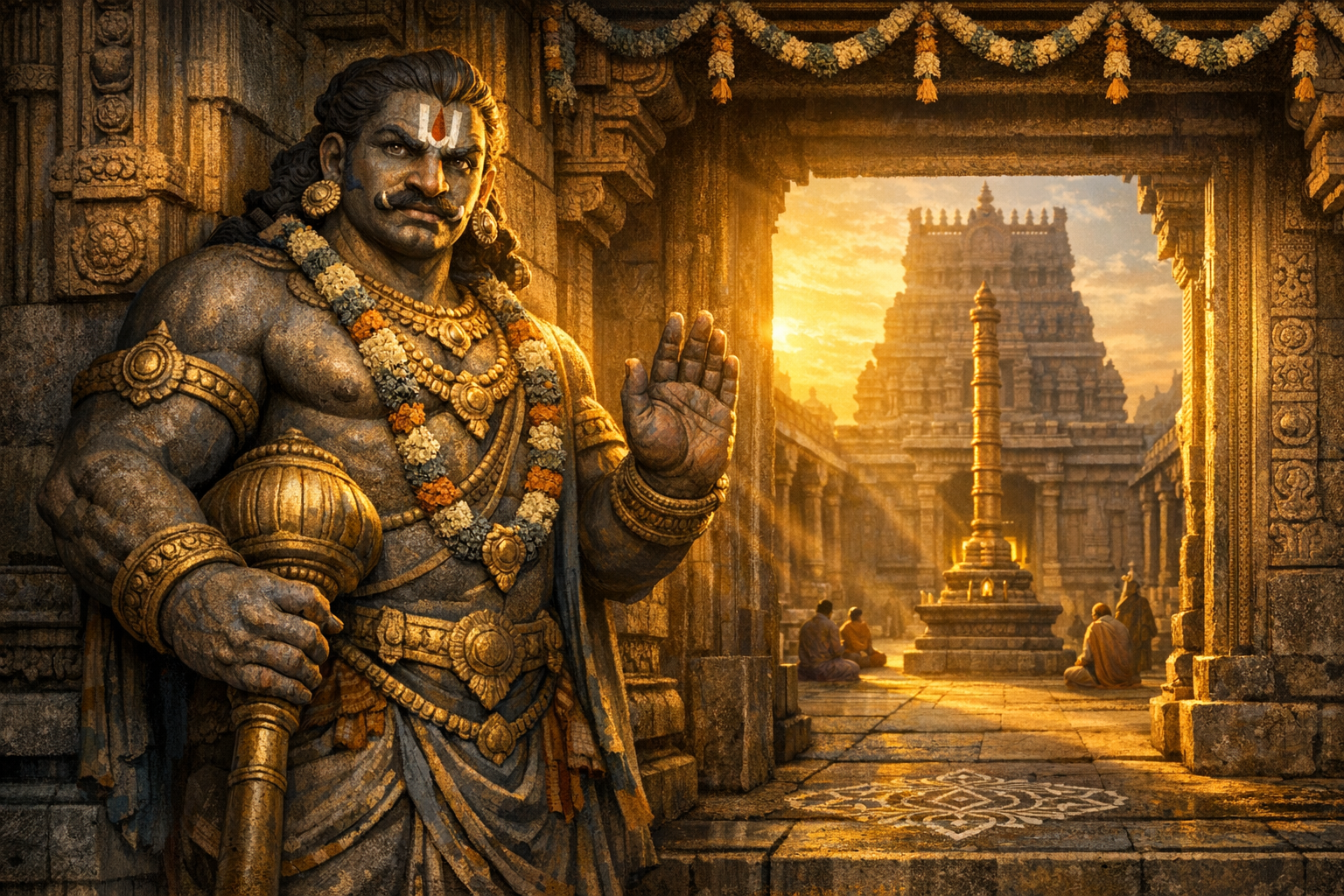
Hindu temple architecture encodes a sophisticated theology of thresholds, and in many Vaishnava kshetras, Chanda stands as the fierce guardian of Vishnu’s eastern gate. This analysis situates Chanda within Agamic prescriptions, Puranic memory, and regional priestly traditions, explaining why the eastern entrancealigned with dawn and auspicious beginningsreceives a sentinel of disciplined kshatra-energy. It outlines the…
-
From Dogma to Dignity: A Human-Centered Blueprint for Dharmic Unity and Compassion

Religions increasingly overshadow the people they were meant to serve. This analysis proposes a Human-Centered Dharma Framework that realigns Hindu, Buddhist, Jain, and Sikh institutions with their ethical coresAhimsa, seva, Anekantavada, Ishta, and Vasudhaiva Kutumbakam. It outlines practical governance, service design, and transparency measures, including minimum service thresholds, Human Dignity Reports, and pluralist inclusion. The…
-
WSN February 2026 Leaders: Global Sankirtan Trends, Data-Driven Insights, and Winning Practices

The World Sankirtan Newsletter (WSN) for February 2026 showcases a globally distributed leadership: Mayapur, Mumbai-Chowpatty, and Ujjain topped large temples; London-Soho, Bengaluru-South, and Bhopal led medium; Surat, Atlanta Krishna Life, and Chandigarh headed small; while Porto Alegre, Bologna, and Heidelberg led maha-small. Beyond the standings, the report highlights how kirtan and book distribution thrive across…