
-
Across the Waters: Divine Protection, Tirtha Symbolism, and Rebirth in Dharmic Traditions

Sacred river crossings in Dharmic traditions encode a shared grammar of divine protection, purification, and rebirth. From Krishna’s midnight passage over the Yamuna in the Bhagavata Purana to the Jain ideal of the Tirthankara as a “ford-maker,” from Buddhism’s raft simile to Sikh teachings on crossing the bhavsagar through the Guru’s Naam, each tradition converges…
-
The War They Could Not Win, Part 2: Strategy, Memory, and Dharmic Civilizational Resilience
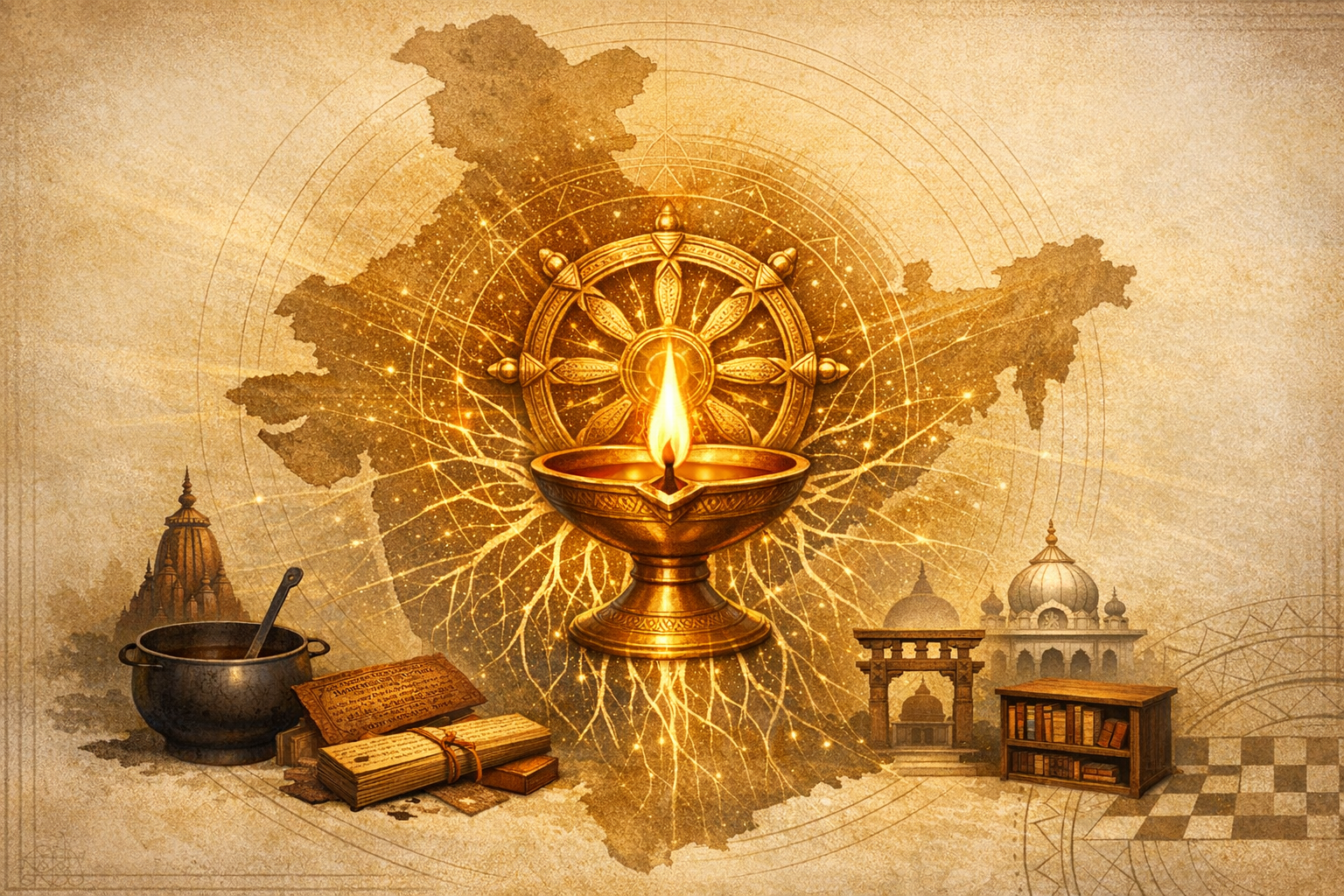
This long-form analysis explains why certain campaigns in Indian history became unwinnable at the level of legitimacy, memory, and cultural continuity. Drawing on Clausewitz and Kautilya, it shows how consentnot mere controldetermines durable victory. The piece outlines how dharmic traditionsHinduism, Buddhism, Jainism, and Sikhismcreated resilient social architectures through values like dharma, ahimsa, seva, and anekantavada.…
-
Shani Sade Sati for Tula Rashi: Navigate the Final 2.5 Years (Paada Shani) with Clarity

Shani Sade Sati for Tula Rashi culminates with Paada ShaniSaturn’s 2.5-year transit through Scorpio, the second house from the Moonemphasizing finances, speech, family duties, and sober planning. This guide explains the technical architecture of the third phase, including Saturn’s aspects, nakshatra sub-phases (Viśākhā, Anurādhā, Jyeṣṭhā), and key modulators such as Ashtakavarga and ongoing dashas. It…
-
To Know Sanatana Dharma, Become It: Transform Study into Embodied, Breath-by-Breath Wisdom

Studying Sanatana Dharma offers orientation; living it confers transformation. This essay explains how knowledge becomes embodied through śravaṇa–manana–nididhyāsana, prāṇāyāma, meditation, and ethical discipline, aligning ancient insights with contemporary understanding of attention, stress, and habit-formation. It shows how Hinduism, Buddhism, Jainism, and Sikhism converge on shared methodsbreath, mindfulness, vows, and sevawhile honoring pluralism via Ishta and…
-
Indrajit’s Final Penance: A Riveting Study of Dharma, Filial Loyalty, and Redemption in Ramayana

This long-form analysis explores Indrajit (Meghanada) as one of the Ramayana’s most complex figuresan invincible warrior confronting a profound dharmic dilemma between filial loyalty and moral law. Anchored in the Valmiki Ramayana and enriched by regional traditions such as the Krittivasi Ramayana, it explains how the Nikumbhila sanctuaryoften associated with Kaliframes his final yuddha-yajna as…
-
From Sadhana to Etiquette: Angas of Bhakti for Daily Practice and Interfaith Dharmic Harmony
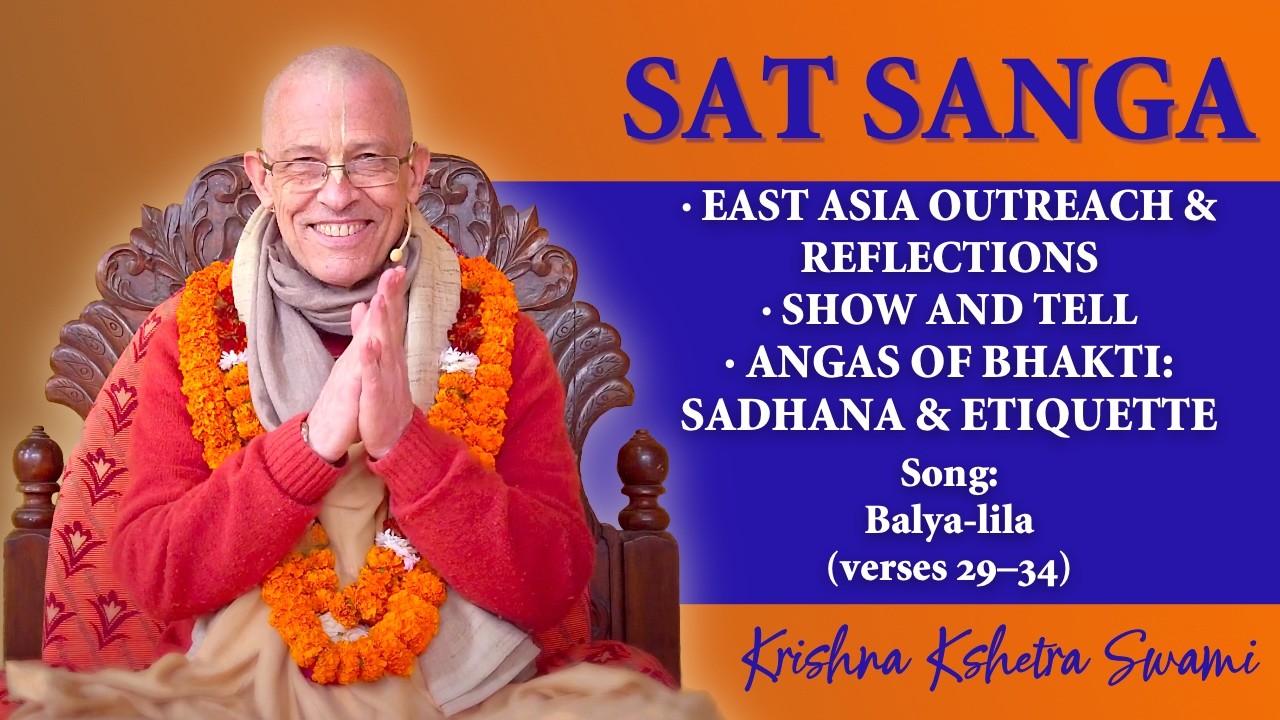
This in-depth reflection on a Sat Sanga with HH Krishna Kshetra Swami (09.05.2026) unpacks the Angas of Bhaktihow sadhana (disciplined daily practice) and Vaishnava etiquette (sadachara) jointly mature devotional life. Readers gain a clear map of foundational and potent practices from the Gaudiya tradition, learn practical routines for japa, kirtana, and study, and see how…
-
D.B. Parasnis: The tireless collector who transformed Maratha archives and Indian historiography

Dattatreya Balawant Parasnis stands out as a transformative force in Indian historiography, above all for rescuing and publishing primary sources at risk of loss. His acquisitionsfrom the Second Sikh War letters to Sir Frederick Currie, to Mughal and Deccani portraiture, to Marathi bakhar manuscriptselevated the evidentiary standard of research on the Maratha Empire and beyond.…
-
Decoding SB 11.02.23–26: Transformative Bhakti, Sādhu-Lakṣaṇa, and Dharmic Unity

This analysis presents SB 11.02.23–26 as a compact, rigorous guide to how bhakti becomes visible in character and community. Situated in the Nimi–Nava-yogendra dialogue of the Bhagavata Purana’s eleventh canto, the verses map the progression from inner devotion to stable virtues such as compassion, restraint, and truthfulness. The discussion clarifies the synergy of bhakti, realization,…
-
Nīti in Hindu Thought: Timeless Ethics, Just Governance, and Dharmic Unity Explained
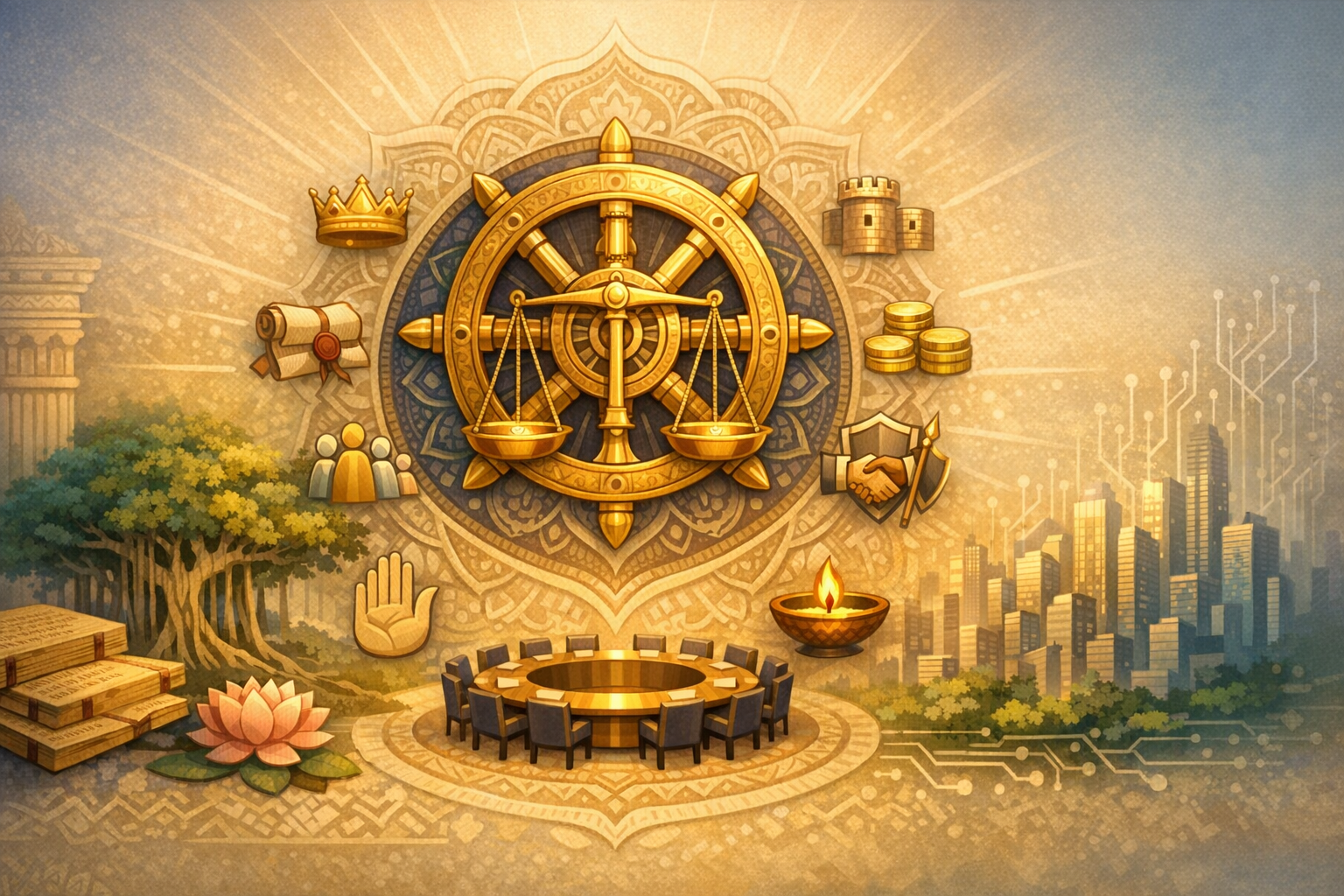
Nīti, from the Sanskrit nī (to lead), is the applied ethics of Hindu thought that unites personal virtue, just governance, and jurisprudence. This comprehensive overview clarifies how nīti relates to dharma, nyāya, rājadharma, and daṇḍanīti, explaining why means matter as much as ends. It surveys Vidura-nīti, the Arthasastra, Nītisāra, and narrative texts like the Pañcatantra…
-
May 14, 2026 Panchang: Krishna Paksha Dwadashi to Trayodashi, Shubh Muhurat, Nakshatra, Rashi Guide
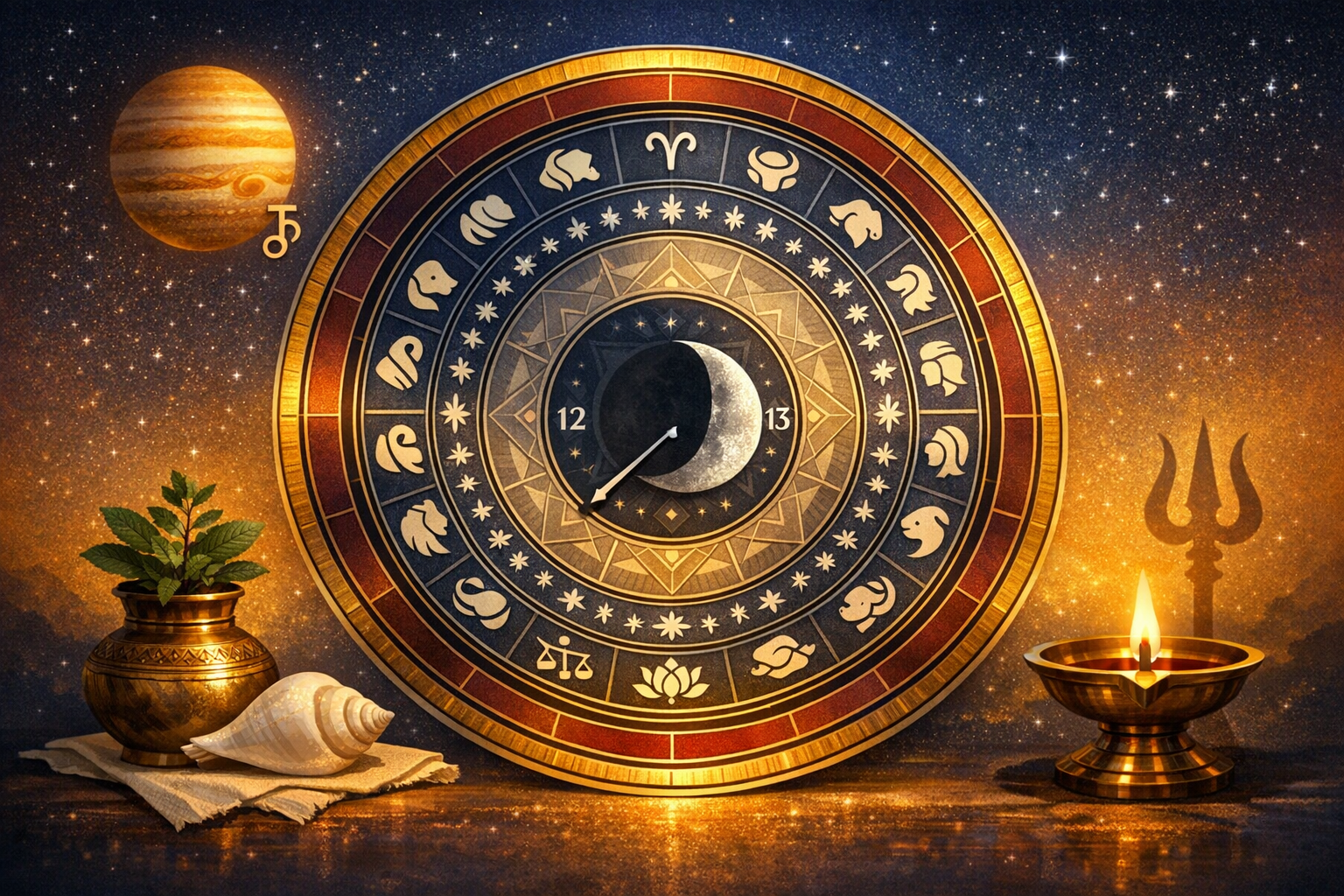
Thursday, May 14, 2026, features Krishna Paksha Dwadashi until 7:33 AM, followed by Krishna Paksha Trayodashi for the remainder of the day. This tithi sequence supports Ekadashi parāṇa on Dwadashi after sunrise and, where locally applicable, Shiva-focused Pradosh Vrat during pradoṣa-kāla on Trayodashi. As a Guru-vāra (Thursday), the day emphasizes learning, wise counsel, and satvika…
-
Channa Vira Unveiled: The Cross‑Body Ornament of Valor, Protection, and Dharma in Hindu Art
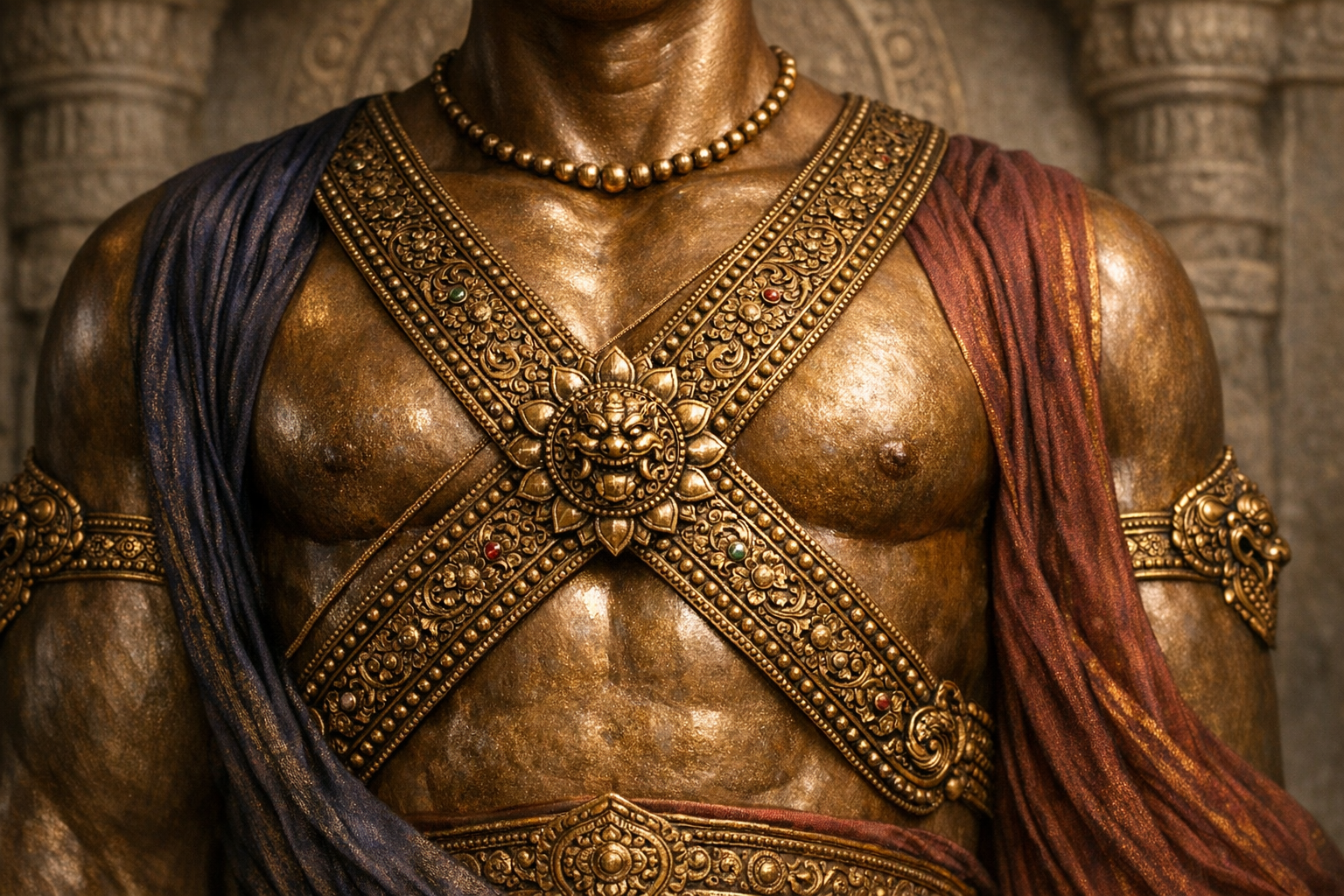
Channa Vira is a defining vaksha-ābharaṇaa cross-body chest ornamentin Hindu iconography that signals protection, valor, and sacred duty. Unlike the yajnopavita, it forms an X-shaped harness across the torso, often centered by a jewel or rosette. Appearing on Śaiva, Vaiṣṇava, and Śākta imagesand on guardians such as dvārapālasit evolved across Pallava, Chola, Hoysala, and Vijayanagara…
-
West Bengal 2026: Hindu vote consolidation, security concerns, middle-class shift power BJP sweep

West Bengal’s WB Assembly Election 2026 is widely read as a decisive BJP sweep after fifteen years of TMC rule, driven by Hindu vote consolidation, security concerns, and a pronounced middle-class realignment. This analysis unpacks how identity politics was reframed within a dharmic-pluralist, constitutional lens that respects Hindu, Buddhist, Jain, and Sikh traditions. It explains…
-
Paada Puja Explained: The Timeless, Transformative Ritual of Reverence and Dharmic Unity

Paada Puja (Paada Pooja) is a timeless Dharmic ritual that elevates hospitality into sacred practice, honors the guru–shishya relationship, and completes Hindu worship through the upachara of washing and adorning the feet. Rooted in the ideal Atithi Devo Bhava, it appears across sampradayas and Dharmic traditions, from Vaishnava padukas and śāṭāri customs to Buddhist Buddhapada…
-
When Do Our Actions Bear Fruit? Unraveling Karma’s Timing with Profound Dharmic Insights
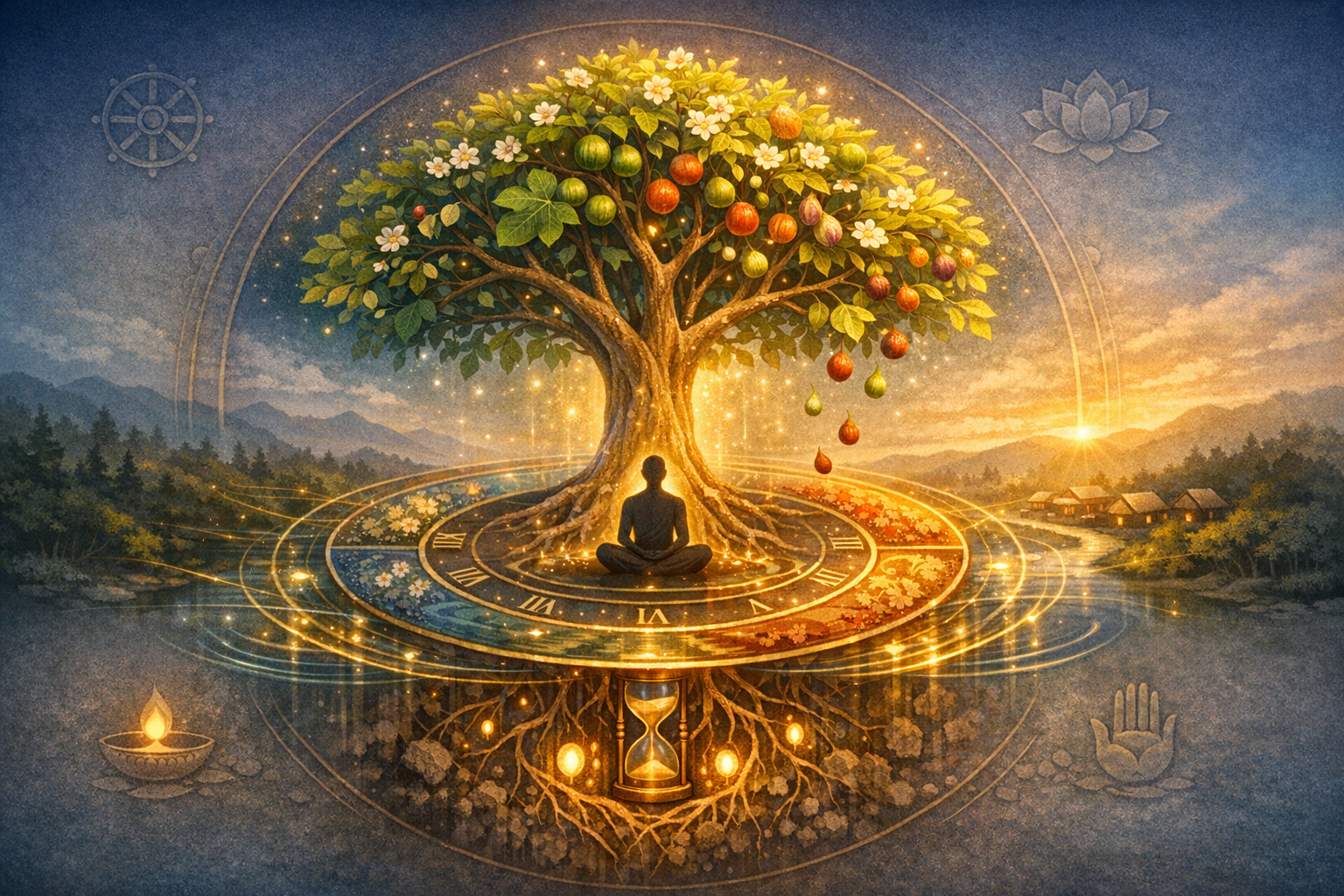
A perennial dharmic question asks when the actions of this lifetime truly bear fruit. Drawing on Hindu sources such as the Bhagavad Gita, Upanishadic thought, the Yoga Sutras, and dharmashastra, this analysis explains how outcomes may manifest immediately, over time, or in future births through the interplay of sanchita, prarabdha, and agami karma. It integrates…
-
Rishi in Hinduism: Unveiling the Vedic Seer’s Meaning, Power, and Living Relevance
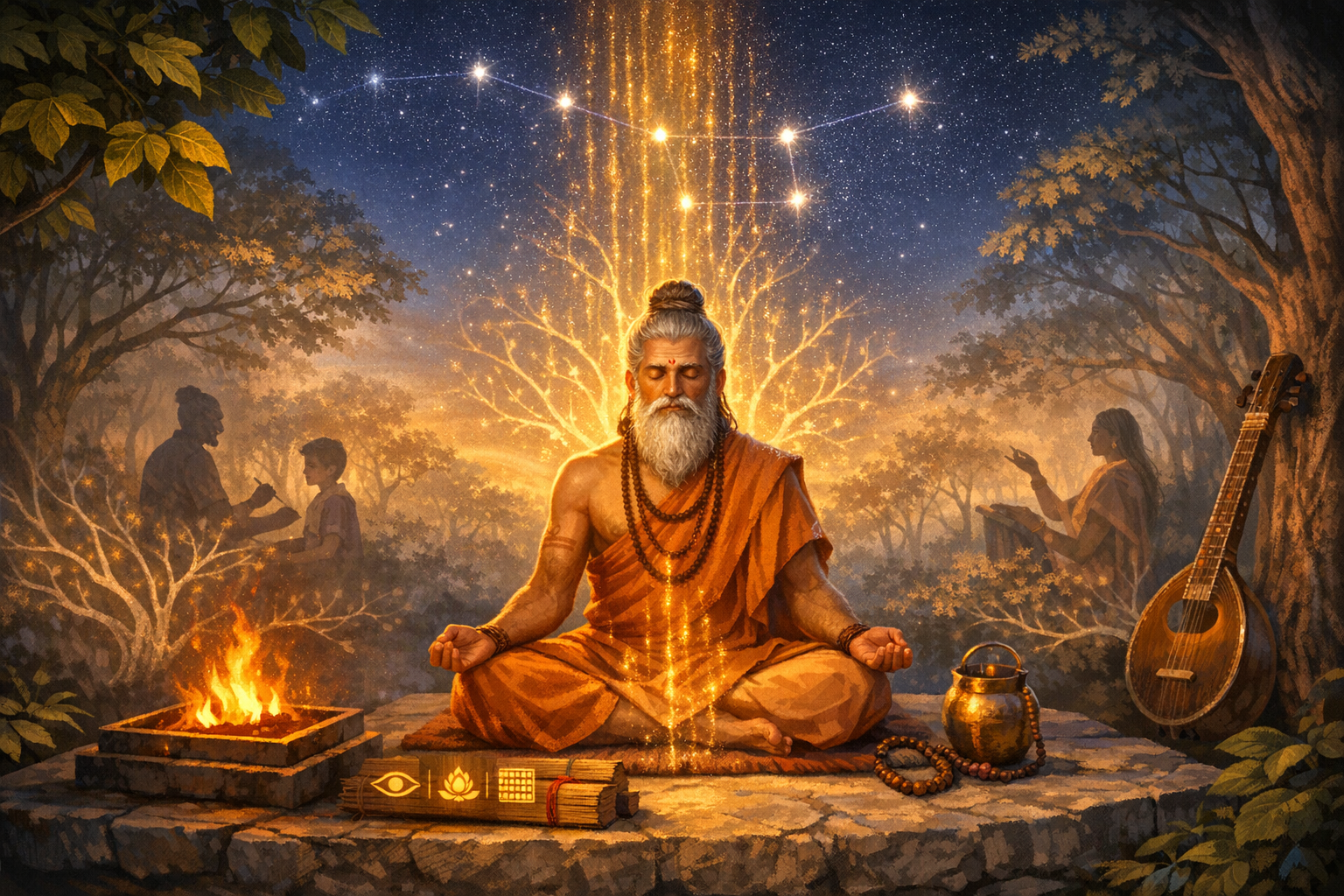
This article clarifies what “rishi” means in Hinduism and why the term remains central to Vedic and Upanishadic thought. It explains the rishi as a mantradraṣṭāseer of the mantrawithin the apauruṣeya doctrine of the Vedas, and shows how the rishi–devatā–chandas triad anchors ritual practice. Readers gain a structured understanding of classical classifications (Brahmarṣi, Devarṣi, Rājarṣi,…
-
In Loving Remembrance of HG Agnideva Prabhu: His Kirtan Legacy and Graceful Final Journey

HG Agnideva Prabhu departed at 8:34 PM Mountain Time in Salt Lake City, surrounded by devotees in person and joined by 99 more over Zoom in continuous kirtan. This account situates the moment within Gaudiya Vaishnava theology, where antima-smritiremembrance of the Divine at life’s endis central, and where congregational chanting serves as both pastoral care…
-
May 5, 2026 Panchang: Auspicious Angaraki Sankashti, Shubh Muhurat, Nakshatra, Rashi

May 5, 2026 is a Krishna Paksha day with Tritiya lasting until 2:59 AM and Chaturthi thereafter in most regions, making it Angaraki Sankashti Chaturthi. The day is especially favorable for Ganesha upasana, disciplined sadhana, and obstacle-clearing intentions, with the fast traditionally broken only after moonrise. Shubh Muhurat planning can rely on Brahma Muhurta, Abhijit…
-
Kirata Sastha of Ayyappa: The Divine Hunter-Guardian of Dharma in Kerala’s Living Traditions

Kirata Sastharevered in northern Kerala as Vettakkoru Makanoffers a dynamic, guardian dimension to the Ayyappa (Dharma Sastha) tradition. This analysis traces the kirata (hunter) motif from the Mahabharata to Kerala’s living practices, showing how regional ritual, iconography, and ecology inform a distinctive protector-deity. It explains why Kirata Sastha complements Sabarimala’s Yoga Sastha, uniting inner discipline…
-
Basava Purana Unveiled: Palkuriki Somanatha’s Epic of Basavanna, Ishtalinga, and Equality
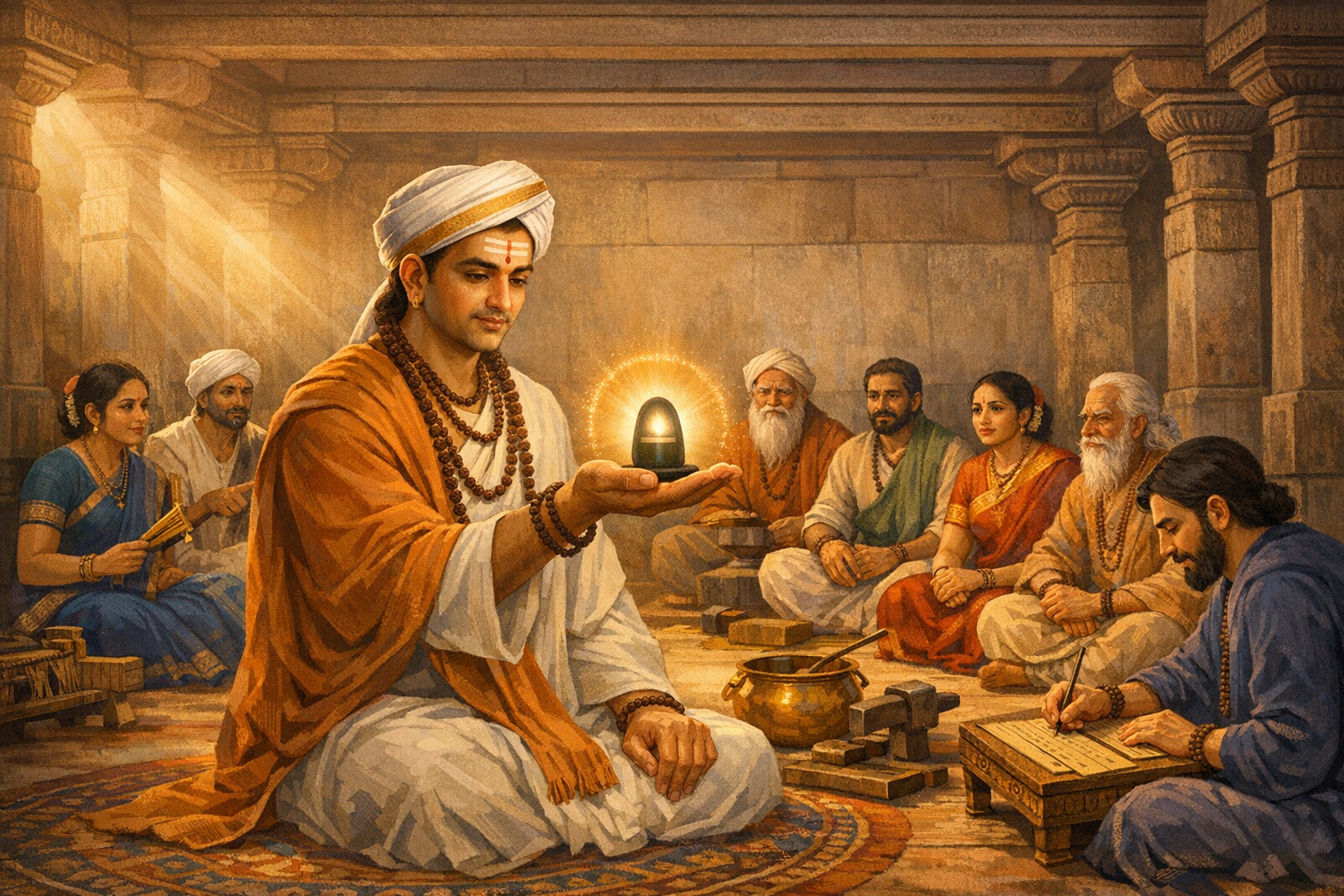
Basava Purana is a 13th-century Telugu epic by Palkuriki Somanatha that celebrates Basavanna (Basaveshwara) and codifies Lingayat principles through the Ishtalinga, Kayaka (work as worship), and Dasoha (sharing and service). Set against the vibrant bhakti milieu of medieval Deccan, it blends hagiography with social ethics and community dialogue through the Anubhava Mantapa. The poem’s dvipada…
-
Unraveling Proto‑Indo‑European: A Rigorous, Inclusive Journey through Sanskrit’s Ancestral Web
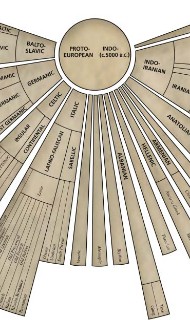
This article explains why scholars reconstruct a Proto‑Indo‑European (PIE) ancestor to Sanskrit, Greek, and Latin, and how the comparative method, sound laws, and morphology support that model. It clarifies that Indo‑European is a large language familycounted at roughly 439 varieties in some 2009 classificationswithin which Sanskrit, Greek, and Latin are sister languages. Readers learn how…