-
Mata Purnagiri Devi Temple: A Soul-Stirring Shakti Peeth Above Tanakpur, Uttarakhand

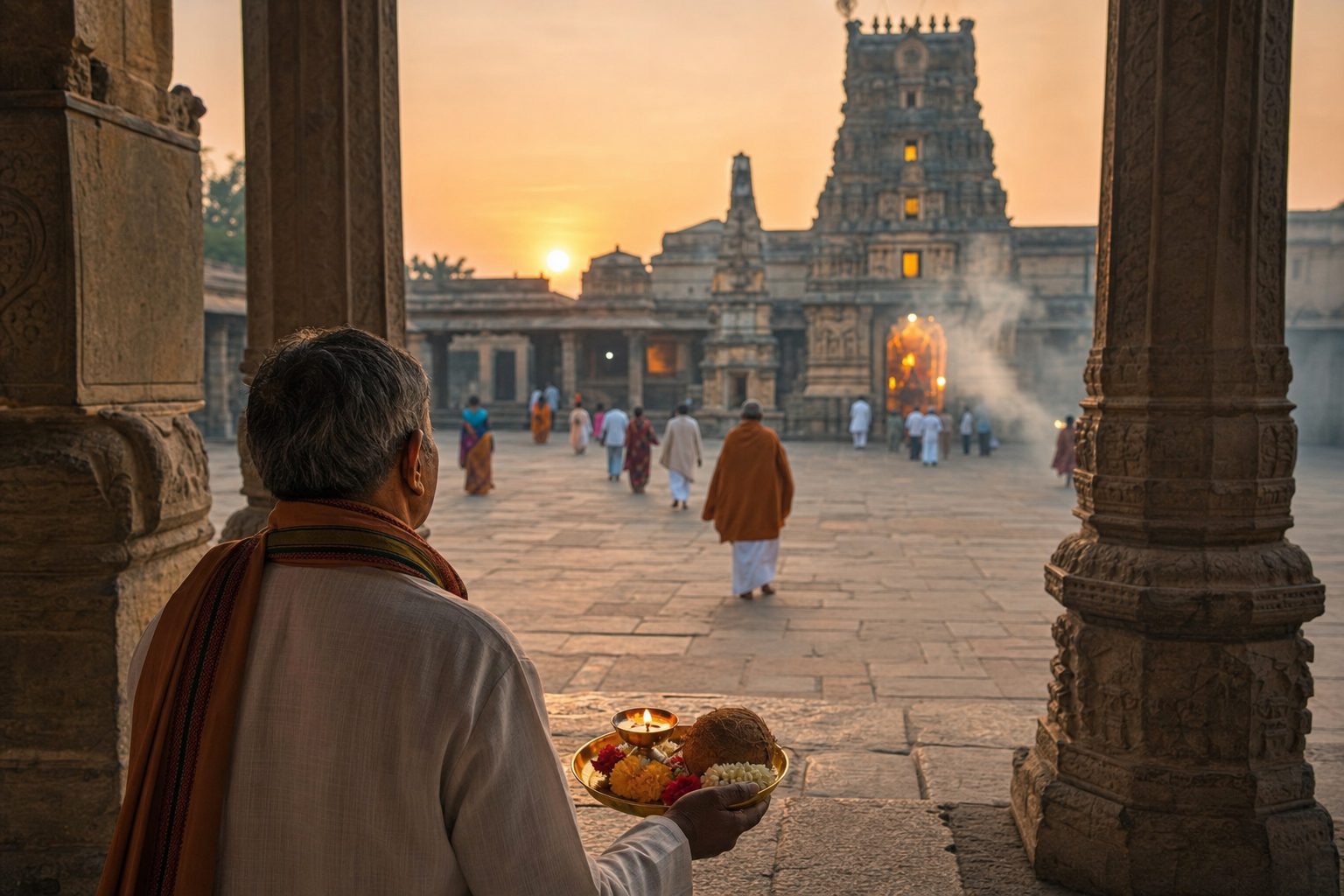
Mata Purnagiri Devi Temple, also known as the Purnagiri Shakti Peeth or Punyagiri, is among India’s most revered Shakti Peethas. Situated about 20 km from Tanakpur, 92 km from Champawat, and 171 km from Pithoragarh at roughly 3,000 meters above sea level, it offers a compelling blend of sacred geography and devotional tradition. Pilgrims describe…
-
Indrani Mata Mahatmyam: Vedic Origins, Saptamatrika Power, and Sacred Significance

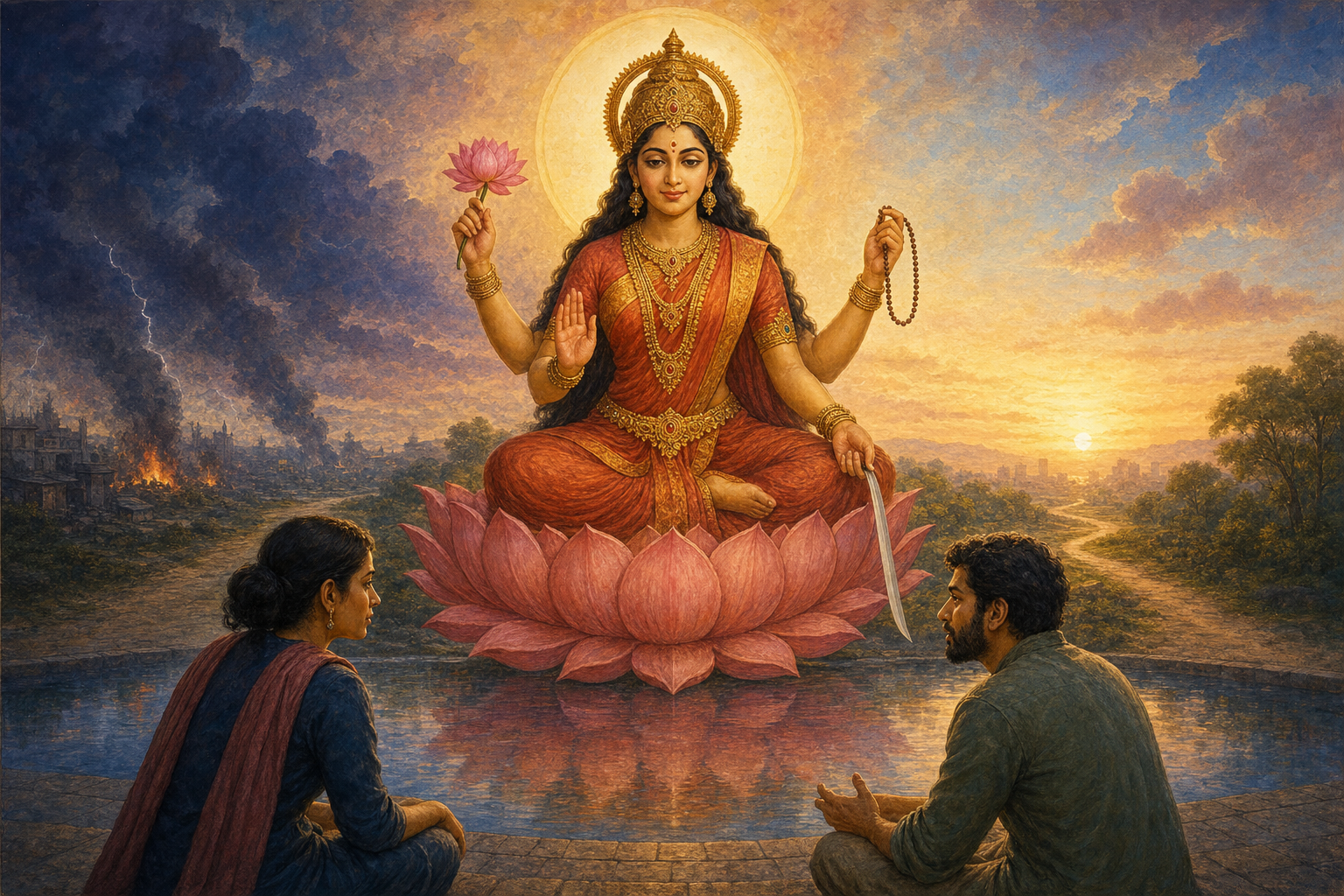
Indrani Mata—revered as Aindri, Shachi, and Paulomi—stands at the confluence of Vedic authority and Shakta devotion. Rig Veda 10.86 attests to her sovereign presence, while Saptamatrika traditions depict her as the protective Shakti of Indra, wielding the vajra and embodying righteous leadership. Her symbolism aligns courage with dharma, inspiring devotees toward clarity and steadfastness in…
-
Karadaiyan Nombu 2026: Exact Muhurat, Ritual Guide, and Meaning of the Sacred Thread

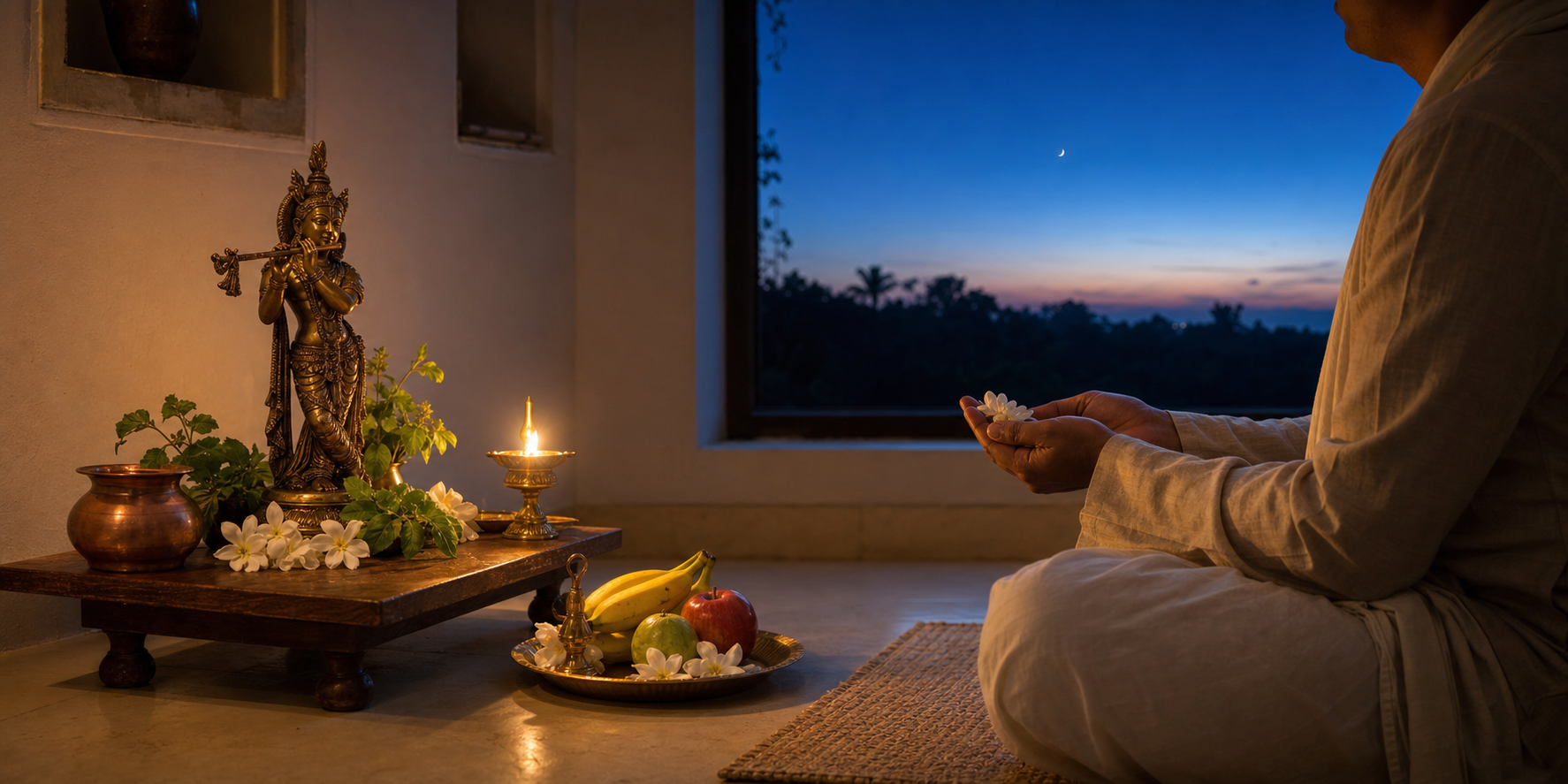
Karadaiyan Nombu in 2026 occurs on 14 March, with India’s auspicious muhurat for wearing the sacred thread and breaking the fast between 7:30 PM and 8:30 PM. This Tamil vrata to Goddess Shakti (Kamakshi) highlights vows, gratitude, and family welfare, drawing inspiration from the Savitri–Satyavan narrative. The observance includes preparing karadai (sweet and savory adai)…
-
Surabhi (Kamadhenu): Emblem of Abundance, Health, and Compassion Across Dharmic Traditions

Surabhi, also known as Kamadhenu and revered as Gomatha, is celebrated in Hinduism as the celestial cow symbolizing abundance, health, and dharma. While rarely worshipped as a standalone deity, her presence thrives in household reverence, ethical living, and community service. Puranic literature portrays her as a benevolent, wish-fulfilling source of auspiciousness linked to sages and…
-
Sacred Renewal: Dhwajasthambha Samprokshana at Tarigonda Narasimha Swamy Temple, Feb 13–15, 2026

Sri Lakshmi Narasimha Swamy Temple at Tarigonda will conduct Dhwajasthambha Samprokshana Mahotsavams from February 13–15, 2026, renewing the sanctity of the temple flagstaff and reaffirming communal devotion. The observance typically features Veda parayanam, homas, abhisheka, and processional rituals, culminating in the dhvaja’s re-sanctification. Devotees often experience a profound sense of uplift and unity as heritage,…
-
Sammohana Shasta Unveiled: Symbolism, Sacred Aesthetics, and the Pull of Divine Grace

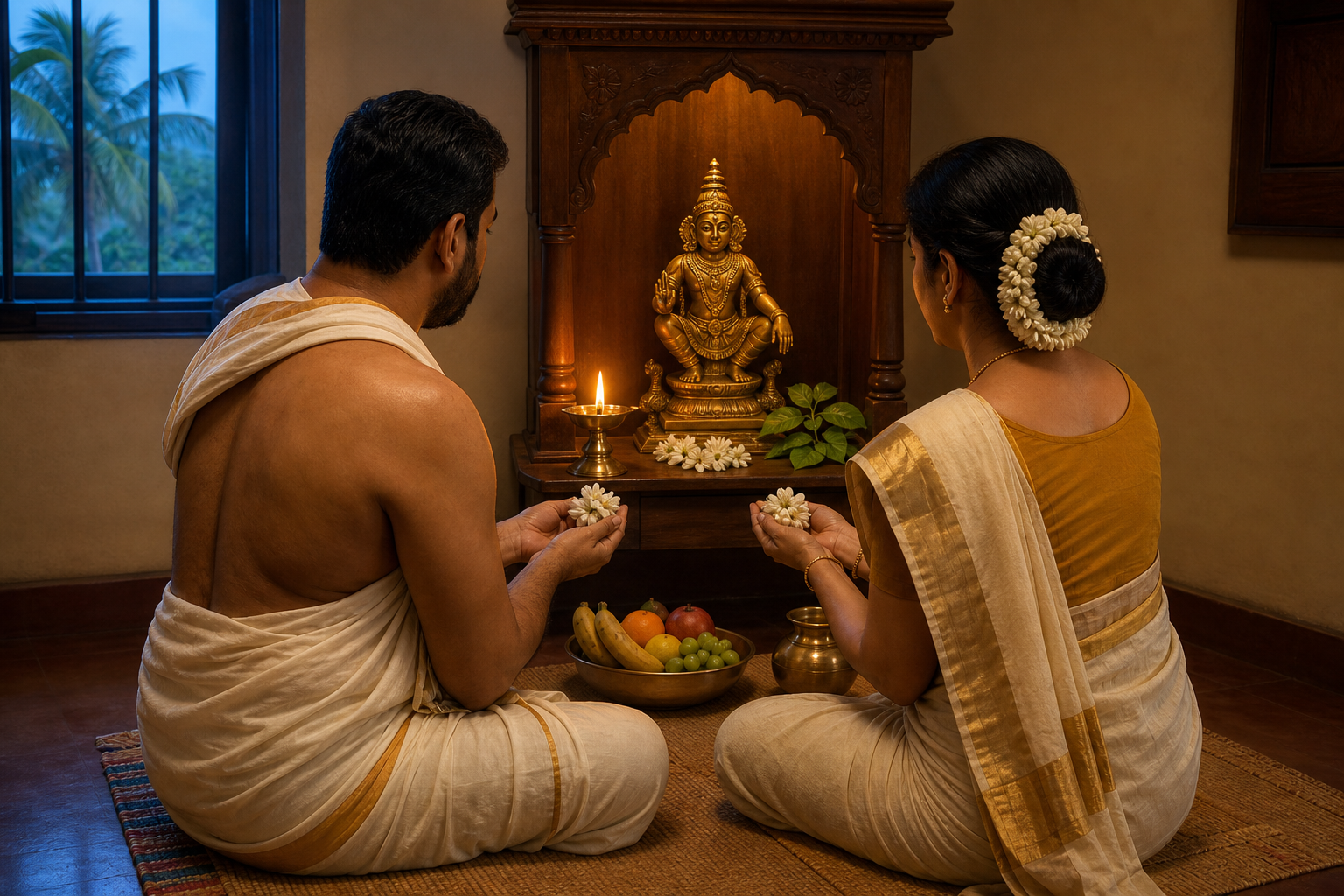
Sammohana Shasta, within the Ashta Sastha tradition of Lord Shasta (Ayyappa), is presented as the sacred force that attracts the mind toward truth and compassion. Rather than worldly allure, this form symbolizes the ethical and contemplative pull that unifies devotion, knowledge, and practice. The post clarifies how Sammohana—“the enchanter”—is best understood as the irresistibility of…
-
Kshemaraja of Kashmir Shaivism: Timeless Nondual Wisdom, Practice, and Dharmic Harmony

Kshemaraja, the eminent disciple of Abhinavagupta, distilled Kashmir Shaivism’s non-dual insights into lucid, practice-ready guidance. Core texts—Pratyabhijñāhṛdayam, Spandanirṇaya, Spandasandoha, and Śiva Sūtra Vimarśinī—bridge rigorous Indian philosophy and accessible methods. Readers gain a clear map of upāyas to steady attention, reduce stress, and cultivate compassion. Everyday beauty and stillness become gateways to recognition (pratyabhijñā) through the…
-
Vrindavan’s Enchanted Forest: A Contemplative Journey into Radha-Krsna’s Divine Love

This contemplative essay presents Vrindavan as a sacred forest where devotion, beauty, and wisdom converge in the Bhakti Tradition. It clarifies classic images of Radha and Krsna with an academic, inclusive reading that honors multiple devotional rasas. The discussion reframes a traditional exclusivist claim as a metaphor for diverse spiritual moods, supporting unity across Hindu,…
-
Timeless Deity Worship in the Vedic Tradition: Yuga‑Wise Paths and Dharmic Unity

This article clarifies a common misconception: Deity worship (murti-puja) in the Vedic Tradition is not a recent innovation but part of an ancient, continuous heritage. It explains how each yuga recommends distinctive practices—meditation in Satya-yuga, yajna in Treta-yuga, Deity worship in Dvapara-yuga—while showing that these disciplines persist across ages. For Kali-yuga, it highlights why mantra…
-
Beyond Glamour and Noise: How Bhakti Love of God Satisfies the Heart’s Deep Thirst

Modern life offers endless stimulation—gadgets, parties, and social media fame—yet the heart’s thirst for love often remains unsatisfied. A classical insight from the Bhakti Tradition explains why: when love is offered to the Divine Source, fulfillment naturally overflows into all relationships. This root-and-branches model clarifies how devotion to Krishna (Supreme God) integrates one’s inner life…
-
Delhi ‘Ghar Wapsi Sammelan’ Backs Inclusive Resolution to Intensify Dharmic Reconnection
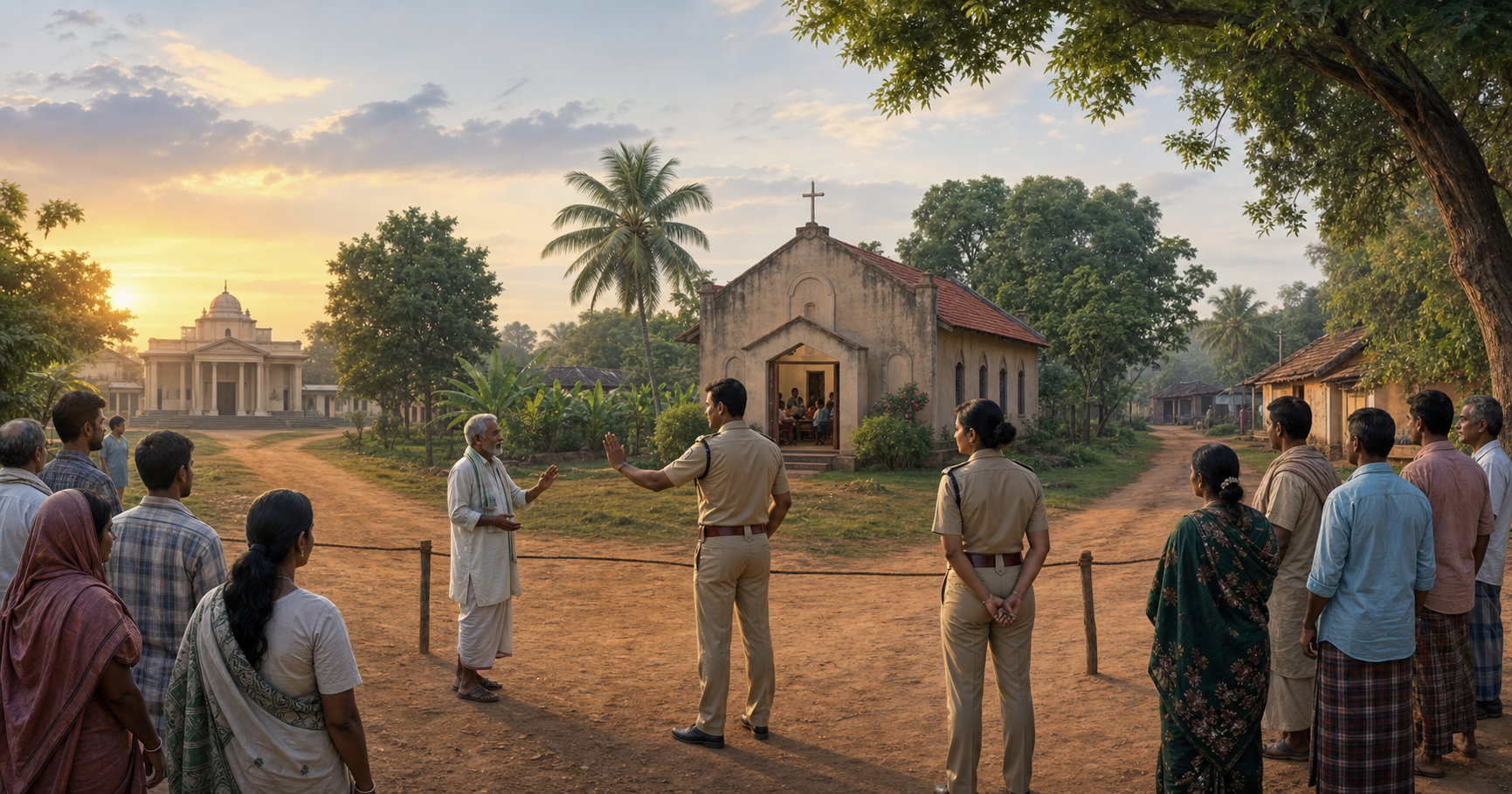
A ‘Ghar Wapsi Sammelan’ in New Delhi adopted a resolution to intensify the ‘ghar wapsi’ campaign across Bharat. Representatives from more than 25 organisations attended, signaling broad civic involvement. The resolution centers voluntary, lawful, and dignified reconnection with ancestral dharmic identities, emphasizing unity among Hinduism, Buddhism, Jainism, and Sikhism. Deliberations prioritized inclusive outreach, heritage education,…
-
US Lawmakers Sound Alarm on Bangladesh’s Hindus: Urgent Call to Safeguard Minorities

In Washington D.C. on Feb 12, 2026, US lawmakers highlighted concerns about the safety of Hindu minorities in Bangladesh ahead of national polls. Their message focused on religious freedom, accountability, and equal protection under the law. Advocacy groups used the phrase ‘Hindus won’t survive another decade…’ to stress urgency, while promoting solutions grounded in evidence…
-
Knowing Truth, Living Dharma: Why Insight Fails Without Practice in Hindu Philosophy

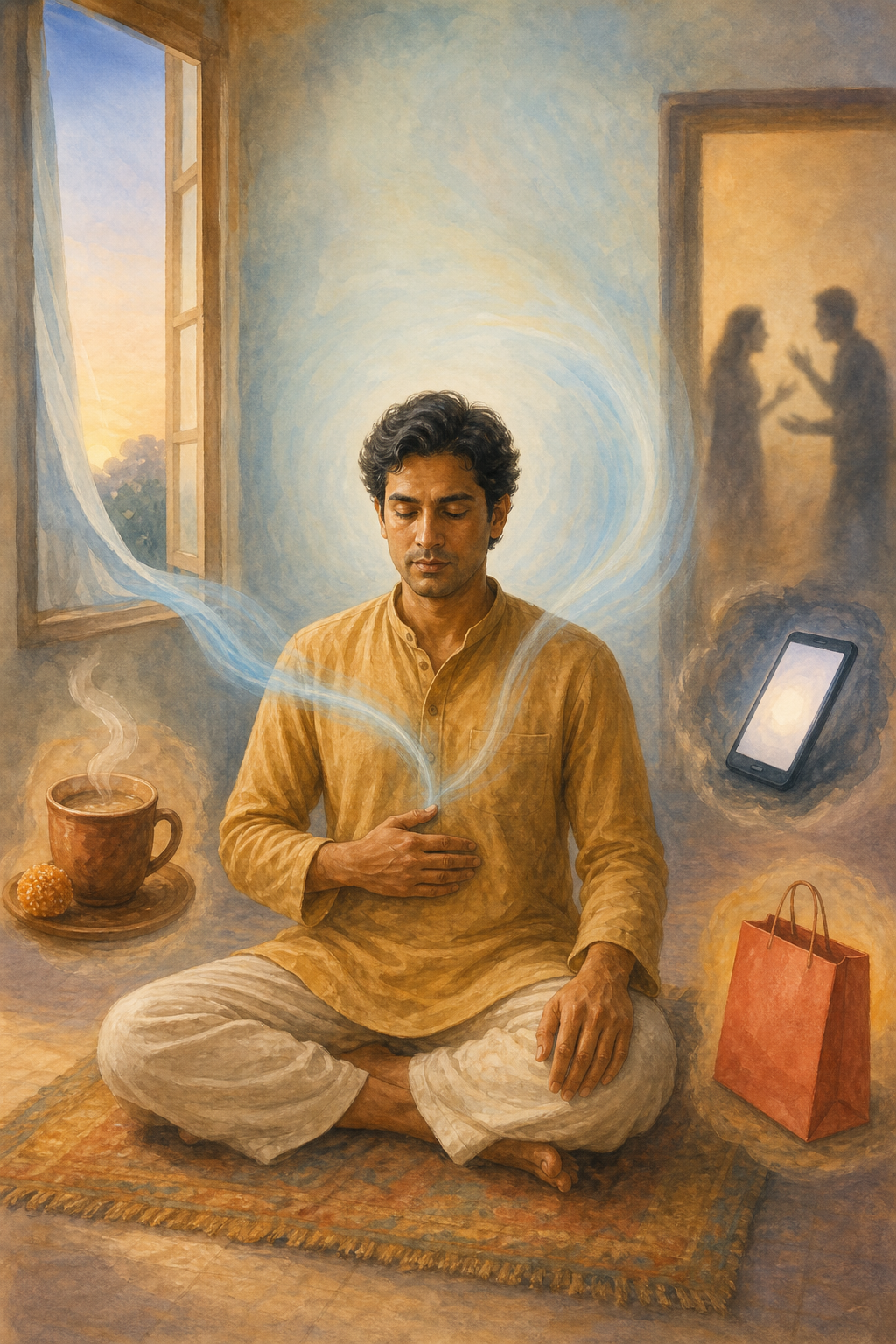
Hindu philosophy names a timeless challenge: many recognize truth yet struggle to live it. Drawing on the Bhagavad Gita and Yoga philosophy, this piece explains how abhyāsa and vairāgya bridge the gap between knowledge and action. It highlights practical steps—daily routine, Karma Yoga, svādhyāya, and ethical commitments (yama–niyama)—that turn insight into steady conduct. Parallels from…
-
Shiva’s Third Eye and the Ashes of Desire: Profound Symbolism Behind Kamadeva’s Fall

Shiva’s incineration of Kamadeva is a profound Hindu symbol of transforming craving into clarity. The third eye represents the fire of insight (jñāna-agni) that burns compulsion to ash (vibhūti) without rejecting love or life. Variations across Puranic and poetic retellings agree on a core teaching: desire is refined, not denied. The story models how tapas,…
-
Why Durga’s Third Eye Saves What Shiva’s Burns: The Sacred Balance of Fury and Nurture

Shiva’s third eye represents transformative insight that burns away compulsion, while Durga’s three-eyed gaze preserves the life-energies that uphold families, communities, and culture. Read together, these sacred symbols reveal a dynamic balance between ascetic discipline and fertile continuity. The Kamadeva episode shows that love is not annihilated but refined—returning as ananga to guide affection toward…
-
February 19, 2026 Panchang: Shukla Dwitiya to Tritiya Timings, Auspicious Insights & Tips

February 19, 2026 begins with Shukla Paksha Dwitiya tithi and transitions to Shukla Paksha Tritiya at 4:18 PM, supporting a thoughtful progression from consolidation to purposeful action. The day aligns well with gentle practices such as japa, meditation, seva, and dana, while encouraging steady planning in family and community life. Those seeking a Shubh Muhurat…
-
Indrani Mata Mahatmyam: Vedic Origins, Saptamatrika Power, and Living Devotion

Indrani (Shachi), the queen of the Devas and consort of Lord Indra, is a vivid presence in the Vedas, with Rig Veda (10.86) preserving a powerful hymn in her honor. As Aindri among the Saptamatrikas, she embodies Devi Shakti’s protective strength, symbolized by the vajra and the elephant. Her mahatmyam bridges Vedic literature and Puranic…
-
Karadaiyan Nombu 2026: Exact Muhurat, Ritual Guide, and the Spirit of Devotional Unity

Karadaiyan Nombu 2026 occurs on 14 March, with the ideal time in India for breaking the fast and wearing the sacred thread between 7:30 PM and 8:30 PM IST. This Tamil vrata to Goddess Shakti/Kamakshi honors the Savitri–Satyavan ideal of devotion, courage, and family well-being. The guide outlines key rituals—sankalpa, deepam, Karadai adai offerings with…
-
Surabhi (Kamadhenu), the Divine Gomatha: Timeless Symbolism, Blessings, and Dharmic Unity

Kamadhenu (Surabhi), revered as Gomatha, embodies abundance, compassion, and auspiciousness in Hindu thought. Though rarely worshipped in independent temples, devotion to Gomatha flourishes through daily reverence, Gau Seva, and festivals like Gopashtami. Her symbolism aligns with ahimsa and sustainable living, inspiring care for cows and ecological responsibility. The ethical resonance extends across Hinduism, Buddhism, Jainism,…