-
Anvikshiki and Nyaya: Timeless Reasoned Inquiry to Clarify Truth and Unite Dharmic Wisdom

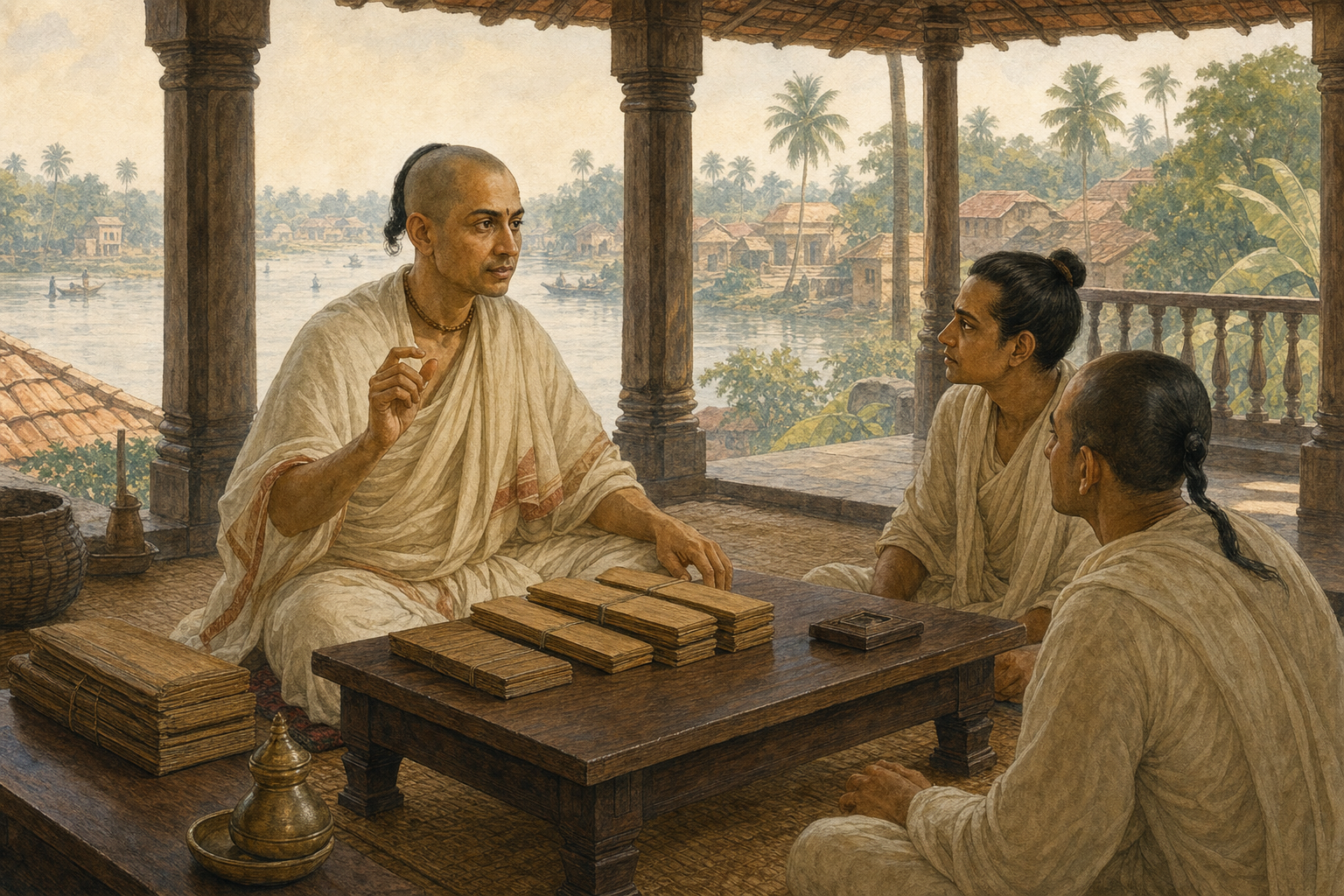
Anvikshiki, defined by Vatsyayana in Nyaya-Bhashya (I.1.1), is the disciplined science of examining what tradition (agama) teaches alongside what sense experience (pratyaksha) reveals. It is analyzed as anuikshana, or reflection, and is closely identified with Nyaya’s commitment to logical enquiry and “reasoned analysis,” as emphasized by Vacaspati. This approach builds clarity by testing assumptions, comparing…
-
Srila Prabhupada’s Wake-Up Call for Political Leaders: Put Dharma Over Greed to Serve Society

Srila Prabhupada’s analysis warns that leadership driven by personal ambition and material prosperity ultimately breeds social confusion. Rooted in dharmic thought, the remedy is a return to God consciousness—higher ethical awareness and responsibility that temper power with humility. Across Hinduism, Buddhism, Jainism, and Sikhism, virtues like non-attachment, satya, ahimsa, and seva orient leadership toward genuine…
-
United in Sankirtana: Why Cooperation Powers Krsna Consciousness and Dharmic Harmony

This reflection presents Srila Prabhupada’s teaching that cooperation is the essence of spiritual progress. Rooted in the example of Caitanya Mahaprabhu, it clarifies how Sankirtana—many voices joined in kirtana—unites diverse communities without erasing their uniqueness. The piece explains why shared practice fosters trust, dissolves ego, and translates individual intent into collective strength. It highlights the…
-
Knowledge as Liberation: Srila Prabhupada’s Guidance on the Guru–Shishya Path for Seekers

Srila Prabhupada’s early New York talks highlight a timeless discipline for acquiring liberating knowledge: humility, sincere inquiry, and service. The Bhagavad-gita (4.34) presents a rigorous path where a self-realized guide imparts truth grounded in direct realization, not opinion. This guru–shishya model balances faith with reason, ensuring inquiry refines understanding and service turns knowledge into practice.…
-
Christmas Decor Vandalised at Raipur Mall amid Chhattisgarh Bandh: Call for Calm and Dialogue

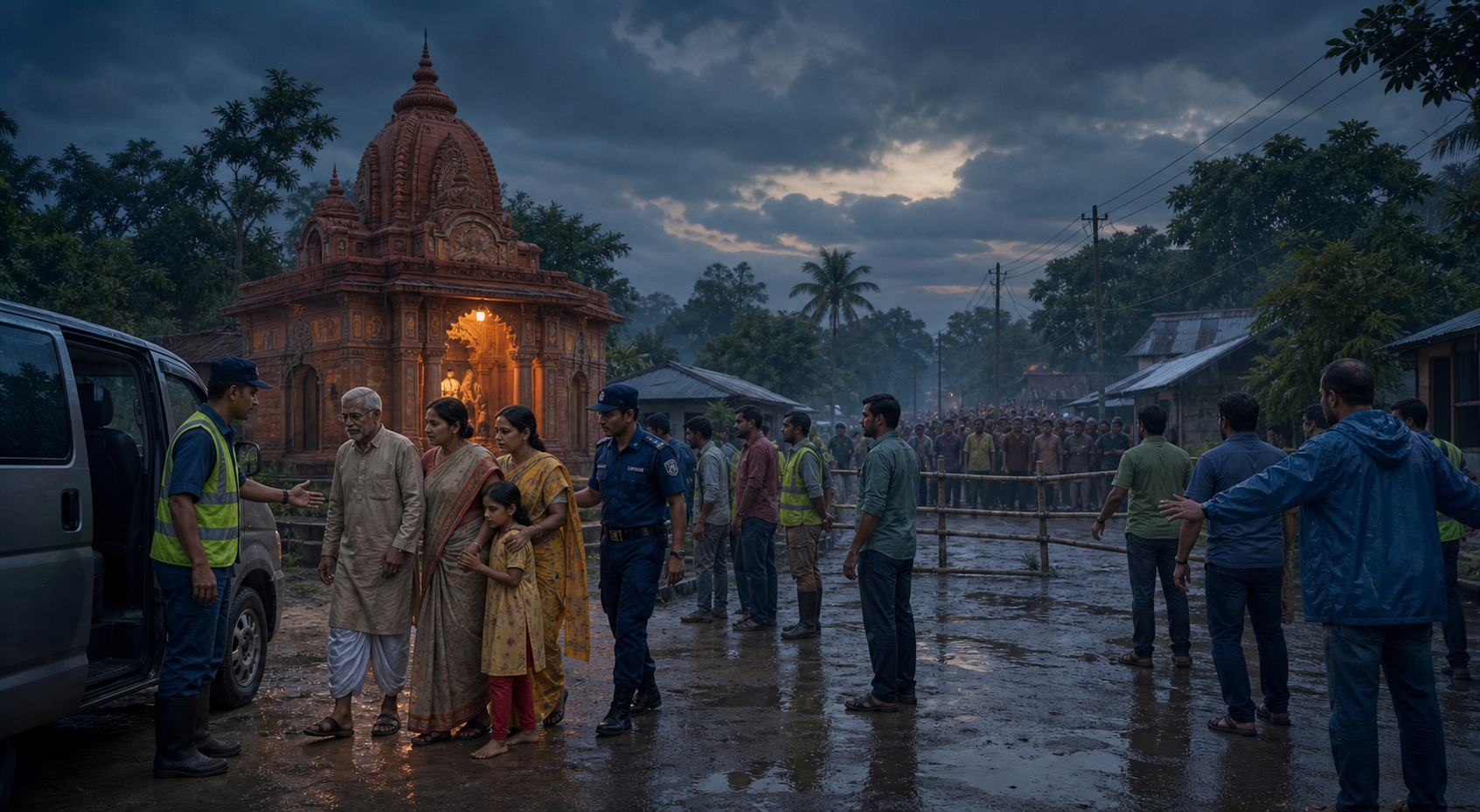
Reports from Raipur on 25 December 2025 indicated that Christmas decorations at a mall were vandalised during a Chhattisgarh Bandh over alleged religious conversions. The episode, occurring on a day of celebration, sparked widespread calls for calm, lawful conduct, and communal harmony. This analysis clarifies the distinction between peaceful protest and unlawful damage, situating the…
-
Cutting the Tree for Fruit: Hindu Dharma’s Warning—and a Path to Climate Responsibility

This reflection explains how the Hindu metaphor of cutting down the tree to get the fruit exposes the dangers of short-term gains and guides long-term responsibility. It situates the teaching within ancient scriptures like the Bhagavad Gita and aligns it with environmental ethics and climate action. The piece highlights shared values across Hinduism, Buddhism, Jainism,…
-
Why the Mind Never Feels Enough: Ancient Dharmic Wisdom to End the Endless Pursuit

External success often brings brief joy before restlessness returns; ancient Hinduism teachings explain this as the mind’s habit of seeking satisfaction in impermanent objects. Dharmic traditions agree on the diagnosis and the remedy: reduce craving, cultivate clarity, and align action with values. Practices such as aparigraha, santosha, pratyahara, dhyana, and seva transform the pursuit of…
-
Jagadadhipati Siddhas in Hinduism: Cosmic Masters, Compassionate Guides, and Dharmic Unity

Jagadadhipati Siddhas are portrayed in Hinduism as perfected beings whose inner mastery reflects the cosmic sovereignty of the Divine. The term “Jagad Adhipati” denotes the Supreme as lord of the universe, and siddhas embody that rulership through humility, wisdom, and compassionate service. Scriptural motifs—from Purāṇas to Yoga-śāstra and Upanishadic insight—stress that genuine attainment prioritizes inner…
-
Why Modern Paganism Is Surging in Britain: A Powerful Return to Nature and Choice

Modern Paganism is rising swiftly in Britain as a credible, nature-centered alternative in a plural, multi-faith society. Census data and recent research show significant growth, while public rituals such as Winter Solstice at Stonehenge signal growing visibility. Defined as an umbrella of contemporary religions inspired by pre-Christian Europe and the Near East, Paganism emphasizes ritual…
-
January 1, 2026 Panchang: Shukla Trayodashi to Chaturdashi Timings and Auspicious Insights

On Thursday, January 1, 2026, Shukla Paksha Trayodashi prevails until 8:29 PM in most regions, after which the tithi shifts to Shukla Paksha Chaturdashi. This clear Trayodashi–Chaturdashi transition helps devotees plan daily worship, vratas, and reflective practices with confidence. The post explains how tithi functions within the Hindu calendar (Panchang) and why aligning with lunar…
-
Dronacharya’s Fall at Kurukshetra: How Truth, Dharma, and Strategy Changed the War

Drona’s death in the Mahabharata marks a pivotal ethical and strategic turning point in the Kurukshetra War. After Bhishma’s fall, Dronacharya’s battlefield mastery proved insurmountable until a plan leveraged his attachment to Ashwatthama. Yudhishthira’s qualified statement—“Ashwatthama hata iti gaja”—preserved the letter of truth while straining its spirit, prompting Drona to lay down arms. Dhrishtadyumna then…
-
Lohri 2026 (13 January): North India’s Fiery Harvest, Community Bonds, and Dharmic Unity

Lohri 2026 falls on 13 January, a day before Makara Sankranti, and brings communities together across Punjab, Haryana, Himachal Pradesh, Jammu, and Delhi. As a harvest festival aligned with the winter solstice cycle, it symbolizes warmth, renewal, and gratitude. Families gather around bonfires, offer til and gur, and enjoy Bhangra, Giddha, and folk songs like…
-
Stunning Sankranthi 2026 Muggulu & Pongal Kolam: Meaningful Rangoli Ideas and Tips

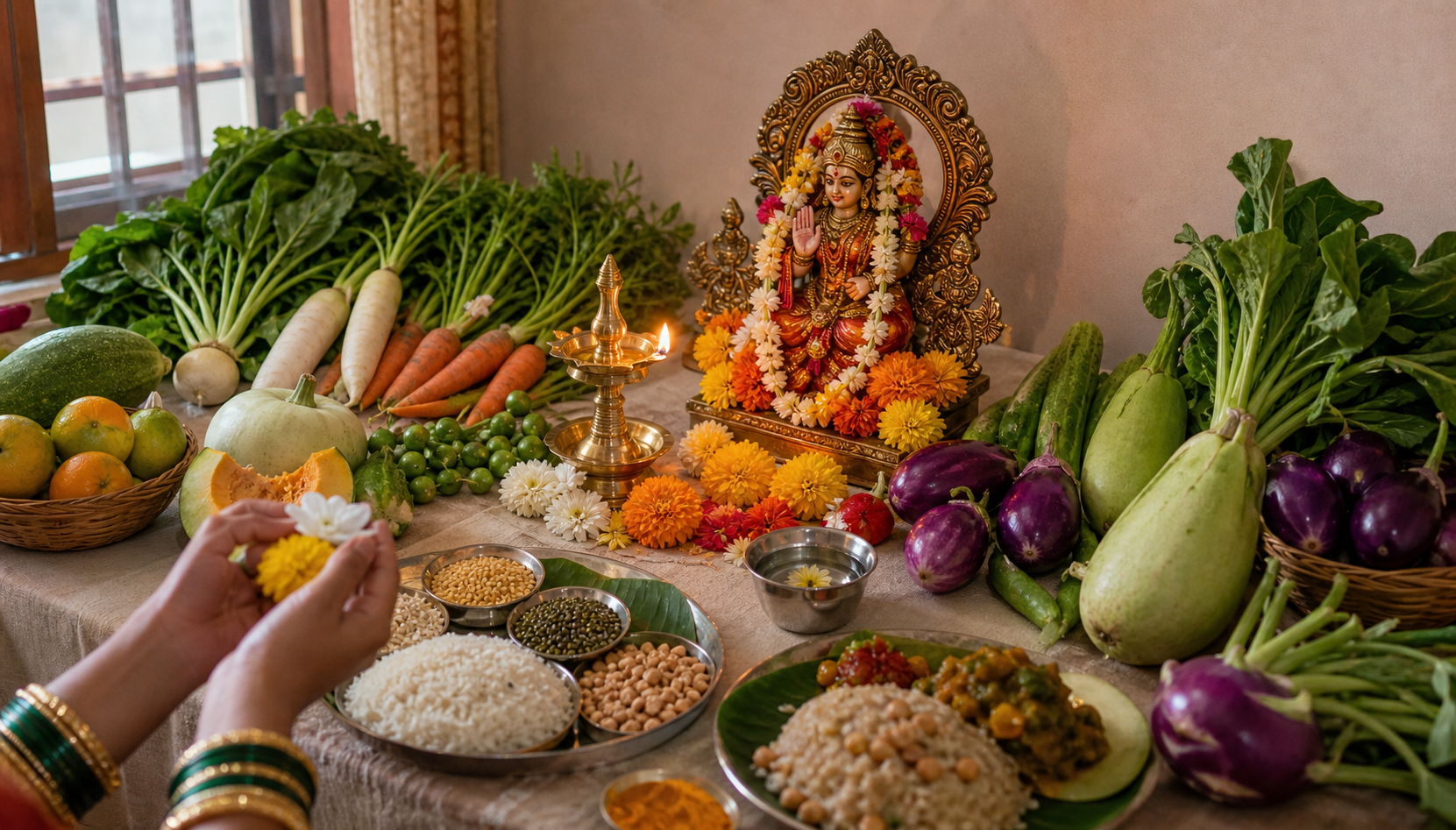
Sankranthi and Pongal in 2026 invite vibrant Muggulu, Kolam, and Rangoli that honor the harvest, the sun, and community bonds. This guide outlines day-wise design ideas—from simple pulli layouts on Bhogi to celebratory sugarcane and pongal-pot motifs on Makara Sankranti, and reverential patterns for Mattu Pongal and Kanuma. Readers gain practical, eco-friendly tips on materials,…
-
Purnima 2026 Dates and Vrat Guide: Complete Pournami/Puranmashi Calendar and Meaning

Purnima, the Full Moon day in the Hindu calendar, returns each month in 2026 with enduring spiritual significance for Purnima Vrat, Satyanarayana Puja, and contemplative practice. This guide explains how Purnima falls on Shukla Paksha’s fifteenth tithi, why observance times vary by region, and how to align devotion with accurate Panchang calculations. It outlines the…
-
Revisiting Baahubali: How Rasa, Adbhuta and Veera Elevate Indian Cinema Beyond Ideology

A decade after Baahubali’s release, a Rasa-centered reading helps move beyond ideological skirmishes to the film’s core aesthetic experience. Anchoring analysis in Adbhuta and Veera clarifies how scale, craft, and narrative elevation create genuine cinematic wonder. Recognizing Shringara as stylized romance rather than a modern sociopolitical thesis prevents category errors in interpretation. Situating the film…
-
When Ego and Competition Derail Purpose: Dharmic Wisdom to Reclaim Focus and Peace

Ego and competition can energize achievement but also obscure higher purpose. Drawing on the Bhagavad Gita and convergent insights from Buddhism, Jainism, and Sikhism, this piece explains how detachment, seva, and mindfulness restore clarity. Readers gain practical tools to align work with dharma, reduce stress from outcome-obsession, and cultivate steady focus. It reframes competition as…
-
Madanakala’s Sacred Fire: The Transformative Power of Divine Passion in Tantrism & Shaktism

Madanakala in Hindu Tantrism and Shaktism reframes passion as a sacred, creative force rather than mere desire. Anchored in Shakti-tattva and guided by iccha-, jnana-, and kriya-shakti, it channels emotional intensity toward clarity, compassion, and purposeful action. Through Tantric practices—mantra, yantra, mudra, and pranayama—this energy is ethically refined, supporting transformative kundalini processes. The approach aligns…
-
Viral Video: Mother Guides Disabled Son as Shivaji, a Moving Tribute to Shakti and Courage

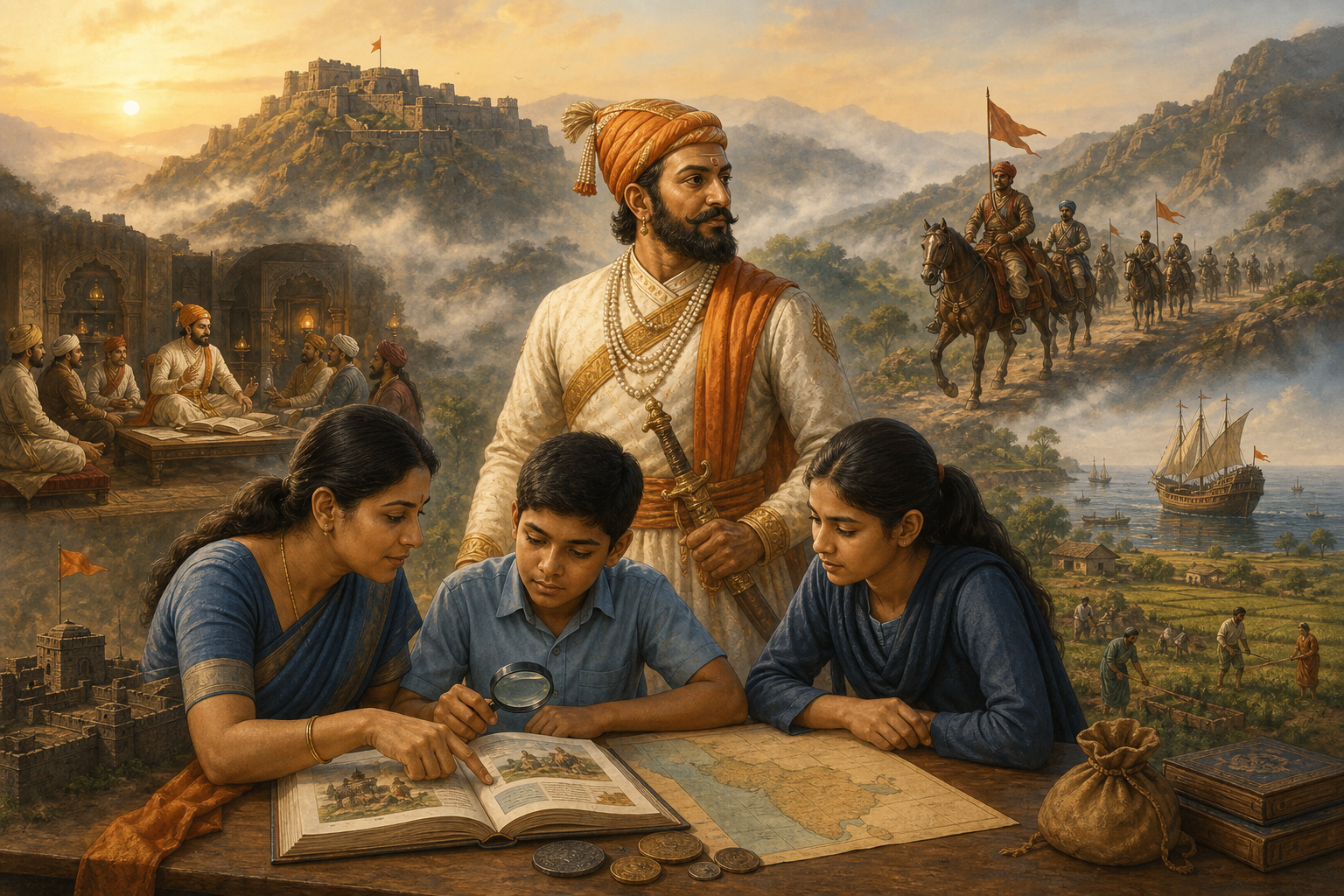
A viral video shows a mother gently guiding her disabled son across a stage as Chhatrapati Shivaji Maharaj, turning a simple performance into a powerful meditation on courage and care. The moment resonates globally because parental support visibly converts vulnerability into confidence. In Hindu historical memory, it evokes Jijabhai’s formative guidance to Shivaji, remembered with…
-
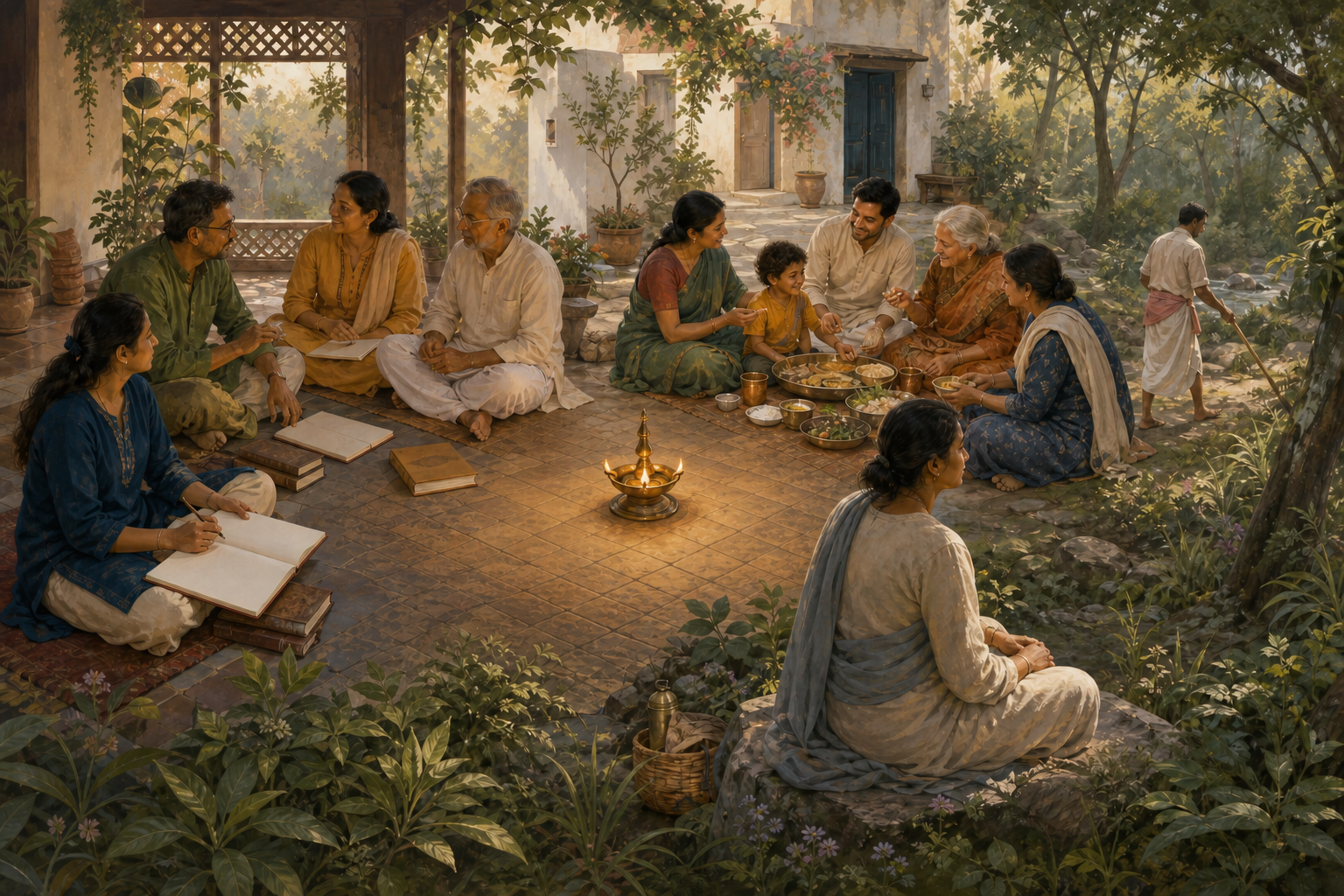
Listening Deeply to an Aging Mother: Preserving Elders’ Wisdom and Dignity in Fast Times

A reflective account shows how listening to an aging mother transforms caregiving from tasks into active preservation of wisdom, dignity, and family bonds. The practice of waiting through silence reveals memory as effort and agency, not absence. Practical steps—asking one focused question, allowing quiet, and recording stories—help families preserve intergenerational wisdom. The approach counters ageism,…
-
Kamyeshti (Kameshti) in Hinduism: A Sacred Guide to Vedic Desire-Rituals and Their Ethics

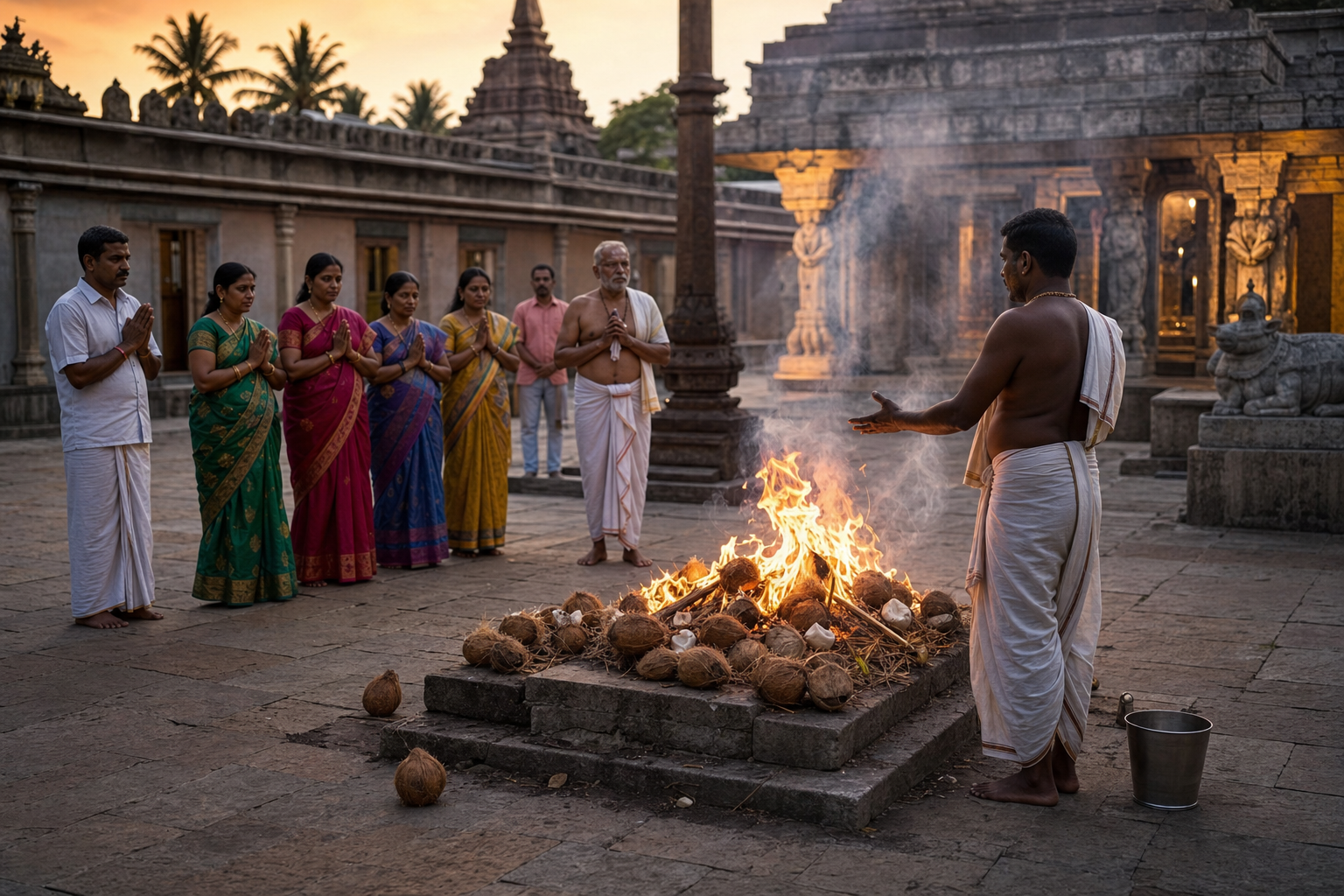
Kamyeshti (Kameshti) signifies desire-motivated Vedic rituals that align personal aims with dharma. Grounded in Hindu scriptures and Shrauta traditions, it is exemplified by the Putrakameshti in the Ramayana. Practitioners emphasize sattvic offerings, ethical intent, and the welfare of society, integrating ritual precision with responsibility. The sequence often includes sankalpa, mantras, and oblations into the Havan…