-
Mesha Rashi 2026 Auspicious Days: Powerful Shubh Muhurat under Ashwini–Bharani–Krittika

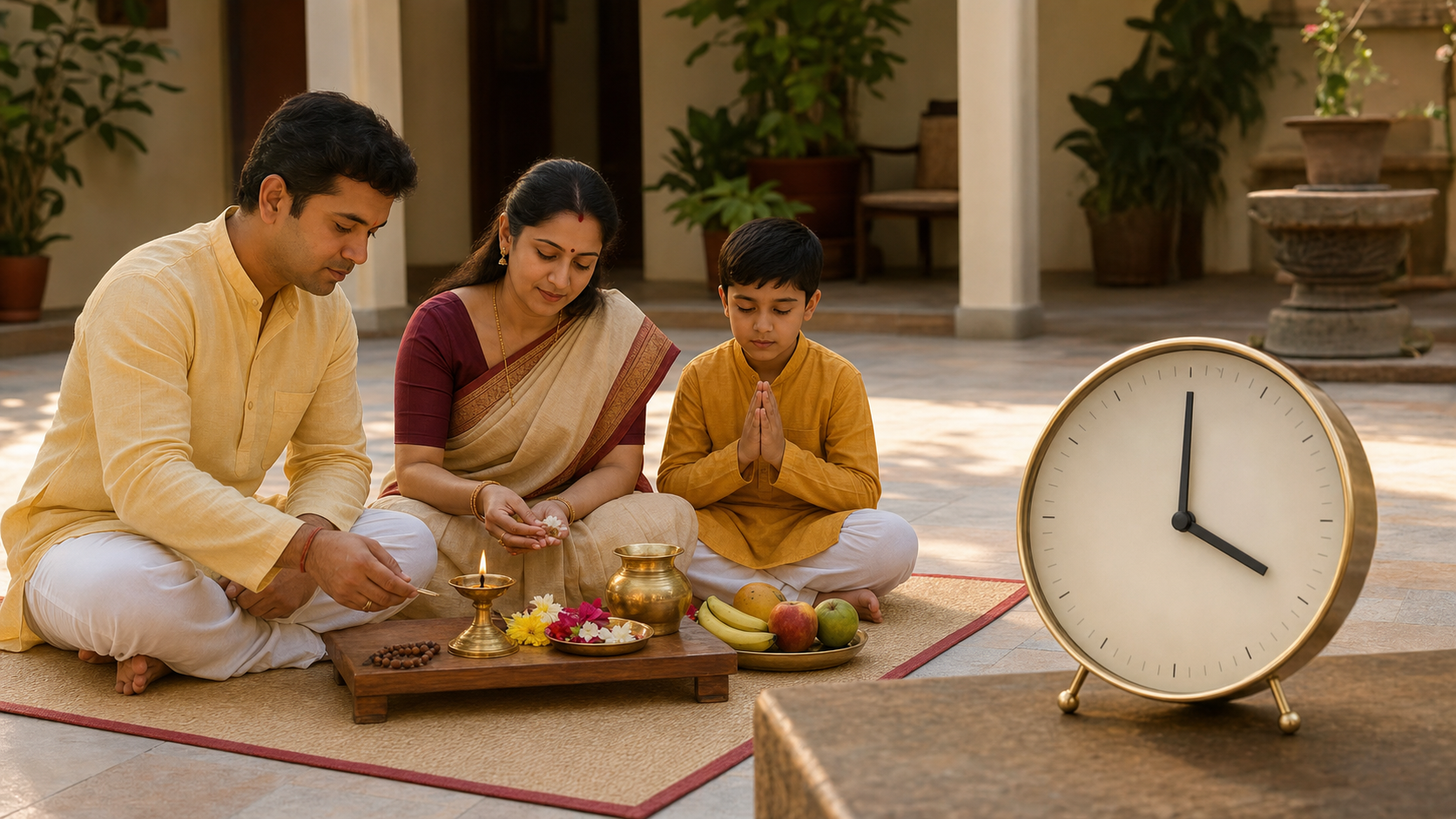
This guide explains how to identify auspicious days for Mesha Rashi in 2026 using the Hindu calendar and Vedic astrology. It clarifies Mesha Rashi’s composition—Ashwini, Bharani, and the first quarter of Krittika—and outlines how Moon transit, Nakshatra, Tithi, and weekday factors shape Shubh Muhurat. Readers learn a clear, location-specific method for using the 2026 Panchang…
-
Beyond Willpower: How Breathwork and Yoga Rewire the Nervous System in Addiction Recovery

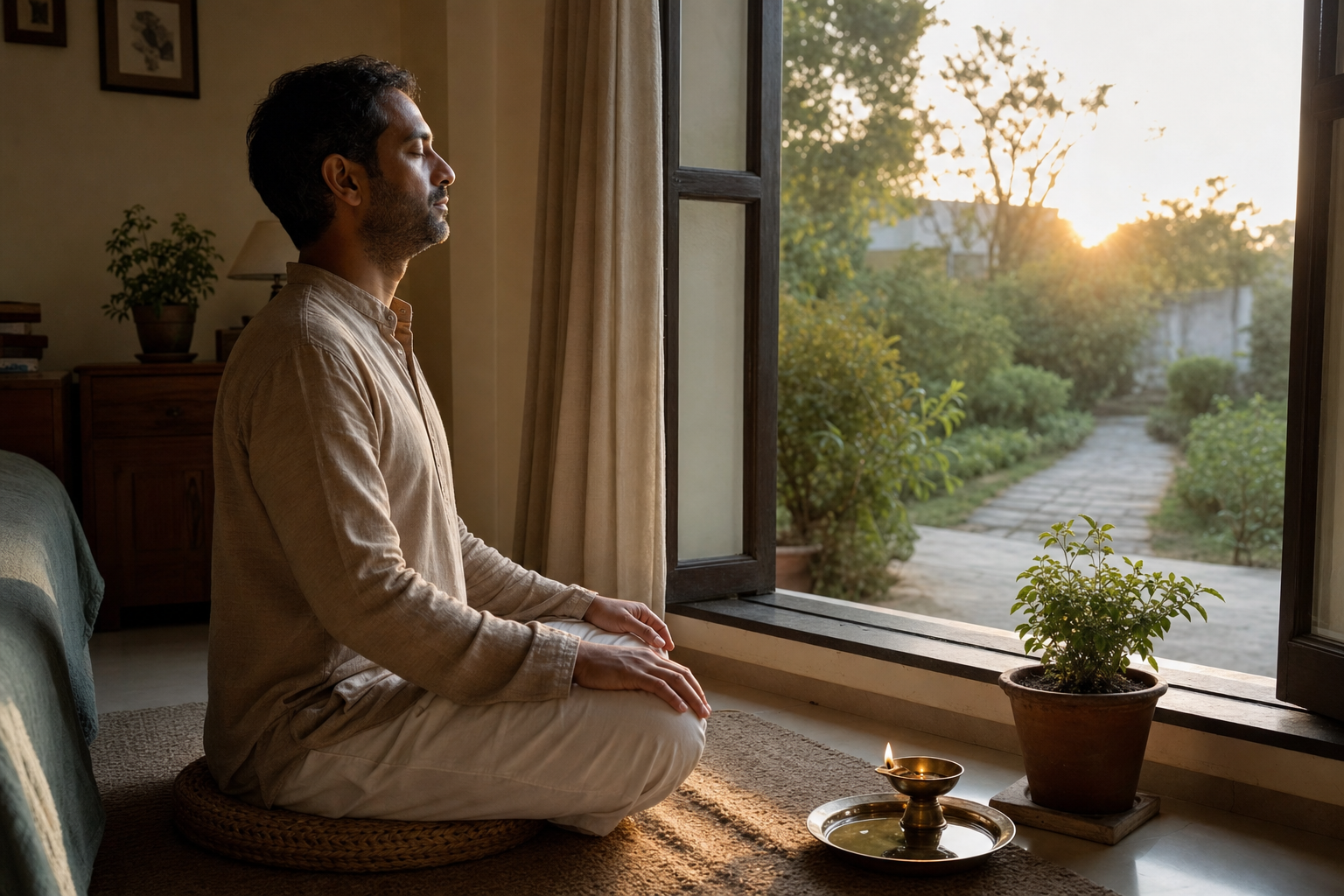
This analysis traces a journey from relapse to stability, showing how yoga and breathwork can regulate the nervous system during addiction recovery. It explains why rooting in the body must precede rising into lasting change, linking somatic healing with practical pranayama. It outlines three evidence-aligned breathing techniques—Anulom Vilom, Sama Vritti, and Dirgha Pranayama—that reduce anxiety,…
-
Nigrahasthana in Hindu Philosophy: Transforming Disagreement with Logic, Humility, and Grace

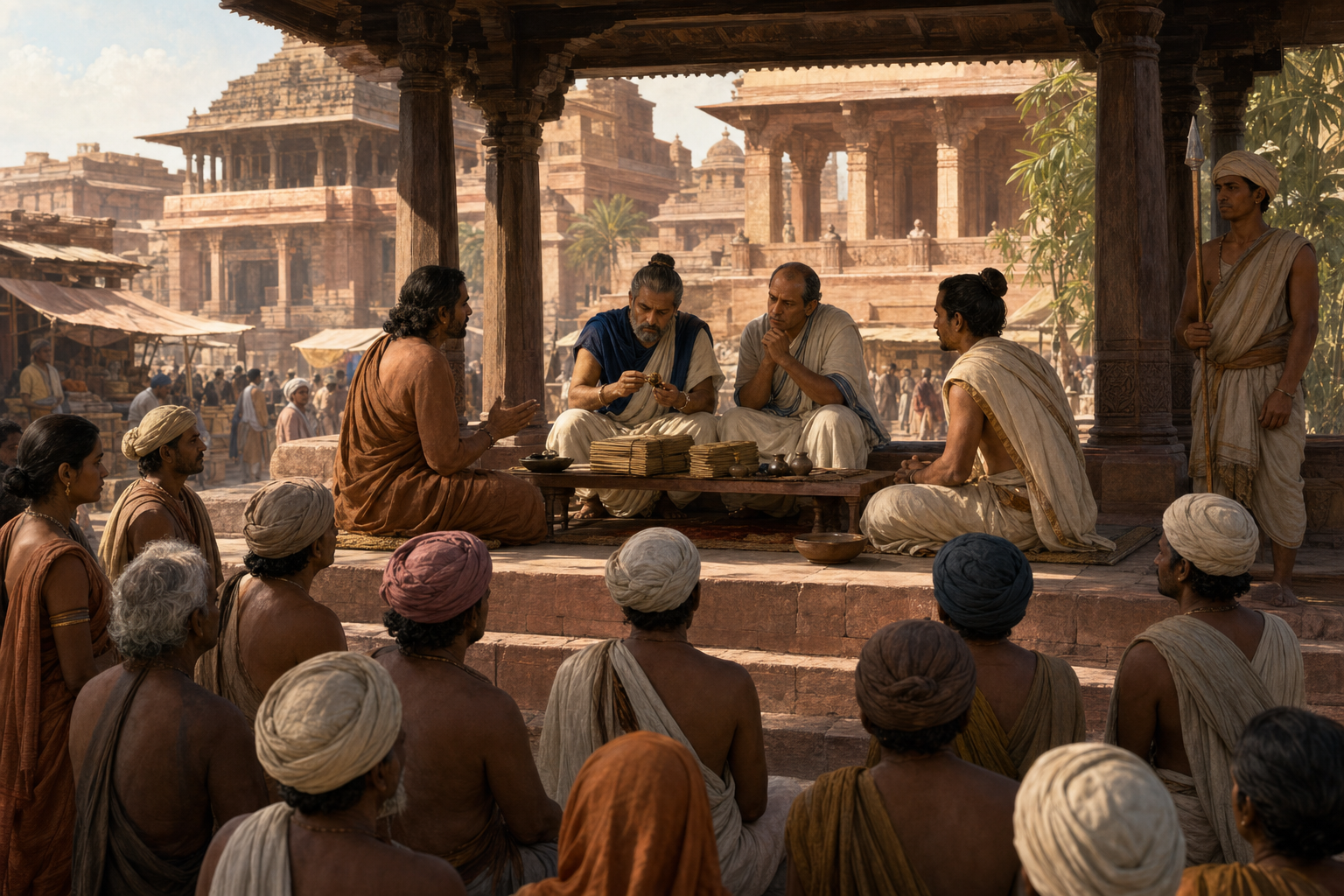
Nigrahasthana—“ground of defeat”—is a cornerstone of Hindu philosophy’s debate ethics, signaling the point where confusion, contradiction, or irrelevance requires a respectful concession. Set within Nyaya’s tarka, it protects truth-seeking dialogue (vāda) from lapses that derail inquiry. The concept aligns with Jain Anekantavada and Buddhist logic, and resonates with Sikh traditions of honest, community-centered discourse. It…
-
Dharma in a Distracted Age: Powerful Ways to Live Authentically with Dharmic Wisdom

This article explores how the timeless wisdom of dharma enables authentic living in a distraction-saturated age. It explains dharma across Hinduism, Buddhism, Jainism, and Sikhism, highlighting shared values of truth, non-harm, discipline, compassion, and service. Readers gain practical tools—viveka, svadharma, Aparigraha, mindfulness, prāṇāyāma, seva, and community support—to stabilize attention and purpose. It offers a four-part…
-
Ravana’s Karmic Reckoning: Sage Dvaipayana’s Curse and Surpanakha’s Tragic Turn in the Ramayana

This exploration presents a lesser-known strand in Ramayana storytelling that links a curse attributed to Sage Dvaipayana with Surpanakha’s ordeal, highlighting the theme of karmic justice. It clarifies that while Valmiki’s text is primary, regional and later traditions use this motif to teach moral causality. Readers gain an academic yet accessible account that balances empathy…
-
Global Outrage at Bangladesh Lynching: US Condemns, India Warns of Pattern Against Minorities

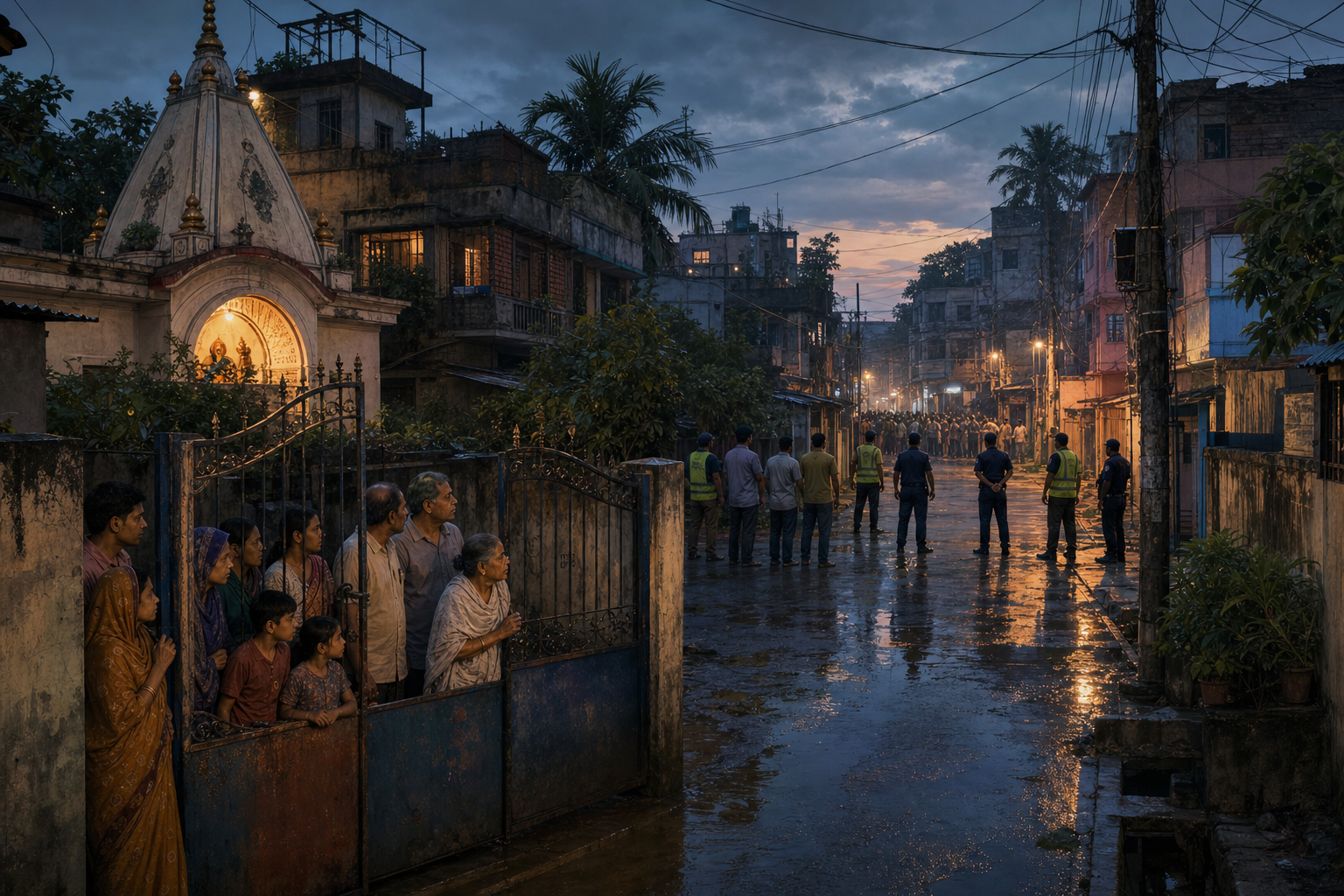
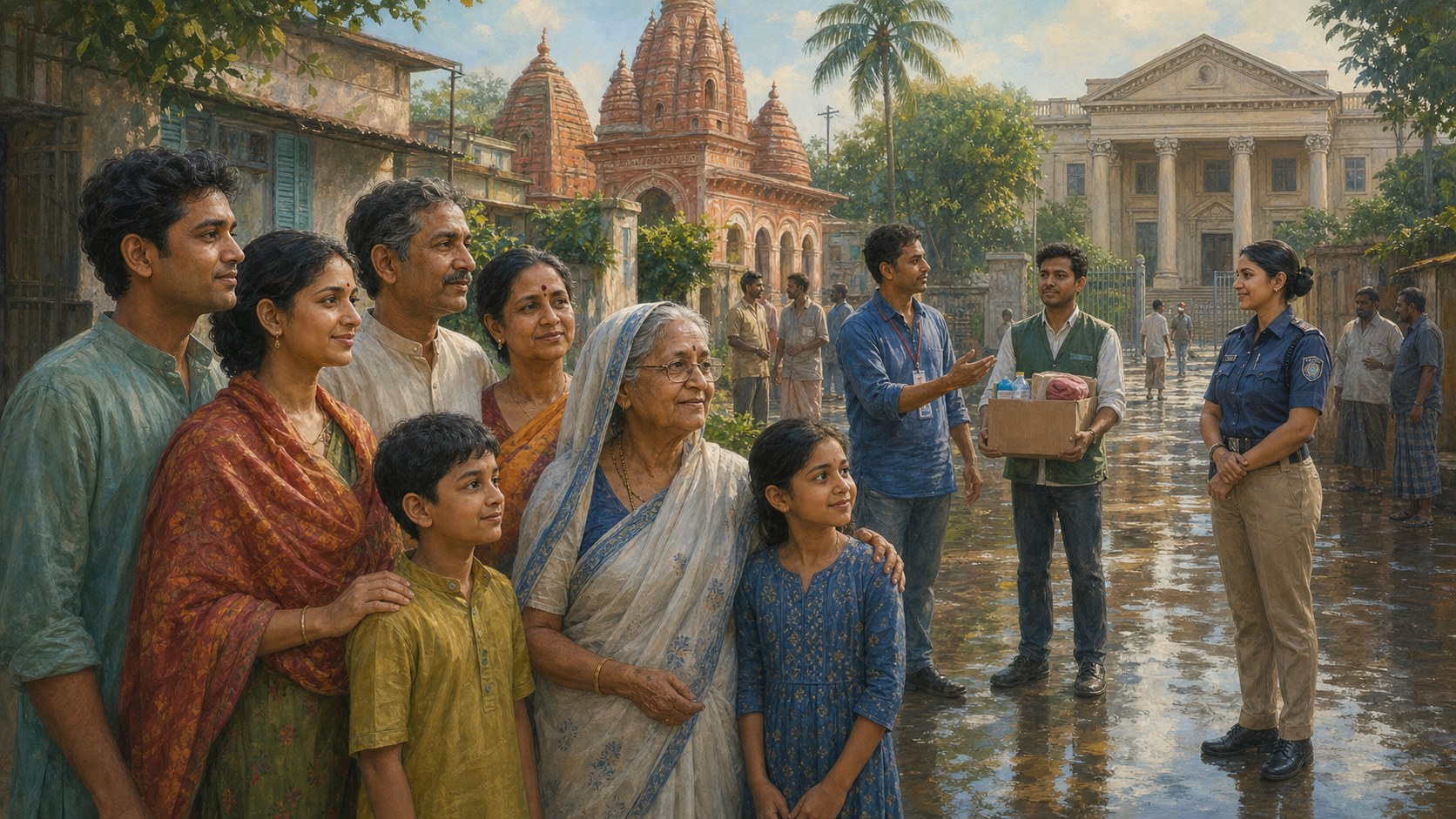
The lynching of Bangladeshi Hindu man Dipu Das (Dipu Chandra Das) has drawn global condemnation, with the United States calling the crime “horrific” and India warning of a recurring pattern of hostility toward minorities. The response emphasizes due process, accountability, and the rule of law over vigilantism. Analysts connect the case to broader concerns about…
-
Vaikunta Ekadasi and Moksha Patam: Decoding Snakes and Ladders as a Path to Liberation

Vaikunta Ekadasi invites a reflective return to dharma, and the traditional game Moksha Patam (Snakes and Ladders) becomes a meditative tool for understanding karma and moksha. Ladders symbolize virtues like truth, compassion, charity, and devotion, while snakes represent vices such as anger, pride, greed, and delusion. The game aligns naturally with Ekadashi fasting and vrata,…
-
Atala in the Puranas: Awe-Inspiring Splendor of the Hidden Realm Beneath Bhuloka

Atala, the first of the seven Patala-lokas beneath Bhuloka, is portrayed in the Puranas as a realm of radiant beauty rather than infernal gloom. Drawing on the Bhagavata Purana and Vishnu Purana, this article clarifies Atala’s place in Hindu cosmology and explains how its opulence complements broader philosophical themes of maya and discernment. It offers…
-
Sanatana Gosvami’s Humble Plea: Timeless Vaishnava Etiquette, Devotion, and Dharmic Unity

Sanatana Gosvami’s request to be guided from within models the core of Vaishnava etiquette—humility, devotion, and disciplined conduct. The passage elevates service over self-assertion and places ethical behavior within the Guru-Shishya Tradition. It highlights how genuine learning begins with surrender and culminates in responsibility to scripture, community, and practice. These themes resonate across Hinduism, Buddhism,…
-
Lord Buddha as Vishnu’s Avatar: Bridging Hinduism and Buddhism with Compassionate Dharma

This reflection considers Lord Buddha through a Vaishnava lens as an avatar of Vishnu, clarifying how a historical de-emphasis on ritual can be read as a restoration of Vedic ethical essence. It highlights Lord Buddha’s global impact 2,500 years ago and how that influence aligns with ahimsa, compassion, and dharma. The discussion fosters unity among…
-
From Need to Excess: Dharmic Wisdom on Consumption, Contentment, and Inner Freedom

Modern consumption often confuses desire with necessity, but Dharmic wisdom offers a corrective through Aparigraha (non-hoarding), Asteya (non-stealing), and Santosha (contentment). This piece explains how mindful consumption restores balance between artha and dharma, reduces restlessness, and deepens gratitude. It offers practical questions for ethical purchasing and highlights the shared values of Hinduism, Buddhism, Jainism, and…
-
Ahara and Vihara Made Practical: Transform Health with Ayurveda’s Time-Tested Vedic Wisdom

Ayurveda’s twin pillars—Ahara (nutrition) and Vihara (conduct of life)—offer a practical, science-aligned path to sustained well-being. Emphasizing fresh, seasonal foods and consistent mealtimes strengthens digestion and energy. Sleep hygiene, gentle Yoga, Pranayama, and mindful pauses cultivate emotional steadiness and mental clarity. Dinacharya and Ritucharya provide daily and seasonal structure, enhancing circadian alignment. Dharmic traditions—Buddhism, Jainism,…
-
Pitrgatha in the Matsya Purana: Sacred Hymn of Ancestral Blessings, Duty, and Legacy

The Pitrgatha (Song of the Manes) in the Matsya Purana (204.3–17) presents the ancestors’ own voice, offering blessings while affirming ethical duty. It frames Shradh not merely as ritual, but as a living ethic of compassion, truth, and generosity. The hymn’s dialogic form draws readers into a personal encounter with ancestral legacy. Its themes resonate…
-
January 5, 2026 Panchang: Exact Tithi Change, Auspicious Guidance, and Dharmic Harmony

January 5, 2026 features Krishna Paksha Dwitiya tithi until 12:33 PM, followed by Krishna Paksha Tritiya. This precise timing helps plan vratas, puja, and daily tasks with confidence. Dwitiya favors quiet reflection and steadiness; Tritiya supports organized, measured initiative. Local Nakshatra and Rashi should be verified with a regional Panchang for accuracy. Recognized periods like…
-
Magh Mela 2026: Jan 3–Feb 1 at Prayagraj (Allahabad) Triveni Sangam with Sacred Snan

Magh Mela 2026 will be observed from January 3 to February 1 at the Prayag Sangam in Allahabad (Prayagraj), where devotees undertake the sacred Magh Snan at the Triveni Sangam. The observance emphasizes inner austerity, communal devotion, and service, reflecting values shared across Hinduism, Buddhism, Jainism, and Sikhism. Key bathing observances typically include Poush Purnima,…
-
Harsu Brahma Jayanti 2026: Date, Tithi, and the Enduring Legacy of Courage and Dharma

Harsu Brahma Jayanti 2026, observed on January 27, honors the birth anniversary of Harsu Brahmaji and the values of courage, dignity, and devotion. Rooted in regional memory from the time of Raja Saliwahan, the remembrance inspires ethical reflection without dwelling on contention. The day’s observances—home puja, stotra recitation, diya lighting, and annadanam—connect personal faith with…
-
Khodiyar Mata Jayanti 2026: Magha Shukla Ashtami Date, Significance, Puja Vidhi, and Traditions

Khodiyar Mata Jayanti 2026 (Khodiyar Maa Pragatya Din) falls on Magha Shukla Ashtami and will be observed on 26 January. The Jayanti honors the goddess’s first appearance and her protective grace, especially venerated in Gujarat. Devotees perform puja, observe vrata, recite aarti and stutis, and engage in seva that aligns devotion with service. Rooted in…
-
Auspicious Mauni Amavasya 2026: Date, Sacred Silence, Magh Mela and Triveni Sangam Rituals

Mauni Amavasya (Mauna Amavasya) in 2026 falls on January 18, coinciding with the Magh Mela at Prayagraj. Observed on the No Moon day of Magha, it is renowned for Magh Snan at the Triveni Sangam and for the discipline of sacred silence (mauna). The day encourages japa, dana, vrata, meditation, and scripture reading, with many…