-
Vaikunta Ekadashi Unveiled: The Sacred Gateway of Grace That Sets It Apart

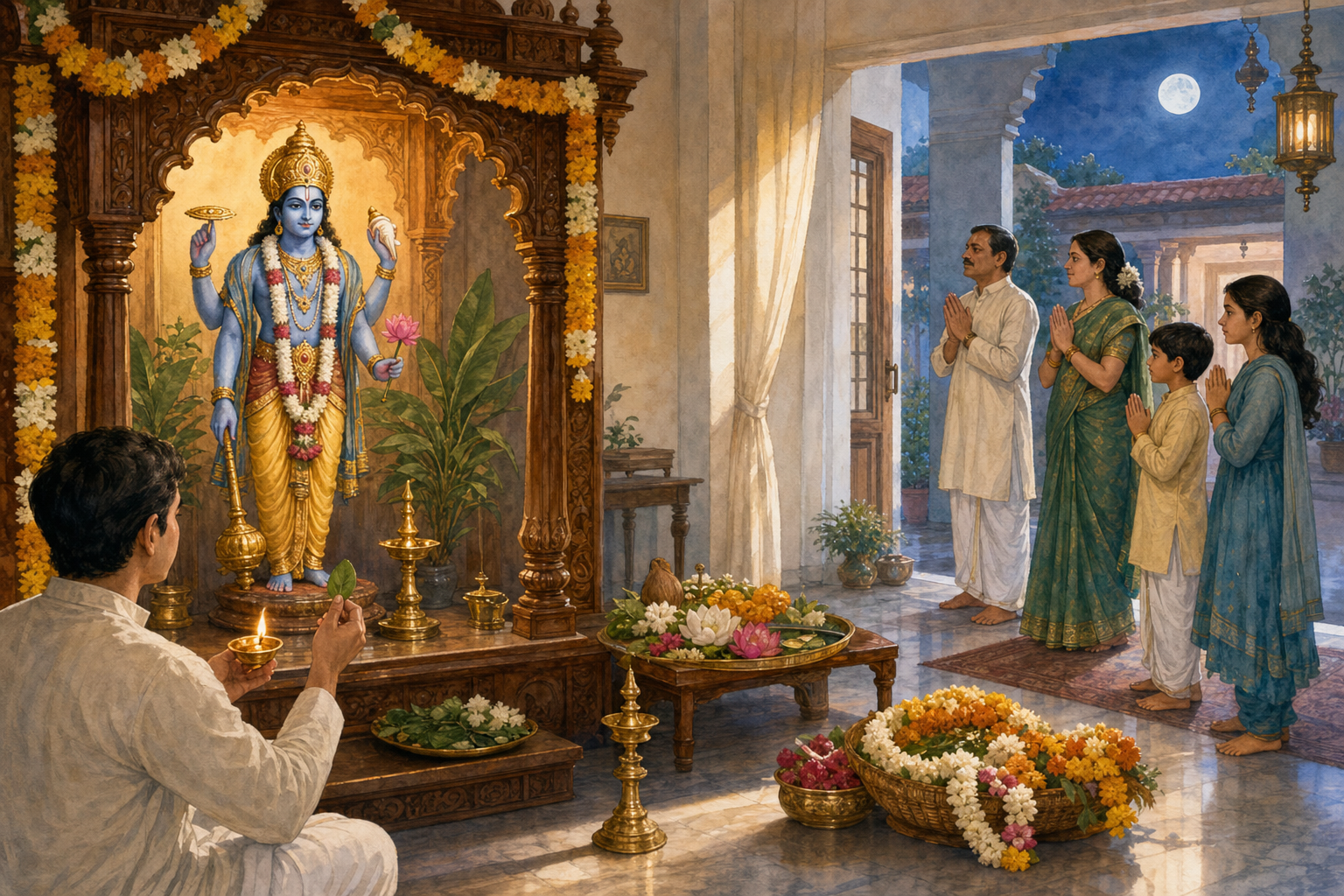
Vaikunta Ekadashi stands out among annual Ekadashi observances by uniting rigorous fasting with the unique symbolism of the Vaikuntha Dwaram. It is honored as a day when Lord Vishnu opens the gateway to grace, inviting inner transformation and the pursuit of moksha. Temple rites in places like Srirangam and Tirumala bring this symbolism to life…
-
Magh Mela 2026 at Prayagraj (Allahabad): Key Dates, Sacred Snan, and Spiritual Significance

Magh Mela 2026 will be observed from January 3 to February 1 in Prayagraj (Allahabad), aligning with Magh and the early days of Falgun. The Mela’s heart lies at the Triveni Sangam, where ritual bathing (snan) symbolizes inner purification and ethical recommitment. The period includes the window around Makara Sankranti, often regarded as especially auspicious…
-
Harsu Brahma Jayanti 2026: Date, Tithi, and the Inspiring Legacy of Dharma and Courage

Harsu Brahma Jayanti 2026 falls on 27 January and commemorates the birth anniversary of Harsu Brahmaji. The day honors Harsu Brahma Pandey, a Kanyakubja priest remembered for principled resistance and moral courage. Observers are encouraged to consult the local Panchang to determine the precise Harsu Brahma Tithi and regional timings. The Jayanti’s significance lies in…
-
Khodiyar Mata Jayanti 2026: Date, Magha Shukla Ashtami Significance and Dharmic Unity

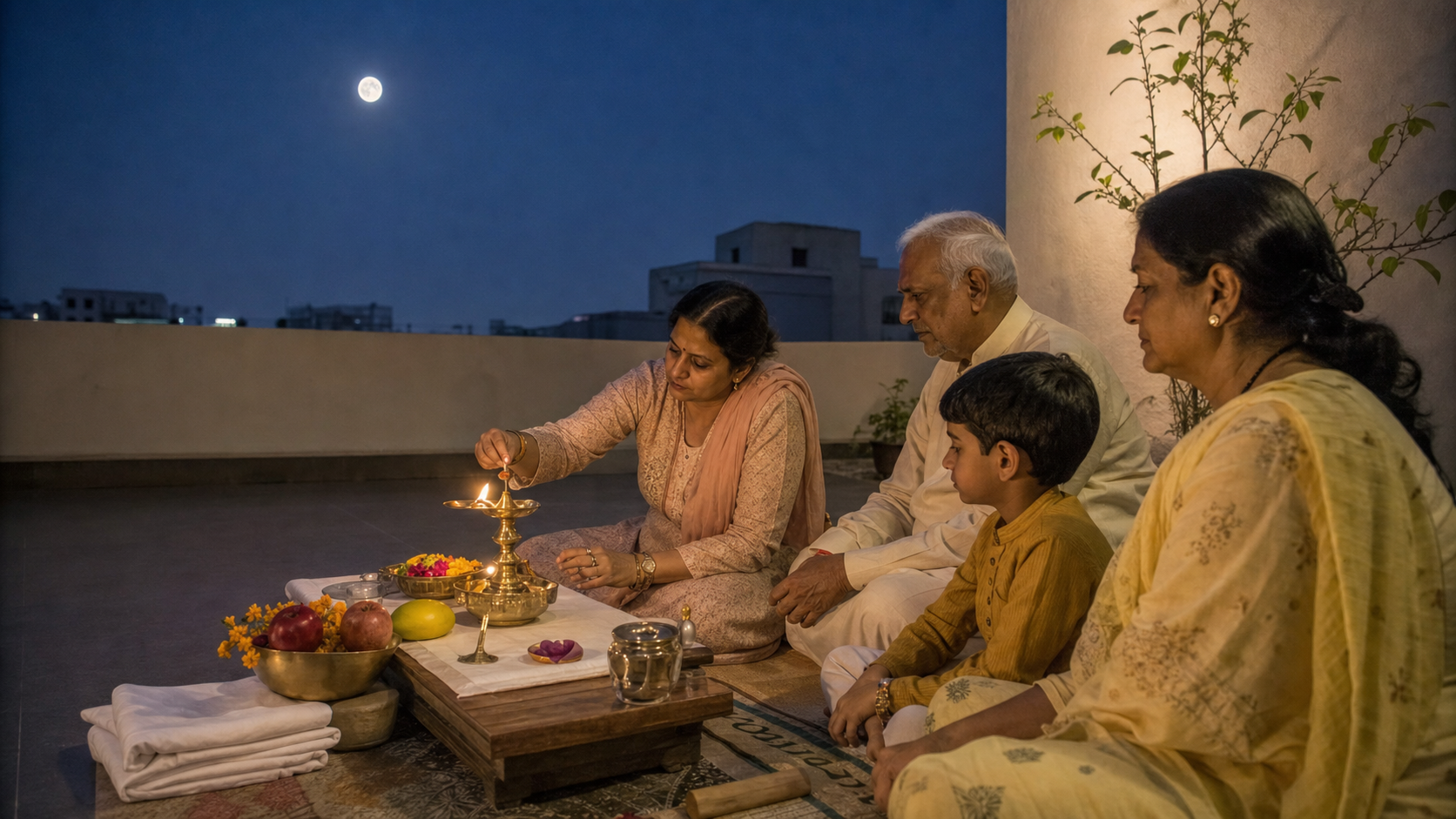
Khodiyar Mata Jayanti (Khodiyar Maa Pragatya Din) in 2026 falls on January 26, aligning with Shukla Paksha Ashtami in the Magha month of the Hindu calendar. The observance honors the protective grace and Shakti of Goddess Khodiyar Mata, invoking courage, gratitude, and resilience. Families and communities typically light lamps, offer prayers, and share devotional narratives,…
-
Mauni Amavasya 2026: Sacred Silence, Auspicious Snan and Magh Mela at Triveni Sangam

Mauni Amavasya 2026 (January 18) invites a day of sacred silence, fasting, and inner reflection rooted in the Hindu calendar’s Magha Amavasya. It is especially auspicious for ritual bathing (punya snan) at the Triveni Sangam in Prayag during the Magh Mela. Devotees practice mauna, japa, charity, and ancestral remembrance to purify mind and heart. The…
-
Tirupati TTD’s Grand Vaikuntha Ekadashi Prep: Devotee-Friendly Queues and 10 Tons of Flowers

Tirupati’s TTD temples have initiated extensive Vaikuntha Ekadashi preparations to enhance devotee comfort and preserve sanctity. Special queues, protective sheds, and vibrant Rangolis are designed to streamline movement and uplift the worship experience. A remarkable floral display—10 tons of traditional flowers and 1 lakh cut flowers—will enrich temple spaces with color and fragrance. These steps…
-
Samba Dashami 2025 (Surya Puja): Date, Rituals, and Heartfelt Odisha Traditions

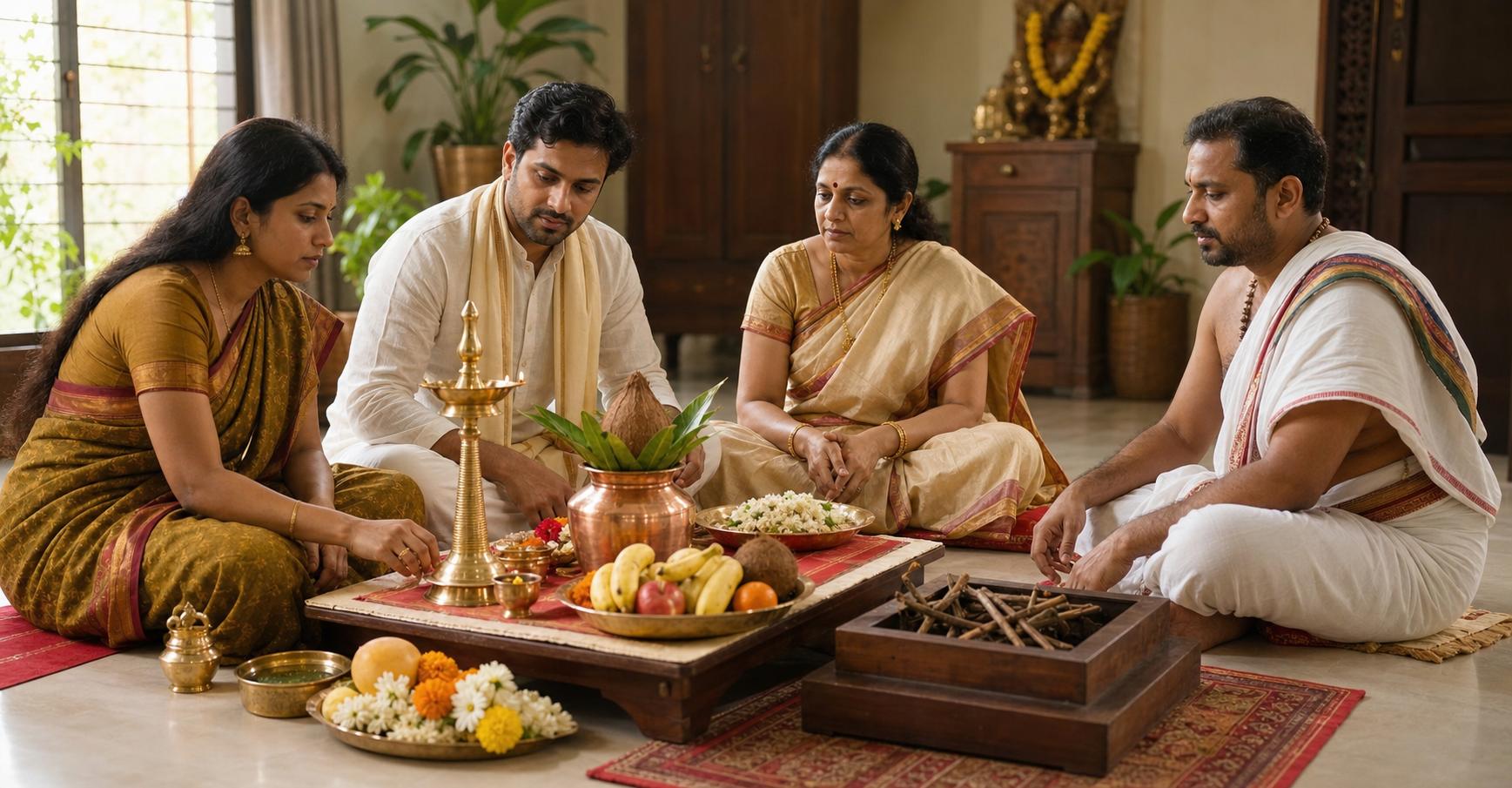
Samba Dashami 2025, the Odia Surya Puja, will be observed on December 29 during Pausha Shukla Dashami. The vrat honors Surya Bhagwan through sunrise arghya, disciplined worship, and heartfelt household traditions. Rooted in the Samba Dasami Vrat Katha, the observance symbolizes healing, resilience, and family wellbeing. Offerings often include arisa, manda, kakara, kheeri, and seasonal…
-
Magh Snan Mahatmya: Transformative Power of Magha Snanam and the Sacred Pre‑Dawn Holy Dip

Magh Snan (Magha Snana) during Magh month is honored for its capacity to purify, calm the mind, and align daily conduct with dharma. Performed ideally before sunrise during Brahma Muhurta, the snana is complemented by japa, vrata, and daana for deeper spiritual impact. Traditionally undertaken in sacred rivers like Ganga, Yamuna, Brahmaputra, Narmada, and Godavari,…
-
January 4, 2026 Panchang Guide: Exact Tithi Timings, Deep Meanings, and Auspicious Tips

Sunday, January 4, 2026 features Krishna Paksha Pratipada until 2:08 PM, followed by Krishna Paksha Dwitiya. The waning fortnight’s first tithi supports introspection, gentle restarts, and orderly routines, while Dwitiya favors steady, balanced progress later in the day. Nakshatra and Rashi vary by region and should be checked in a local Panchang for precision. Shubh…
-
Blasphemy as a Weapon: 70+ Attacks Signal Systematic Targeting of Bangladesh Hindus
A Dec 27, 2025 report documents a marked rise in blasphemy-linked violence against minority Hindus in Bangladesh, with more than seventy incidents in six months. Across sources, the pattern is consistent: allegations spark rapid rumor chains, mob mobilization, and targeted attacks on homes, businesses, and temples. The analysis emphasizes due process, independent investigations, and preventive…
-
Supreme Knowledge vs Worldly Wisdom: Decoding Para–Apara Vidyā for a Balanced Life

Hindu philosophy distinguishes para vidyā (supreme knowledge) from apara vidyā (worldly wisdom) and treats them as complementary pathways. Apara vidyā equips people to fulfill dharma through practical skills, ethics, and social responsibility. Para vidyā delivers direct insight into ātman–brahman, resolving existential anxiety and orienting life toward moksha. Integrated, they transform everyday work into karma yoga…
-
Mohini and the Mirage of Desire: Samudra Manthan’s Timeless Lesson on Maya and Dharma

The Mohini episode from the Samudra Manthan offers a precise exploration of desire, distraction, and discernment within the Bhagavata Purana (8.8–9). It reframes the so-called divine deception as a protective strategy aimed at preserving dharmic balance rather than advancing partiality. Read through a dharmic lens, the narrative converges with Buddhist, Jain, and Sikh teachings on…
-
Devprayag’s Soul-Stirring Confluence: Where Alaknanda and Bhagirathi Become the Ganga

Devprayag in Tehri Garhwal, Uttarakhand, is the culminating confluence of the Panch Prayag, where Alaknanda and Bhagirathi merge and the river takes the sacred name Maa Ganga. This sangam is both a hydrological landmark and a spiritual tirtha that embodies ethical living and ecological reverence. The visible meeting of currents offers a compelling symbol of…
-
Magnanimous Devotion: How Exemplary Bhakti Inspires and Unites Dharmic Traditions

A magnanimous devotee, praised throughout the Bhakti Tradition and Hindu scriptures, is described as purifying, inspiring, and transformative in the lives of others. Even brief association with saintly persons—sadhu-sanga—often catalyzes ethical clarity, devotion, and renewed purpose. Comparable ideals appear across Buddhism, Jainism, and Sikhism, underscoring unity in spiritual diversity. The “ornaments” of the devotee—humility, compassion,…
-
Bhakti Beyond Reason: When the Bhagavad-gita Unites Head and Heart in Devotion to Krishna

Bhakti becomes transformative when the head’s clarity and the heart’s devotion work together. The Bhagavad-gita serves as a trustworthy map for this integration, revealing Krishna as the source of all attractiveness (10.08, 10.41). With that insight, choosing devotion does not mean losing joy; it means connecting with its origin. Through bhakti-yoga—kirtan, japa, and seva—practitioners often…
-
From City Rush to Country Calm: A 1965 Ananda Ashram Encounter with Raja Yoga Meditation

In September 1965, a quiet visit to Ananda Ashram near New York City offered a contemplative encounter with Raja Yoga. The program included a lecture, a brief reading, and a focal-point meditation on a circle drawn on the wall. As perception of the circle shifted—changing size, shape, and form—concentration became difficult, redirecting attention to the…
-
Nationwide Outcry and Unity: Protests Demand Justice for Bangladesh’s Hindus after Dipu Das Killing
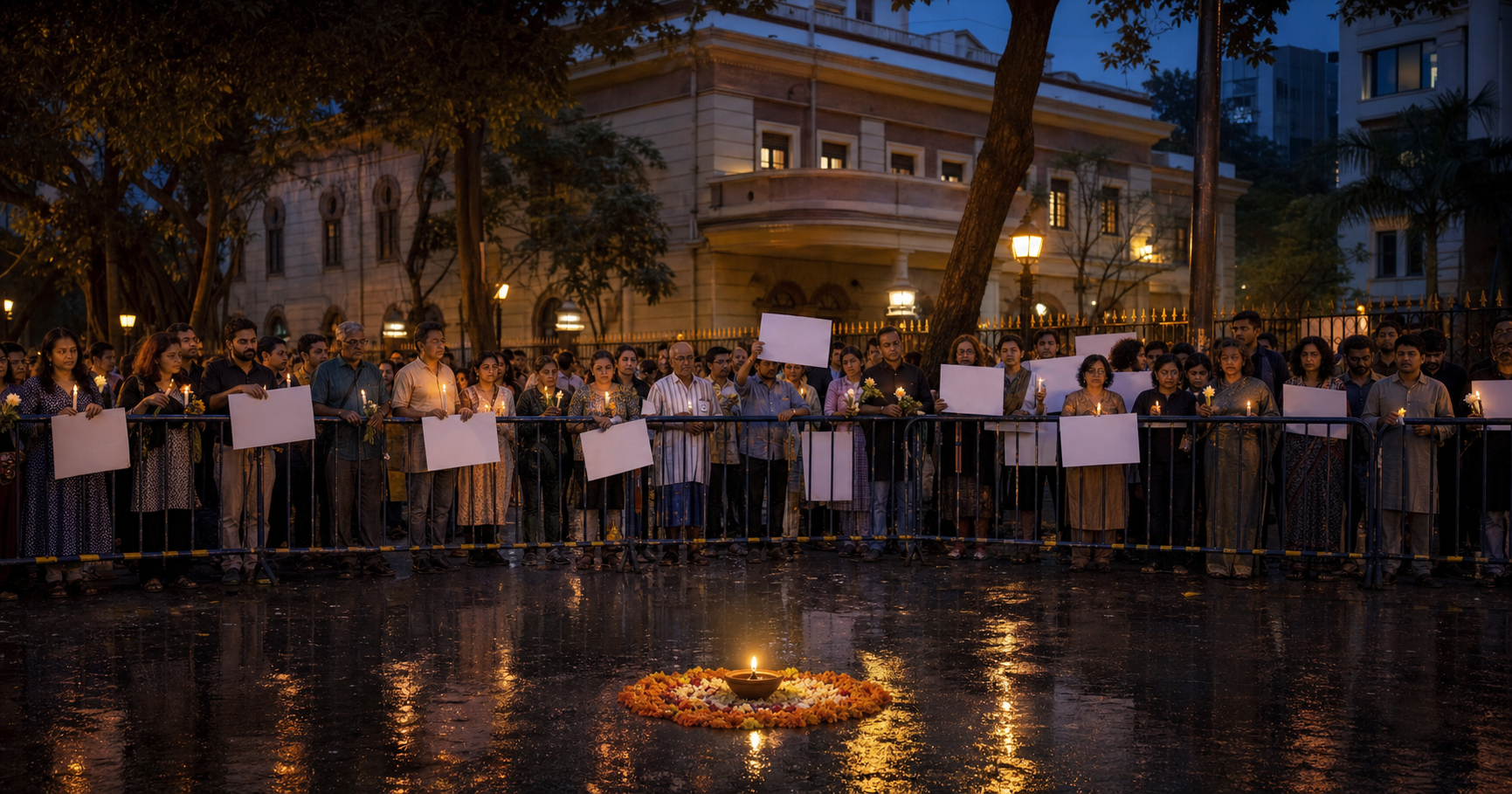
India witnessed coordinated protests by Hindu organisations and patriotic citizens following the brutal killing of Dipu Chandra Das in Bangladesh. Demonstrators demanded firm diplomatic intervention, impartial investigations, and credible protection for Hindu minorities in Bangladesh. The response was marked by dharmic solidarity, with Hindu, Buddhist, Jain, and Sikh participants emphasizing non-violence and justice. The protests…
-
Slave Narratives That Shatter Pro-Slavery Myths: The Brutal Reality Behind Hammond’s Claims

James Henry Hammond claimed slavery was more humane than wage labor, but slave narratives decisively refute that myth. Solomon Northup, Harriet Jacobs, and Charles Ball document a regime of terror—floggings, family separations, and sexual violence—that annihilated personhood. The cotton field’s quotas and punishments expose the falsehood of paternalistic care. The slave market’s inspections and routine…