
-
Happiness Beyond Problems: Hindu Wisdom for Unshakable Inner Peace and Resilient Living

Hindu philosophy reframes happiness as inner steadiness rather than problem-free living. Drawing on the Bhagavad Gita, Karma Yoga, and meditative practices, it shows how equanimity reduces reactivity and supports ethical clarity. Practical toolsmindfulness, pranayama, Yoga, and reflective self-inquiryhelp cultivate resilience and emotional balance. Everyday challenges then become opportunities for insight instead of triggers for turmoil.…
-
Witnessing the Sky of Consciousness: Sri Shyamdas Babaji’s Transformative Sadhana and Unitive Wisdom

Set in Sri Jagannath Kshetra and later Varanasi, this reflective account presents Sri Shyamdas Babaji’s rare synthesis of jnana, bhakti, and yoga. Readers encounter his lucid teaching on drashta bhava (witness-consciousness) and the chidakasha (sky of consciousness), framed by living connections to Trailinga Swami, Prabhu Jagadbandhu, Sri Sri Maa Anandamayi, and the Gaudiya tradition. The…
-
Unbreakable Resolutions: Dhruva’s Determination and Sattvic Discipline for the New Year

New Year commitments flourish when intention becomes unbreakable resolve. Drawing on Srila Prabhupada’s reference to Dhruva Maharaja, this reflection clarifies the difference between desire and commitment through the lens of the gunas: tamas stalls at dreams, while sattva sustains disciplined action. It offers a practical, dharma-aligned framework for resolutionsclear purpose, small daily practices like japa…
-
Beyond Willpower: How Breathwork and Yoga Rewire the Nervous System in Addiction Recovery

This analysis traces a journey from relapse to stability, showing how yoga and breathwork can regulate the nervous system during addiction recovery. It explains why rooting in the body must precede rising into lasting change, linking somatic healing with practical pranayama. It outlines three evidence-aligned breathing techniquesAnulom Vilom, Sama Vritti, and Dirgha Pranayamathat reduce anxiety,…
-
Mind, Body, and Soul in Balance: Practical Strategies to Build Inner Strength and Harmony
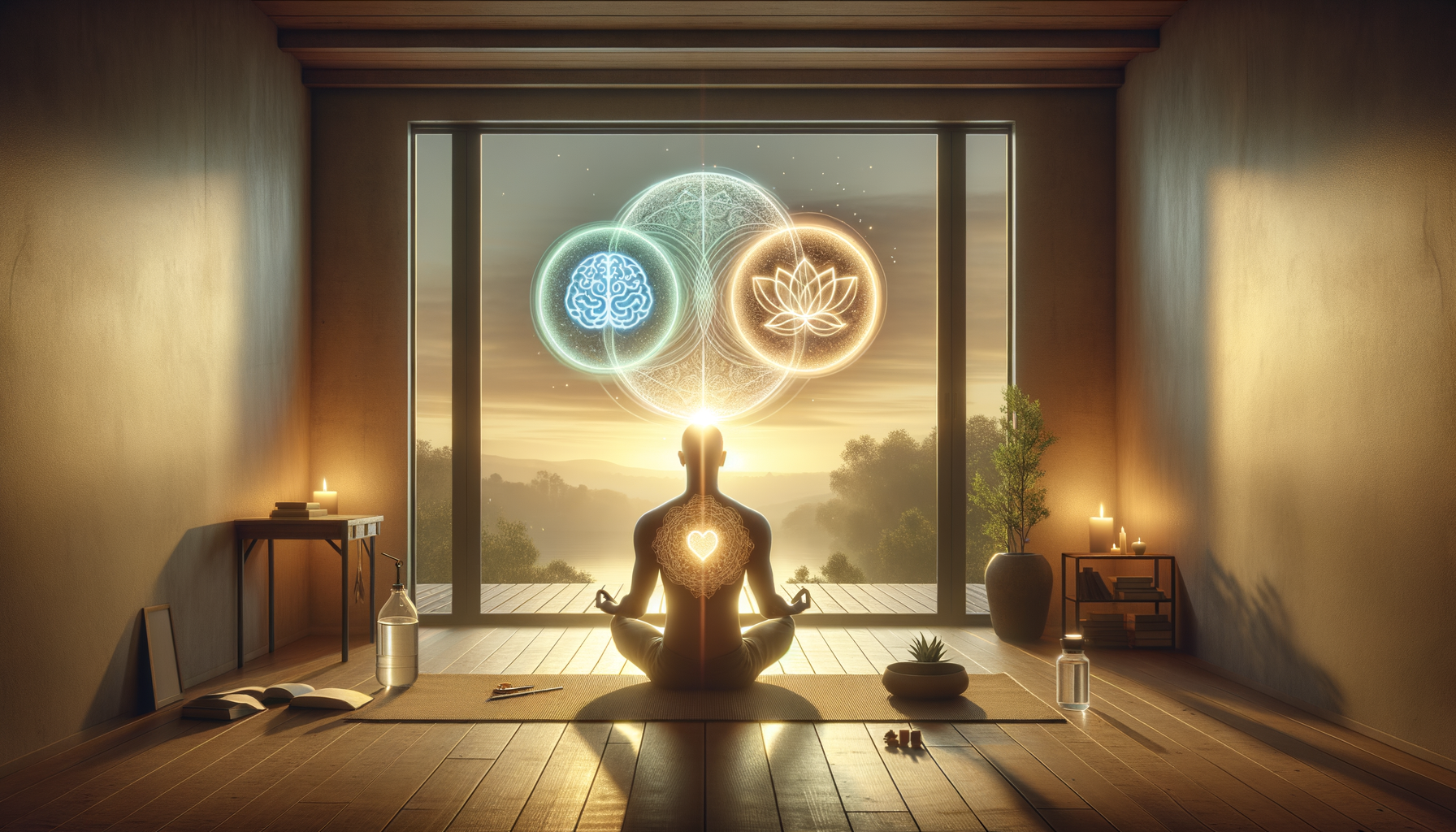
Asking whether mind, body, or soul is strongest creates a false contest; each holds a distinct role that becomes powerful in balance. The body anchors vitality, the mind refines attention and choice, and the soul aligns life with dharma and meaning. Practical routinesmovement, breath awareness, and meditationintegrate these dimensions to cultivate emotional resilience and holistic…
-
Kashi–Varanasi as Moksha Sthala: Uncover the Sacred City Within and the Path to Liberation

Kashi (Varanasi) is honored as a Moksha Sthala not only for its sacred geography at the confluence of Varuna and Asi, but for the inner journey it reflects. The city’s sanctity points to the Ajna chakra, the inner seat of clarity central to Yoga and contemplative practice. Pilgrimage (Tirtha-Yatra) thus becomes a dual movementtoward the…
-
Antaraya in Hinduism: Overcoming Yoga’s Inner Obstacles with Steady, Devoted Practice
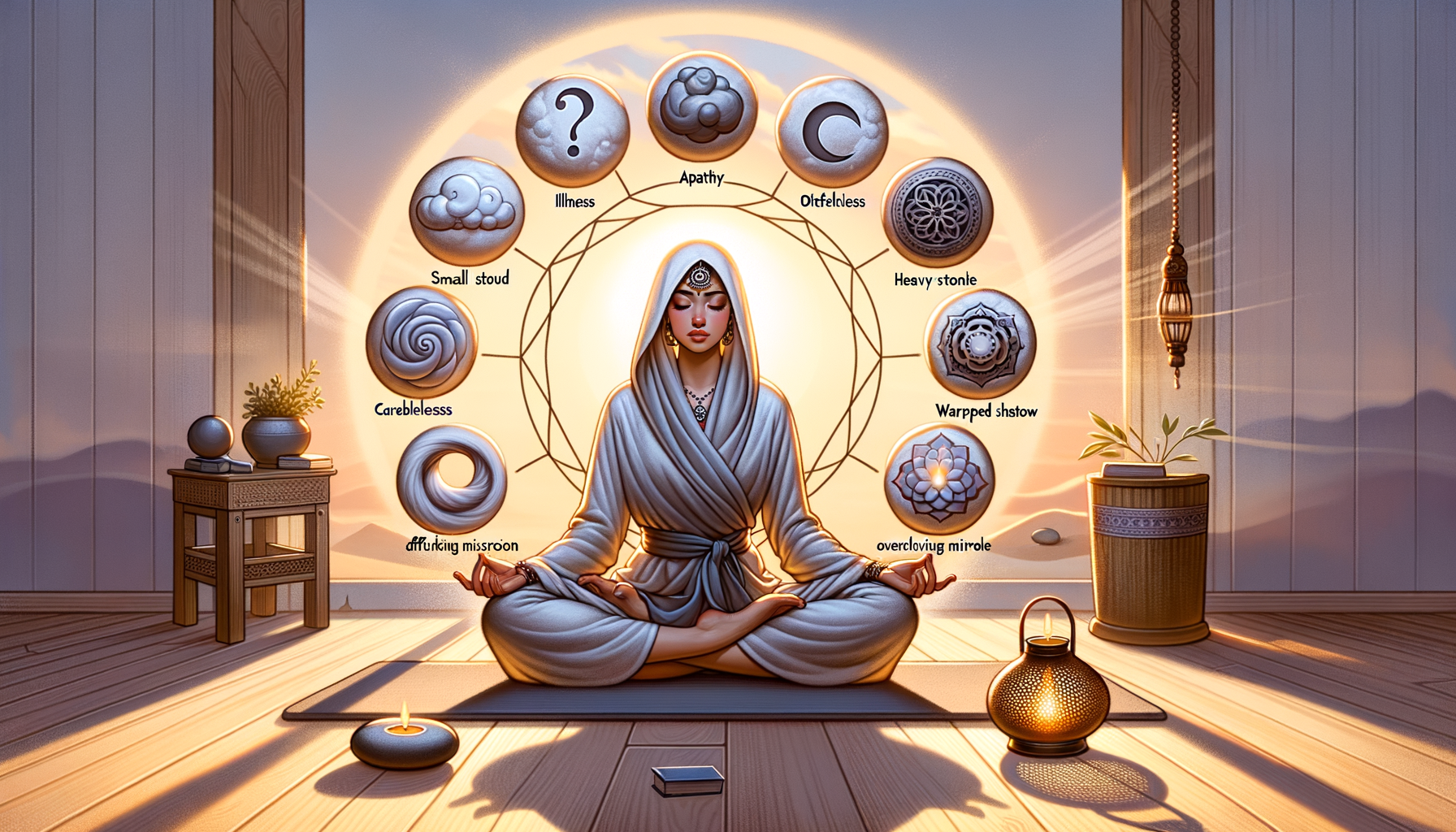
Antaraya in Hinduism explains why even sincere Yoga practice sometimes loses momentum and clarity. Classical guidance identifies nine common obstacles and shows how they undermine abhyasa, pratyahara, and dhyana. Recognizing these patterns helps practitioners diagnose distractions early rather than mistaking them for failure. Practical remediessteady abhyasa with vairagya, ethical discipline, breath awareness, and nairantarya abhyaserestore…
-
Prevent the Ripple: Dharmic Wisdom on Mindful Action, Karma, Ahimsa, and Non‑Emergence

This essay explores a unifying Dharmic insight: what has not yet emerged is easiest to prevent. Drawing on Hindu philosophy and the Bhagavad Gita, it explains how mindful intention, disciplined attention, and skillful action avert harm at its source. The discussion highlights parallel teachings in Buddhism (Right Effort and Mindfulness), Jainism (ahimsa and pratikraman with…
-
Margazhi’s Quiet Power: Art, Nature, and Hindu Devotion Across Continents
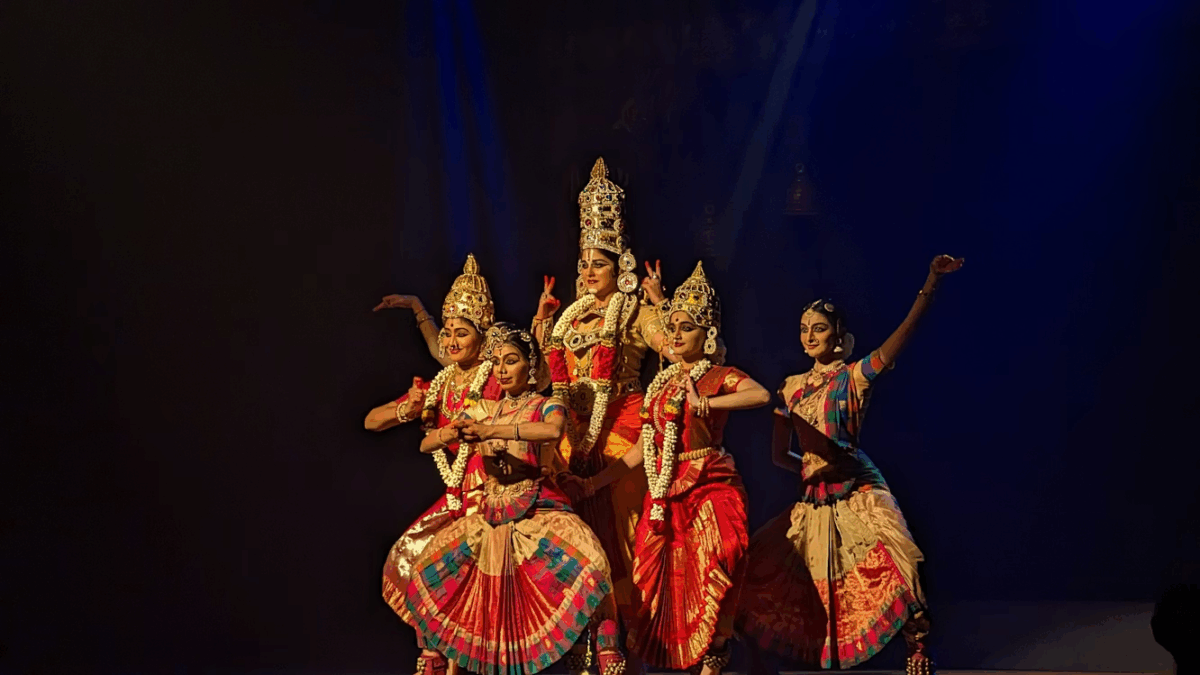
Margazhi (Mārgaśīrṣa) offers a contemplative counterpart to global year-end festivities by centering sadhana, beauty, and ecological reverence. This academically grounded reflection traces how Shaiva and Vaishnava practices, Tiruppavai, Andal’s devotion, and festivals like Vaikunth Ekadasi, Arudra Darshanam, and Pongal converge in Tamil culture and the diaspora. It also explores how Margazhi’s artistic spirit comes alive…
-
Beyond Circumstances: The Transformative Hindu Truth of Inner Freedom and the Ever-Free Self

This essay explains a core Hindu philosophical insight: true freedom is inner and independent of circumstance. Drawing on the Upanishads and the Bhagavad Gita, it clarifies how bondage stems from misidentification and how moksha is the recognition of the ever-free Self. It outlines practical pathwaysKarma, Bhakti, Jnana, and Raja Yogathat cultivate equanimity and clarity in…
-
Master the Mind, Transform Reality: Dharmic Wisdom for Inner Freedom and Resilient Living

Dharmic wisdom teaches that mental mastery, not circumstances, determines freedom. The Bhagavad Gita, the Upanishads, the Dhammapada, Jain disciplines, and Sikh teachings converge on a shared insight: inner clarity transforms how reality is experienced. Practical methods such as breath awareness, mindfulness meditation, japa or simran, ethical restraint, and seva stabilize attention and soften reactivity. This…
-
From People-Pleasing to Peace: Reclaiming Rest to Heal the Nervous System and Soul

Exhaustion is often mistaken for virtue, especially in people-pleasing patterns shaped by the fawn response. When the nervous system learns that stillness is unsafe, rest can trigger anxiety, urgency, and guilt. Understanding these reactions as survival adaptationsnot moral failingsopens a compassionate path to recovery. Practical steps such as small, time-bound pauses, anchoring with touch, redefining…
-
Why Desires Persist in Kali Yuga: A Dharmic Roadmap to Master Craving, Age, and Satiety
Desire often outlives satiety and age in Kali Yuga, a pattern recognized across Hinduism, Buddhism, Jainism, and Sikhism. Dharmic teachings trace this persistence to avidya, samskaras, and ego, rather than mere lack of fulfillment. The Bhagavad Gita, Upanishads, Buddhist suttas, Jain ethics, and Sikh Gurbani converge on a practical cure: ethics, contemplation, and service. This…
-
Sanyasa Yoga: A Powerful Path of Inner Renunciation toward Self‑Realization in Hinduism
Samnyasayoga in Hinduism emphasizes inner renunciation over external withdrawal, directing attention to self-realization and Brahman. Grounded in the Kaivalya Upanishad and Vedanta, it unites śraddhā, bhakti, and dhyāna to reveal Ātman as Brahman and guide seekers toward moksha. In contemporary life, Sanyasa Yoga appears as simplicity, mindful limits, and aparigraha rather than asceticism for its…
-
Menopause Revealed Hidden Trauma: A Decade-Long Journey to Healing, Resilience, and Rest

Menopause can unmask long-buried trauma, especially in women with higher Adverse Childhood Experiences (ACEs), and research links this history to more severe perimenopausal symptoms. This account traces a decade-long journey from insomnia and anxiety to nervous-system literacy and emotional resilience. Evidence from Maturitas, Emory University, and the Journal of Clinical Psychiatry clarifies why trauma heightens…
-
Protect Your Sacred Energy: Hindu Wisdom to Resist Attention Hijacking in the Digital Age
Ancient Hindu concepts such as prāṇa, indriya-nigraha, pratyāhāra, and dhyāna provide a clear framework to understand how the attention economy drains energy and clarity. Read with Buddhist sati, Jain samayik, and Sikh simran, these ideas form a unifying dharmic ethic that protects attention as sacred. The article outlines practical, low-friction habitsbreath-before-click, notification pruning, device-free zones,…
-
Reclaim Consciousness with Timeless Hindu Wisdom: Upanishadic Insights for a Unified Dharma

Hindu philosophy presents consciousness as the essence of existence, summarized by the Mandukya Upanishad’s “Ayam atma brahma.” This post clarifies how witnessing awareness (sakshi) and the four states culminating in turiya offer a practical framework for modern life. It outlines accessible methodspranayama, mantra japa, and meditationto improve focus, emotional balance, and resilience. Ethical foundations (yama…
-
From Kurukshetra to Baghdad: Battle‑Tested Gita Wisdom for a Soldier’s Resilience

A vivid account shows how Bhagavad Gita functions as a battle-tested guide for cognition and conduct under fire and in recovery. Arjuna’s Dharma-Sankata and Vishada mirror a soldier’s moral paralysis, reframed through Svadharma and Apad-Dharma to enable ethical action. In deployment, Karma Yoga becomes practical: act fiercely without attachment to violence, to safeguard Dharma. Post-deployment,…
-
Awaken the Dashavatara Within: Transformative Practices to Embody Vishnu’s Ten Archetypes
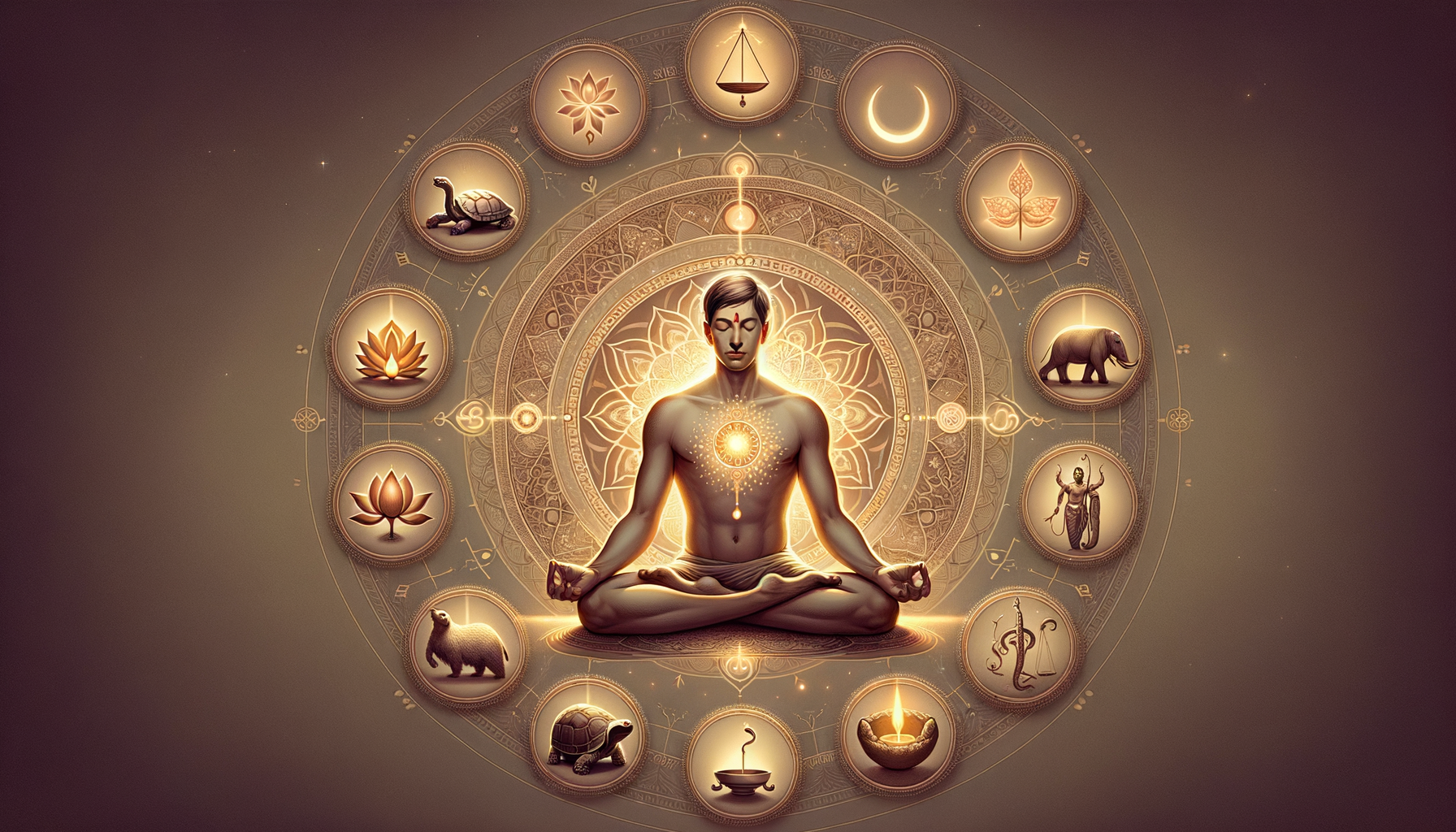
This article reframes the Dashavatara of Vishnu as ten inner states of consciousness that anyone can cultivate for ethical clarity, resilience, and compassion. Each avatar is paired with practical ways to invoke itsuch as breath awareness, mindfulness, micro-habits, service, and values-based action. The approach aligns with Vedic wisdom, the Upanishads, and the Bhagavad Gita while…
-
Darbha Sayana Murthy: Sri Rama’s Yoga Nidra Before LankaSymbolism, Strength, and Serenity

Darbha Sayana Murthy recalls the moment Sri Rama, poised to reach Lanka, prays to Lord Varuna and enters Yoga Nidra upon a bed of Darbha grass. The scene blends disciplined patience with strategic resolve, presenting leadership as calm strength before decisive action. Darbha symbolizes purity and protection, turning the earth into a sacred altar that…