
-
From Vaikhari to Para: Unlock the Transformative Power of Silence and Sacred Speech

This reflection explores the four classical levels of speechVaikhari, Madhyama, Pashyanti, and Parato clarify why silence is experienced in different ways even though emptiness itself is not “typed.” Readers learn how mindful speech (Vaikhari) draws strength from a quiet inner dialogue (Madhyama), a lucid insight-field (Pashyanti), and a serene source (Para). The piece offers practical…
-
Vrishabha Lagna (Taurus Ascendant): Grounded Traits for Timeless Calm and Daily Harmony

Vrishabha Lagna (Taurus Ascendant) is the second of the twelve Lagnas in Hindu Astrology and is traditionally linked with steadiness, aesthetic sensibility, and reliability. Classical sources describe medium stature, a plump build, a broad forehead, a stout neck, and bright eyes as common physical markers. Mentally, this Venus-ruled ascendant favors patience, pragmatism, and harmony, while…
-
Para Prakriti in the Bhagavad Gita: Unveiling Higher Consciousness and Inner Freedom
This article clarifies the Bhagavad Gita’s teaching on para and apara prakriti, showing how the eightfold apara field relates to body, mind, and ego, while para prakriti points to the living awareness that enlivens experience. It references key verses (7.4–7.5, 15.7) and explains their practical relevance for yoga, meditation, and ethical life. Readers gain a…
-
Decoding Lord Ayyappa’s Iconic Sitting Posture: Yogic Symbolism, Discipline, and Grace

The sitting posture of Lord Ayyappaoften termed Yogapattasanadoes more than depict meditation; it encodes restraint, discipline, and compassion through the stabilizing yogapatta. For Sabarimala pilgrims, it mirrors the vratham of vows and ethical living, transforming devotion into daily practice. The pose’s calm balance resonates across dharmic traditions, paralleling Buddhist mindfulness, Jain self-restraint, and Sikh remembrance…
-
From Brain Fog to a Midlife Roar: Transforming Perimenopause into Grounded, Wise Power

Perimenopause can feel like an existential stormbrain fog, insomnia, and mood swings woven into caregiving pressures and shifting identities. Framed as a rite of passage, midlife becomes a portal to grounded power, embodied truth, and fierce compassion. This narrative shows how symptoms often mirror unspoken burdens and how the body signals when responsibilities grow too…
-
Unshakable Calm: Hindu Wisdom for Emotional Resilience and Inner Peace Under Pressure
Hindu philosophy teaches that true success rests on composure, especially in moments of emotional turmoil. The Bhagavad Gita urges steadiness amid joy and sorrow, aligning inner balance with ethical, effective action. The Upanishads guide attention to the witnessing self, recommending practices like prāṇāyāma, dhyāna, and svādhyāya to cultivate inner peace. Parallel insights in Buddhism (upekkhā),…
-
Decoding Moksha Across the Yugas: How Kali Yuga Becomes the Fastest Route to Liberation
This article explains how the four YugasSatya, Treta, Dvapara, and Kalishape spiritual practice and the relative ease of attaining moksha. Drawing on the Bhagavata Purana, Upanishads, and the Bhagavad Gita, it shows why Kali Yuga, despite its challenges, offers accessible, grace-filled pathways through nama-japa, kirtana, seva, and satsang. Readers gain a clear, academic overview of…
-
Beyond the Body: Hindu Philosophy on Consciousness, Out-of-Body States, and Inner Freedom
Hindu philosophy addresses out-of-body experiences through a disciplined framework that distinguishes inner phenomenology from metaphysical claims. Drawing on the Upanishads, Vedanta, and Yoga, it explains how the subtle body (sukshma sharira) and the Pancha Kosha model contextualize non-ordinary states. Yogic methodspratyahara, dharana, dhyana, pranayama, and mantraserve as structured tools for exploration, with ethics and guidance…
-
Bhakti-yoga and Psychotherapy: Integrating Krishna Consciousness for Resilient Well‑Being

Chanting the holy name and practicing Bhakti-yoga in the Gaudiya Vaishnavism tradition are presented as primary means of purification and healing, while psychotherapy is framed as a respectful adjunct rather than a replacement. The piece explains why some practitioners benefit from counselingespecially when unresolved samskaras, trauma, or anxiety impede steady sadhana. It highlights practical ways…
-
Master the Panchamahabhuta: The Complete Guide to Five Elements, Deities, and Symbolism
This complete guide explains the Panchamahabhutathe five elements of Hindu philosophyand their associations with deities across major sampradayas, including the Shaiva Pancha Bhoota Sthalams. It clarifies how earth, water, fire, air, and space relate to senses, ethics, and yogic centers (muladhara, swadishtana, manipura, anahata, visudha). The discussion connects Hindu symbols with Vedic and Upanishadic insights…
-
Proven Nighttime Practices to Transform Bad Dreams: An Essential Guide to Peaceful Sleep

Bad dreams are common and manageable with simple, structured pre-sleep practices. Chanting Om Namah Shivaya or Jai Gurudev as gentle japa calms the mind and supports peace of mind before bed. A short routineintention-setting, breath regulation, mantra repetition, and quiet mindfulnessreduces arousal and worry that fuel nightmares. Evidence-informed habits like steady breathing and focused attention…
-
Discover the Bhagavad-gita’s Proven Path: Master Renunciation through Devotion and Duty

Renunciation, as defined in the Bhagavad-gita (6.1-2), is not withdrawal from life but disciplined engagement without attachment to outcomes. By uniting Karma Yoga and devotion, duty becomes a vehicle for spiritual growth and mental clarity. This approach reduces anxiety, sharpens purpose, and fosters compassion. It translates into practical choices: serving family and society without clinging…
-
Master Inner Upheaval: The Essential Dharmic Guide to Self-Governance and Peace
The phrase “When your mind creates upheaval, practice self-governance” distills a shared dharmic insight: calm the mind first, then act wisely. Drawing on Hindu Dharma, Raja Yoga, the Upanishads, and the Bhagavad Gitaalongside convergent practices in Buddhism (sati), Jainism (Samayik), and Sikhism (Simran)it frames self-governance as practical, learnable discipline. A simple sequencepause, breathe with Pranayama,…
-
Beyond Boundaries: Proven Dharmic Insights to Master and Transform Human Limitations

Human life is shaped by real constraints, yet dharmic wisdom shows how to transform them into strengths. This reflection integrates Hindu, Buddhist, Jain, and Sikh insights to illuminate why transcending limitations matters and how to do it. Readers learn practical methodsKarma Yoga, mindfulness, simran–seva, ahimsa, svadhyaya, and dhyanathat stabilize attention and deepen resilience. The approach…
-
UDGAAR 2025 Highlights: Essential Culture & Wellness Breakthrough at IGI Stadium, Delhi

UDGAAR 2025 at IGI Stadium, Delhi showcased how culture and wellness can converge into purposeful action. The gathering emphasized unity across Hinduism, Buddhism, Jainism, and Sikhism, aligning shared values with the pledge for Nasha Mukt Bharat. Attendees described a hopeful atmosphere where families, educators, and youth found common ground. The event framed de-addiction as a…
-
Master the Wandering Mind: A Complete Guide to Detachment from the Fickle Material World

The material world attracts yet never fully satisfies, a pattern that keeps the mind wandering from one stimulus to the next. This article presents a complete, unifying guiderooted in Hindu Dharma, Buddhism, Jainism, and Sikhismto understand impermanence and develop detachment without withdrawal. Readers discover practical methods such as breath awareness, pratyahara, dhyana, Aparigraha, Naam Simran,…
-
The Complete Midlife Grief Guide: Discover Healing Boundaries for Frozen Shoulders

Midlife often arrives with anticipatory grief: a quiet, persistent weight carried in the body as parents age and roles shift. This analysis follows one daughter abroad as she confronts Parkinson’s in her mother, constrained travel, and caregiving guilt that settles into a frozen shoulder. It integrates biomedical understanding of adhesive capsulitis with a dharmic, body–mind…
-
Ultimate Uttarkashi Spiritual Travel Guide: Discover Sacred Ecology, Temples, and Diwali Traditions

This academic, third-person guide offers a clear, immersive portrait of Uttarkashi’s sacred ecology in the Hindu Himalaya. Readers discover living traditions of river worship at Kedar Ghat, the vibrancy of aarti and Rudrabhishek at Kedarnath Temple and Kashi Vishwanath Temple (Uttarkashi), and the devotional rhythm of Rama Ekadashi and Shani Trayodashi. The narrative highlights Kuteti…
-
Proven Neuroplasticity Breakthrough: Discover How Vedic Pandit Training Transforms the Brain

Vedic Pandit training offers a compelling case study in neuroplasticity, showing how systematic oral learning and gesture-supported recitation transform the brain. A NeuroImage study reports increased gray matter density and cortical thickness in areas tied to language, memory, and visual processing, including the lateral temporal cortices, anterior cingulate cortex, and hippocampus. The disciplined mastery of…
-
Discover the Vishuddha (Throat) Chakra: The Complete Guide to Pure Speech and Truth
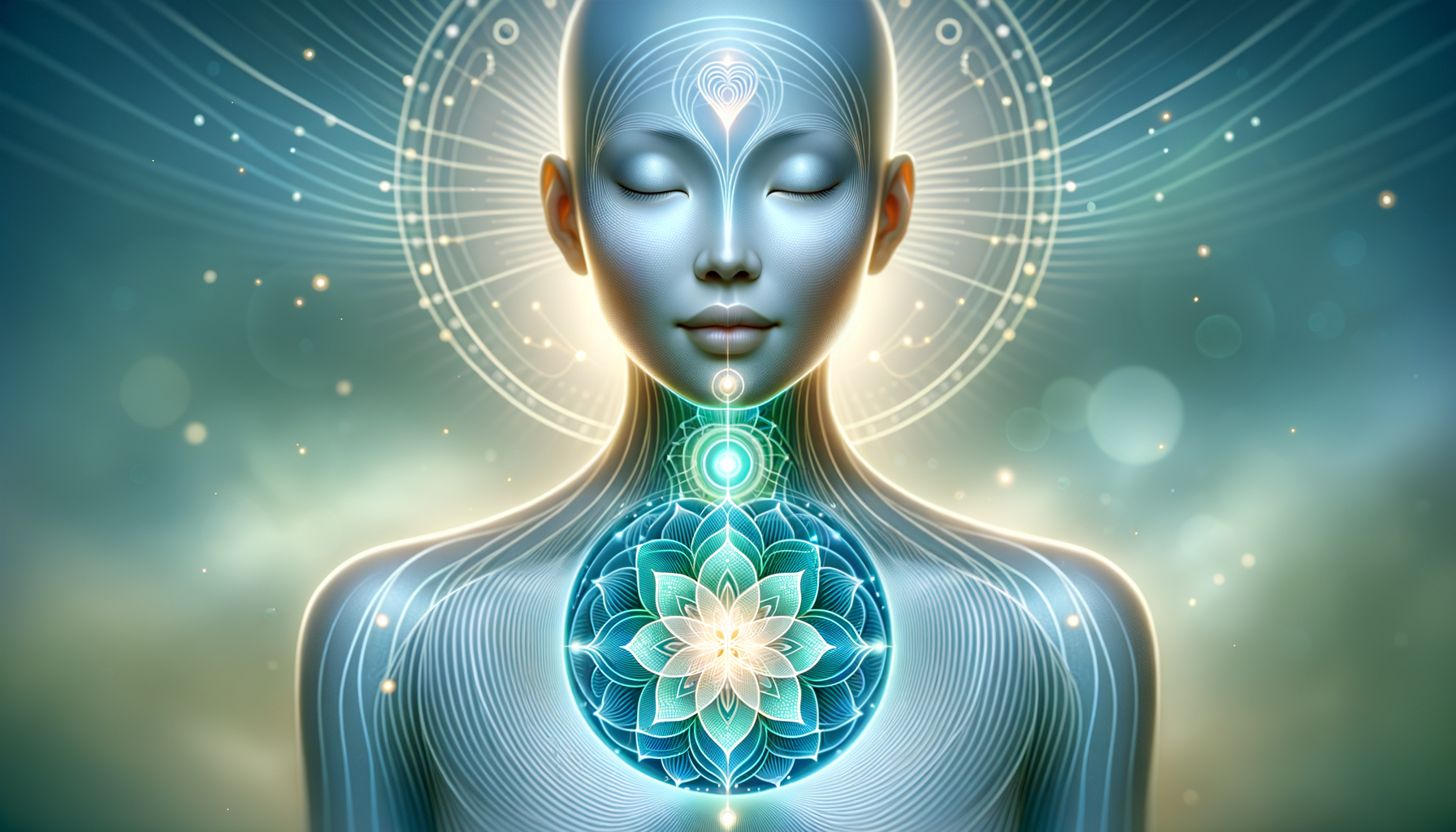
The Vishuddha (Throat) Chakra is the fifth energy center associated with communication, self-expression, and truth. Rooted in the Sanskrit idea of “purification,” it refines thought into sound and cultivates ethical speech across dharmic traditions. Symbolized by a sixteen-petaled lotus and attuned through the mantra “ham,” it integrates heart insight with mental clarity. Balanced expression emerges…