
-
Taurus Ascendant (Vrishabha Lagna) 2026–2027 Forecast: Steady Growth, Secure Finances, Deeper Bonds

Vrishabha Lagna (Taurus Ascendant) natives can expect 2026–2027 to bring steady progress in career, prudent wealth-building, and deeper relationships. A conservative financial approach, careful planning, and ethical leadership improve stability and recognition. Health improves with consistent routines, gentle Yoga, and mindful nutrition. Creativity, skill development, and short-distance travel add purpose and visibility. Family harmony grows…
-
Tula Lagna 2026–2027: Transformative Libra Ascendant Forecasts for Career, Love & Wealth

Tula Lagna (Libra Ascendant) natives are likely to experience balanced yet transformative progress in 2026–2027. Saturn’s disciplined influence refines creativity, study, and parenting, while Jupiter’s mid-2026 shift into the 10th house enhances career visibility and leadership opportunities. Finances improve through prudent planning, diversified income, and measured risk. Relationships benefit from clarity, empathy, and practical support…
-
Unlocking Kundalini: The Mad Sadhu on Purusha–Prakriti, Nirvikalpa, and Praṇava
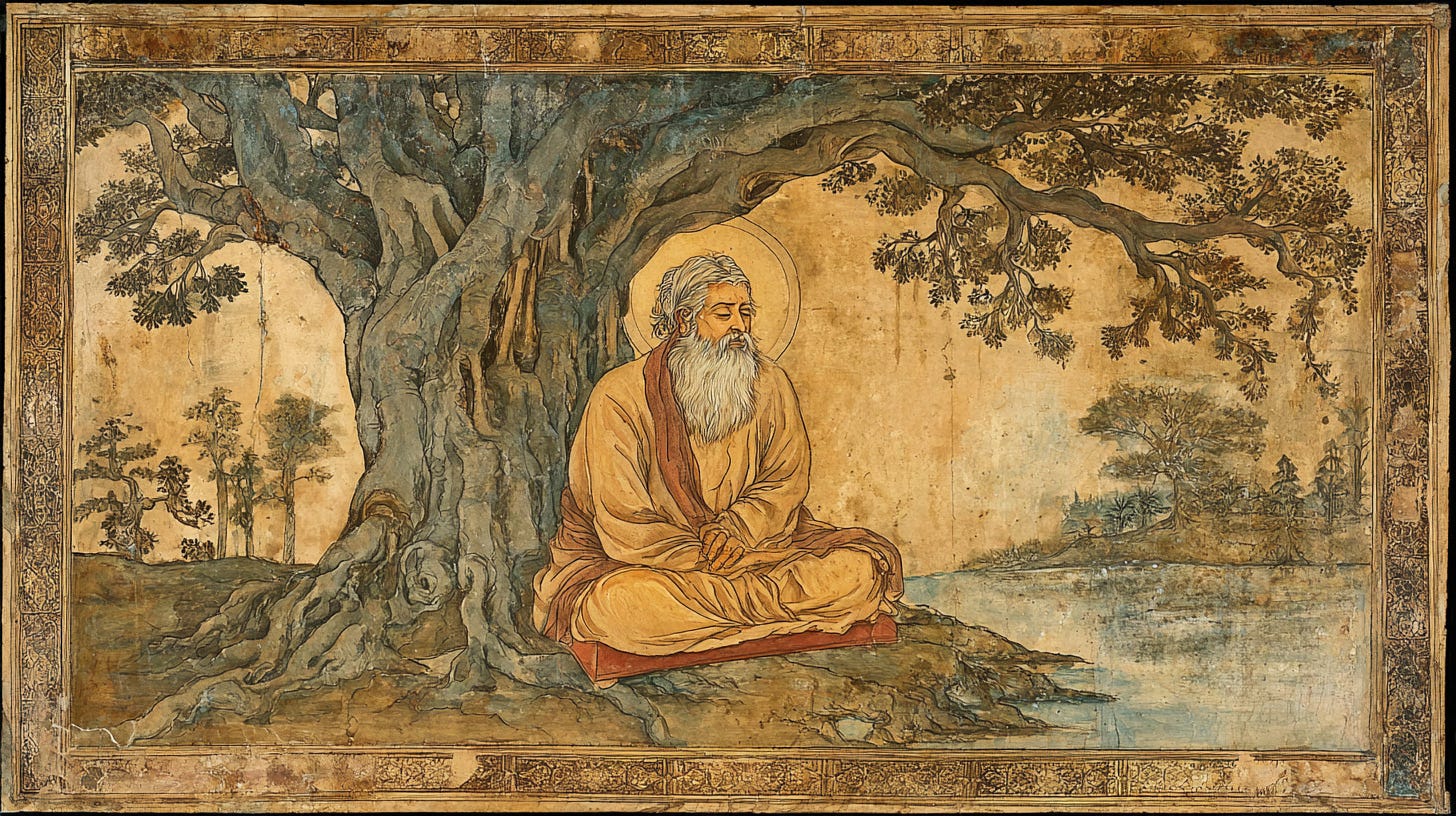
This rigorous retelling of Babaji’s discourse on Kundalini Yoga clarifies how the mind’s restraint (nirodha) opens into laya and nirvikalpa samādhi, where stillness reflects Purusha and activity reflects Prakriti. It explains how icchā-śakti awakens near nirvikalpa, refining desire into a unitive will aligned with pure consciousness. The analysis of bhāva-ākāśa shows how feeling unfolds as…
-
Resilience in Hinduism: Timeless Dharmic Practices to Rise Strong from Adversity

This article examines resilience in Hinduism as a cultivated capacity grounded in abhyāsa (practice) and vairāgya (wise non-attachment). Drawing on the Bhagavad Gita, the Upanishads, and the Yoga Sutra, it outlines how equanimity, witnessing awareness, and disciplined routines foster emotional balance. Practical methodsdhyāna, prāṇāyāma, and mantra japaare presented as accessible tools for stress management and…
-
Discover Bliss in the Eternal Now: Dharmic Wisdom on Presence Beyond Happiness

Modern life scatters attention, yet dharmic traditions affirm that abiding in the present moment reveals a stable blissanandabeyond fleeting happiness. Hinduism links Presence to equanimity and Karma Yoga, turning daily duties into contemplative practice. Practical methods such as breath awareness, Pranayama, dhyana, and japa make the Eternal Now accessible in ordinary routines. Buddhism’s mindfulness, Jainism’s…
-
Decoding Śūnya, Bhakti, and Avatāra: Profound Insights from Kashi’s ‘Mad Monk’

A rare Kashi dialogue with the so-called “Mad Monk” maps creation from Bhāvākāśa to bindu, rekhā, and vṛtta, framing śūnya as a luminous interval rather than mere emptiness. The Sadhu links kāma and prema to two textures of creation, explains how inner blossoming at sahasrāra, anāhata, maṇipūra, or mūlādhāra colours experience, and outlines a tenfold…
-
Education Totke for Focused Study: Ethical, Dharmic Remedies to Boost Learning and Memory

Education Totke, अच्छी शिक्षा के लिए टोटके, पढ़ाई में उन्नति के लिए टोटके are presented as gentle, ethical practices that support focus, memory, and confidence. The guidance integrates dharmic unityhonoring Hinduism, Buddhism, Jainism, and Sikhismthrough short invocations, gratitude, and respect for teachers. Practical steps include preparing a clean study space, a brief mantra or mindfulness…
-
Stop Overthinking, Start Living: Hindu Wisdom for a Life of Presence and Joy

Hindu wisdom highlights a simple paradox: the more life is overanalyzed, the less it is truly lived. Drawing from the Hindu way of life and allied dharmic traditions, the path emphasizes presence, ethical action (dharma), and mindful awareness over relentless explanation. Karma yoga reframes daily duties as opportunities for clarity by releasing attachment to outcomes.…
-
Mastering Purushaartha: A Transformative Guide to Dharma, Artha, Kaama & Moksha

Purushaartha offers a complete frameworkDharma, Artha, Kaama, and Mokshafor a life that is ethical, prosperous, joyful, and inwardly free. Rather than rejecting wealth or desire, it refines them through Dharma so they support higher clarity. Practical steps include right livelihood, generosity, mindful restraint, and steady yoga-meditation practice. The Bhagavad Gita and the Upanishads inform a…
-
Hindu Spirituality at Dawn: Cultivating Joy, Resilience, and Harmony Every Morning

Hindu spirituality frames each morning as a fresh start, where optimism is cultivated through disciplined practice rather than mere sentiment. Rising at dawn, integrating pranayama, meditation, and Surya Namaskara, and setting compassionate intentions align personal rhythm with nature and dharma. This daily orientation is echoed across dharmic traditionsBuddhist mindfulness, Jain Samayik, and Sikh Amrit Velademonstrating…
-
Awaken the Third Eye: Hindu Teachings for Inner Clarity, Compassion, and Liberation

The third eye in Hinduism is an inner organ of perception associated with clarity, wisdom, and liberation rather than a physical faculty. Grounded in the Upanishads and yogic anatomy, it matures through ethics, meditation (dhyana), pranayama, and mantra japa over many births. Genuine awakening appears as stable insight, compassion, and equanimitynot sensational displays. Convergences with…
-
Soham Hamsah Explained: The Transformative Mantra of Oneness, Breath, and Inner Peace

“Soham Hamsah” embodies an Advaita Vedanta insight: the unity of jivatma and paramatma realized through breath-aware mantra meditation. By aligning the natural rhythm of inhalation and exhalation with an inner mantra, practitioners cultivate calm, clarity, and discernment. The practice remains gentle and accessible while deepening mindfulness and ethical responsiveness. Cross-dharmic resonanceswith Buddhist ānāpānasati, Jain samayik,…
-
Yoga and Inner Peace: How Breath, Mindfulness, and Movement Dissolve Daily Stress

Yoga unites body, mind, and inner awareness to reduce stress and nurture peace. Through breath awareness (pranayama), mindful movement (asana), and meditation, practitioners experience fewer reactive emotions and greater clarity. Ethical principles such as ahimsa, truthfulness, and contentment stabilize relationships and reinforce lasting harmony. These foundations resonate across Hinduism, Buddhism, Jainism, and Sikhism, where mindfulness,…
-
Calm Anxiety from Childhood Wounds: Science‑Backed, Dharmic Practices to Restore Safety and Agency

Anxiety rooted in childhood often reflects a nervous system trained to protect, not a personal failing. This analysis traces how early experiences with shame and pressure can imprint persistent anxiety and how grief, loss, and responsibility can catalyze healing. It presents ten practical, trauma-informed methodsgratitude-based inquiry, life simplification, quiet observation and cautious fasting, shock recognition,…
-
Yoga and Peace: How Breath, Movement, and Mindfulness Transform Stress into Calm

Yoga connects body, mind, and subtle awareness to cultivate inner peace and reduce stress. Through asana, pranayama, and meditation techniques, it modulates the autonomic nervous system and strengthens emotional regulation. Ethical principles such as ahimsa and satya translate inner calm into compassionate action. These values align with Buddhism’s metta, Jainism’s ahimsa, and Sikhism’s seva, fostering…
-
Bhagavad Gita’s Battlefield Wisdom: Practical Guidance for Modern Life’s Daily Conflicts

The Bhagavad Gita was taught on a battlefield, signaling that wisdom belongs in the most demanding spaces of life. Its guidance on dharma reframes everyday dilemmasfrom work pressures to family responsibilitiesas opportunities for ethical clarity. Karma Yoga encourages action with excellence while reducing anxiety through non-attachment to outcomes. Equanimity (samatva) and disciplined focus provide stability…
-
Gorakhnath’s Miraculous Emergence: A Nath Legend of Purity, Transformation, and Unity
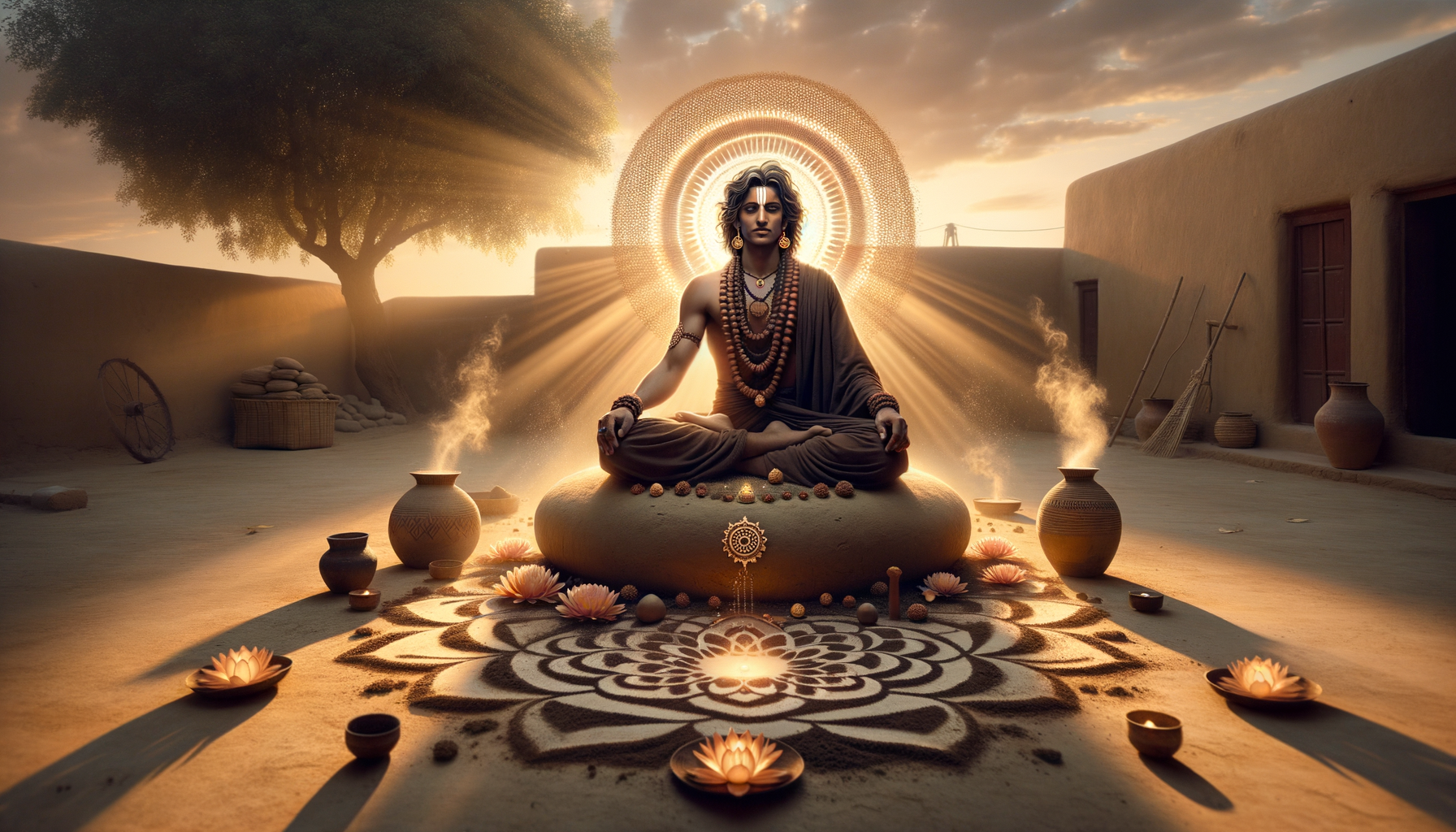
The Nath tradition’s legend of Gorakhnath emerging from a heap of cow dung is a profound allegory of inner alchemy and spiritual transformation. Rather than signaling defilement, the setting reflects Indic understandings of renewal and earth-centered purity. The narrative aligns with yogic processes that refine the gross into the subtle through pranayama, dhyana, and disciplined…
-
Nurturing Truth Within: A Dharmic Guide to Cultivating the Soul’s Seed of Wisdom

The insight, “Truth’s seed may be sown, but it must be nurtured by the soul,” highlights the difference between knowing truth and living it. Hindu philosophythrough shravaṇa, manana, and nididhyāsanashows how knowledge matures into steady wisdom. The Bhagavad Gita and the Upanishads emphasize that dharma-centered practice, not concept alone, yields Self-Realization. Parallel principles across Buddhism,…
-
Arjuna’s Battlefield Anxiety: A Timeless Guide to Dharma, Mental Resilience, and Action

The Bhagavad Gita’s opening presents Arjuna in acute distresstrembling, disoriented, and morally tornoffering a precise portrait of battlefield anxiety. Rather than pathologizing, the text frames his vishada as the starting point for ethical clarity and inner steadiness. Krishna’s counsel models a pragmatic sequence: reframing, values-based duty, equanimity, breath regulation, and focused attention. These principles map…
-
Jyotismati in Patanjali’s Yoga: Awaken the Inner Light for Clarity, Calm, and Focus
Jyotismati, from Patanjali’s Yogasutra 1.36, points to a sorrowless inner light that steadies the mind and clarifies thought. Situated within the sequence of practices in 1.33–1.39, it complements breath awareness, ethical attitudes, and focused attention. Practitioners find that resting awareness in this gentle radiance reduces reactivity and enhances concentration. The method pairs naturally with pranayama…