
-
Ghanapatha: The Brilliant Oral Science That Preserved the Vedas with Unmatched Precision

Ghanapatha is an advanced Vedic recitation method that preserved the Vedas with exceptional precision through patterned repetition and reversal. Situated within the Shiksha Vedanga, it crowns a structured pedagogy—Samhita, Pada, Krama, Jata, and Ghana—that builds redundancy and error-checking into every line. By guarding phonetics and pitch accents (udātta, anudātta, svarita), it retains exact meaning and…
-
Mahahavis and Chaturmasya: Unveiling the Sacred Cycle of Great Vedic Offerings
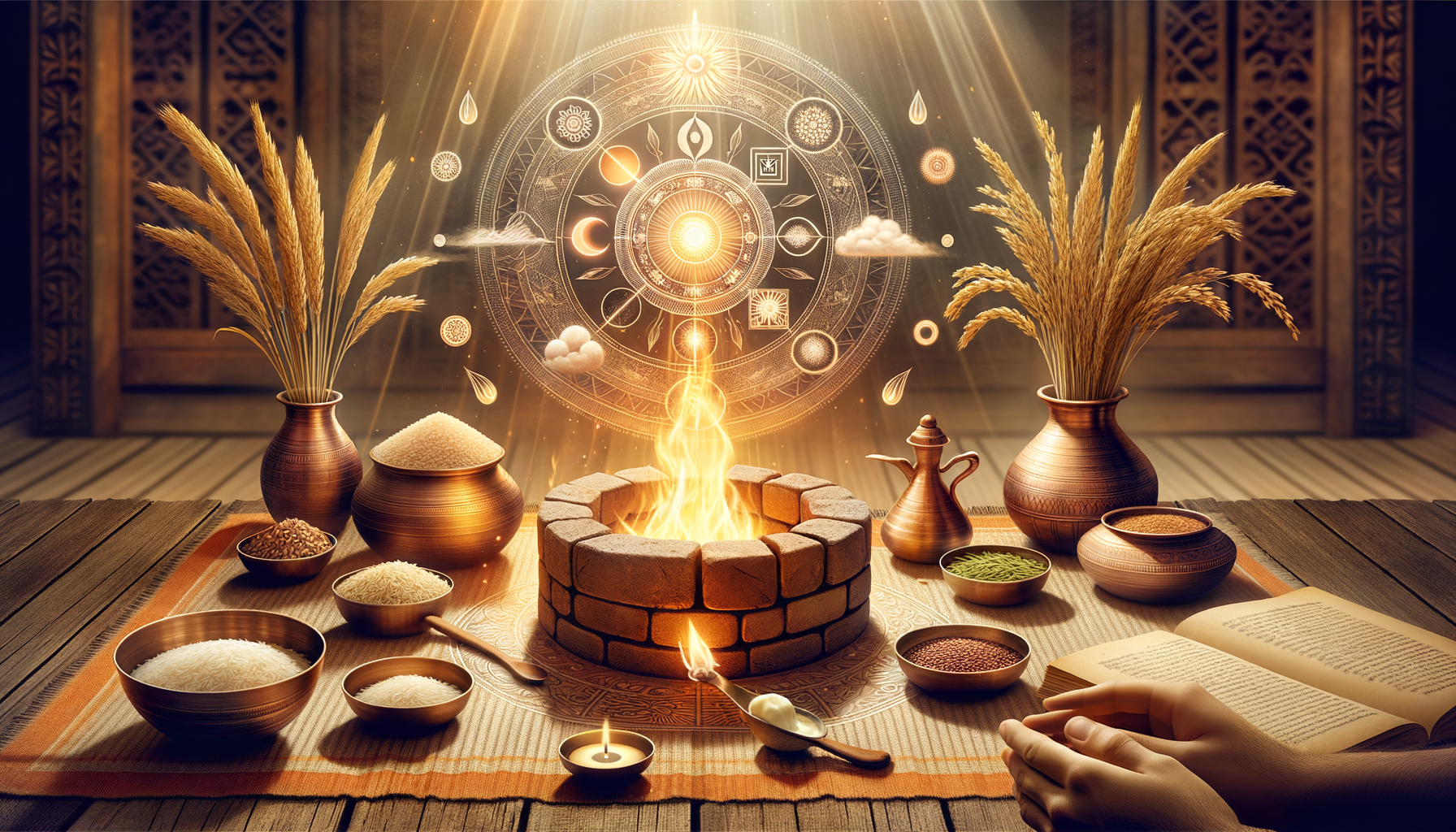
Mahahavis, the “great offering,” takes center stage within the Chaturmasya cycle of Vedic rituals, which comprises Vaishvadeva, Varuna-praghasa, and Sakamedha at four-month intervals. Set in the Shrauta tradition of ancient India, this sequence affirms reciprocity, ecological care, and cosmic order through ishti-type sacrifices. The concluding role of Sakamedha highlights the integrative purpose of the cycle,…
-
Unlock 2026 Auspicious Dates for Pushya (Poosam/Pooyam) Nakshatra: Prosperous Beginnings Guide

This academic guide outlines the auspicious date–time windows in 2026 for Pushya (Poosam/Pooyam/Pushyami), the eighth of the 27 Nakshatrams. It explains what activities are favored on Pushya days—such as starting ventures, meeting clients, and beginning courses—and how timings are established using Panchang factors and Tarabalam. Readers are reminded to verify local nakshatra entry–exit times and…
-
Surya Jayanti 2026 (Magh Saptami): Auspicious Date, Rituals, and the Radiance of Unity

Surya Jayanti 2026, also known as Ratha Saptami or Saur Saptami, will be observed on January 25, aligning with Magh Shukla Saptami. Recognized as the birthday of Lord Surya, the day emphasizes vitality, clarity, and gratitude. Devotees traditionally take a sunrise bath, offer arghya, practice Surya Namaskar, and recite Aditya Hridayam. Regional practices—such as using…
-
Panchayatana Puja and the Five Elements: A Profound Path to Harmony and Unity

Panchayatana Puja unites devotion and philosophy by aligning multi-deity worship with the Panchabhutas—the five elements of nature. Through panchopachara offerings and a mandala arrangement, practitioners engage earth, water, fire, air, and space in a mindful, integrative ritual. This Smarta tradition, associated with Adi Sankara, honors an ishta-devata while equally revering other forms, modeling unity within…
-
Mandar Shashti Vrata 2026: Sacred Sun-God Fast, Date, Ritual Guide, and Spiritual Benefits

Mandar Shashti Vrata is an auspicious Hindu fasting observance dedicated to Surya Deva, performed on Shukla Paksha Sashti in Magh Month. In 2026, it falls on January 24 according to the Hindu calendar. Rooted in Vedic Traditions, the vrata emphasizes gratitude for light, ethical living, and inner steadiness. Common practices include a pre-dawn bath, arghya…
-
Vasavi Atmarpana Dinotsavam 2026: Date, Tithi, Meaning, and Peaceful Rituals of Ahimsa
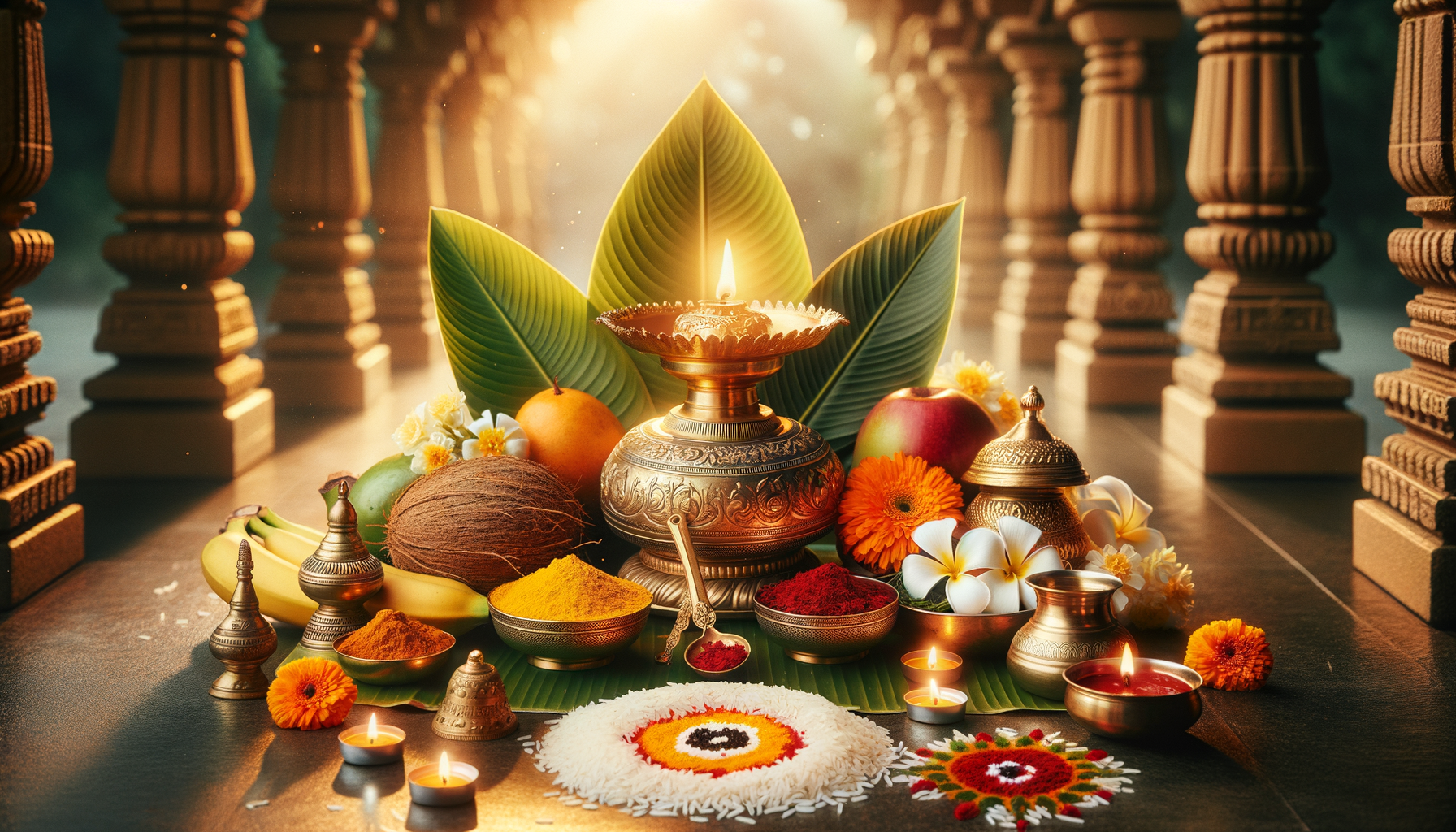
Vasavi Atmarpana Dinotsavam 2026 is observed on 20 January, corresponding to Magha Shukla Dwitiya. The day honors Vasavi Kanyaka Parameswari Devi’s union with the Divine and highlights the ethical ideals of ahimsa, dignity, and social harmony. Devotees commonly light lamps, offer kumkum and turmeric, and engage in prayer, meditation, and charity. The festival’s message resonates…
-
Kumarila Bhatta: The Brilliant Mimamsa Sage Who Revitalized Vedic Thought and Unity

Kumarila Bhatta, the eminent Mimamsa thinker of the 7th–8th century CE, revitalized Vedic philosophy through rigorous hermeneutics and disciplined reasoning. His major works—Ślokavārttika, Tantravārttika, and Tuptikā—refine language theory, epistemology, and the authority of the Veda. Rather than opposing other dharmic paths, his precise critiques of Buddhist and Jaina arguments exemplify a constructive culture of debate…
-
Invoking the Divine in Hinduism: Symbolism, Inner Awakening, and Inclusive Dharma Paths

Deity invocation in Hinduism aligns devotion with inner divinity while honoring inclusive, pluralistic practice. Through puja, mantra, meditation, and seva, practitioners cultivate clarity, compassion, and ethical steadiness. Symbolic offerings like light, water, and flowers transform everyday actions into sacred gestures. The Ishta-devata principle affirms unity in spiritual diversity, enabling practitioners to choose a path that…
-
Mauni Amavasya 2026: Sacred Silence, Auspicious Snan and Magh Mela at Triveni Sangam

Mauni Amavasya 2026 (January 18) invites a day of sacred silence, fasting, and inner reflection rooted in the Hindu calendar’s Magha Amavasya. It is especially auspicious for ritual bathing (punya snan) at the Triveni Sangam in Prayag during the Magh Mela. Devotees practice mauna, japa, charity, and ancestral remembrance to purify mind and heart. The…
-
Kandarishi in the Vedas: Sages of Karmakanda and Jnanakanda and Their Timeless Legacy

This article clarifies the meaning of Kandarishi in the Vedas as sages associated with specific sections (kanda) who articulate the balance of Karmakanda and Jnanakanda. It explains how ritual action (Samhita–Brahmana) and transcendent knowledge (Aranyaka–Upanishad) form a complementary continuum in Vedic tradition. Readers gain a clear map of Vedic structure alongside the roles rishis play…
-
Varuna’s Pasha Unveiled: How the Celestial Noose Sustains Dharma and Cosmic Order

Varuna’s pasha, the sacred rope, symbolizes the bonds that sustain dharma and cosmic order in Vedic thought. Far from punitive, it represents restorative justice: transgression entangles, truth and repentance release. The symbol extends to the natural world, where cycles of rain, rivers, and seasons reveal a universe held together by relation. Ethically, the pasha calls…
-
Kamyeshti (Kameshti) in Hinduism: A Sacred Guide to Vedic Desire-Rituals and Their Ethics

Kamyeshti (Kameshti) signifies desire-motivated Vedic rituals that align personal aims with dharma. Grounded in Hindu scriptures and Shrauta traditions, it is exemplified by the Putrakameshti in the Ramayana. Practitioners emphasize sattvic offerings, ethical intent, and the welfare of society, integrating ritual precision with responsibility. The sequence often includes sankalpa, mantras, and oblations into the Havan…
-
Pavitraropana Vrata: A Powerful Temple Ritual of Purification, Renewal, and Unity

Pavitraropana Vrata is a sacred Hindu ritual in which a sanctified pavitra (thread) is invested on the deity to purify, rectify, and renew temple worship. Grounded in Agamic practice and Purana references such as the Skanda Purana and Padma Purana, it serves as a formal prayaścitta for inadvertent ritual lapses. The ceremony typically includes mantra,…
-
Sacred Pavitra in Hindu Rituals: Purity, Protection, and a Living Bridge to the Divine

The pavitra, or kusha ring, is a sacred implement in Hindu rituals that signals purification, focus, and spiritual readiness. Traditionally made from kusha (darbha) grass, Desmostachya bipinnata, it supports puja, homa, Sandhyavandanam, mantra-japa, vratas, samskaras, and pitṛ-karmas with an emphasis on śuddhi and steadiness. Lineages prescribe how and when it is worn, commonly on the…
-
Sacred Descent of Patanjali: Adi Shesha’s Incarnation and the Origins of Yoga Wisdom

This retelling explores the sacred origin of Sage Patanjali as an incarnation of Adi Shesha, situating the legend within Sanatana Dharma and the wider stream of Hindu spirituality. Readers gain clear context for Gonika’s prayer to the Sun God, the etymology of the name “Patanjali,” and the narrative’s symbolism for Yoga practice. The account balances…
-
Dharmaskandha in Chandogya Upanishad: Three Pillars of Vedic Life for Timeless Ethical Living

Dharmaskandha in the Chandogya Upanishad (2.23.1) presents three complementary pillars of Vedic life: the Vedic student, the householder, and the forest-dweller. Together they integrate disciplined learning, social responsibility, and contemplative depth into a unified ethic. This triad offers a relatable blueprint for modern living—continuous education, family and civic stewardship, and mindful simplicity. The framework resonates…
-
Vaastu Bhagawan: Sacred Guardian of Space, Harmony, and Prosperity in Dharmic Homes

Vaastu Bhagawan is revered in Hinduism as the guardian of built space, blessing dwellings with safety, peace, and prosperity when Vaastu Shastra principles are observed. By embodying the attributes of the Trimurti and Tridevi, this divine presence frames the home as a sacred field of ethical living and well-being. The Vastu Purusha Mandala aligns a…
-
Transformative Year for Krittika (Karthigai): Accurate 2026–2027 Vedic Astrology Guide

Krittika Nakshatra 2026–2027 Predictions (Karthigai Nakshatra Phalam) indicate a year of steady, values-driven progress under Saturn in Pisces and supportive Jupiter influences. The Aries portion favors initiative and skill upgrades, while the Taurus portion rewards consistency and relationship equity at work. Career gains are strongest when paired with documentation, clear boundaries, and realistic timelines. Financially,…
-
Paryagnikarana Explained: Sacred Ghee Purification That Elevates Vedic Yajna and Devotion

Paryagnikarana, the Vedic rite of purifying ajya (ghee) before offering it into the sacred fire, shows how material preparation and mental intention unite to elevate yajna. The procedure integrates clarity of substance, mantra recitation, and reverence for Agni to transform an ordinary ingredient into a consecrated medium. Beyond technical steps, the rite embodies an inner…