
-
Satyaloka Unveiled: The Awe-Inspiring Symbolism of Brahma’s Highest Realm of Truth

Satyaloka—also known as Brahmaloka—stands at the summit of Hindu cosmology as the realm where truth shines unobscured by illusion. This article explains why it is called the “abode of truth,” linking its symbolism to sattva, Vedic wisdom, and the integrative path of knowledge, devotion, and duty. It clarifies how Brahmaloka functions as a gateway to…
-
Sacred Stillness, Lasting Clarity: A Dharmic Guide to Mindful Observation over Endless Seeking

Modern life rewards endless seeking, yet dharmic wisdom demonstrates that mindful observation offers deeper clarity and freedom. Drawing from Hindu philosophy—sakshi-bhava, pratyahara, dhyana, and aparigraha—this piece shows how observation refines attention and aligns action with dharma. Convergences with Buddhism’s vipassana, Jainism’s samayik, and Sikhism’s simran and sehaj reveal a shared contemplative core that nurtures unity…
-
The Sacred Ecology of Life: Hindu Wisdom to Ease Suffering through Interdependence
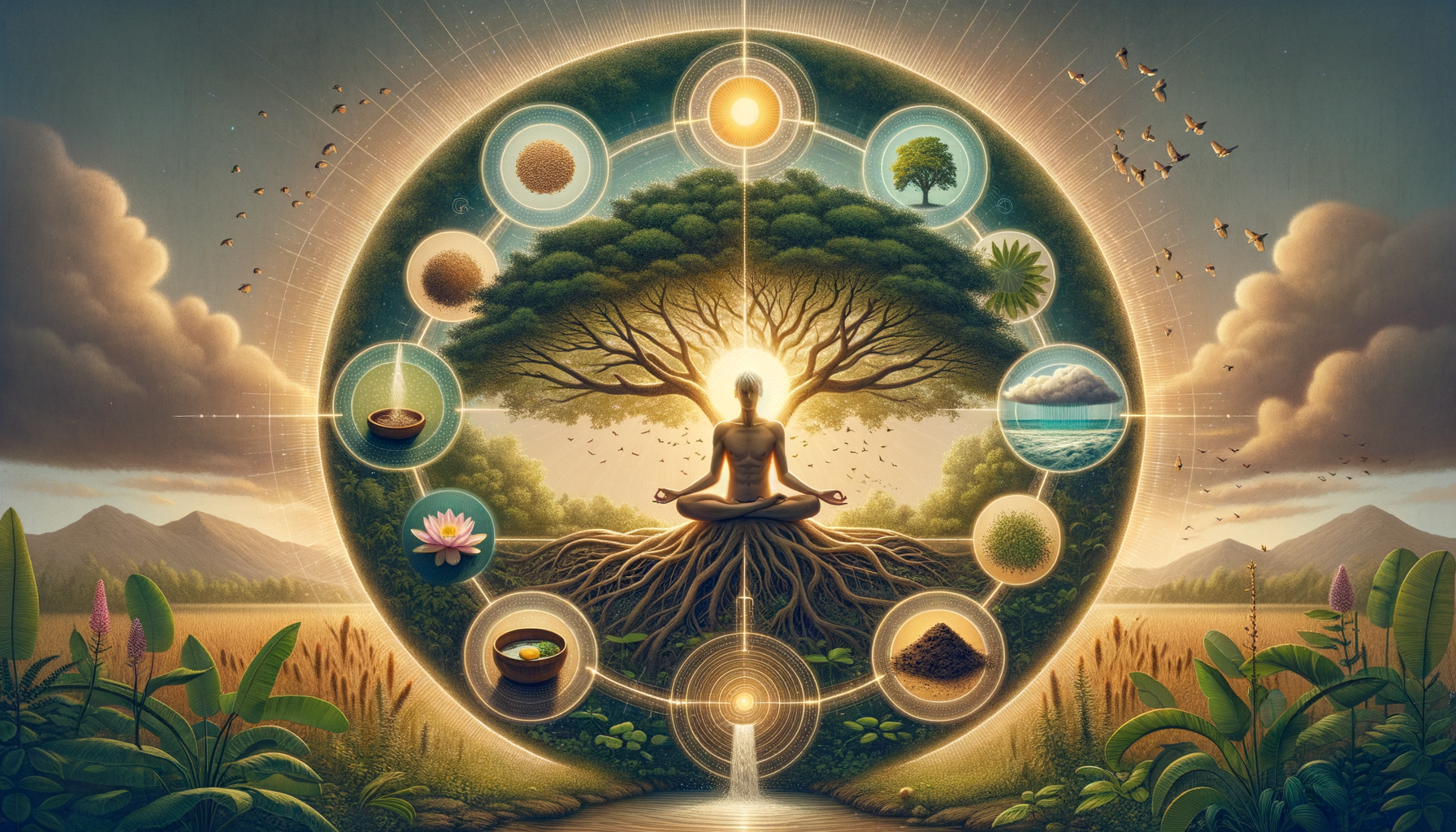
Hindu philosophy presents a transformative insight: everything is food for something else, revealing an intimate web of interdependence. Rooted in the Upanishads and the Bhagavad Gita, this sacred ecology reframes suffering and softens attachment by aligning life with reciprocity and flow. The principle encourages ahimsa, aparigraha, and gratitude, turning consumption into a practice of reverence.…
-
Awaken the Third Eye: Hindu Teachings for Inner Clarity, Compassion, and Liberation
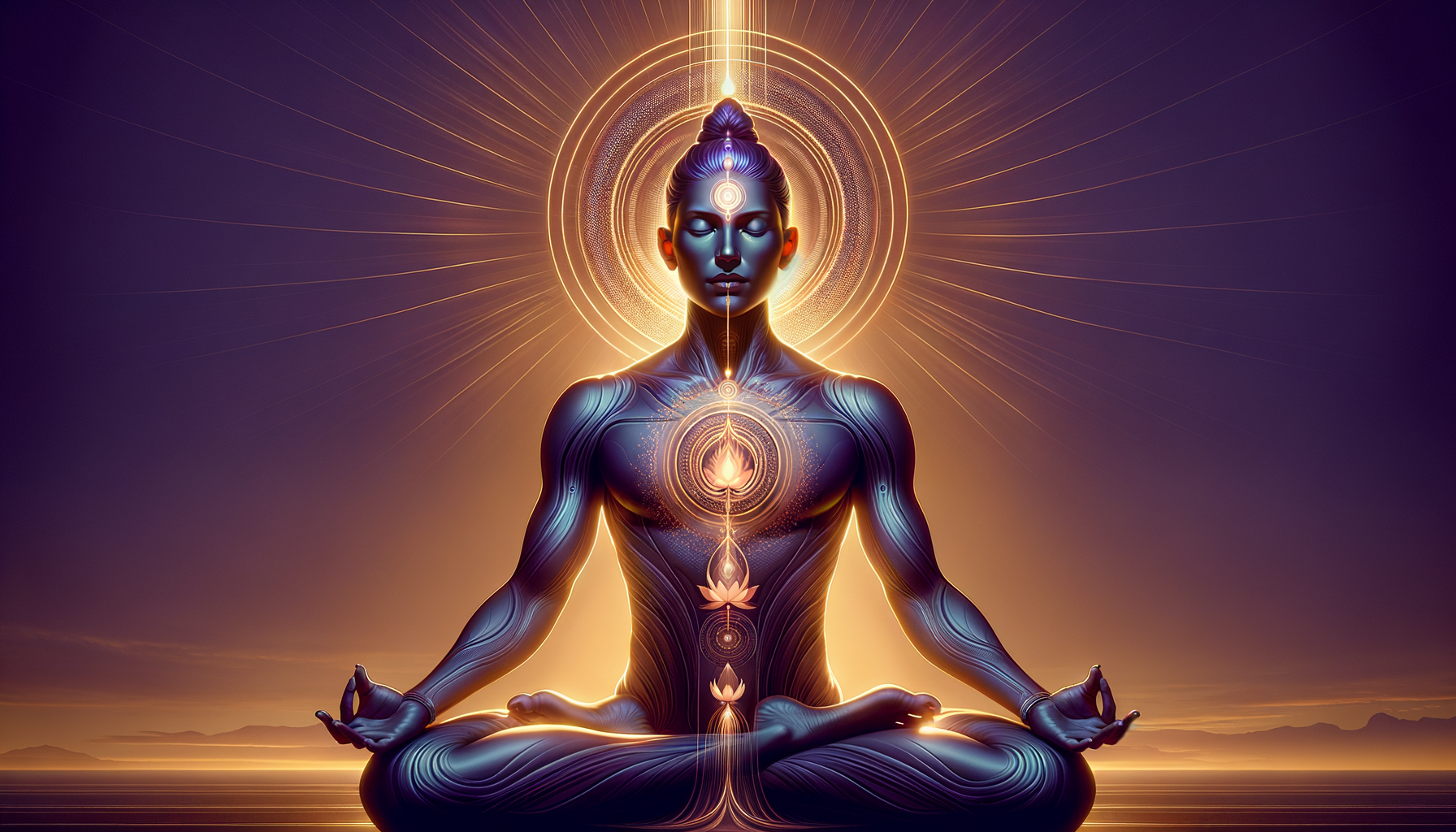
The third eye in Hinduism is an inner organ of perception associated with clarity, wisdom, and liberation rather than a physical faculty. Grounded in the Upanishads and yogic anatomy, it matures through ethics, meditation (dhyana), pranayama, and mantra japa over many births. Genuine awakening appears as stable insight, compassion, and equanimity—not sensational displays. Convergences with…
-
Soham Hamsah Explained: The Transformative Mantra of Oneness, Breath, and Inner Peace

“Soham Hamsah” embodies an Advaita Vedanta insight: the unity of jivatma and paramatma realized through breath-aware mantra meditation. By aligning the natural rhythm of inhalation and exhalation with an inner mantra, practitioners cultivate calm, clarity, and discernment. The practice remains gentle and accessible while deepening mindfulness and ethical responsiveness. Cross-dharmic resonances—with Buddhist ānāpānasati, Jain samayik,…
-
Six Profound Transformations of Life: A Dharmic Guide to the Eternal Self Beyond Change

Hindu scriptures teach that embodied life unfolds through six universal transformations—existence, birth, growth, decay, disease, and death—while pointing to the atman beyond change. Seeing these phases clearly reduces fear, strengthens resilience, and fosters compassionate conduct guided by dharma. Parallel insights in Buddhism, Jainism, and Sikhism reinforce impermanence, many-sided truth, and alignment with divine order, cultivating…
-
Upanishads Unveiled: Timeless Sanskrit Wisdom at the Heart of Vedanta and Dharma
The Upanishads, late Vedic Sanskrit texts, crystallize the essence of the Vedas into profound spiritual teachings at the heart of Vedanta. They transform rituals and fire sacrifices into pathways for inner inquiry, clarifying the relationship between ātman and brahman. These Hindu scriptures serve as a backbone of philosophical and ethical reflection, shaping Yoga, meditation, and…
-
Nurturing Truth Within: A Dharmic Guide to Cultivating the Soul’s Seed of Wisdom

The insight, “Truth’s seed may be sown, but it must be nurtured by the soul,” highlights the difference between knowing truth and living it. Hindu philosophy—through shravaṇa, manana, and nididhyāsana—shows how knowledge matures into steady wisdom. The Bhagavad Gita and the Upanishads emphasize that dharma-centered practice, not concept alone, yields Self-Realization. Parallel principles across Buddhism,…
-
Brahmavidya Upanishad Free PDF: Profound Insights on OM, Brahman, and Inner Unity
Brahmavidya Upanishad, a Yajurveda Upanishath, distills core teachings on Brahman and the sacred sound OM into a compact, study-friendly text. The Upanishad shows how OM functions as a practical focus for meditation and mindful breathing, enhancing clarity and inner steadiness. Readers gain a philosophically grounded path that connects Vedic wisdom with accessible practice in Yoga…
-
Katha Upanishad’s Naciketas and Yama: A Stirring Quest for Death’s Secret, Dharma, and Moksha

The Katha Upanishad frames Naciketas’s encounter with Yama as a disciplined quest for truth that unites ethics and insight. The three boons structure a complete path: reconciliation and dharma, Nachiketagni as ordered action, and the inquiry into death and the Self. Yama’s teaching clarifies śreya versus preya, the chariot allegory, Om as support, and the…
-
From Vaikhari to Para: Unlock the Transformative Power of Silence and Sacred Speech

This reflection explores the four classical levels of speech—Vaikhari, Madhyama, Pashyanti, and Para—to clarify why silence is experienced in different ways even though emptiness itself is not “typed.” Readers learn how mindful speech (Vaikhari) draws strength from a quiet inner dialogue (Madhyama), a lucid insight-field (Pashyanti), and a serene source (Para). The piece offers practical…
-
The Potter’s Gift and the Wasted Vessel: Hinduism’s Powerful Life Symbol and a Call to Purpose

The parable of the potter and the pot in Hinduism teaches that human life is a carefully crafted vessel meant to hold wisdom, compassion, and purposeful action. Read in the light of the Bhagavad Gita and the Upanishads, the vessel represents the body-mind where dharma is lived and moksha is pursued. The image resonates across…
-
The Transformative Power of Divine Names: Vedas, Epics, and Dharmic Unity
Divine names, celebrated in the Vedas, Upanishads, Ramayana, and Mahabharata, provide a practical discipline to steady attention, calm the breath, and strengthen ethical living. By anchoring the mind in nāma-smaraṇa or japa, practitioners experience reduced stress and clearer moral judgment. The same principle appears across Buddhism (Om Mani Padme Hum), Jainism (Namokar Mantra), and Sikhism…
-
Why Choosing Spirituality Reflects True Wisdom: A Dharmic Path to Clarity, Peace, and Unity

Spirituality, within Hindu philosophy and related Dharmic traditions, is a deliberate, wise choice rooted in discernment and Dharma. It emphasizes distinguishing the temporary from the eternal, echoing the Bhagavad Gita and the Upanishads. Practically, it matures through ethics, Meditation, and Yoga philosophy, cultivating clarity, compassion, and resilience. Across Hinduism, Buddhism, Jainism, and Sikhism, diverse practices…
-
Witness and Wanderer: Muṇḍaka Upaniṣad on Karma, Divine Grace, and the Soul’s Journey
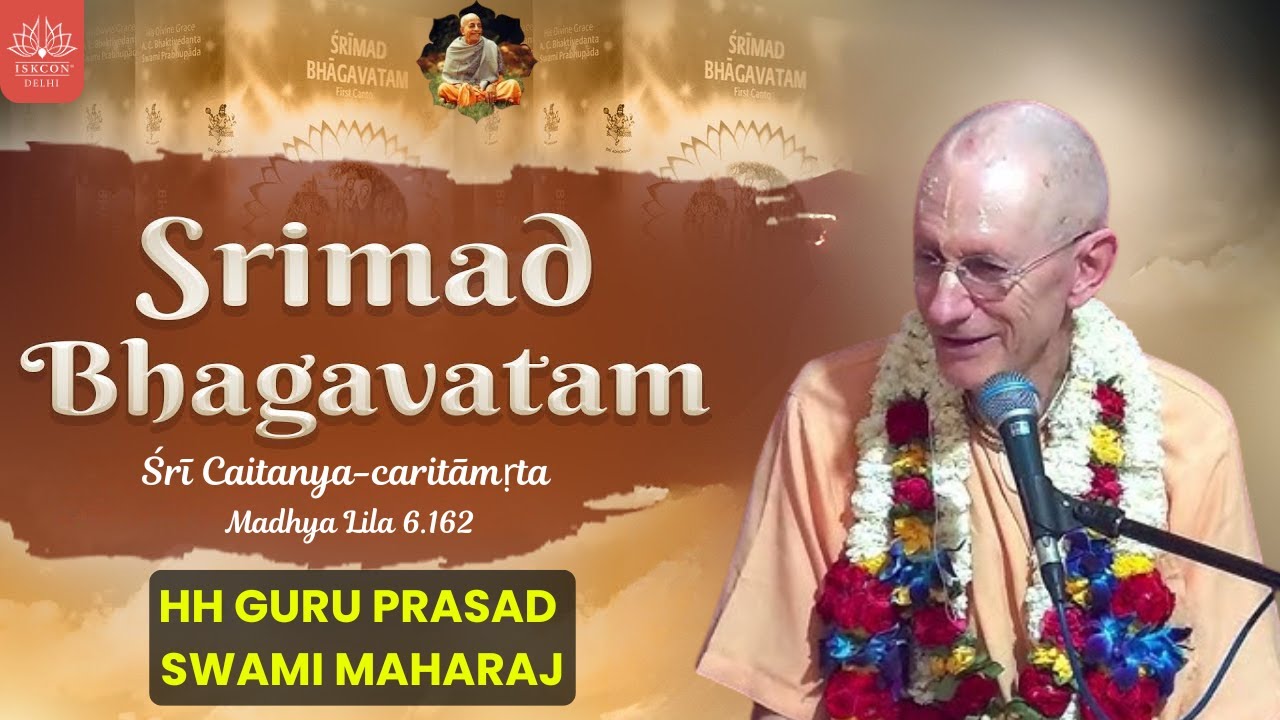
This reflection from ISKCON Delhi presents the Muṇḍaka Upaniṣad’s clear distinction between the Lord as witness and the living entities as experiencers of karmic results. It shows how karma, desire, and grace interweave to guide the soul’s journey across bodies and worlds. CC Madhya Lila 6.162 adds a devotional dimension, highlighting the vital role of…
-
Jivanmukta Unveiled: The Silent Dance of Living Liberation in Hindu Philosophy

This article explores the jivanmukta—living liberation in Hindu philosophy—as an inner “silence” paired with an outer “dance” of unattached, compassionate action. It clarifies key traits such as equanimity, non-attachment, and dharma-guided service through the lens of the Upanishads, the Bhagavad Gita, and Advaita Vedanta. Readers gain practical markers of maturity: fewer reactive habits, steadier decision-making,…
-
Bound or Beyond? Hinduism’s View of Belief, Free Will, and Compassionate Spiritual Unity

Do beliefs bind or set one free? Through Hindu philosophy and its Dharmic cousins—Buddhism, Jainism, and Sikhism—this piece explains how belief can guide without imprisoning. It shows how dharma and sadhana (practice) transform conviction into compassionate action. Readers gain a clear framework from the Upanishads and Bhagavad Gita on agency, karma, and svadharma. The article…
-
Who Orchestrates Creation and Destruction? Dharmic Wisdom That Empowers Young Minds

Young seekers often ask who is responsible for creation and destruction. Dharmic wisdom responds with clarity: these are complementary movements within a moral cosmos, governed by Brahman, Dharma, or hukam. Hindu scriptures such as the Upanishads and the Bhagavad Gita frame this as a purposeful cycle, while Buddhism, Jainism, and Sikhism add insights on impermanence,…
-
Unshakable Calm: Hindu Wisdom for Emotional Resilience and Inner Peace Under Pressure
Hindu philosophy teaches that true success rests on composure, especially in moments of emotional turmoil. The Bhagavad Gita urges steadiness amid joy and sorrow, aligning inner balance with ethical, effective action. The Upanishads guide attention to the witnessing self, recommending practices like prāṇāyāma, dhyāna, and svādhyāya to cultivate inner peace. Parallel insights in Buddhism (upekkhā),…
-
Decoding Moksha Across the Yugas: How Kali Yuga Becomes the Fastest Route to Liberation
This article explains how the four Yugas—Satya, Treta, Dvapara, and Kali—shape spiritual practice and the relative ease of attaining moksha. Drawing on the Bhagavata Purana, Upanishads, and the Bhagavad Gita, it shows why Kali Yuga, despite its challenges, offers accessible, grace-filled pathways through nama-japa, kirtana, seva, and satsang. Readers gain a clear, academic overview of…