
-
When Hatred and Jealousy Backfire: Dharmic Wisdom on Karma, Healing, and Freedom
Hatred and jealousy act like venomous darts that ultimately return to the archer, a truth echoed across Hindu, Buddhist, Jain, and Sikh teachings. Drawing on the Bhagavad Gita, Upanishads, Srimad Bhagavata Purana, Ramayana, and Mahabharata, this piece explains how karma and dharma frame these emotions as forces that corrode clarity and freedom. It highlights iconic…
-
Dattatreya Upanishad: Timeless Vaishnava Wisdom on Jnana, Bhakti, and Inner Liberation
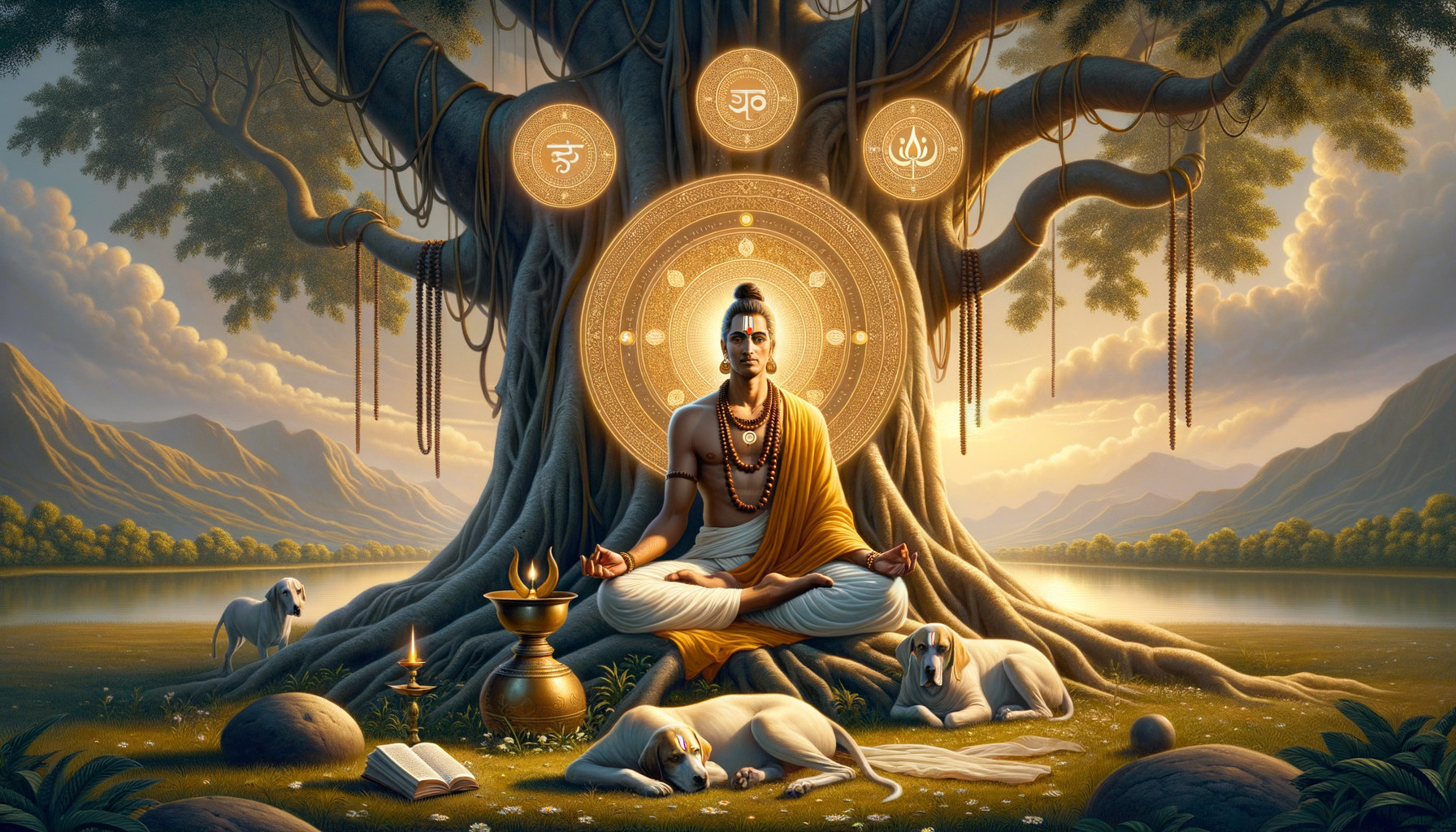
The Dattatreya Upanishad, a concise Atharva Veda text of the Vaishnava tradition, unites devotion (bhakti) and wisdom (jnana) around Dattatreya as an incarnation of Narayana. Its three khandas and nine mantras—mostly in prose—offer a distilled path to inner liberation grounded in Vedic wisdom. Readers benefit from its clarity, accessible length, and practical orientation toward meditation,…
-
Nirguna Nirakar and Sagun Sakar: Unlocking Hinduism’s Divine Paradox for Inner Unity

Hindu philosophy frames ultimate reality through two complementary modes: Nirguna Nirakar (formless and attributeless) and Sagun Sakar (manifest and form-bearing). Rather than competing doctrines, they function as integrative lenses that enrich meditation, devotion, and ethical living. Upanishadic insights and the Bhagavad-Gita affirm both paths, enabling seekers to approach realization through silence or loving worship. Vedantic…
-
When Words Fall Silent: Hinduism’s Transformational Path to Inner Stillness and Wisdom
True silence in Hinduism is not mere muteness but an effortless stillness of mind that reveals wisdom. Upanishadic insights describe a reality beyond speech and thought, while Yoga philosophy offers a practical path through pranayama, pratyahara, dharana, and dhyana. Sound becomes a gateway to silence as japa and kirtan refine attention from words to awareness.…
-
Jivo Brahmaiva Naparah: Unveiling Advaita’s Transformative Non‑Dual Truth for Daily Life
“Jivo Brahmaiva Naparah” expresses the Advaita Vedanta insight that the individual self is not separate from Brahman. Grounded in the Upanishads and the Bhagavad Gita, the teaching distinguishes empirical experience from absolute truth and guides seekers to Moksha through disciplined self-knowledge. It cultivates ethical clarity, compassion, and steadiness in daily life without denying personal responsibilities.…
-
Beyond the Witness: How True Meditation Dissolves the Experiencer into Non-Dual Awareness

True meditation in Hindu philosophy reaches its culmination when the experiencer, the act of observing, and the observed no longer stand apart. This non-dual insight, often described as moving “beyond the witness,” dissolves the subtle identity of a separate meditator without denying the vividness of life. The Upanishads, Advaita Vedanta, and Yoga philosophy converge on…
-
When Society Says You’re Incomplete, Hindu Wisdom Boldly Affirms Your Eternal Wholeness

This essay challenges the modern narrative of lack by presenting Hinduism’s vision of innate wholeness. Drawing on Advaita Vedanta and the Isha Upanishad’s insight of fullness, it explains how avidya creates a sense of incompleteness and how practice reveals what is already present. It connects these ideas with contemporary psychology’s hedonic treadmill, showing why external…
-
Why the Upanishads Inspire Unity: Timeless, Non-Sectarian Wisdom for All Seekers

The Upanishads endure as non-sectarian, universal Scriptures that speak across traditions and eras. Their core inquiry into ātman, Brahman, and truth encourages seekers to look beyond labels and toward direct realization. By emphasizing disciplined reflection, meditation, and ethical living, they offer tools for clarity, compassion, and inner stability. This approach strengthens unity among the Dharmic…
-
Beyond Attachment, Fear, and Anger: Dharmic Wisdom to Unblock Moral and Spiritual Growth

Hindu philosophy explains how attachment, fear, and anger undermine moral clarity and spiritual growth, and it offers precise remedies grounded in the Bhagavad Gita, the Upanishads, and classical yoga. Fearlessness, non-grasping, and disciplined attention are presented as practical virtues, not abstractions. Shared insights across Buddhism, Jainism, and Sikhism reinforce a unifying dharmic approach that transforms…
-
The Unknowable Other: Hindu Wisdom to Cultivate Self-Knowledge and Deeper Relationships

Hindu philosophy teaches that another person can never be fully known, a truth that nurtures humility and wiser relationships. The Upanishads and Pancha Kosha Viveka explain why only outer layers are visible while the essence remains veiled. Jain Anekantavada, Buddhist anatta, and Sikh Ik Onkar reinforce pluralism and compassionate restraint. Practically, this insight encourages careful…
-
Sixteen Kalas of Purusha in Prashna Upanishad: Awe-Inspiring Insights on Unity and Creation
The Prashna Upanishad’s sixth discourse presents the sixteen kalas of Purusha as a lucid framework for understanding creation and spiritual unity. It shows how discrete aspects—prāṇa, śraddhā, the elements, mind, and ethical disciplines—arise together as expressions of one reality. Readers gain a practical lens for integrating breath, faith, discipline, and action into daily life. The…
-
Drik and Drishya in Advaita Vedanta: Master the Seer–Seen Insight for Inner Clarity

Advaita Vedanta’s Drik–Drishya teaching clarifies the difference between the seer (subject) and the seen (object) to guide seekers toward Atman, the unchanging witness. By observing that body, senses, thoughts, and emotions are all Drishya, attention naturally returns to the stable Drik. This contemplative method, echoed in the Upanishads through neti neti, strengthens meditation, emotional balance,…
-
Avasthatraya Viveka Demystified: A Profound Guide to Vedanta’s Three States of Consciousness
Avasthatraya Viveka offers a clear Vedantic method to understand consciousness across waking (Jagrat), dream (Svapna), and deep sleep (Sushupti). By observing how experiences arise and pass, the inquiry reveals the unchanging witness (Sakshi) present in all states. This insight, central to the Mandukya Upanishad and Advaita Vedanta, refines emotional balance, deepens ethical living, and strengthens…
-
Prajnajyoti: A Timeless Beacon for Atman Realization across Dharmic Traditions
Prajnajyoti—“the light of wisdom”—names a mature state of Hindu spiritual realization where Atman is known as the innermost reality. It integrates Jnana, Bhakti, Karma, and Raja Yoga, grounded in ethical practice and guided by a guru. The state manifests as clarity, compassion, and equanimity rather than abstract belief. Parallels across Buddhism, Jainism, and Sikhism underscore…
-
Looking Back with Purpose: Transformative Lessons from a Dharmic Journey toward Unity

Purposeful retrospection, grounded in dharma, transforms memory into a tool for growth rather than self-critique. Drawing on Ahimsa, Anekantavada, and Karma Yoga, this reflection-centered approach fosters inner clarity, ethical action, and resilience. Practical methods—mindfulness, meditation, and a five-step weekly framework—translate insight into consistent habits. Community support through satsang, sangha, and the Guru–Shishya Tradition amplifies learning…
-
Hinduism’s Fearless Quest for Truth: Rational Inquiry, Pluralism, and Dharmic Unity
Hinduism champions a fearless quest for truth grounded in rational inquiry, from the Upanishads’ probing dialogues to the darshanas’ robust epistemology. Its knowledge systems assess claims through perception, inference, and reliable testimony, integrating rigorous method with experiential practice in yoga and meditation. The tradition’s shastrartha debates exemplify intellectual humility and accountability. In unity with Buddhism,…
-
Dharma vs Adharma: The Inner Battle Shaping Life—Practical Wisdom from Dharmic Traditions
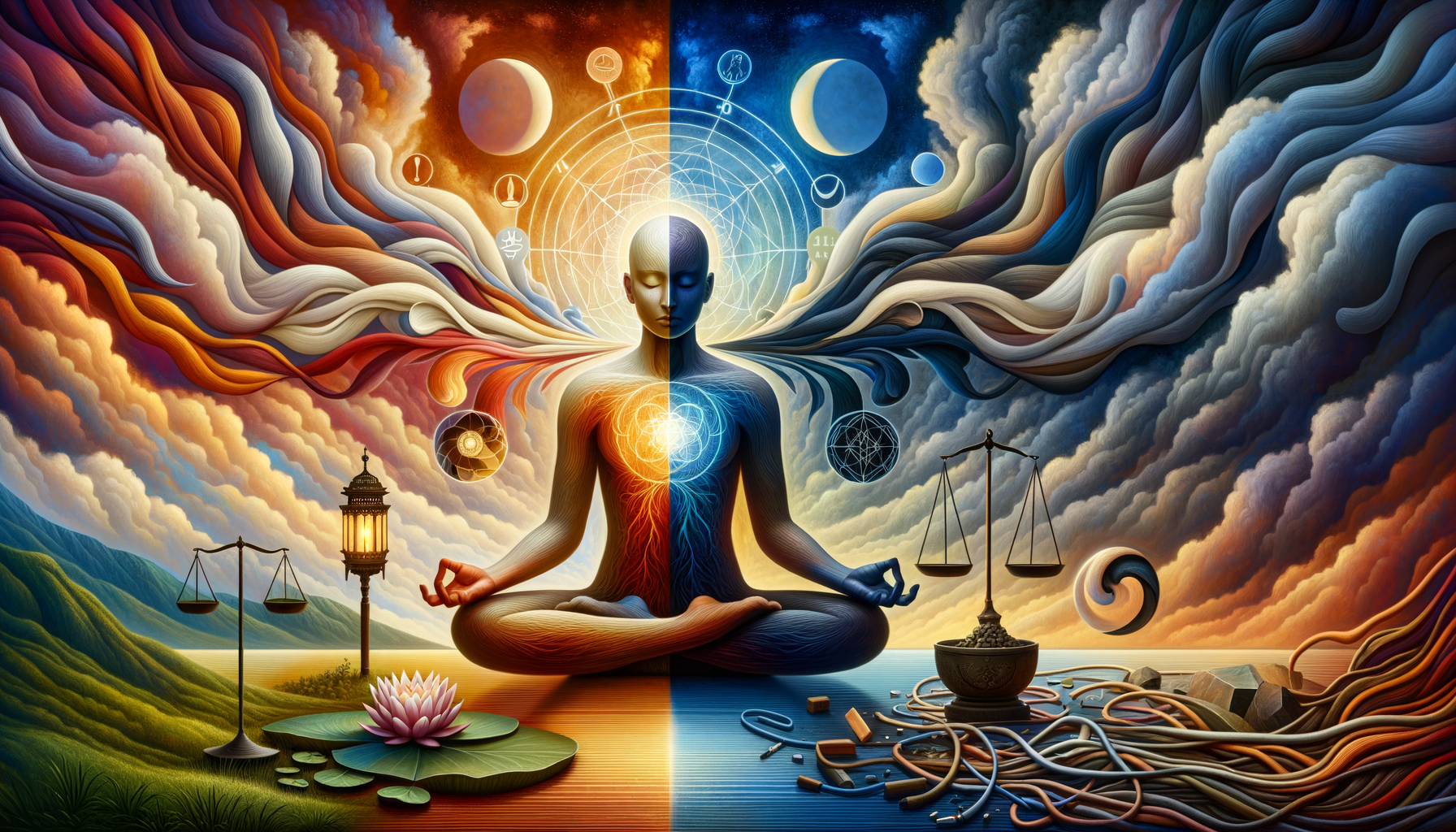
Dharma and Adharma describe an inner moral struggle that shapes choices, character, and destiny. Drawing on the Bhagavad Gita, the Upanishads, and allied Dharmic wisdom, this piece explains how clarity (buddhi), the gunas, and steady practice (abhyasa) tip the balance toward ethical action. It shows how Hindu, Buddhist, Jain, and Sikh traditions converge on shared…
-
Empty the Cup to Fill the Soul: Hindu Wisdom on Ego, Learning, and Spiritual Growth

This article explores the Hindu metaphor of the “empty vessel,” showing how releasing ego creates the space necessary for continuous learning and spiritual growth. It explains the paradox that genuine wisdom requires inner emptiness, contrasting avidyā (illusion of knowledge) with jñāna (true insight). Drawing on the Bhagavad Gita and Upanishadic methods, it highlights humility, contemplation,…
-
Pradeśa-Mātra Unveiled: Upanishadic Wisdom on the Infinite Within the Heart

Pradeśa-mātra, a refined Upanishadic term, explains how the Infinite can be contemplated in a “measurable” heart-space without limiting the Self. Grounded in the Chandogya and Katha Upanishads, it offers a practical doorway for meditation and self-inquiry. By focusing attention in the hṛdaya-ākāśa, practitioners stabilize the mind and intuit the all-pervading Ātman. Vedānta resolves the paradox…
-
Why ‘Name and Form’ Create Suffering: A Powerful Dharmic Lens on Oneness and Freedom
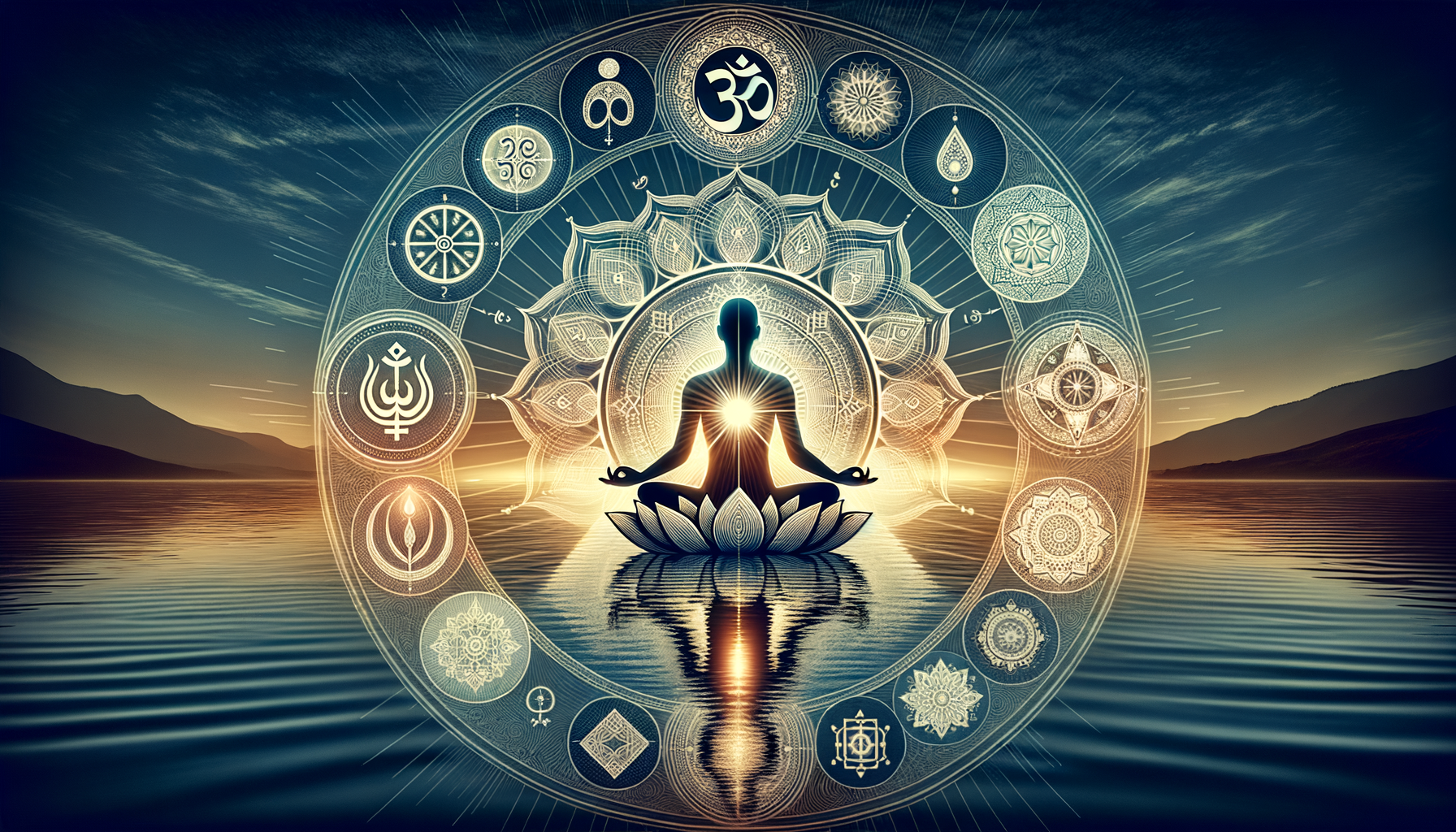
Hindu philosophy traces suffering to separateness born of nāma (name) and rūpa (form), a misidentification that obscures underlying unity. Upanishadic and Advaita perspectives treat names and forms as provisional, while the Bhagavad Gita offers practices—jñāna, bhakti, and karma yoga—to reorient attention toward what endures. Everyday experiences show how labels intensify anxiety and craving; loosening identification…