
-
Maha Sadashiva: Awe-Inspiring 25-Faced Shiva Form and Its Cosmic Meaning
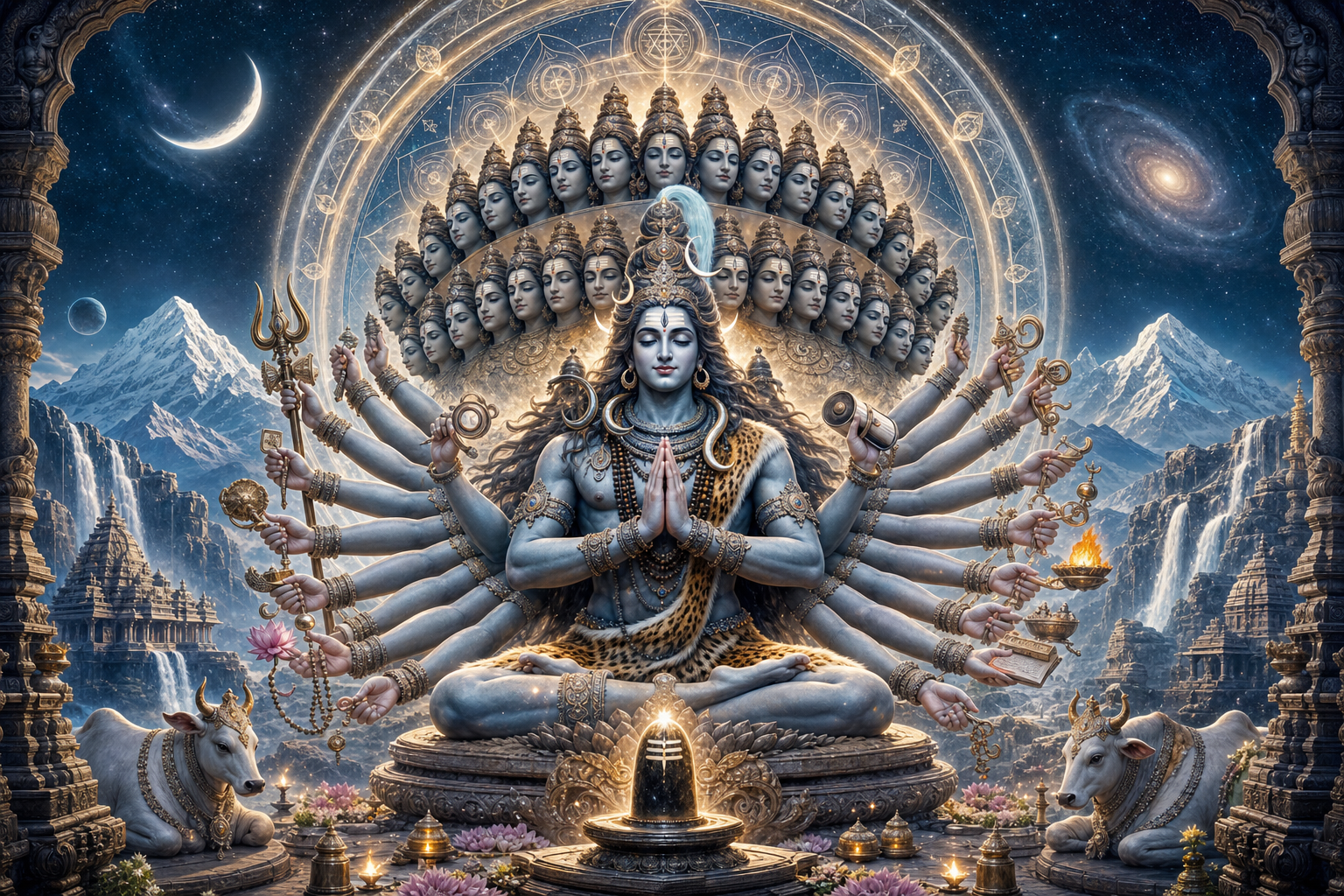
Maha Sadashiva, the twenty-five-faced and fifty-handed form of Lord Shiva, represents one of the most profound achievements of Shaiva iconography. This form expresses the paradox of Shiva as both nirguna, beyond all attributes, and saguna, accessible through sacred form, ritual, mantra, and devotion. The twenty-five faces symbolize expanded consciousness, cosmic awareness, and the layered principles…
-
Bengal’s Sacred Lakshmi Owl: Powerful Meaning Behind Wooden and Metal Worship Symbols
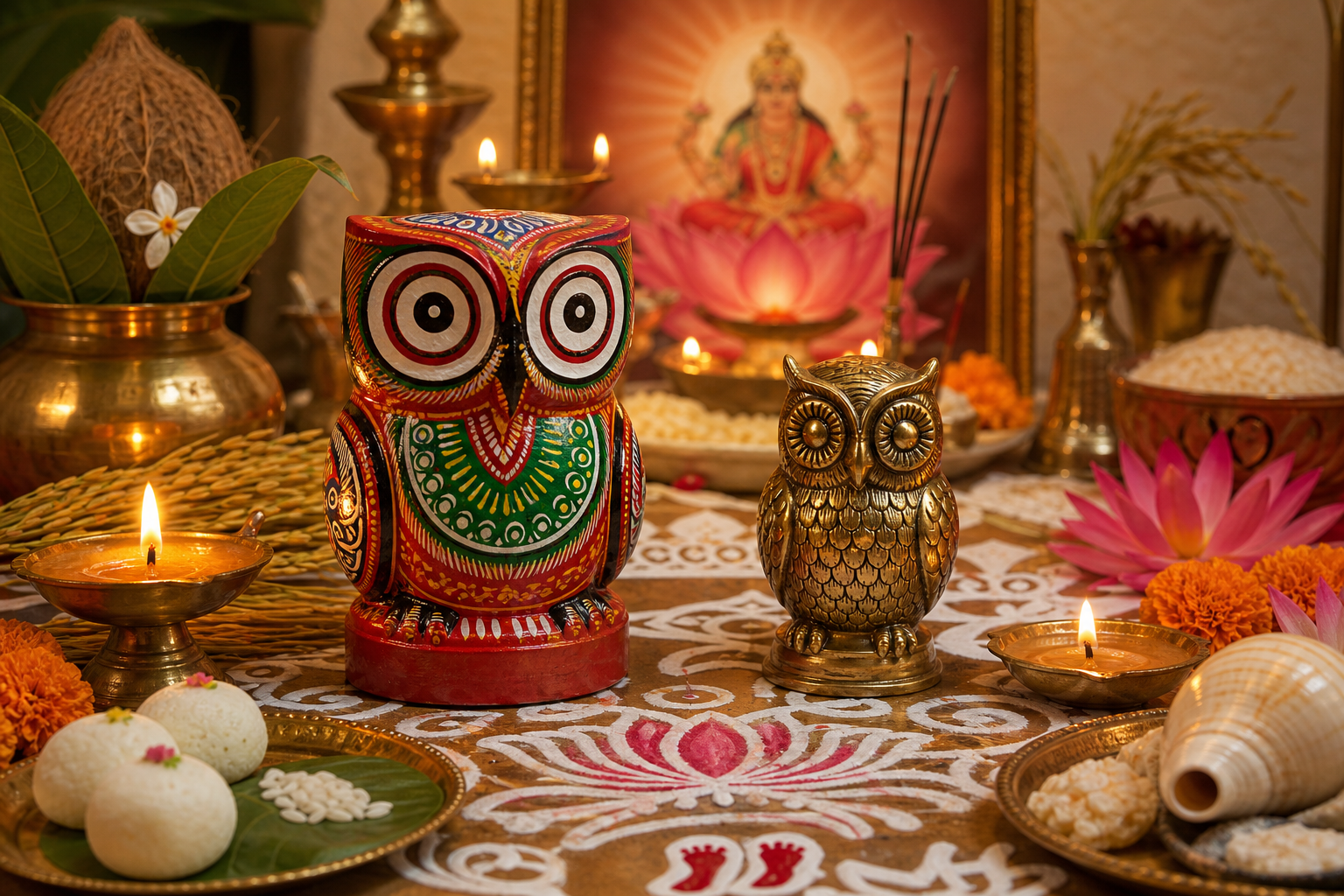
Bengal’s wooden and metal Lakshmi owls are not merely decorative ritual objects; they represent the sacred vahana of Goddess Lakshmi and carry deep symbolic meaning. The owl, known as Uluka, expresses vigilance, discernment, and the need to preserve prosperity through dharmic conduct. In Bengali Lakshmi Puja, especially Kojagari Lakshmi Puja, the owl connects household worship…
-
Mangala Chandi’s Powerful Dual Grace: Sacred Iconography, Symbolism, and Inner Meaning
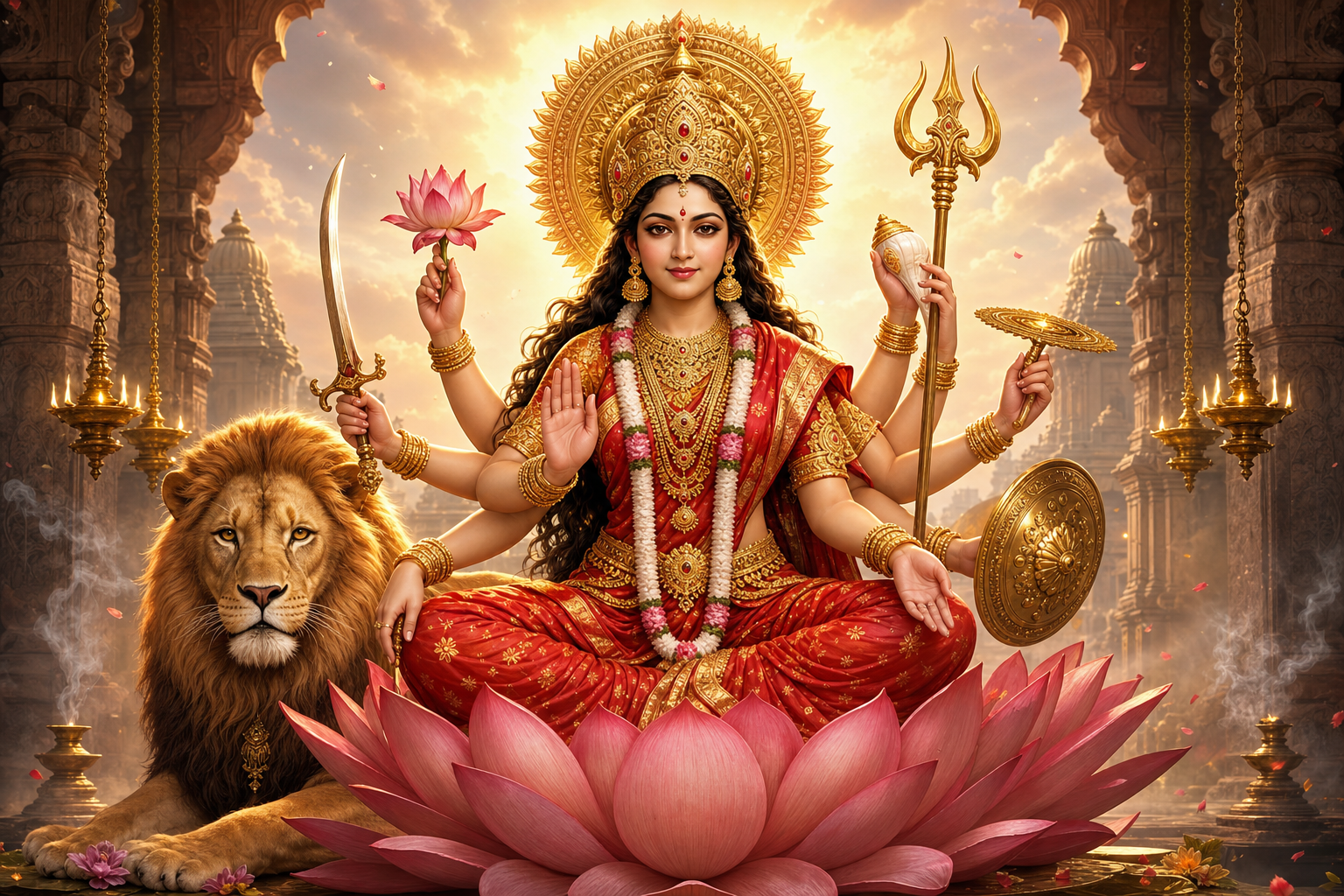
Mangala Chandi represents one of the most compelling expressions of Devi Shakti, uniting auspicious grace with fierce protection. Her name reveals a profound theological balance: Mangala as blessing, welfare, and sacred prosperity, and Chandi as the disciplined force that confronts adharma. This article explains her iconography through gestures, weapons, ornaments, colors, and symbolic associations in…
-
Why Hindu Tantric Goddess Imagery Reveals Sacred Truth Beyond Fear
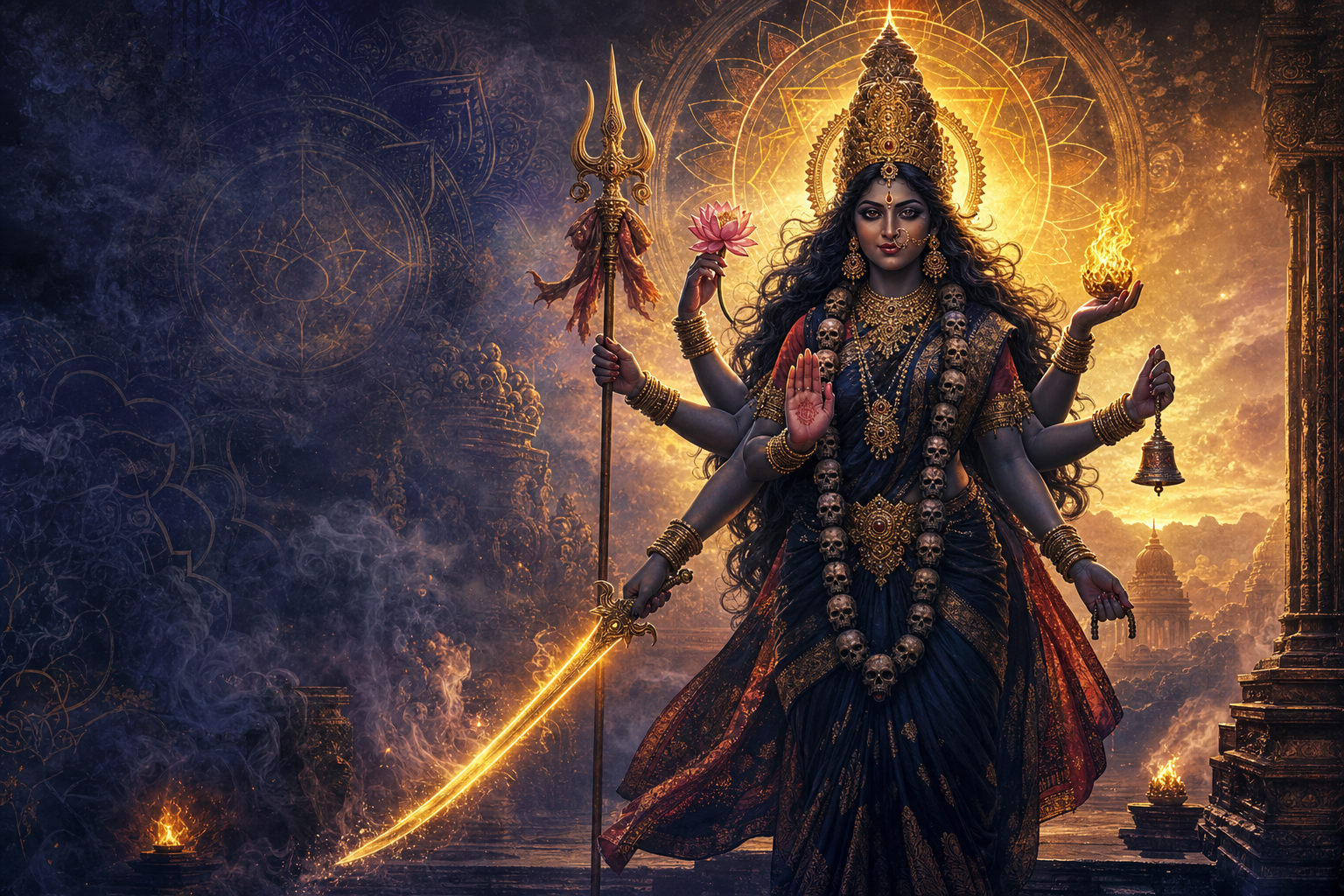
Hindu Tantric Goddess imagery is often misunderstood because modern viewers may read symbolic fierceness as literal violence. This article explains how forms such as Kali, Chamunda, Bhairavi, and Durga function as sacred teachings on time, ego, death, protection, and liberation. Rather than glorifying horror, Tantric iconography reveals hidden truths about impermanence, injustice, and the transformation…
-
Ravana’s Regenerating Heads: The Profound Wisdom Behind Rama’s Final Aim
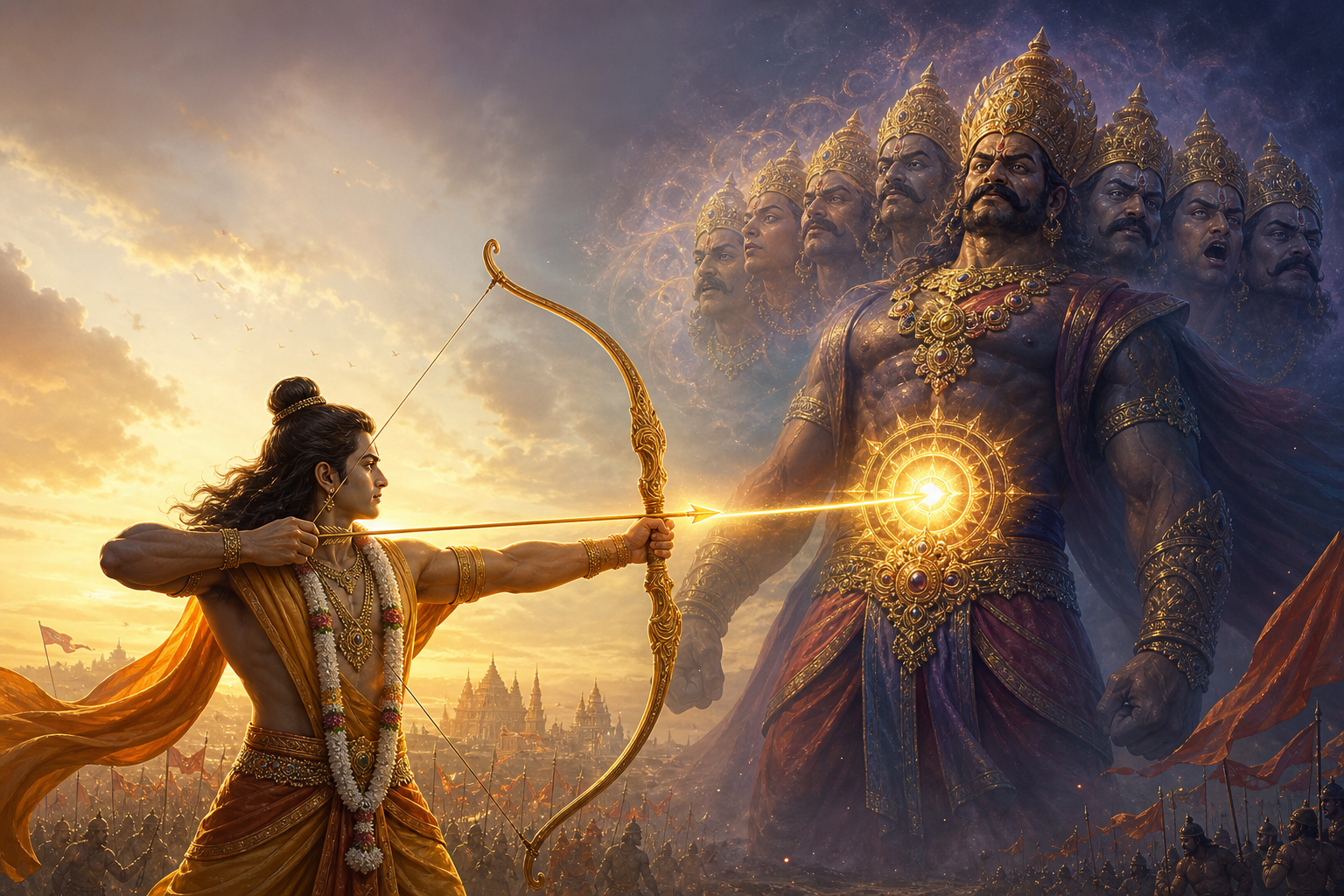
This article explores the symbolism of Ravana’s regenerating heads and the deeper meaning behind Rama’s final victory in the Ramayana. It explains that the repeated severing of Ravana’s heads represents the failure of treating symptoms while leaving the root of ego, desire, and adharma untouched. The piece distinguishes between Valmiki Ramayana and later traditional interpretations…
-
Ardhanarinaravapuh Revealed: Powerful Hindu Wisdom on Sacred Gender Unity
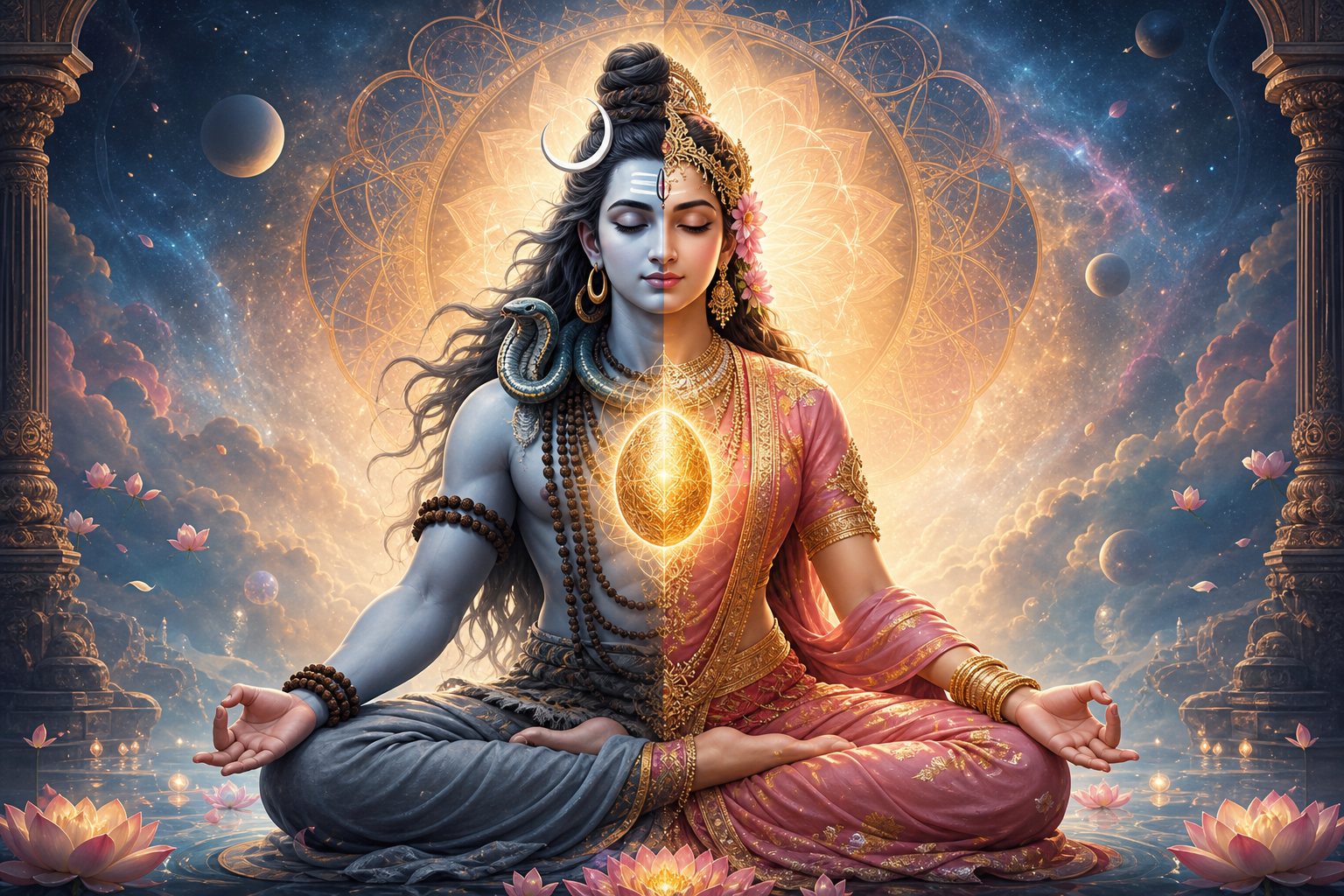
Ardhanarinaravapuh is a profound Hindu concept describing a sacred form that unites masculine and feminine principles in one indivisible body. Connected with Hiranyagarbha, the cosmic womb or golden egg, it points to the origin of creation as a state of luminous wholeness. The idea is closely related to Ardhanarishvara, the union of Shiva and Shakti,…
-
Sacred Architecture Revealed: How Form, Space, and Symbol Awaken Meaning
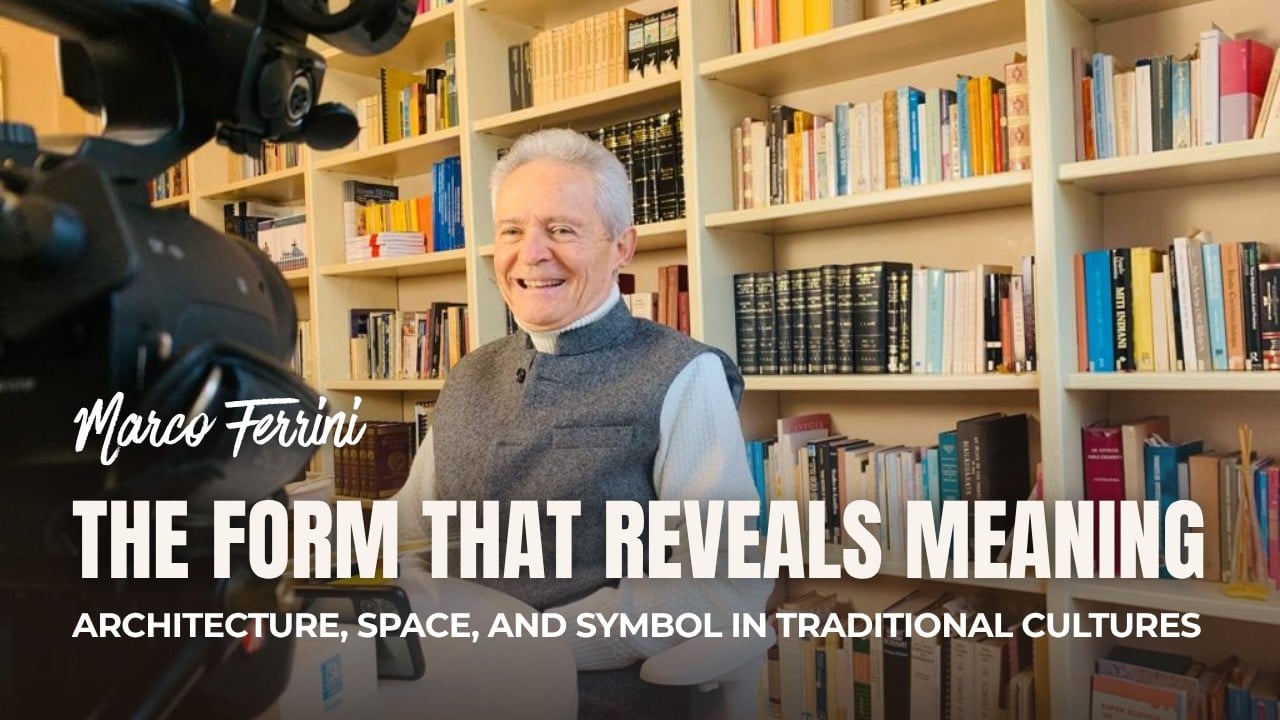
Sacred architecture is presented as a disciplined field where form, space, and symbol shape human consciousness. Drawing from the Bhagavad-gita’s distinction between kshetra and kshetrajna, the article explains how the built environment becomes an external field that interacts with inner awareness. It connects Vastu Shastra, Bhakti Yoga, temple architecture, sacred geography, and sustainable design into…
-
Sacred Kaudi and Goddess Lakshmi: Powerful Meaning of the Cowrie Shell
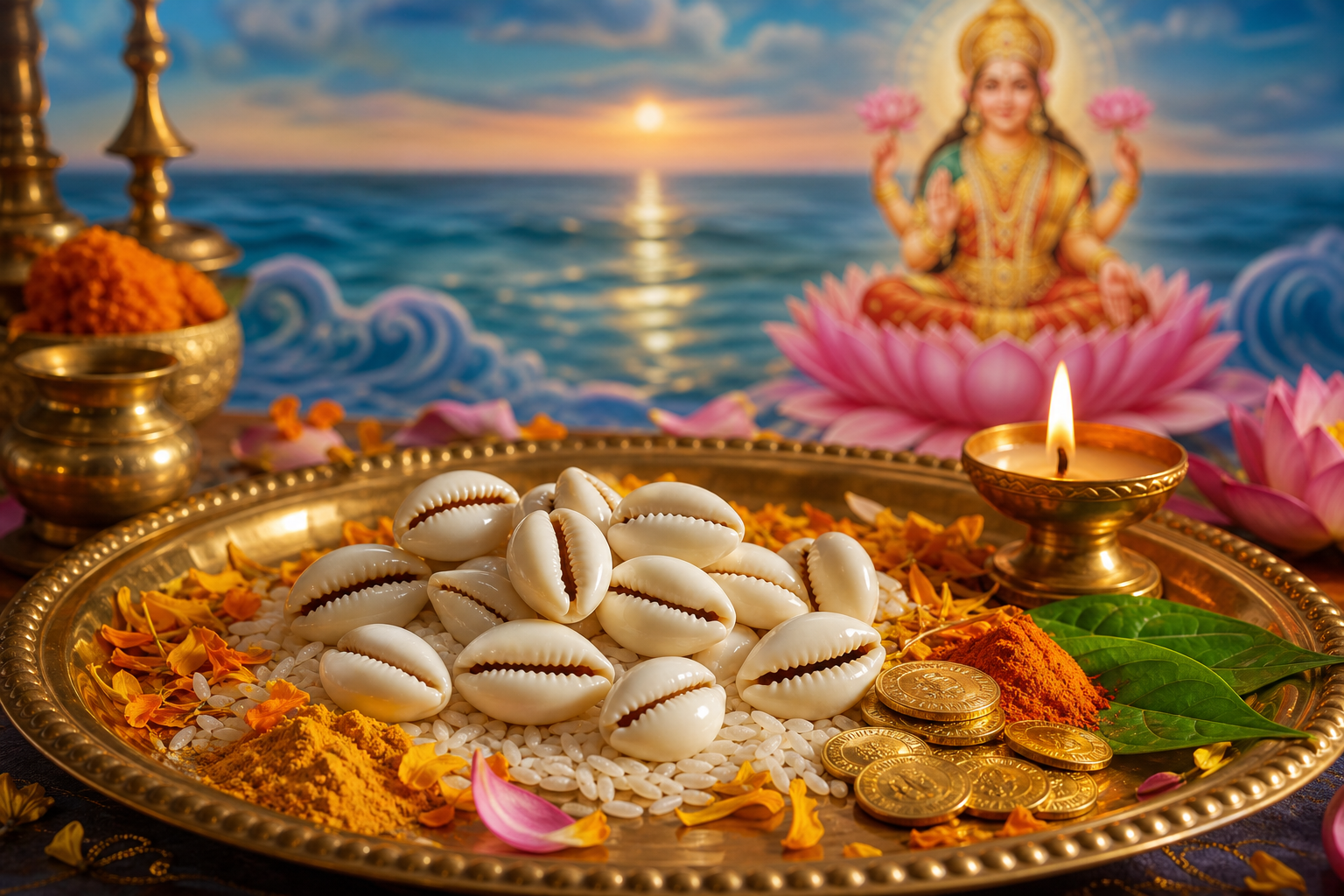
The cowrie shell, or kaudi, is associated with Goddess Lakshmi because it unites the meanings of wealth, fertility, oceanic abundance, protection, and auspicious grace. Its connection with the sea recalls Lakshmi’s emergence in the sacred imagination of Samudra Manthan and makes the shell a natural symbol of prosperity flowing from cosmic order. Historically, cowries also…
-
Shri Kali’s Fierce Grace: Powerful Symbolism of the Divine Mother in Hindu Dharma
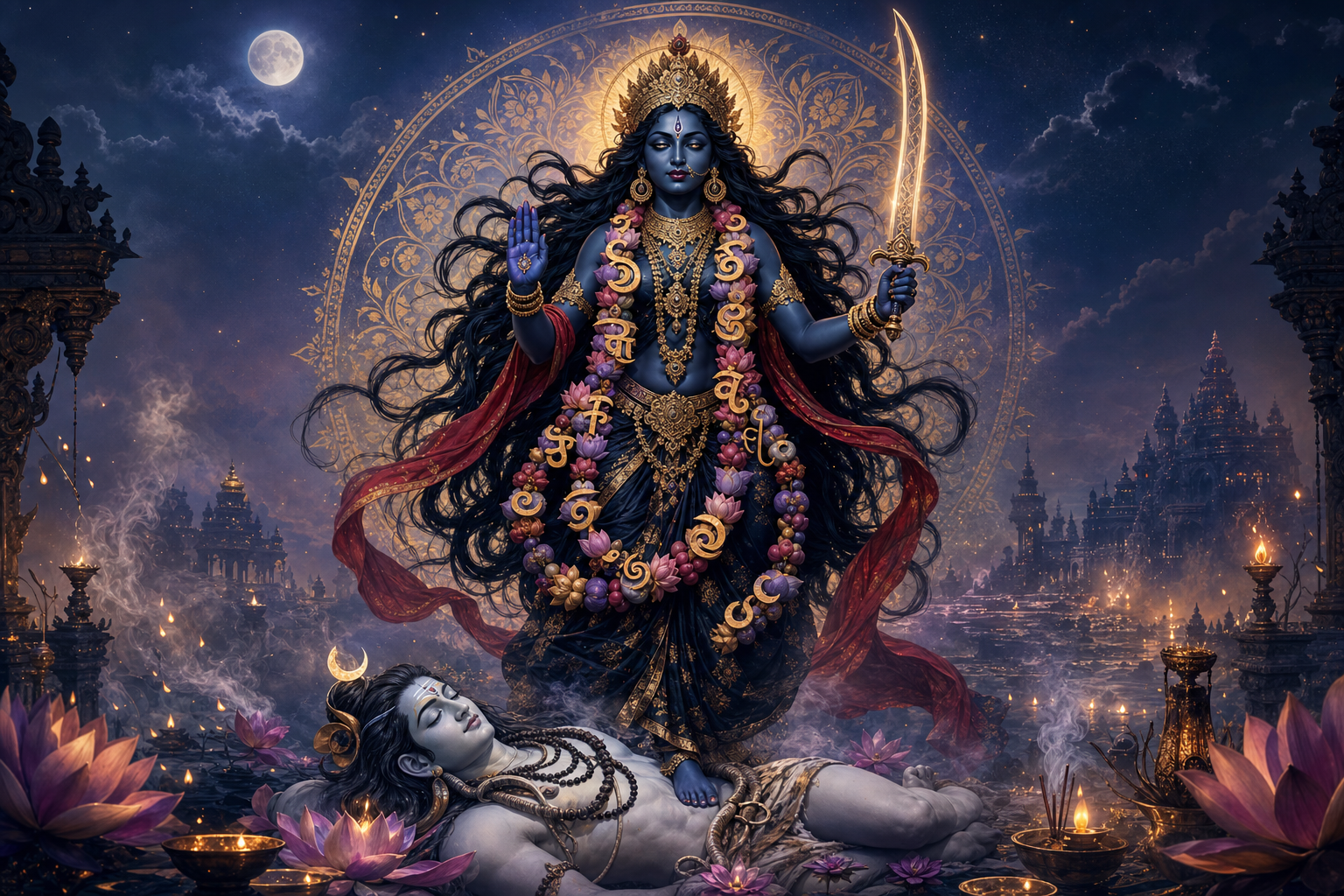
Shri Kali represents the fierce and auspicious power of the Divine Mother within Hindu Dharma. Her symbolism reveals how darkness, time, death, ego, and fear can become pathways to wisdom when understood through Shakti. This article explains her sword, garland, dark form, cremation-ground imagery, and relationship with Shiva in a clear academic style. It also…
-
Powerful Panasa Symbolism: Jackfruit, Abundance, Kubera and Ganesha in Hindu Art
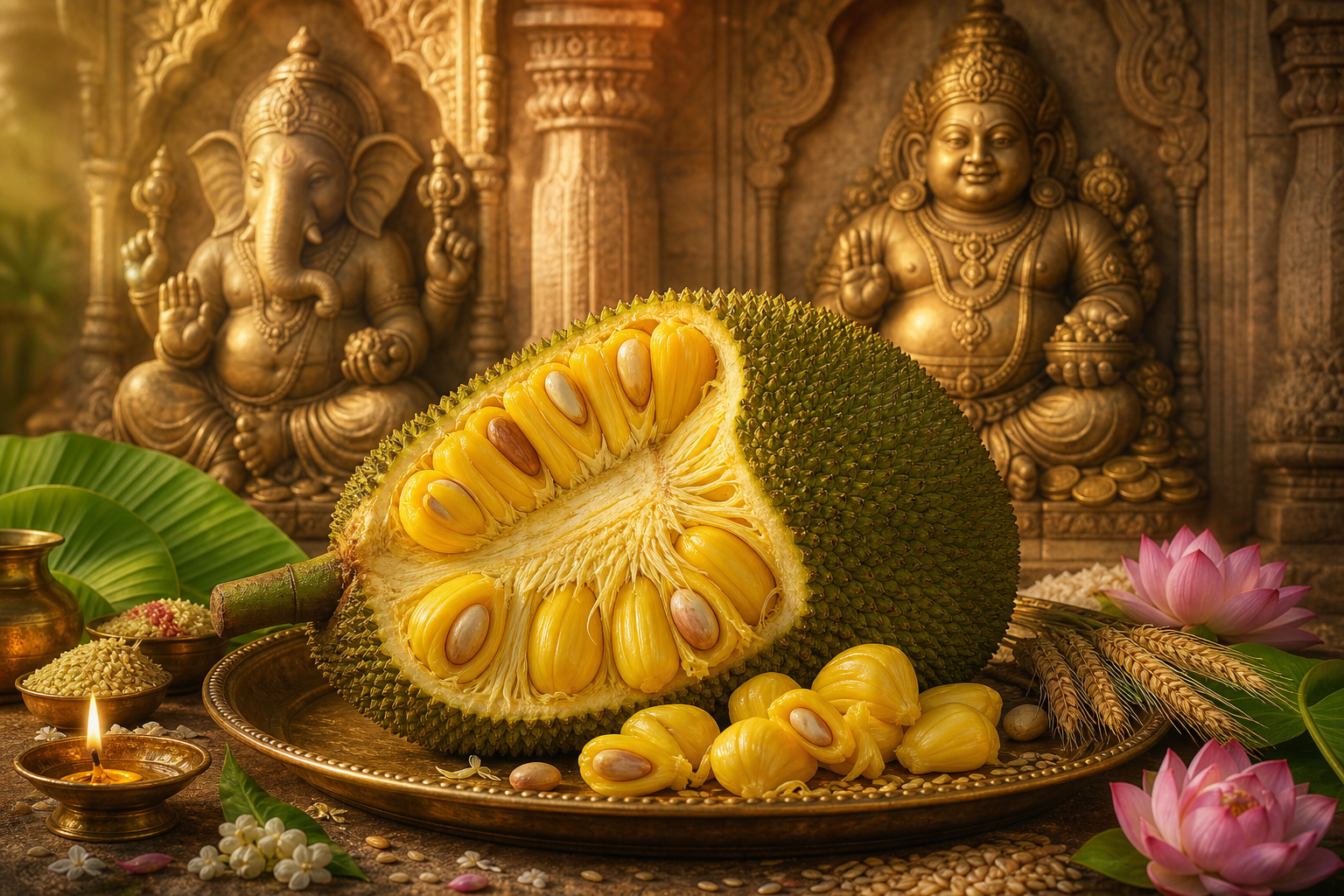
The jackfruit, known as panasa in Sanskrit, is a powerful Hindu symbol of abundance, nourishment, fertility, and responsible prosperity. In the iconography of Kubera, it reflects wealth that must be guarded, ethically used, and shared within the framework of dharma. In Ganesha worship, it points to auspicious beginnings, sweetness after effort, and the fulfilment that…
-
Makara in Hindu Scriptures: Powerful Seven-Animal Symbol of Water and Wisdom
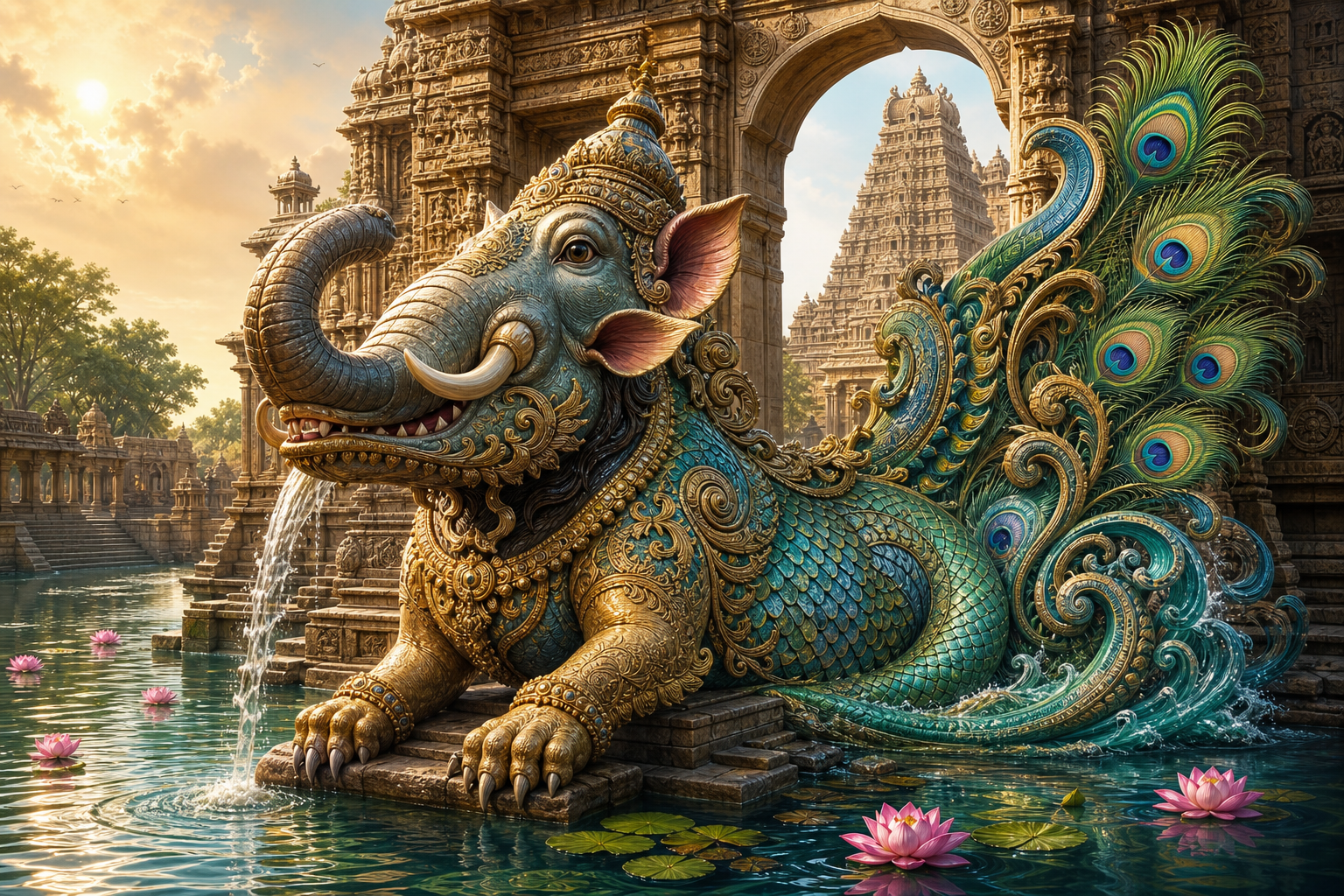
Makara is one of the most fascinating composite creatures in Hindu scriptures, sacred art, and temple architecture. Traditionally associated with Varuna, Ganga, Narmada, Kamadeva, and Makara-kundala iconography, it represents water, fertility, protection, desire, and cosmic order. Its seven-animal form brings together the elephant, crocodile, boar, monkey, fish, lion, and peacock as a symbolic body of…
-
Ardhanarishvara Shiva: Powerful Symbol of Divine Balance and Shakti Unity
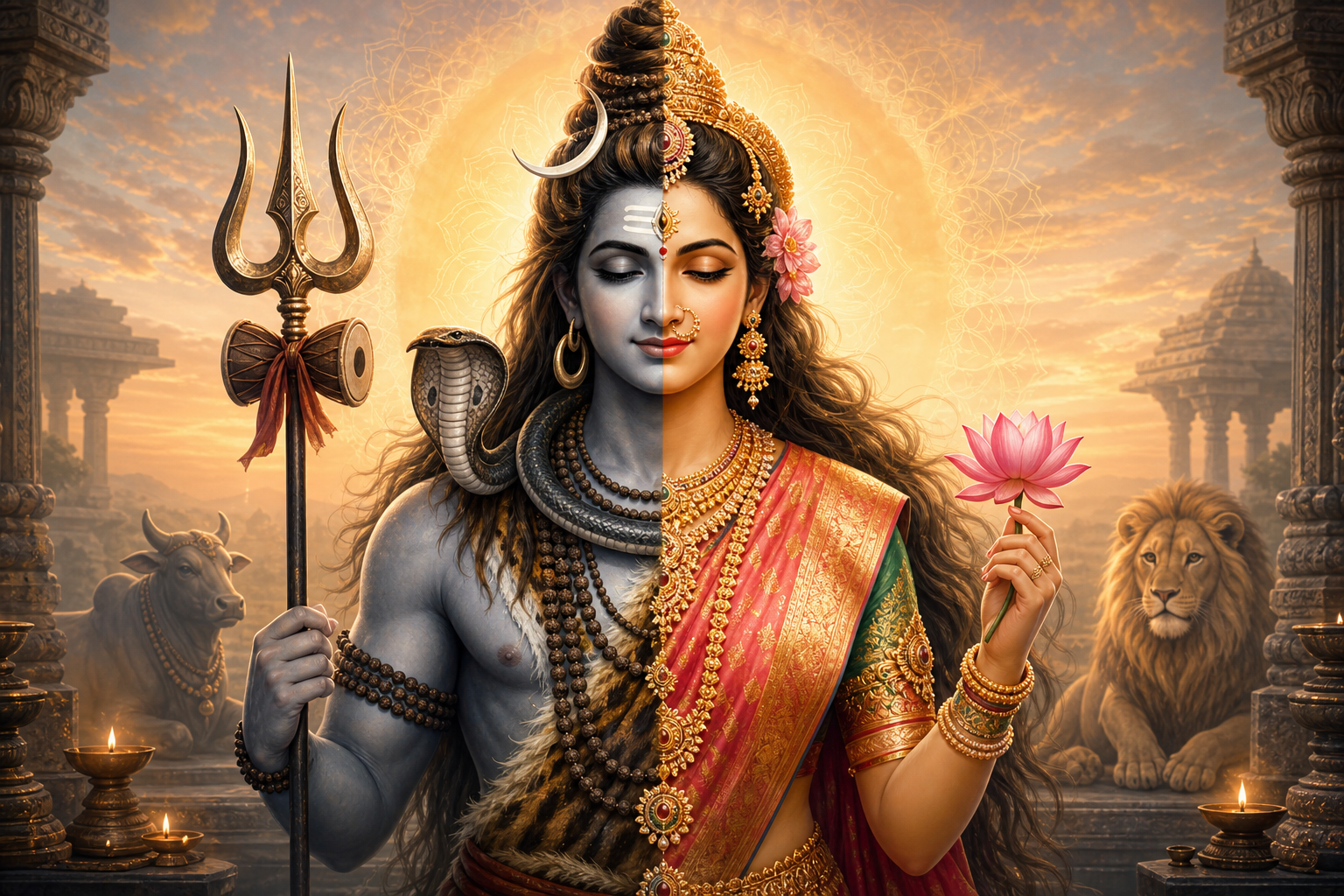
Ardhanarishvara Shiva is the sacred half-male and half-female form of Lord Shiva and Parvati Mata, expressing the inseparable unity of Shiva and Shakti. This form teaches that consciousness and energy, stillness and activity, ascetic discipline and creative abundance are not opposing forces but complementary aspects of one divine reality. The Puranas preserve several narratives explaining…
-
Master the Urdhva Tandava: Shiva’s Upward DanceIconography, Sacred Lore, and Inner Transformation
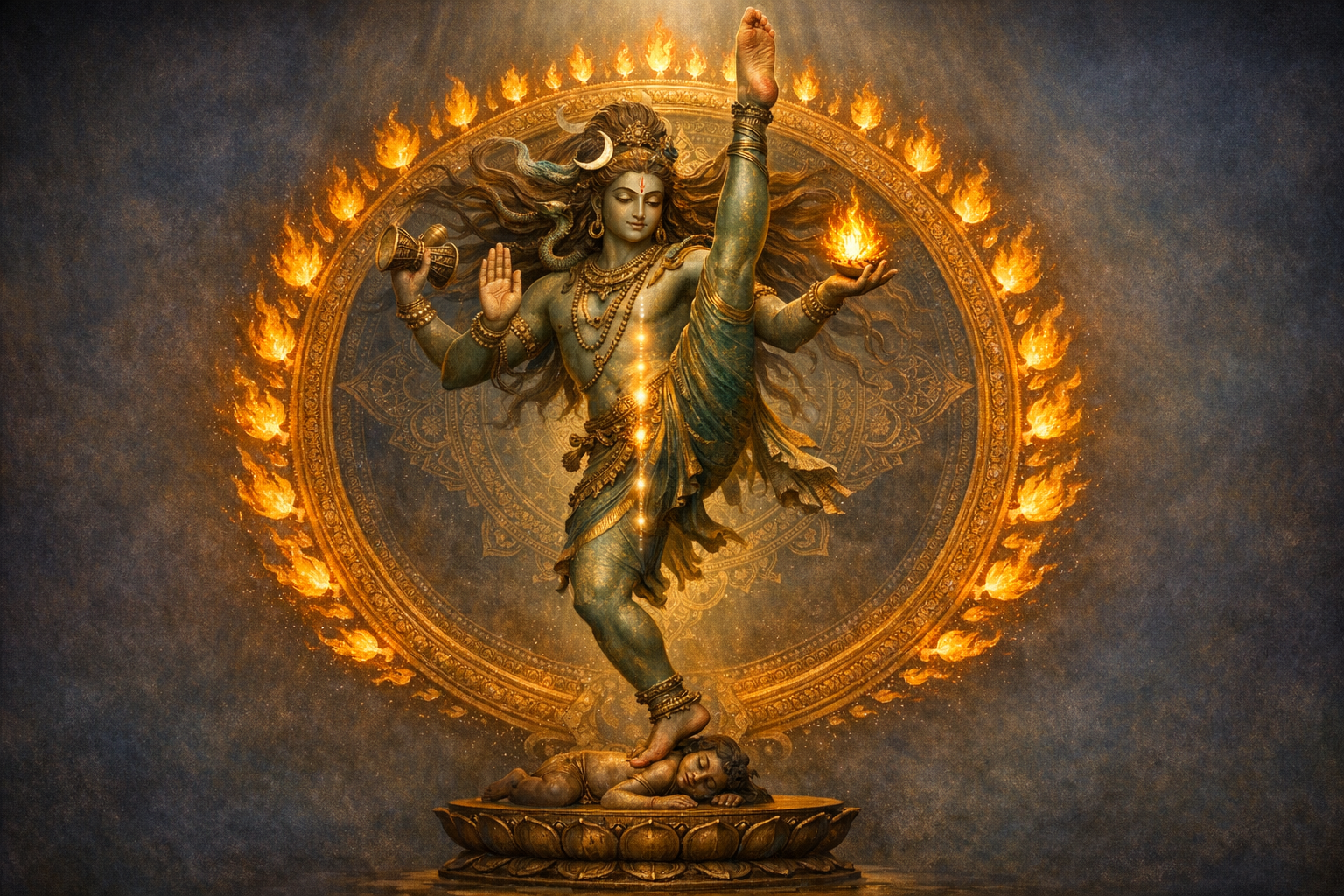
Urdhva Tandava, the Supreme Ascending Dance of Shiva, unites iconography, philosophy, and lived practice into a single upward current of grace. This article clarifies its etymology, situates the form within panchakritya and Shaiva thought, and reframes the Chidambaram lore with Kali as a non-dual harmony of Shiva–Shakti. It decodes the iconographyraised foot, damaru, agni, Apasmara,…
-
Periya Karuppar Unveiled: The Unyielding Sentinel and Living Guardian of Tamil Villages

Periya Karuppar“the Great Dark One”is a living guardian deity of Tamil Nadu whose shrines anchor ethics, oath-taking, and social order at village thresholds. Rooted in the Ayyanar–Karuppar protective complex, his iconography (aruval, sword, staff, and dog) encodes lawful strength and vigilance. Rituals such as arul vaaku, boundary offerings, and community vows function as social technologies…
-
Divine Measures of Plenty: Marakkal and Manika in Hindu Iconography, Ritual, and Dharma
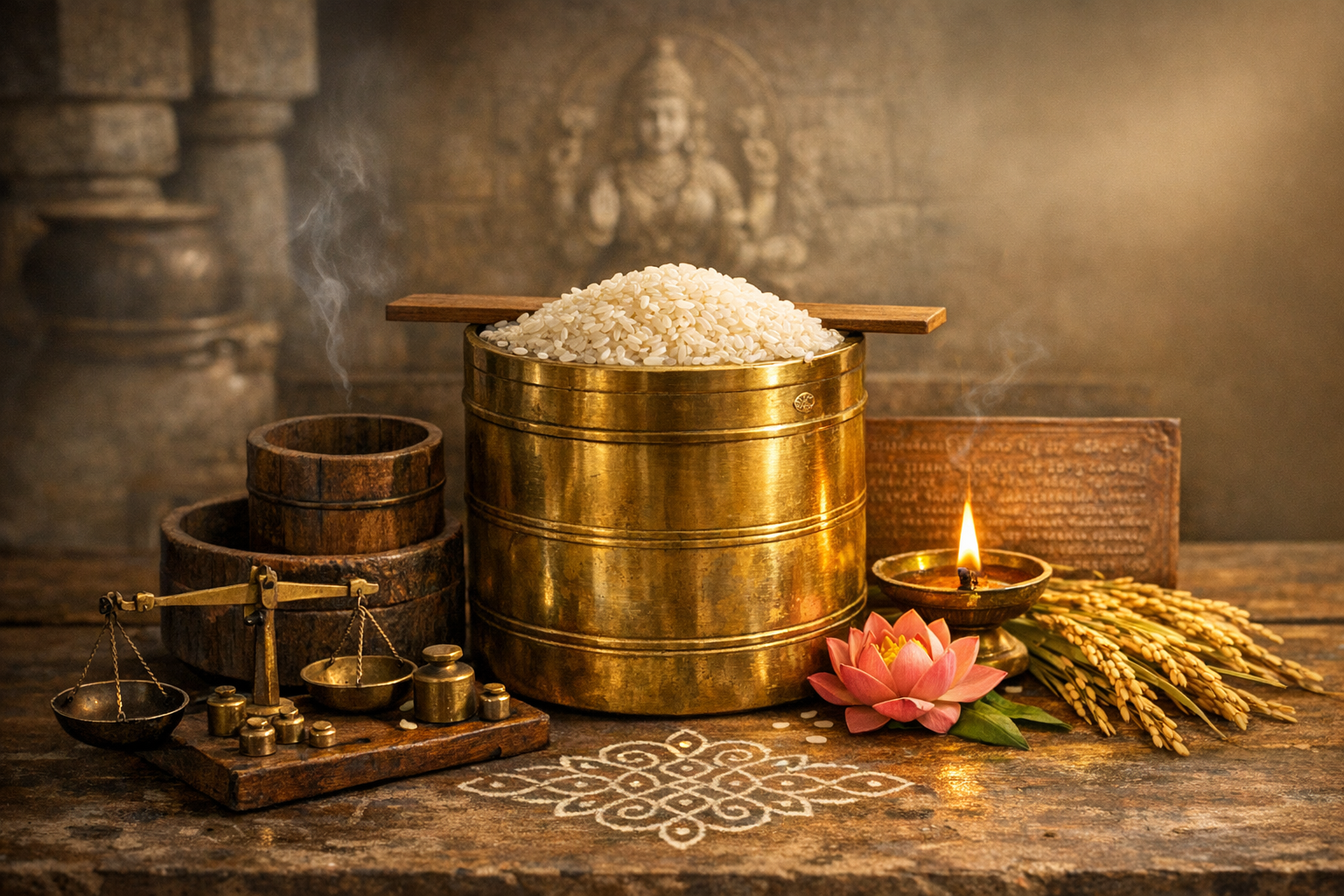
This essay examines the Marakkal/Manika, the traditional cylindrical grain-measure, as both a practical utensil and a sacred symbol within Hindu iconography and ritual life. It traces regional vocabularies and historical references in inscriptions, highlighting how standardized measures sustained temple kitchens, annadāna, and ethical commerce. The analysis situates the vessel’s geometry, materials, and calibration within a…
-
Decoding the Amukta: The Sacred Throat Ornament in Hindu SculptureMeaning, Types, Symbolism
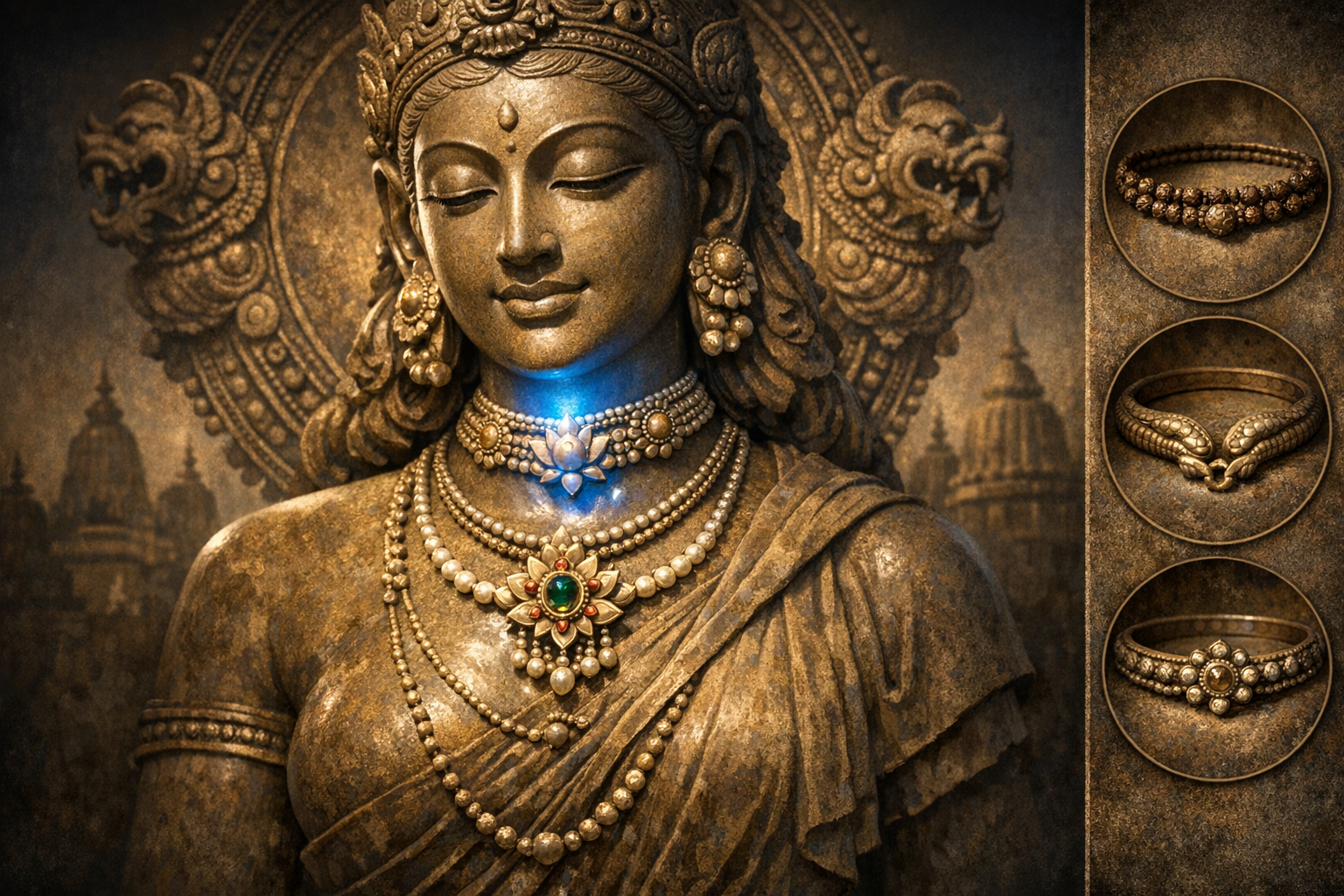
This study decodes the amuktathe sacred throat ornament in Hindu sculptureas a concentrated sign of doctrine rather than mere decoration. Drawing on Śilpaśāstra and Āgama canons, it explains how the amukta aligns with graiveyaka and kaṇṭhikā types, why it frames vāc and prāṇa at the throat, and how its materials and techniques shape meaning. Comparative…
-
Kauberi, Shakti of Kubera: Rediscovering a Forgotten Goddess of Wealth and Sacred Geometry
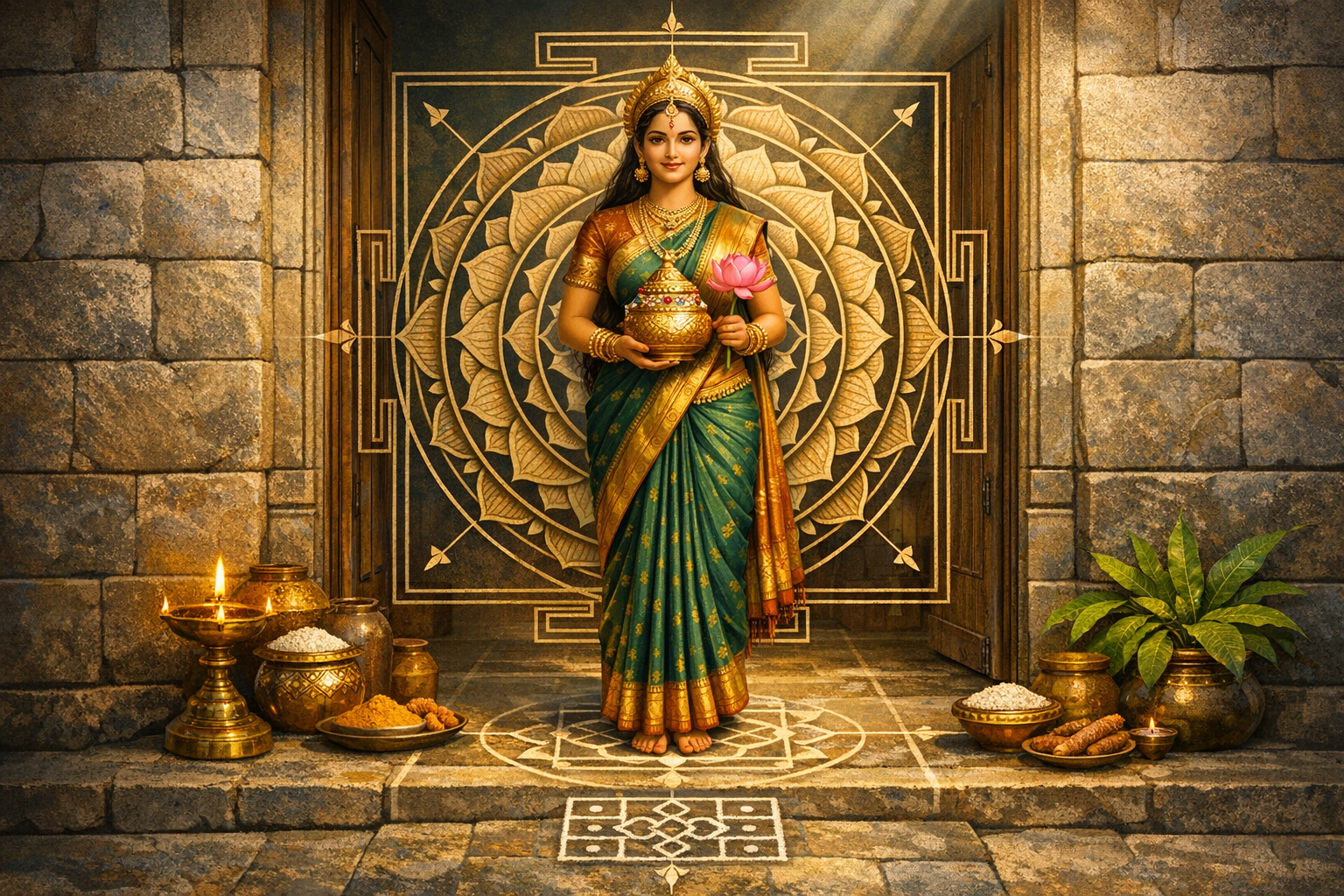
Kauberi, the feminine counterpart of Kubera, is a rarely profiled yet pivotal presence in Hindu tantric and household traditions, where she anchors prosperity through sacred geometry and ethical conduct. Rooted in yakshini lists and Śākta praxis, Kauberi complements Kubera’s northern guardianship by stabilizing thresholds and balancing the north–south ritual axis. The Kubera Kolam (3×3 magic…
-
Tula, Karma, and Dharma: The Sacred Weighing Balance in Hindu Icons, Rituals, and Cosmology
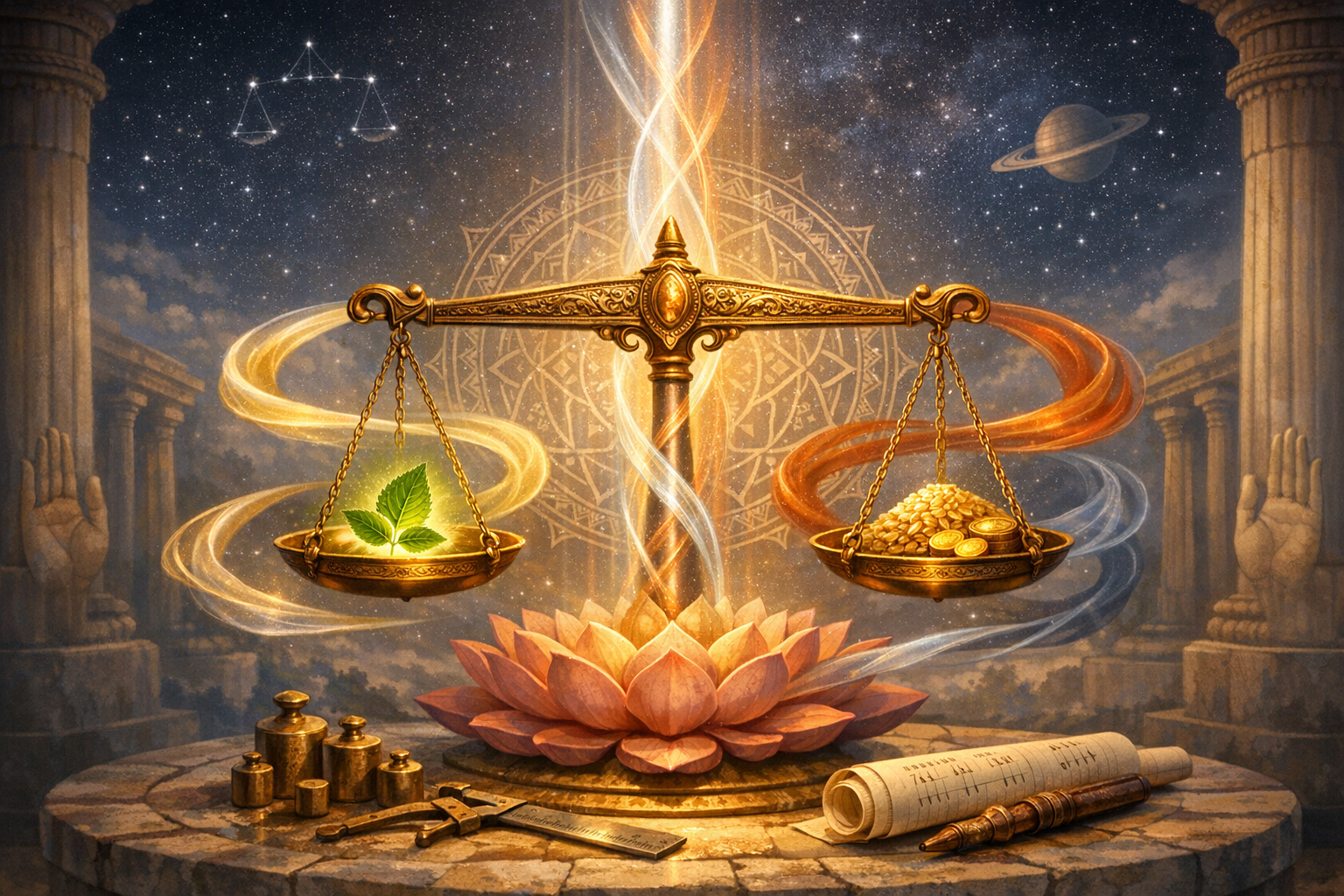
The weighing balance (tula) is a rare yet profound Hindu symbol that encodes a civilizational ethic: weigh intentions, actions, and outcomes in the light of karma and dharma. Rather than relying on frequent iconographic depictions, the symbol operates powerfully across ritual (tulābhara), philosophy (samatā in the Bhagavad Gita), and astrology (Tula Rashi’s emblem of parity).…
-
Swastika Vrata Across Chaturmasya: A 120-Day Path to Auspiciousness, Focus, and Unity
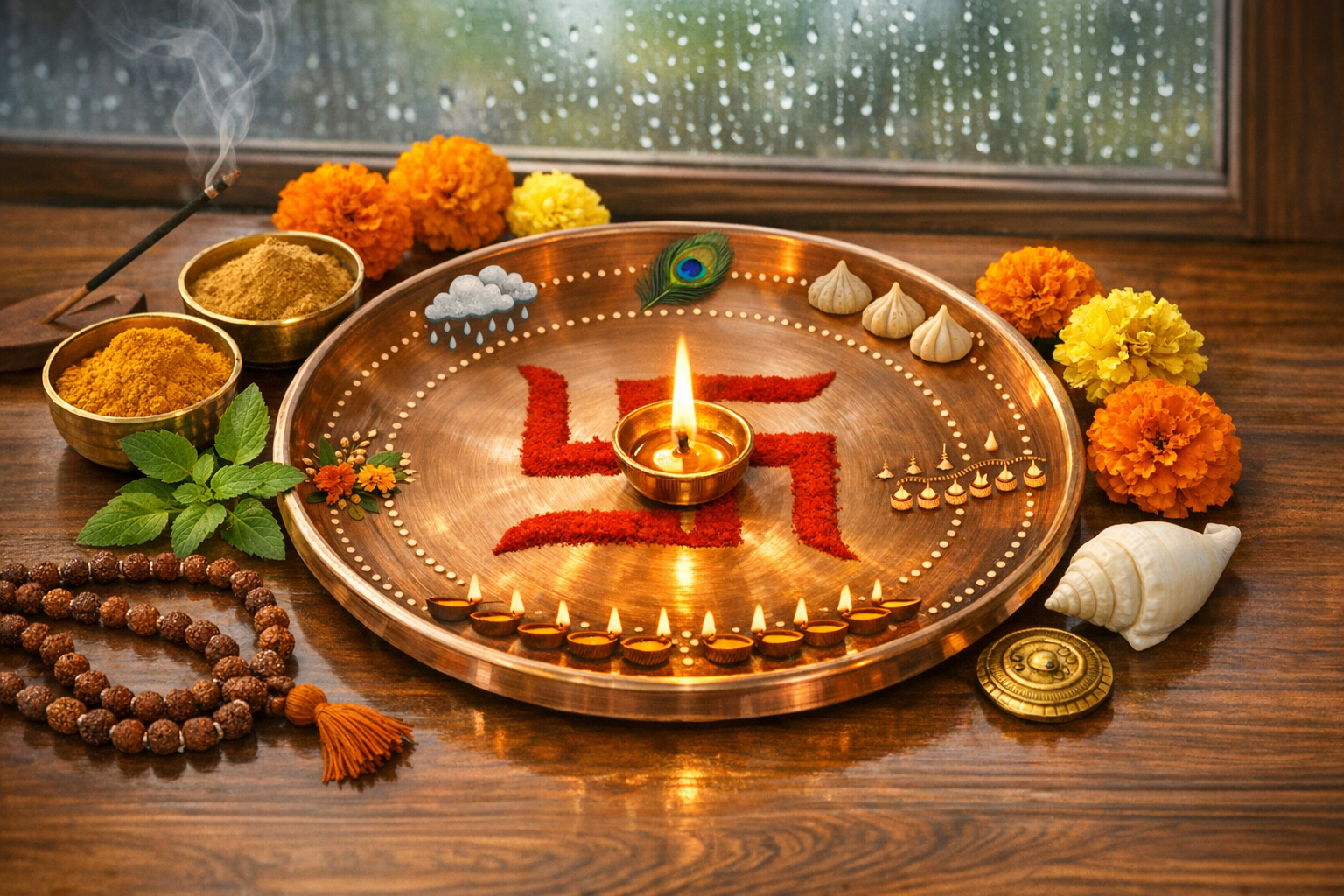
The Swastika Vrata practiced through Chaturmasya is a 120-day discipline beginning on Devshayani Ekadashi and concluding on Prabodhini Ekadashi. It centers on daily worship of the sacred swastika, harmonized with Ekadashi fasting and seasonal niyamas observed in many Vaishnava and Smarta households. The symbol’s authentic dharmic meaningauspiciousness and right orderis clarified, and its unity across…
-
Unveiling the Panchamukha Linga: Five Faces of Shiva, Agamic Iconography, and Cosmic Meaning
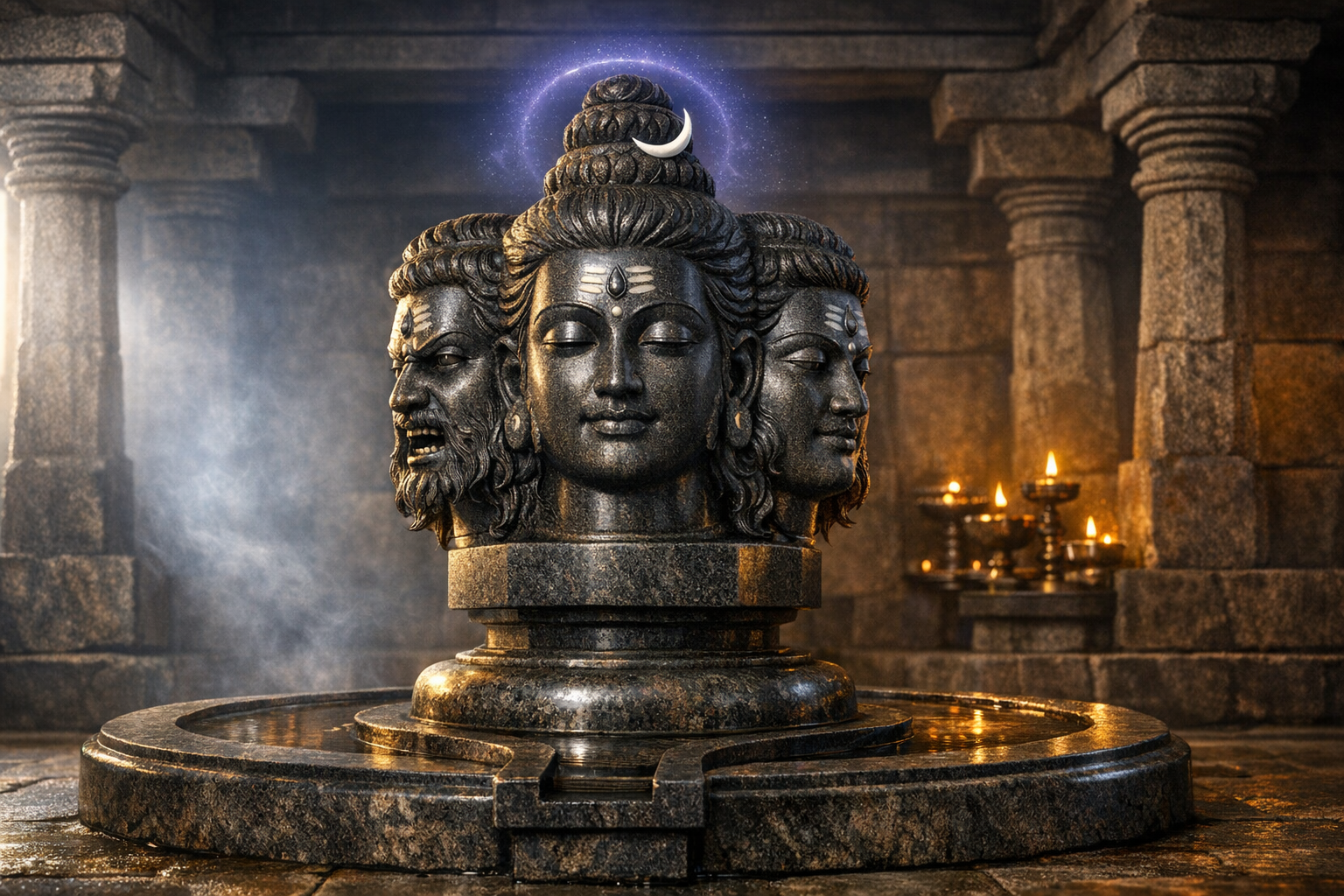
The Panchamukha Linga translates the formless mystery of Shiva into a disciplined iconography where five faces express the universe’s core functions, elements, and inner practices. Drawing on Shaiva Agamas and Puranic references, it aligns Sadyojata, Vamadeva, Aghora, Tatpurusha, and Ishana with directions, mantras, and the fivefold operations of creation, maintenance, dissolution, concealment, and grace. The…