
-
Why the Human Form Matters: Vedic Enumeration, Dharmic Unity, and Modern Biodiversity Science

This essay bridges Vedic wisdom and modern biodiversity science to explore why the human form is regarded as rare, purposeful, and ethically charged across Hinduism, Buddhism, Jainism, and Sikhism. It explains how empirical methods estimate Earth’s species while acknowledging measurement limits, and how the Puranic enumeration of 8.4 million yonis offers a metaphysical taxonomy that…
-
Timeless Lessons from S.B. 3.15.22 at ISKCON Chowpatty: Humility, Vaikuntha, and Dharmic Unity

On 14th June ’26 at ISKCON Chowpatty Mumbai, H.G. Gauranga Prabhu spoke on S.B. 3.15.22; this essay contextualizes that verse within Canto 3’s Vaikuntha narrative. It distills core themes of humility, eligibility, and the ethics of aparādha, linking them to practical speech discipline and inclusive community design. Readers gain a structured soteriological view (sambandha–abhidheya–prayojana) that…
-
Śrīmad Bhāgavatam 3.26.37 Decoded: Kapila’s Sāṅkhya and Mastery of the Working Senses
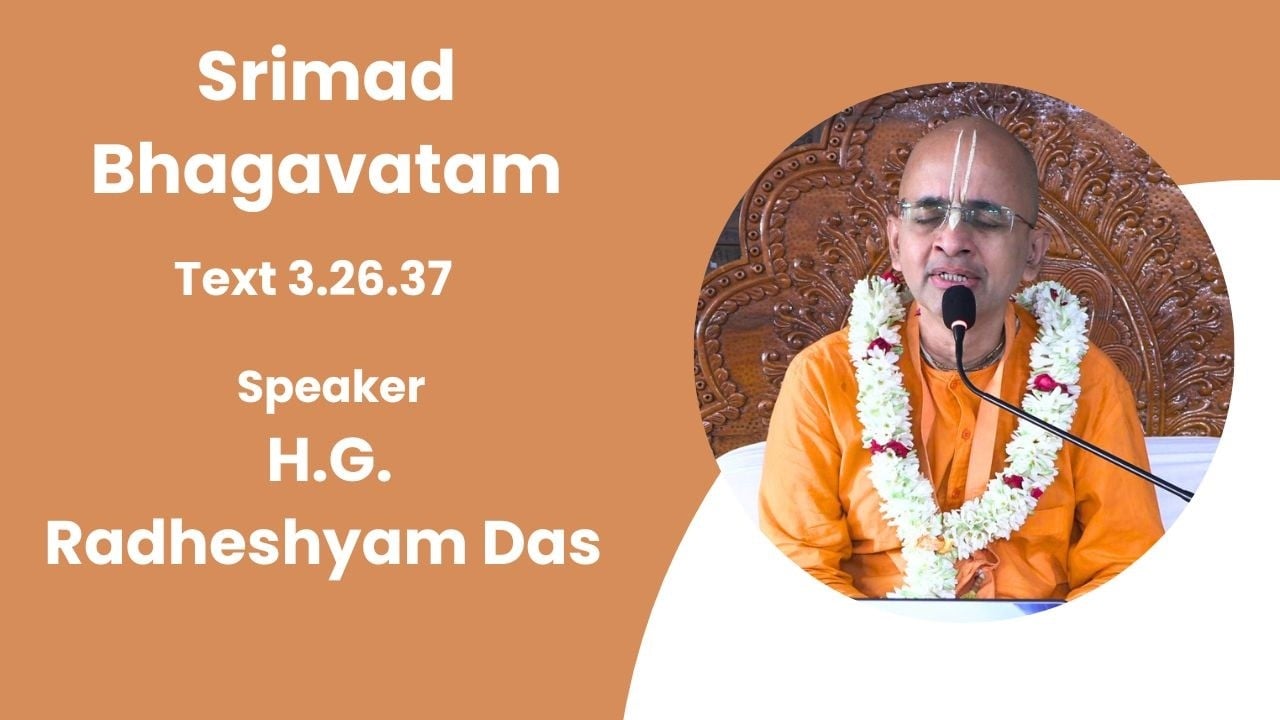
Śrīmad Bhāgavatam 3.26.37 offers a precise Sāṅkhya blueprint for understanding embodied agency by enumerating the core functions of the working senses. The opening, “ŚB 3.26.37 cālanaṁ vyūhanaṁ prāptir …”, signals a fivefold map of actionmovement, manipulation, acquisition, elimination, and procreationeach ethically regulable. Read with Kapila’s wider ontology, the verse becomes a practical guide to mastering…
-
HG Daivi Shakti Mataji on Srila Prabhupada Lilamrita: Timeless Bhakti Lessons from ISKCON Vrindavan

This in-depth reflection on HG Daivi Shakti Mataji’s 14.06.2026 discourse at ISKCON Vrindavan presents Srila Prabhupada-lilamrita as both reliable history and practical sadhana. It traces Srila Prabhupada’s journey from Calcutta to Vrindavan and New York, highlighting disciplined scholarship, compassionate outreach, and institutional foresight. The analysis explains Gaudiya Vaishnava theology (achintya-bhedābheda), daily practice architecture (japa, kirtan,…
-
Anuttama Dasa’s Alachua Sunday Feast: Profound Bhakti-Yoga Insights and Dharmic Unity
On 31 May 2026, Anuttama Dasa spoke at the Hare Krishna Temple in Alachua, Florida, offering a clear, textually grounded presentation of bhakti-yoga. The Sunday Feast formatkirtan, śāstra-kathā, and prasadamwas shown as an integrated pedagogy that turns learning into lived practice. The lecture’s approach reflected classical Indian epistemology and hermeneutics, connecting scriptural authority with reason,…
-
Timeless Bhakti, Practical Wisdom: Key Insights from HH Guru Prasad Swami’s Special Class
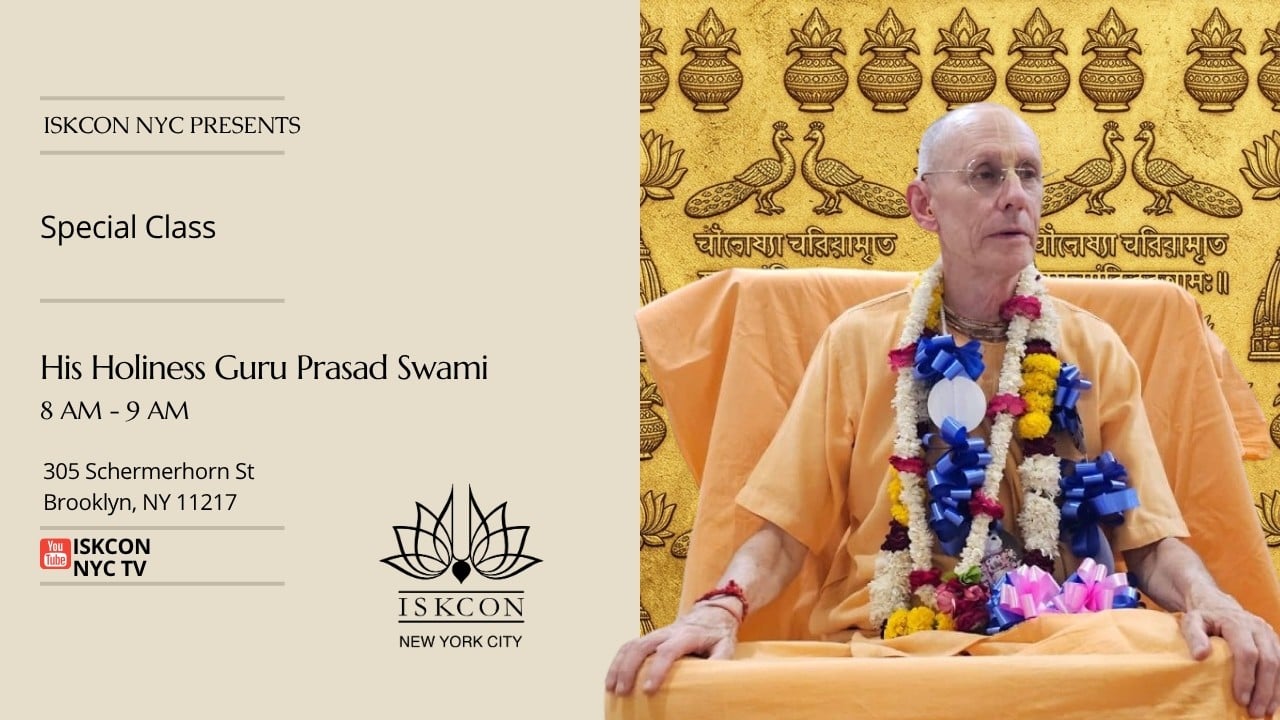
This in-depth analysis of HH Guru Prasad Swami’s Special Class (ISKCON NYC TV) presents bhakti as a rigorous, integrative science of consciousness rooted in the Bhagavad Gita and Srimad Bhagavatham. It explains the sambandha–abhidheya–prayojana framework, unites karma-, jnana-, and bhakti-yoga, and shows how daily sadhana cultivates clarity, compassion, and courage. The discussion aligns inner practice…
-
Krishna’s Causeless Mercy: Profound Grace, Devotee Protection, and Practice in Kali‑yuga (SB 6.19.5)

Srimad-Bhagavatam presents causeless mercy (ahaitukī kṛpā) as intrinsic to Krishna’s sovereignty, a theme crystallized in SB 6.19.5. This grace does not negate karmic order; it intervenes to guide, protect, and uplift sincere practitioners, as seen in the cases of Ajamila, Gajendra, and Ambarīṣa. Bhagavad-gita passages (9.29, 10.10, 12.6–7) further show how divine favor supplies intelligence,…
-
SB 10.38.11: Akrūra’s Yearning for Kṛṣṇa DarśanaProfound, Practical Lessons by HG Bhagavat Ashraya Das
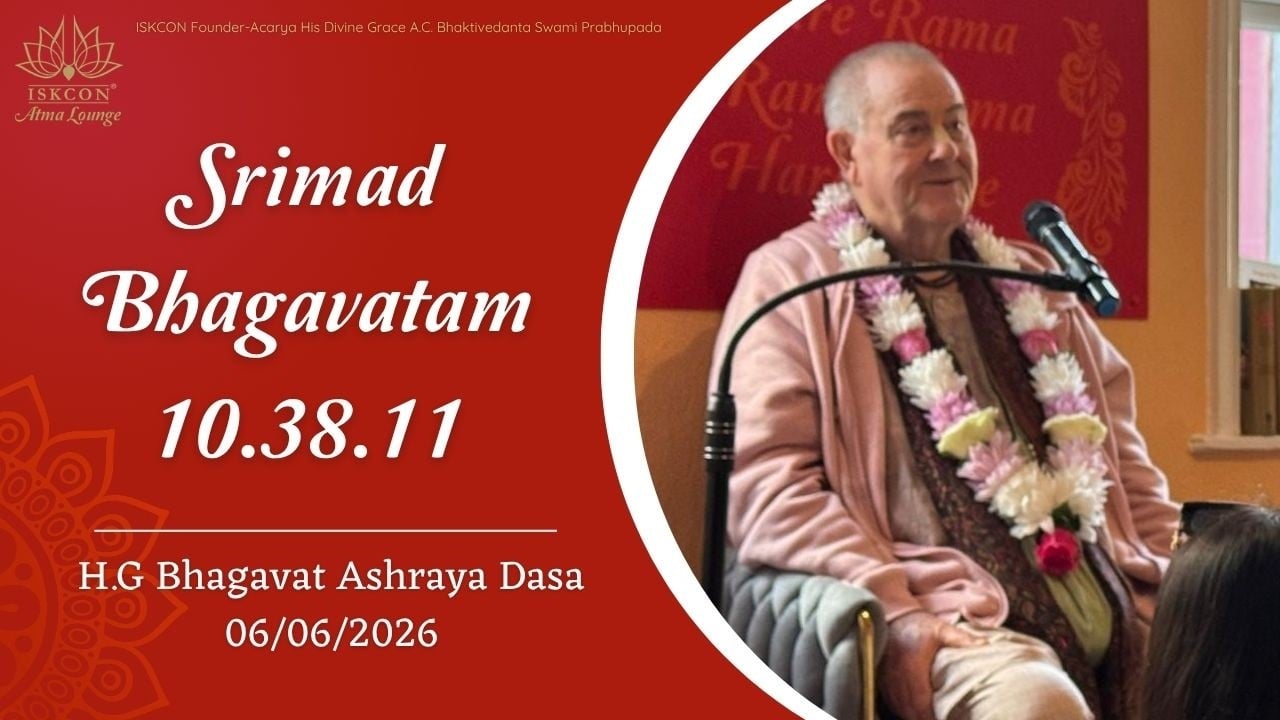
This in-depth reflection on Srimad Bhagavatam SB 10.38.11, inspired by a class delivered by HG Bhagavat Ashraya Das at Atma Lounge Folkestone, situates Akrūra’s yearning for Kṛṣṇa’s darśana within the literary, theological, and ethical architecture of the Tenth Canto. Readers gain a clear narrative context for the verse, a rigorous analysis of darśana as transformed…
-
Srila Prabhupada Lilamrita Unveiled by HG Daivi Shakti Mataji: Bhakti, History, and Shared Dharma
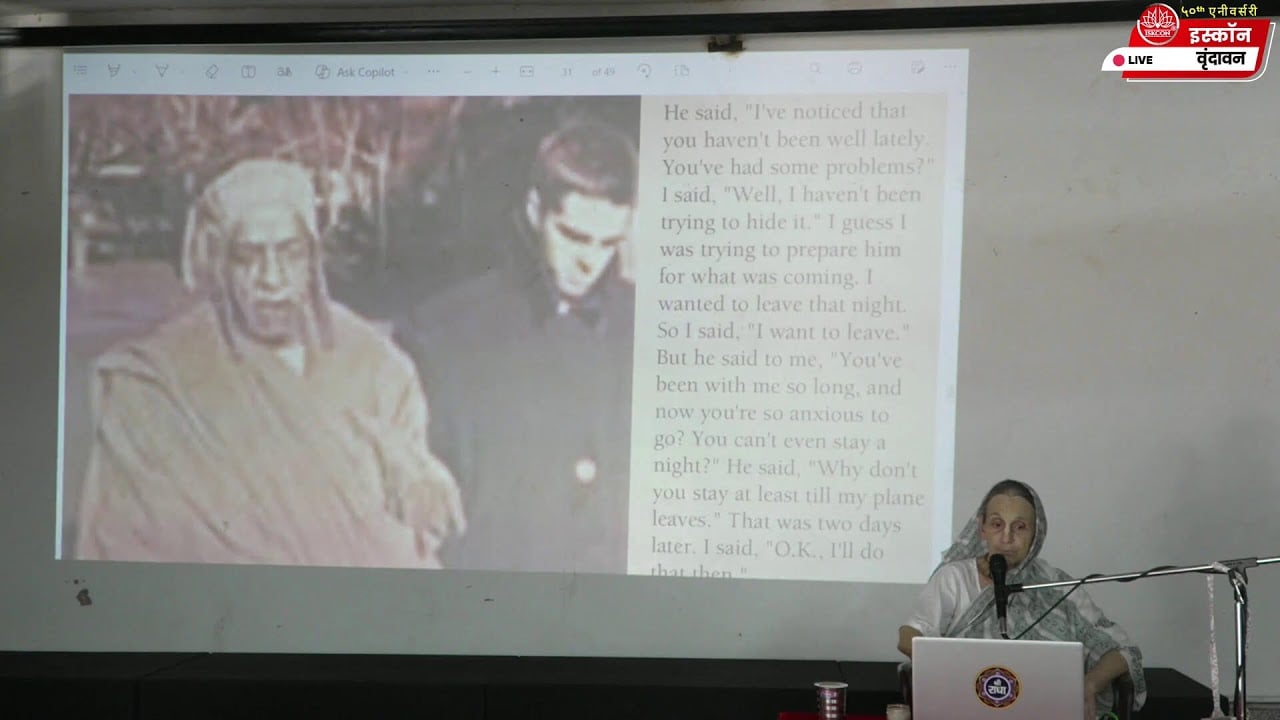
Delivered at ISKCON Vrindavan on 07.06.2026, this analytical exploration of Srila Prabhupada Lilamrita by HG Daivi Shakti Mataji shows how devotional biography can serve as rigorous history, spiritual pedagogy, and leadership guide. Readers learn to distinguish inspiration from idealization and to apply guru–sadhu–shastra principles in daily practice. The piece demonstrates how bhakti-yoga integrates chanting, study,…
-
Prahlada’s Hearth: SB 5.18.9 on Narasimha, Fearless Compassion, and Dharmic Dialogue

This analysis distills insights shared by Rukmini D.D acbsp at the ISKCON Communications Retreat into a clear, actionable reading of Srimad-Bhagavatam (SB) 5.18.9. It situates the verse within the Bhagavata Purana, explains its philological and theological contours, and clarifies how Narasimha’s omnipresent shelter grounds real-world fearlessness. The discussion translates the verse into a communications ethic…
-
Srimad Bhagavatam Decoded: Profound Insights from His Grace Radheshyam Prabhu’s ISKCON Class
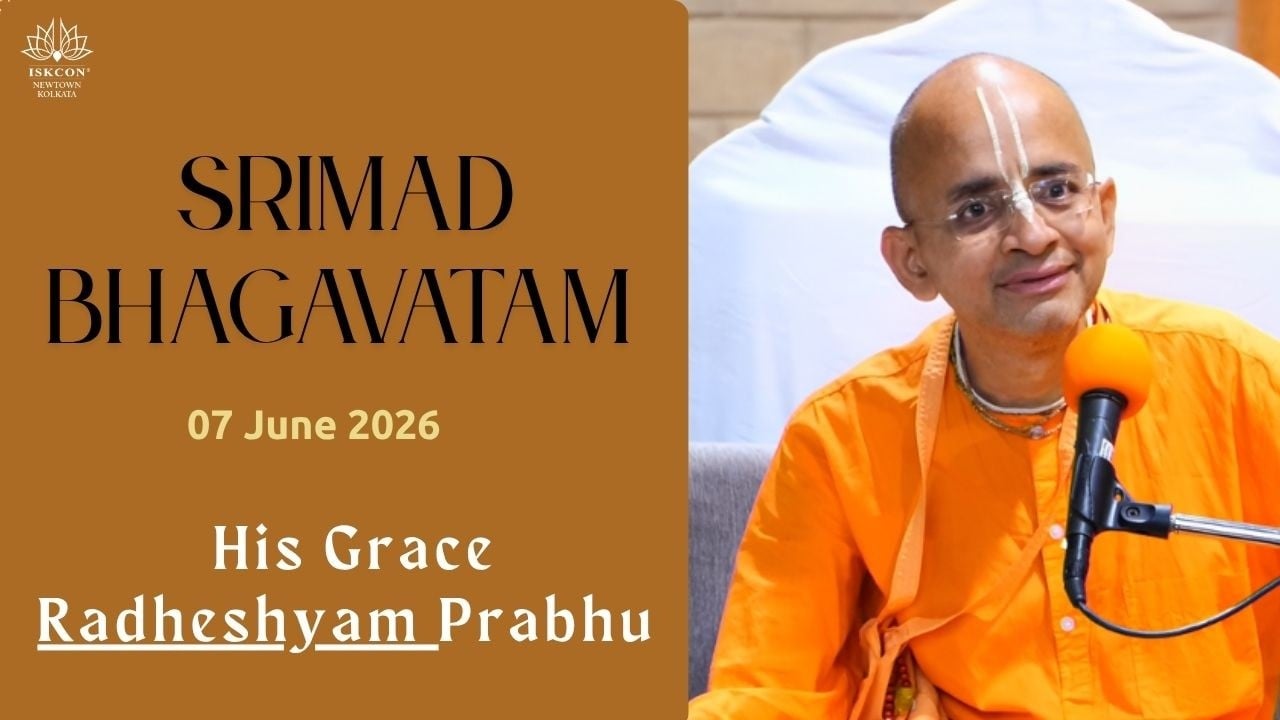
This in-depth overview distills the core insights from a Srimad Bhagavatam class by His Grace Radheshyam Prabhu, hosted by ISKCON New Town, Kolkata. It situates the Bhagavata Purana historically and theologically, outlines Gaudiya Vaishnava hermeneutics, and clarifies key bhakti-yoga processes. Readers gain a practical study routine, a clear map of spiritual progression, and research-informed reflections…
-
Unveiling the Cosmic Blueprint: Srimad Bhagavatam SB 2.5.11 with HG Mukunda Datta Prabhu
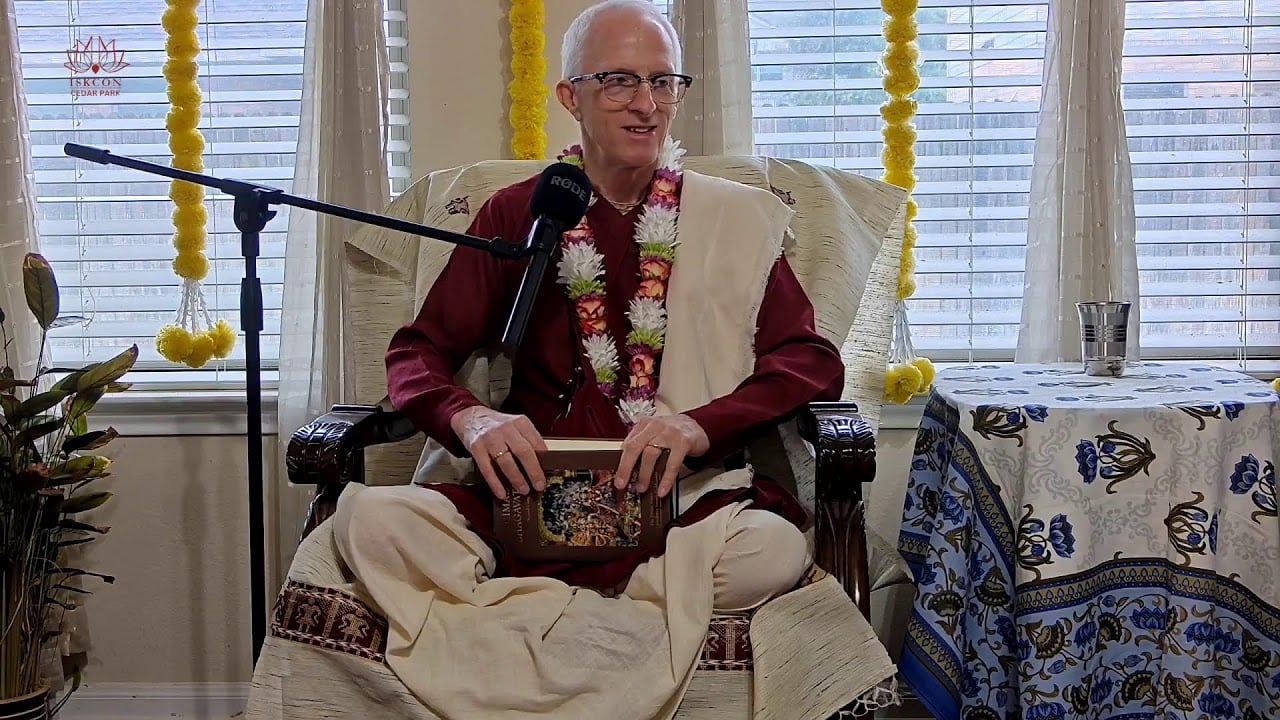
This in-depth analysis of Srimad Bhagavatam SB 2.5.11, based on a June 5, 2026 class by HG Mukunda Datta Prabhu at the Hare Krishna Temple of Austin (ISKCON Cedar Park), situates the verse within the Bhagavata Purana’s rigorous cosmology. It explains how the Supreme functions as the cause of all causes, activating pradhana through kala,…
-
SB 4.18.19 Unveiled: Timeless Eco-Dharma, Raja-Dharma, and Bhakti for Modern Life
This article distills the core teachings of SB 4.18.19, as highlighted in a session with HG Pancaratna Prabhu on ISKCON NYC TV, to show how Maharaja Prithu integrates eco-dharma, raja-dharma, and bhakti into a coherent public ethic. Readers gain a precise understanding of how Srimad-Bhagavatam frames ethical leadership as service and nature as a sacred…
-
Awaken Intense Attraction to Sri Krishna: Two Transformative KeysLila Hearing and Seva

A clear pathway for rekindling attraction to Sri Krishna emerges from the bhakti tradition: center daily life on seva and sustain regular hearing of Krishna’s names, qualities, and lila. Together, these two keys nourish the heart and protect it from seeking false shelter in māyā. Drawing on Srila Visvanatha Cakravarti Thakur’s insightsamvardhanam samposanam laulyam dadati…
-
Sri Radha’s Tears and the Science of Bhakti Rasa: A Gaudiya Guide to Ecstatic Love
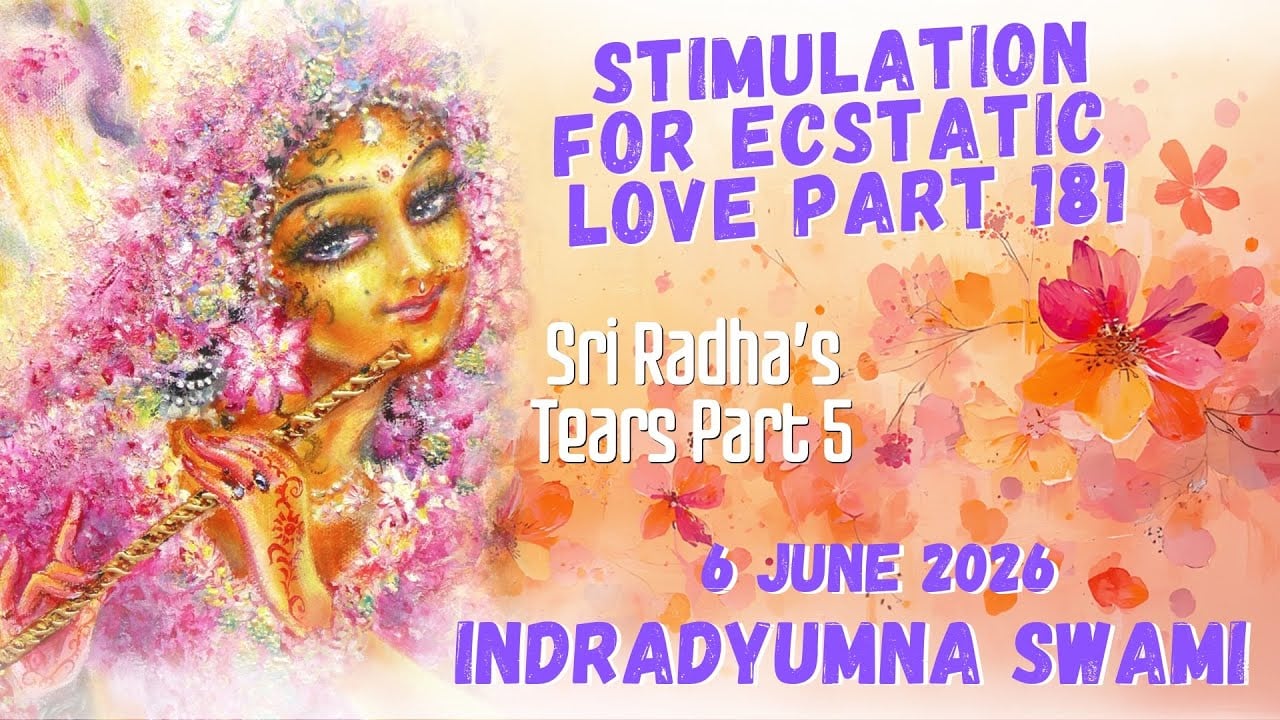
The theme of “Sri Radha’s Tears” in the Gaudiya Vaishnava tradition is not poetic excess but a carefully mapped feature of bhakti-rasa, where tears (aśru) belong to the eight sāttvika-bhāvas recognized by Rūpa Gosvāmi. This article explains how uddīpana (devotional stimulants), anubhāva (expressions), vyabhicārī-bhāva (transitory states), and the sthāyī-bhāva (enduring love) synthesize into tasted devotion…
-
Transforming Campuses: TSP’s Scalable, Inclusive Installations of Srimad Bhagavatam Sets
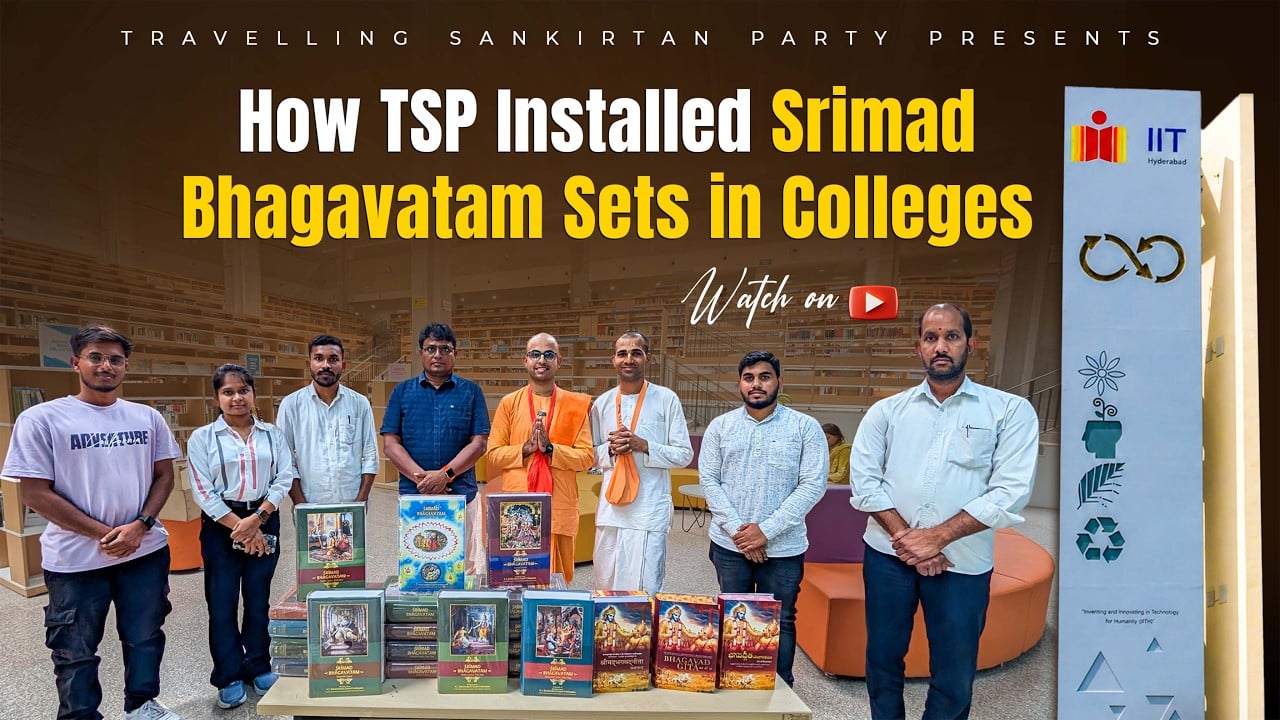
The Traveling Sankirtan Party (TSP) developed a policy-aligned, librarian-led model to install complete Srimad Bhagavatam sets in college libraries and campus lounges. The approach respects collection development standards, enhances discoverability through robust metadata, and situates the text within Hinduism’s broader intellectual heritage. Faculty and administrators welcomed the sets as primary sources that support ethics, philosophy,…
-
Watering the Tree of Love: Seeing Sri Krishna in Every Heart and Practicing Universal Compassion

True bhakti cannot be confined to temple walls; it must recognize Sri Krishna in every heart. Drawing on the Bhagavad-gita and the Bhagavata Purana, this article clarifies the famous “water the root, nourish the leaves” metaphor and its limits, showing why neglecting people while worshipping the Divine renders devotion spiritually ineffective. It integrates Lord Kapiladeva’s…
-
WSN April 2026: Global Sankirtan milestone423,000 texts in a month, 620 million since 1965

The WSN April 2026 report documents a significant month for sacred literature outreach, with over 423,000 texts distributed and a historic cumulative total now exceeding 620 million since 1965. Large, medium, small, and maha-small temple categories across India, Europe, and the Americas all contributed to this global momentum. The data underscores operational strengths such as…
-
From Curse to Liberation: Why Beings Become Trees or Animals in Hindu Scriptures

Hindu scriptures use the motif of beings cursed as trees or animals to teach karma, responsibility, and grace within a unified, living cosmos. Narratives like Nalakūvara and Maṇigrīva’s arjuna-tree curse, Gajendra Moksha, and King Nṛiga’s transformation into a lizard show curses as pedagogical interventions, not mere punishments. These stories integrate legal, ethical, and contemplative insights:…
-
Krishna Katha at ISKCON Silicon Valley: Radhanath Swami on Nāma, Kīrtana, and Inner Resilience
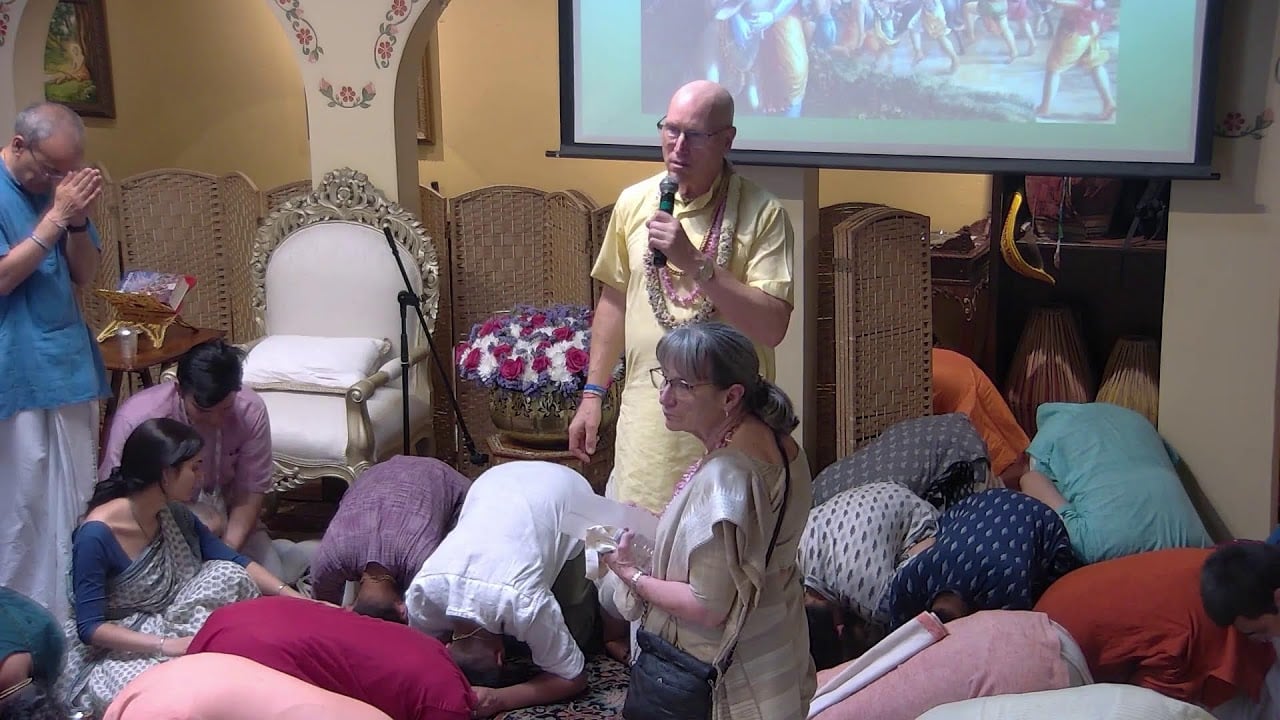
A Krishna Katha by H.H. Radhanath Swami at ISKCON Silicon Valley (31 May 2026) explored why hearing (śravaṇa) and chanting (kīrtana) of Krishna’s names and teachings constitute the methodological core of bhakti-yoga. Grounded in Bhagavad-Gita and Srimad Bhagavatham, the session presented nāma-sankīrtana as a rigorous, repeatable practice for clarity, steadiness, and ethical purpose. It outlined…