
-
Velayudha Moorthy: Lord Muruga’s Divine Vel, Thaipusam’s Glory, and the Triumph of Dharma

Sri Velayudha Moorthy, an epithet of Lord Muruga, commemorates the sacred moment when Ma Shakti Devi bestowed the Vel (Divine Spear) to ensure the triumph of dharma over adharma in the battle against Surapadman. Thaipusam, observed in the Tamil month of Thai under the Poosam star, honors this bestowal with vows, kavadi, and community service…
-
Shiva’s Invisible Justice: Subtle Cycles of Cosmic Destruction in the Skanda Purana

This analysis reframes Shiva’s role in “divine destruction” as subtle dissolution guided by time and karma, echoing insights hinted in the Skanda Purana. Instead of catastrophic spectacle, the process appears as an ethical and metaphysical recalibrationan unseen justice restoring balance. Readers gain a practical lens to interpret endings in personal and social life as compassionate…
-
Murugan Unveiled: Tamil Hero, Spiritual Harmony, and the Transformative Power of Thaipusam

This exploration presents Murugan as a timeless Tamil icon whose youthful vigor, compassion, and discernment inspire communities across the Dharmic world. It clarifies why reducing him to a mere “God of War” overlooks deeper theological meanings centered on wisdom and restoration. Readers discover how classical texts, especially the Tolkappiyam, ground his identity in the mountain…
-
Chilling Symbolism of Asipatra: The Sword-Leaf Forest and Dharma’s Call to Compassion

The Asipatra or sword-leaf forest is a powerful Purāṇic symbol that dramatizes the consequences of harmful actions and the neglect of dharma. Rather than a literal geography of the afterlife, it functions as a moral pedagogy illustrating ethical cause and effect. Readers gain a clear understanding of how the image aligns with ahimsa, satya, and…
-
Thaipoosam 2026 at Skandagiri Temple, Hyderabad: Powerful Murugan Bhakti and Community Light
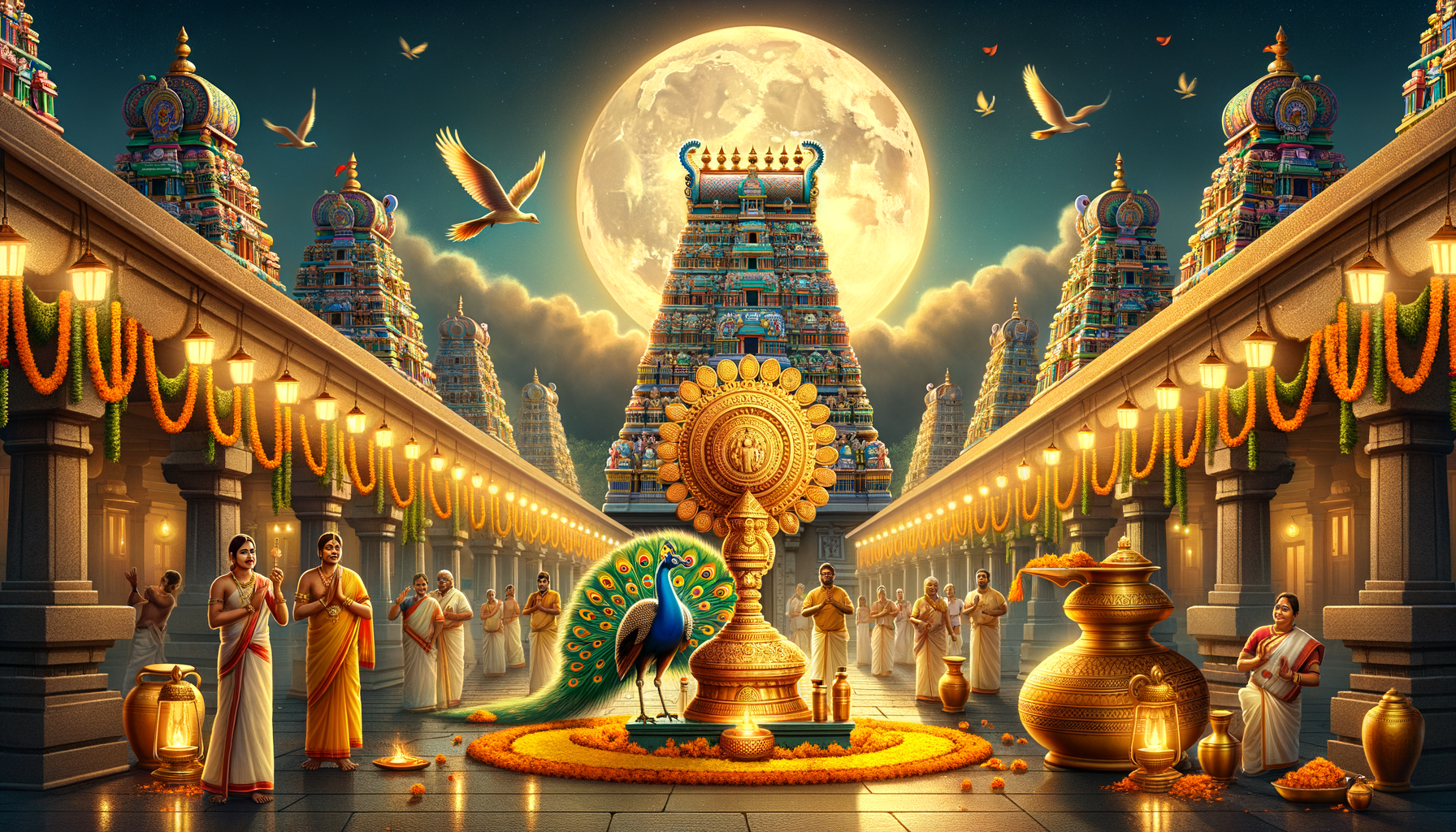
Thaipoosam (Thaipusam) 2026 falls on February 1 and will be observed at Skandagiri Subramanyaswamy Temple in Padmarao Nagar, Secunderabad, Hyderabad. The festival aligns with Thai Pournami and honors Lord Murugan through vrata, milk-pot offerings, Kavadi, abhishekam, and alankaram. Skandagiri typically hosts special rituals, chanting rooted in the Skanda Purana, and community annadanam. Practical guidance includes…
-
Pavitraropana Vrata: A Powerful Temple Ritual of Purification, Renewal, and Unity

Pavitraropana Vrata is a sacred Hindu ritual in which a sanctified pavitra (thread) is invested on the deity to purify, rectify, and renew temple worship. Grounded in Agamic practice and Purana references such as the Skanda Purana and Padma Purana, it serves as a formal prayaścitta for inadvertent ritual lapses. The ceremony typically includes mantra,…
-
Kalabhairava Unveiled: Decoding Shiva’s Fierce Iconography of Time, Justice, and Protection
Kalabhairava, Shiva’s fierce manifestation, embodies time and its dissolution while upholding uncompromising truth and justice. This post decodes his iconographytrident, drum, sword, skull-bowl, and dog vahanashowing how each symbol guides ethical living and fearless clarity. Drawing on Agamas, Tantras, Shilpa traditions, and the Skanda Purana, it situates Kalabhairava as Kshetrapala, the guardian of sacred boundaries,…
-
Sacred Parenting Mastery: Shiva–Parvati’s Timeless Lessons for Raising Wise, Compassionate Children
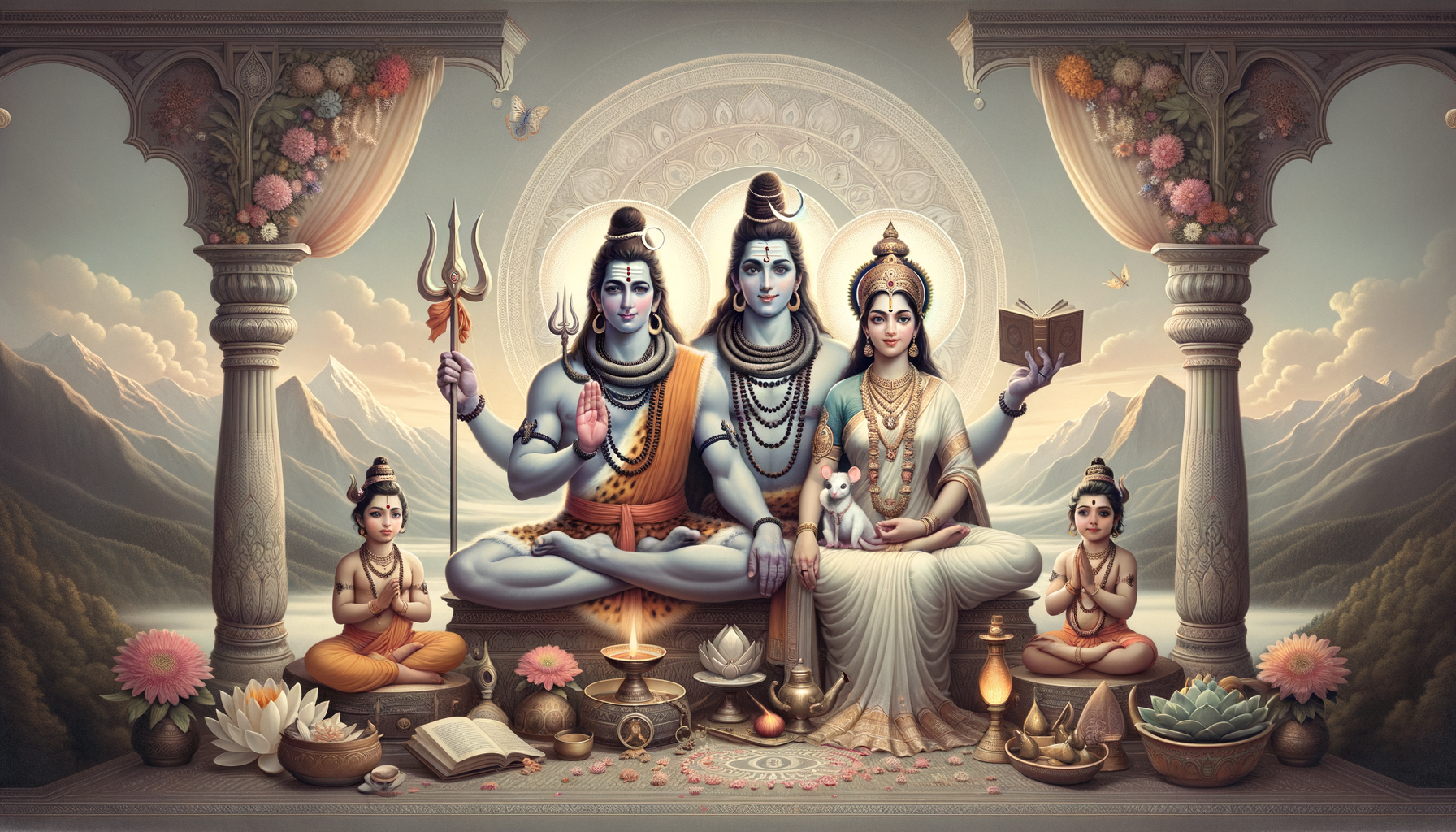
Hindu scriptures present the divine family of Lord Shiva, Mata Parvati (Pārvatī), Lord Ganesha, and Lord Kartikeya as a practical model of sacred parenting. Their narratives teach restorative accountability, healthy sibling dynamics, and the harmony of discipline with compassion. The Ganesha guardianship episode highlights firm boundaries coupled with reconciliation, while the brothers’ contest affirms diverse…
-
Skanda Purana Stories: Timeless Tales of Valor, Devotion, and Dharma for Modern Life

The Skanda Purana, one of the eighteen Mahapuranas, presents Lord Skanda (Kartikeya/Muruga) as a model of disciplined devotion and protective courage. Its narrativesframed as dharma-yuddhaportray valor as service to the common good, guided by compassion and self-control. Rich with tirtha-mahātmyas (e.g., Kashi Khanda), the text connects personal practice with sacred geography and community life. Iconography…
-
From Arrogance to Awe: How Demon Gajamukha Became Ganesha’s Sacred Mouse Vahana
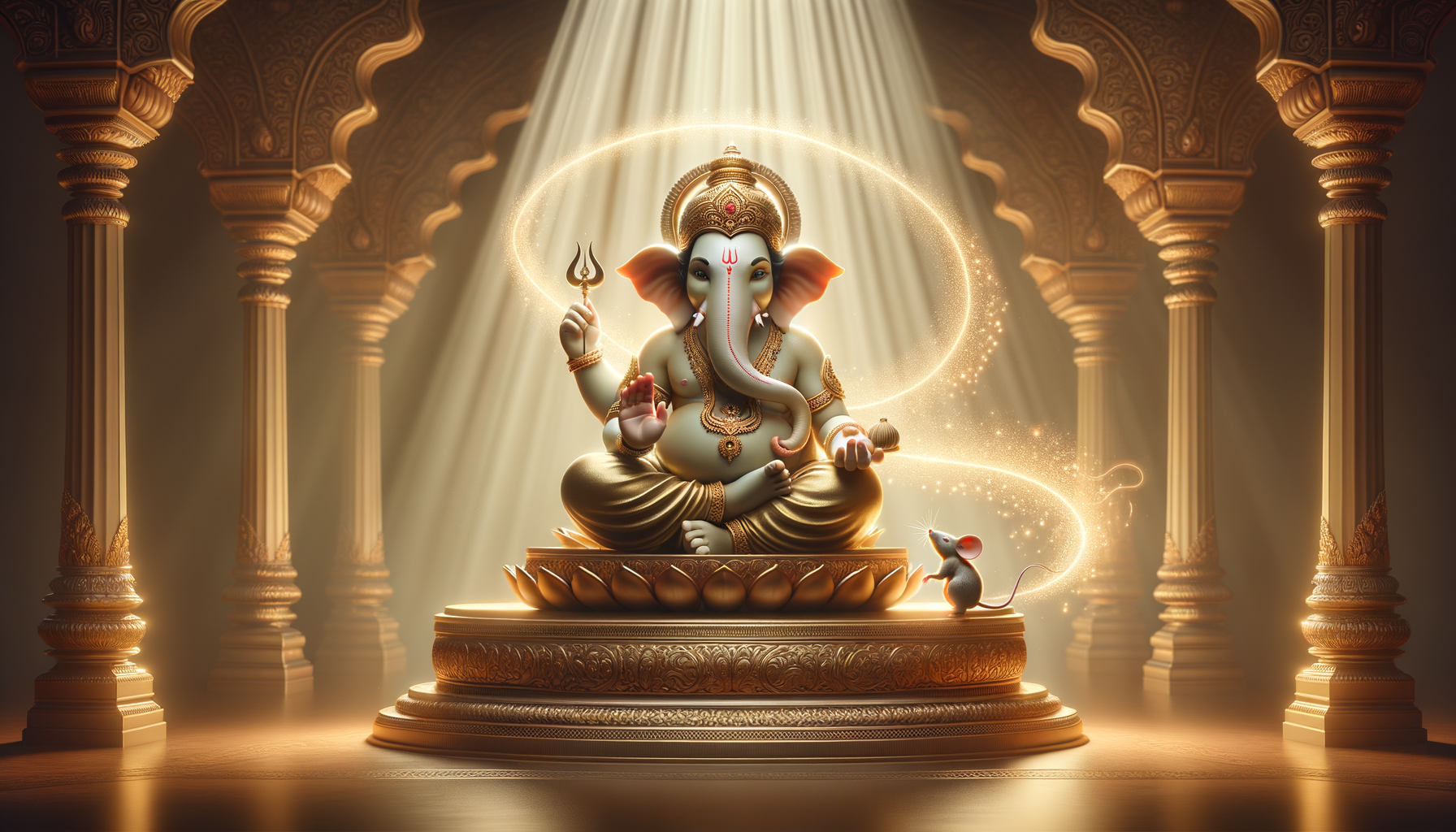
This analysis explores the Hindu story of Gajamukha’s transformation into Ganesha’s mouse vahana, highlighting how pride is redirected into sacred service. It explains why the mouse symbolizes mastery over the restless mind and the ego, and how Ganesha’s compassion reframes conflict into ethical renewal. Readers gain a clearer understanding of varied textual traditions, including Ganapatya…
-
When Honor Is Misplaced: Skanda Purana’s WarningFear, Famine, and Death Follow

Skanda Purana, Kedara Khanda (3.45), links misplaced honor to societal breakdown symbolized as fear, famine, and death. The teaching, conveyed through Lord Vishnu, gains clarity when read alongside the narrative of Daksha’s transgression and the disruption of ritual order. Interpreted as a diagnostic model of dharma and adharma, it explains how fear rises when moral…
-
Murugan and Tamil: The Enduring Sacred Bond Shaping Language, Identity, and Living Heritage

Muruganknown as Kartikeya or Skandastands as a guardian of Tamil language, culture, and identity, revealing how sacred tradition and linguistic creativity thrive together. Drawing on Sangam literature and Tirumurukāṟṟuppaṭai, the narrative traces Murugan’s sacred geography and Tamil poetics as living heritage. It highlights Tiruppugazh’s refined prosody, temple inscriptions, and festivals like Skanda Sashti and Karthigai…
-
Murugan’s Many Faces: Skanda Purana vs. Tamil SangamHidden Harmonies and Truths

This essay explores Murugan’s dual portrayal in the Skanda Purana and Tamil Sangam literature, revealing complementarities rather than contradictions. It shows how the cosmic commander of the devas and the intimate hill-god of the kurinji landscape express a single spiritual essence. Readers gain clear historical and textual context that links pan-Indian Puranic frameworks with local…
-
Goddess Nirrti Unveiled: Transformative Power and the Haunting Symbolism of Riding a Ghost

Goddess Nirrti (Nirṛti) is often misread as a force of misfortune, yet Hindu symbols and Purāṇic references present a more profound role: a guardian of thresholds who transforms fear and loss into clarity. The occasional motif of riding a “ghost” (preta) in certain traditions is symbolic, representing mastery over unassimilated fears and destructive impulses. As…
-
Murugan, the Silent Warrior: Master Inner Battles with Meditation and Dharmic Wisdom

Lord Murugan (Kartikeya, Skanda, Subrahmanya) is presented as the Silent Warrior whose true battles are won through meditation and inner silence. The article explains how the vel symbolizes discerning wisdom and the peacock signifies sublimated pride, framing kshatra as ethical strength rather than aggression. It outlines a simple, practical routinepranayama, mantra japa, and dhyanathat helps…
-
Peacock Symbolism in Hinduism: Majestic Vahana of Subrahmanya Swamy and Auspicious Grace
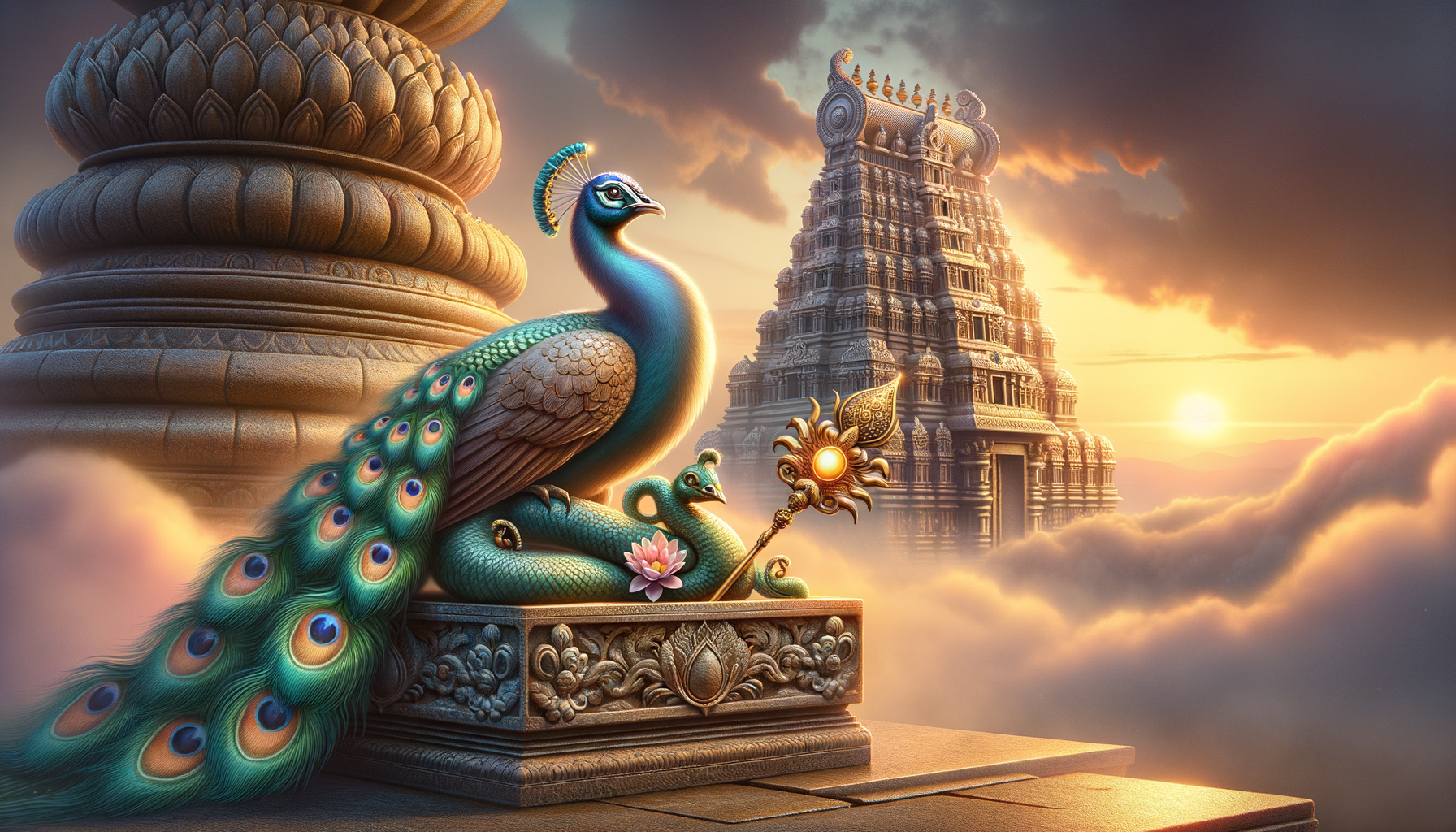
The peacock, vahana of Subrahmanya Swamy (Lord Muruga), symbolizes beauty, courage, and ethical clarity in Hinduism. Its iconographyoften subduing a serpentsignifies victory over ego and ignorance, aligning aesthetics with spiritual discipline. Devotees regard the peacock’s dance and call as auspicious, a sentiment reflected in festivals like Skanda Shashti and Karthigai, as well as in arts…
-
Arupadai Veedu Unveiled: The Profound Wisdom and Valor Behind Murugan’s Six Abodes

Arupadai Veeduthe six sacred abodes of Lord Muruganform a complete spiritual journey in Tamil Nadu’s sacred geography. Grounded in Skanda Purana narratives and Tamil bhakti traditions, each temple embodies a distinct milestone: initiation, righteous victory, renunciation, sacred knowledge, reconciliation, and inclusive grace. Readers gain a clear map of the Six Abodes and their themes, along…
-
Why Ganesha Is Invoked First: Timeless Wisdom Behind Auspicious Beginnings in Hindu Pujas

Ganesh is invoked first in Hindu pujas because dharmic tradition emphasizes auspicious beginnings grounded in wisdom, humility, and ethical intent. Scriptures present him as prathama pujya, the remover of obstacles who sanctifies new ventures. Symbolically, Ganesh represents focused intellect and expansive understanding, encouraging steadiness before action. Rituals such as Ganesh Puja, housewarmings, and educational commencements…
-
Skanda Purana to Present Day: Sambhal Harihar Mandir’s Layered Legacy and Shared Reverence
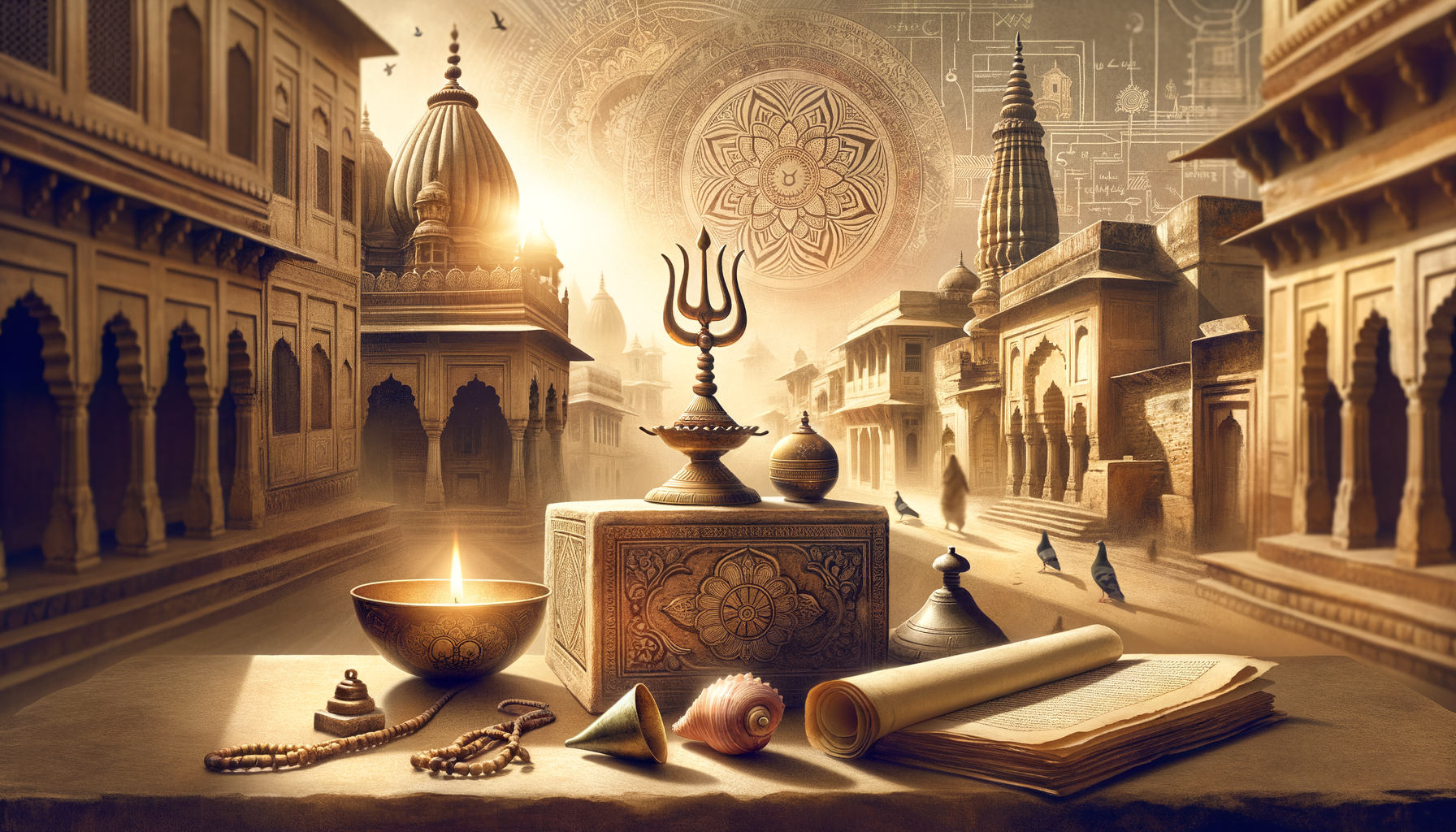
This article examines Sambhal Harihar Mandir through Puranic references and historical accounts, focusing on Skanda Purana and related discussions tied to Bhagwat Purana and Matsya Purana. It foregrounds the need for careful, evidence-based identification of places mentioned in scriptures, acknowledging multivalent toponyms and regional traditions. The 16th-century construction of Sambhal Jaama Masjid is presented with…
-
Veerabhadra Swamy’s Fierce Grace: Shiva, Daksha Yagna, and the Timeless Lesson of Dharma
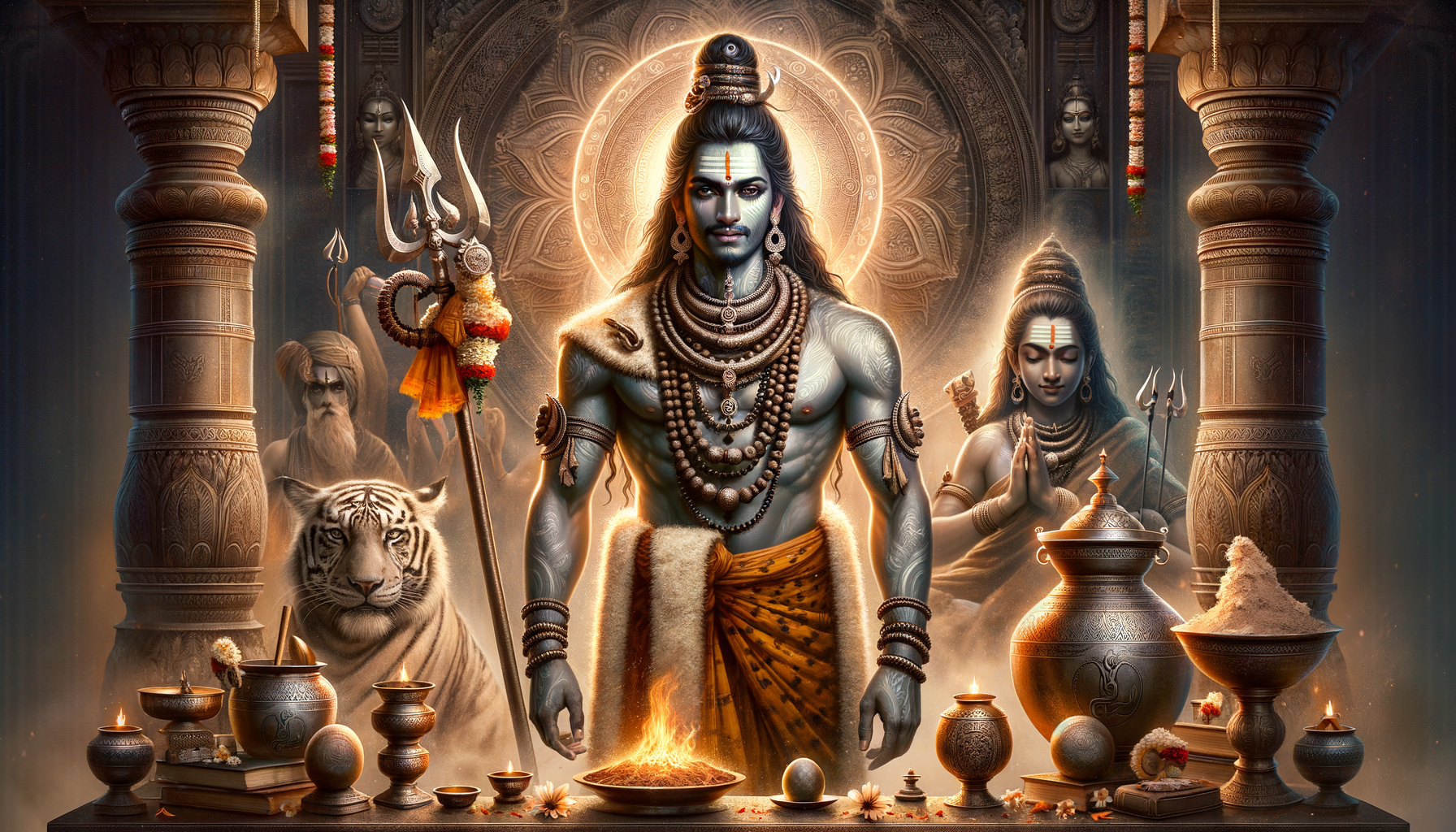
Veerabhadra Swamy emerges in Hindu scriptures as Shiva’s protective force during the Daksha Yagna, a narrative that fuses accountability with compassion. The story traces Sati’s tragic courage and Daksha’s arrogance, culminating in Veerabhadra’s corrective intervention and Shiva’s restorative grace. Readers gain clear insight into why true sacrifice requires humility, inclusion, and reverence. The Katha’s ethical…