
-
AI and Sikhism: Dr. Devinder Pal Singh’s Complete GuideDiscover a Dharmic Tech Breakthrough
At Sri Guru Granth Sahib World University, Dr. Devinder Pal Singh presented an expert talk connecting Artificial Intelligence with Sikh ethics in a rigorous yet accessible way. The session showed how seva and sarbat da bhala can guide responsible AI design and governance. Practical issuesalgorithmic bias, data privacy, and disinformationwere reframed as moral questions requiring…
-
Complete Guide to SevaTime’s Chardikala Rhyme: Discover Joy, Seva, and Dharmic Unity

SevaTime – Chardikala Rhyme, shared by SikhNet, introduces toddlers to Seva (selfless service) and Chardikala (ever-rising spirit) through rhythm and repetition. The child-centered format supports memory, language development, and emotional regulation in everyday routines. Families and educators can pair the rhyme with simple gestures to reinforce meaning through movement. Its emphasis on kindness, resilience, and…
-
Proven Benefits of Sacred Study: Discover Focus, Memory, and Clarity through Dharmic Texts

Sacred study in the dharmic traditions functions as a sattvika yagyadisciplined effort without attachment to resultsconsistent with Gita Ch 17.11. Practitioners across Hinduism, Buddhism, Jainism, and Sikhism use chant, memorization, and contemplative reading to strengthen attention, memory, and equanimity. Contemporary research on neuroplasticity supports these practices, linking structured oral traditions to improvements in language processing…
-
The Essential Dharmic Guide to Letting Go: Master Calm Amid Life’s Uncontrollable Storms

Life’s unpredictability need not create constant stress. Drawing on Hindu philosophy and allied insights from Buddhism, Jainism, and Sikhism, this article clarifies the difference between what can be influenced and what must be accepted. Readers discover a practical framework rooted in the Bhagavad Gitaact ethically, focus on effort, and release attachment to outcomes. Mindfulness and…
-
Complete Guide to Divine Friendship: Arjuna–Krishna Insights to Transform Dharmic Unity

This article explores the Bhagavad Gita’s portrayal of Arjuna’s sakha-bhava and Krishna’s role as Partha-sarathi to reveal a relational, reciprocal vision of devotion. It decodes how divine friendship functions as guidance, protection, and shared joy rather than distant authority. Readers gain practical insight into applying the charioteer metaphor to ethical decisions during modern “Kurukshetra” moments.…
-
Essential Breakthrough in Spiritual Evolution: Discover the Courage to Transcend the Herd

Spiritual growth begins when seekers turn from herd mentality toward authentic self-understanding rooted in dharma. Hindu scriptures, especially the Bhagavad Gita (3.35), affirm the primacy of one’s own path, even when imperfect. This independence is not isolation; it fuels compassion, service (seva), and social harmony through the ethic of lokasangraha. Dharmic traditionsHinduism, Buddhism, Jainism, and…
-
Complete Analysis: RSS@100 vs CommunismDiscover a Dharmic Unity Breakthrough

This academically grounded analysis uses the occasion of RSS@100 to clarify what is often portrayed as a zero-sum battle between Hindutva and Communism. Readers discover a clear definition of key terms, a concise historical trajectory, and a balanced comparison that separates civilizational identity from class-centered critique. The piece centers dharmic valuesahimsa, karuna, daya, and sewaas…
-
Bharat: The Natural Home for Sanatanis (Hindus, Buddhists, Jains, and Sikhs)
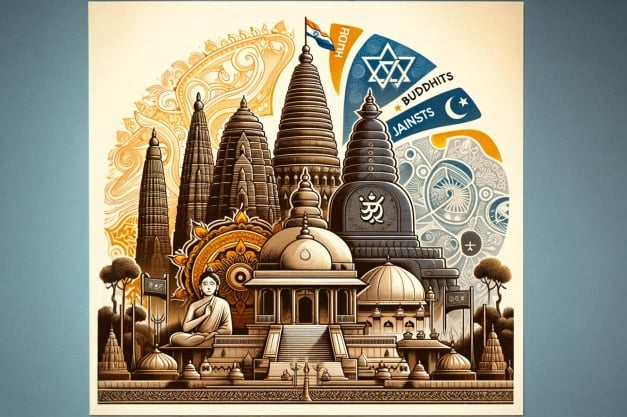
“Bharat: The Natural Home for Sanatanis (Hindus, Buddhists, Jains, and Sikhs)” explores why India is the intrinsic homeland for these ancient religions. The post highlights India’s historical roots as the birthplace of these faiths, its rich cultural and spiritual heritage, and the preservation of ancient knowledge and texts. It emphasizes the socio-cultural practices and festivals…
-
Who is a Guru?
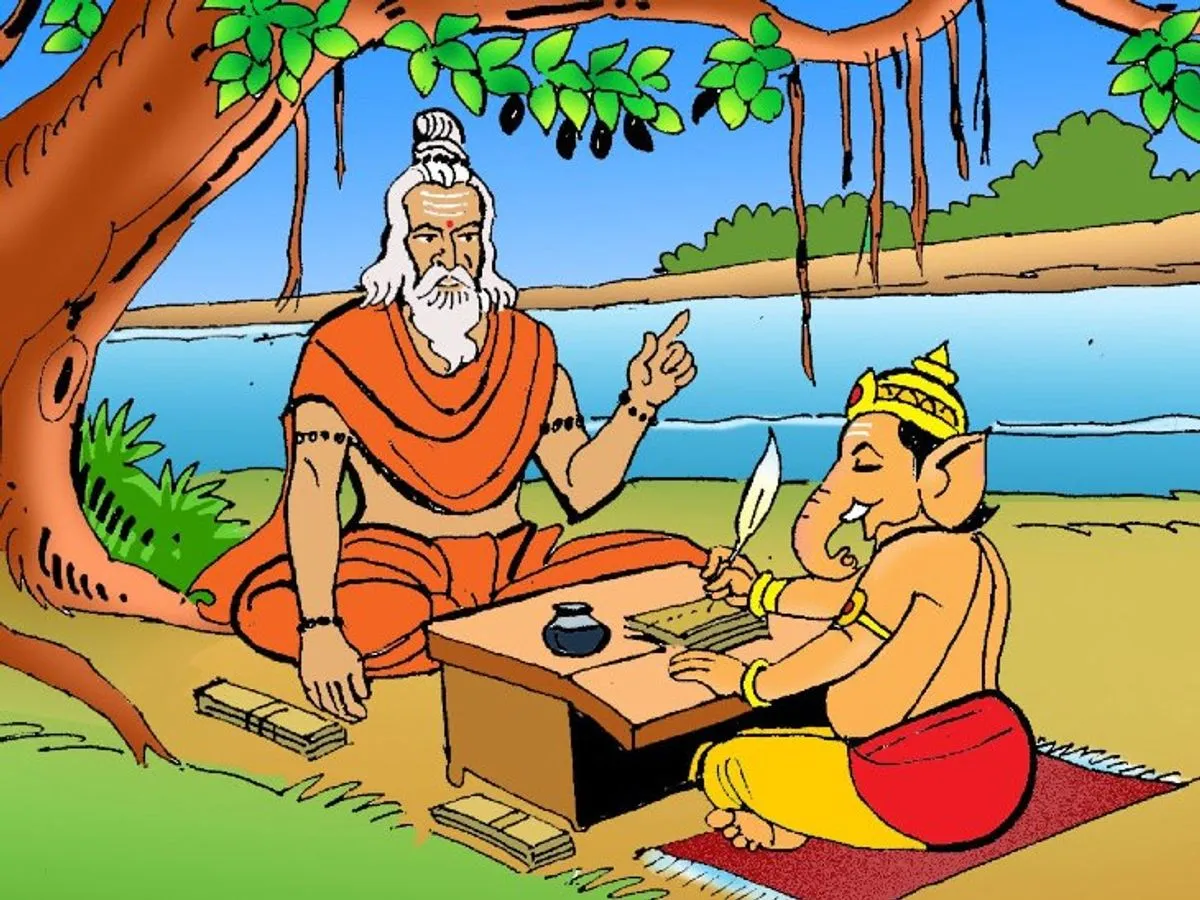
Explore the significance of Guru Purnima, a celebration of Maharishi Ved Vyas’ birthday, and dive into the profound role of a true Guru in the spiritual journey. Maharishi Ved Vyas, the sage behind the Mahabharata and the classification of Vedic literature, holds a unique place in Hindu history. This blog delves into the essence of…
-
Unifying Threads in Dharmic Religions: A Contemporary Exploration
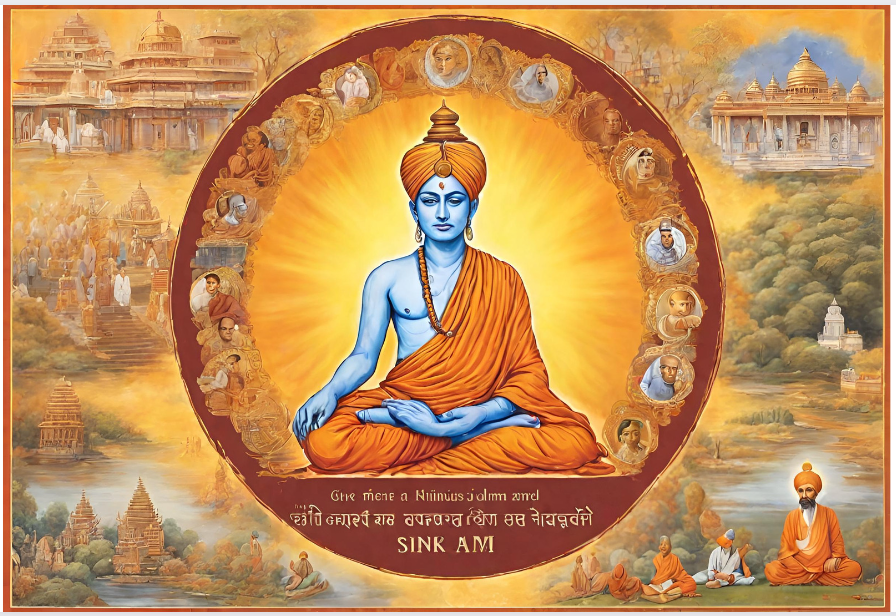
Explore the profound unifying threads that run through the Dharmic religions of Sanatana Dharma, Sikhism, Jainism, and Buddhism in this enlightening blog post. In a rapidly changing and interconnected world, these ancient traditions offer timeless wisdom and guiding principles that resonate with contemporary challenges and opportunities. From the central concept of “dharma” and the practice…
-
Hunting Khalistani Network And Question of Intelligence Agencies
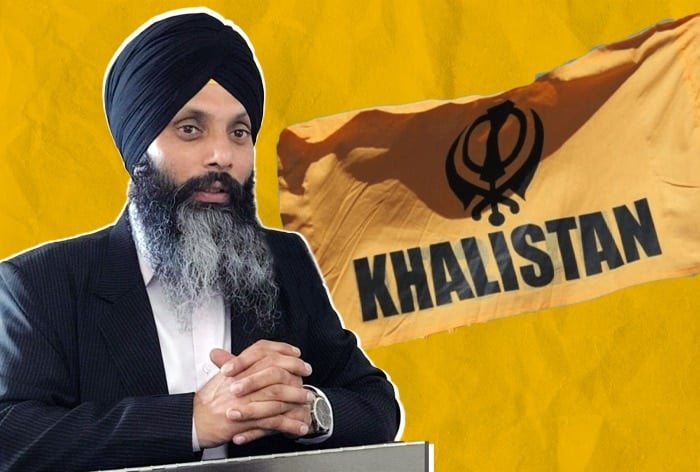
In this blog post, I delve into a series of mysterious assassinations of Khalistani leaders over the past few months and explore the potential involvement of intelligence agencies, particularly India’s R&AW and Pakistan’s ISI. The killings raise questions about the motives behind these targeted hits, which weakened the Khalistani network. While R&AW might have had…
-
How the Fanatic Syed Ahmad Barelvi Met his Maker at Balakot

The blog post discusses the historical narrative of post-Mughal India, highlighting the glorification of figures like Tipu Sultan as freedom fighters against British rule while sidelining others like Siraj-ud-Daulah. It delves into the controversial figures of Shah Waliullah, Abdul Aziz, and Syed Ahmad Barelvi, who are often depicted as “Muslim revivalists” but had a more…
-
Origins of Khalistani Terrorism in Canada

The rise of Khalistani terrorism in Canada and India is a troubling phenomenon that has had far-reaching consequences for the security and social cohesion of both countries. Advocates of Khalistan, a hypothetical independent Sikh state, have resorted to violence and terror tactics to achieve their political aims, including bombings, assassinations, and targeted killings. The victims…
-
Punjab – Seeking Way Forward In Simmering Crisis

Amidst evolving geopolitical dynamics, the reported Kashmir-Khalistan (K2) project orchestrated by Pakistan’s ISI has raised concerns, aimed at rekindling the Khalistan movement even in the face of improving conditions in Kashmir. Extremist leaders operating from Pakistan and the recent shooting down of the Khalistan Commando Force Chief, Paramjit Singh Panjwar, in Lahore, serve as unsettling…
-
Martial Arts in Sanatana Dharma: A Comprehensive Guide
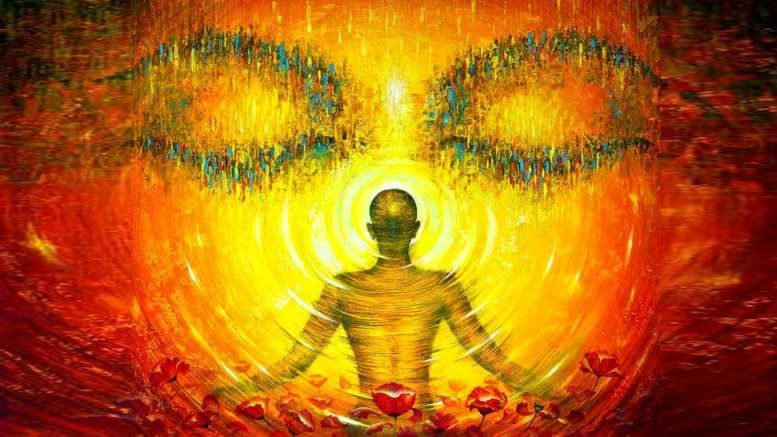
Sanatana Dharma is a term used to describe the ancient Indian tradition that encompasses Hinduism, Jainism, Buddhism, and Sikhism. These religions share many fundamental principles and values, including the importance of physical and mental discipline, self-defense, and protection of one’s community. Martial arts have played a significant role in the culture and history of Sanatana…
-
Parashuram Jayanthi – Tribute to the warrior god that fought for the common good
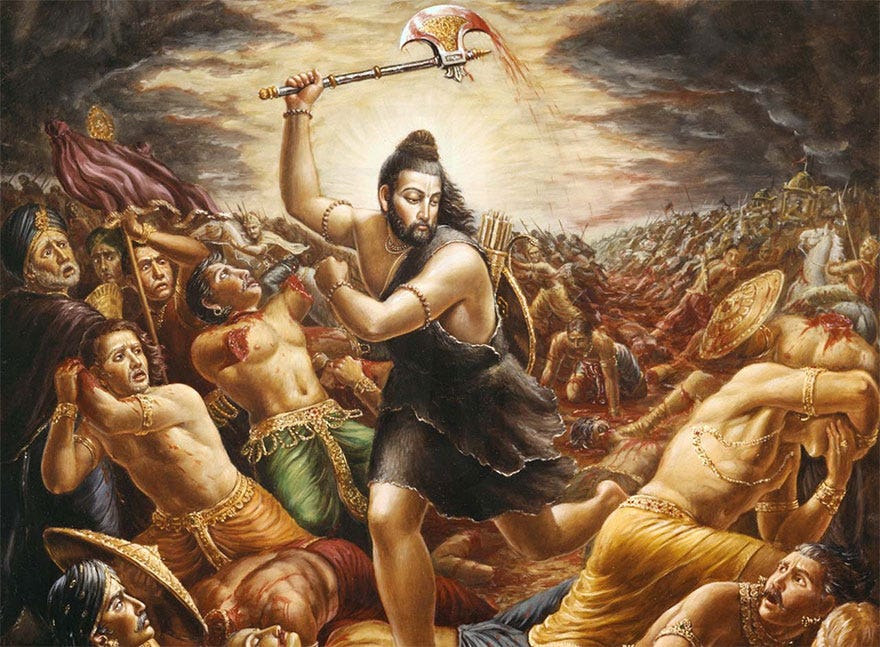
Parashuram Jayanthi is celebrated on the third day of the Hindu month of Vaishaka, which usually falls in late April or early May. This day is dedicated to Lord Parashuram, who is considered the sixth avatar of Lord Vishnu in Hinduism. Lord Parashuram is revered as a warrior god who fought for the common good…
-
The Role of Meditation in Sanatan Dharma
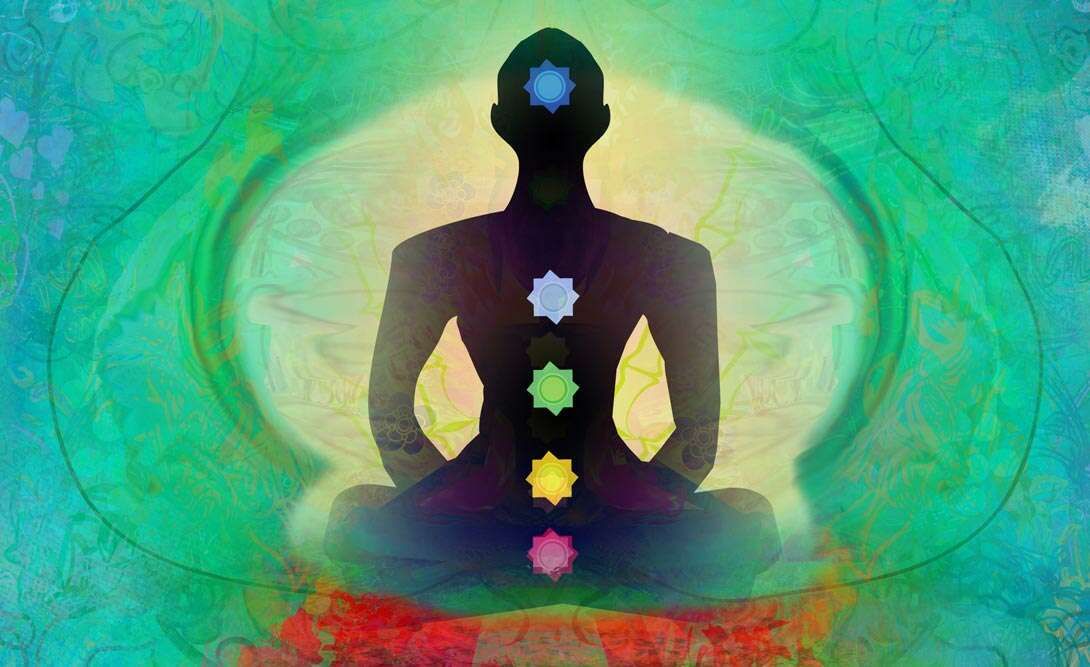
Sanatana Dharma – Hinduism & its various sects, Buddhism, Jainism, and Sikhism; is a vast and ancient spiritual tradition that has its roots in the Indian subcontinent. Despite their differences in rituals, practices, and beliefs, all of these religions share some commonalities, one of which is the emphasis on meditation and self-realization. In this blog…
-
Karma-Siddhanta and its Significance in Sanatana Dharma
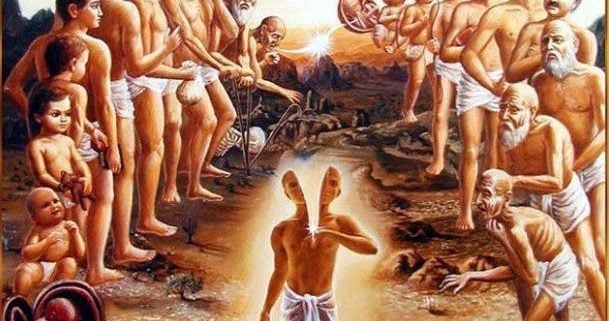
The concept of karma is a fundamental aspect of Sanatana Dharma, which includes Hinduism, Buddhism, Jainism, and Sikhism. Each of these religions has its own unique perspective on karma, but they all share some commonalities. In this blog post, we will explore the concept of karma in each of these religions, its significance, and its…
-
The Worship of Shiva Linga in Sanatan Dharma
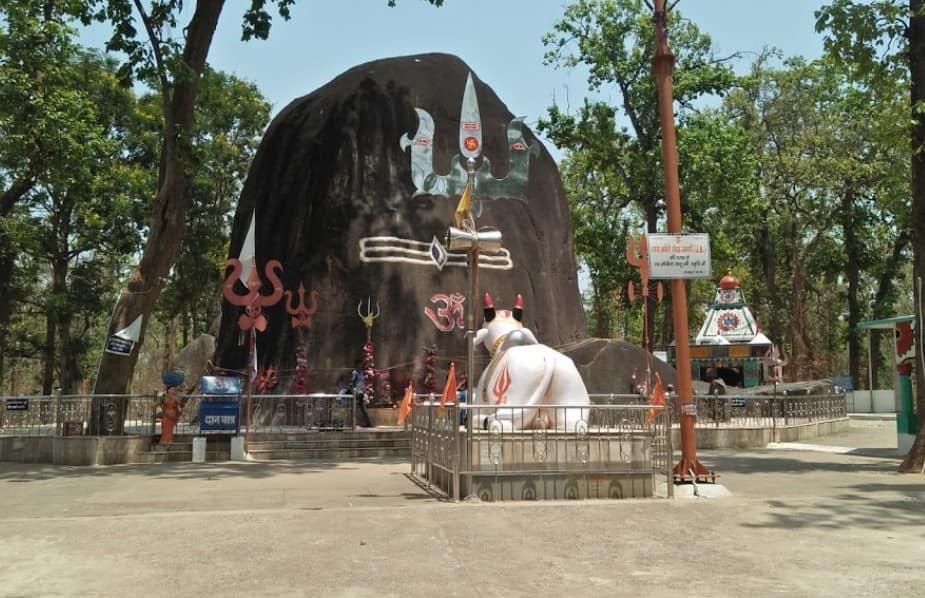
Shiva Linga worship is a practice that has been a part of Hinduism for centuries, and yet it remains a controversial and often misunderstood aspect of the religion. At the heart of this controversy is the idea that the Shiva Linga, a symbol of Lord Shiva, represents the male reproductive organ, and that its worship…
-
Gau Raksha and Indic Unity

Cows are considered sacred in Sanatan dharmas because they are believed to embody and represent various virtues and qualities that are valued in Sanatan culture. In Hinduism, the cow is revered as a symbol of wealth, strength, and motherly affection. The Vedas, the oldest Hindu scriptures, refer to the cow as “aghnya,” meaning one that…