
-
Spiritually Rich, Politically Vulnerable: Why India Fell to British Ruleand Rose United
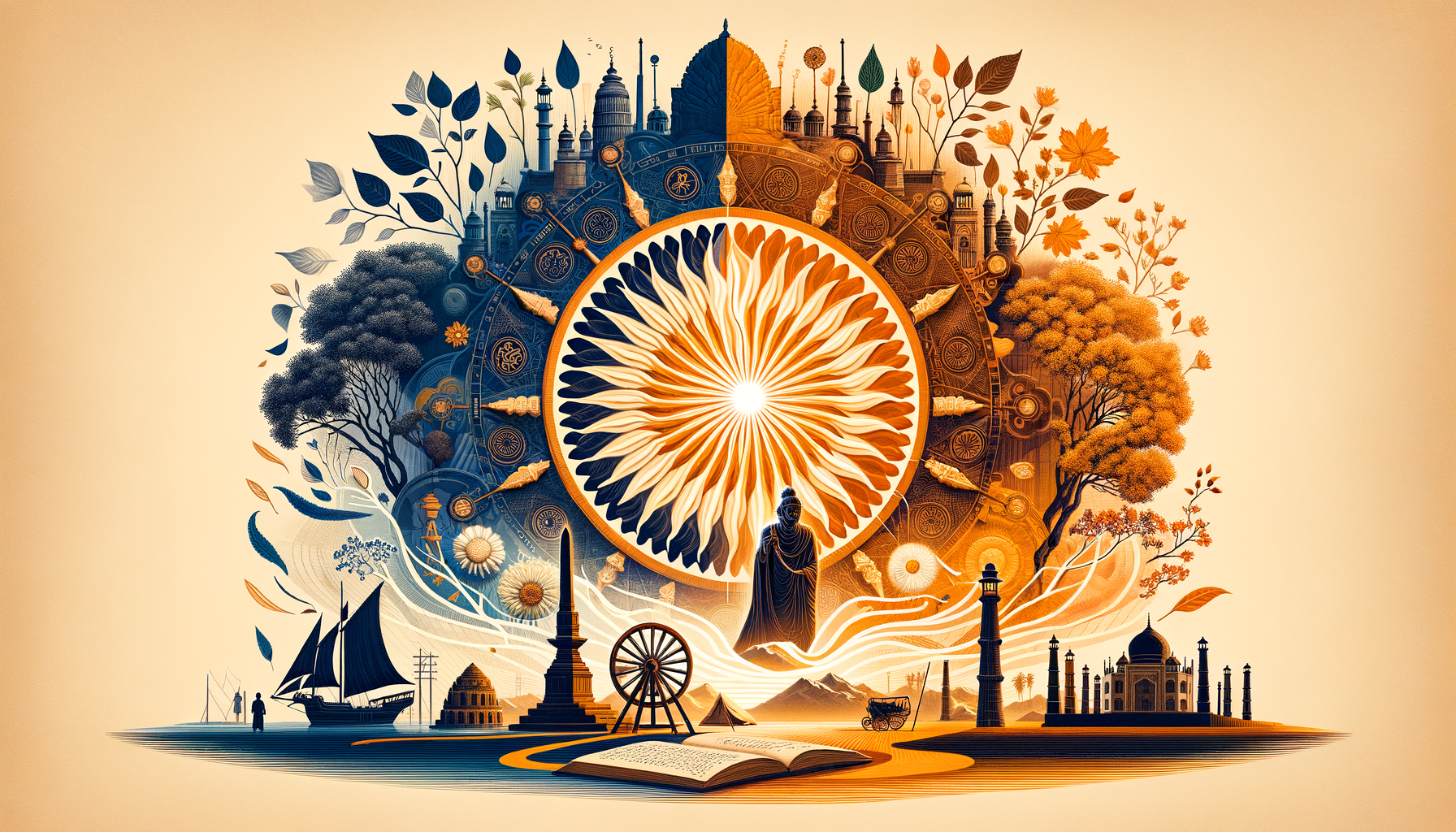
This analysis examines why a spiritually rich India became vulnerable to British Colonial Rule while preserving civilizational continuity. Drawing on Sri Sri Ravi Shankar’s cyclical metaphor of the seasons, it situates conquest within broader structural forcesEast India Company strategy, technological-military advantage, and administrative codification. It highlights how dharmic traditionsHinduism, Buddhism, Jainism, and Sikhismsustained social cohesion…
-
Unshakable Calm: Hindu Wisdom for Emotional Resilience and Inner Peace Under Pressure
Hindu philosophy teaches that true success rests on composure, especially in moments of emotional turmoil. The Bhagavad Gita urges steadiness amid joy and sorrow, aligning inner balance with ethical, effective action. The Upanishads guide attention to the witnessing self, recommending practices like prāṇāyāma, dhyāna, and svādhyāya to cultivate inner peace. Parallel insights in Buddhism (upekkhā),…
-
Essential Dharma of Food: Proven Paths to Transform Waste into Seva and Nourish Every Devotee

Lavish feasts and nearby hunger reveal a logistical, not theological, gap in food distribution. Drawing on annadanam, langar, dāna, ahimsa, and aparigraha, this piece outlines a unified dharmic ethic for equitable nourishment. It presents proven, low-friction strategiesdata-informed meal planning, staggered serving windows, mobile distribution, and interfaith Community kitchensthat reduce waste and expand access. Governance tools…
-
Master Inner Upheaval: The Essential Dharmic Guide to Self-Governance and Peace

The phrase “When your mind creates upheaval, practice self-governance” distills a shared dharmic insight: calm the mind first, then act wisely. Drawing on Hindu Dharma, Raja Yoga, the Upanishads, and the Bhagavad Gitaalongside convergent practices in Buddhism (sati), Jainism (Samayik), and Sikhism (Simran)it frames self-governance as practical, learnable discipline. A simple sequencepause, breathe with Pranayama,…
-
Mastering Desire for Inner Peace: The Proven Dharmic Breakthrough to End Discontent

This post examines a core dharmic insight: discontent grows as desires multiply. It synthesizes perspectives from the Bhagavad Gita, the Upanishads, Patanjali’s Raja Yoga, Buddhism’s analysis of tanha, Jainism’s Aparigraha, and Sikh santokh to show a shared pathway to contentment. Readers learn why hedonic adaptation fuels restlessness in modern life and how mindful discipline can…
-
Natural Calamities and Karma: Essential Guide to Time, Place, and Compassionate Action

Do natural calamities happen because people share the same karma, or because of the qualities of a place and time? This analysis explains how dharmic traditions view causality through multiple lenses: individual, family, community, and the karma of deśa–kāla. It clarifies that these perspectives complement scientific explanations of geophysical and climatic processes rather than replace…
-
Master the Wandering Mind: A Complete Guide to Detachment from the Fickle Material World

The material world attracts yet never fully satisfies, a pattern that keeps the mind wandering from one stimulus to the next. This article presents a complete, unifying guiderooted in Hindu Dharma, Buddhism, Jainism, and Sikhismto understand impermanence and develop detachment without withdrawal. Readers discover practical methods such as breath awareness, pratyahara, dhyana, Aparigraha, Naam Simran,…
-
Born Bad or Made Bad? Discover a Complete, Evidence‑Based Guide to Evil in Dharmic Thought

The everyday debateborn bad or made badfinds a nuanced resolution in Dharmic thought. Hindu philosophy integrates guṇas, karma, and saṁskāras with the formative power of culture and community. Buddhism explains harmful actions through dependent origination, making transformation possible via ethics, meditation, and wisdom. Jain Anekantavada reframes blame by recognizing many-sided causes while prioritizing ahimsa and…
-
The Complete Vrātya-stōma Guide: How Schopenhauer, Emerson, Elst, Frawley Embraced Sanatana Dharma
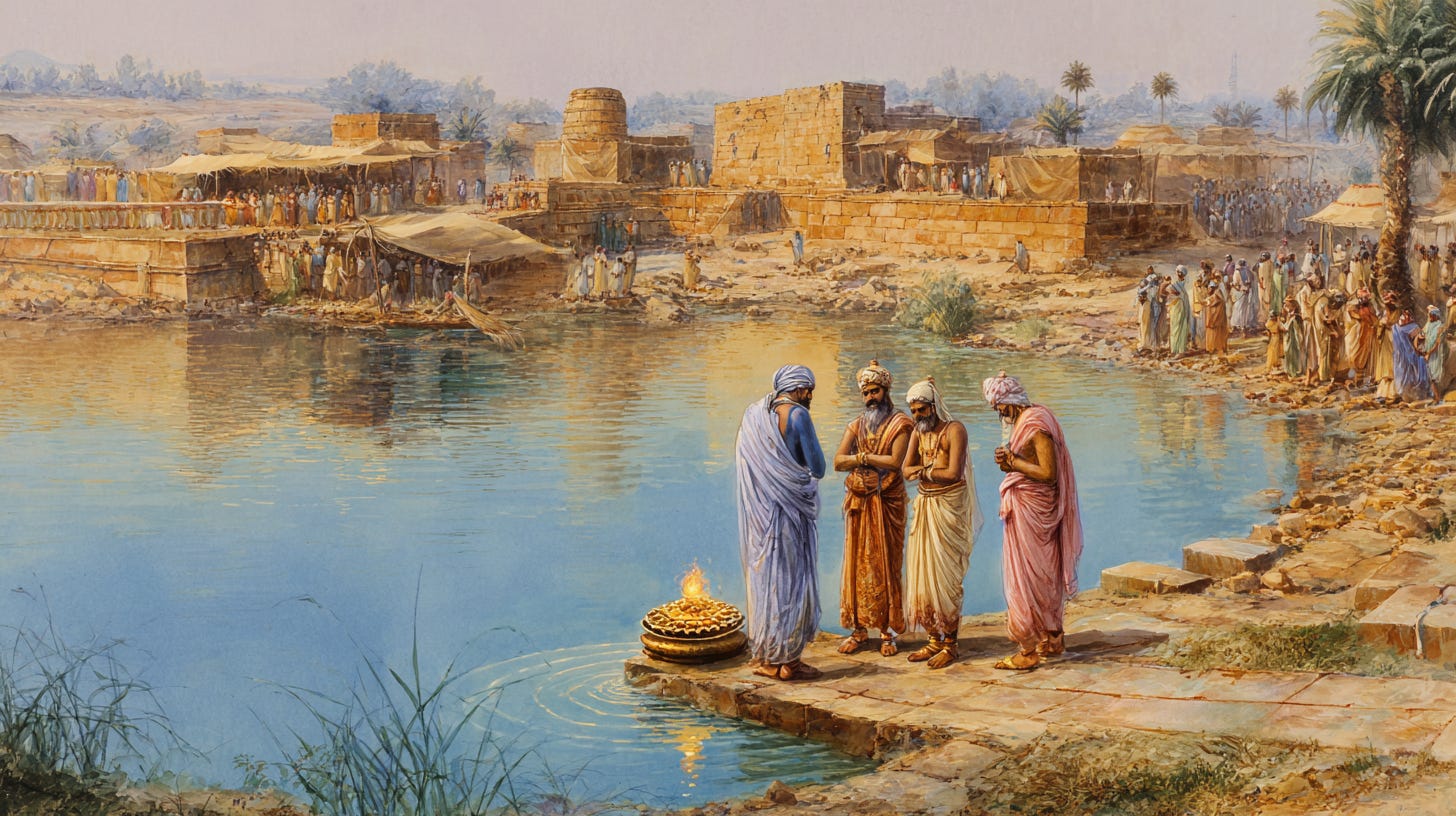
Vrātya-stōma, a Vedic rite of reintegration, serves as a compelling symbol of Sanatana Dharma’s inclusive ethos. This article traces how Western thinkersSchopenhauer, Emerson, Elst, and Frawleyengaged the Upanishads, the Bhagavad Gita, and Vedanta to enrich global philosophical discourse. Readers will discover how dharmic principles such as ahimsa, yoga, and meditation support unity across Hinduism, Buddhism,…
-
Discover the Saraswati–Sindhu Breakthrough: Proven Power of Decentralized Collective Governance

The Saraswati–Sindhu Civilization challenges the assumption that cities require powerful ruling elites. Spanning an immense geography for centuries, the SSC left few traces of palatial exclusivity yet abundant evidence of urban planning, standardized weights, civic water management, and open-access public amenities. Seals, craft debris, and meeting spaces point to federated production, shared norms, and neighborhood-level…
-
From Troy to Kampilya: Discover the Proven, Unbroken Continuity of India’s Civilization

Why do some archaeological finds electrify the world while others feel quietly familiar to local communities? This essay explains how India’s living continuity of land, people, and story makes many “discoveries” corroborations of persistent memory rather than revelations. From Troy and Kampilya to Vedic Saraswati, Abhijit (Vega), and Dwaraka, it presents evidence for an accumulative…
-
Discover the Complete Purpose of Creation in Dharmic Thought: Master Karma, Dharma, Moksha

This article explains the purpose of creation in Hinduism through the interconnected ideas of karma, dharma, moksha, and samsara. It situates Hindu insights within the wider dharmic familyBuddhism, Jainism, and Sikhismhighlighting shared goals of liberation and ethical living. Readers discover why Prakriti is seen as a divine arena for growth and how jivas learn through…
-
The Ultimate Dharmic Guide to Life’s Inevitables: Discover Calm, Clarity, and Freedom

A clear, dharmic approach can transform anxiety about life’s inevitables into calm, purpose, and inner freedom. Hinduism emphasizes Dharma, Karma, and Moksha through the Bhagavad Gita and Upanishads, guiding non-attachment and ethical action. Buddhism’s focus on Anicca and Anatta cultivates mindfulness and compassionate presence amid change. Jainism’s Anekantavada and Aparigraha reduce attachment and foster equanimity…
-
Anahata Chakra Explained: The Complete Guide to Mastering Heart-Centered Balance

The Anahata Chakra, or Heart Chakra, is the fourth energy center and serves as a bridge between grounded living and higher insight. Its Sanskrit meaning, “unstruck,” points to a subtle inner resonance of peace and unity. This guide clarifies location, symbolism, and qualitieslove, compassion, and forgivenesswhile outlining signs of balance and imbalance. It presents practical…
-
Essential Breakthrough: How Opposition and Setbacks Transform Spiritual Mastery Across Dharmic Paths

Opposition often becomes the crucible in which clarity, resilience, and spiritual mastery are forged. Drawing on examples from Hinduism, Buddhism, Jainism, and Sikhism, this piece shows how setbacks refine intention and elevate practice across dharmic traditions. It reframes adversity as a catalyst for growthpersonally and collectivelywithout diluting historical or philosophical nuance. Readers discover practical ways…
-
Discover the Essential Dharma of Diversity: Ishta and Pluralism for a Happier Life
Hinduism presents diversity as a disciplined, life-enhancing principle rather than a source of chaos. Through ishta-devata and multiple marga, seekers align practice with temperament while honoring other paths. The popular image of countless deities signals symbolic plurality; classical references to 33 koti clarify its philosophical depth. Allied dharmic traditionsAnekantavada in Jainism, Buddhist compassion, and Sikh…
-
Master Purva Mimamsa’s Complete Insight: Discover an Eternal, Uncreated Universe

This article presents Purva Mimamsa’s core insight: an eternal, uncreated universe governed by dharma, adrishta, and apurva rather than a one-time creation event. Readers gain a clear overview of how Vedic authority (apaurusheyatva) and precise ritual action explain moral causality without requiring a creator-deity. The piece shows how this perspective aligns with broader Dharmic traditionsBuddhism,…
-
Complete Guide to Manu in Hinduism: Discover the Timeless Law-Giver Beyond Gender and Time

This article examines Manu as both archetype and title within Hindu cosmology, clarifying how fourteen Manus guide each kalpa and why the role is best understood as beyond gender and bound to time cycles. It situates Manusmriti within the broader Dharmashastra tradition, highlighting contextual interpretation and ongoing ethical refinement. The narrative of Vaivasvata Manu and…
-
Discover the Bishnoi Panth: A Complete Guide to Guru Jambheshwar’s 29 Eco‑Spiritual Principles
The Bishnoi Panth (Vishnoi Panth) is a Vaishnava Sampradaya established by Guru Jambheshwar (1451–1536) and guided by 29 eco-spiritual principles. Rooted in the Western Thar Desert and northern India, it emphasizes ahimsa, protection of trees and wildlife, and disciplined, compassionate living. Community memory honors the 1730 Khejarli sacrifice as a landmark of environmental activism. The…
-
Discover the Transformative Power of Compassion: A Saint’s Proven Lesson in Bhakti

This essay examines how narratives featuring stigmatized figuressuch as the courtesan guided by Haridasa Thakura in Gaudiya Vaishnava literaturereveal the transformational power of compassion and disciplined practice. It situates these accounts alongside the Gospel’s portrayal of redemption and dharmic parallels in Buddhism, Jainism, and Sikhism. Readers gain a clear, academically grounded interpretation: suspension of judgment,…