
-
Inside Vijayanagara’s Golden Age: Kavi Sarvabhauma Srinatha’s Daring Challenge to Arunagirinatha
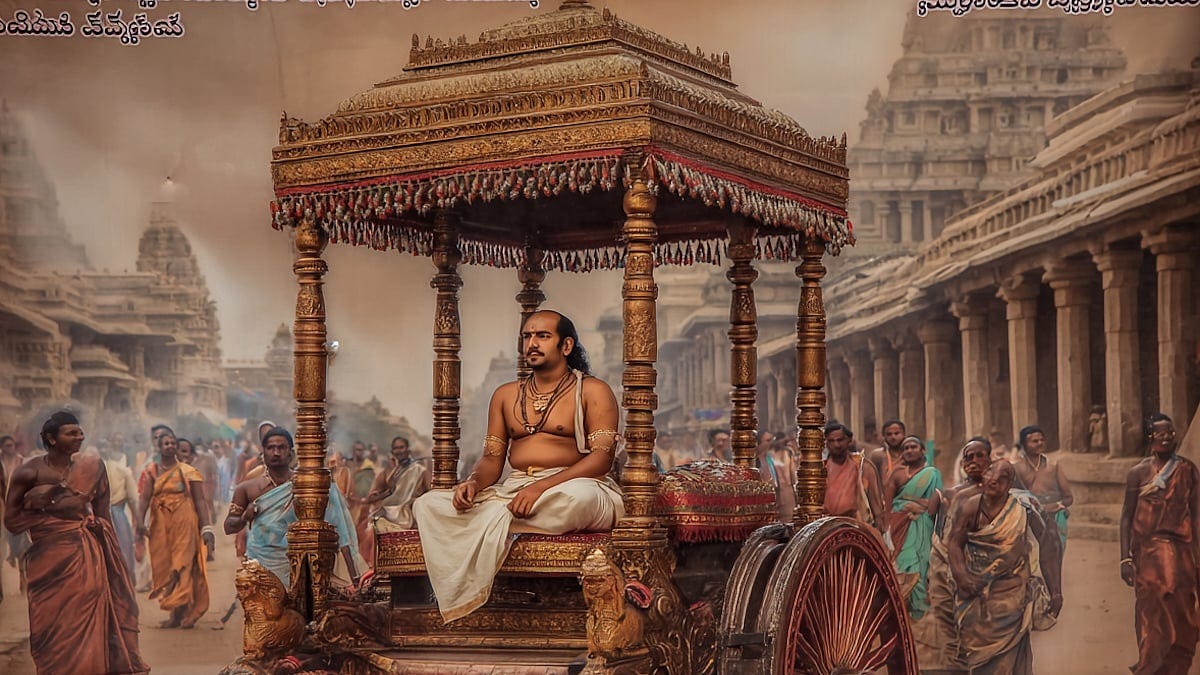
Set during the golden age of the Vijayanagara Empire, this episode from Kavisārvabhaomuḍu reconstructs how Kavi Sarvabhauma Srinatha strategically challenged the Vidyādhikāri Arunagirinatha in a high-stakes courtly contest. Readers discover how a subtle Sanskrit deviceapaśabdābhāsacan invert a debate by disguising correctness as error. The narrative explains why grammar (anchored in Panini, Vararuchi, and Patañjali) is…
-
Navya Nyaya’s New Logic: Precision Tools for Knowledge across Dharmic Traditions
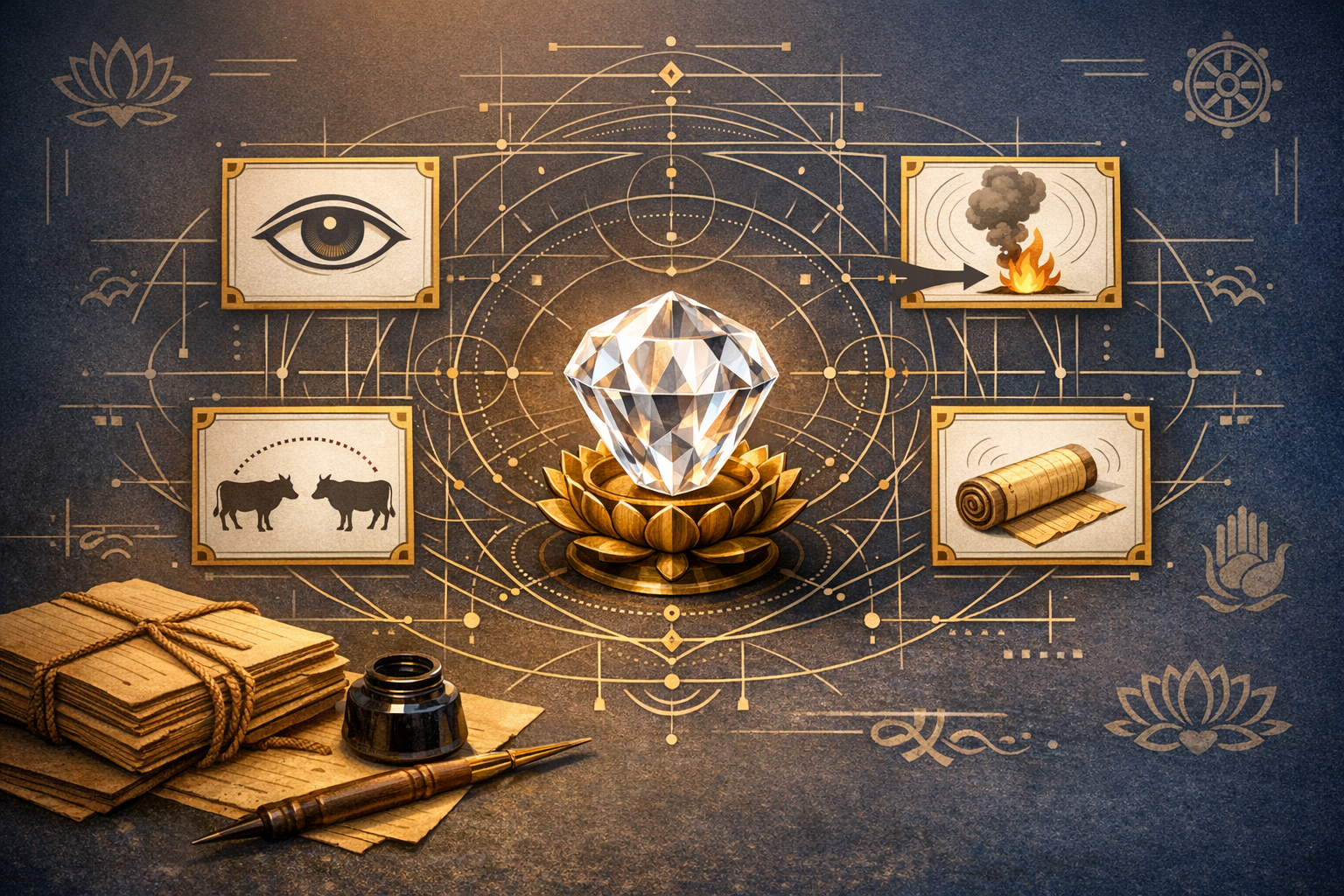
Navya Nyaya, the “New Logic” within the Nyaya tradition, emerged in 13th-century Mithila with Gangesha Upadhyaya’s Tattva-Chintamani and transformed Indian epistemology through unmatched analytic precision. It refines the four pramanaspratyaksha, anumana, upamana, and shabdausing a technical idiom that specifies locus, qualifier, and delimitor to prevent ambiguity. Later masters such as Raghunatha Siromani and Gadadhara Bhattacharya…
-
Unlocking Sacred Meaning in Hindu Philosophy: Vācya, Lakṣaṇā, and Vyañjanā Demystified

Language in Hindu philosophy operates through three layered modes of meaningvācya (literal), lakṣaṇā (indicated), and vyañjanā (suggested)that guide readers from clear denotation to transformative insight. This long-form, research-driven exploration clarifies each mode with classical examples, links them to Nyāya, Mīmāṁsā, Vedānta, and Alaṅkāra-śāstra, and highlights the contributions of Ānandavardhana, Abhinavagupta, and Bhartṛhari. It demonstrates how…
-
Unlocking Susunia’s Sudarshana Secret: Chakrasvamin, Gupta Power, and Bengal’s Living Dharma

Susunia Hill’s fourth-century rock inscription offers a compact yet sweeping window into Bengal’s Vaishnava heritage under the Gupta Empire. Three Sanskrit lines in northern Brahmi, carved beneath a blazing Sudarshana Chakra, identify Maharaja Chandravarman as dāsāgreṇa of Cakrasvāmin and connect Vanga-deśa directly to Āryāvarta through the Prayaga Prasasti. This essay traces the Cakrasvāmin sect’s spread…
-
Mukhyartha in Hinduism: Unlock the Power of Abhidha-Shakti for Precise, Sacred Meaning
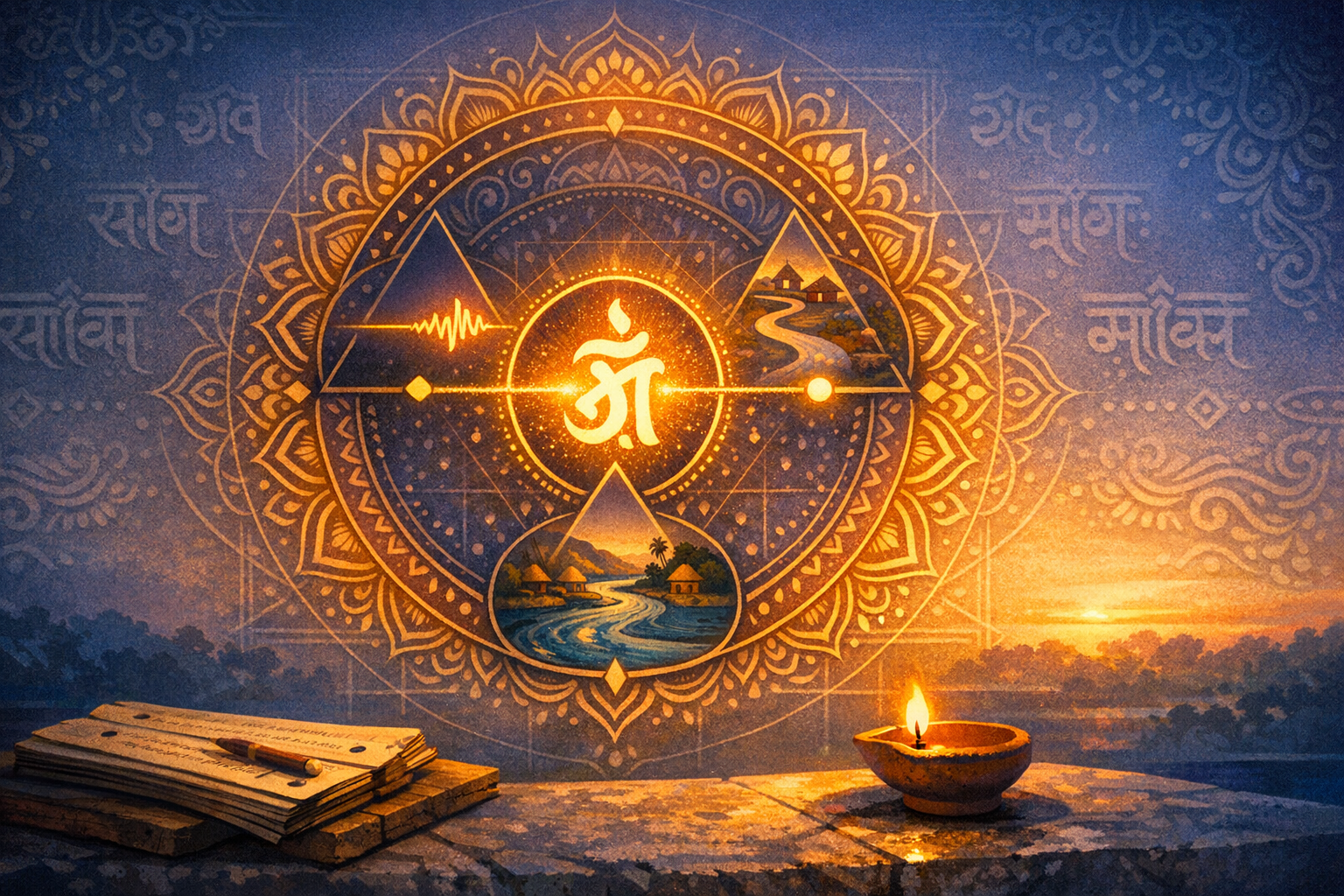
Mukhyarthasecured by abhidha-shaktiprovides the primary, literal meaning that anchors Hindu hermeneutics, ritual, and scripture. This article clarifies how primary sense operates in sentences, why context can trigger shifts to lakshana (secondary meaning) and vyanjana (suggestion), and how classic criteria like akanksha, yogyata, and sannidhi preserve coherence. It surveys perspectives from Mimamsa, Nyaya, Vedanta, and the…
-
Nori Narasimha Sastry’s Mastery: Research-Rich Telugu Novels that Illuminate Dharma and History
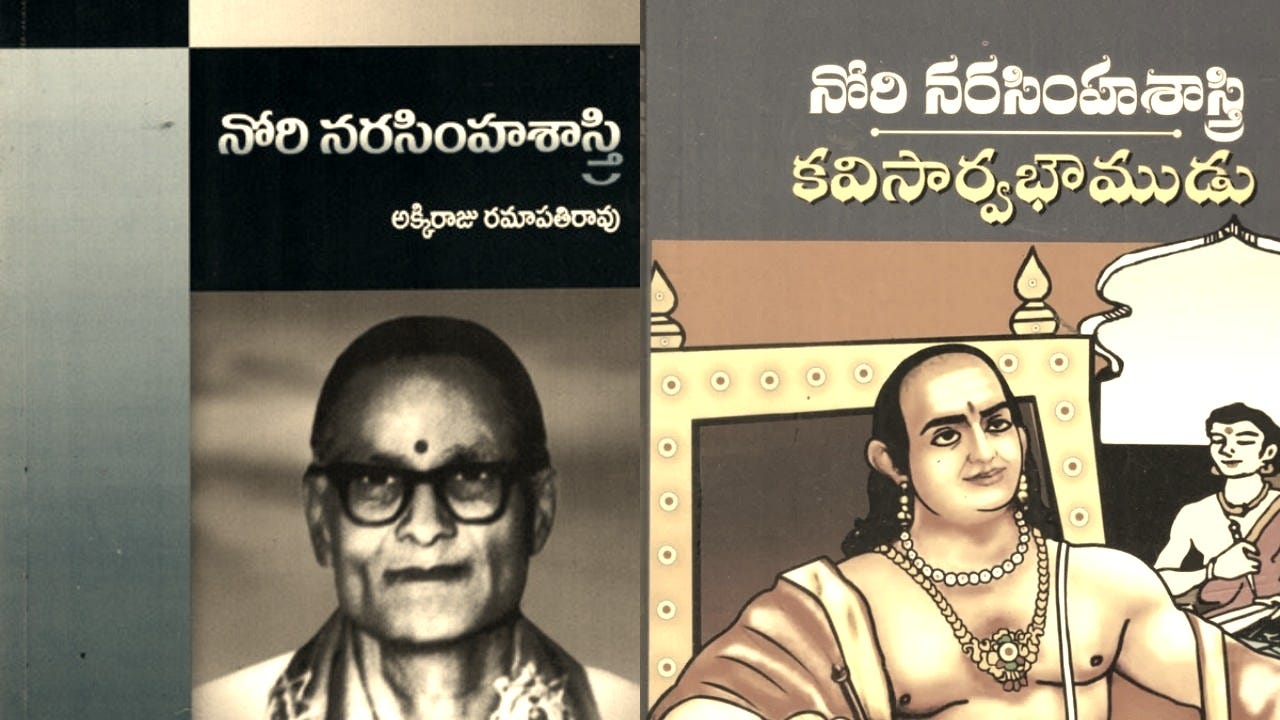
Nori Narasimha Sastry’s historical novels unite rigorous research with the civilizational vision of Sanatana Dharma, earning a readership that places his prose alongside classical Telugu works. By pairing Srinatha with the bhakti poet Potana in Kavidvayamu and portraying Dhurjati within the Vijayanagara milieu, he balances devotional interiority with institutional history. His mature use of Champu,…
-
Jagannatha Pandita’s Rasagangadhara: Mastering Rasa, Poetics, and Indian Aesthetics

Jagannatha Pandita (1590–1670 CE) transformed Sanskrit poetics through Rasagangadhara, a landmark synthesis that clarifies how language, context, and propriety culminate in rasathe refined relish of emotion. Born in Andhra Pradesh to Perubhaṭṭa and Lakshmi, he bridged southern scholastic lineages with the cosmopolitan courts of North India, reportedly earning the honorific Paṇḍitarāja. His oeuvre, including Bhaminivilasa…
-
Clash and Convergence: How Vedic and Western Worldviews Shaped Science, Faith, and History

This long-form essay traces how encounters between Vedic knowledge systems and Western scholarship reshaped global debates on science, faith, and history. It contextualizes John Bentley’s 1825 rebuke of John Playfair within wider conflicts over chronology, authority, and civilizational legitimacy. Readers gain a clear view of India’s mathematical and astronomical achievements, the emergence of Indology, and…
-
Decoding Khila in Vedic Sutras: Hidden Supplements That Shaped Ancient Hindu Wisdom
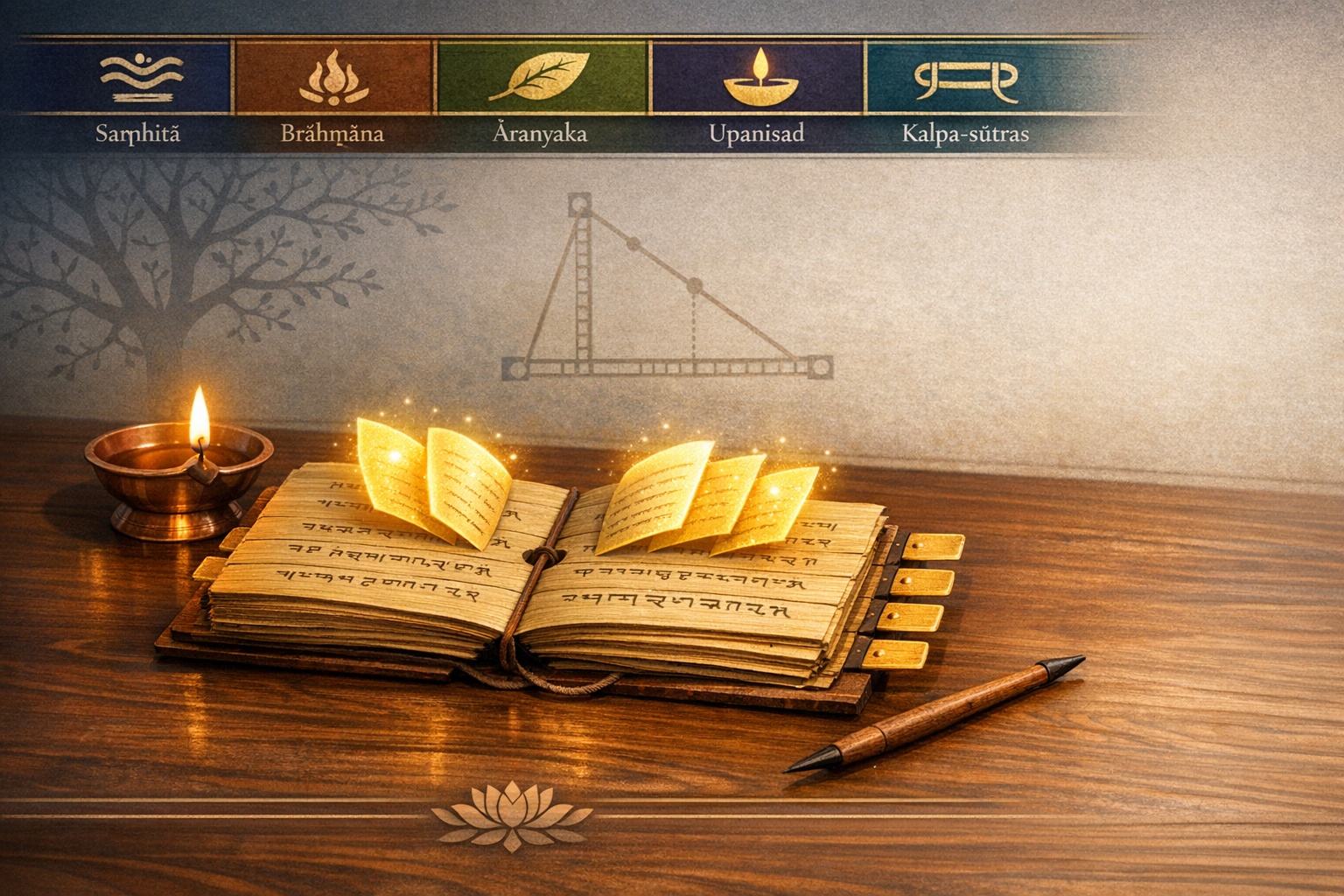
Khila, the Vedic category for recognized supplements, reveals how ancient Indian literature balanced canonical integrity with lived adaptability. This in-depth exploration maps khila across the Rigveda Khilāni and sūtra traditions, showing how supplementary hymns and pariśiṣṭas extend ritual capacity without unsettling core śruti. Readers learn why texts like the Śrīsūkta, though technically ancillary in many…
-
Sri Hanuman Das: A 1st-century Devotee-Poet of Rama and HanumanHistory, Poetics, Legacy
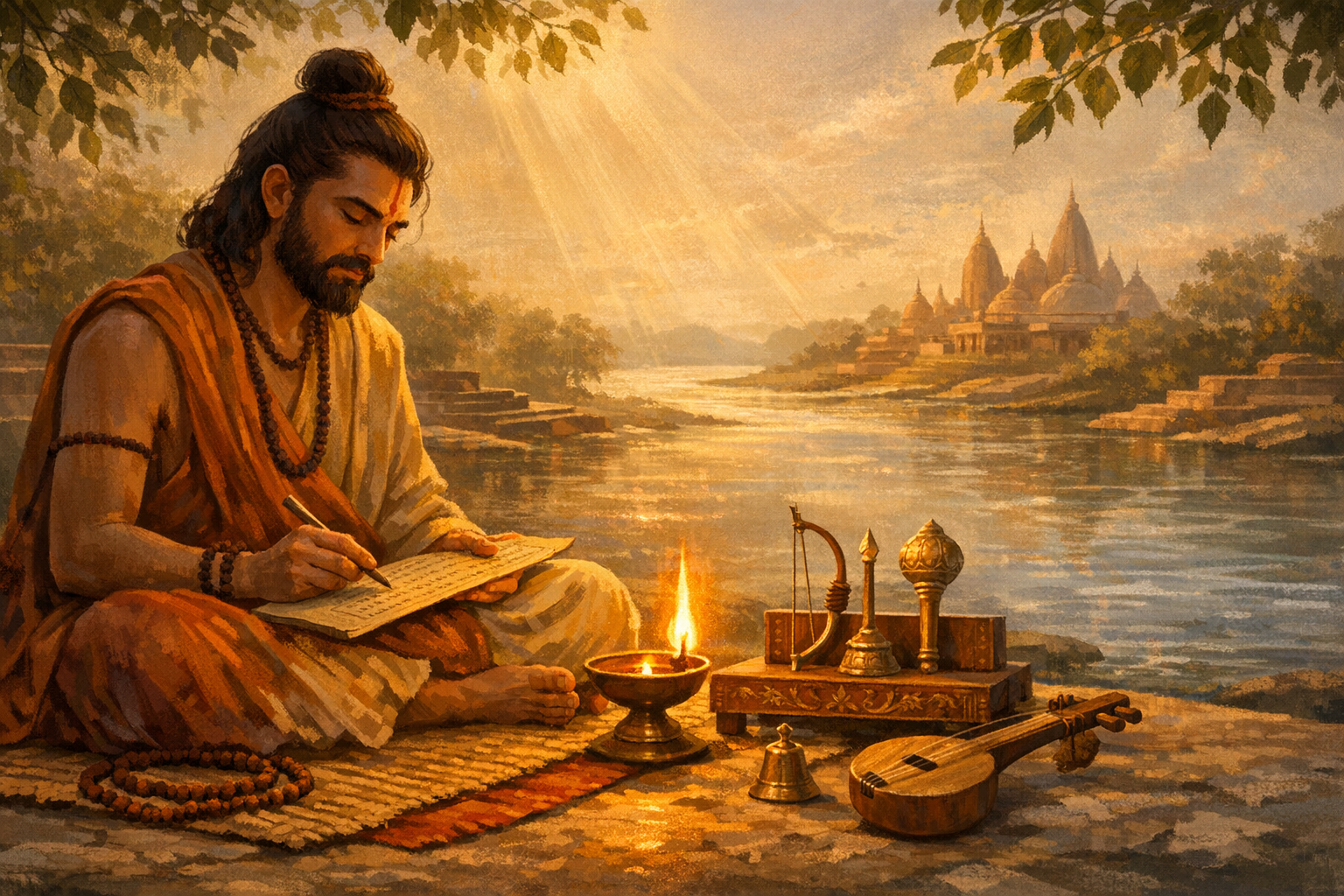
Sri Hanuman Das is remembered as a Hindu saint and Sanskrit poet from present-day Uttar Pradesh, traditionally dated to the 1st century CE and celebrated for deep devotion to Lord Rama and Lord Hanuman. The devotional name “Hanuman Das” reflects dāsya-bhāvaservice as a spiritual pathlinking Hanuman’s exemplary loyalty to Rama-bhakti. While the precise chronology remains…
-
Sri Hanuman Das: Enigmatic Early Bhakti Poet of Uttar Pradesh and Rama-Hanuman Devotion

Sri Hanuman Das is remembered as a Hindu saint and Sanskrit poet from Uttar Pradesh, celebrated for ardent devotion to Lord Rama and Lord Hanuman. While a 1st-century CE date appears in some traditions, available evidence suggests this chronology is hagiographic, not epigraphically confirmed. Placed within the broader Bhakti Tradition and the ritual geography of…
-
How a Fifth-Century Sanskrit Classic Anticipated the Emergency: Mricchakatika’s Warnings
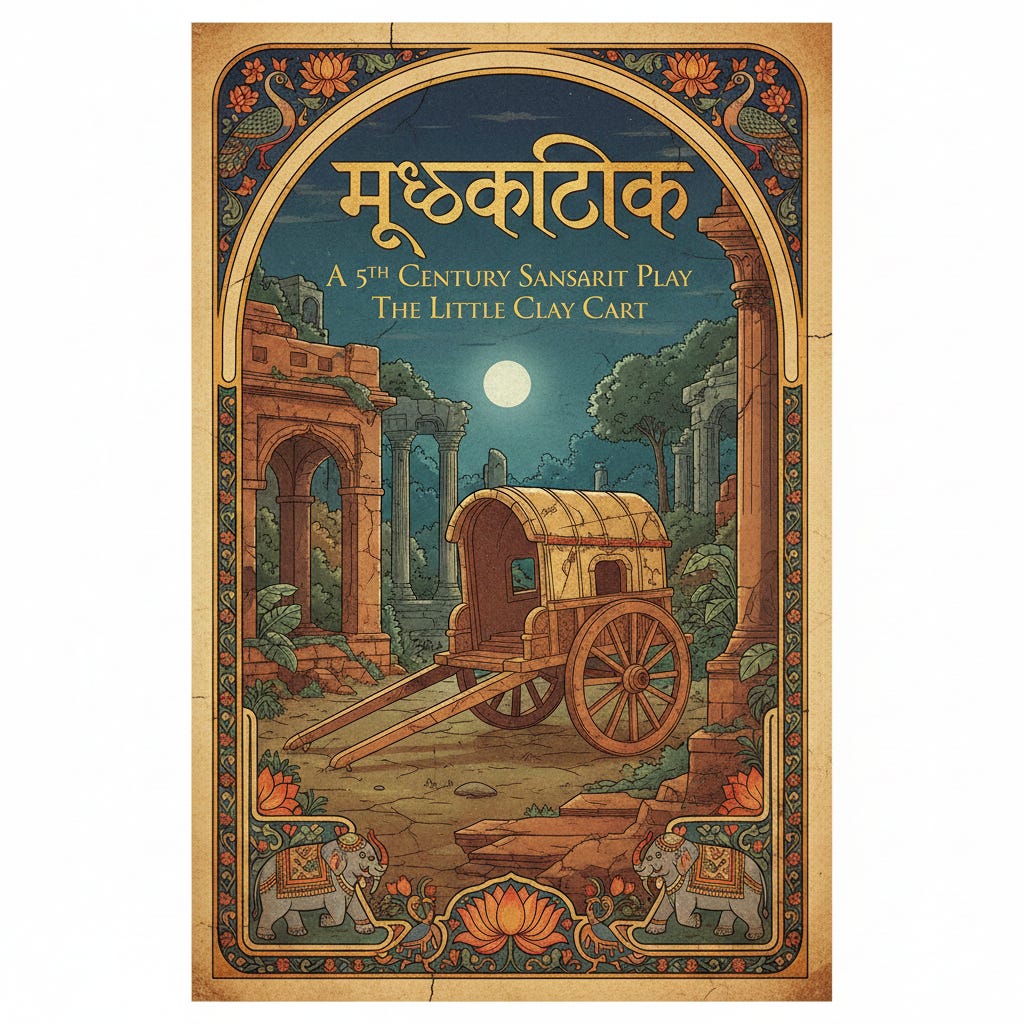
Mricchakatika (The Little Clay Cart) is a fifth-century Sanskrit classic whose legal and civic insights strikingly anticipate the dynamics of India’s 1975–77 Emergency. Set in Ujjaini, it portrays how a weak sovereign and an unscrupulous power-broker deform institutions, and how conscience-driven citizens and spiritual witnesses restore justice. The Ninth Act, Vyavahaara (The Trial), functions as…
-
Muthuswami Dikshitar: Timeless Master of Carnatic Music’s Sacred, Scholarly Soundscape

Muthuswami Dikshitar (1775–1835) shaped Carnatic music with compositions that unite devotion, Sanskrit scholarship, and raga–tala architecture. A pillar of the Trinity, his kritis function as sonic maps to South Indian temples, preserving iconography, rituals, and sacred geography. Anchored in the Venkatamakhin asampurna tradition, he crafted raga-lakshana masterpieces and explored talas beyond the ordinary with serene…
-
Unveiling Kena’s Dual Identity: Why It’s the Talavakara Upanishadand Why It Matters Today
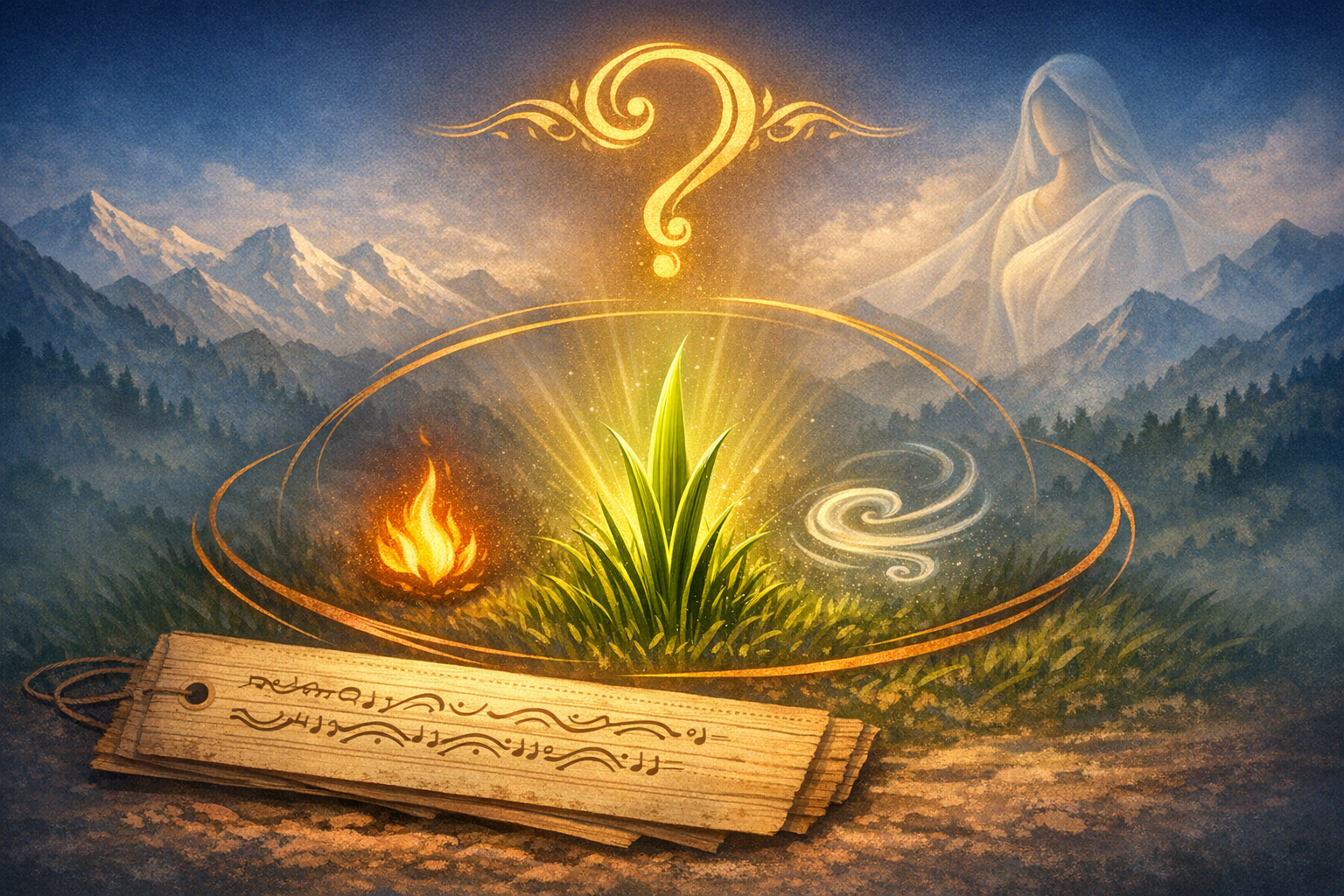
The Kena Upanishad is called the Talavakara Upanishad because it is embedded in the Tālavakāra Brāhmaṇa of the Sāma Veda, reflecting its precise textual lineage. Its name “Kena” comes from the opening question“by whom?”that frames a profound inquiry into the source of mind, speech, and life. Structured in four sectionstwo metrical and two proseit advances…
-
Unbroken Sacred Bonds of Bharatavarsha: Living Sanatana Dharma and India’s Cultural Unity
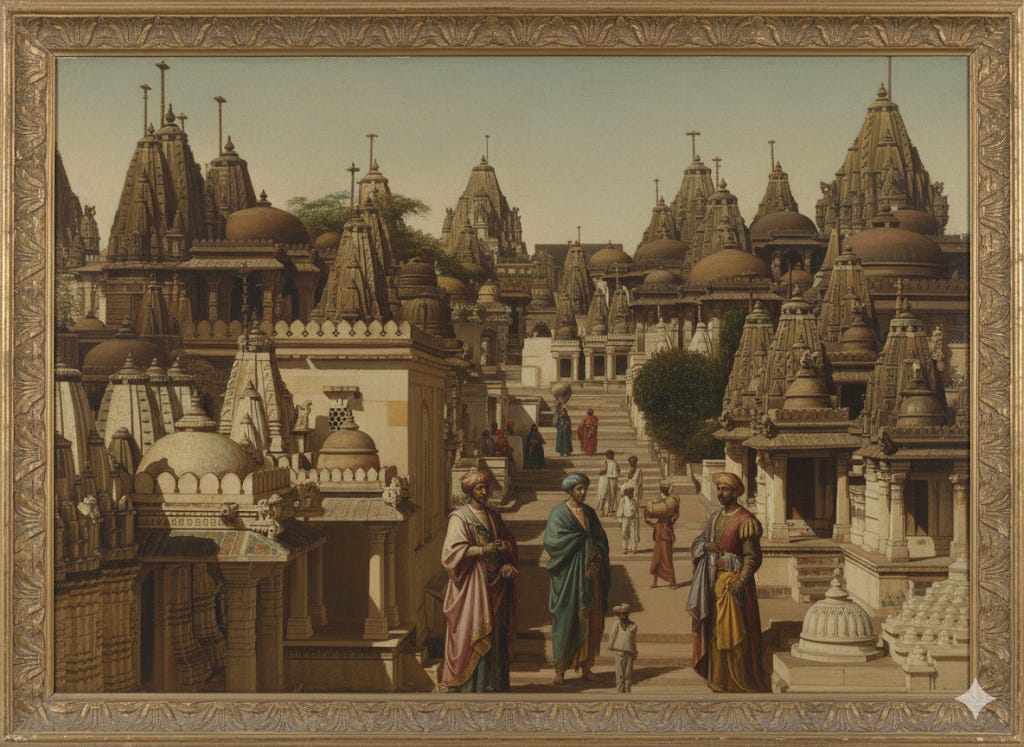
This essay examines how the cultural unity of Bharatavarsha endures through lived Sanatana Dharmawhere sacred geography, pilgrimage, arts, and scholarship weave Hindus, Buddhists, Jains, and Sikhs into a shared civilizational fabric. It highlights the continuing vitality of Adi Sankara’s mathas, Sanskrit-centered scholarly debate, and inclusive canons such as the Guru Granth Sahib. It traces interregional…
-
Jayadeva of Vidarbha: Discover the Timeless Brilliance of Candraloka in Sanskrit Poetics
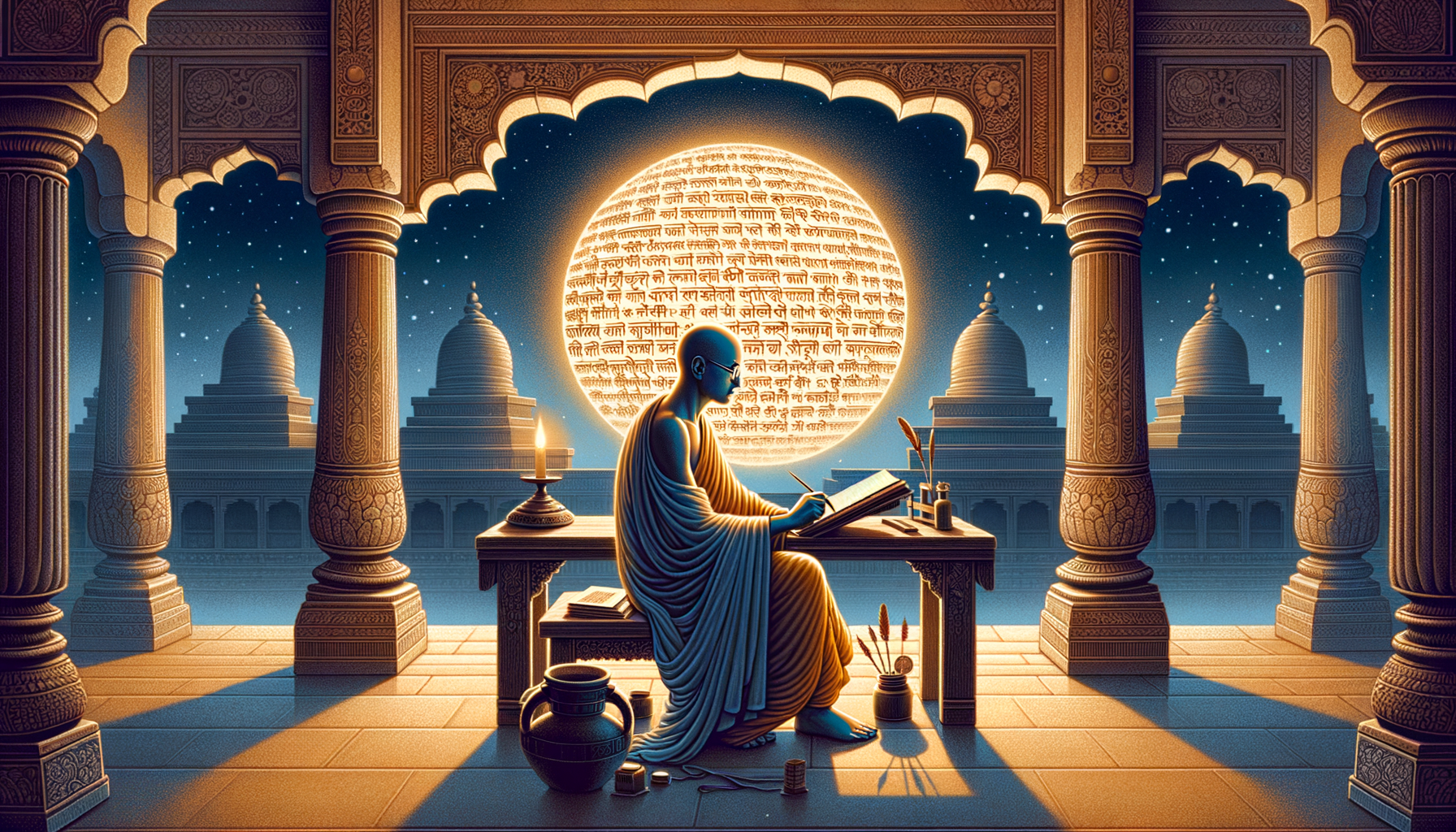
Jayadeva, the renowned 12th-century Sanskrit scholar from Vidarbha, is celebrated for the Candraloka, a foundational text in Sanskrit poetics. Situated in an age of artistic and intellectual efflorescence, his work unites theory and practice with exceptional clarity. The Candraloka’s accessible structure and illustrative verses made it a mainstay of traditional pedagogy across India. In a…
-
Kshemaraja of Kashmir Shaivism: Timeless Nondual Wisdom, Practice, and Dharmic Harmony

Kshemaraja, the eminent disciple of Abhinavagupta, distilled Kashmir Shaivism’s non-dual insights into lucid, practice-ready guidance. Core textsPratyabhijñāhṛdayam, Spandanirṇaya, Spandasandoha, and Śiva Sūtra Vimarśinībridge rigorous Indian philosophy and accessible methods. Readers gain a clear map of upāyas to steady attention, reduce stress, and cultivate compassion. Everyday beauty and stillness become gateways to recognition (pratyabhijñā) through the…
-
Sringara Rasa Unveiled: The Heartbeat of Love in Hindu PoeticsUnion and Separation

Sringara Rasa, one of the nine rasas, expresses the refined essence of love grounded in the sthayi bhava called rati. It unfolds through two modesSambhoga (union) and Vipralambha (separation)which together illuminate the fullness of human affection. Classical vibhavas such as seasons, garlands, and garden visits prepare the mind for aesthetic experience. In dance traditions like…
-
Annambhatta’s Brilliant Legacy: A Clear Guide to Hindu Logic in the Tarkasamgraha
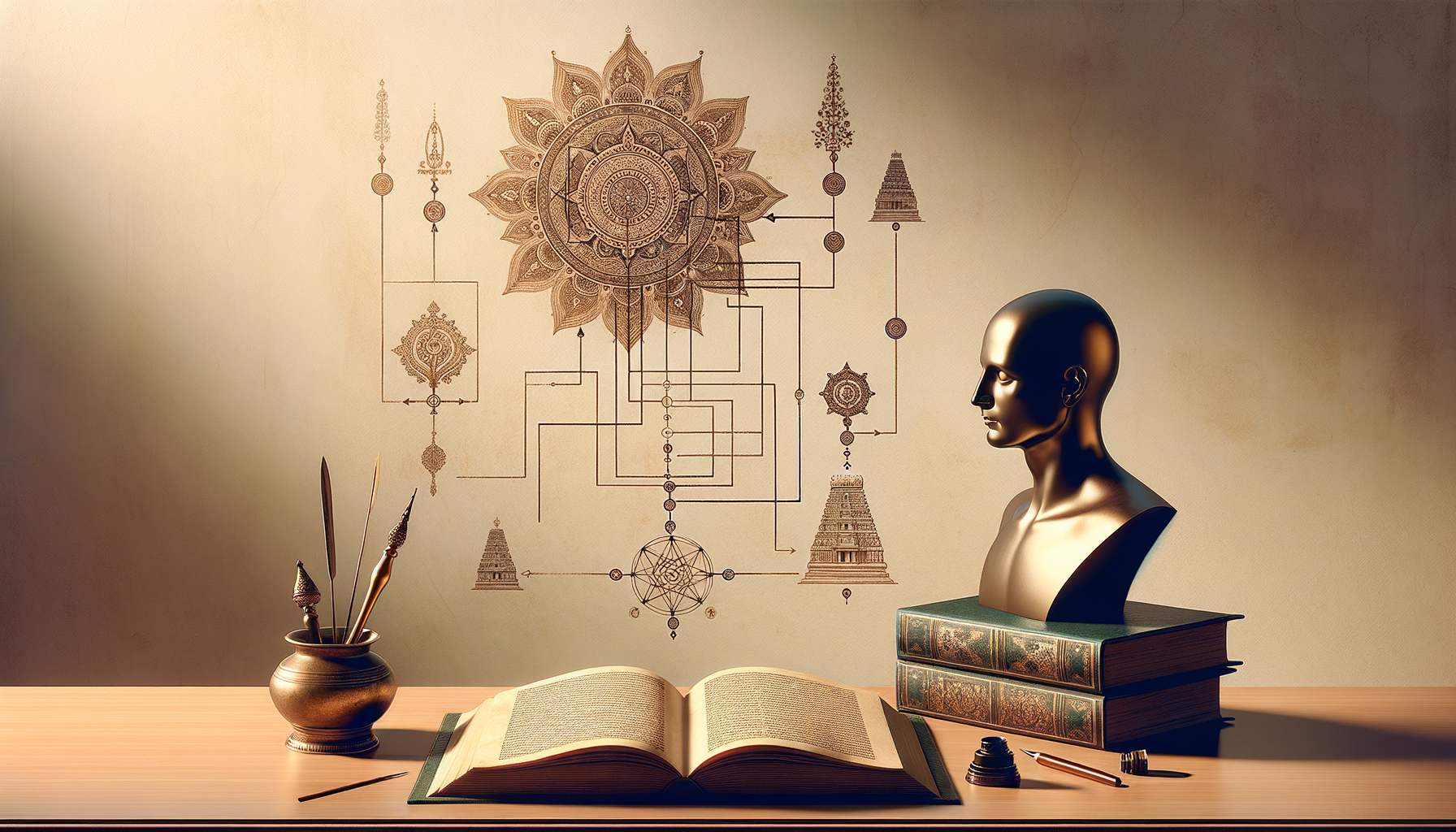
Annambhatta, a 17th century CE philosopher and logician from Andhra Pradesh, authored the widely respected primer Tarkasamgraha. Recognized for clarity and simplicity in Sanskrit, his work offers an accessible introduction to Hindu logic (tarka). Students consistently turn to Tarkasamgraha to build foundational skills in structured reasoning and inference. The text’s lucidity transforms initial apprehension into…
-
Mahabahu in Hinduism: Unveiling the Mighty-Armed Ideal of Strength, Dharma, and Service
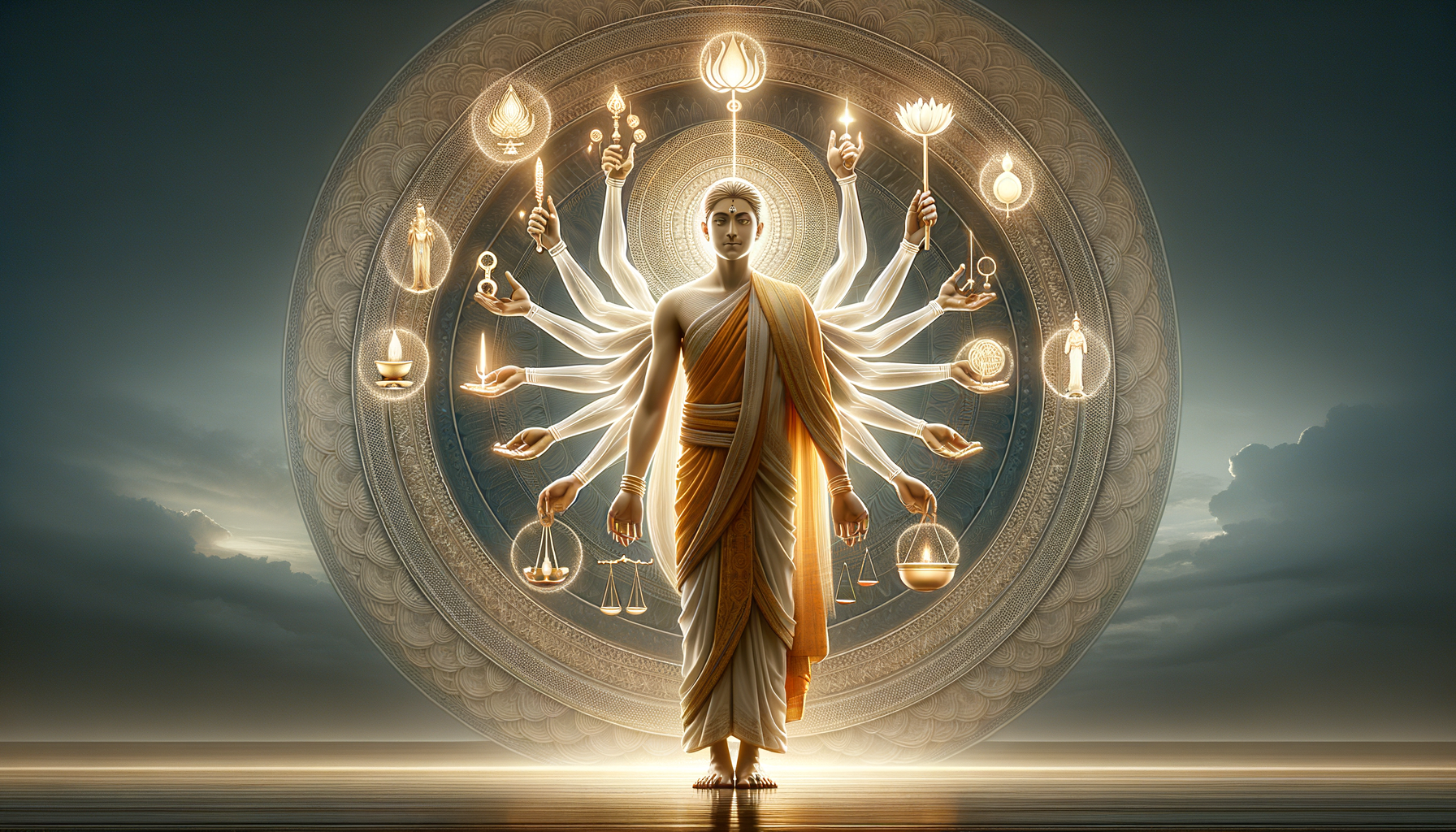
Mahabahu, from the Sanskrit roots “maha” (great) and “bahu” (arms), is a profound ideal in Hindu scriptures that unites power with ethical responsibility. Found in the Ramayana, Mahabharata, and Bhagavad Gita, it signifies strength guided by self-mastery and compassion. The term illuminates how epic narrative encodes philosophical principles: arms symbolize disciplined action in the service…