
-
Why Atharva Veda Appears Monkey-Faced: Unveiling Sacred Simian Symbolism in Temples
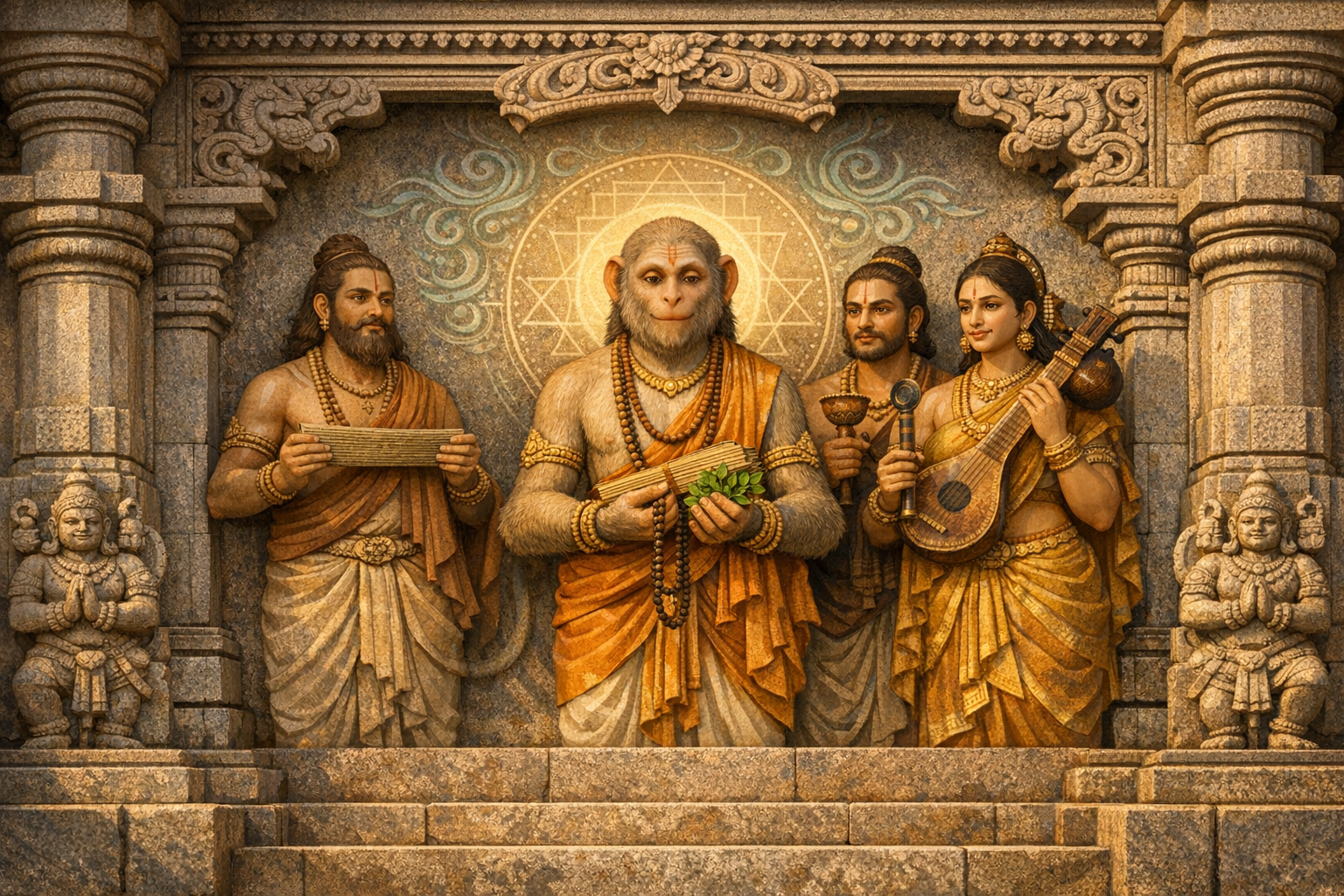
Hindu temple art often personifies the four Vedas as living presences, and in some regional traditions Atharva Veda appears with a monkey-like face. This simian marker is not caricature but a sophisticated code for healing, protection, breath-centered efficacy, and agile, disciplined intelligencequalities deeply associated with Atharvan rites. The discussion situates the motif within flexible Śilpaśāstra…
-
Decoding ‘Om krato smara kritam smara’: karma, memory, and the art of conscious dying

“Om krato smara kritam smara” from the Īśāvāsya Upaniṣad condenses the Upanishadic path into one imperative: let the sovereign will remember what has been done. The mantra sits at a pivotal moment in the text (Vājasaneyi Saṁhitā 40.17), pairing ethical clarity with the acknowledgement of impermanence. A brief philological reading clarifies ‘krato’ (will/intellect), ‘smara’ (remember),…
-
Nyaya Darshana Unveiled: How Indian Logic and Epistemology Power Clear Thinking

Nyaya Darshana presents a powerful, time-tested framework for clear thinking through its four pramanasperception, inference, comparison, and testimonyand a celebrated ethics of debate. By detailing the five-part syllogism, fallacies (hetvabhasa), and rigorous tests for reliable evidence (vyapti and upadhi), it equips readers to evaluate claims and avoid common reasoning errors. Its dialogical history with Buddhism,…
-
Unraveling Proto‑Indo‑European: A Rigorous, Inclusive Journey through Sanskrit’s Ancestral Web
This article explains why scholars reconstruct a Proto‑Indo‑European (PIE) ancestor to Sanskrit, Greek, and Latin, and how the comparative method, sound laws, and morphology support that model. It clarifies that Indo‑European is a large language familycounted at roughly 439 varieties in some 2009 classificationswithin which Sanskrit, Greek, and Latin are sister languages. Readers learn how…
-
Sacred Shields of Dharma: 7 Hindu Protection Symbols to Conquer Bhaya and Adversity

Anxiety, understood in Hindu thought as bhaya, can be transformed through symbols that encode ethics, cosmology, and contemplative method. This long-form guide examines seven Hindu protection symbolsAbhaya Mudra, Trishula, Sudarshana Chakra, Narasimha, Hanuman’s Gada, the Svastika, and Tilaka/Tripundra/Urdhvapundratracing their scriptural grounding, iconographic form, and practical application. Each symbol functions as a performative technology of calm,…
-
Timeless Gautama Maharshi: Rig Veda Seer, Dharmasutra Sage, and a Unifying Dharmic Beacon

Gautama Maharshi emerges as a multidimensional sage whose legacy spans the Rig Veda, the early Dharmasutra tradition, classical Indian logic, and the living sacred geography of the Godavari. This article clarifies how the shared name “Gautama” applies to multiple luminariesVedic seers, the Dharmasutra authority, Akṣapāda Gautama of the Nyāya-sūtra, and revered figures in Jain and…
-
From Nataraja to Raas Leela: The Awe-Inspiring Science, Symbolism, and Legacy of Divine Dance
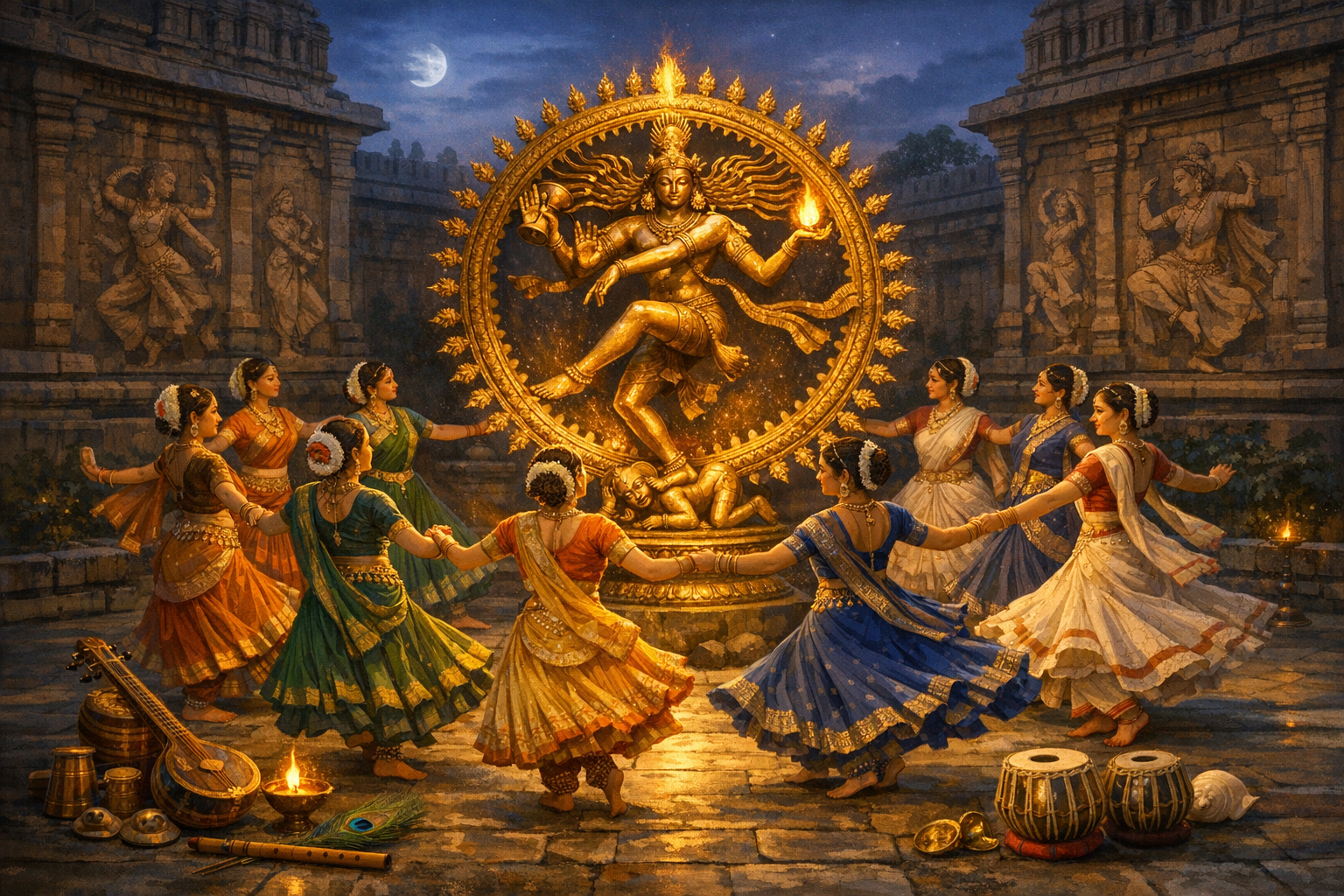
Divine dance in the dharmic traditions is a precise language of cosmology and devotion. This article explains Shiva as Nataraja with technical iconography (damaru, agni, abhaya, Apasmara) and maps his pañcha-kṛtya to movement, clarifying how sound (nada) and rhythm underpin Sanskrit and ritual. It situates Bharatanatyam, Odissi, Kuchipudi, Kathak, Mohiniyattam, Sattriya, Chhau, Yakshagana, Chakyar Koothu,…
-
Unmasking Mental Colonialism: English Publishing vs Sanskrit and Bharatiya Bhasha Heritage
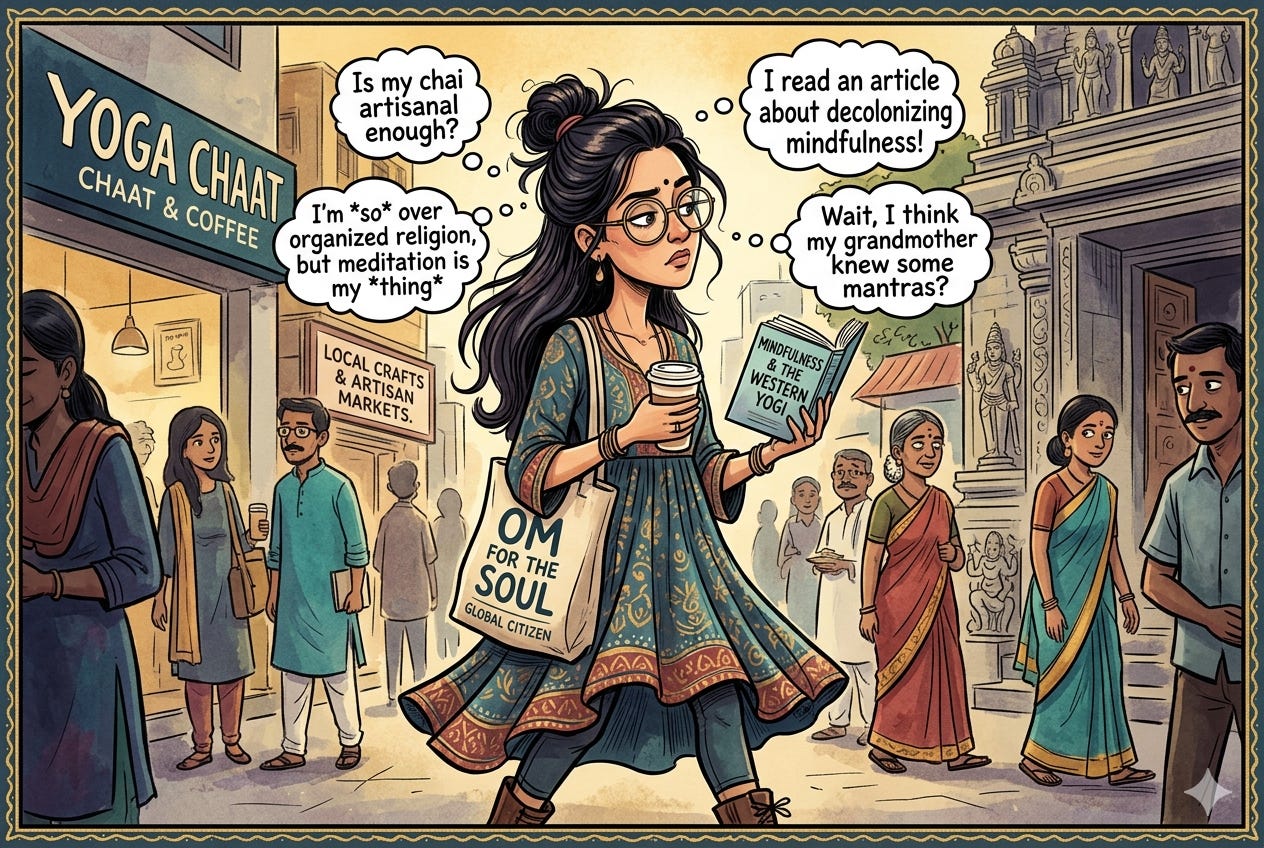
This essay examines how social media has disrupted legacy gatekeeping and why that disruption matters for English-language publishing in India. It argues that a prestige hierarchyEnglish over non-Englishhas long shaped acquisitions, prizes, and curricula, producing a deracinated sensibility often mislabeled as cosmopolitan. Drawing on Hartosh Singh Bal’s analysis of the “Literary Raj,” it highlights the…
-
Beejabhidhana in Tantrism: Decoding Sacred Seed Syllables for Transformative Mantra Yoga

Beejabhidhana in Tantrism offers a rigorous map of sacred sound, explaining how seed syllables (bījākṣaras) encode cosmology, deity-function, and method in a single phonemic unit. It clarifies the technical relation between letters, elements, chakras, nyāsa, and japa, enabling precise, lineage-aligned practice. The framework is academically rich yet experientially grounded, integrating phonetics, grammar, and ritual design…
-
Upashruti: The Luminous Goddess of Night, Oracular Wisdom, and Vedic Revelation

Upashruti is presented as a nuanced personification of sacred listening the contemplative capacity to ‘hear’ wisdom in the stillness of night. Grounded in Vedic philosophy, Puranas, and the logic of śabda-pramāṇa, the essay situates her alongside Rātri, Vāk, and Yoganidrā. It outlines practical, night-centered sādhanā (mauna, japa, nādānusandhāna) and explains how disciplined listening refines ethical…
-
Sanskrit vs Prakrit in Ancient India: A Sacred Dialogue Shaping Faith, Culture, and Power
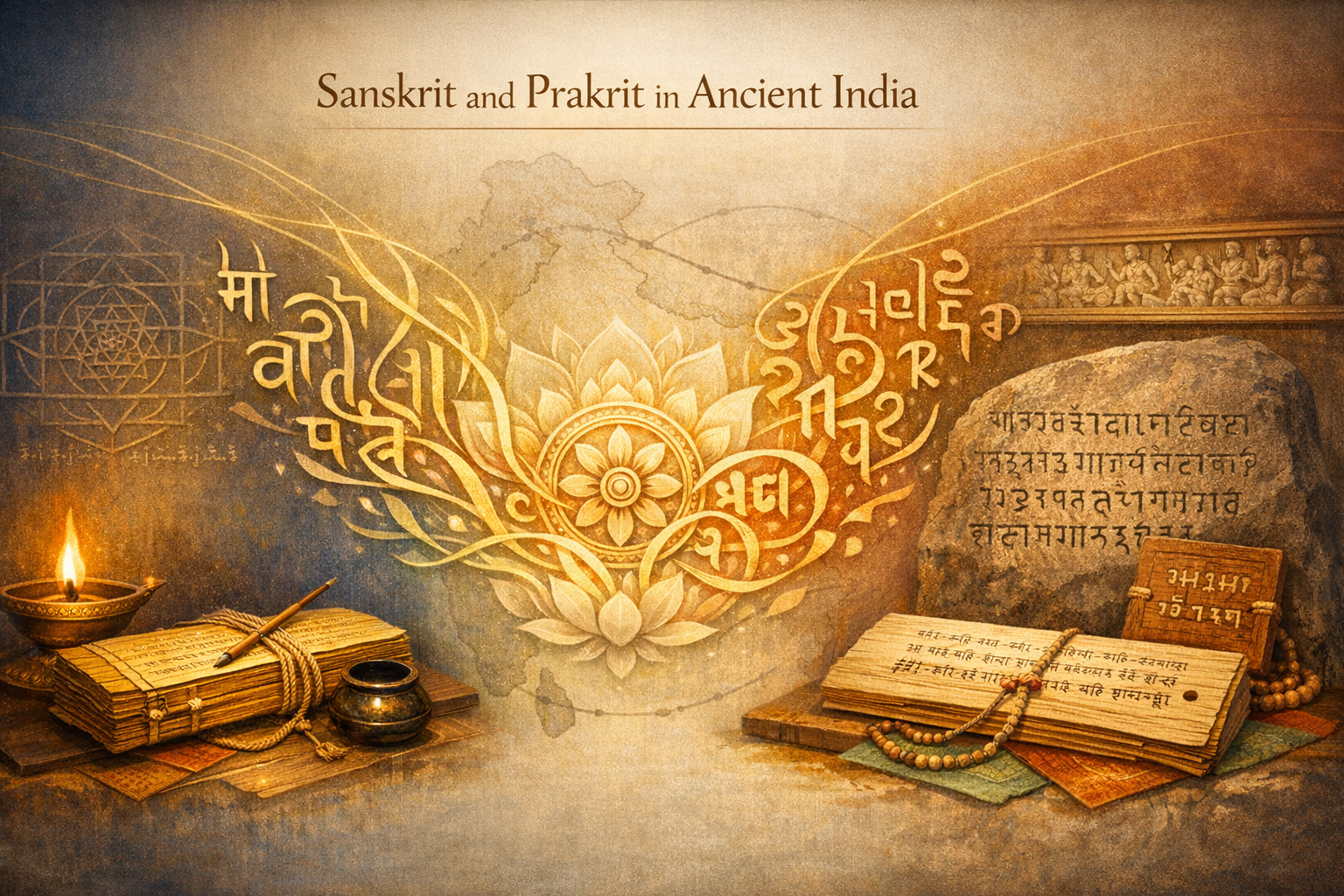
Sanskrit and Prakrit formed a sacred dialogue in Ancient India, shaping ritual, philosophy, drama, and everyday communication across Hinduism, Buddhism, Jainism, and later Sikhism. Rather than rigid opposites, they functioned as complementary registers within a diglossic ecology that prized both precision and accessibility. The article maps their historical development from Old to Middle to New…
-
Millions on VFX, But Where Is Bhakti? Why Modern Ramayana Films Miss Sri Rama’s Soul

Modern Ramayana films often invest heavily in spectacle while missing the devotional and ethical essence associated with Bhagavan Sri Rama. This analysis explains how the Ramayana’s status as itihasa, the Natyashastra’s rasa-bhava science, and the lived grammar of bhakti must inform cinematic craft. It outlines practical methodssadhana-informed acting, Sanskritic dramaturgy, iconographic fidelity, and sound design…
-
Shabda Pramana in Mimamsa: The Timeless Power of Vedic Testimony for Truth and Dharma

Shabdaverbal testimonyholds a privileged place in Mimamsa Darshana, where it functions as a rigorous means of valid knowledge for matters of dharma beyond the reach of perception and inference. By affirming the Vedas as apauruṣeya (authorless), Mimamsa secures scriptural authority through a detailed theory of semantics, sentence meaning, and hermeneutic indicators. The Bhāṭṭa and Prābhākara…
-
Beyond ‘300 Ramayanas’: Valmiki’s Legacy, Rasa Aesthetics, and Dharmic Unity in Retellings
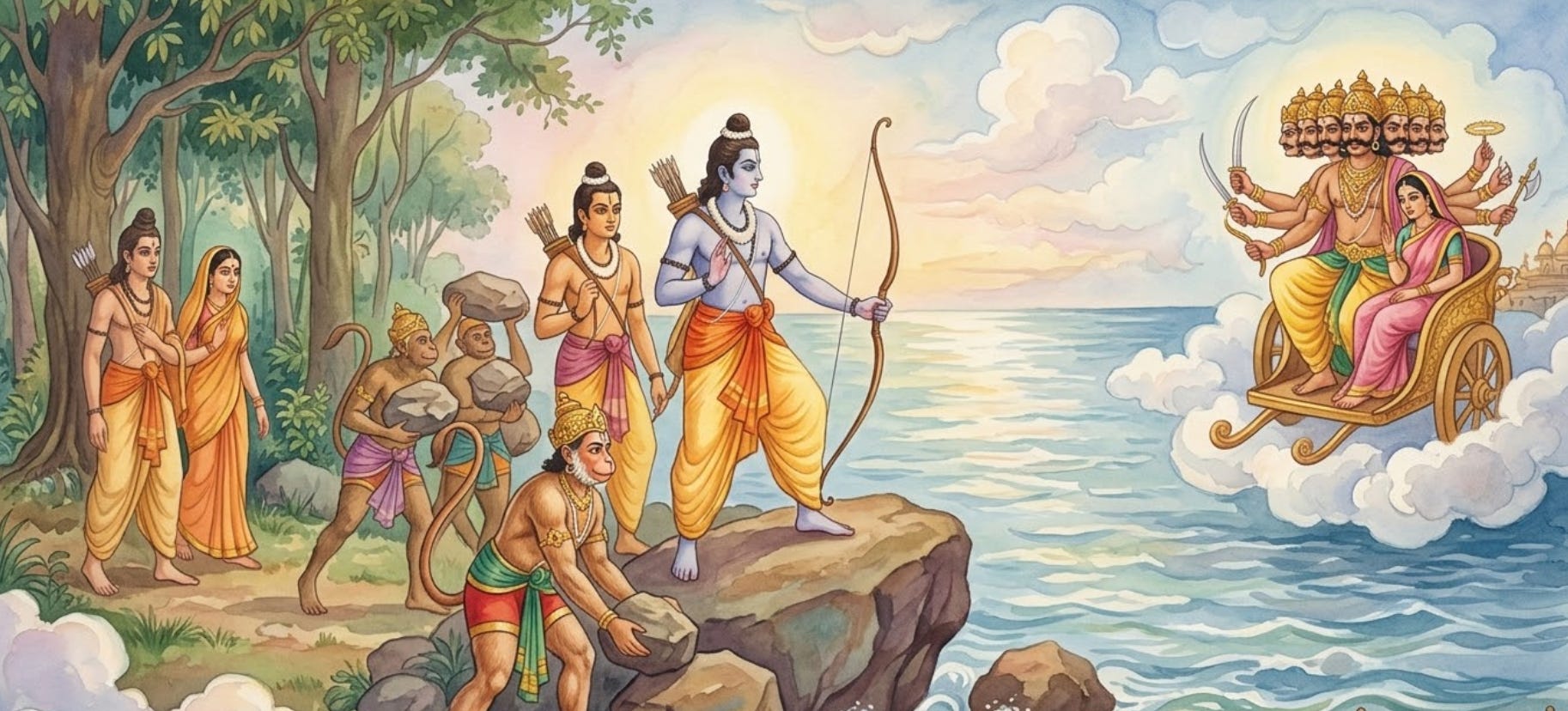
This essay maps the many Rāmāyaṇa traditions while reaffirming the aesthetic primacy of Vālmīki’s Sanskrit epic. It classifies adaptations into four clear streamsdharmic subtraditions, texts attributed to Vālmīki and folk narratives, classical kāvya and drama, and modern ideological readingsso readers can evaluate variations without losing the original’s moral and poetic center. Murāri’s verse and Ānandavardhana’s…
-
Manasollasa Unveiled: A 12th‑Century Masterwork of Indian Statecraft, Arts, and Cuisine
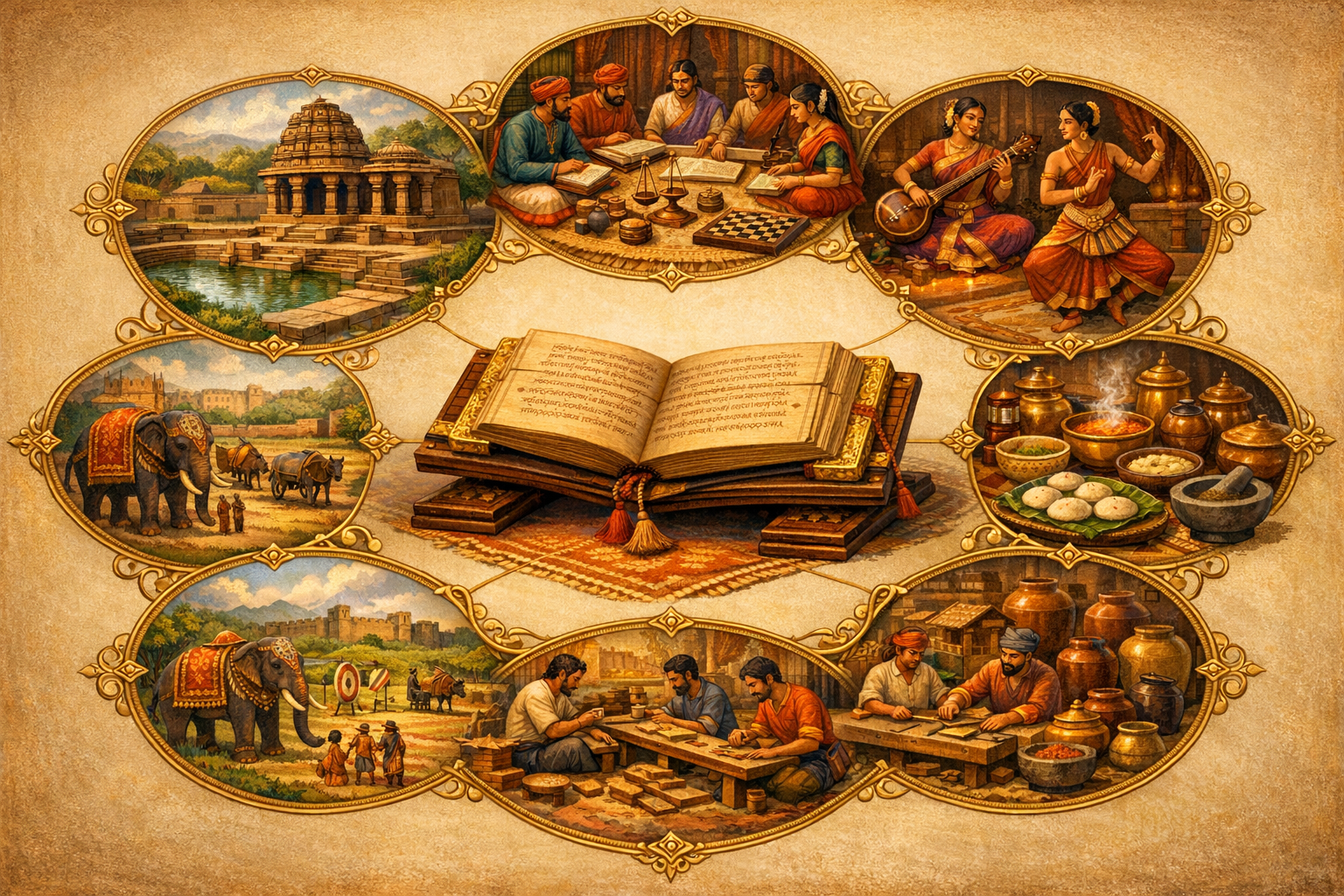
Manasollasa (Abhilashitartha Chintamani) is a 12th‑century Sanskrit encyclopedic treatise by King Someshvara III that integrates statecraft, justice, economy, arts, architecture, music, and culinary science into a single civilizational vision. It details rajadharma, due process, village administration, and fair markets alongside rigorous guidance on hydrology, architecture, and guild regulation. Musicology and dance are situated between Bharata’s…
-
Pallava Mantras in Tantra: Power of Naming, Will, and Karma (Pallav Prayogas Explained)

This in-depth exploration clarifies what a Pallava Mantra is and how Pallav Prayogas personalize a mūla-mantra by ethically inserting a name or intention. It explains the linguistic and phonetic rules that guide such insertions, along with the ritual frameśuddhi, nyāsa, dhyāna, protective sealing, and universal dedication. The discussion foregrounds dharma, ahimsa, and consent, showing why…
-
Ecstatic Love Unveiled: Sri Radha’s Luminous Eyes and Krishna’s Supreme Rasa Alchemy
This concluding essay in a nine-part exploration of Sri Radha’s eyes situates Her gaze within the Gaudiya Vaiṣṇava theology of mahabhāva and Kṛṣṇa’s sovereignty over spiritual rasa. It explains how the classical elements of rasavibhāva, anubhāva, vyabhicāri-bhāvas, and sthāyī-bhāvailluminate the devotional and symbolic power of Rādhā’s eyes. Drawing on Hindu scriptures and devotional poetics, it…
-
Profound Insights from Srimad-Bhagavatam 11.9.15: Avadhuta’s 24 Gurus for Inner Unity
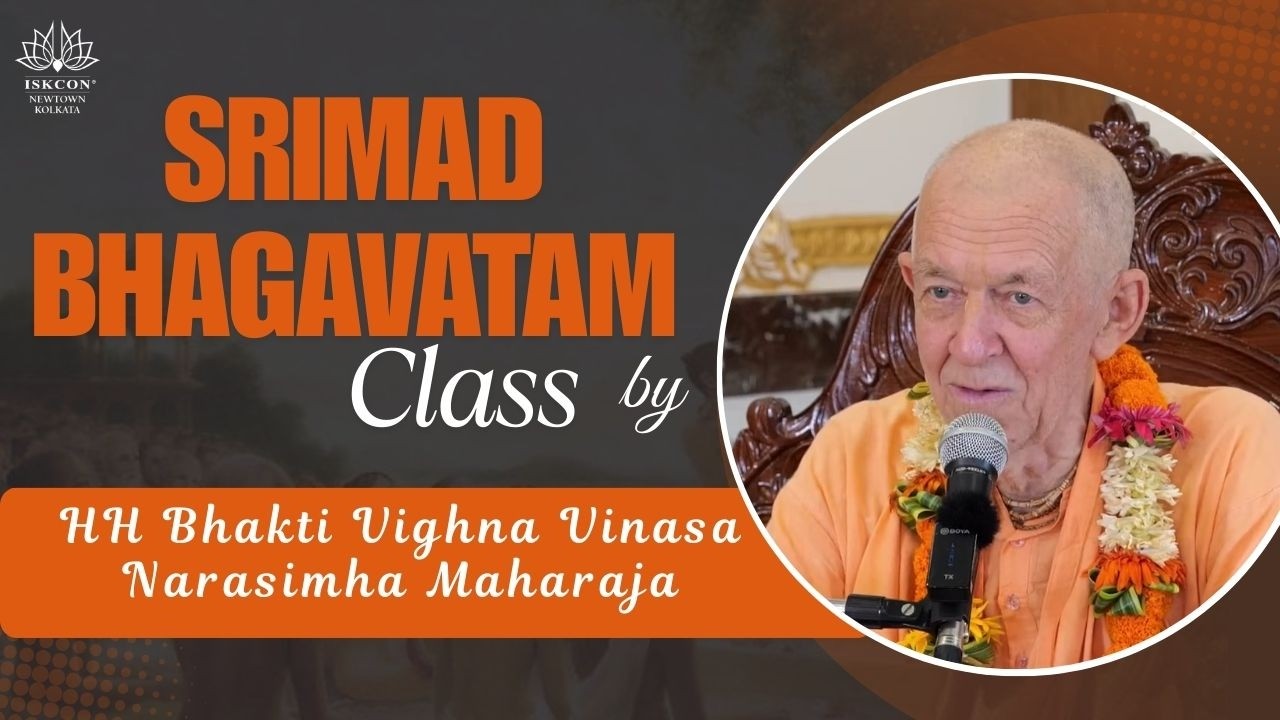
Srimad-Bhagavatam 11.9.15 sits inside the Avadhuta brāhmaṇa’s curriculum of twenty-four teachers, showing how equanimity, detachment, and devotion are cultivated by learning directly from nature and human experience. This analysis, informed by the class of HH Bhakti Vighna Vinasa Narasimha Swami Maharaj, explains the verse’s role in stabilizing attention, refining ethical judgment, and anchoring spiritual practice…
-
Sri Siksastakam Unveiled: How Krishna Sankirtana Cleanses the Heart and Heals Suffering
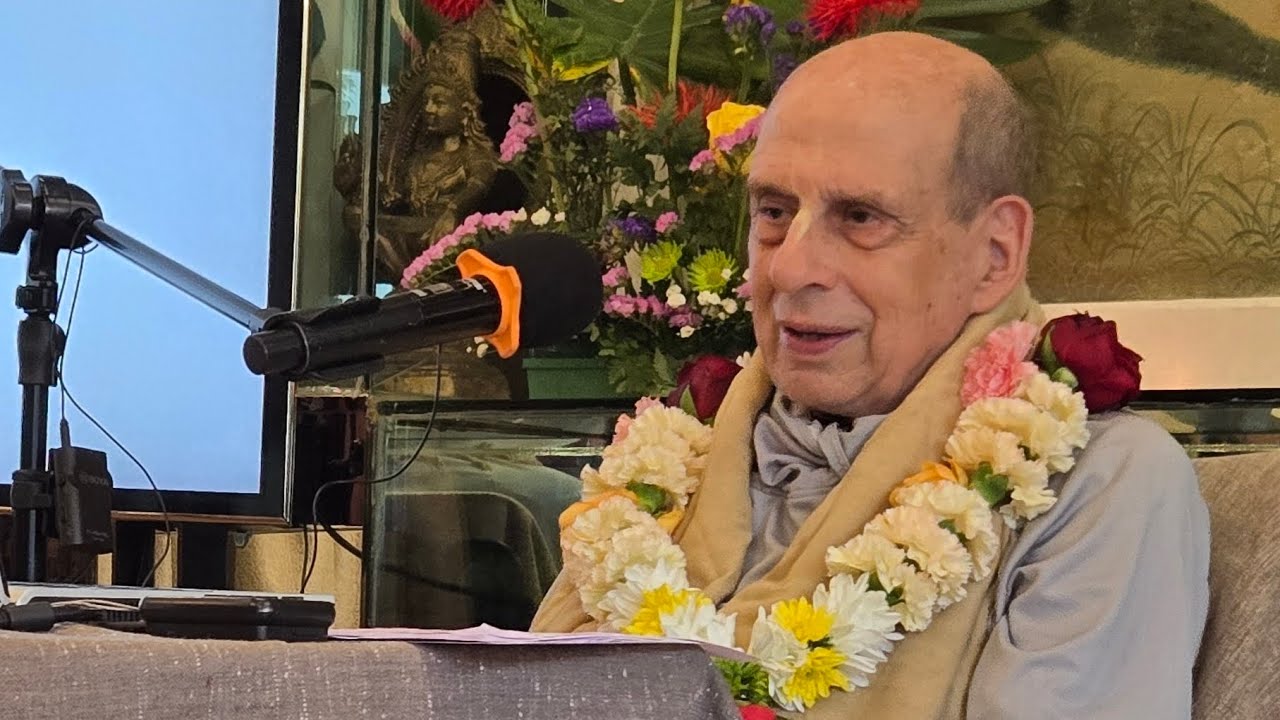
An in-depth ISKCON Hong Kong seminar led by HG Bhurijana Prabhu unpacked the first verse of Sri Siksastakam with philological precision and practical guidance. The discussion mapped the verse’s eightfold arcfrom cleansing the mirror of consciousness to bathing the entire selfshowing how sankirtana systematically heals inner turbulence. By contextualizing Sri Caitanya Mahaprabhu’s theology of the…
-
Astika Mantra from the Mahabharata: Powerful Snake-Bite Protection, Meaning, and Safe Use
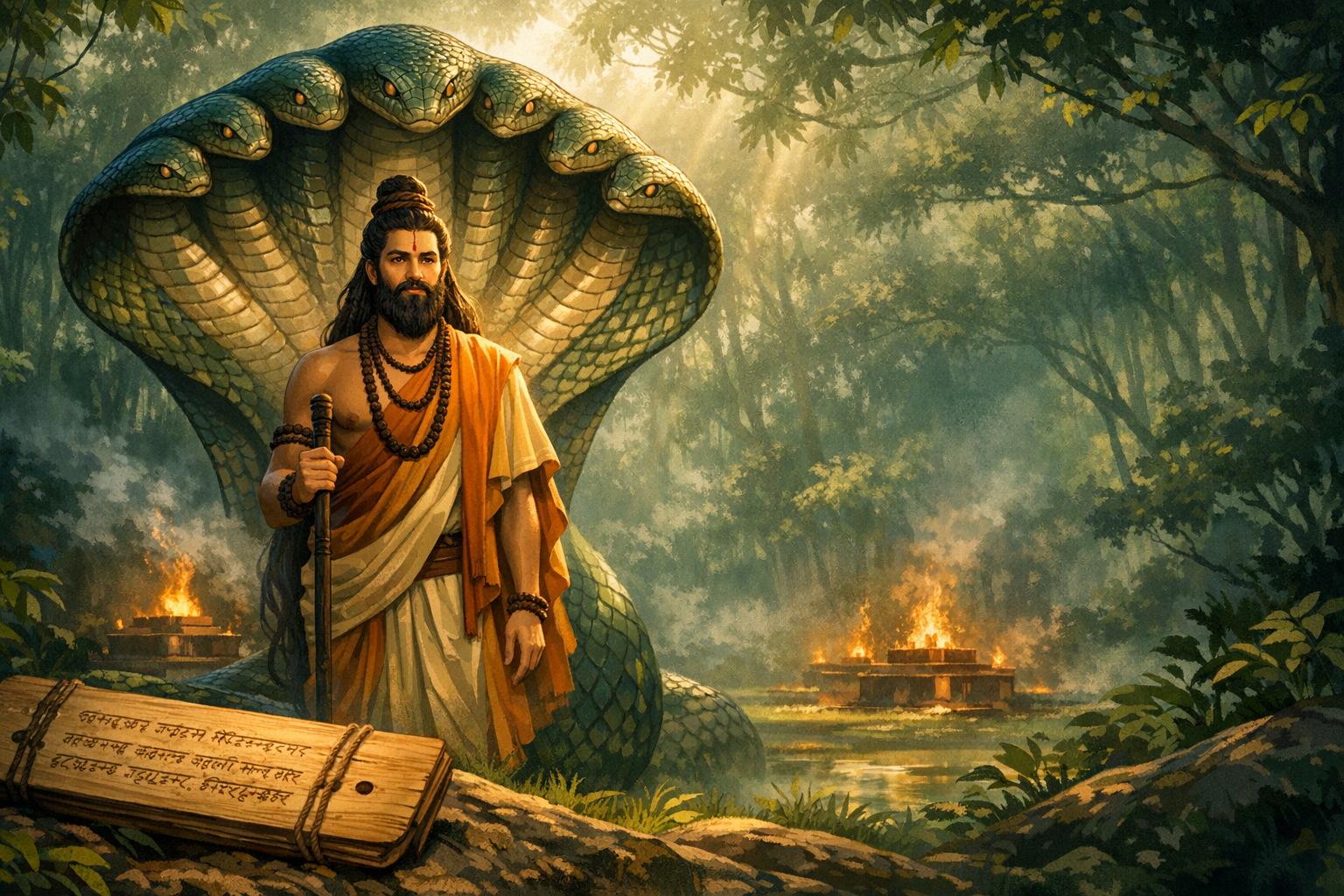
The Astika mantra, preserved in the Mahabharata’s Astika Parva, is a revered protective chant for snake-bite safety that appeals to remembrance, gratitude, and non-violence. By recalling Astikaborn of Jaratkaru and Jaratkaruwho halted King Janamejaya’s sarpa-satra, the mantra respectfully addresses nāgas and requests non-injury. This guide presents the original Sanskrit, accurate transliteration, and a clear, line-by-line…