
-
Vasudhaiva Kutumbakam and Dharma: A Powerful Blueprint for Shared Global Peace

Vasudhaiva Kutumbakam frames global peace as a disciplined practice of shared responsibility rooted in Rta, Dharma, and the ethics of ahimsa and karuna. The essay explains how loka-samgraha in the Bhagavad Gita links personal virtue to social welfare through reciprocal duty. It outlines pluralism across Hinduism, Buddhism, Jainism, and Sikhism as a practical foundation for…
-
Gifting the Shaligram Stone: Profound Punya and the Sacred Dharma Ban on Selling

Dānasacred givingis celebrated across the dharmic traditions, and nowhere is its meaning more vivid than in gifting the Shaligram stone, the Śāligrāma-śilā revered as a svayambhū form of Viṣṇu. Puranic literature associates this act with boundless puṇya while insisting that a Shaligram must never be sold. The prohibition is not mere formality; it preserves the…
-
Bhagavan and Ishvara, One Truth: Why Vishnu and Shiva Bear These Timeless Honorifics

The titles Bhagavan and Ishvara carry precise theological weight in Hindu philosophy without enforcing hierarchy. Bhagavan highlights the plenary, relational fullness of the Divine, while Ishvara emphasizes sovereign lordship and cosmic governance. Scriptures apply both titles across deitiesVishnu is called Ishvara, and Shiva is addressed as Bhagavansignaling complementarity rather than exclusivity. Vedantic schools, Shaiva traditions,…
-
Dharma Unveiled: The Living Code of Virtue Guiding Daily Life Across Dharmic Traditions
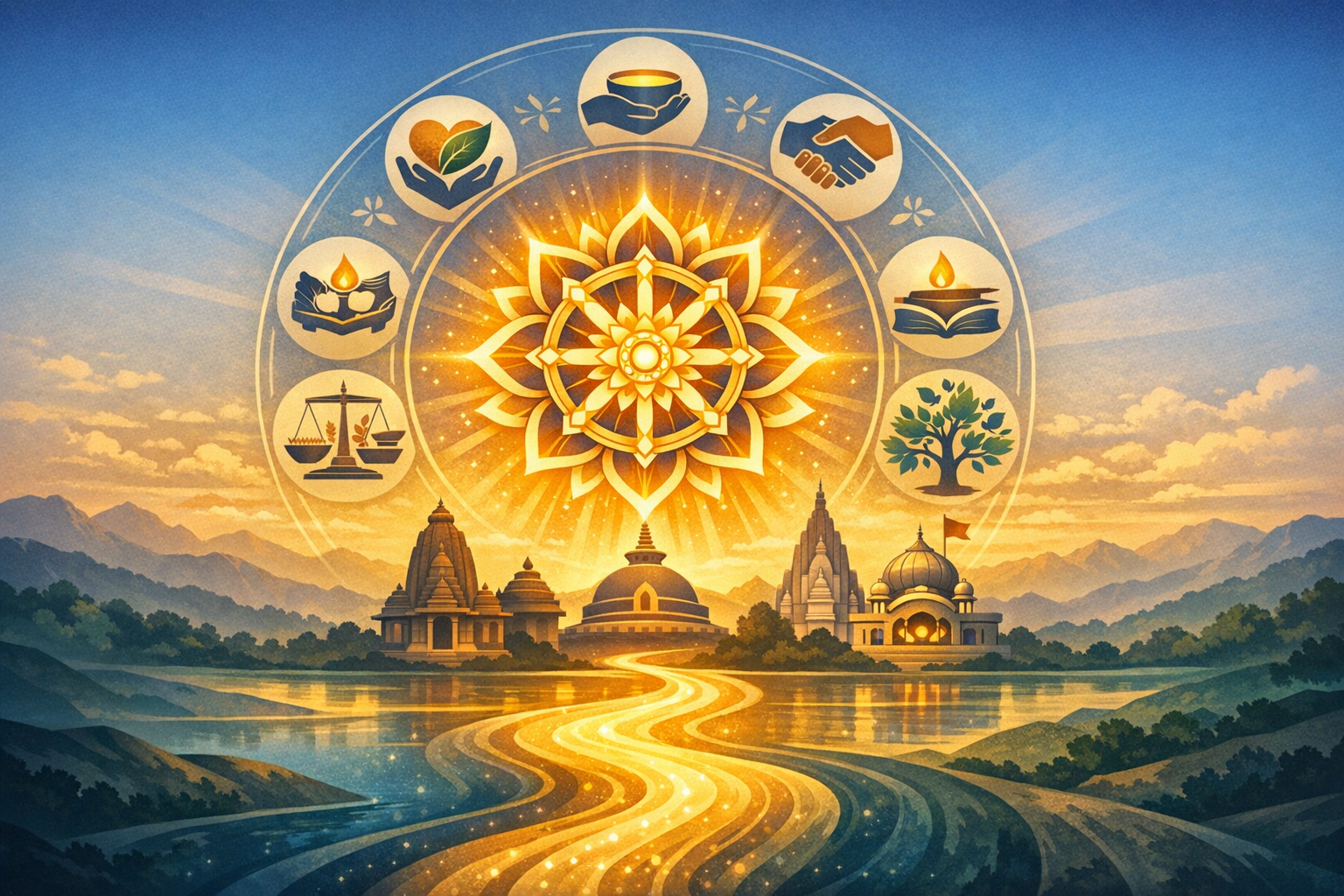
Dharma is presented as a living, context-sensitive code of virtue shared across Hinduism, Buddhism, Jainism, and Sikhism. The article clarifies its scopefrom universal virtues like ahiṃsā and satya to role-specific dutiesand shows how it governs the pursuit of prosperity and well-being without compromising conscience. It draws on classical sources (Dharmashastras, the Bhagavad Gita, Buddhist canons,…
-
Srila Prabhupada in Living Memory: HG Pancharatna Das on Bhakti and ISKCON Sunday Feast (03 May 2026)
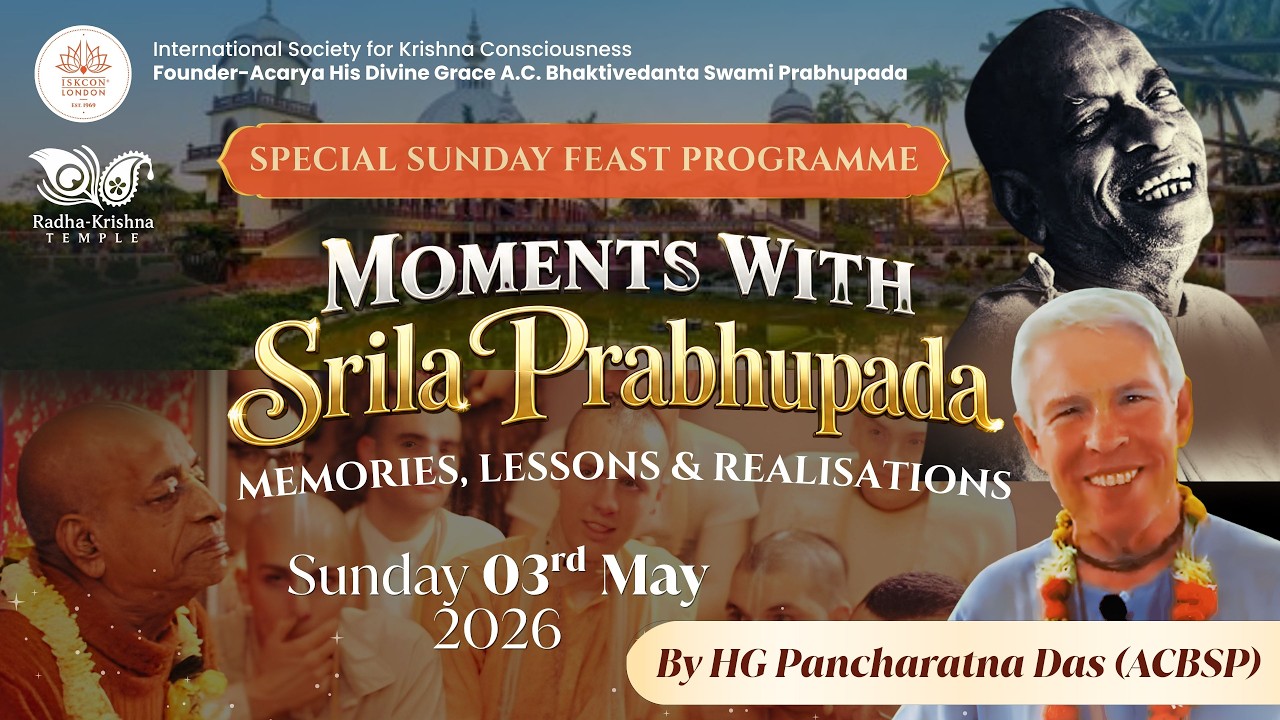
This long-form analysis of “Moments with Srila Prabhupada,” a Sunday Feast talk by HG Pancharatna Das on 03 May 2026, examines how living memory functions as a disciplined pedagogical tool in the Bhakti Tradition. It explains the ISKCON Sunday Feast as a triadic pedagogykirtan, philosophy, and prasadamthat translates scripture into embodied practice. The piece situates…
-
Beyond Abundance: Why Modest Expectations Foster Lasting Happiness in Dharmic Wisdom

Modern abundance has not eliminated dissatisfaction because expectations often outrun reality. Dharmic wisdomHindu, Buddhist, Jain, and Sikhoffers a unifying solution: cultivate santosha (contentment) and aparigraha (non-hoarding) while acting with clarity and purpose. The Bhagavad Gita’s karma-yoga and the Yoga Sutra’s abhyāsa–vairāgya framework train steadiness without suppressing healthy ambition. Contemporary psychology aligns with these teachings: lower,…
-
Beyond Ashes: Dharmic Wisdom on Death, Rebirth, and Why Restraint Sustains Our World

Modern discourse often assumes that death ends consciousness. Dharmic traditionsHinduism, Buddhism, Jainism, and Sikhismoffer a rigorous alternative: the body returns to elements while awareness continues in accordance with karma. This article explains the classical Vedic framework (sthula, sukshma, and karana sharira), unpacks the memorable triad of the body’s material endstool, ashes, or earthand situates it…
-
Faith, Judiciary, and ‘Double Standards’: Sanatan Sanstha on a former CJI’s visit to a saint
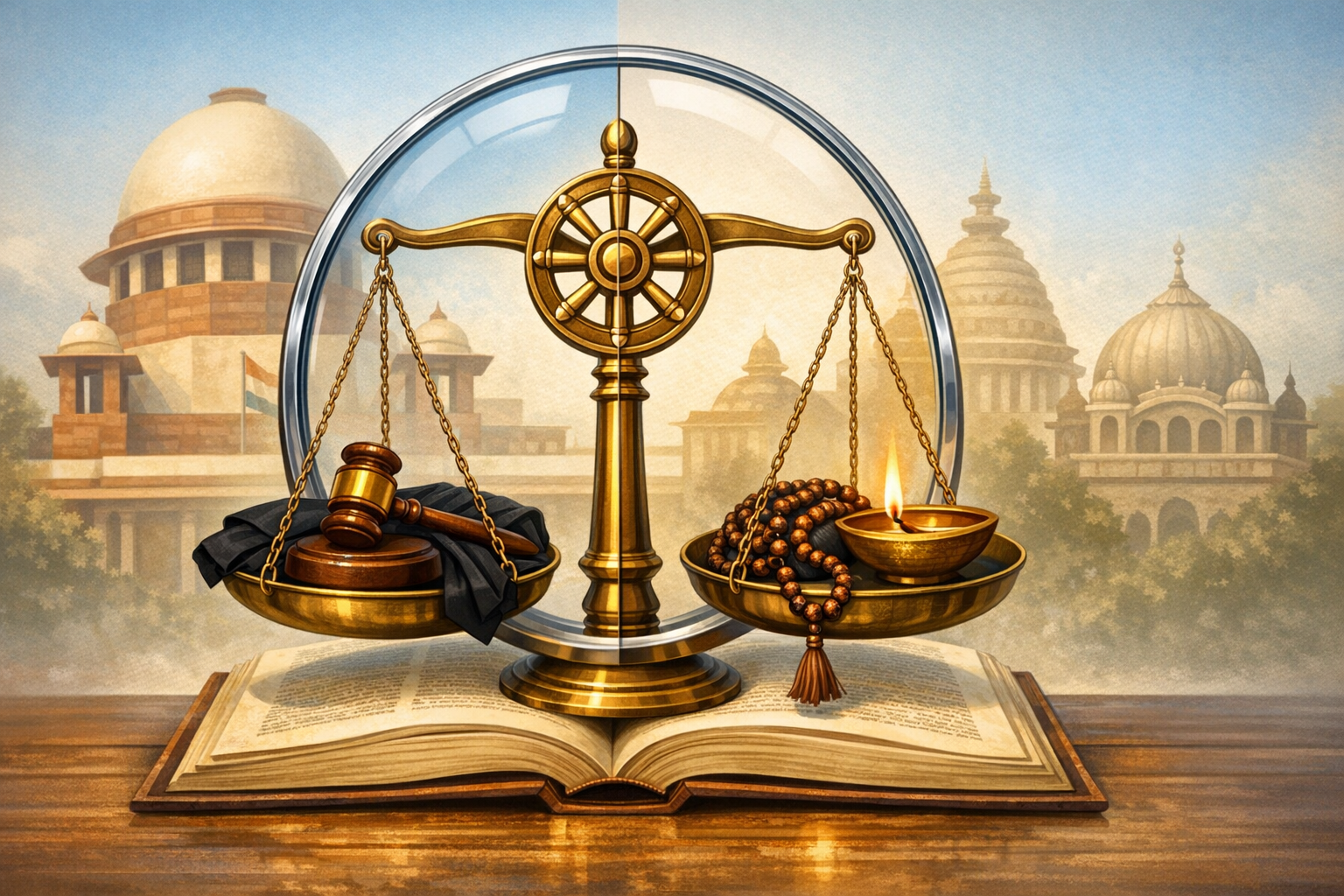
A spokesperson for Sanatan Sanstha, Shri. Abhay Vartak, objected to Shyam Manav’s remarks on a former Chief Justice of India’s visit to a Hindu saint, framing the criticism as ‘double standards.’ This analysis clarifies how constitutional secularism in India protects personal faith while demanding institutional integrity. It explains why ethical yardstickslike appearance of bias or…
-
Fierce Compassion on Narasimha Caturdashi: Dharma’s Triumph, Prahlada’s Faith, Rituals and Meaning
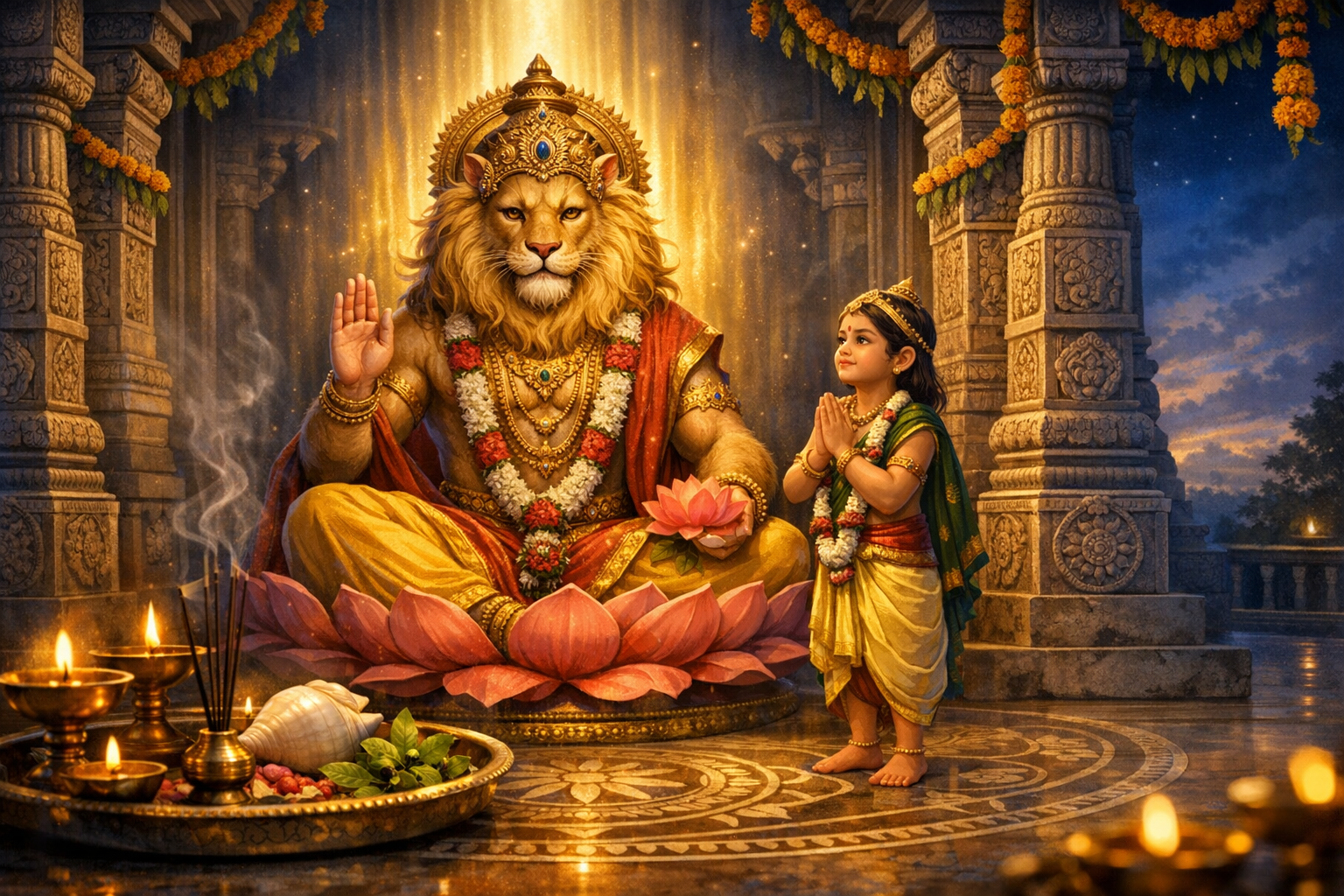
Narasimha Caturdashi (Narasimha Jayanti) commemorates the man-lion avatara of Vishnu who restores dharma while protecting steadfast devotees, as outlined in the Bhagavad-gita’s verses on divine intervention. The Prahlada narrative from the Bhagavata Purana illustrates unwavering bhakti in the face of authoritarian suppression, framed not as sectarian conflict but as a timeless lesson in ethical resilience.…
-
Bhagavan Alone Is Real: Timeless Vedanta, Living Bhakti, and the Joy of Dharmic Unity

This article unpacks the aphorism “Know that Bhagavan alone is real. Nothing else matters” through the lenses of the Upanishads, Bhagavad Gita, and major Vedanta schools (Advaita, Vishishtadvaita, Dvaita). It clarifies Bhagavan as the sat-chit-ananda ground of being and explains why the phrase does not deny ethical life but re-centers it in the Real. Readers…
-
Finding Shelter in True Identity: A Transformative Dharmic Path for Diaspora Unity and Service

Lord Chaitanya’s callrealize life and serve the worldoffers a rigorous, universal ethic for the Indian diaspora and beyond. This analysis defines “true identity” through Vedanta’s ātman, deepens it with Gaudiya Vaishnava notions of āśraya and sharaṇāgati, and shows how bhakti stabilizes a service-first life. It highlights natural harmony among Hinduism, Buddhism, Jainism, and Sikhism, emphasizing…
-
Many Paths, One Dharma: How the Ramayana Maps Righteous Action Across Conflicting Duties

This long-form, scholarly exploration reads the Ramayana as a rigorous map of dharma where competing duties are weighed rather than simplified. It clarifies crucial categoriessādhāraṇa-dharma, svadharma, āpad-dharma, maryādā, and rājadharmaand shows how they animate choices made by Rāma, Sītā, Bharata, Lakṣmaṇa, Hanumān, Vibhīṣaṇa, and others. Multiple retellings (Valmiki, Kamban, Tulsidas, Adhyatma Ramayana, Jain Paumachariya) are…
-
Purva Linga and Achala Shivlings: Uncreated Symbols of Shiva’s Eternal Presence

This article explains why the Purva Linga is counted among the Achala Shivlings in Shaivism and how it epitomizes an uncreated, immovable presence of Shiva. It clarifies the philology of “pūrva” and the aniconic meaning of the Shivalinga, linking these ideas to Lingodbhava and Maha Shivaratri. Readers learn how temple architecture, Abhishekam, and daily puja…
-
Kalachakra in Hindu Tantra: Decoding the Wheel of Time, Consciousness, and Dharmic Unity
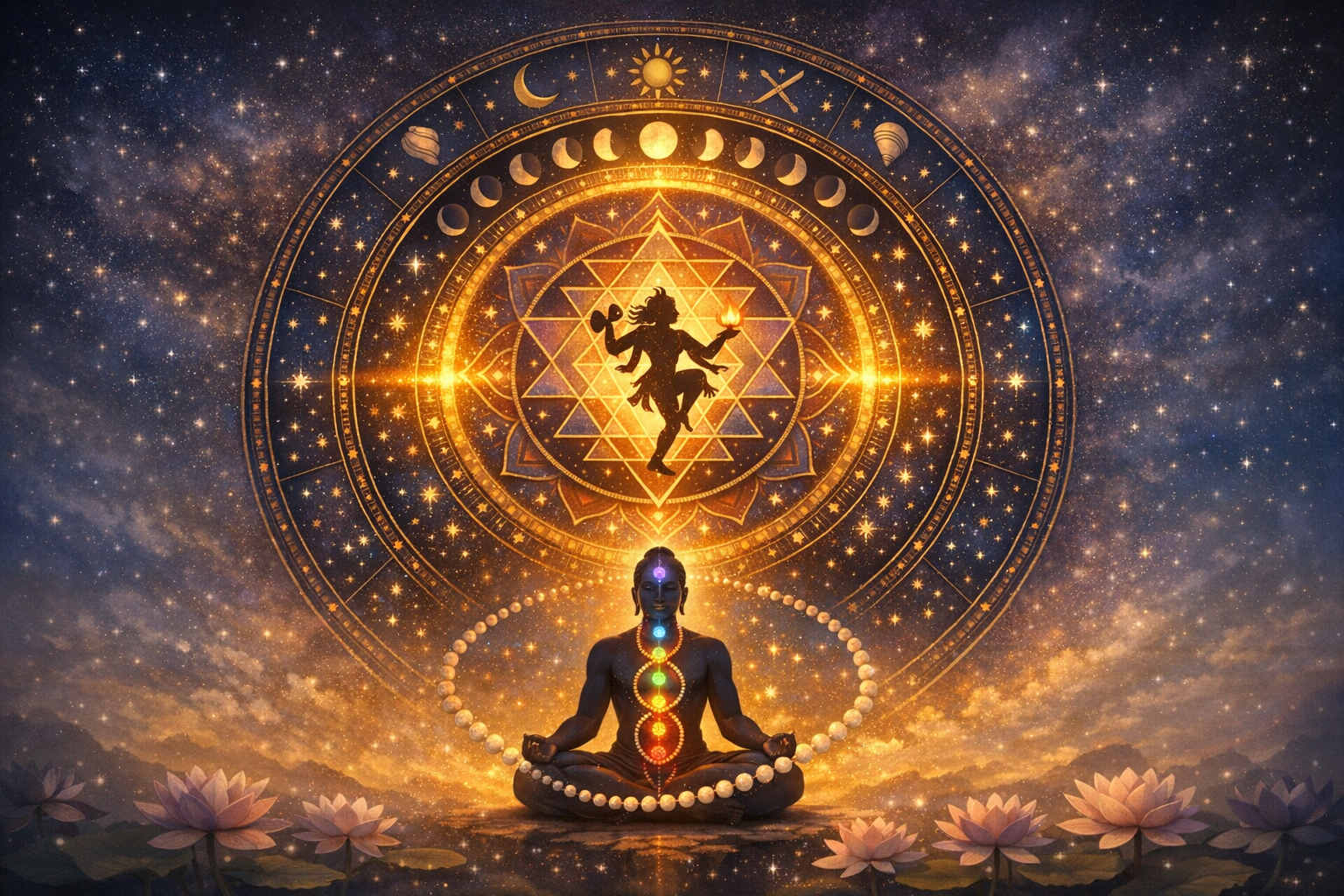
Kalachakra in Hindu Tantra presents time as a living cycle that unifies microcosm and macrocosm, offering a precise path to the timeless ground of awareness. Drawing on the Maitri Upanishad and the Bhagavad Gita, it treats time as both measurable rhythm and doorway to the Akāla, the unconditioned. The framework integrates Vedic cosmology, pañcāṅga timing,…
-
Krishna as the Highest Pleasure: Evidence-Based Insights and Dharmic Practices for Joy

The name Krishna is traditionally associated with paramānandathe highest pleasurelinking sacred sound to a complete philosophy of enduring happiness. Drawing on the Upaniṣads, the Bhagavad Gita, and the Bhagavata Purana, this analysis explains how fleeting, sense-based sukha differs from stable spiritual joy, and why cultivating a “higher taste” transforms desire rather than suppresses it. Navadha-bhakti,…
-
Why Hinduism Has No Commandments: Dharma’s Liberating, Context-Sensitive Ethics

Hinduism’s ethical core is not a fixed list of commandments but the dynamic, context‑sensitive framework of dharma. Drawing on the Vedas, Upanishads, the Bhagavad Gita, and the Dharmashastra tradition, it integrates personal virtue, social responsibility, and a vision of the highest good. This article explains sadharana and vishesha dharma, Mimamsa hermeneutics, and yogic disciplines such…
-
Krishnavataram Trailer Unveiled at Krishna Janmabhoomi: Sacred Cinema That Unites Devotion

The Krishnavataram trailer launch at Krishna Janmabhoomi evolved from a routine release into a living act of devotion, as chants and darshan-oriented gathering reshaped it into a sacred public moment. Set within Mathura’s revered temple ecology, the event demonstrated how mythological cinema can align with Sanatana Dharma’s values when framed by reverence and protocol. It…
-
Indratva vs Nidratva: Kumbhakarna’s Boon, Ambition, and the Lost Science of Balance

Kumbhakarna’s story in the Ramayana, often reduced to a trope of excess, encodes a precise philosophy of balance through the dialectic of Indratva (unbounded agency) and Nidratva (overpowering inertia). Read across Valmiki and later retellings, the episode becomes a systems lesson in regulating rajas and tamas under sattva’s guidance. The analysis connects dharmic psychology with…
-
Bhadrachalam Sthala Puranam: Sacred Legends, Living Devotion at Sita Ramachandra Swamy
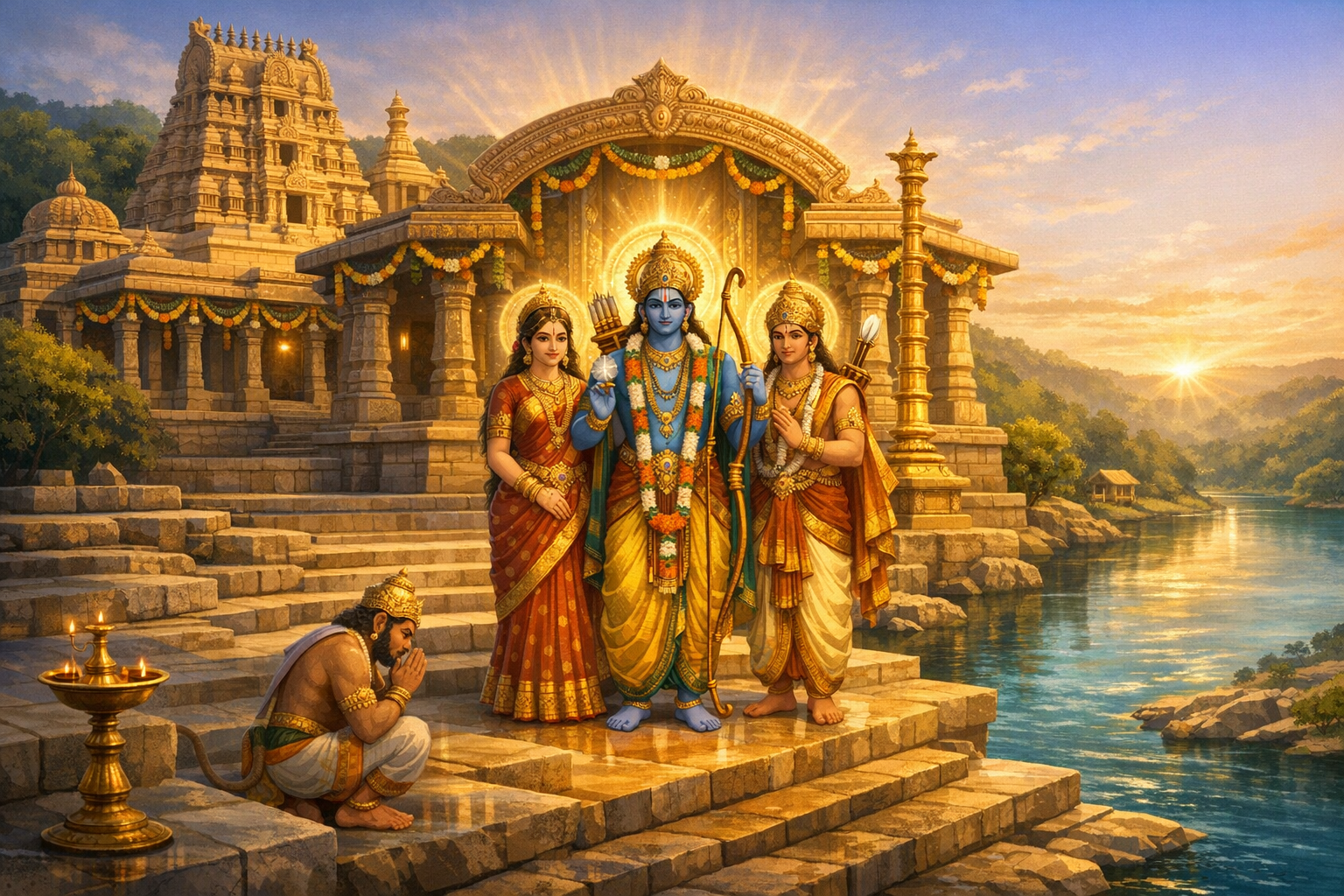
Set on the banks of the Godavari, the Bhadrachalam Sita Ramachandra Swamy Temple embodies a living synthesis of Valmiki’s Ramayana, sacred geography, and historical tradition. Its Sthala Puranam links Ayodhya’s epic events to the forests of Dandakaranya, where Sri Rama, Seetha, and Lakshmana are venerated in the unique Vaikuntha Rama iconography. The kshetra’s renaissance under…
-
Akshaya Tritiya: Sacred Charity, Timeless Seva, and Dharmic Unity Across Traditions

Akshaya TritiyaVaishakha Shukla Tritiyacelebrates inexhaustible merit through charity, seva, and study across the Dharmic traditions of Hinduism, Buddhism, Jainism, and Sikhism. This guide explains the festival’s astronomical timing, its standing as a Sade-Teen Muhurat, and its plural mythic associations, including Parashurama Jayanti and the Mahabharata’s transcription. Readers gain a practical ritual grammar and a dana-first…