
-
Prasadam’s Transformative Grace: Gaudiya Insights on CC Madhya 14.36 for Daily Life and Unity
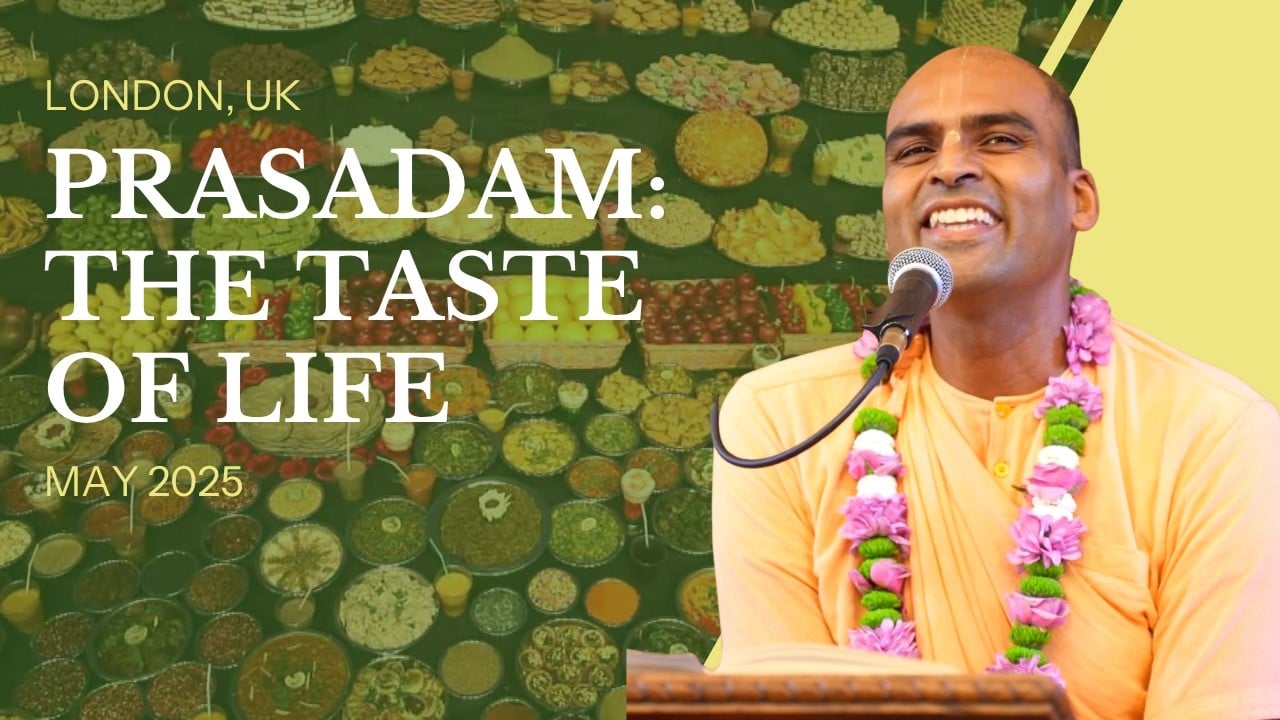
This in-depth exploration of prasadam situates sanctified food within Gaudiya Vaishnava theology, anchored in CC Madhya 14.36 and the example of King Prataparudra. Readers gain a clear understanding of how offering transforms nourishment into a daily practice of grace, supported by Bhagavad Gita principles and Gaudiya ritual steps. The piece outlines a practical five-step home…
-
Unveiling the Serpent Divine: Rigorous Comparison of Hindu Nagas and Ancient Greece’s Glycon

Serpent deities crystallize a universal human intuition about healing, protection, and moral order. This rigorous, evidence-based comparison places Hindu Nagasplural, ecologically integrated, and cosmologically centralalongside the Greco-Roman Glycon, a historically bounded healing and oracular cult. Drawing on the Mahabharata, Puranas, and living festivals such as Naga Panchami and Nagula Chavithi, it shows how Nagas unify…
-
From Denial to Discernment: Unmasking Prejudice with Hindu, Buddhist, Jain, Sikh Wisdom
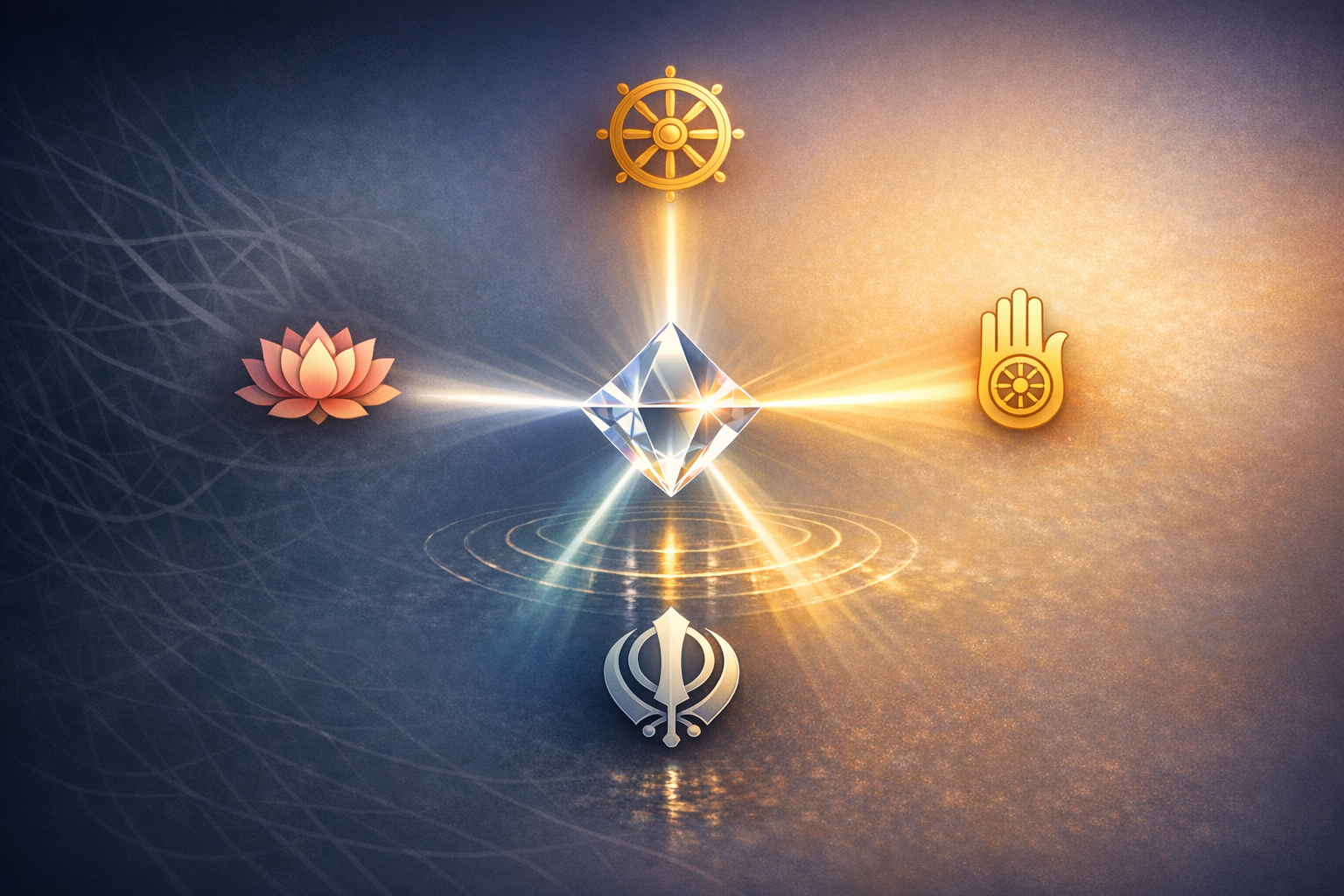
Prejudice often hides behind the confident refrain, “Who, me? Never!”a denial that blocks learning. This essay unpacks prejudice with clear definitions from social psychology and aligns them with dharmic analyses of avidya, kleshas, and papañca. Drawing on Srila Bhaktivinoda Thakura’s warning against party-spirit, it offers a practical roadmap to move from self-satisfaction to viveka-driven discernment.…
-
Amrit Sanchar in Tohana: A Transformative Khalsa Initiation at ‘Prabh Milnae Ka Chao’
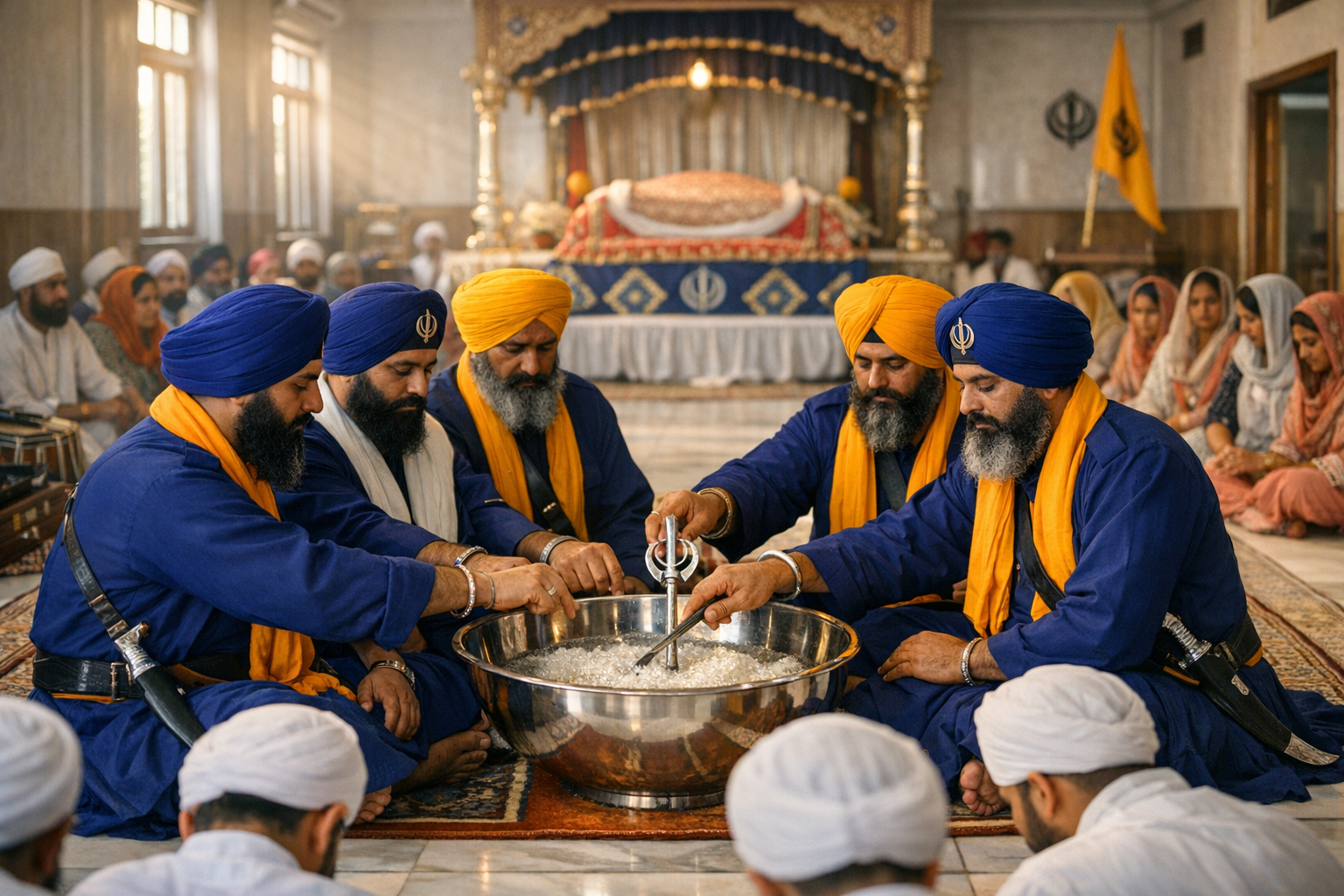
Held in Tohana under the devotional theme “Prabh Milnae Ka Chao,” this detailed analysis explains how Amrit SancharSikhism’s Khalsa initiationcombines precise ritual, ethical rigor, and communal service. It outlines the ceremony’s canonical steps (Panj Piare, preparation of Amrit, five banis), the Five Ks and daily Nitnem discipline, and the social ethic of Sarbat da Bhala…
-
Washington’s Moral Authority in 2026: The Constitution as a Dharmic, Pluralist Compass

Washington’s moral authority in 2026 should be anchored in the U.S. Constitution understood as a moral covenant rooted in popular sovereignty, natural law, and inalienable rights. Treating separation of powers, checks and balances, and federalism as ethical constraints on power safeguards liberty while enabling responsive governance. The piece offers a practical constitutional impact protocolrights risk…
-
The Lantern of Dayā: Uniting Dharmic Traditions through Compassion, Ahimsa, and Seva
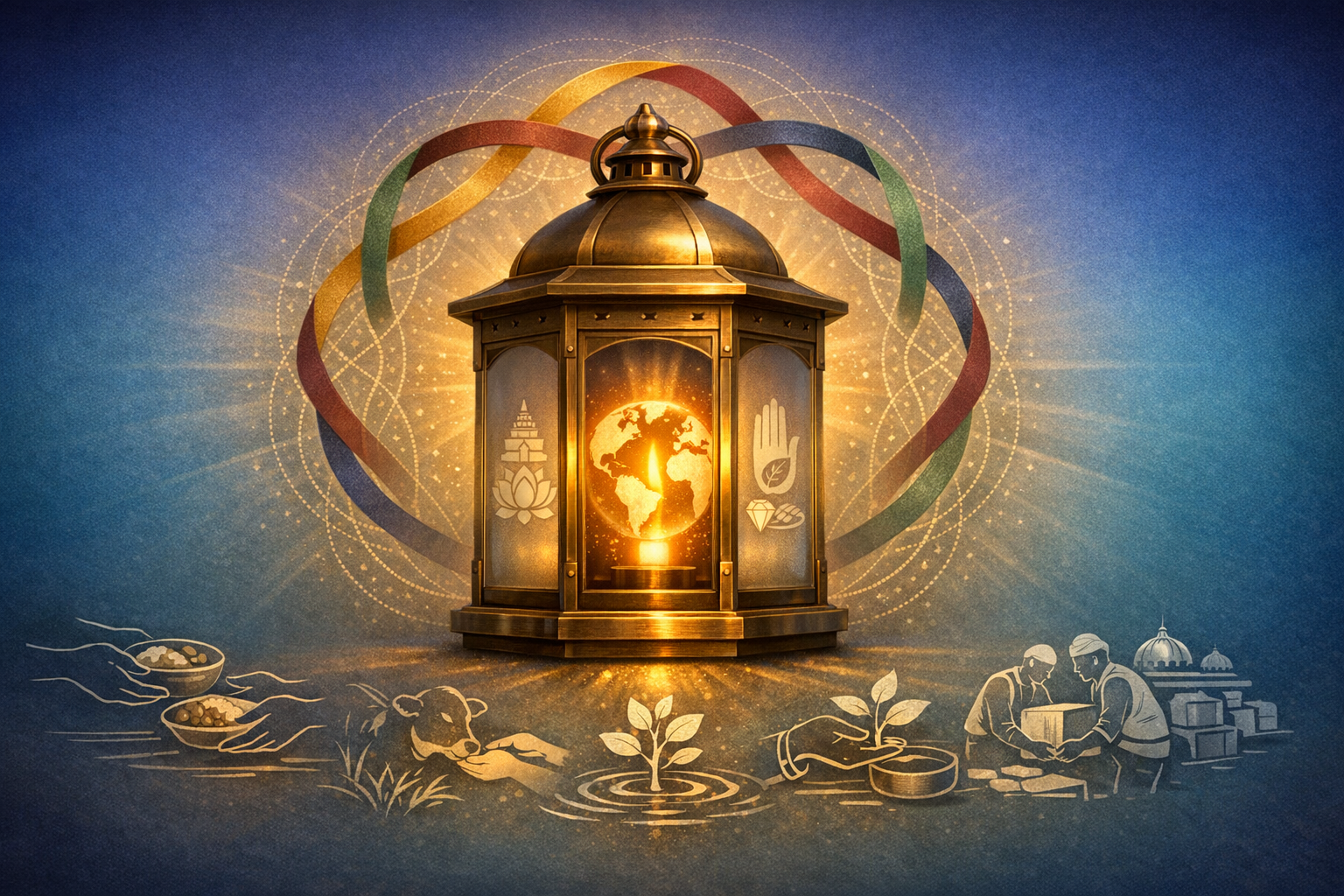
The Lantern of Dayā advances a clear, comparative framework for compassion that unites Hinduism, Buddhism, Jainism, and Sikhism without erasing their distinct identities. It traces how dayā/karuṇā functions as disciplined practice, social ethic, and policy-relevant principle rooted in Dharma, Ahimsa, Anekantavada, and Seva. Readers gain a rigorous yet accessible mapping across texts and institutionsfrom Yoga…
-
Timeless Grace Beyond Scholarship: Women’s Devotional Intelligence Unifying Dharmic Traditions
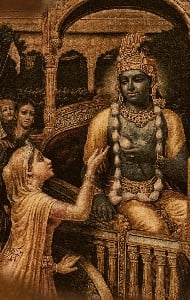
This essay reframes spiritual intelligence through a Dharmic lens, showing how sincerity of purposeexpressed through bhakti, seva, and ethical disciplineelicits transformative results more reliably than scholastic display alone. It grounds this claim in Indian epistemology (pramana), the Bhagavad Gita, and parallel concepts in Buddhism, Jainism, and Sikhism. Historical exemplarsfrom Gargi and Maitreyi to Andal, Mirabai,…
-
The Eloquence of Silence: Sant Kabir’s Science of Inner Stillness and Dharmic Unity

This essay examines Sant Kabir’s teaching that inner stillness is the highest eloquence, situating his insight within the shared dharmic heritage of Hinduism, Buddhism, Jainism, Sikhism, and Sufism. It explains how silence functions not as withdrawal but as a precise method for clarifying perception, aligning ethics, and deepening compassion. Readers learn a stepwise contemplative progressionfrom…
-
Shroud of Turin DNA and the ‘Indian Jesus’ Meme: History, Evidence, and Dharmic Unity

A viral ‘Indian Jesus’ meme has reignited debate about the Shroud of Turin and the possibility of Indo-Mediterranean links. This analysis clarifies what the 2015 mitochondrial DNA study actually foundheterogeneous contact with many populationswhile noting the 1988 radiocarbon dating that points to a medieval linen. Legends placing Jesus in India remain unsubstantiated, yet they reflect…
-
Shabda Pramana in Mimamsa: The Timeless Power of Vedic Testimony for Truth and Dharma

Shabdaverbal testimonyholds a privileged place in Mimamsa Darshana, where it functions as a rigorous means of valid knowledge for matters of dharma beyond the reach of perception and inference. By affirming the Vedas as apauruṣeya (authorless), Mimamsa secures scriptural authority through a detailed theory of semantics, sentence meaning, and hermeneutic indicators. The Bhāṭṭa and Prābhākara…
-
Show the Path, Not Carry the Burden: Empowering Dharmic Wisdom for Inner Freedom

Across Hinduism, Buddhism, Jainism, and Sikhism, a unifying principle prevails: sages can show the path, but seekers must walk it. The essay grounds this ethic in the Bhagavad Gita, Upanishads, Dhammapada, Jain Tattvartha-sutra, and Sikh teachings, explaining how grace, community, and guidance support but never replace personal agency. Technical concepts such as svadharma, adhikara-bheda, abhyasa–vairagya,…
-
From Atheism to Bhakti: How Srila Prabhupada Guided Visakha Devi Dasi Toward Lasting Fulfillment
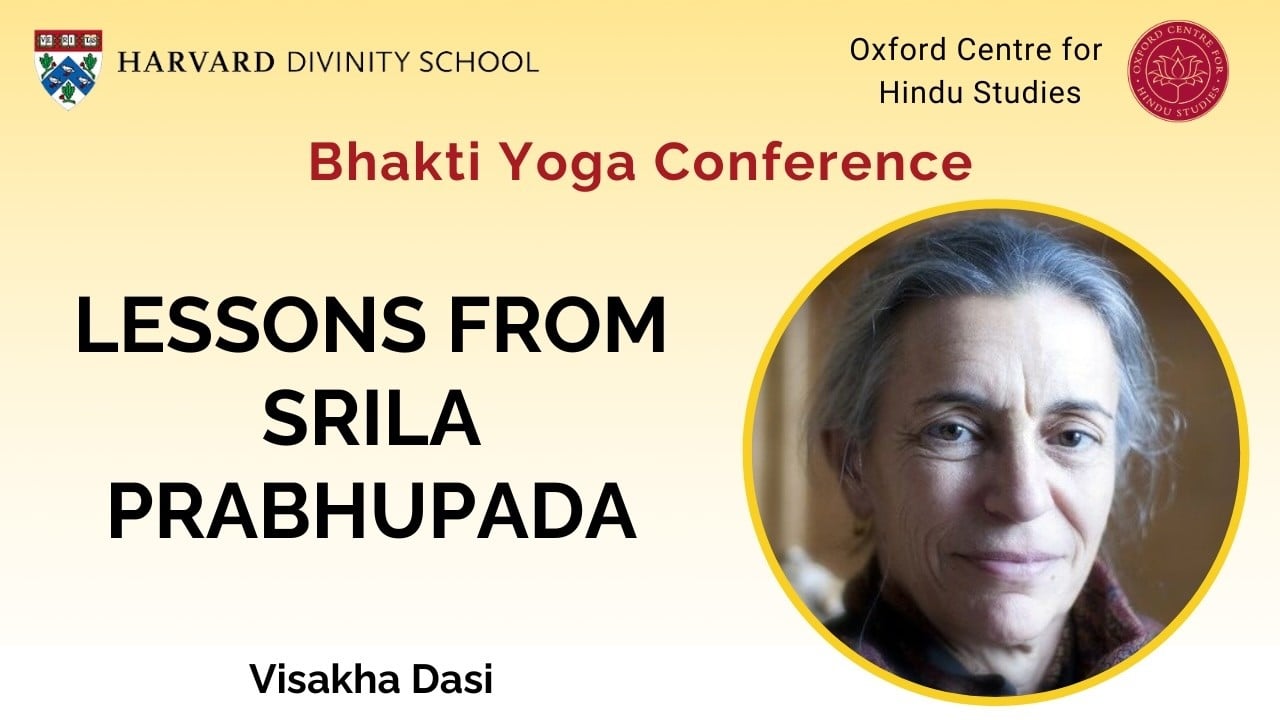
This long-form analysis traces Visakha Devi Dasi’s movement from atheism to Bhakti Yoga through Srila Prabhupada’s guidance, situating her experience within Vedic philosophy and contemporary inquiry. It explains how structured practiceschanting, study, seva, and communityoffer a replicable methodology for lasting fulfillment. The discussion clarifies the ninefold processes of bhakti, the epistemic role of the Guru-Shishya…
-
Mani Shankar Aiyar’s temple remarks rekindle debate on Indian secularism and Dharmic pluralism

Reported remarks by Mani Shankar Aiyar about not relating to Hindu Dharma and seeing no divinity in temple icons have sparked debate about Indian secularism in a Dharmic society. This analysis distinguishes personal disbelief from public responsibility, showing how language about sacred symbols can affect social harmony. It explains the philosophical basis of murti-puja, prāṇa-pratiṣṭhā,…
-
Char Dham at a Crossroads: ‘Panchgavya’ at Gangotri and the High‑Stakes Debate on Entry Norms

As Char Dham Yatra 2026 nears, this analysis examines reports that the Gangotri Temple Committee may incorporate ‘Panchgavya’ into reopening rites, while debates on entry norms intensify across the Himalayan corridor. It explains the ritual and symbolic logic of Panchgavya within Hindu practice and outlines modern governance measures for ethical sourcing, hygiene, and ecological safeguards.…
-
Bhagwan Parshvanatha: Life, Four Vows, and the Enduring Legacy of Jainism’s Compassionate Reformer

Bhagwan Parshvanatha, the 23rd Tirthankara, helped shape Jain ethics through a clear fourfold disciplineahimsa, satya, asteya, and aparigrahalater integrated with Mahavira’s expanded code. Born in Varanasi and widely regarded as historical, Parshvanatha’s legacy is visible in sacred sites like Sammed Shikharji and in distinctive serpent-canopied iconography. Texts such as the Kalpa Sūtra and the Uttarādhyayana…
-
Hik Sathi Laddham: The Timeless Companion Uniting Dharmic Wisdom and Sindhi Sufi Song

Anchoring on the Sindhi phrase “Hik Sathi Laddham” (“The Companion”), this essay maps a unifying motif across Hinduism, Buddhism, Jainism, and Sikhism, in dialogue with Sufi song. It clarifies the companion as inner witness and outer guide through Upanishadic sakshi, Buddhist kalyāṇa-mitra, Jain śuddhātman and the Three Jewels, and the Sikh Satguru and Śabad. Readers…
-
Matrisadbhava of Kerala: Authoritative Guide to Shakta Tantra and Bhadrakali (Rurujit)
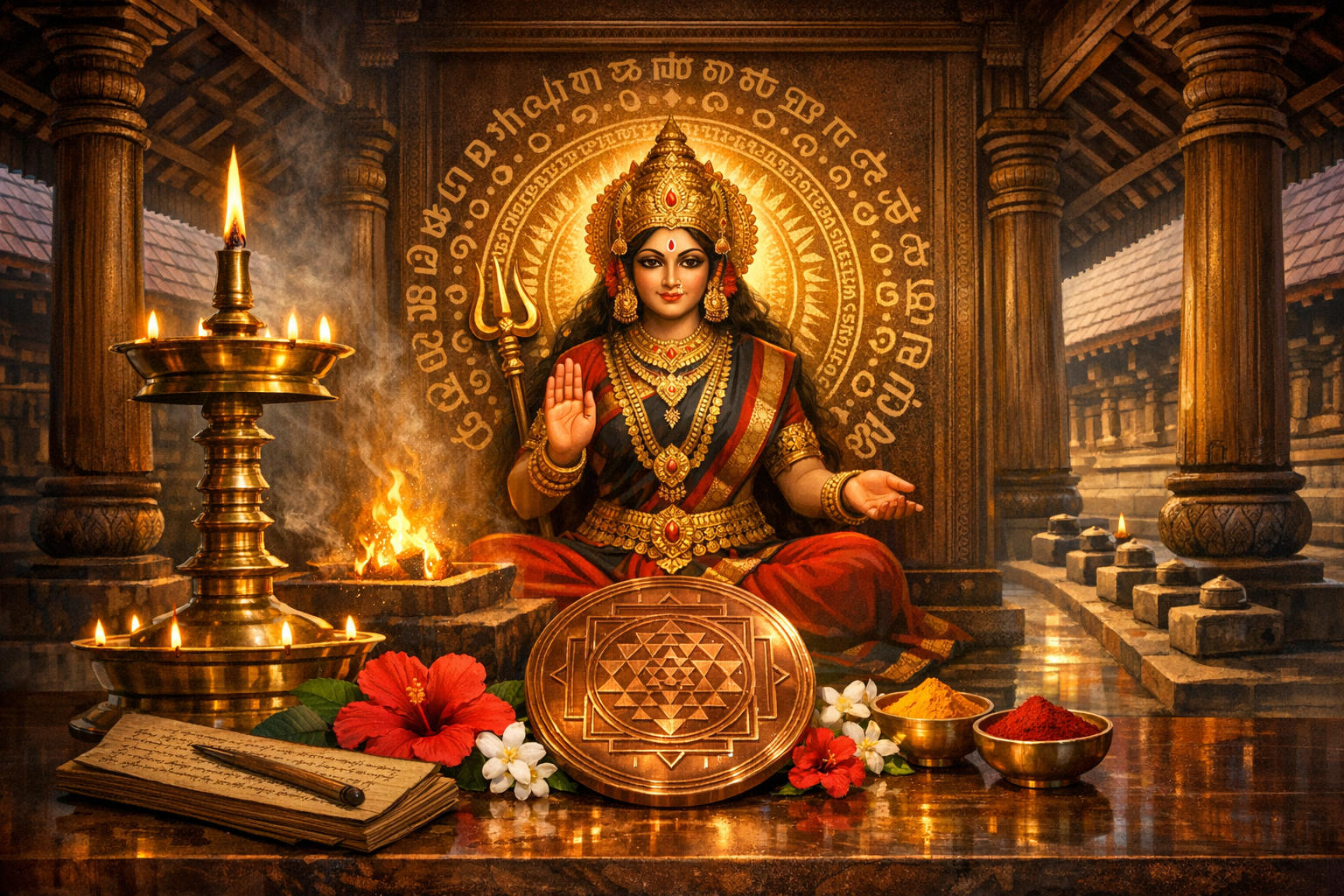
Matrisadbhava stands out in Hindu scriptures as a Kerala-centered Shakta Tantra that systematically encodes the worship of Goddess Bhadrakali, also revered as Rurujit. It unites doctrinal depth with Kerala’s temple pragmaticsnyāsa, mantra, yantra, homa, and baliwhile foregrounding an ethic of care and precision. The text’s maternal vision affirms unity in diversity across Dharmic traditions, highlighting…
-
Decoding ‘Hindu’: Etymology, Vedic Foundations, and the Timeless Unity of Sanatana Dharma
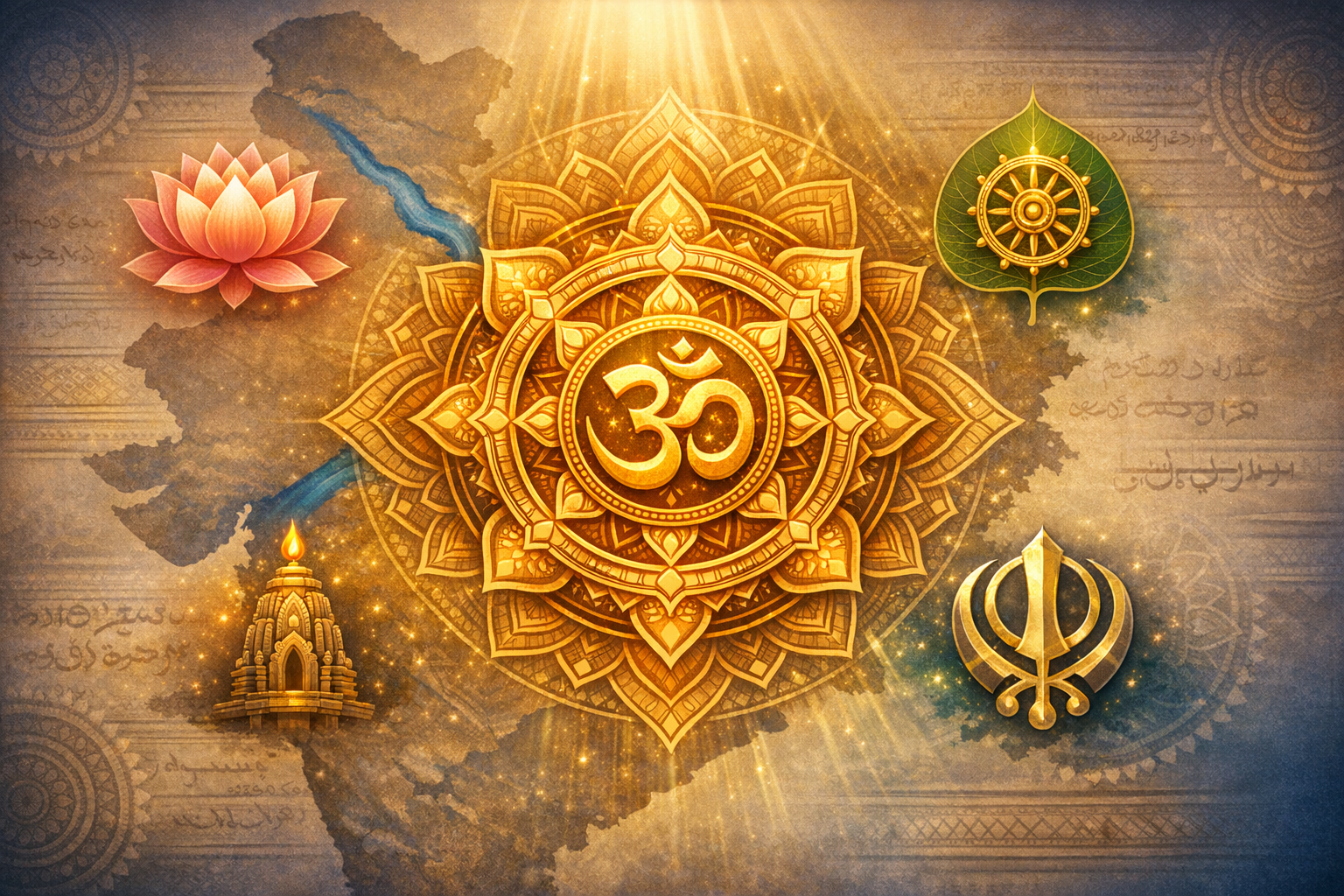
This essay clarifies the relationship between “Hindu,” “Hinduism,” and Sanatana-dharma by tracing the etymology of “Hindu” from Old Persian Hinduš (linked to the Sindhu River) through Greek and Arabic usage to its modern role as a civilizational identifier. It explains why “Hinduism” emerged in colonial discourse as an umbrella for diverse practices, while Sanatana-dharma functions…
-
Guru Nanak on Woman and Grace: A Scholarly Journey through Equality, Nadar, and Naam
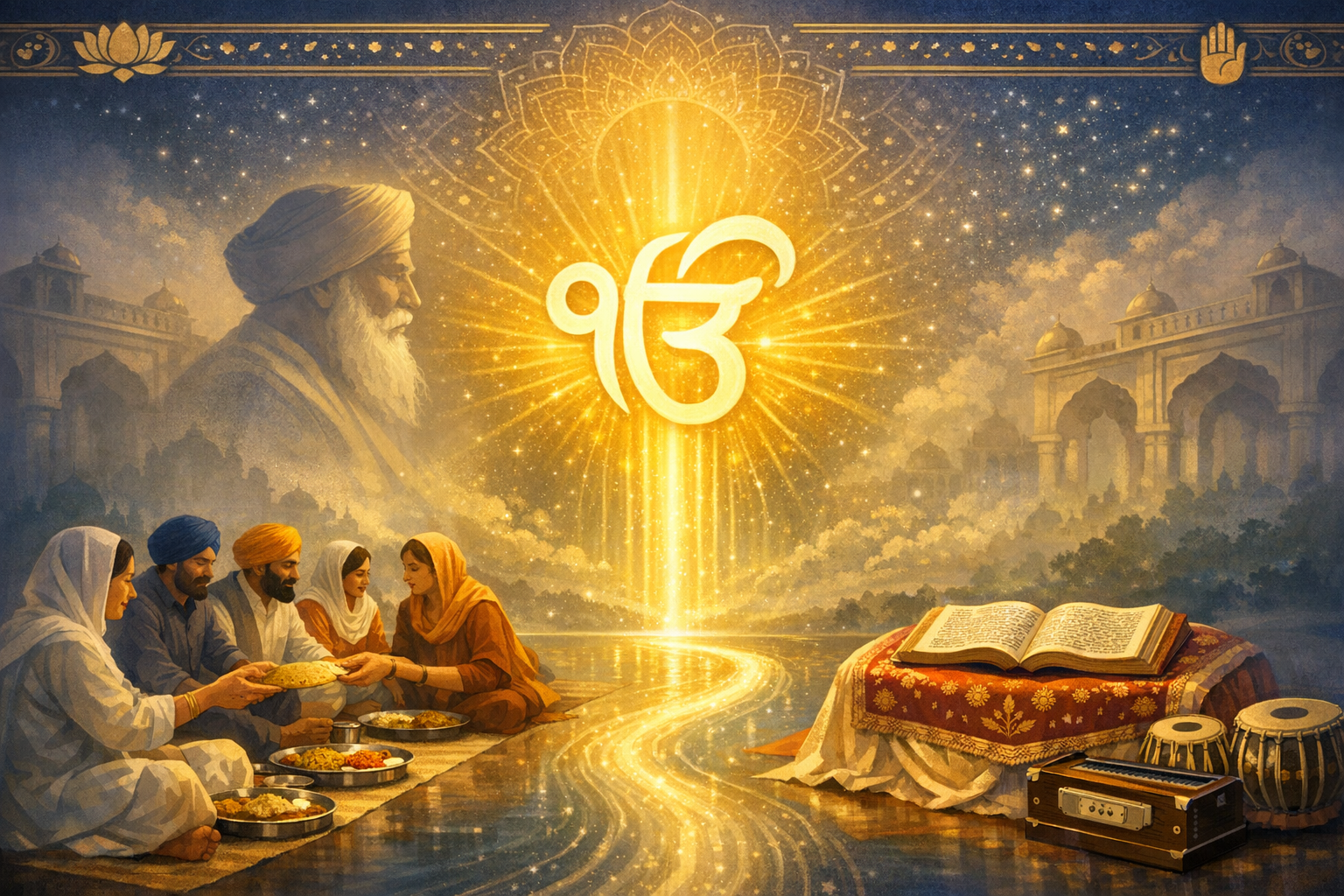
This long-form, research-driven essay offers a rigorous reading of two core motifs in Sikh scriptureequality of woman and divine graceand shows how they together shape a coherent path of practice. It clarifies key Sikh concepts such as hukam, nadar, Gurprasad, Naam Simran, seva, Kirat Karo, and Vand Chhako, situating them in historical and philological context.…
-
Choosing Our ‘Amazing Stories’: A Rigorous Case for Vedic Epistemology and Dharmic Unity
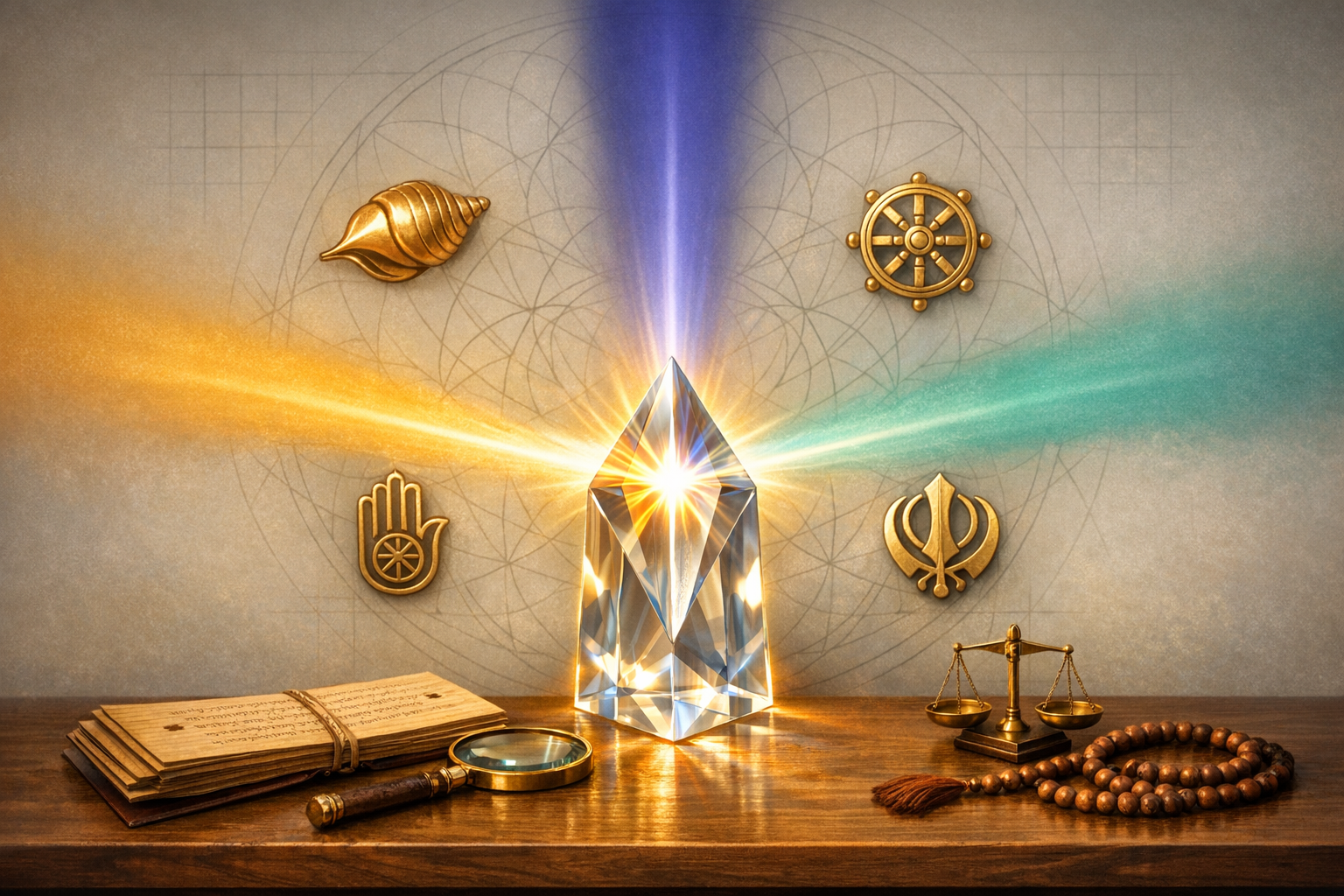
This essay examines the oft-quoted contrast between materialism and the Vedic view by asking how anyone comes to know. Drawing on the dharmic theory of pramāṇaperception, inference, testimony, and moreit distinguishes the legitimate power of science from the unwarranted metaphysics of scientism. It argues that Vedic epistemology offers greater coherence and explanatory breadth, especially for…