
-
Global Sikhs, Enduring Heritage: How Diaspora Guardians Safeguard Sikhi Worldwide
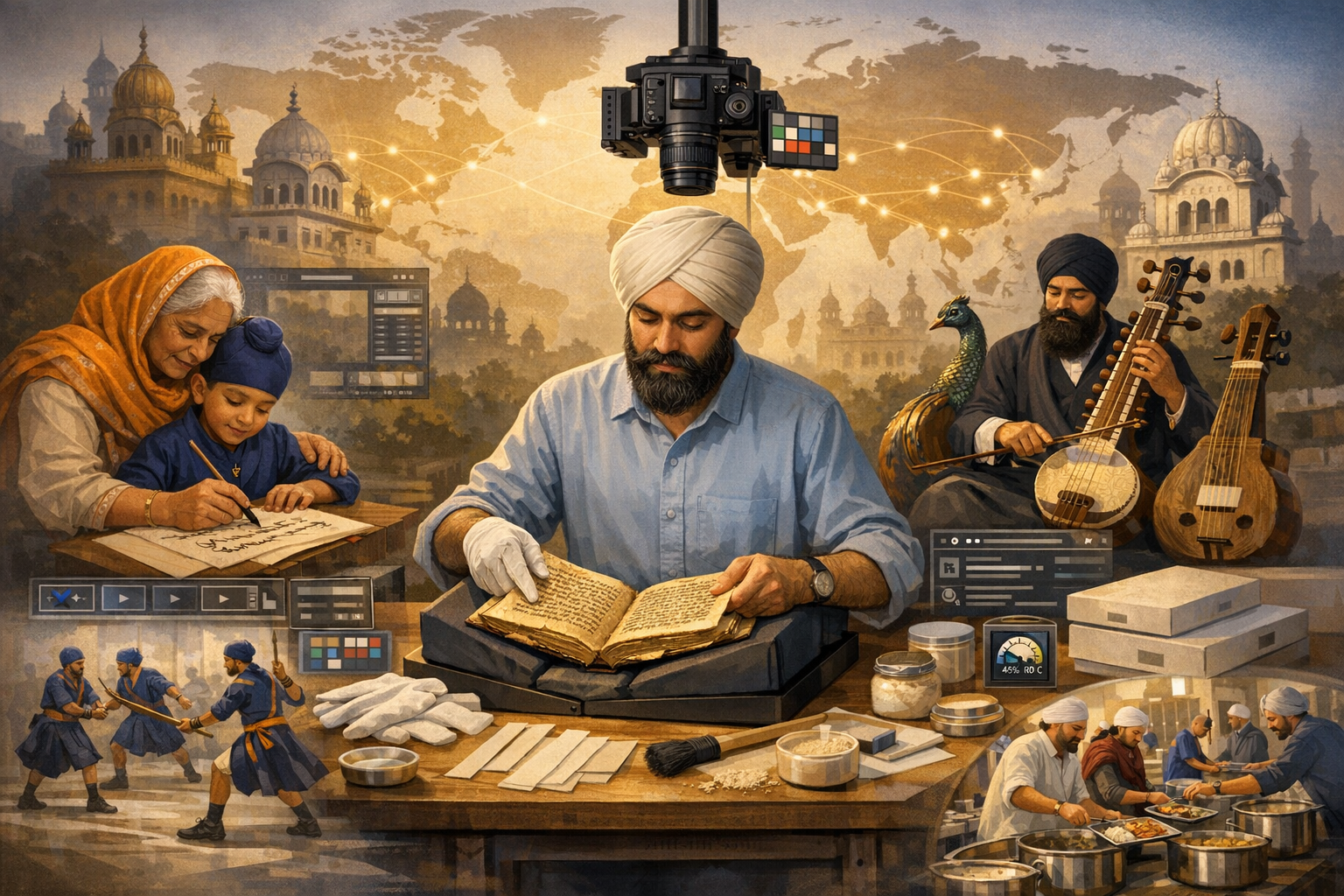
Global Sikh communities are emerging as rigorous custodians of Sikh heritage, uniting conservation science, digital archiving, and living traditions. The post maps tangible assetsmanuscripts, instruments, gurdwarasand intangible practices such as Gurmat Sangeet, gatka, langar, and Gurmukhi literacy. It outlines technical standards for digitization, metadata, storage environments, and ethical access to Gurbani. It also highlights governance…
-
Where Is Humanity Today? A Dharmic Blueprint for Compassion, Ahimsa, and Unity
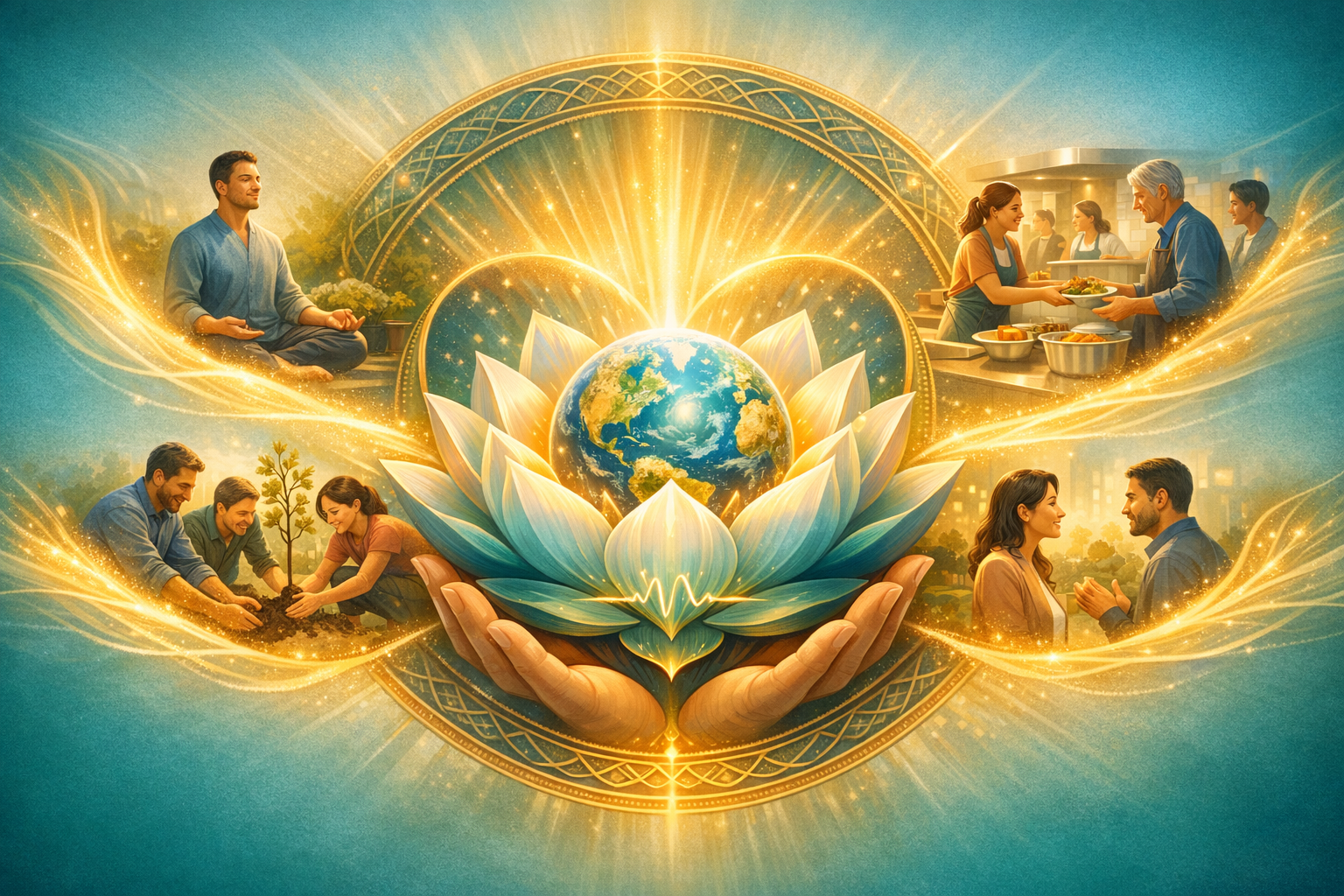
This essay reframes “Where is humanity?” through a dharmic lens that treats compassion, ahimsa, and service as trainable capacities and civic responsibilities. It explains how Hinduism, Buddhism, Jainism, and Sikhism converge on a shared blueprint grounded in Dharma, dayā, karuṇā, aparigraha, mettā, and seva. Readers gain a research-informed view of how breathwork, meditation, and loving-kindness…
-
Why Convert When Core Values Align? A Dharmic, Ethical, and Legal Roadmap to Pluralism
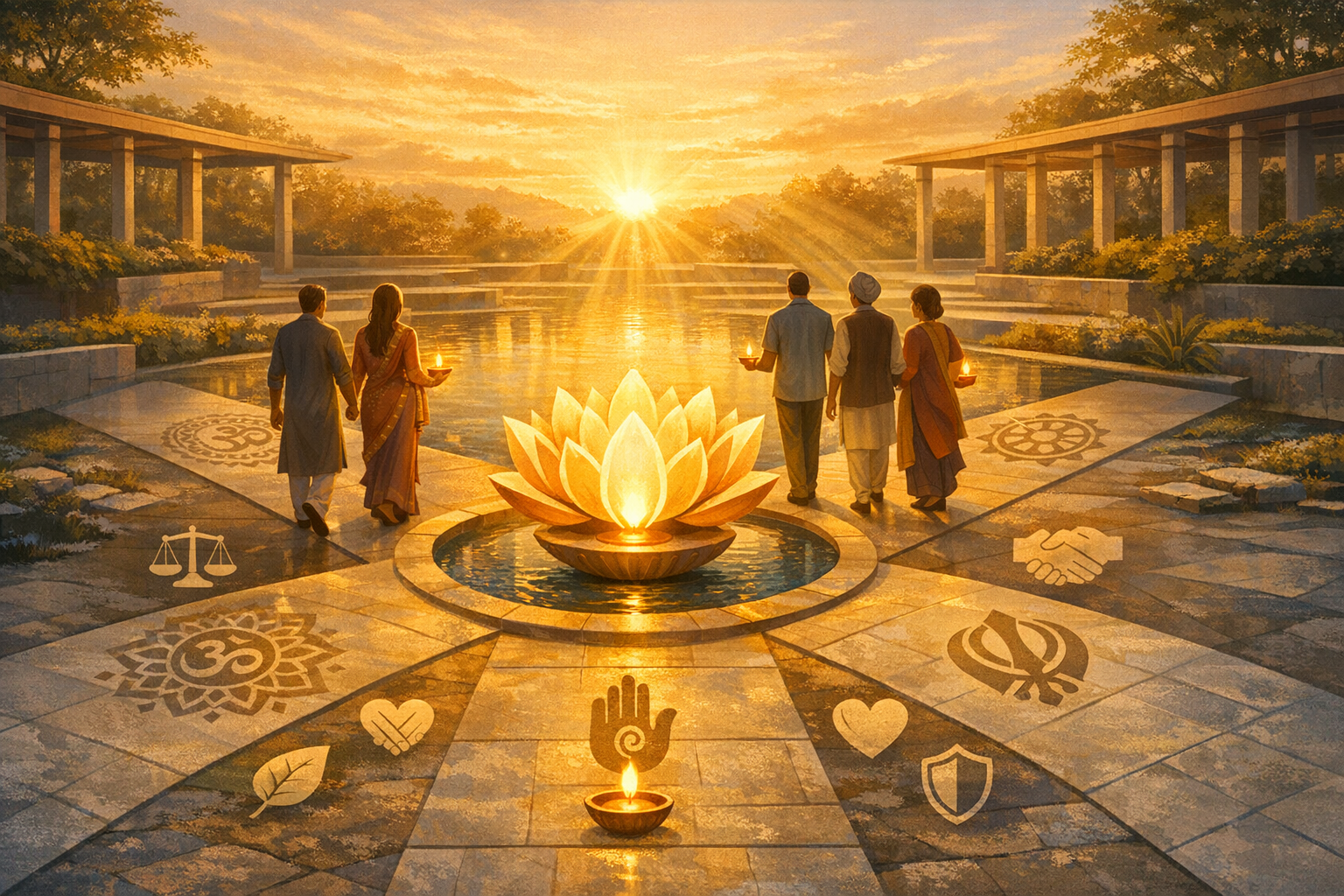
If core values across religions already align, why do conversion campaigns persistand why do they trigger anxiety? This long-form analysis approaches the question through Dharmic frameworks, showing how ahiṁsā, satya, seva, and karuṇā unite Hindu, Buddhist, Jain, and Sikh traditions. It explains the theological, social, and historical forces that drive conversion, while clarifying international and…
-
From Envy to Compassion: Dharmic Ethics of Bhakti, Ahimsa, and Unity Across Traditions
Non-envy is presented as a defining criterion for authentic religion across Hinduism, Buddhism, Jainism, and Sikhism, aligning with A.C. Bhaktivedanta Swami Prabhupada’s emphasis within Krishna consciousness. The article clarifies envy versus jealousy and shows how dharmic ethics reject both as inner violence that fractures community. It integrates scriptural insightsBhagavad Gita, Śrīmad-Bhāgavatam, Dhammapada, Jain vows, and…
-
ISKCON and People of Faith: A Vedantic Blueprint for Compassionate, Unified Interfaith Relations

Hinduism encompasses many traditions rather than a single authority, and ISKCON positions itself within this diversity as a Vedantic, monotheistic Vaishnava movement committed to respectful interfaith relations. The statement outlines how devotional particularism can coexist with civic and ethical pluralism, grounded in Bhagavad Gita–inspired bhakti and the doctrine of acintya‑bhedābheda. By honoring the Ishta paradigm…
-
Historic 327th Baisakhi: Khalsa Spirit and Dharmic Unity Ignite Gatherings Worldwide
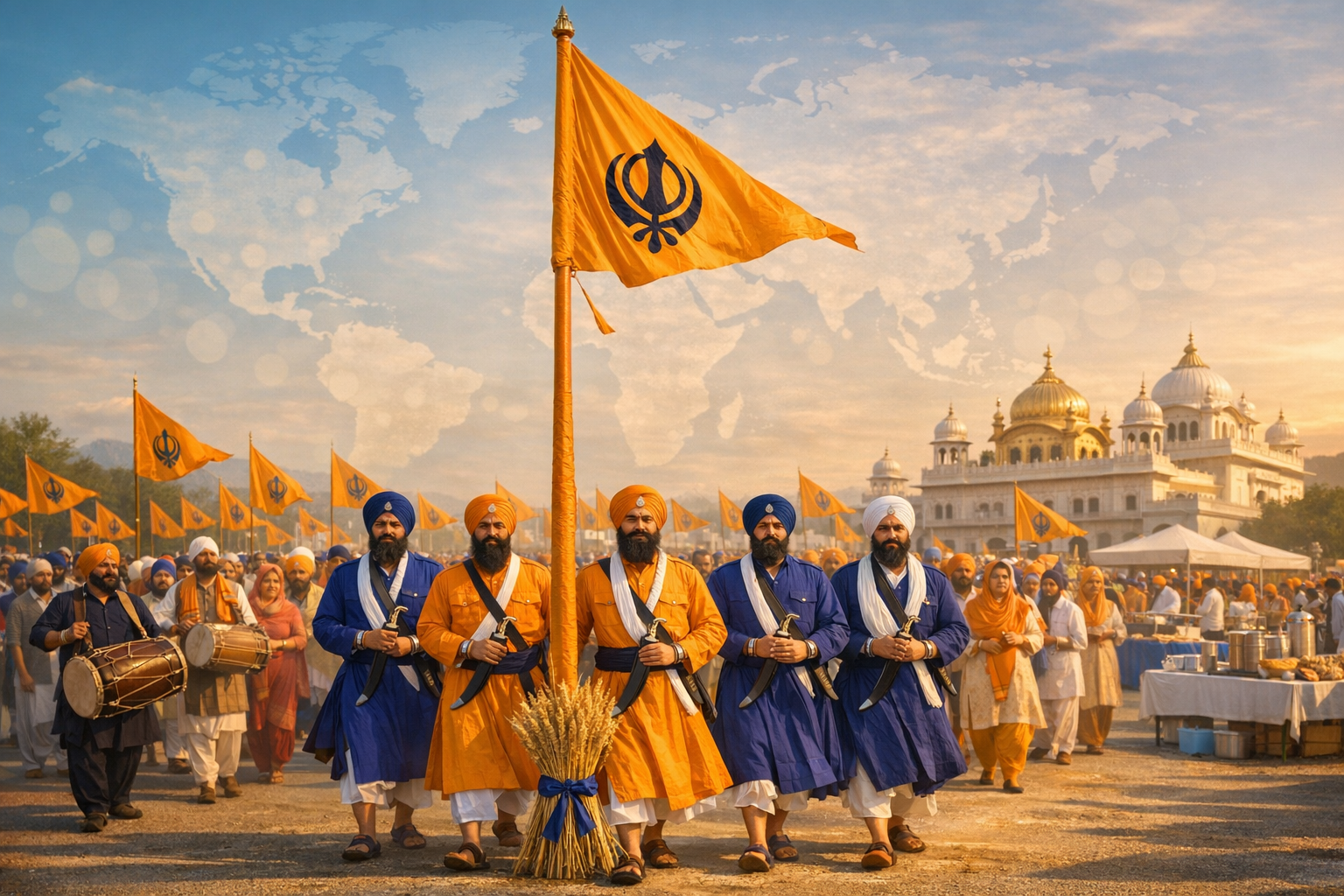
The historic 327th Baisakhi united Sikh communities across India and the global diaspora in a powerful commemoration of Khalsa Sirjana Diwas. Centered on Amrit Sanchar, kirtan, Ardas, and the Hukamnama, observances highlighted discipline, equality, and the living legacy of Guru Gobind Singh’s 1699 institution of the Khalsa. Processions (Nagar Kirtan) and Gatka demonstrations intertwined martial…
-
Curiosity as Sacred Practice: How Hinduism Champions Inquiry, Dialogue, and Self-Realization

This article presents a rigorous, accessible account of why Hinduism treats curiosity as a sacred discipline. It traces the spirit of inquiry from the Upanishadic dialogues and Bhagavad Gita to Nyaya logic, Mimamsa hermeneutics, Vedanta inquiry, and Yoga’s epistemology. It explains pramanavalid means of knowledgeand shows how disciplined questioning is bound to ethics, humility, and…
-
‘Gems of Sikhism’ Review: Timeless Teachings, Khalsa Ethos, and Dharmic Unity Today
This academically grounded review of ‘Gems of Sikhism’ distills the core teachings of SikhismIk Onkar, Naam, Seva, Kirat Karni, Vand Chakna, Sarbat da bhala, and the Khalsa ethosinto a coherent, accessible framework. It explains how Sikh practices like Langar and Seva institutionalize equality and compassion, while Miri–Piri and the Sant–Sipahi ideal provide a disciplined theory…
-
Encountering Mahaperiyava: A scholarly, soul-stirring journey with the Sage of Kanchi

Shri Chandrashekarendra Saraswati Swamigal (Mahaperiyava), the 68th Jagadguru of the Kanchi Kamakoti Peetham, united rigorous Advaita Vedanta with a lived ethic of compassion and service. This academically grounded reflection explains how his padayatra, pedagogy, and daily austerities shaped an enduring model of spiritual leadership. Readers gain a clear overview of his scriptural method, practical household…
-
Neo‑Vedanta Unveiled: A Powerful Modern Synthesis Bridging Dharmic Wisdom and Pluralism
This article examines Neo‑Vedanta as a rigorous, modern synthesis of Vedāntic wisdom grounded in the Prasthanatraya (Upanishads, Bhagavad Gita, Brahmasutras). It traces historical catalysts in nineteenth‑century India and explains how Sri Ramakrishna and Swami Vivekananda anchored a plural, practice‑oriented vision. Readers gain a clear understanding of Ishta as a principle of respectful diversity and see…
-
King Charles III’s Lambeth Summit: A Powerful Step Toward Interfaith Harmony and Dharmic Unity
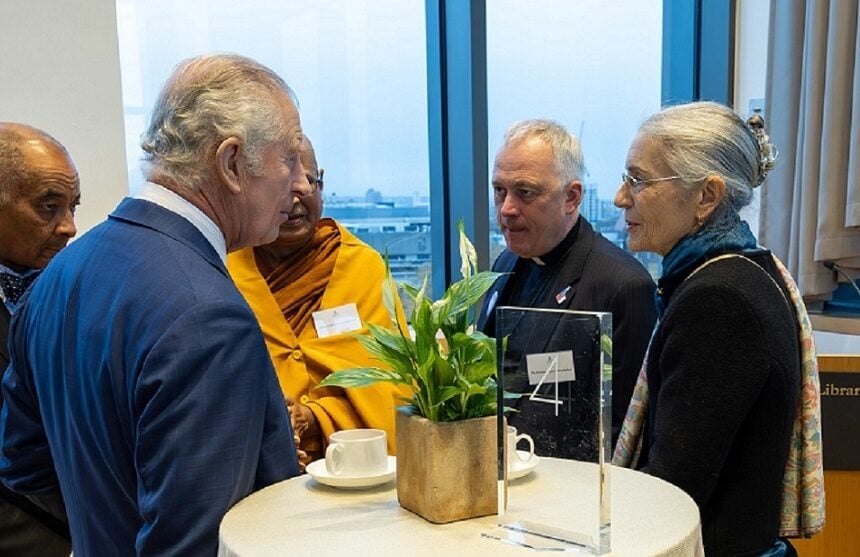
King Charles III convened about thirty leaders from Muslim, Sikh, Baháʼí, Christian, Hindu, and other traditions at Lambeth Palace Library to advance interfaith dialogue and social cohesion in the UK. The setting underscored scholarship and stewardship, framing the meeting as both symbolic and practical. Grounded in the UK’s 2021 Census realities, the piece explains why…
-
Adi Granth as an Ecumenical Beacon: Guru Granth Sahib’s Universal Wisdom for Dharmic Harmony

This essay presents the Adi Granth, enshrined today as the Guru Granth Sahib, as a uniquely oecumenical scripture whose language, music, and ethics resonate across Hindu, Buddhist, Jain, and Sikh traditions. It traces the canon’s historical formation, its multivocal authorship, and its raga-based architecture to explain why the text travels so well across communities. Theological…
-
From Cosmic Ocean to Cosmic Web: How Scientific Cosmology Can Enrich Dharmic Faith
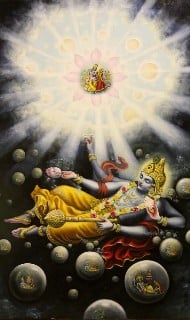
This evidence-based reflection shows how the Srimad-Bhagavatam’s image of a “cosmic ocean” aligns, at the level of metaphor, with the cosmic web mapped by modern astronomy. It explains what science reliably says about origins and possible endingsBig Bang, dark matter, dark energy, and competing end-of-universe scenarioswhile clarifying where responsible uncertainty remains. It places these insights…
-
Ohio Primary Win Triggers Hinduphobic Smears: Ramaswamy, Religious Freedom, and Dharmic Unity

After Vivek Ramaswamy’s Ohio primary win, a viral temple video drew Hinduphobic smears that questioned belonging rather than debating policy. This analysis situates the episode within U.S. constitutional guaranteesno religious test for office and robust free exercise protections. It clarifies core elements of Hindu practice, from puja to the role of murtis, and explains how…
-
Beyond Guru Worship: Living Sanatana Dharma through Practice, Pluralism, and Service
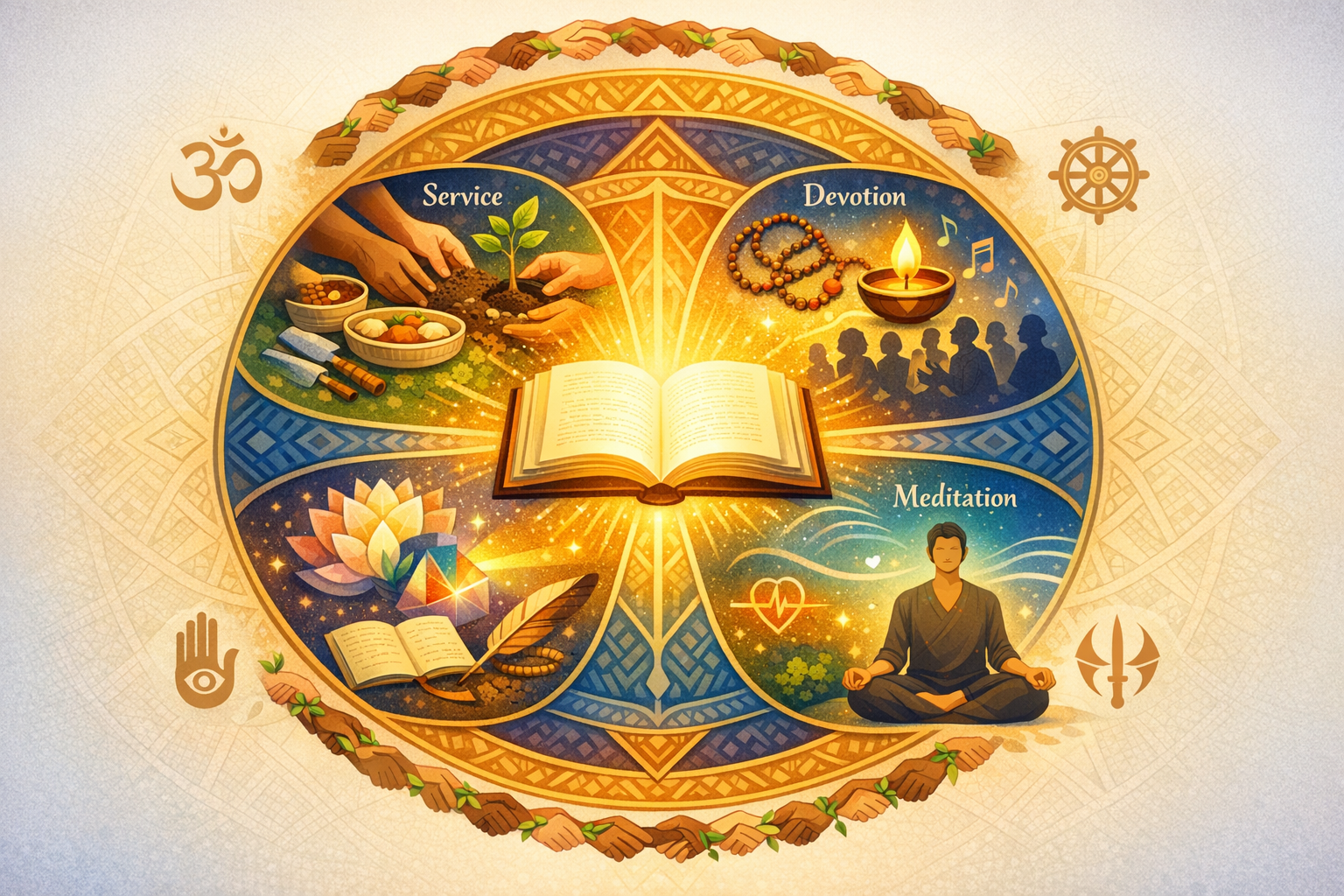
Public celebrations of guru anniversaries have grown spectacular, but the risk of drifting from teachings to personality worship is real. This essay reframes devotion through a Dharmic lens shared by Hinduism, Buddhism, Jainism, and Sikhism: live the message, not the messenger. It maps classical yardsticks of authentic progressyamas and niyamas, lokasangraha, simran and seva, sīla…
-
From Riyadh to Tehran: How Srila Prabhupada’s Vedic Wisdom Inspires Unity and Hope

Interest in India’s ancient knowledge has expanded across Arab and Persian cultural spheres, especially during periods of uncertainty. This article examines why Srila Prabhupada’s books resonate in these contexts: philosophical clarity, rigorous translation, and accessible practice. It explains how Arabic and Persian editions preserve Vedic nuance while remaining readable for university courses and interfaith study…
-
Manusmriti in Modern India: Separating Myth from Method for a Dharmic, Inclusive Future
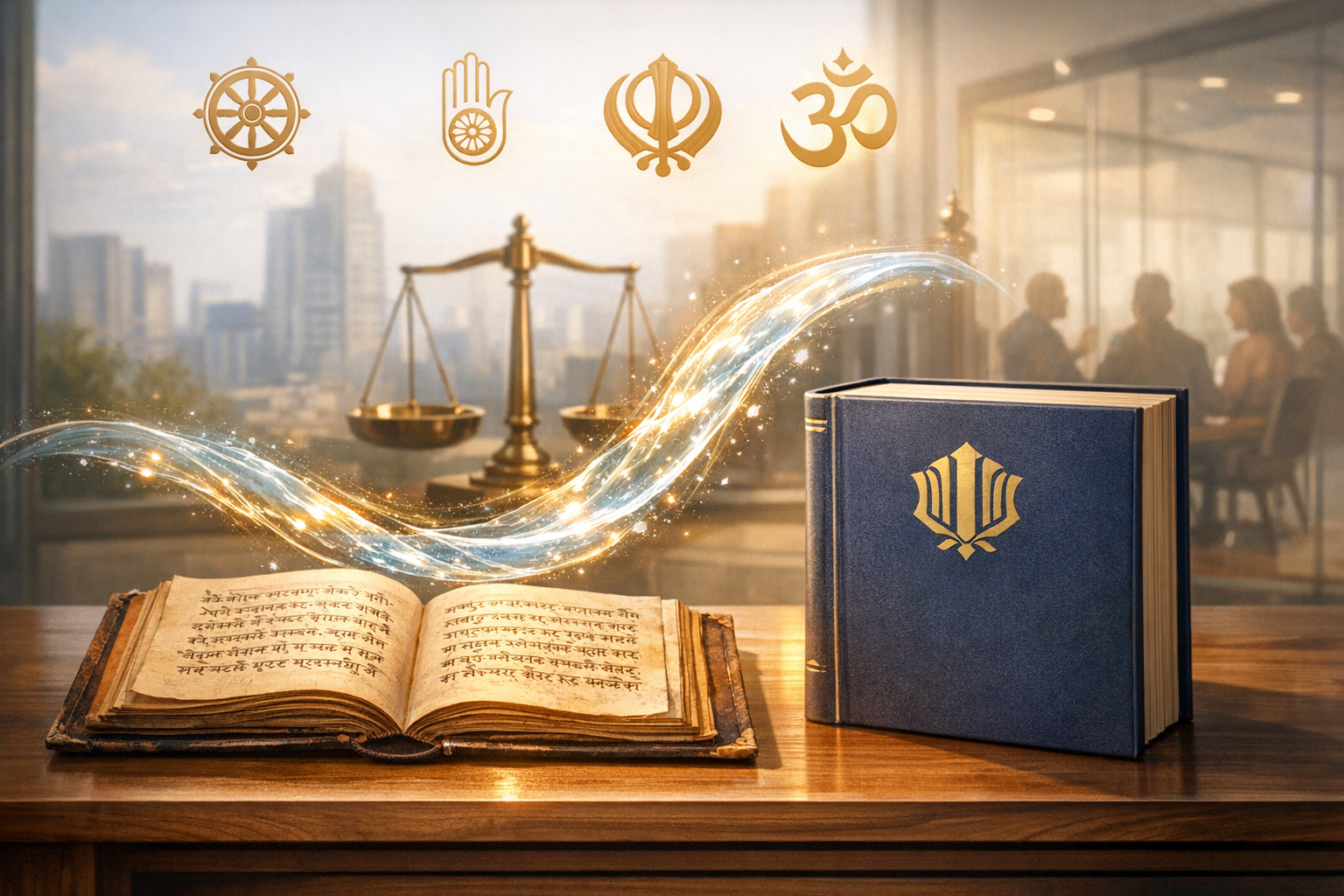
This evidence-based exploration separates myth from method to answer whether Manusmriti is relevant today. It explains what the text is within Dharmashastra, how it actually functioned through custom and commentary, and why colonial codification distorted public perception. It clarifies hotly debated verses on women and caste with historical context while affirming modern constitutional equality. It…
-
Seeking the Supreme: An Academic Exploration of Hindu Pluralism, Ishta, and One Reality
Many seekers raised in temple-centered Hindu life wrestle with two enduring questions: Why so many gods, and who is the Supreme? Hindu philosophy answers with a precise synthesis: the One Reality (Brahman) is accessible both without attributes (nirguna) and with attributes (saguna), and Ishta-devata personalizes that access without denying unity. Rig Veda’s “Ekam sat vipra…
-
Illuminating Sikh Lives: Eleanor Nesbitt’s Transformative Legacy in Sikh Studies and Dialogue
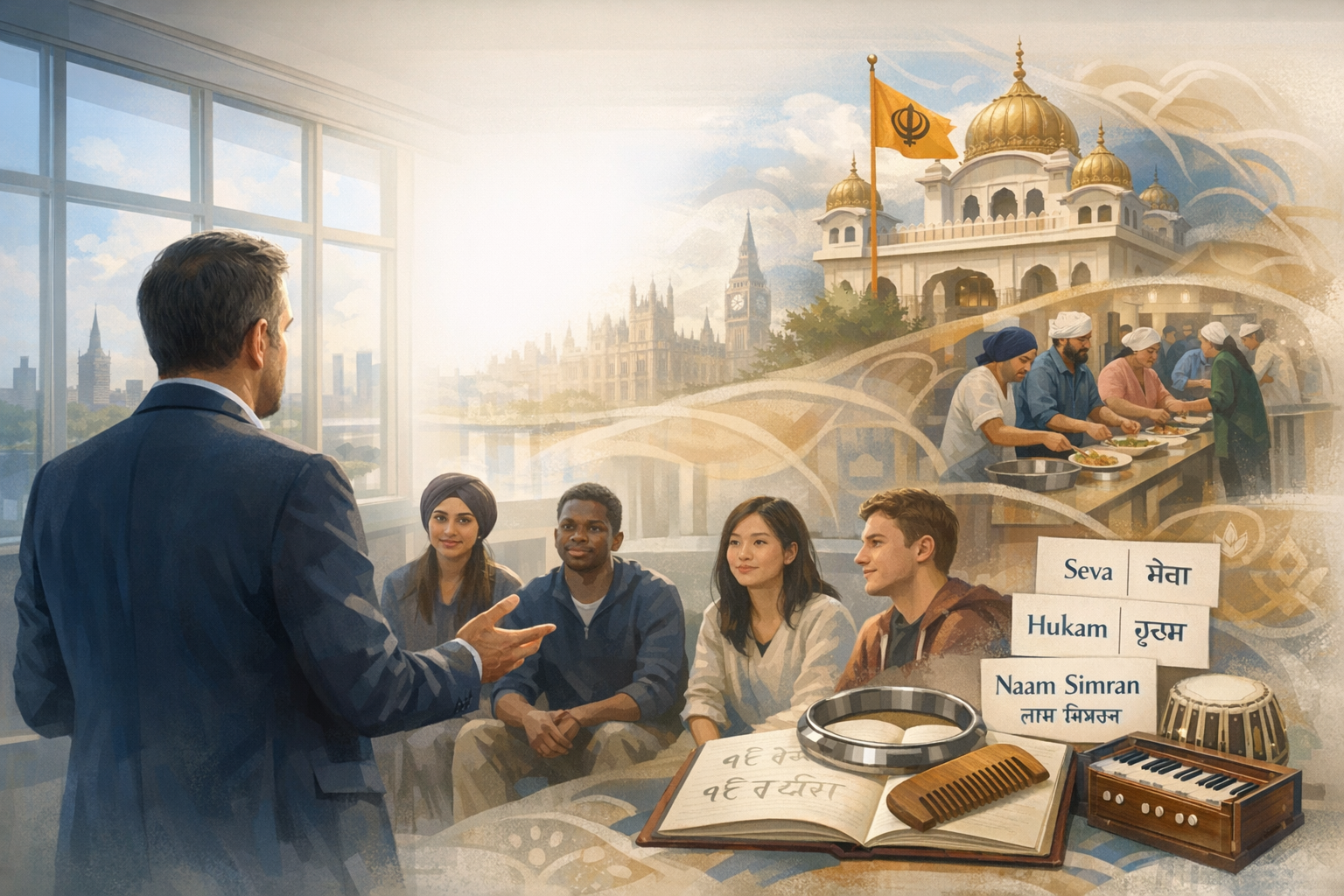
Eleanor Nesbitt’s scholarship reshaped Sikh Studies by centering lived religion, diaspora ethnography, and dialogue with communities. Her workrooted in careful fieldwork and clarity of methodhelps educators and students understand Sikhism through both scripture and everyday practice. By examining home, school, and gurdwara as interconnected learning spaces, she demonstrates how seva, langar, kirtan, and the 5…
-
Harinama Sankirtana in Public Spaces: 11 Evidence-Based Actions for Peaceful, United Communities
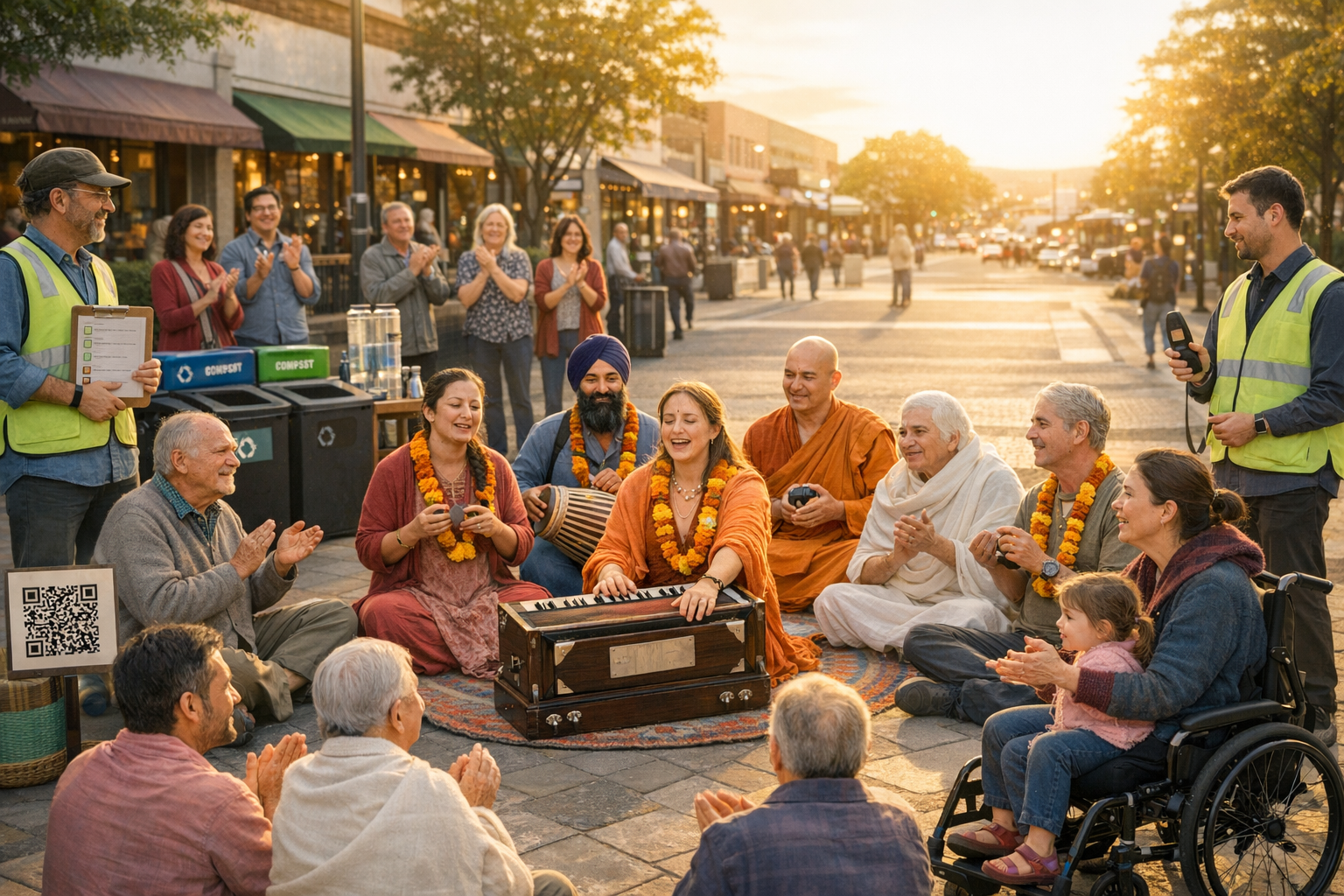
Public Harinama Sankirtana often raises a simple question: why chant on the streets? This article provides a clear, academically grounded answer rooted in Gaudiya Vaishnava theology, shared Dharmic principles across Hinduism, Buddhism, Jainism, and Sikhism, and emerging scientific research on chanting and group singing. It presents 11 evidence-based actions for making public kirtan welcoming, lawful,…