
-
Mohan Bhagwat’s ‘Same DNA’ Thesis: Unifying ‘Hindu’ and Bharat Under a Shared Culture

RSS chief Mohan Bhagwat’s renewed assertion—‘Bharat and Hindu are synonymous’ and ‘Muslims and Christians are Hindu if they love and respect India and its cultural legacy’—is analyzed as a civilizational, not confessional, framing. Read inclusively, it situates ‘Hindu’ as a cultural umbrella that welcomes diverse faiths while honoring distinct religious identities. The piece outlines how…
-
Beyond Dogma: Hindu and Dharmic Wisdom on Religion as a Universal Spiritual Journey
The idea that the soul of religion is a universal journey, not a single doctrine, sits at the heart of Hinduism and aligns with Buddhism, Jainism, and Sikhism. This perspective emphasizes inner transformation, disciplined practice, and ethical living over rigid belief. It is grounded in concepts such as Ishta, anekāntavāda, the Buddhist Middle Way, and…
-
How to Choose the Right MLA/MP: A Practical, Dharma-Centered Checklist for Indian Voters
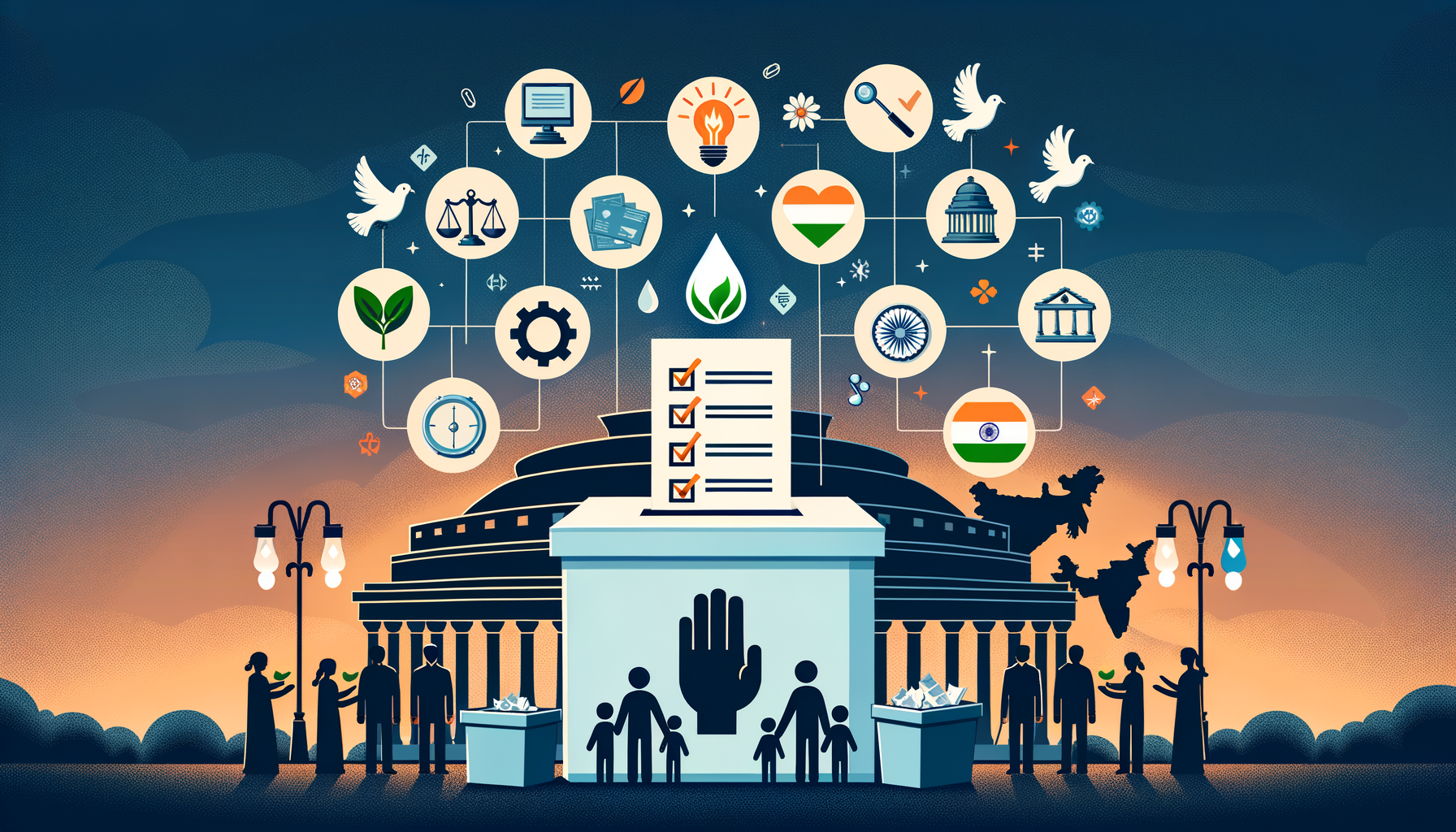
Voters often feel every candidate looks the same; this guide offers a clear, dharma-centered method to choose an MLA or MP. It draws on shared values from Hinduism, Buddhism, Jainism, and Sikhism—truth, non-violence, compassion, and service—and translates them into democratic criteria. The checklist emphasizes integrity, proven public service, policy competence, inclusivity, accessibility, and financial ethics.…
-
Why the Divine Answers to Every Name: Hindu Wisdom on Ishta and Radical Inclusivity

This article explains a core Hindu teaching: the Divine responds to sincere devotion regardless of the name, language, or pronunciation used. Drawing on the doctrine of Ishta and resonances from the Bhagavad-Gita, it shows why intention and inner feeling outweigh verbal precision. It situates this insight within the broader dharmic family—Hinduism, Buddhism, Jainism, and Sikhism—highlighting…
-
Trinath Mela of Odisha, Bengal and Assam: A Living Tapestry of Devotion, Music, and Dharmic Unity

Trinath Mela, or Trinatha Festival, is a folk-religious fair centered in Odisha and observed in parts of Bengal and Assam. It venerates “Trinath,” the Trinity of Brahma, Vishnu, and Shiva, and expresses a core dharmic idea that many forms can reflect one truth. The celebration features kirtan, folk music, communal kitchens, and public gatherings that…
-
Hosabale Rebuts Kharge: Courts and Citizens Render an RSS Ban Unworkable, Protecting Pluralism
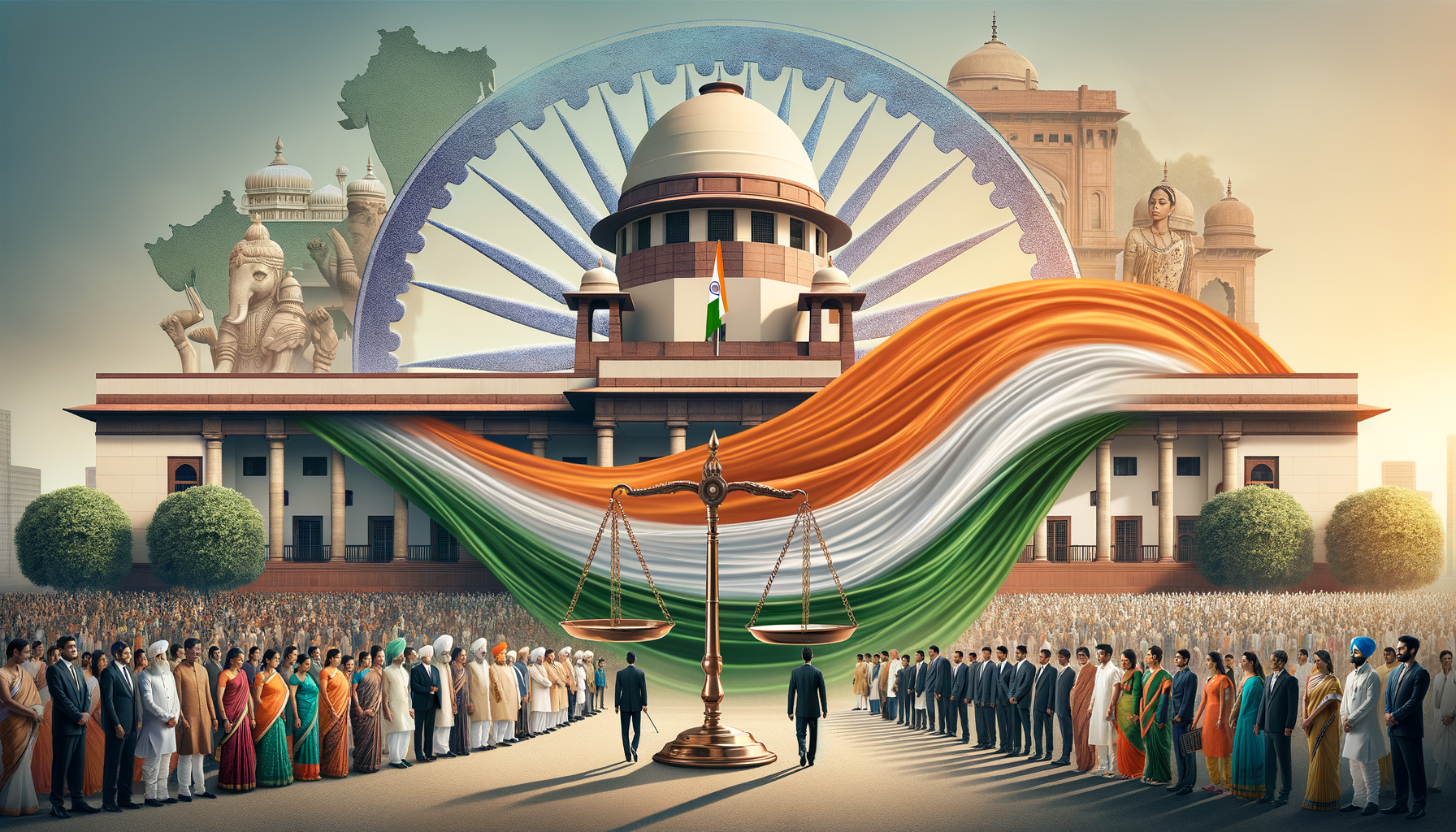
Dattatreya Hosabale’s response in Jabalpur to Mallikarjun Kharge’s call for an RSS ban situates the issue within India’s constitutional framework and public sentiment. He underscores that decades of administrative scrutiny and judicial oversight have not yielded a lasting, court-sustained prohibition of the Rashtriya Swayamsevak Sangh (RSS). The argument also turns on social legitimacy, noting that…
-
Jagannath’s Tantric Trinity: Unveiling Adi Shakti at Puri and the Harmony of Dharmic Paths
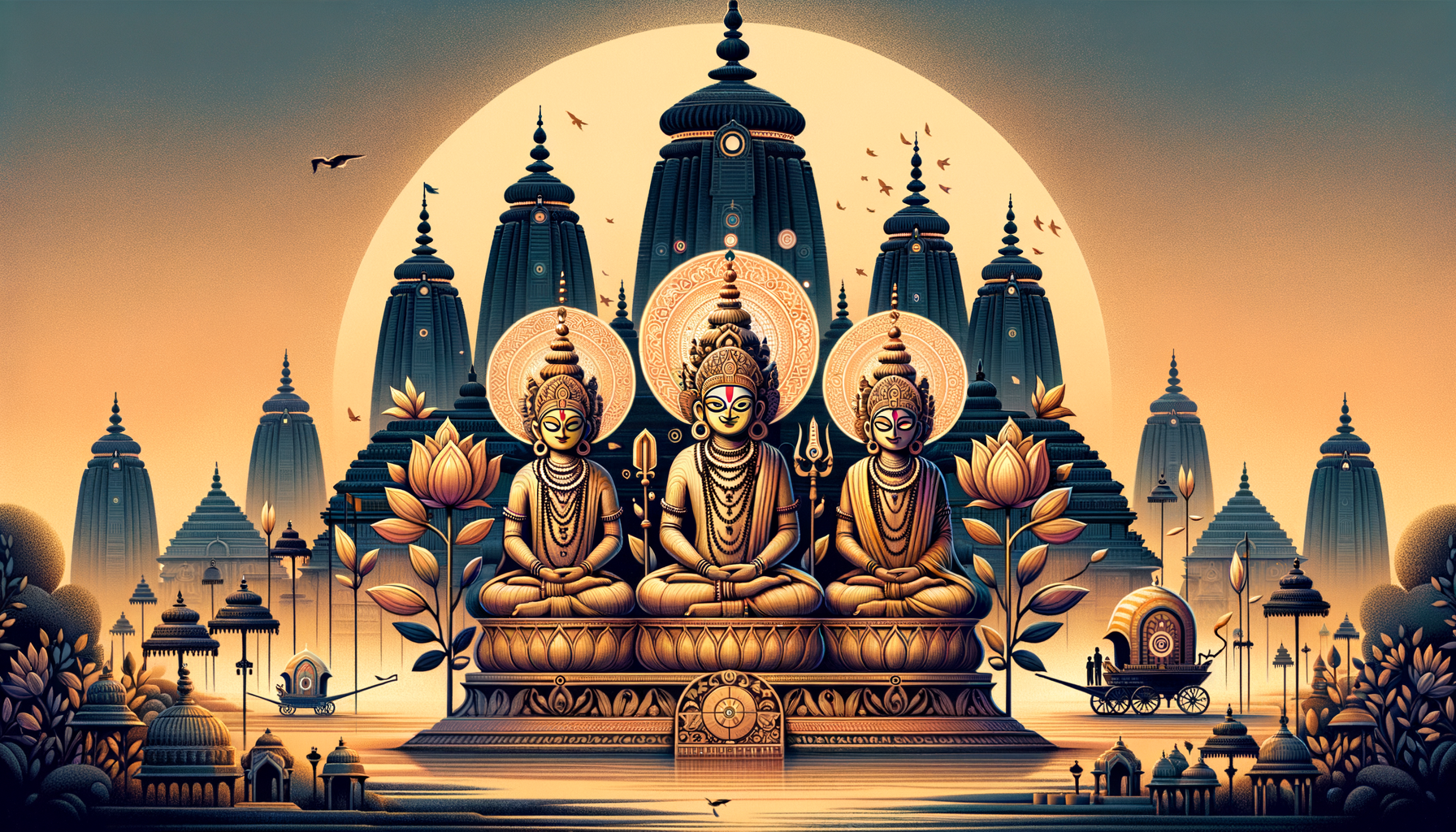
The Jagannath Temple at Puri unites Vaishnav devotion with Tantric philosophy, revealing the hidden Shakti principle within the triad of Jagannath, Balabhadra, and Subhadra. Interpreted through yogic nadis, the three gunas, and Purusha–Prakriti dynamics, the trinity becomes a practical contemplative map for balanced living. The presence of Bimala Devi and the sanctification of Mahaprasad highlight…
-
Essential Dharmic Insights to Transform Fear of Death: A Complete Hindu Guide

This article explains how Hinduism, in harmony with Buddhist, Jain, and Sikh insights, transforms fear of death into understanding through a clear, compassionate philosophy. It presents death as a transition within samsara, guided by karma and oriented toward moksha, drawing on the Bhagavad Gita and upanishad. Readers gain practical tools—meditation, japa, pranayama, and seva—to cultivate…
-
Complete Guide to Manu in Hinduism: Discover the Timeless Law-Giver Beyond Gender and Time
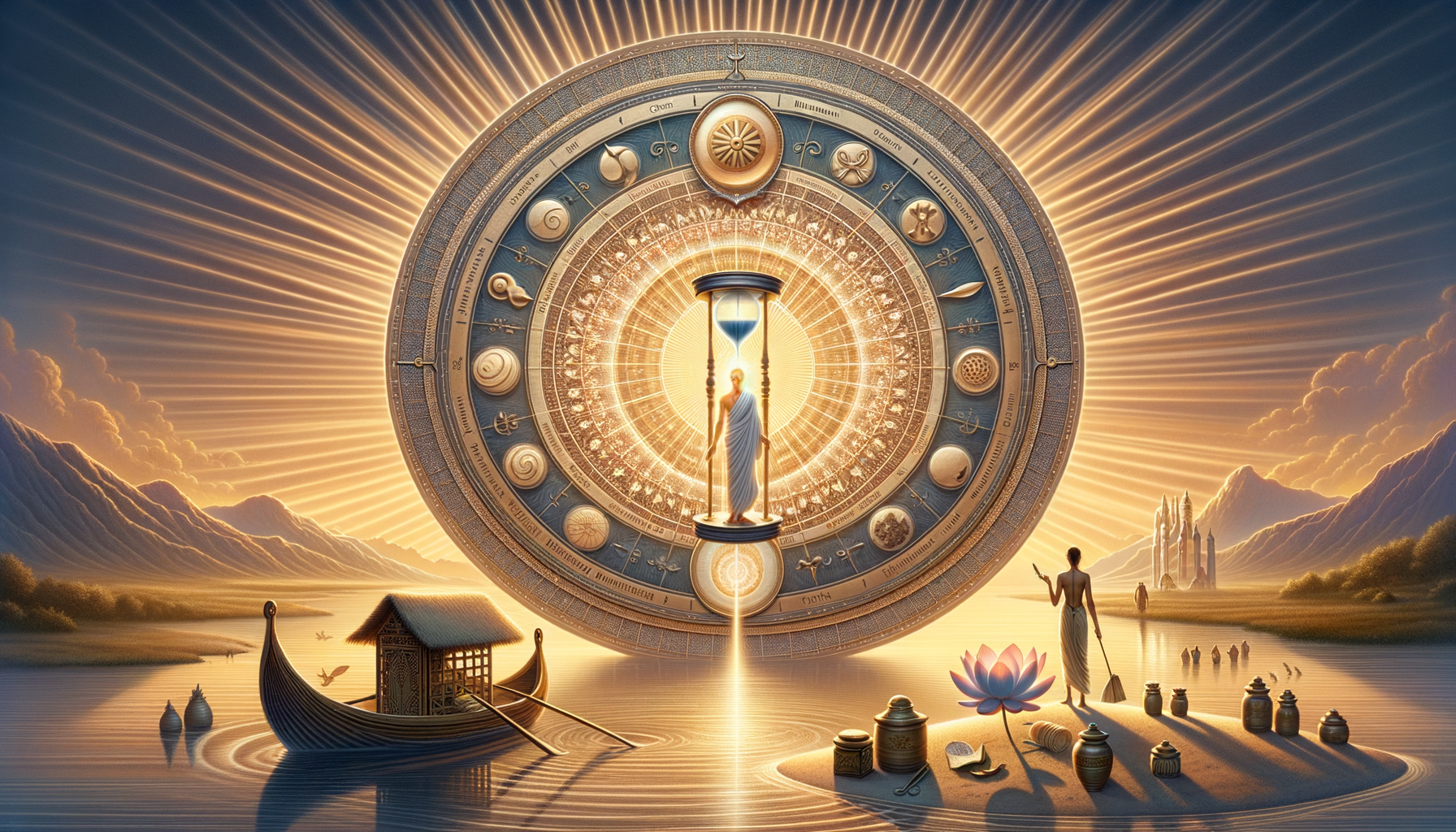
This article examines Manu as both archetype and title within Hindu cosmology, clarifying how fourteen Manus guide each kalpa and why the role is best understood as beyond gender and bound to time cycles. It situates Manusmriti within the broader Dharmashastra tradition, highlighting contextual interpretation and ongoing ethical refinement. The narrative of Vaivasvata Manu and…
-
The Complete, Evidence-Based Rethink of ‘Religion’ and ‘Hindu’: Discover Clear, Inclusive Terms
This article clarifies why broad labels like “religion” and “Hindu” often obscure, rather than explain, the nuanced reality of Dharmic traditions. It shows how sweeping claims—such as “religions cause all wars” or “Science is logic; religion is belief”—rest on arbitrary definitions, not evidence. Readers gain a more accurate vocabulary for Hinduism and Sanatan Dharma, emphasizing…
-
Complete Guide to SevaTime’s Chardikala Rhyme: Discover Joy, Seva, and Dharmic Unity
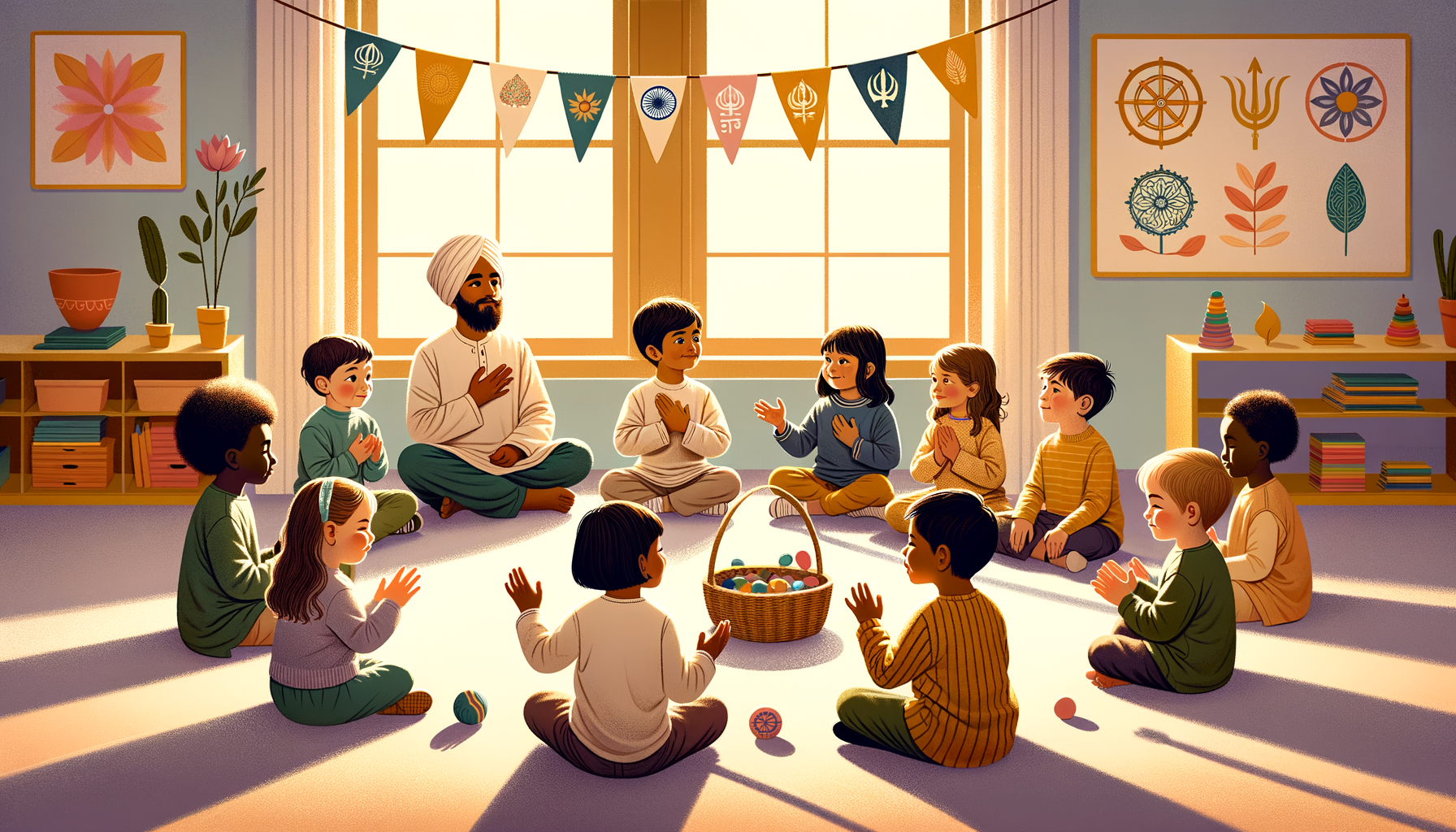
SevaTime – Chardikala Rhyme, shared by SikhNet, introduces toddlers to Seva (selfless service) and Chardikala (ever-rising spirit) through rhythm and repetition. The child-centered format supports memory, language development, and emotional regulation in everyday routines. Families and educators can pair the rhyme with simple gestures to reinforce meaning through movement. Its emphasis on kindness, resilience, and…
-
Complete Analysis: RSS Chief’s ‘Unified Hindu Identity’ Claim and Paths to Dharmic Harmony
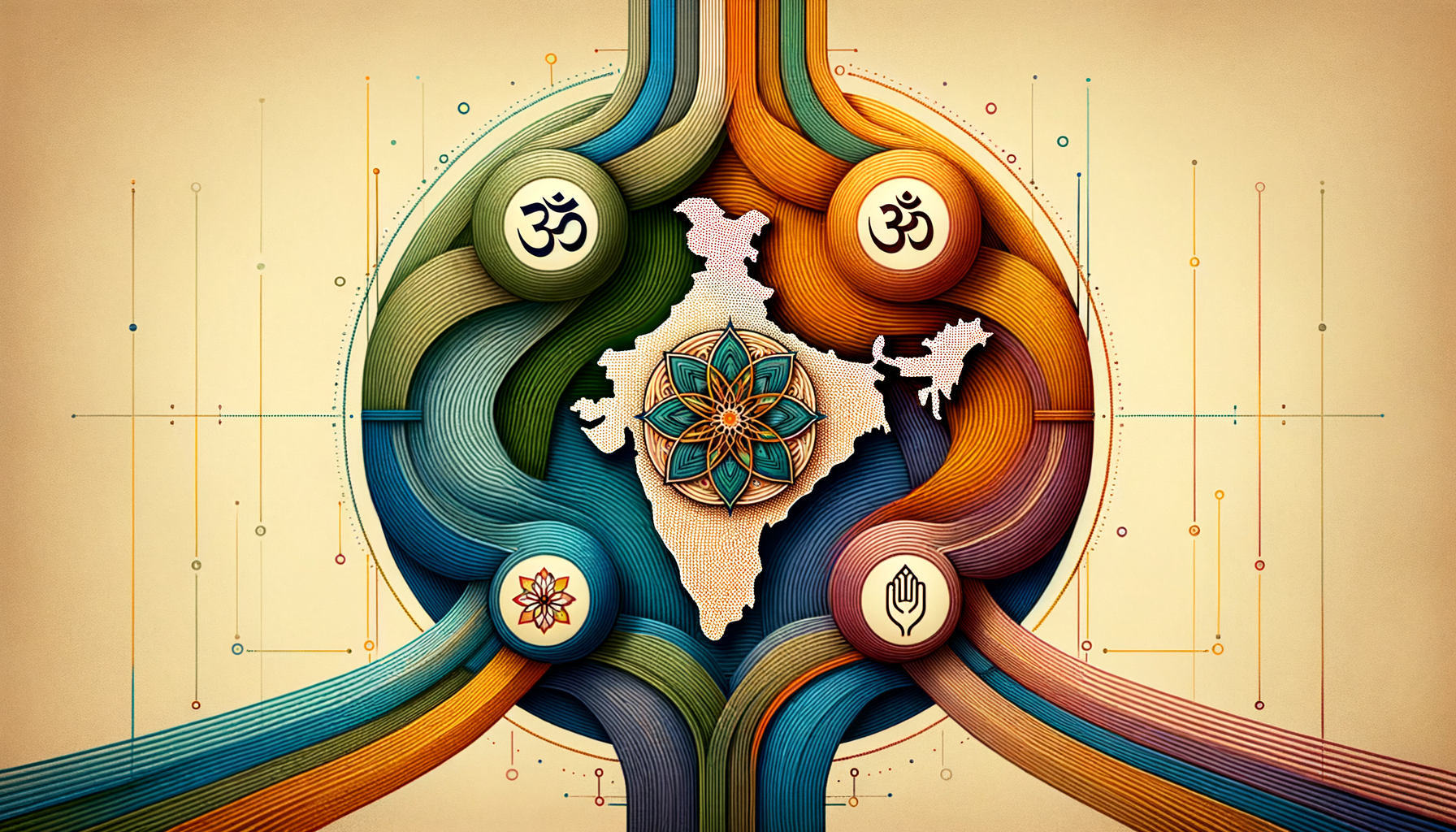
This article presents a balanced, evidence-based analysis of Mohan Bhagwat’s recent “Unified Hindu Identity” and “same DNA” remarks. It clarifies how genetic research supports a nuanced view: deep shared ancestry alongside real diversity. It reframes unity around dharmic ethical values shared by Hinduism, Buddhism, Jainism, and Sikhism, rather than biological metaphors. Readers will discover clear…