-
Chhinnamasta in the Pranatosini Tantra: Divine Self-Sacrifice and Cosmic Renewal

This article explores the Pranatosini Tantra’s account of Chhinnamasta, a Mahavidya who embodies divine self-sacrifice and cosmic renewal. It explains how the Goddess nourishes her attendants through three life-giving streams, an image read as both prāṇa symbolism and radical generosity. The iconographystanding over Kāma and Ratiillustrates mastery over desire and the transformation of passion into…
-
Why Lalita Sahasranama Mentions Blood-Red and Meat: Unpacking Sacred Symbolism with Care

A widely asked question about the Lalita Sahasranama concerns references to blood-red imagery and seemingly non-vegetarian offerings. Verse 103‘Rakta-varna mansanishta gudanna pritamanasa. Samsta bhakta sukhada lakinyamba svarupini’describes Lakinyamba of the Manipura Chakra using symbolic language rather than prescribing universal dietary norms. The blood-red hue signifies life-force and courage; gudanna (sweet rice) highlights gentle, sattvic devotion.…
-
Beyond Stereotypes: Understanding Why Hindu Women Often Seem More Devoutand How Men Engage

Research across cultures often finds that women report higher religious engagement than men, and similar patterns appear in Hindu communities. Women frequently lead household puja, vrata, and festival observances, sustaining daily devotion and cultural memory. Men often serve in public-facing roles such as temple administration, yatra, and teaching, highlighting different but complementary forms of engagement.…
-
Pashupati’s Sacred Symbolism: How Shiva Liberates Bound Souls and Guides All Beings
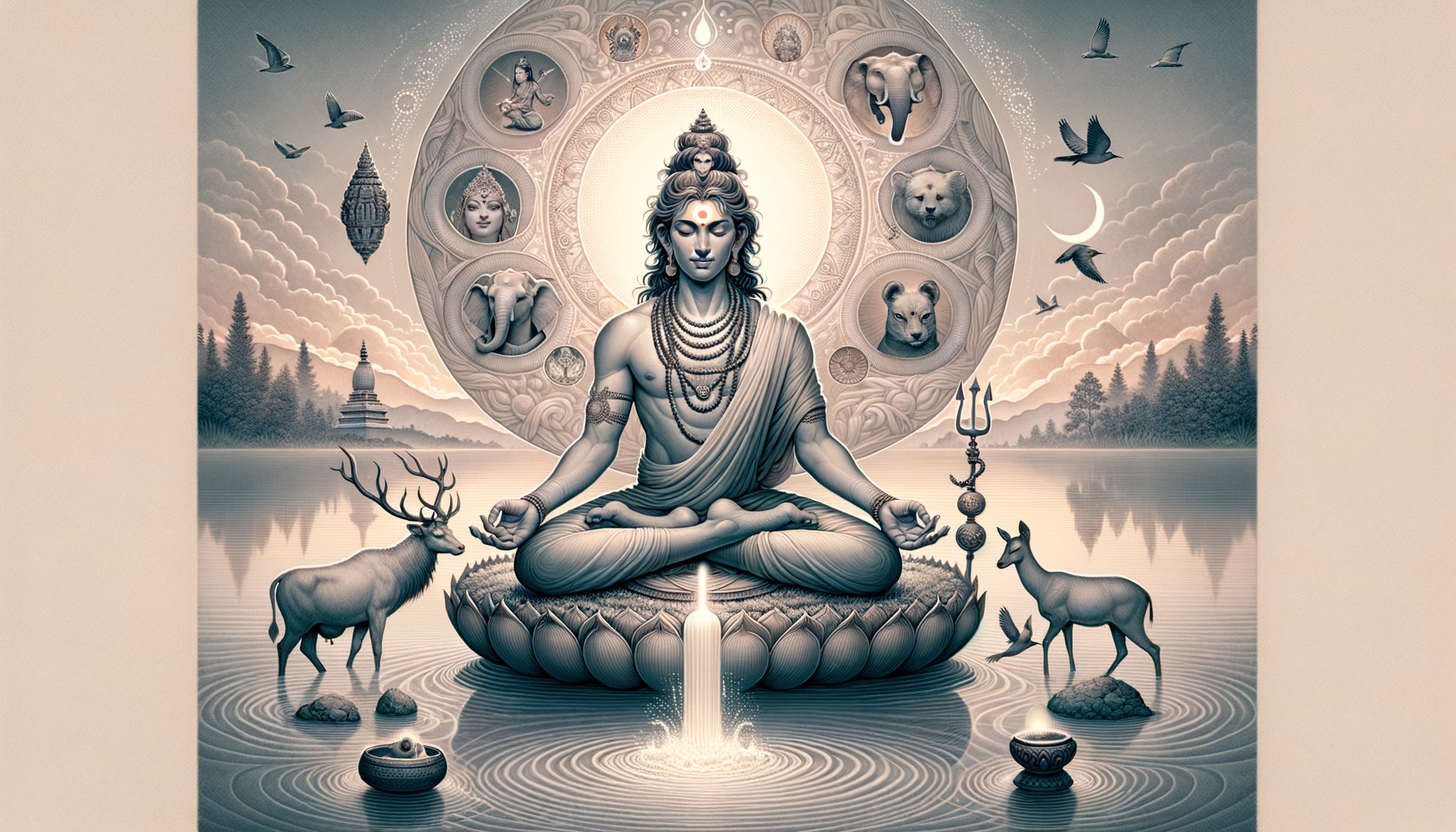
Pashupati, the profound epithet of Shiva, unites care for all beings with the promise of liberation from worldly bondage. Drawing on Hindu philosophy, it presents the Lord as protector of the bound soul and the One who severs the cords of ignorance and karma. The symbolism nurtures compassion, non-harm, and ethical living while guiding seekers…
-
Ucchista Ganapati Revisited: Beyond Stereotypes, the Inclusive Tantric Wisdom of Ganesha

Ucchista Ganapati, the eighth of Ganesha’s 32 forms, is often miscast as merely an “unclean” Tantric deity. Drawing on the ancient “Ucchista Ganapathi Puja Vidhanam,” this analysis clarifies that the practice is scripturally grounded, disciplined, and transformative. The term ucchista“that which remains”signals a theology of sanctifying remainders, not endorsing impurity. Framed by mantra, nyasa, and…
-
Tara Devi Mahatmyam: Fear-Dispelling Power and Cross-Traditional Significance of Tara Mahavidya
Tara Devi, one of the Dasamahavidyas and a manifestation of Durga Devi, is honored for fear-dispelling power and liberating wisdom. The Adbhuta Ramayana recalls Tara within the Goddess’s cosmic play, celebrated after Kali’s defeat of a powerful asura. Shakta Tantra presents Tara as both fierce and compassionate, associated with insight (jnana), transcendent speech (vak), and…
-
Beyond Dashavatar: Unveiling Vishnu’s Overlooked Avatars in India’s Living Traditions

Hinduism’s vision of Vishnu extends far beyond the familiar Dashavatar. Drawing on Puranic sources and regional traditions, this exploration reveals a wider range of sacred manifestationssuch as Hamsa, Dhanvantari, Hayagriva, Vyasadeva, and Jagannaththat enrich Vaishnavism and everyday devotion. The discussion clarifies theological categories like vyuha, archa, antaryami, and shaktyavesha, making complex ideas accessible. Examples from…
-
Tara Devi Mahatmyam: Unveiling the Compassionate Power of Tara Mahavidya for Courage and Unity

Tara Devi, honored as one of the Mahavidyas and a form of Durga Devi, is celebrated for protective compassion and transformative guidance. The Adbhuta Ramayana and Buddhist texts both acknowledge her presence, reflecting a shared dharmic reverence that fosters interfaith harmony. In Shakta traditions, Tara’s Mahatmyam emphasizes the courage to “cross” life’s difficulties through wisdom…
-
Riksharaja’s Astonishing Origin: The Dual-Gender Parent of Vali and Sugriva in Ramayana
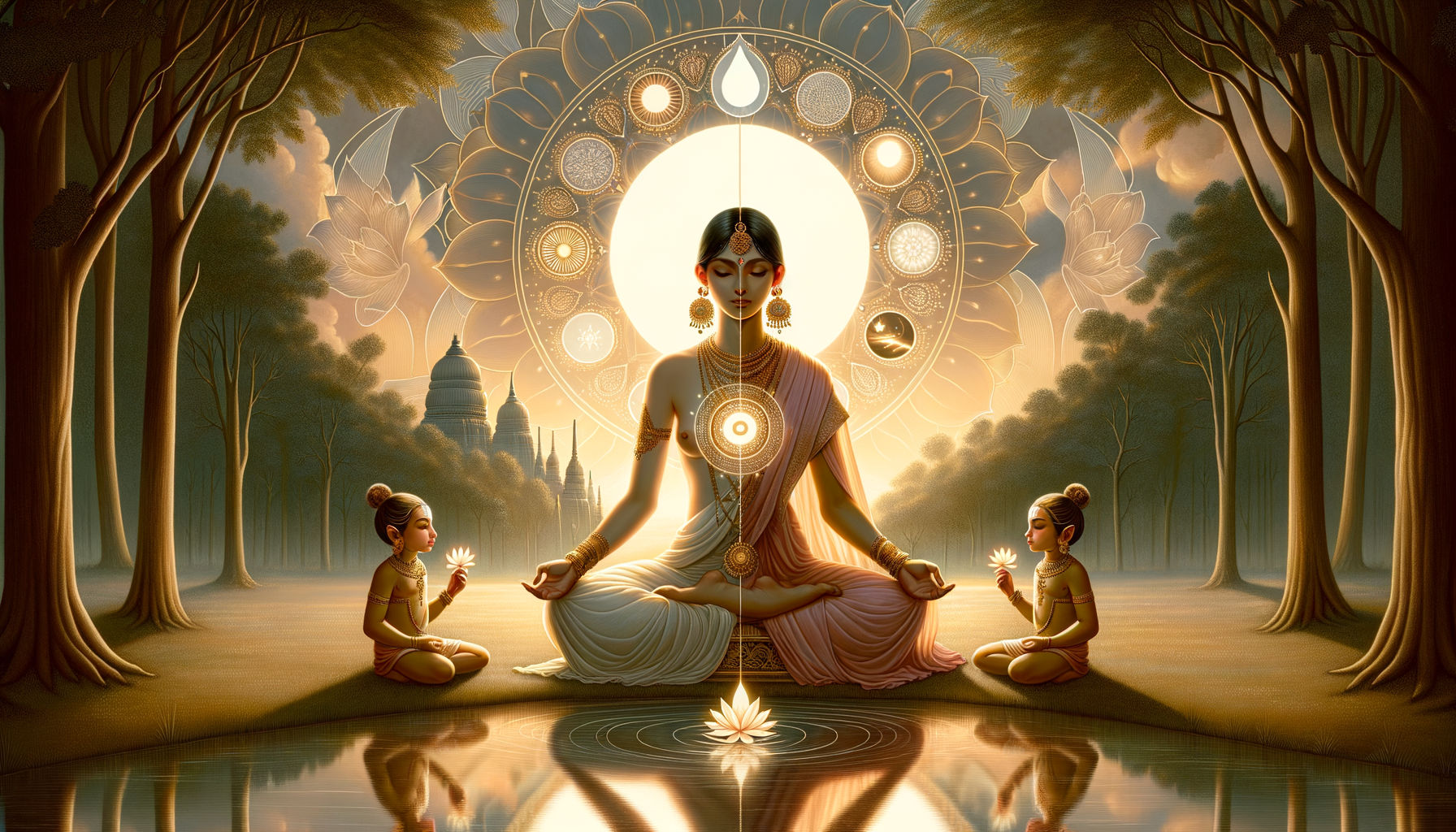
Some Ramayana traditions portray Riksharaja as the dual-gender progenitor of Vali and Sugriva, a striking motif that expands the epic’s philosophical depth. Born from Brahma’s tear and associated with Indra and Surya, Riksharaja embodies both fatherhood and motherhood in one sacred figure. This narrative resonates with dharmic symbolism such as Ardhanarishvara, where complementarity and balance…
-
Why God Means Many Things: Hinduism’s Profound Inclusivity and Dharmic Unity, Explained
Hinduism presents a spacious, many-sided understanding of the Divine, where God may be personal and impersonal, with form and beyond form. Anchored in the Upanishads and the Bhagavad Gita, it honors multiple authentic paths through the concept of Ishta in Hinduism. Philosophical streamsAdvaita, Viśiṣṭādvaita, and Dvaitamap different facets of one spiritual landscape without contradiction. This…
-
Srila Prabhupada’s Testing Questions: A Powerful Exchange on Guru, Krishna, and Chaitanya
A quiet encounter with Srila Prabhupada reveals how questioning can refine devotion and understanding in the Guru–Shishya Tradition. The exchange centers on whether Chaitanya Mahaprabhu is Krishna Himself, with the seeker appealing to Chaitanya-caritamrta for scriptural grounding. Prabhupada’s probing questions function as a pedagogical test that strengthens faith through śāstra-pramāṇa. The episode models respectful, rigorous…
-
Hinduism’s Holistic Vision: Purusharthas and Ashramas for a Balanced, Ethical Life
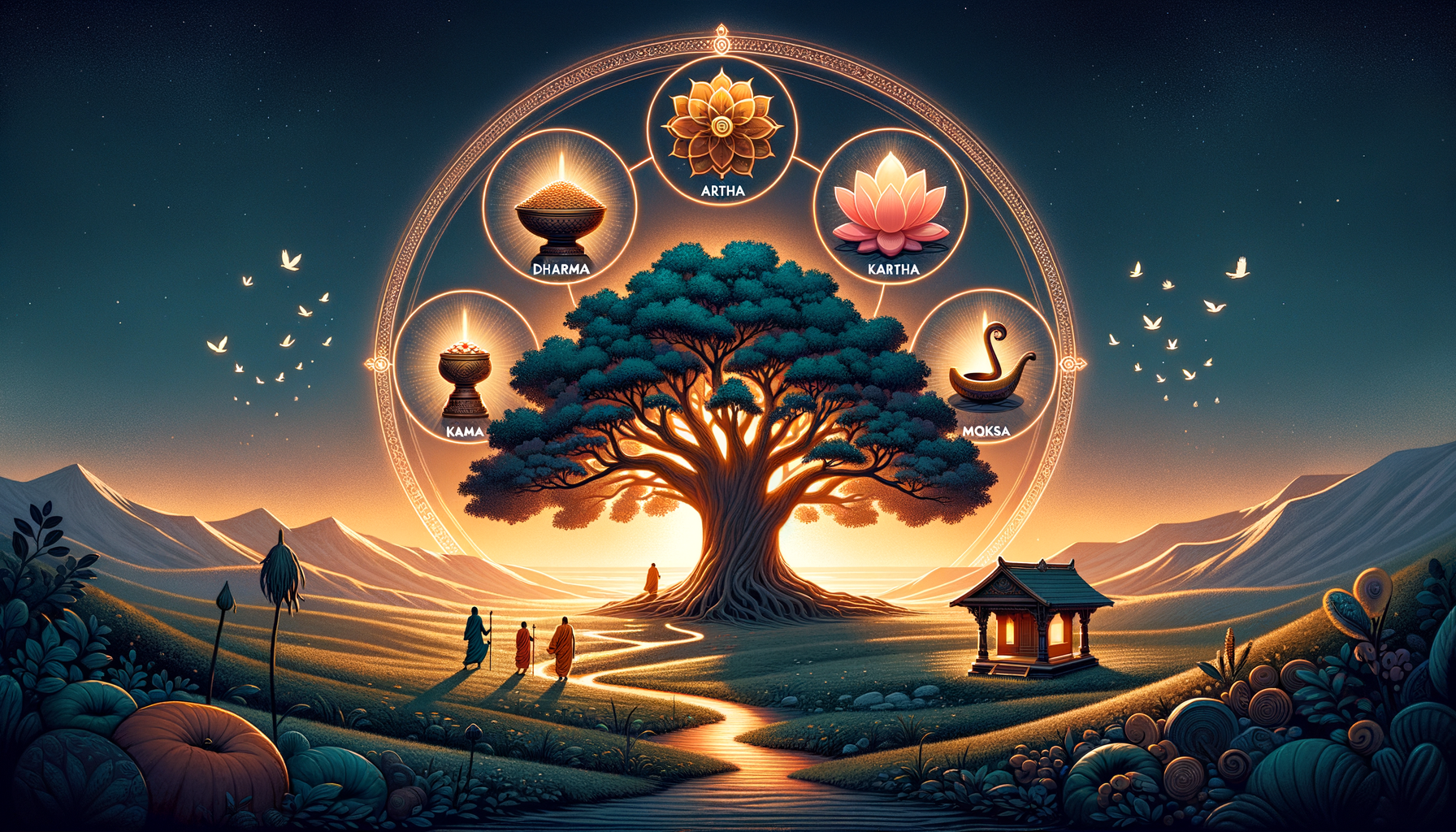
Hinduism offers a holistic, pragmatic model for living through two complementary frameworks: the Purusharthas (dharma, artha, kama, moksha) and the Ashramas (Brahmacharya, Grihastha, Vanaprastha, Sannyasa). These principles balance ethical clarity, material stability, meaningful enjoyment, and spiritual liberation. They also map a realistic life rhythm in which responsibilities evolve with time. Applied to modern challenges, this…
-
Why Temples Offer Alcohol to Kal Bhairav: Tantric Symbolism, Fearlessness, and Grace
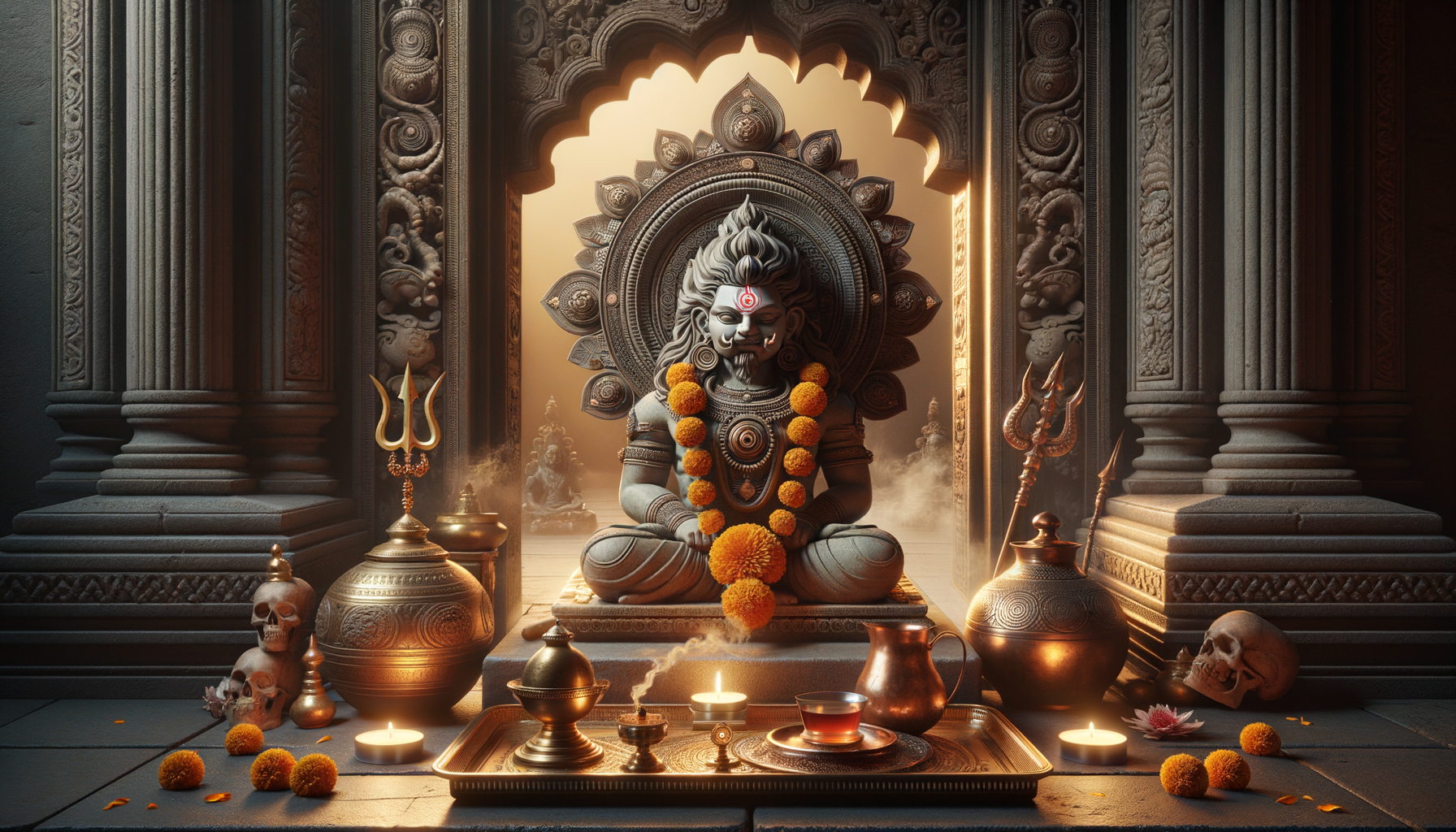
Kal Bhairav’s acceptance of alcohol offerings in select Hindu temples embodies a Tantric teaching: transforming raw, potentially destabilizing energies into fearlessness and moral clarity. Rooted in Shaiva and Shakta traditions, and resonant with Vajrayana Buddhism, the ritual encodes the alchemy of turning “poison” into medicine through consecration and disciplined intent. Temples such as Ujjain’s Kal…
-
Why Hinduism Has No Satan: A Powerful Dharmic Lens on Evil, Responsibility, and Liberation

Many ask why Hinduism has no Satan. The answer reveals a deliberate dharmic framework: evil is understood as ignorance, imbalance in the guṇas, and misalignment with dharmanot the work of an eternal adversary. Karma and the possibility of purification make an all-evil figure unnecessary, while epics like the Mahābhārata and the Bhagavad Gita emphasize inner…
-
Joshmani Sect and Nirguna Devotion: Timeless Wisdom Uniting Hinduism’s Dharmic Family

The Joshmani sect in Hinduism centers on Nirguna devotionrealizing the formless Divine through contemplation, sincerity, and ethical living. Its approach complements Saguna bhakti, affirming Hinduism’s many valid paths rather than elevating one over another. Grounded in Vedanta and the Upanishads, it favors substance over ritual excess while respecting Vedic heritage. The tradition aligns with Ishta,…
-
Panchayatana Puja Explained: The Complete Guide to Pancha Deva Worship and Unity in Hinduism
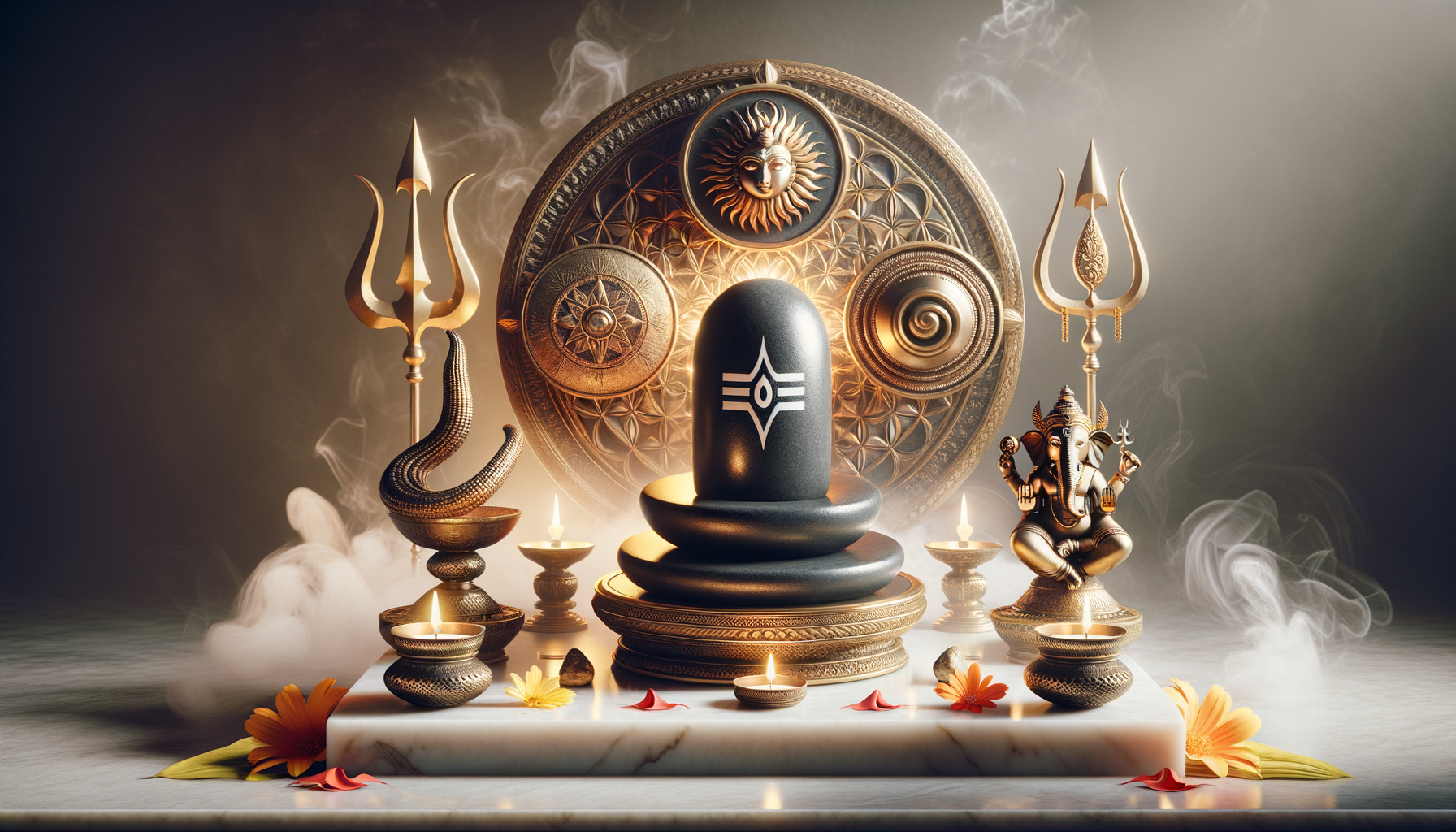
Panchayatana Puja, or Pancha Deva Puja, offers a clear and compelling framework for unity in diversity within Hinduism. It venerates Shiva, Vishnu, Devi, Surya, and Ganesha together, typically in a quincunx arrangement that places one’s Ishta at the center while honoring the rest. Rooted in the Smarta tradition and associated with Adi Sankara, it integrates…
-
Discover the Rig Veda’s Complete Creation Wisdom: Upanishadic Insights to Transform Understanding
Hinduism’s creation vision, grounded in the Rig Veda and clarified by the Upanishads, presents a cyclical, ever-unfolding cosmos sustained by Brahman. Rig Vedic humility, especially in the Nasadiya Sukta, invites inquiry rather than dogma. Upanishadic insights like “tat tvam asi” and “satyam jnanam anantam brahma” align the inner Self with the Absolute, framing multiplicity as…
-
Complete Panchang Guide for October 22, 2025: Discover Pratipada–Dwitiya Timings

On Wednesday, October 22, 2025, the Hindu Panchang notes Shukla Paksha Pratipada until 6:17 PM, transitioning to Shukla Paksha Dwitiya thereafter. This first day of the waxing moon is associated with renewal and steady progress, offering a calm framework for rituals, study, and family activities. Readers gain clarity on the precise tithi change to plan…
-
Discover the Essential Bond of Shiva and Annapoorna: A Complete Guide to Sacred Nourishment

The enduring bond of Bhagvan Shiva and Mata Annpoorna reveals how ascetic wisdom and sacred nourishment harmonize within Hindu Dharma. As a manifestation of Parvati, Annapoorna symbolizes abundance and compassionate sharing, while Shiva embodies renunciation and transcendence. Puranic narratives set in Kashi convey that even the highest spiritual insight rests upon ethical provision of food.…