
-
Karma and the Realized Soul in Hinduism: Sanchita, Prarabdha, Agami and Jivanmukti Explained

This article explains how the threefold classification of karma in Hinduismsanchita, prarabdha, and agamioperates for both seekers and the realized person in Advaita Vedanta. It shows why Self-knowledge nullifies sanchita, prevents the accrual of agami, and yet allows prarabdha to complete its course until the body’s end. Readers gain scriptural grounding from the Bhagavad Gita…
-
Why Nothing Is Ever Lost: Dharmic Wisdom to Transform Grief into Clarity and Peace

This long-form exploration explains why, across Hinduism, Buddhism, Jainism, and Sikhism, nothing is ever truly lostforms change while meaning, memory, and value continue. It clarifies Vedanta’s two levels of truth, showing how the atman remains untouched even as prakriti transforms. It integrates Buddhist dependent origination, Jain Anekantavada, and Sikh Hukam to present a unified dharmic…
-
At the Guru’s Last Breath: A Mango, Mindfulness, and the Taste of Immortality

A classical Hindu teaching story recounts a Guru who, at the threshold of death, uses a simple mango to demonstrate how breath awareness, mindful attention, and remembrance reveal the peace of the Atman. The narrative is analyzed through the Bhagavad Gita and the Upanishads, showing how last-thought psychology aligns with daily practice in dhyana, japa,…
-
Why Material Success Fails: Bhagavatam 11.3.19–20 on Lasting Joy, Fear, and Liberation
Śrīmad Bhāgavatam 11.3.19–20 teaches that wealth, family prestige, status, and even heavenly pleasures cannot provide lasting happiness because all material results are temporary and fuel anxiety, competition, and fear. Drawing on the Eleventh Canto’s context and consonant Bhagavad-Gita insights, this analysis explains why even pious ascent to higher planets ends in loss. It then outlines…
-
Jada Bharata vs. Kali Yuga: Unmasking Algorithmic Gurus and Reclaiming Timeless Dharma

Jada Bharata’s encounter with the modern attention economy offers a precise lens for navigating Kali Yuga’s spiritual noise. Grounded in the Bhagavata Purana, the sage’s teachings on vairagya, mauna, sakshi-bhava, and nishkama-karma map cleanly onto today’s influencer culture and consumer spirituality. Clear criteria from the Upanishads and the Gita help distinguish authentic guidance from spectacle…
-
Moksha in Mimamsa Darsana: Unraveling Liberation through Dharma, Ritual, and Knowledge
Mimamsa, celebrated for its Vedic hermeneutics, also offers a precise and compelling account of moksha as the cessation of suffering and the self’s release from embodied limitation. Rooted in the Jaimini Mimamsa Sutras and elaborated by Śabara, Kumārila, and Prabhākara, the system distinguishes ritual’s finite results from liberation’s non-binding freedom. It explains karma through the…
-
Ignorance Is Its Nemesis: A Definitive Advaita Vedanta Guide to Avidya, Jnana, and Moksha
This long-form, academically grounded exploration clarifies how Advaita Vedanta understands avidya (ignorance) as the root of bondage and jnana (knowledge) as its precise antidote. Drawing on the Upanishads and the Bhagavad Gita, it explains key conceptsadhyasa, maya, sadhana-chatushtaya, and sravana–manana–nididhyasanawhile detailing how knowledge functions as a pramana for Brahman. The discussion situates Advaita within a…
-
Life After Death in Hinduism: A Clear, Compassionate Guide to Karma, Rebirth, and Moksha
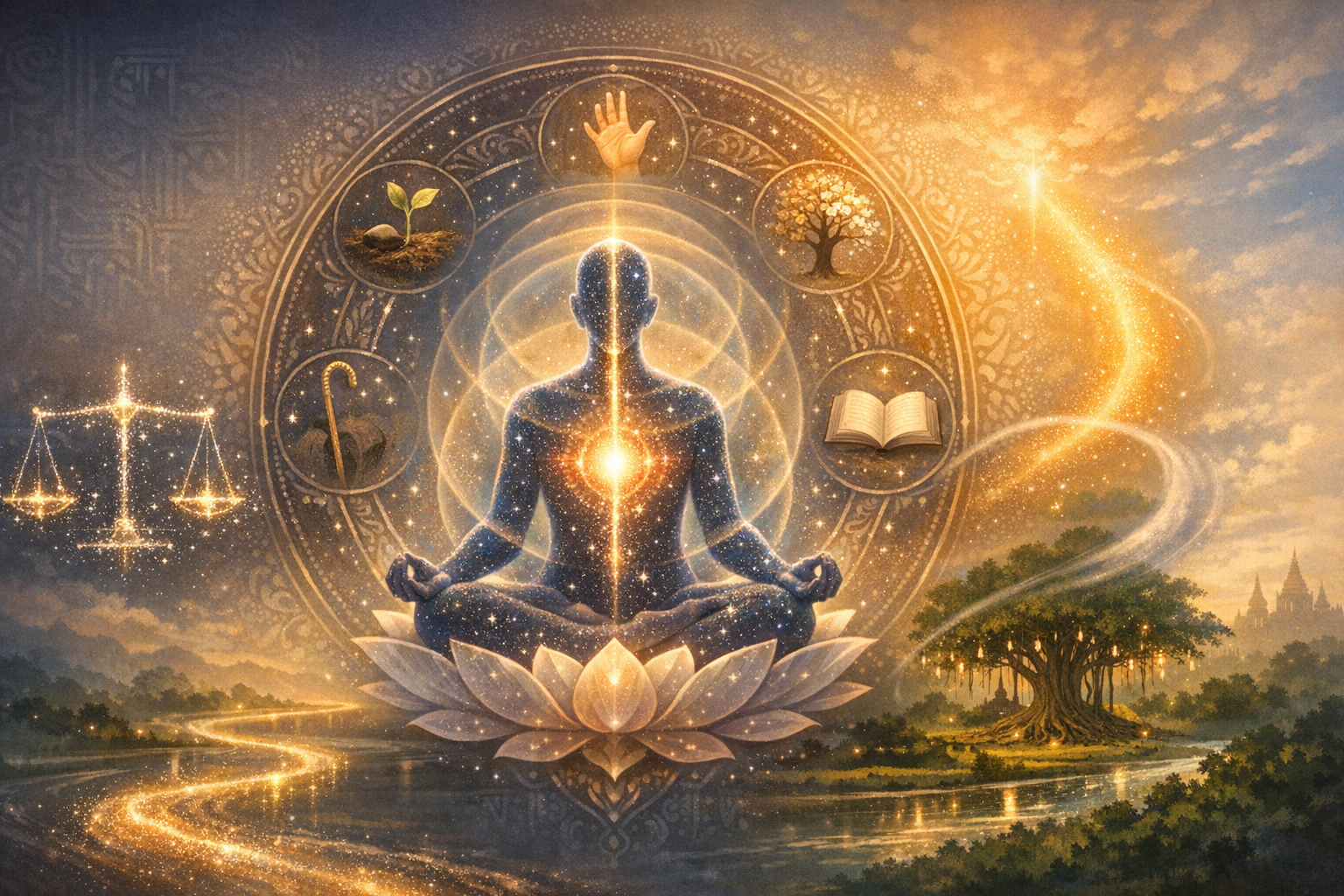
Hindu philosophy portrays life after death as an ethically coherent, compassionate continuum shaped by karma, guided by dharma, and culminating in moksha. Core ideas from the Upanishads, the Bhagavad Gita, and Puranic literature explain how the atman journeys onward through subtle and causal bodies, modulated by sanchita, prarabdha, and agami karma. Temporary states such as…
-
Unveiling the Soul’s Journey: Life After Death in HinduismKarma, Yama, Moksha

Hinduism presents life after death as a just, compassionate, and educative journey governed by karma and oriented toward moksha. Foundational textsthe Upanishads, Bhagavad Gita, and Puranasaffirm that the immortal ātman continues through realms (lokas) or returns via reincarnation according to ethical causality. Lord Yama Dharma embodies impartial moral order, while rites such as antyeṣṭi, śrāddha,…
-
Cut Through the Noise: Yoga Vasistha’s Radical Call for Direct Experience over Debate
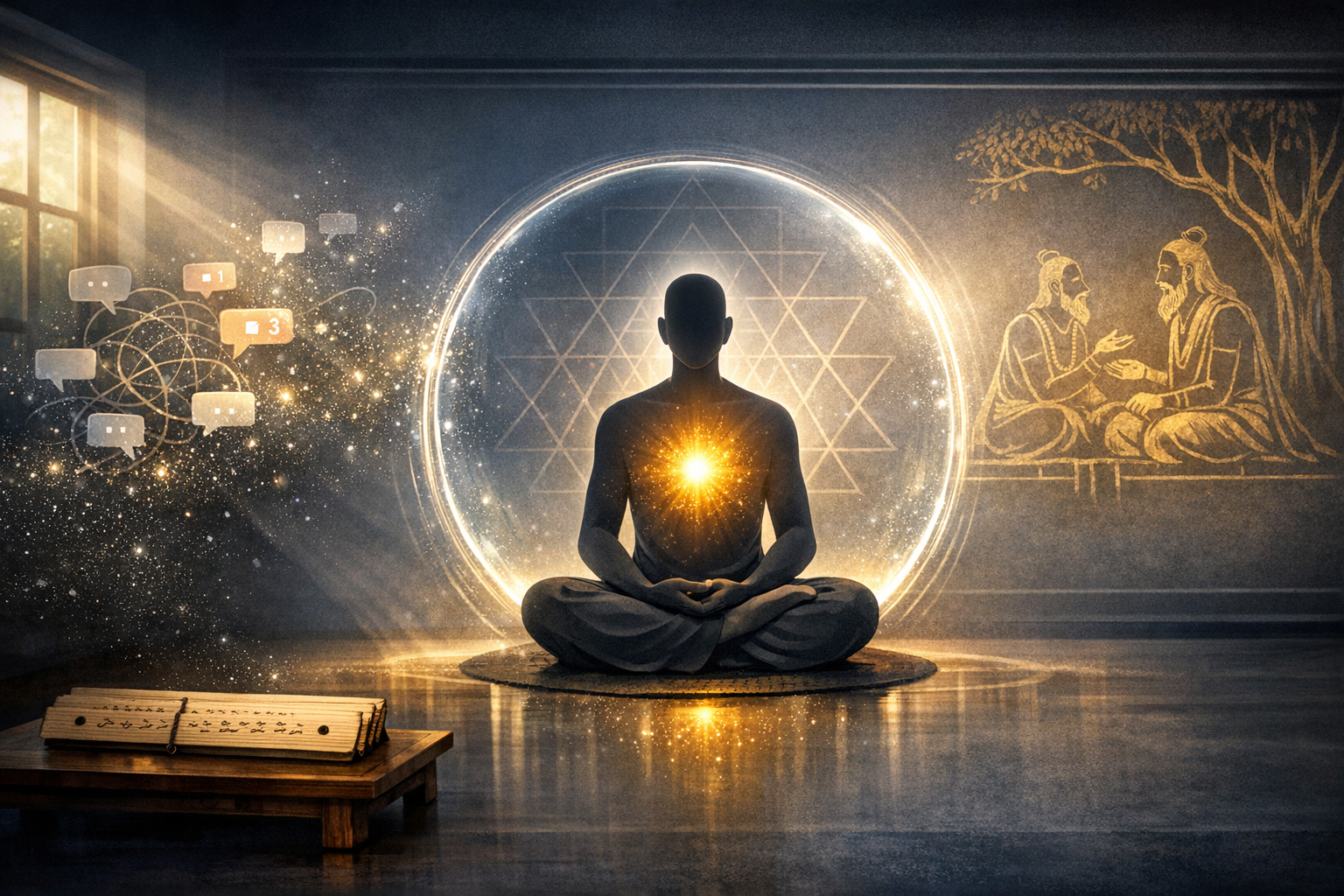
Yoga Vasistha confronts the overload of modern discourse with a precise remedy: shift from argument to direct experience. Framed as a dialogue between Vasishta and Rama, this classical Hindu scripture privileges aparoksha-anubhutiimmediate realizationover conceptual accumulation. It maps a practical path through dispassion, inquiry, meditation, and ethical alignment, showing how transformation is verified in everyday equanimity…
-
Pure Mind Beyond Desire: A Rigorous Path to Moksha in the Gita, Upanishads, and Yoga

This article offers a rigorous, text-anchored exploration of the Hindu ideal of a pure mind free from desire, linking it to moksha in the Bhagavad Gita, the Upanishads, and Patanjali’s Yogasutra. It clarifies the difference between eliminating compulsive craving and nurturing dharma-aligned intention, avoiding the common pitfall of suppression or nihilism. Readers gain a practical…
-
Beyond Varna and Ashrama: The Ativarnashrami Ideal and a Fearless Path to Moksha
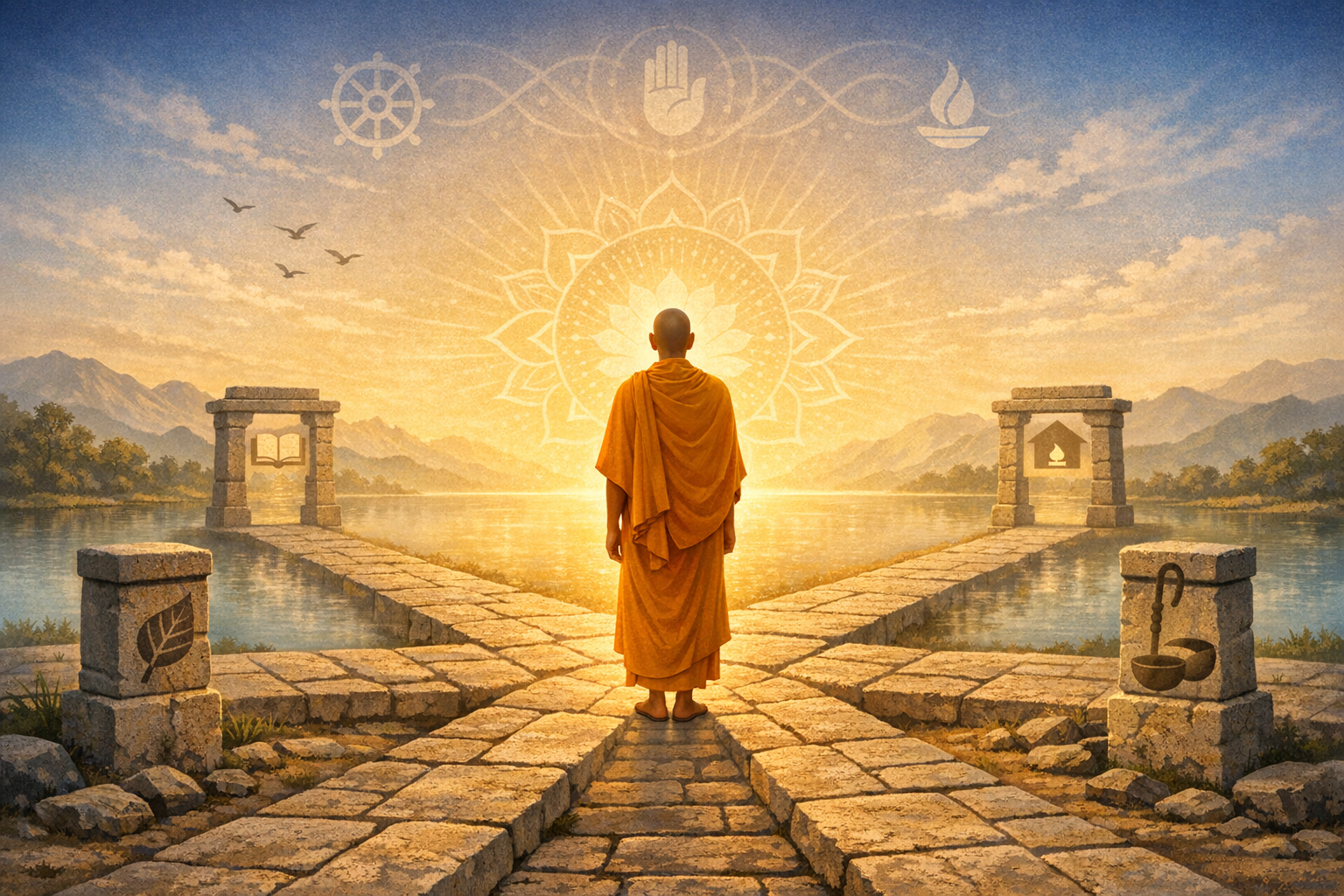
This long-form exploration clarifies the Ativarnashrami ideal as the realized state beyond social and life-stage identifiers in Hindu philosophy. It situates the concept within varnashrama dharma, the purusharthas, and scriptural anchors from the Upanishads and the Bhagavad Gita. Readers gain a technical yet readable account of renunciant gradations, ethical implications, and the principle of loka-samgraha.…
-
Unlocking Liberation: The Muktikopanishad’s Timeless Guide to the 108 Upanishads and Moksha
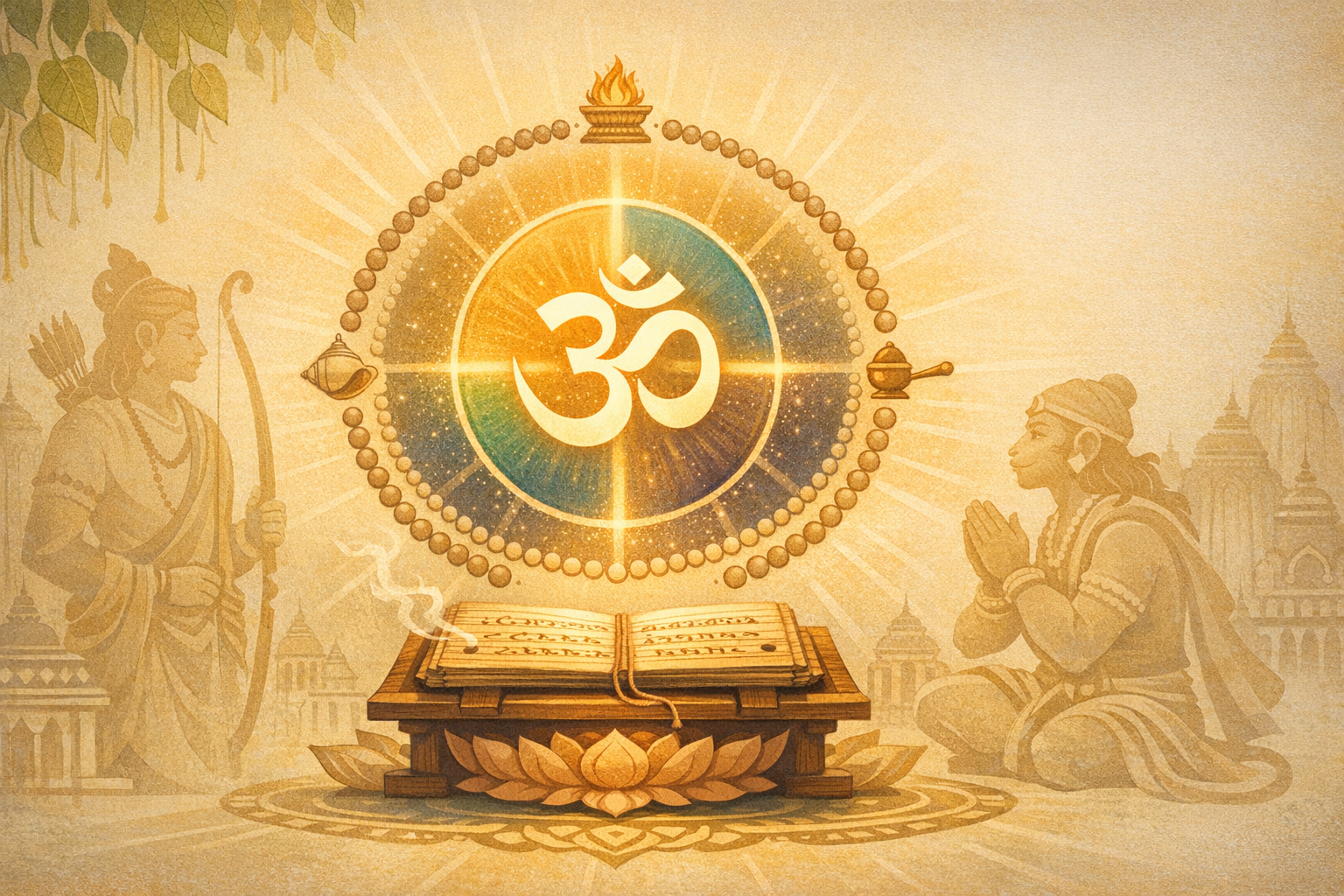
The Muktikopanishad offers a clear, graded pathway to moksha by organizing the Upanishadic corpusespecially the 108 Upanishadsinto an accessible curriculum. Set as a dialogue between Rāma and Hanumān, it blends Advaita Vedānta’s nondual insight with the practical disciplines of ethics, devotion, and meditation. The text’s prioritization of the Māṇḍūkya Upanishad (often with the Kārikā) gives…
-
Beyond Perfection: Liberating Dharmic Wisdom on Impermanence, Dharma, and Divine Order

Perfection, as popularly pursued, continually recedes because all conditioned things are impermanent; dharmic traditions convert this problem into a path by aligning aspiration with dharma and the Divine Order. Drawing on the Bhagavad Gita, Upanishads, Yoga philosophy, and the broader insights of Buddhism, Jainism, and Sikhism, the essay reframes success as excellence grounded in clarity,…
-
Facing Mortality, Finding Dharma: Why Mastering Dying Is the Ultimate Art of Living
A pivotal episode from the Mahabharata frames a universal insight: death is certain, denial is common, and wisdom begins when that denial ends. This long-form analysis shows how Hinduism, Buddhism, Jainism, and Sikhism converge on a shared disciplinefacing mortality to live more ethically, courageously, and compassionately. Drawing on the Bhagavad Gita, the Upanishads, maranasati, samayik–pratikraman,…
-
Beyond Endless Craving: Dharmic Science of Ambition, Lust, and Lasting Happiness
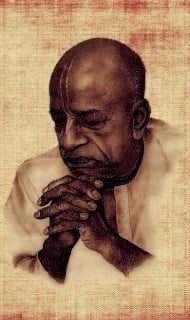
Progressive ambition often fails to produce lasting happiness because the senses–mind complex is mismatched to the goal of enduring joy. Vedic philosophy explains this law of material nature and locates fulfillment in the jiva’s spiritual quality as a particle of Sachidananda Vigraha. Converging insights from Hinduism, Buddhism, Jainism, and Sikhism show that inner realignmentnot external…
-
Eternal Paradox of Being: Nothing Is Lost, Yet Everything Changes in Hindu-Dharmic Thought
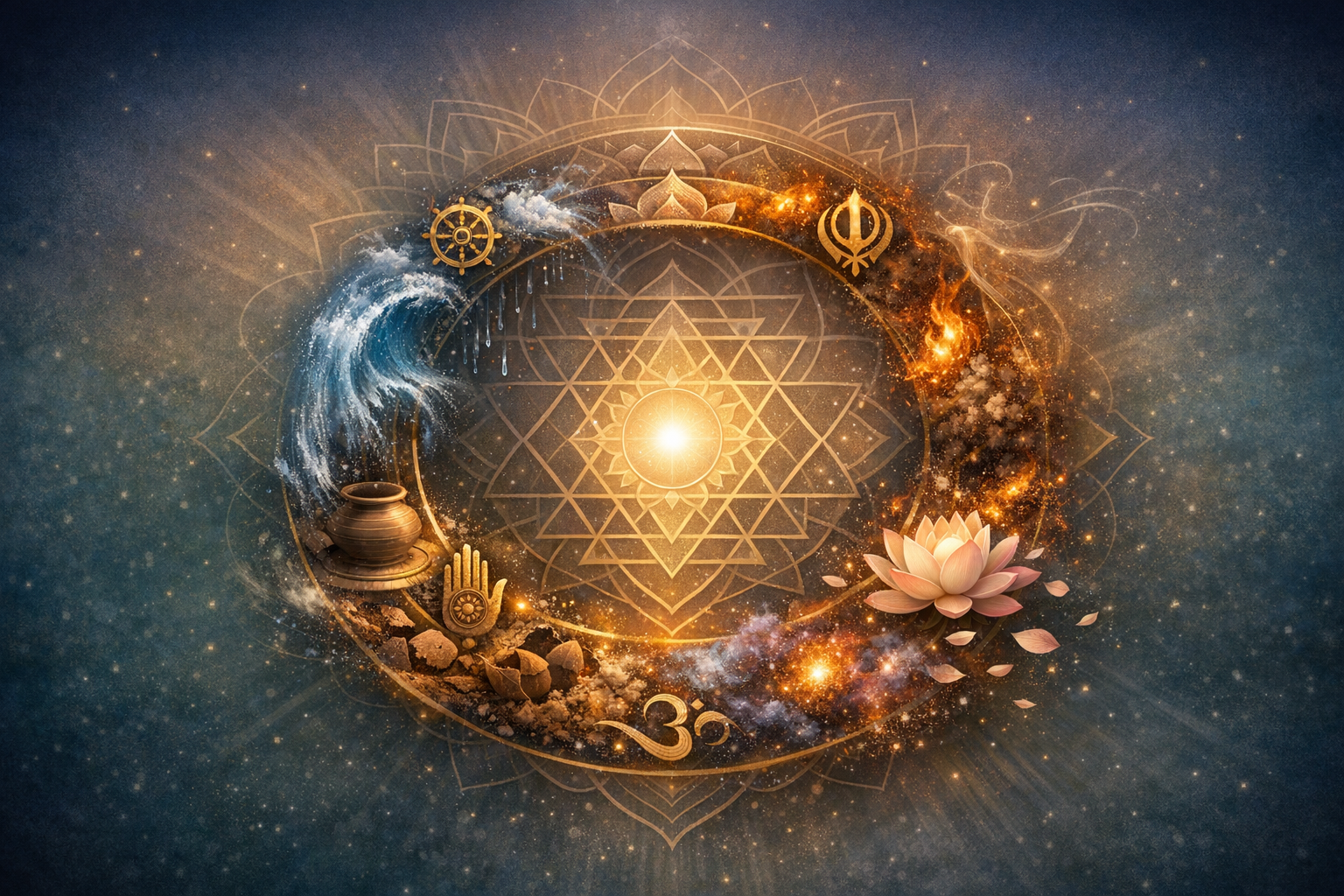
This essay decodes the paradox “Nothing can be wiped out; but nothing remains same” through the lens of Hindu philosophy and the wider dharmic traditions. It shows how the Upanishads, the Bhagavad Gita, Advaita, Samkhya, Nyaya-Vaisheshika, Buddhism, Jainism, and Sikhism converge on a coherent view: being persists while forms transform. Readers gain clear definitions (sat,…
-
Desire Beyond Need: Dharmic Strategies to Transform Craving into Clarity and Freedom

This article clarifies why, in Hindu thought, desire is not a need but a demand that reaches beyond needand how that demand can be guided rather than suppressed. It maps desire across the puruṣārthas and pañca-kośa models, showing when desire serves dharma and when it becomes compulsion. It integrates insights from the Bhagavad Gita, Yoga…
-
Nirupadhika in Advaita Vedanta: Adjunct-Free Brahman, Practice Insights, and Dharmic Parallels

Nirupadhika“without the upadhis”names Advaita Vedanta’s insight that Brahman is never altered by limiting adjuncts such as body, mind, maya, or avidya. The article maps how nirupadhika contrasts with sopadhika, clarifies tri-level reality, and shows how Upanishadic hermeneutics (neti neti, tat tvam asi via bhaga-tyaga-lakshana) reveal the adjunct-free Self. It unpacks core methodsadhyaropa-apavada, Drig-Drishya Viveka, and…
-
Unraveling Karma’s ‘Complicated Play’: Dharmic frameworks of action, causality, and grace

This long-form guide unpacks why “Gurudev says that it is a complicated play,” showing how Karma operates across intention, action, impressions, and outcomes. It compares Hindu, Buddhist, Jain, and Sikh frameworks, clarifying doership, responsibility, and grace without collapsing their differences. Readers gain a precise map of sañcita–prārabdha–kriyamāṇa, Buddhist intentionality (cetanā) and dependent origination, Jain karmic…