
-
Bhishma’s Fall in the Mahabharata: Strategy, Dharma, and Leadership Lessons from Kurukshetra
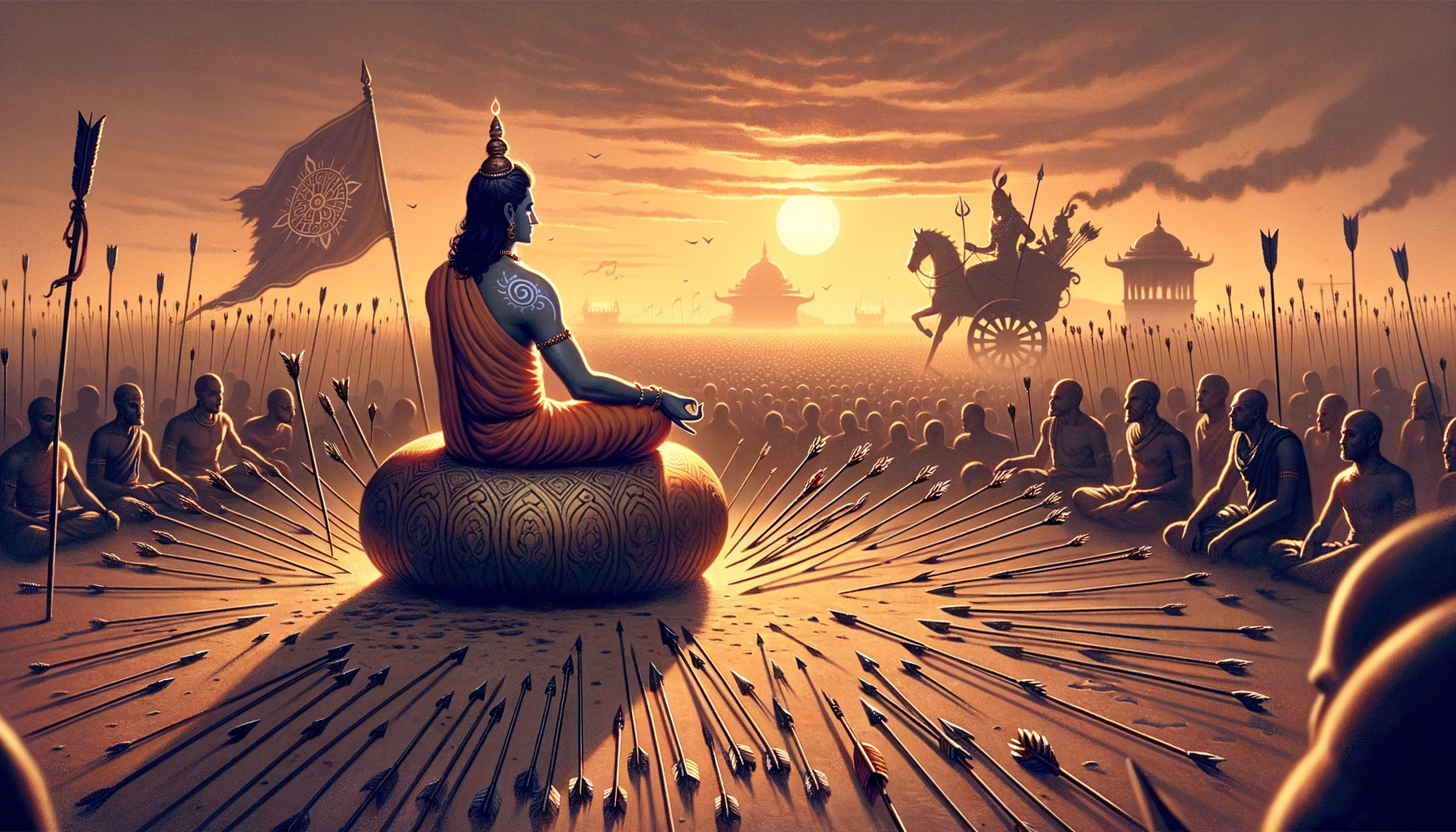
Bhishma’s fall marks a decisive shift in the Kurukshetra War, blending strategy with dharma in a way few epic moments achieve. The account clarifies why Bhishma’s vows shaped both the tactics and ethics of the Mahabharata. Readers gain context for Arjuna’s role, Krishna’s guidance, and the use of Shikhandi in preserving Dharma-Yuddha. The narrative shows…
-
Dronacharya and Dhrishtadyumna: Destiny, Deception, and Dharma in the Kurukshetra War
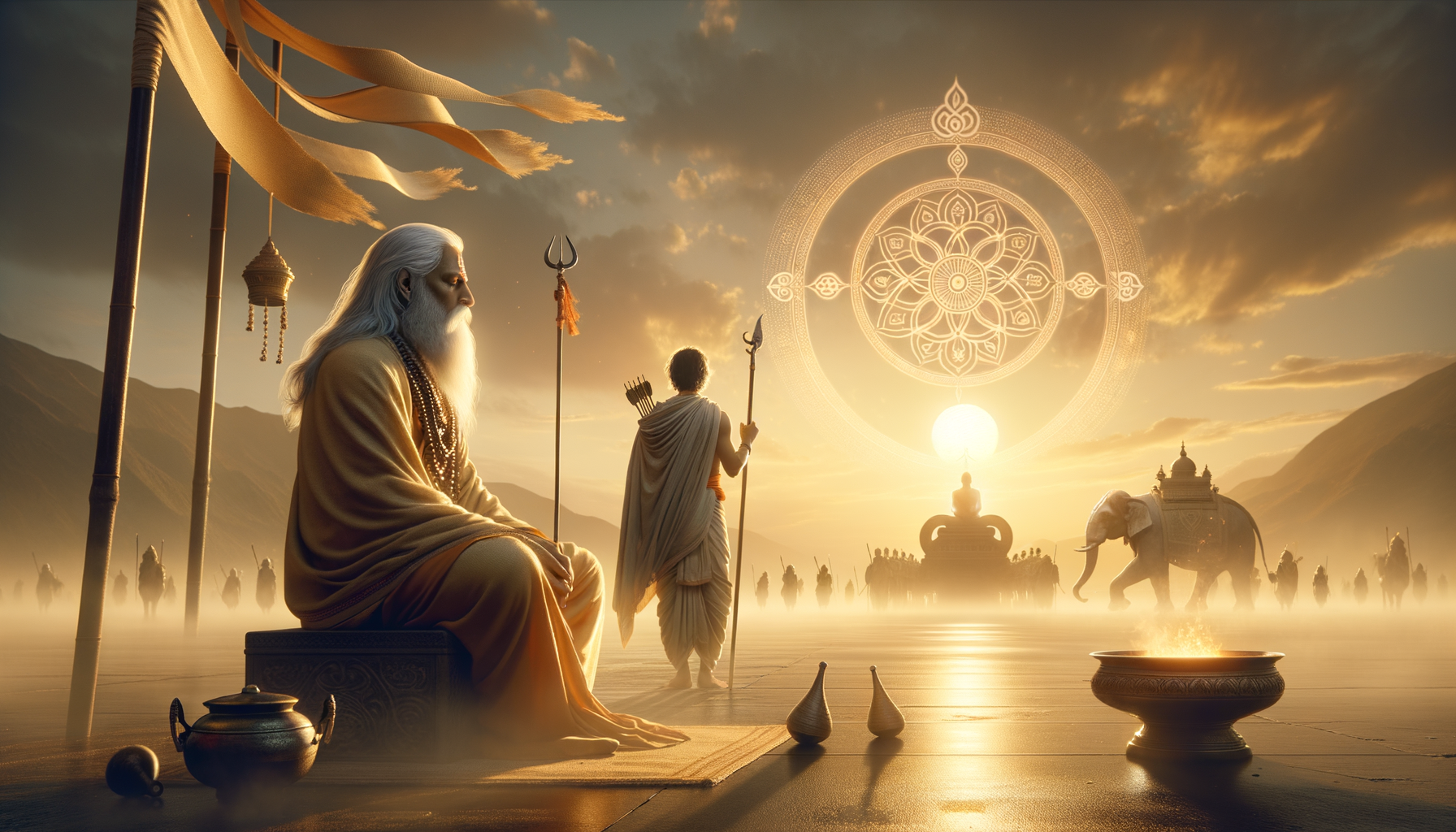
This analysis traces the full arc of Dronacharya and Dhrishtadyumna, from Drupada’s humiliation to the prophetic birth of Dhrishtadyumna, the guru–shishya paradox, and the Kurukshetra stratagem involving Ashwatthama. It clarifies competing versions of Drona’s death and weighs the ethical dimensions of deception in warfare. Readers gain a clear timeline, context for motives on both sides,…
-
See the World Anew: Krishna’s Test of Duryodhana and Yudhishthira on Perception and Dharma

A classic teaching from the Mahabharata tradition, guided by Sri Krishna’s wisdom, shows how perception shapes reality. In the story, Duryodhana sees faults everywhere while Yudhisthira discerns redeeming qualities in all, revealing the inner lens each brings to the world. Read alongside the Bhagavad Gita’s discipline of equanimity (samatva), the lesson becomes a method for…
-
When Duty Meets Divine Will: Arjuna’s Tapas to Shiva and the Blessing of Astras
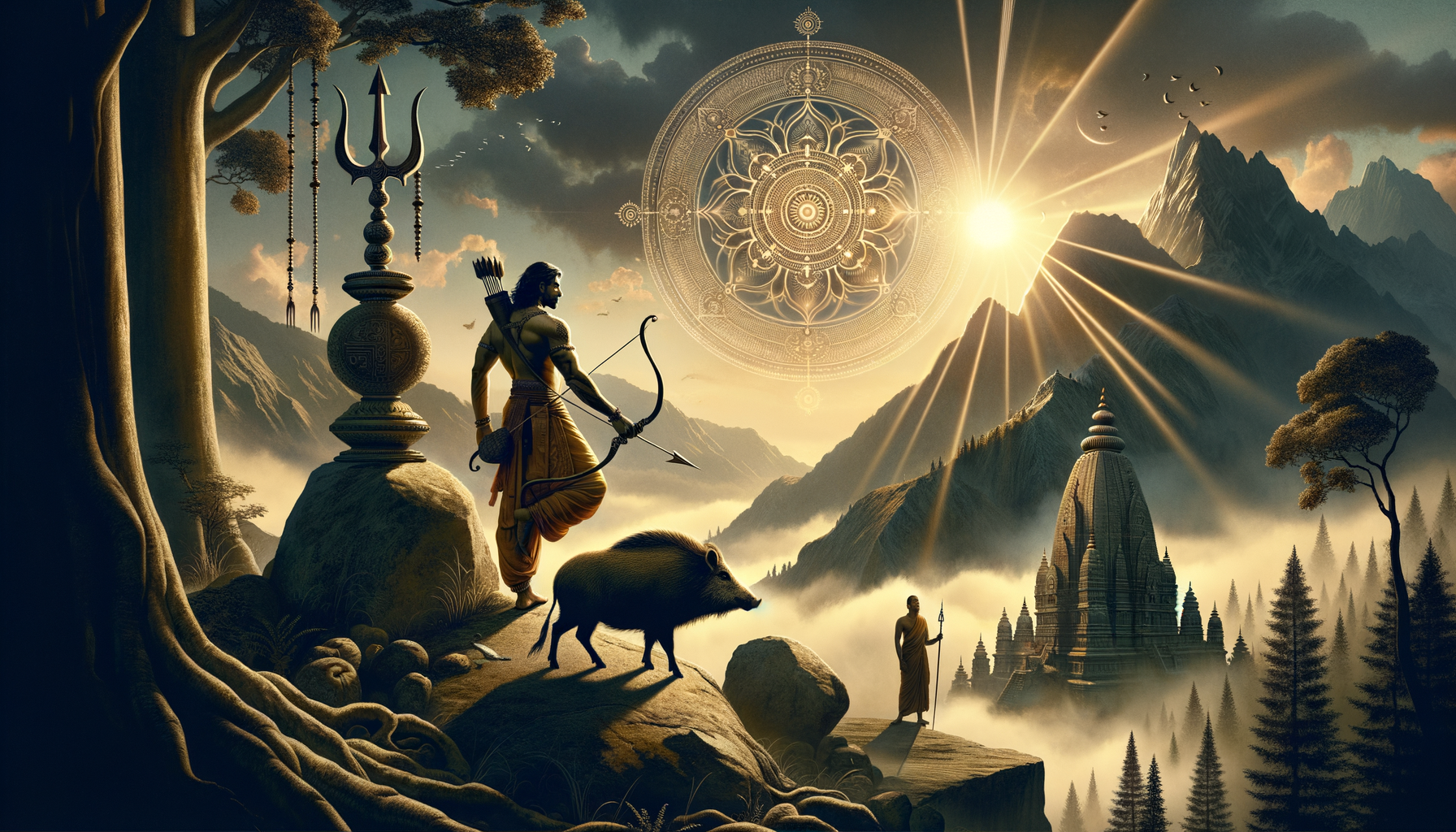
Arjuna’s tapas at Mount Indrakeel reveals how inner discipline aligns human duty with divine will in the Mahabharata. Guided by Veda Vyasa, Arjuna seeks Shiva’s grace and receives the Pashupatastra, exemplifying power entrusted only to ethical hands. The episode illustrates Kshatra Dharma as measured protection rather than aggression, echoing cross-dharmic ideals from Hinduism, Buddhism, Jainism,…
-
Dhritarashtra’s Locked Room: A Powerful Dharmic Lesson on Attachment, Denial, and Freedom

The Mahabharata’s portrait of Dhritarashtra reveals how attachment (moha) and denial create a self-made prison that undermines ethical judgment. This analysis clarifies the difference between ignorance and active refusal to see, mapping the locked-room metaphor onto everyday life, leadership, and responsibility. It highlights convergence across Hinduism, Buddhism, Jainism, and Sikhism on freeing oneself from clinging…
-
Mahabharata’s Hidden Heroes: Shadow Diplomats, Espionage, and Dharma in Ancient Bharata

This exploration of the Mahabharata uncovers a disciplined intelligence culturespies, envoys, and shadow diplomatsoperating within a clear ethical framework. It highlights how Vidura-niti and Udyoga Parva illustrate protocols for reconnaissance, negotiation, and moral restraint. Readers gain insights into how Sri Krishna’s Diplomacy prioritized peace through precise knowledge and timing. The narrative shows intelligence as a…
-
From Flight to Fortitude: Prince Uttara’s Mahabharata Lesson on Pride, Guidance, and Courage
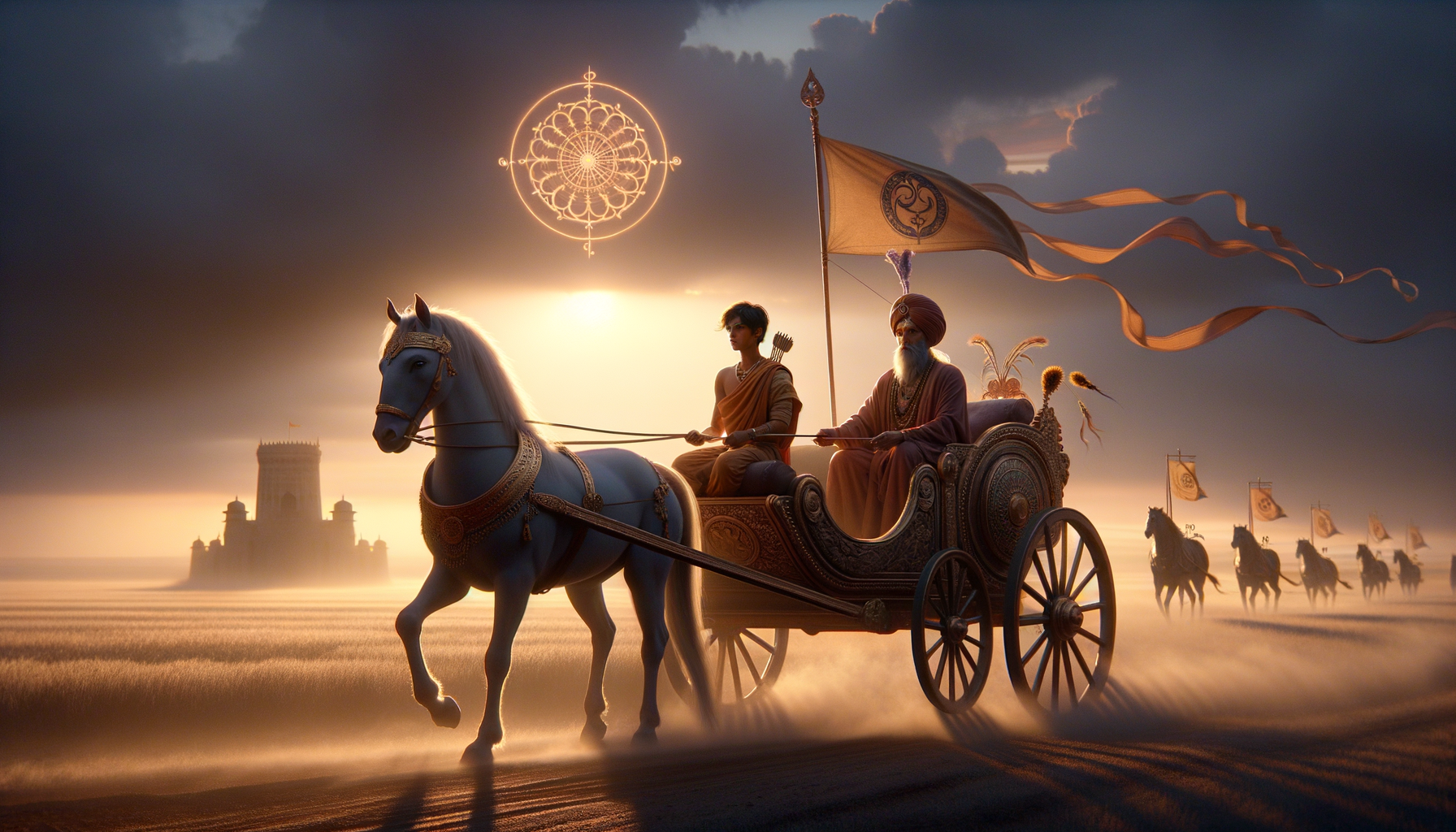
Prince Uttara’s story in the Mahabharata reveals how fear can yield to courage when guided by humility and mentorship. Set during the Virata Parva, the episode exposes the brittleness of pride built on bravado and the strength that comes from accepting instruction. Brihannala (Arjuna in disguise) reframes crisis as training, modeling the guru–shishya ethos. The…
-
Silent Power of Vidura: How Strategic Restraint Became Ethical Resistance in the Mahabharata

Vidura’s leadership in the Mahabharata shows how restraint can function as ethical resistance when counsel is ignored and adharma gains ground. Drawing on Vidura-niti and Udyoga Parva, this analysis highlights how calibrated speech, principled silence, and timely withdrawal form a coherent framework for just action. The approach resonates across Hindu, Buddhist, Jain, and Sikh traditions…
-
Arjuna’s Path of Mastery: Harmonizing Effort and Grace for Transformative Learning
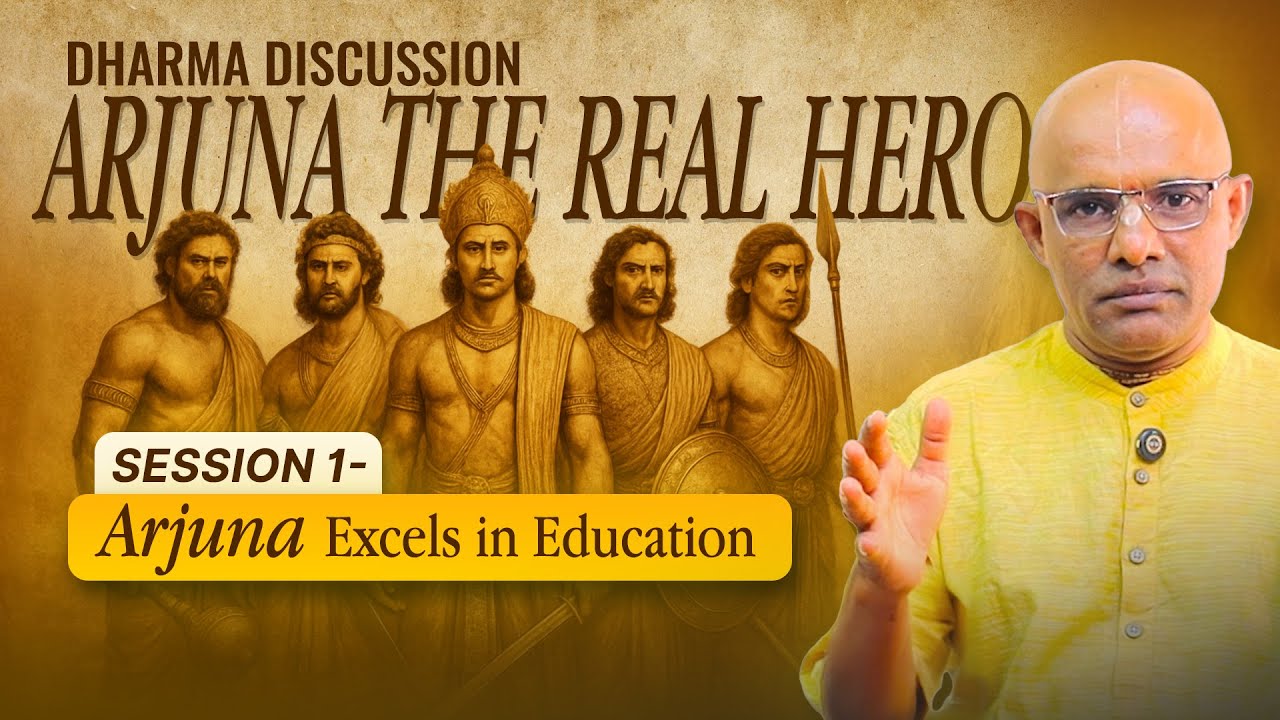
Arjuna exemplifies the union of disciplined effort and divine dependence, offering a powerful model of transformative learning. Drawing on the Mahabharata and the Bhagavad Gita, this discussion shows how mastery requires both rigorous practice and humility. Educationally, Arjuna’s formation reflects the guru–shishya tradition, integrating attentive study, reflection, and internalization. Practically, readers can translate these principles…
-
Unveiling Mama Dharma in the Bhagavad Gita: A Blueprint for Duty, Identity, and Unity
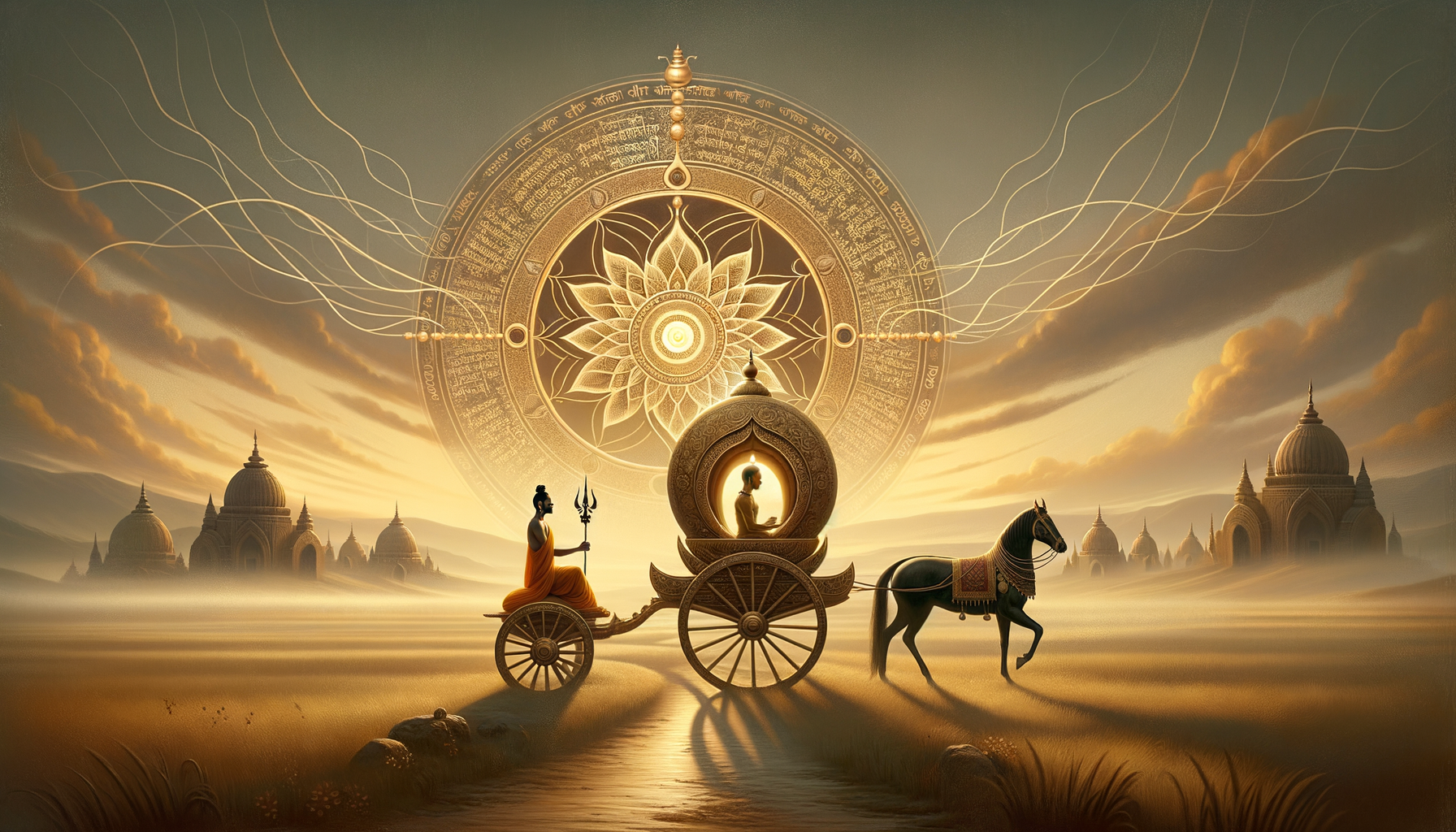
Mama Dharma“my dharma”is a concise, thematic key to the Bhagavad Gita’s message: align personal identity and responsibility with the larger moral order. The Gita frames this insight from 1.1’s dharma-kṣetre and māmakaḥ to 18.78’s assurance of prosperity, victory, well-being, and sound policy when wisdom and action unite. Rather than imposing a single path, it honors…
-
Karna’s Locked Room of Loyalty: Mahabharata Lessons on Dharma, Choice, and Courage

Karna’s unwavering loyalty to Duryodhana in the Mahabharata offers a powerful lens on modern ethical dilemmas. This analysis shows how gratitude and honor can become a self-imposed confinement when they eclipse discernment. Drawing on Hindu philosophy and the Bhagavad Gita, it outlines how viveka and non-attachment keep loyalty aligned with dharma. The piece connects these…
-
Babruvahana and Arjuna: A Powerful Mahabharata Tale of Duty, Defeat, and Redemption in Manipur
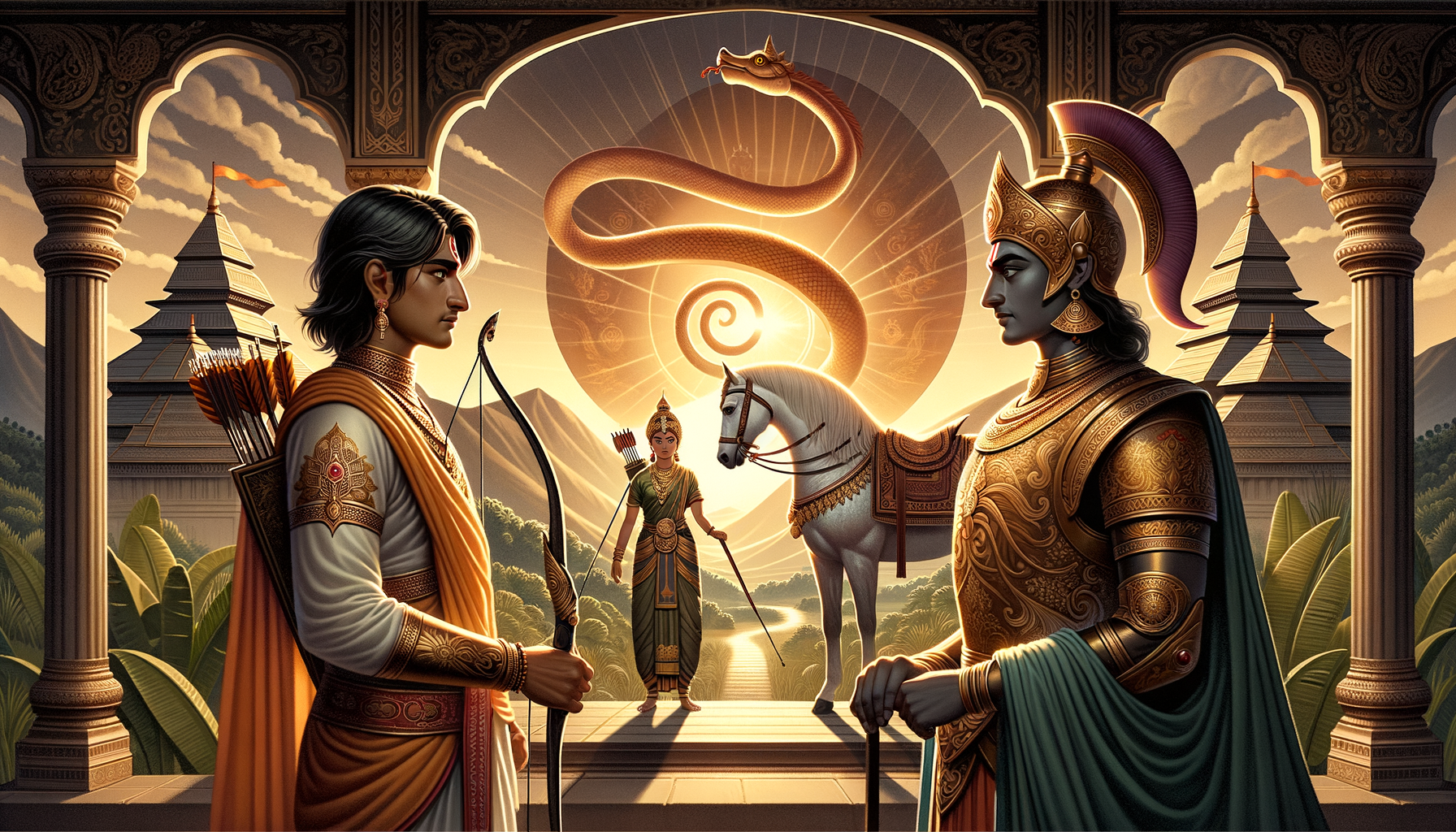
This retelling of the Babruvahana Katha presents a clear, academically grounded account of how Babruvahana defeated Arjuna during the Ashvamedha Yajna in Manipur. It explains the roles of Chitrangada and Ulupi, the ethical framework of Kshatra-dharma, and why the confrontation was necessary in certain recensions. Readers gain clarity on the specific question, “How did Babruvahana…
-
Gandhari’s Blindfold in the Mahabharata: A Powerful Choice and Its Ethical Symbolism

Gandhari’s lifelong blindfold in the Mahabharata is more than a legend; it is an ethical vow that reframes sight, power, and responsibility. This analysis explores her choice as solidarity, protest, and tapas, showing how it engages core themes of dharma and agency. The discussion clarifies the contrast between eyesight and insight across the epic’s characters.…
-
Dhritarashtra’s Blindness as a Mirror to the Mind: A Mahabharata Guide to Moral Clarity
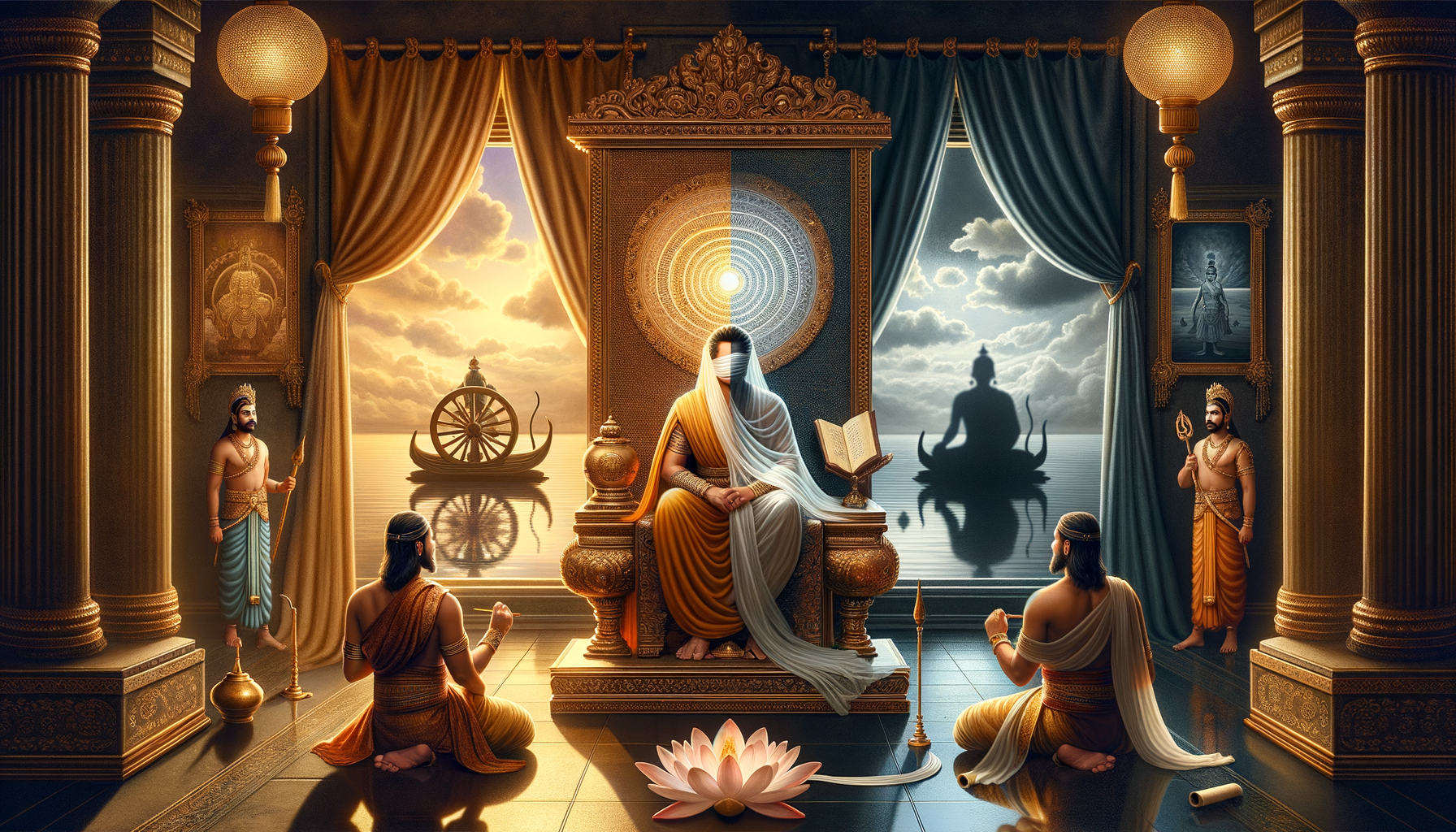
Dhritarashtra’s blindness in the Mahabharata symbolizes a universal human challenge: the mind’s tendency to turn away from uncomfortable truths when gripped by attachment and fear. Anchored in Hindu philosophy, the narrative shows how moha undermines viveka and invites motivated reasoning. Vidura and Sanjaya represent conscience and clarity, offering models for ethical perception that remain relevant…
-
18 Parvas of Mahabharata: A Life-Changing Guide to Dharma, War, and Wisdom
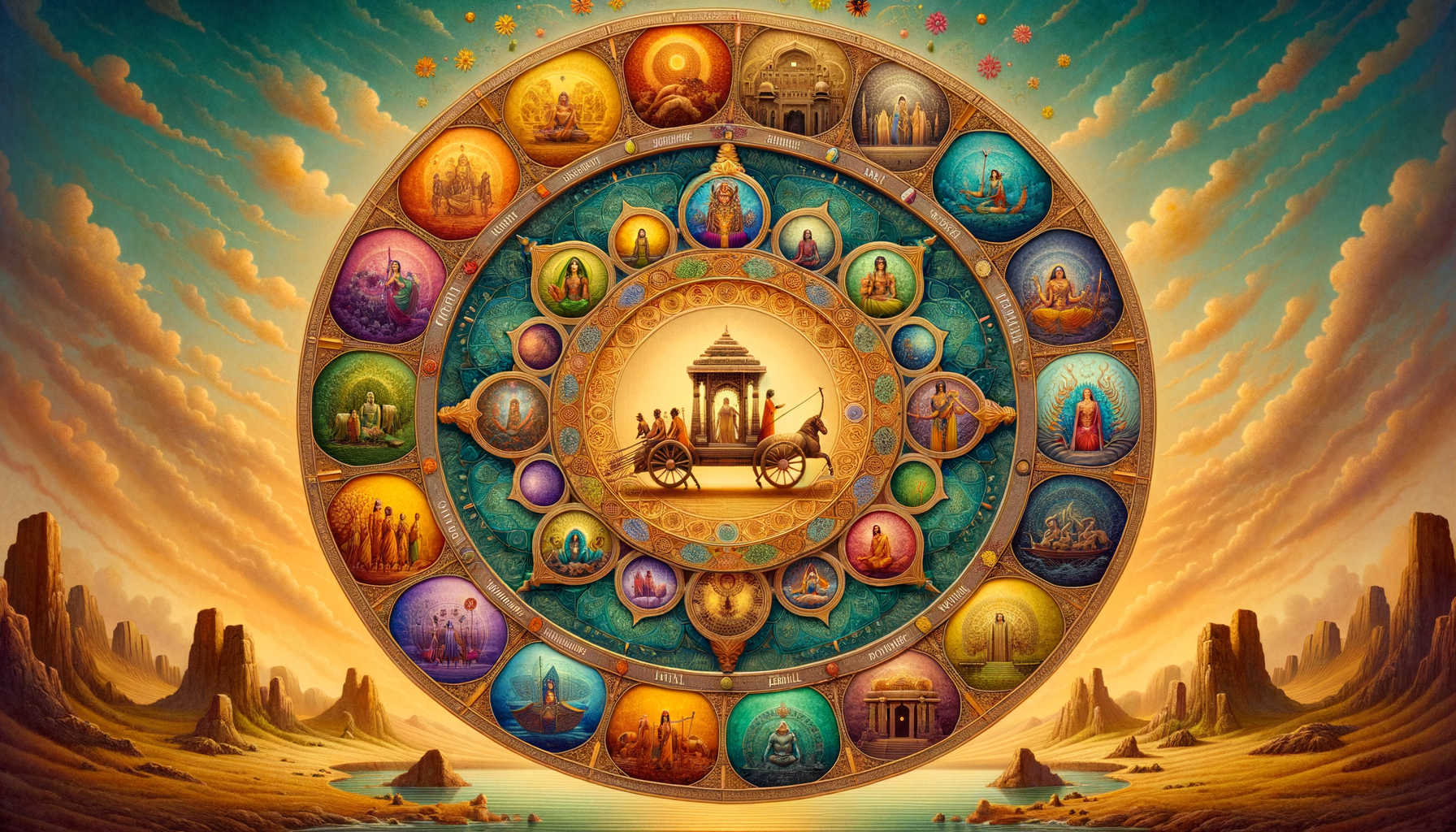
This guide to the 18 Parvas of the Mahabharata dispels the misconception that the epic breeds disorder, showing instead how it clarifies dharma and strengthens ethical discernment. It outlines each Parvafrom Adi to Svargarohanahighlighting key teachings such as Vidura-niti and the Bhagavad Gita. Readers across Hinduism, Buddhism, Jainism, and Sikhism will find shared values like…
-
Arjuna’s Battlefield Anxiety: A Timeless Guide to Dharma, Mental Resilience, and Action
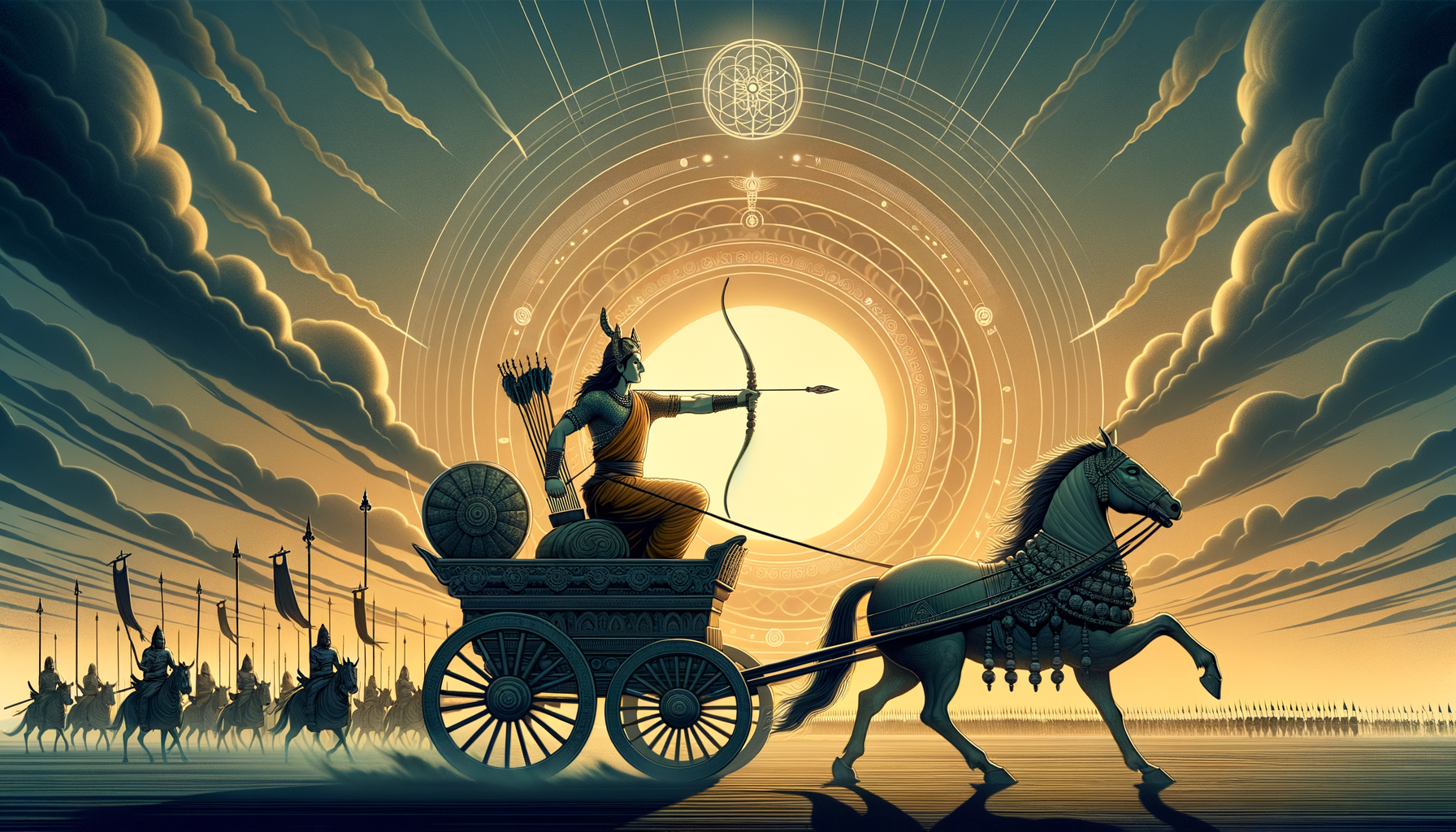
The Bhagavad Gita’s opening presents Arjuna in acute distresstrembling, disoriented, and morally tornoffering a precise portrait of battlefield anxiety. Rather than pathologizing, the text frames his vishada as the starting point for ethical clarity and inner steadiness. Krishna’s counsel models a pragmatic sequence: reframing, values-based duty, equanimity, breath regulation, and focused attention. These principles map…
-
Kauravas vs Pandavas Within: Unmasking Human Nature and the Timeless Dharma Struggle
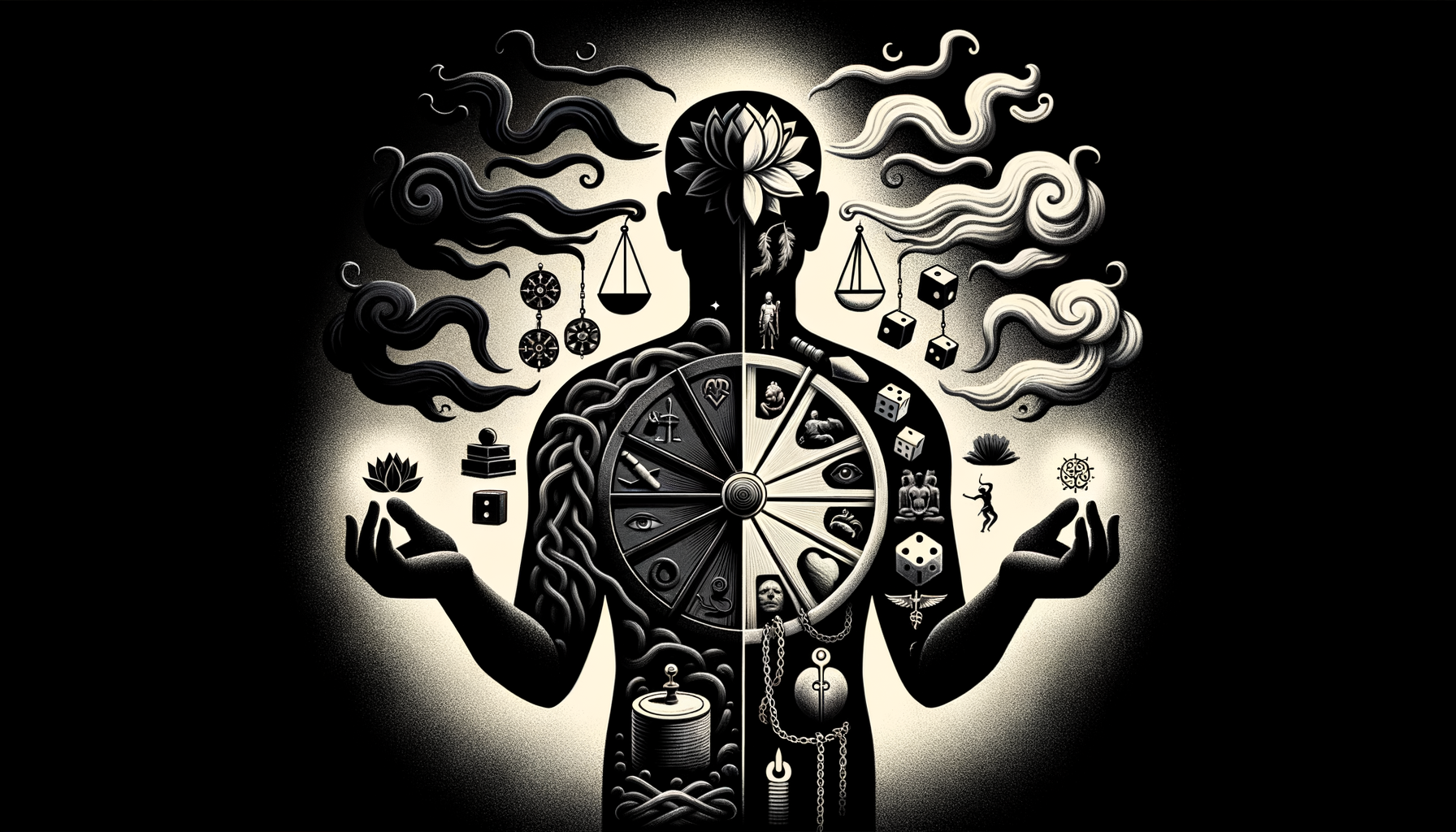
The Mahabharata can be read as a symbolic map of human nature, where Kauravas and Pandavas represent Adharma and Dharma within. This academic yet accessible lens helps readers recognize envy, pride, and fear alongside conscience, courage, and compassion. The Bhagavad Gita’s counsel to Arjuna becomes a method for clear, disciplined action without attachment to outcomes.…
-
Bhishma and Drona Stood ReadyWhy Arjuna Faltered: Ego, Dharma, and the Inner War

Arjuna’s hesitation at Kurukshetra was not cowardice but a collision of compassion and duty, distorted by ego’s self-referential lens. The Bhagavad Gita reframes this confusion through Atman-centered understanding and Nishkama Karma, showing how to act without attachment to outcomes. Readers gain a practical framework: steady the mind, examine attachments, discern contextual dharma, and act with…
-
Abhimanyu’s Final Stand: Why His Death in the Mahabharata Became an Unyielding Victory
Abhimanyu’s stand on the thirteenth day of the Kurukshetra War illustrates how a life can be “killed but not defeated” when Dharma is upheld. This analysis explains why his death represents an ethical victory that transcends the battlefield. It clarifies the tactical context of the Chakravyuha and the violation of Dharma-Yuddha that led to his…
-
Why Duryodhana Lost: The Mahabharata’s Powerful Lesson on Strength, Dharma, and Destiny

Duryodhana’s defeat in the Mahabharata, despite commanding Bhishma, Drona, and Karna, reveals a timeless truth: strength without dharma is brittle. The Kaurava cause, rooted in adharma, undermined cohesion, judgment, and morale, while the Pandavas’ moral legitimacy and disciplined strategy produced resilience. Sri Krishna’s counsel fostered clarity and adaptability, contrasting with Duryodhana’s pride and short-term cunning.…