
-
Mahabharata’s Fierce Reckoning: Jayadratha, Kichaka, and Dharma’s Unforgiving Verdict
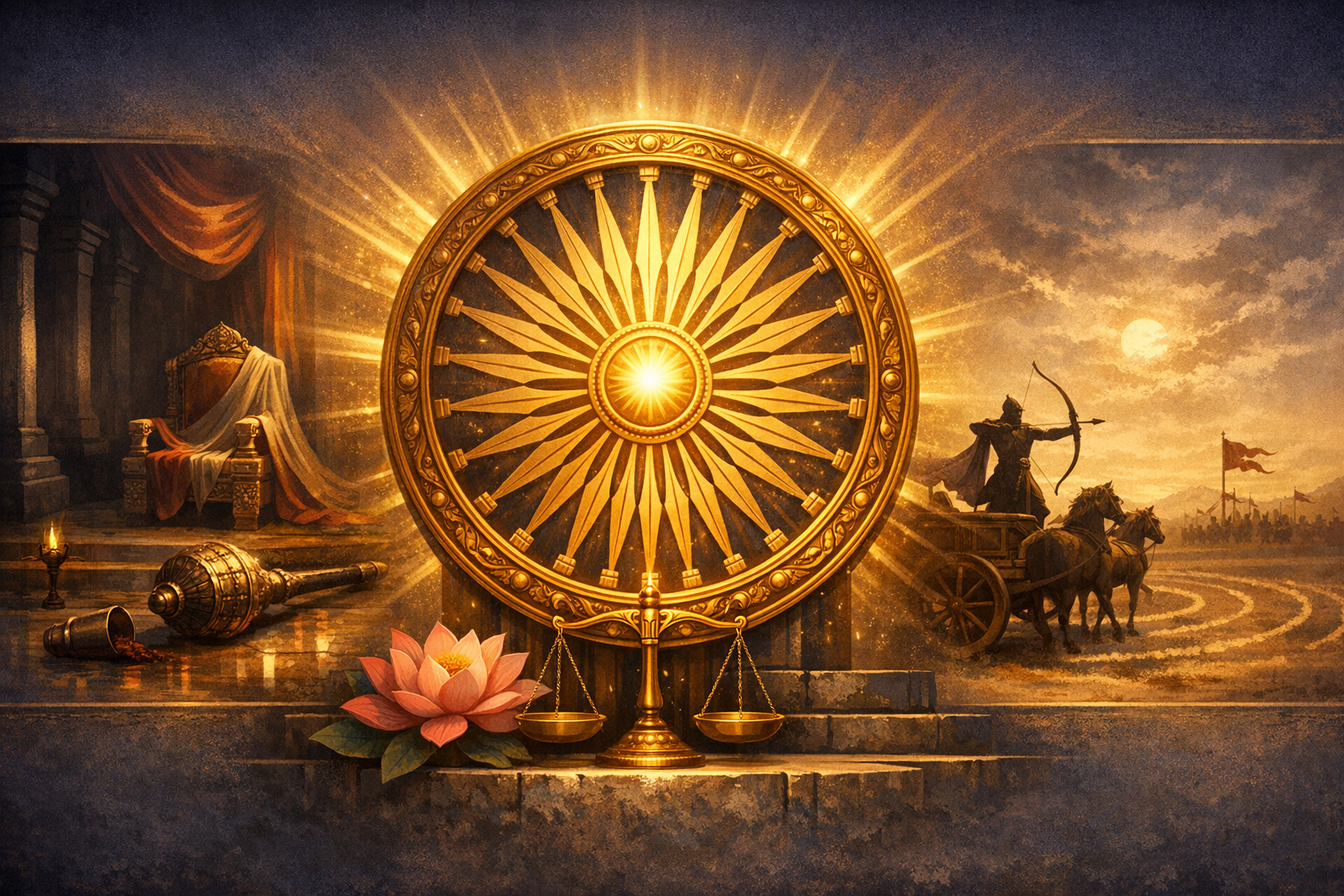
This analysis examines how the Mahabharata adjudicates unrestrained desire through the intertwined fates of Jayadratha and Kichaka. It shows how Dharma calibrates justicehumiliation when restraint advances stability, and decisive force when protection of the vulnerable demands it. Readers gain a clear view of Rajadharma, Dandaniti, Apaddharma, and the atatayin doctrine, applied to real narrative crises.…
-
How Abhimanyu’s Unjust Death Became Kurukshetra’s Moral Pivot and the Kauravas’ Downfall
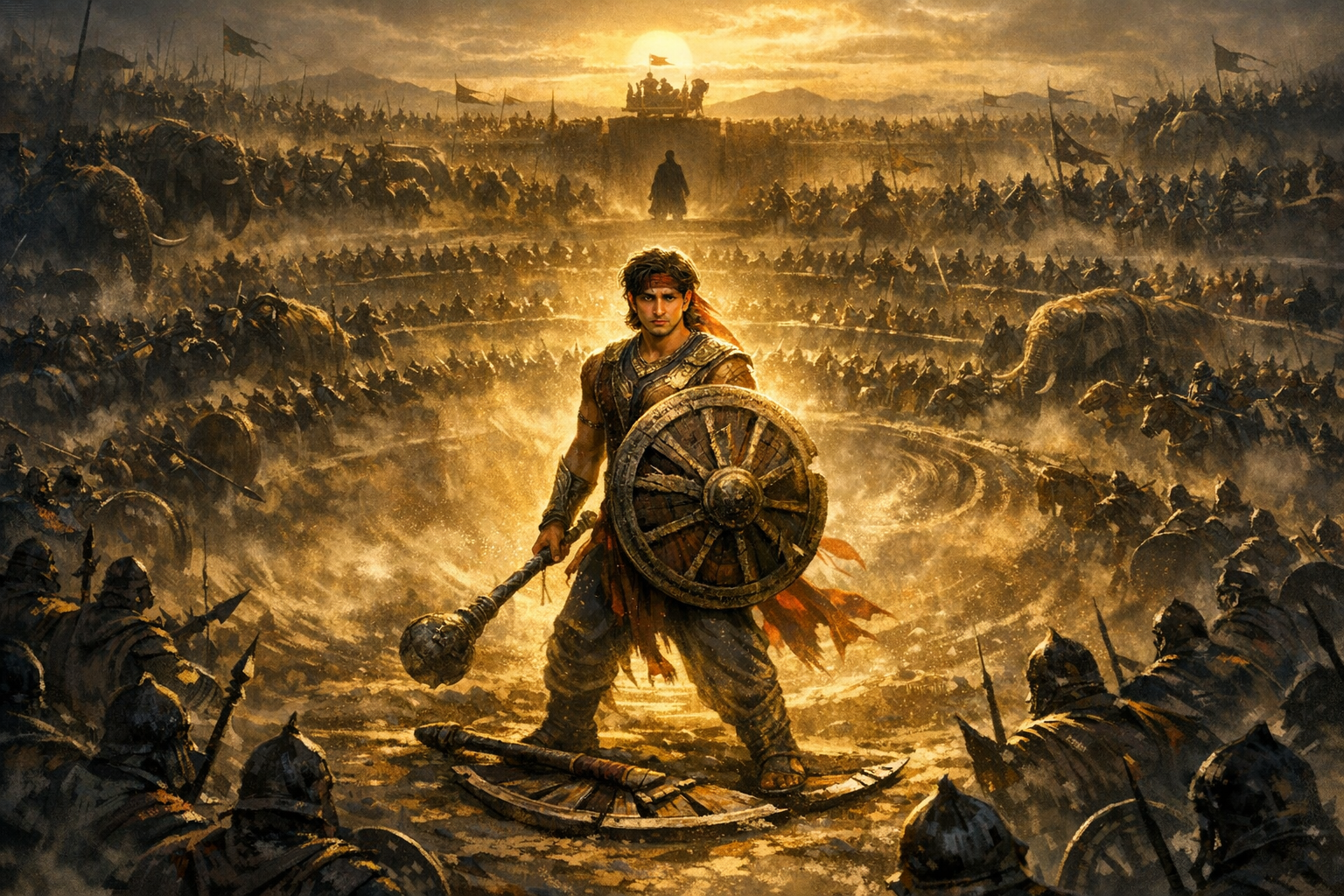
The thirteenth day of the Mahabharata’s Kurukshetra War became a moral and strategic turning point when Abhimanyu, isolated inside the Chakravyuha, was killed in manifest violation of Dharma-Yuddha. The Kauravas’ many-on-one assault, disarming of a youth, and final mace blow against an unarmed warrior gained a tactical kill but forfeited legitimacy. Arjuna’s vow to slay…
-
Why Arjuna’s Grief Is Called Yoga: The Transformative Power of Viṣāda in the Bhagavad Gita
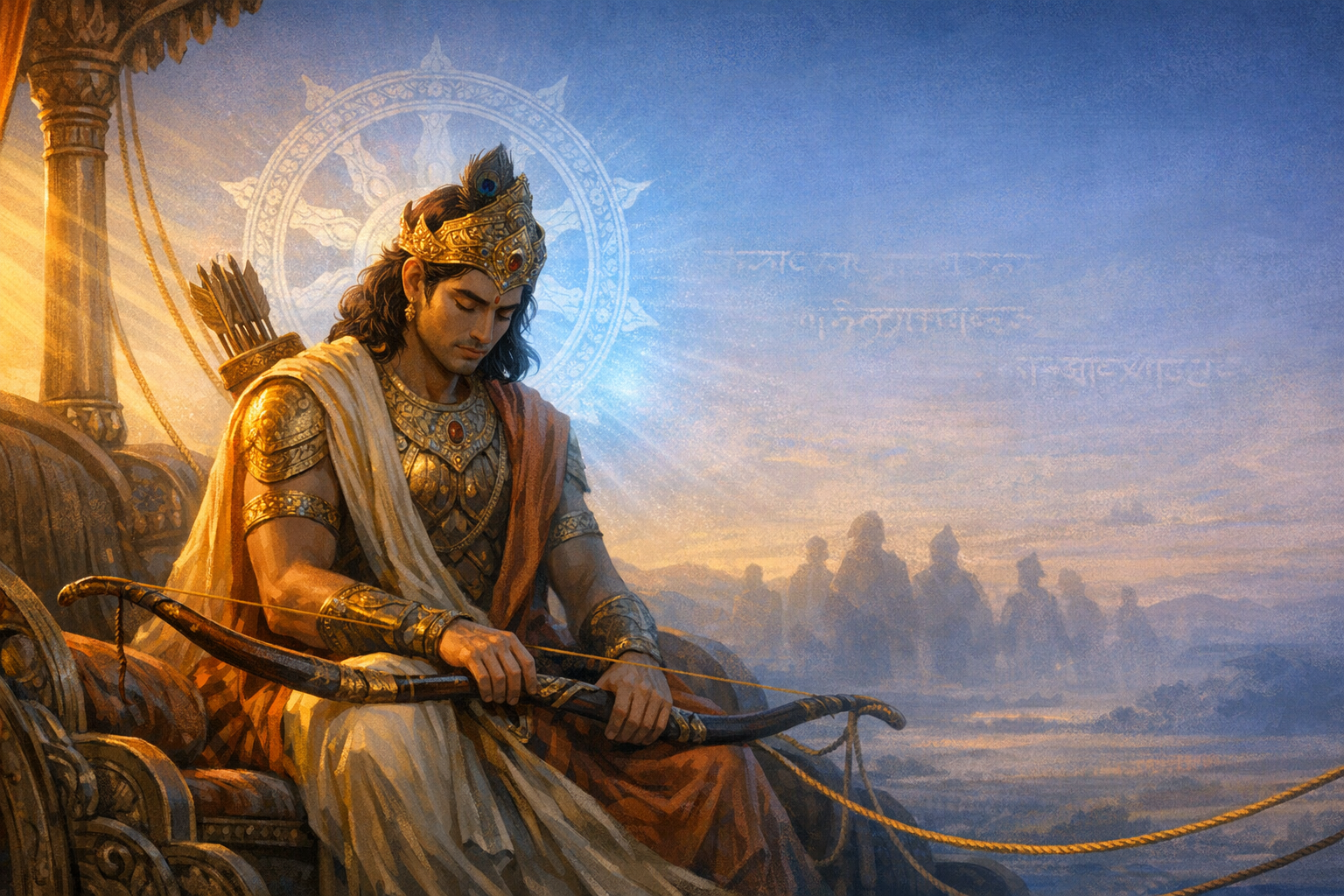
Why is Arjuna’s grief in the Bhagavad Gita called “yoga”? The first chapter, Arjuna Viṣāda Yoga, frames sorrow as a disciplined gateway to discernment and ethical clarity. By exposing attachment, catalyzing viveka–vairāgya, and inspiring surrender“śiṣyas te ’ham”grief becomes the very condition for transformative instruction. The Gita’s own colophon names it a yoga-śāstra, indicating that each…
-
Sunda–Upasunda Unmasked: Mahabharata’s Devastating Lesson on Desire, Unity, and Dharma

The Mahabharata’s tale of Sunda–Upasunda is a rigorous ethical study of desire, unity, and power. Two inseparable asura brothers gain near-invulnerability from Brahma, only to fall when possessive desire fractures their famed cohesion. The strategic creation of Tilottama illustrates beauty as moral intelligence rather than seduction, while Shiva’s multi-faced gaze symbolizes omnidirectional awareness. Read through…
-
Karma and Karmaphala in the Ramayana and Mahabharata: Dharma, Consequence, and Liberation

This essay reads the Ramayana and Mahabharata as precise ethical maps of karma (action) and karmaphala (consequence), showing how intention, duty, and context shape outcomes. It explains sañchita, prārabdha, and āgāmi karma, and situates them within dharma and the puruṣārthas. Through case studiesDaśaratha’s unintended harm, Rāvaṇa’s hubris, the dice hall’s complicity, Karna’s complexity, and Bhīṣma’s…
-
Mahabharata’s Karna Reclaimed: Evidence-Based Truths on Dharma, Loyalty, and Fate
This article offers an evidence-based, text-anchored reappraisal of Karna from the Mahabharata, clarifying his birth, training, alliances, battlefield record, and moral complexity. It distinguishes core episodes from later accretions, helping readers separate popular myths from the Critical Edition’s throughlines. By analyzing the Duryodhana–Karna bond through ethical and psychological lenses, it shows how unmet needs for…
-
Unsung Heroes of the Mahabharata: Bahlika Raja’s Legacy, Dharma, and Living Lessons
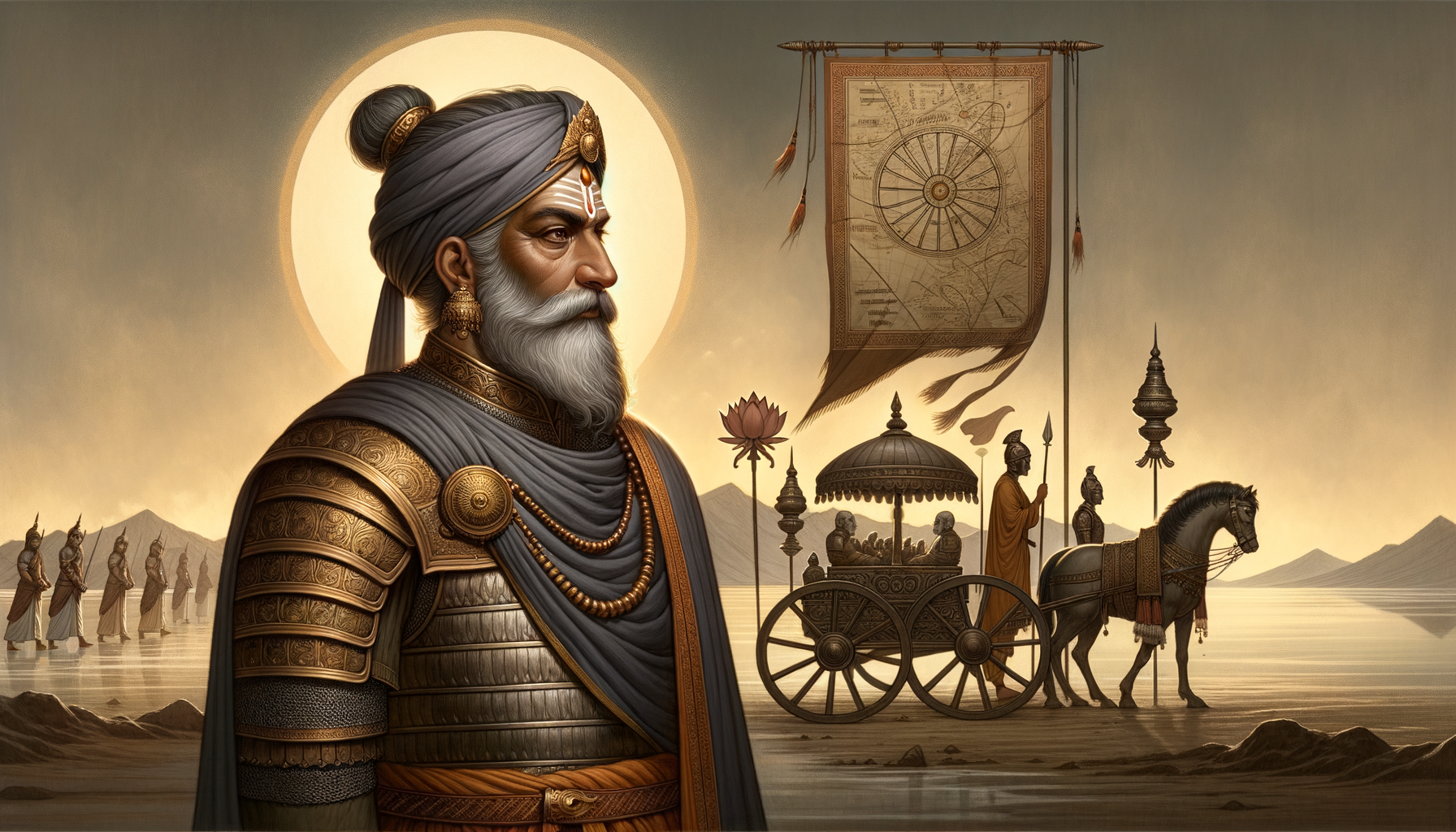
This exploration spotlights Bahlika Raja, a lesser-known yet consequential figure in the Mahabharata. It outlines his lineage, regional associations with Bahlika (Balkh/Bactria), and his role and fall in the Kurukshetra War. The discussion presents the revered belief that he is the next birth of Bhakta Prahalada, highlighting themes of devotion and continuity of merit. Readers…
-
Bhishma’s Five Golden Arrows: How Suspicion Altered Destiny in the Kurukshetra War

This analysis revisits the Mahabharata episode of Bhishma’s five golden arrows to illuminate how suspicion can derail strategy and reshape destiny. It explains why Duryodhana’s mistrust led him to hold the arrows, how Krishna’s foresight and Arjuna’s claim of a prior boon transformed the outcome, and why Bhishma framed the reversal through the balance of…
-
Yuyutsu’s Moral Stand: The Kaurava Who Chose Dharma Over Dynasty in the Mahabharata

Yuyutsu’s decision to side with the Pandavas in the Mahabharata exemplifies moral courage over dynastic loyalty. Born to Dhritarashtra and a Vaishya maid, he navigated social marginality with ethical clarity. His public defection before the Kurukshetra War signals allegiance to dharma rather than bloodline. Surviving the war, he was entrusted with responsibilities in Hastinapura, affirming…
-
Vikarna, the Lone Kaurava of Conscience: A Stirring Lesson in Dharma and Courage

Vikarna stands out in the Mahabharata as a Kaurava who chose conscience over convenience, challenging the humiliation of Draupadi with clear, dharmic reasoning. His solitary dissent in the dice hall reveals how ethical courage can persist amid overwhelming pressure. Yet his later decision to fight for the Kauravas highlights the epic’s deeper paradox of duty…
-
Bhishma’s Birth and Vow: Ganga’s Son Devavrata and the Timeless Dharma of the Mahabharata

Bhishma’s birth as Devavrataeighth son of King Shantanu and the goddess Gangaintroduces a life shaped by destiny, discipline, and dharma. The Mahabharata explains the early tragedies of his siblings through the Ashta Vasus’ curse, while Ganga ensures Devavrata’s unmatched education before returning him to Hastinapura. The pivotal moment arrives with his vow of brahmacharya to…
-
Bhishma’s Redemption on Ratha Saptami: A Mahabharata Meditation on Dharma and Legacy

Bhishma’s redemption on Ratha Saptami illuminates how the Mahabharata unites duty, remorse, and renewal under the guiding light of Surya. By situating his vigil and teachings within Uttarayana, the narrative aligns ethical reorientation with cosmic order. Readers gain clear, practical pathways to observe Ratha Saptami and Bhishma Ashtamithrough Surya arghya, study of Shanti Parva and…
-
Arjuna and Kirata Shiva vs. Demon Mook: Powerful Spiritual Lessons on Inner Courage
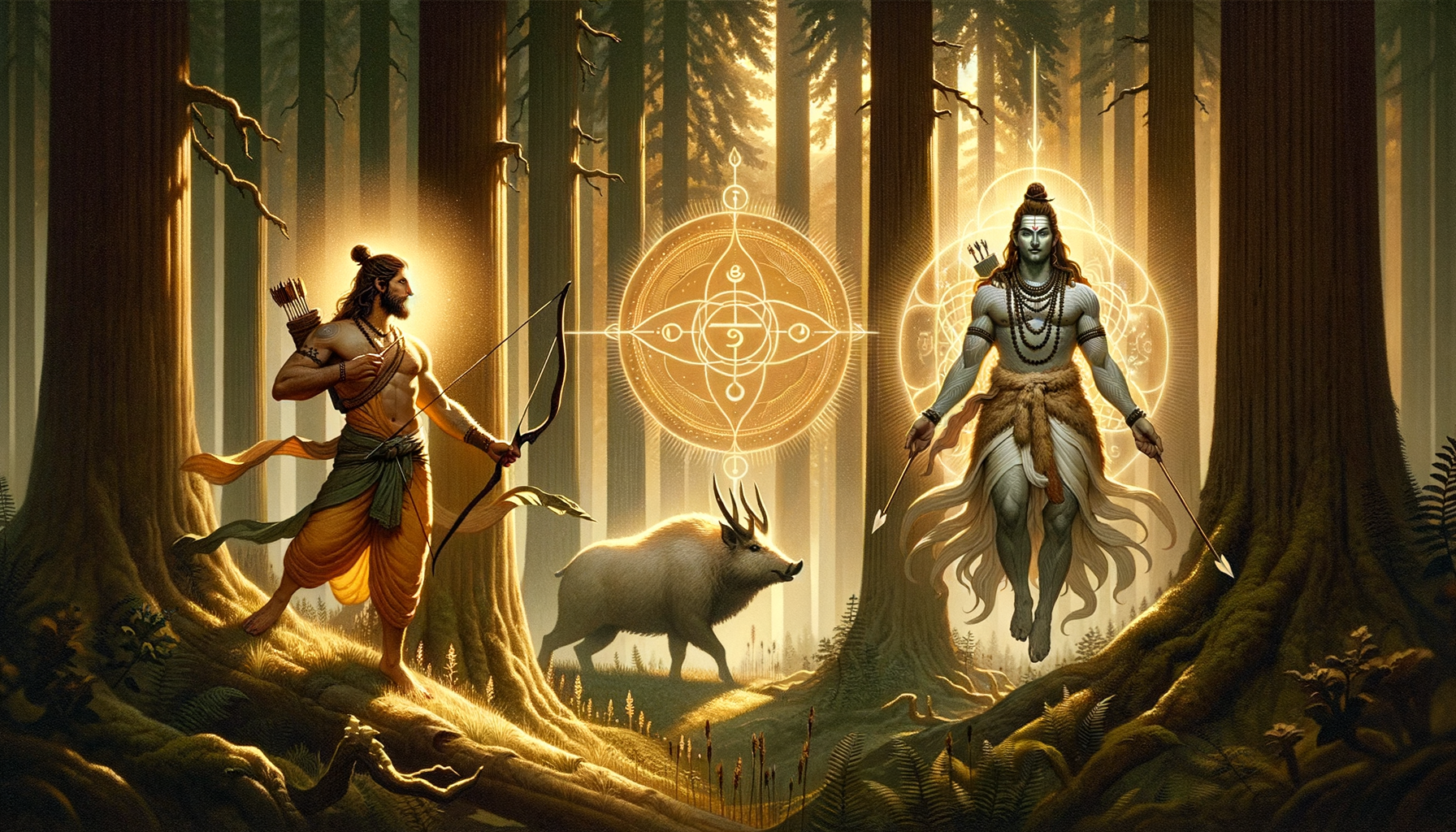
This analysis situates the Kirata episodewhere Arjuna and Shiva (as Kirata) slay the demon Mookwithin the Mahabharata’s spiritual arc. It clarifies the narrative sequence, from Arjuna’s rigorous tapasya to Shiva’s revelation and the bestowal of the Pashupatastra. It interprets Mook as the symbolic “inner demon” of delusion and tamasic impulse that arises at the threshold…
-
The Forgotten Warrior: Reclaiming Vrishasena’s Valor Beyond Abhimanyu’s Shadow

This essay re-examines the Kurukshetra War to recover Vrishasena’s overlooked valor alongside Abhimanyu’s celebrated martyrdom. It explains how narrative framing and cultural pedagogy can elevate certain episodes and obscure others in the Mahabharata. Readers gain a clearer view of kshatra-dharma by recognizing courage across both Kaurava and Pandava camps. The piece outlines Vrishasena’s disciplined role…
-
Duryodhana’s Lake Dwaipayana Refuge: A Powerful Mahabharata Lesson on Adharma Unmasked

On the war’s final day, Duryodhana’s retreat into Lake Dwaipayana becomes a powerful allegory for how adharma seeks concealment when confronted by truth. The episode’s symbolism reframes waterfrom purification to evasionwhile the subsequent mace duel with Bhima exposes the tension between rule-bound procedure and restorative justice. Read through a dharmic lens, the moment highlights karma’s…
-
Forged in Dharma’s Fire: Hindu Sacred Texts on Turning Adversity into Inner Strength

Hindu sacred texts teach that adversity can be transformed into durable inner strength through dharma, tapas, and equanimity. Episodes from the Ramayana, Mahabharata, and Puranas show how trials refine character and deepen compassion without glorifying harm. The Bhagavad Gita reframes crisis as an opening to karmayoga, bhakti, and jnana, aligning action with wisdom. Figures like…
-
Dronacharya’s Fall at Kurukshetra: How Truth, Dharma, and Strategy Changed the War

Drona’s death in the Mahabharata marks a pivotal ethical and strategic turning point in the Kurukshetra War. After Bhishma’s fall, Dronacharya’s battlefield mastery proved insurmountable until a plan leveraged his attachment to Ashwatthama. Yudhishthira’s qualified statement“Ashwatthama hata iti gaja”preserved the letter of truth while straining its spirit, prompting Drona to lay down arms. Dhrishtadyumna then…
-
Dyutakrida in the Mahabharata: The Fateful Game of Dice That Shaped a Civilization

Dyutakridathe Game of Dice in the Mahabharatamarks the epic’s moral and political turning point, revealing how desire and deception can erode dharma and destabilize institutions. This clear, academic retelling traces the invitation by Duryodhana, Shakuni’s manipulation, the catastrophic wagers by Yudhishthira, and Draupadi’s courageous challenge to an unjust order. Readers gain a concise sequence of…
-
Yudhishthira’s Half-Truth: Decoding a Heart-Rending Dharma Dilemma of the Mahabharata
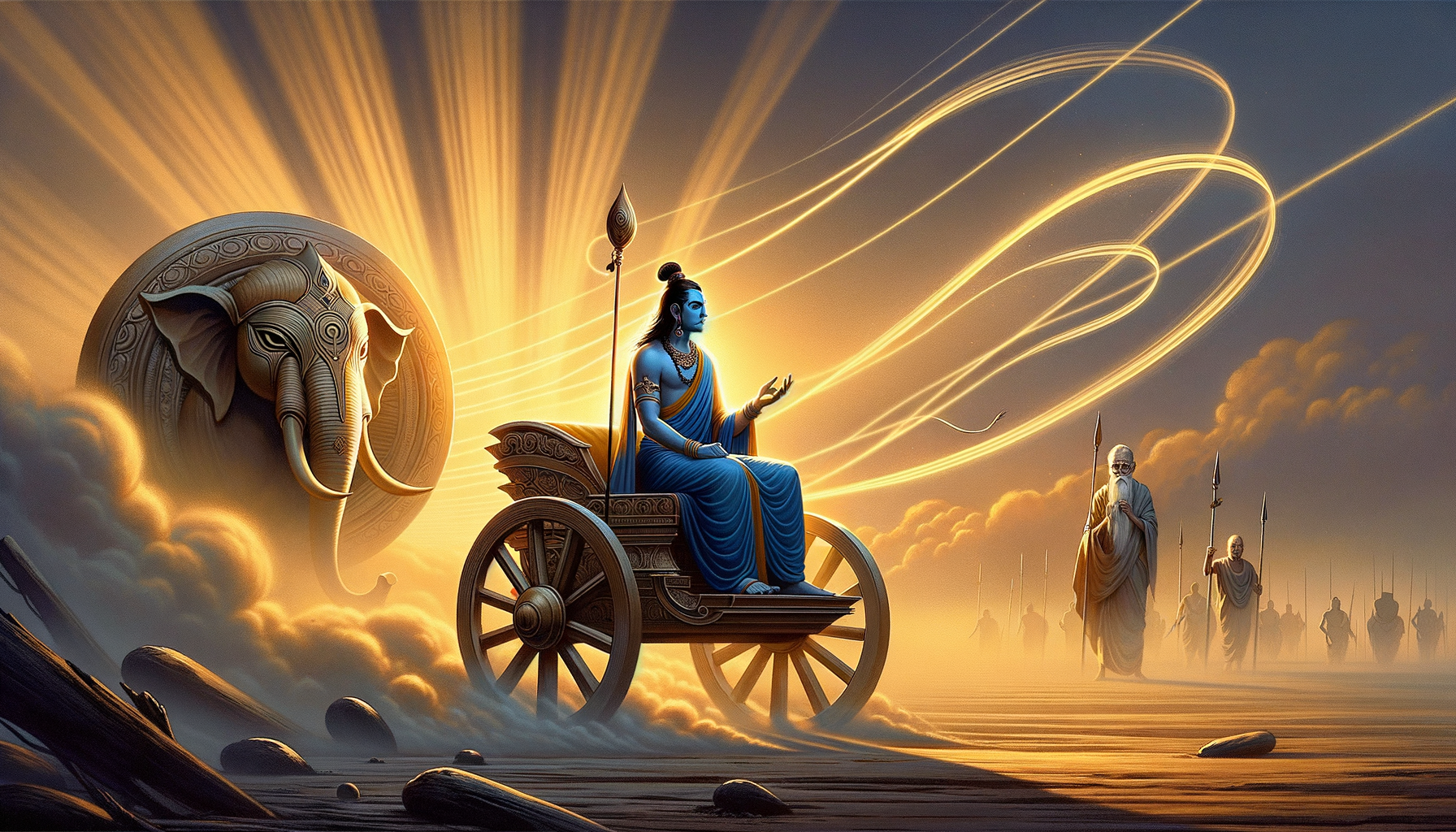
Yudhishthira’s half-truth in the Mahabharata presents a timeless ethical dilemma: when personal virtue conflicts with public duty in the midst of war, how should leaders act? The episode, centered on Drona’s disarmament after the ambiguous proclamation “Aśvatthāmā hataḥ,” highlights dharma-sankata and the costs of hard choices. Rather than offering easy answers, it encourages a method…
-
Decoding the Legendary Chakravyuha: The Circular Formation that Shaped Kurukshetra
Chakravyuha, the circular battle formation described in the Mahabharata, shaped a decisive phase of the Kurukshetra War through disciplined rotation, dynamic encirclement, and strategic deception. Its layered design illustrates how command, communication, and training determine battlefield outcomes, as seen in Abhimanyu’s valiant ingress and the risks of incomplete procedural knowledge. The formation’s vulnerabilitiesespecially at coordinated…