
-
Ganapathi’s Pivotal Role in Valli’s Marriage: Love, Wisdom, and Skanda’s Sacred Union
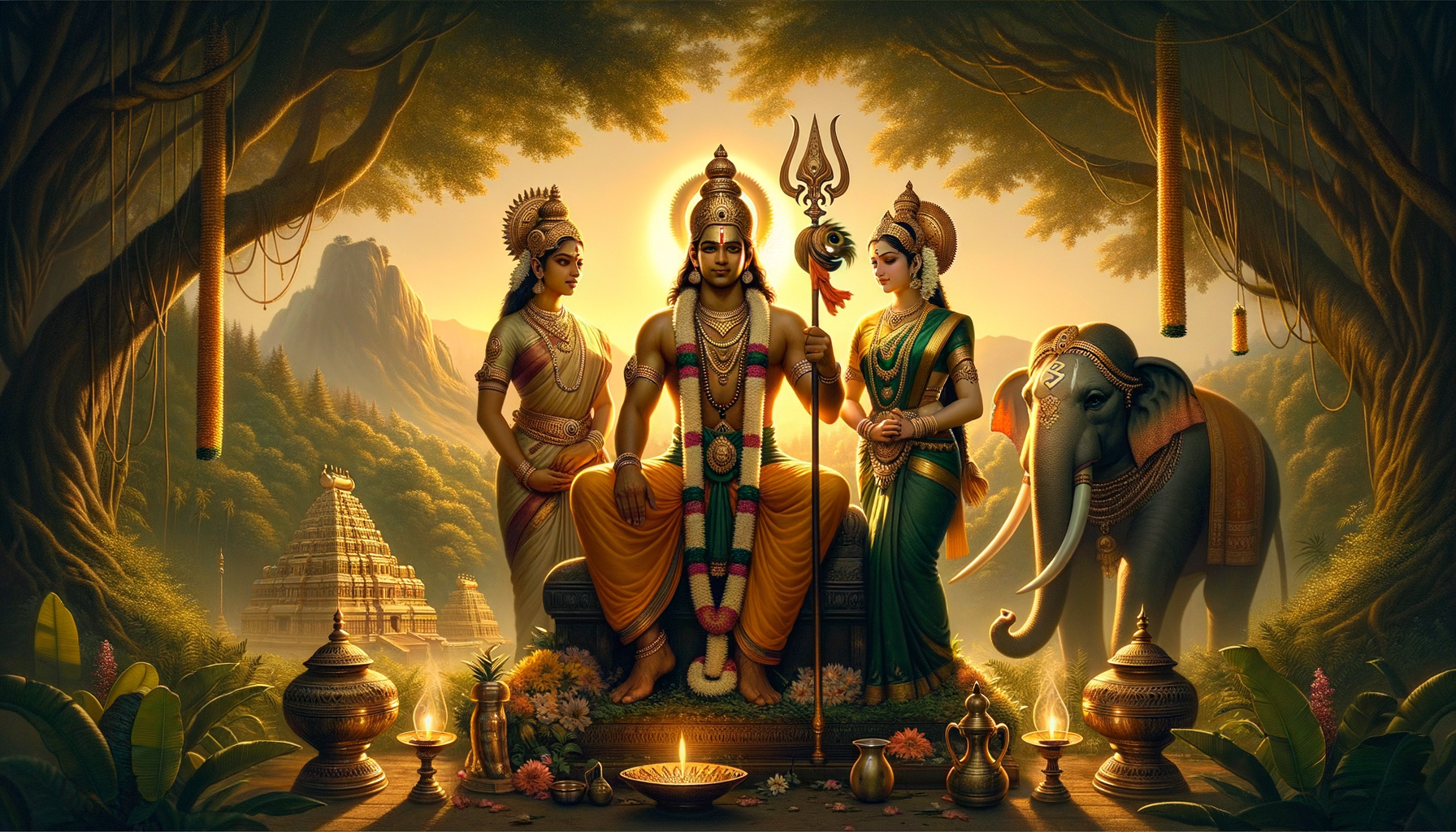
This article explores how Ganapathi’s compassionate intervention enabled the marriage of Subramanya (Skanda/Murugan) and Valli while honoring the established union with Devasena. It situates the legend within South Indian temple traditions and Purāṇic interpretations, highlighting Valli and Devasena as complementary forces of spiritual life. Readers gain a clear, academically grounded overview of Valli Kalyanam, including…
-
Dhruva Charitra: Steadfast Devotion and Dharma in the Vishnu and Bhagavata Puranas

Dhruva Charitra, preserved in the Vishnu Purana and the Bhagavata Purana, presents the life history of Dhruva as a model of steadfast devotion and dharma. The narrative shows how a child’s wounded heart transformed into disciplined meditation through the guidance of Narada and unwavering bhakti to Lord Vishnu. Dhruva’s establishment as the pole star symbolizes…
-
Gandhari’s Blindfold in the Mahabharata: A Powerful Choice and Its Ethical Symbolism

Gandhari’s lifelong blindfold in the Mahabharata is more than a legend; it is an ethical vow that reframes sight, power, and responsibility. This analysis explores her choice as solidarity, protest, and tapas, showing how it engages core themes of dharma and agency. The discussion clarifies the contrast between eyesight and insight across the epic’s characters.…
-
Unwavering Devotion at Kumbakonam: Sarangapani’s Grace and Thirumazhisai Azhwar’s Miracle

Sarangapani Temple in Kumbakonam, a revered Vaishnava Divya Desam, preserves the living bond between devotee and deity through the gracious presence of Aravamudhan. The narrative of Thirumazhisai Azhwar’s unwavering devotionwell known from the Kanchipuram traditionprovides a theological lens for understanding how Bhakti experiences unfold at Sarangapani. Visitors encounter a devotional grammar in which divine responsiveness…
-
Fatal Pride in Hindu Epics: Comparing Mahishasura and Ravana for Timeless Dharmic Lessons
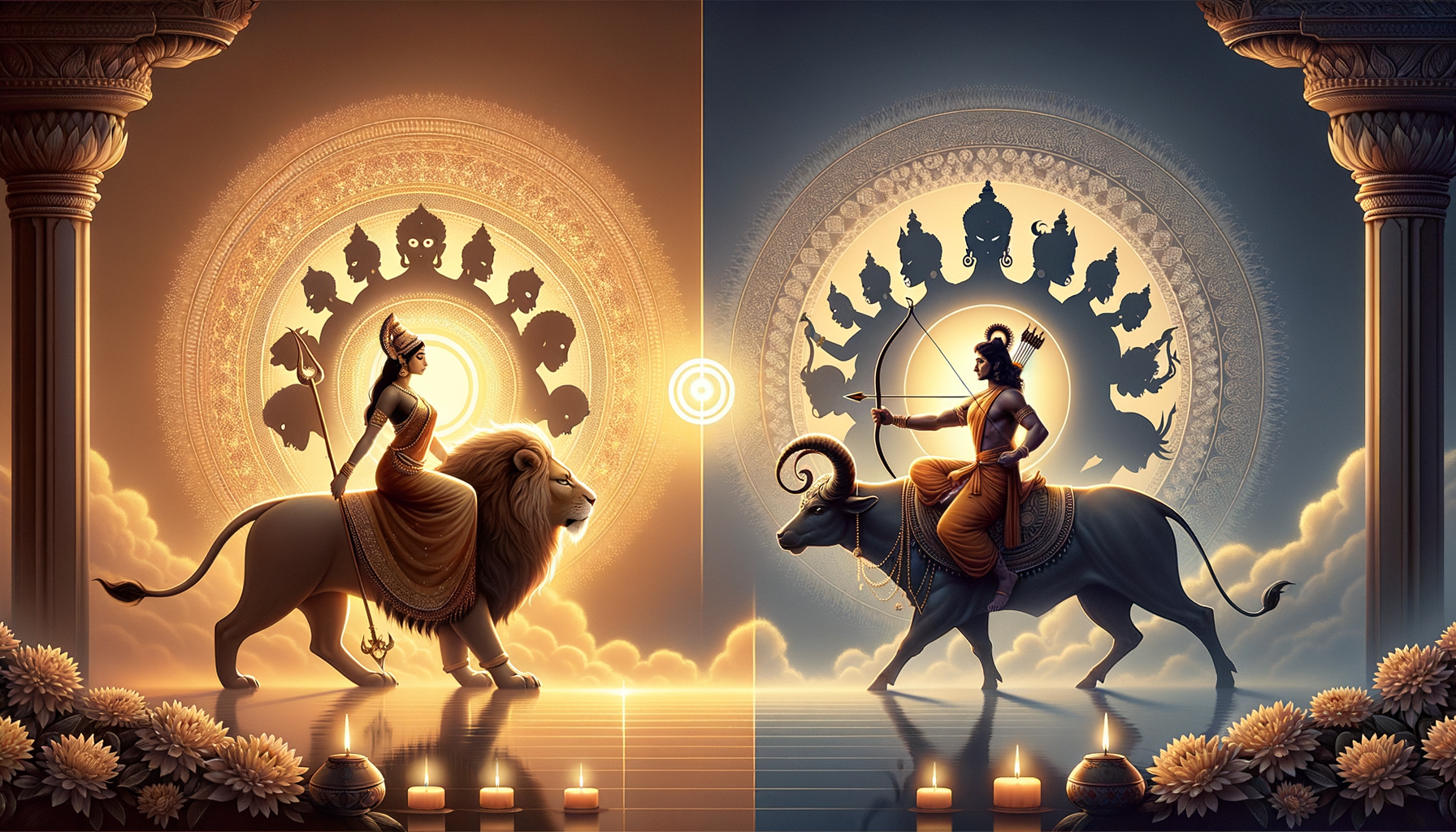
Mahishasura and Ravana exemplify how unchecked pride destabilizes power and invites a dharmic corrective. Drawn from the Devi Mahatmya and the Ramayana, their stories trace boons misused, counsel ignored, and justice ultimately restored. Readers gain clear leadership lessons: humility, accountability, and attention to wise advice sustain order. The festivals of Durga Puja and Dussehra translate…
-
Vishnu Purana Stories: Timeless Tales of Devotion, Dharma, and Unity in Diversity

The Vishnu Puranaone of the Eighteen Mahapuranaspresents timeless stories of Lord Vishnu, his avatāras, and exemplary devotees such as Nārada, Prahlāda, Tumburu, and Dhruva. These narratives model steadfast devotion, courage, and disciplined practice while offering practical ethical guidance for daily life. Read within the broader Hindu ethos, the text honors multiple valid paths to the…
-
18 Miracles of Protection: How Vishnu Saved Prahlada from Hiranyakashipu in the Vishnu Purana

This retelling of Prahlada’s ordeal in the Vishnu Purana explains how Lord Vishnu protected a steadfast devotee through eighteen failed attempts by Hiranyakashipu, culminating in the Narasimha avatar’s righteous intervention. Readers gain a clear, accessible summary of the episode’s structure and ethical implications for dharma and bhakti. The narrative is positioned within a broader dharmic…
-
Timeless Wisdom of Vishnu Purana: Avatars, Devotees, and Dharma for Modern Life

The Vishnu Puranaone of the Eighteen Mahapuranaspresents Lord Vishnu’s sustaining role while illuminating dharma, devotion, and ethical living. Its compelling narratives of Narada, Prahalada, Dhruva, and Thumburu demonstrate how courage, focused practice, compassionate speech, and sacred artistry shape character. Organized into six sections and rooted in the Puranic tradition, the text integrates theology with practical…
-
When Intention Becomes Offering: A South Indian brahmana’s Vision and Krishna’s Grace

A timeless episode from the Brahma-vaivarta Purana tells of a South Indian brahmana who, unable to afford ingredients, offers khir to Krishna through deep meditation. His sincere intention bridges the mental and physical realms, culminating in the Lord’s acceptance and the devotee’s entry to Vaikuntha. Read academically, the narrative illustrates how devotion, meditation, and one-pointed…
-
Amrita Kalasha Revealed: Origin in Samudra Manthan, Brahma’s Creative Power, and Living Rituals

The Amrita Kalasharooted in the Samudra Manthanembodies life, knowledge, and renewal in Hindu tradition. Linked to Brahma’s creative power, its components symbolize earth, water, vitality, and fruition. From Navaratri kalasha sthapana to temple Brahmakalashabhisheka, the sanctified pot brings cosmic order into daily life. The narrative of Dhanvantari emerging with the nectar vessel explains why the…
-
Nishachar Thakur of Jamirta: Headless Guardian of Mahakal Bhairav on Kali Puja Night

In Jamirta, Sirajganj (Bangladesh), local oral tradition remembers Nishachar Thakuralso known as Nilkundaas the headless attendant of Mahakal Bhairav, with special devotion expressed during Kali Puja on Agrahayan Amavasya. Centered at the Paglanath temple by the riverside, the narrative blends vigilant service, protection, and communal memory. The “headless” form is interpreted as a symbol of…
-
Bindusagar at Ekamra Kshetra in the Brahma Purana: Sacred Waters of Shiva, Healing, and Unity
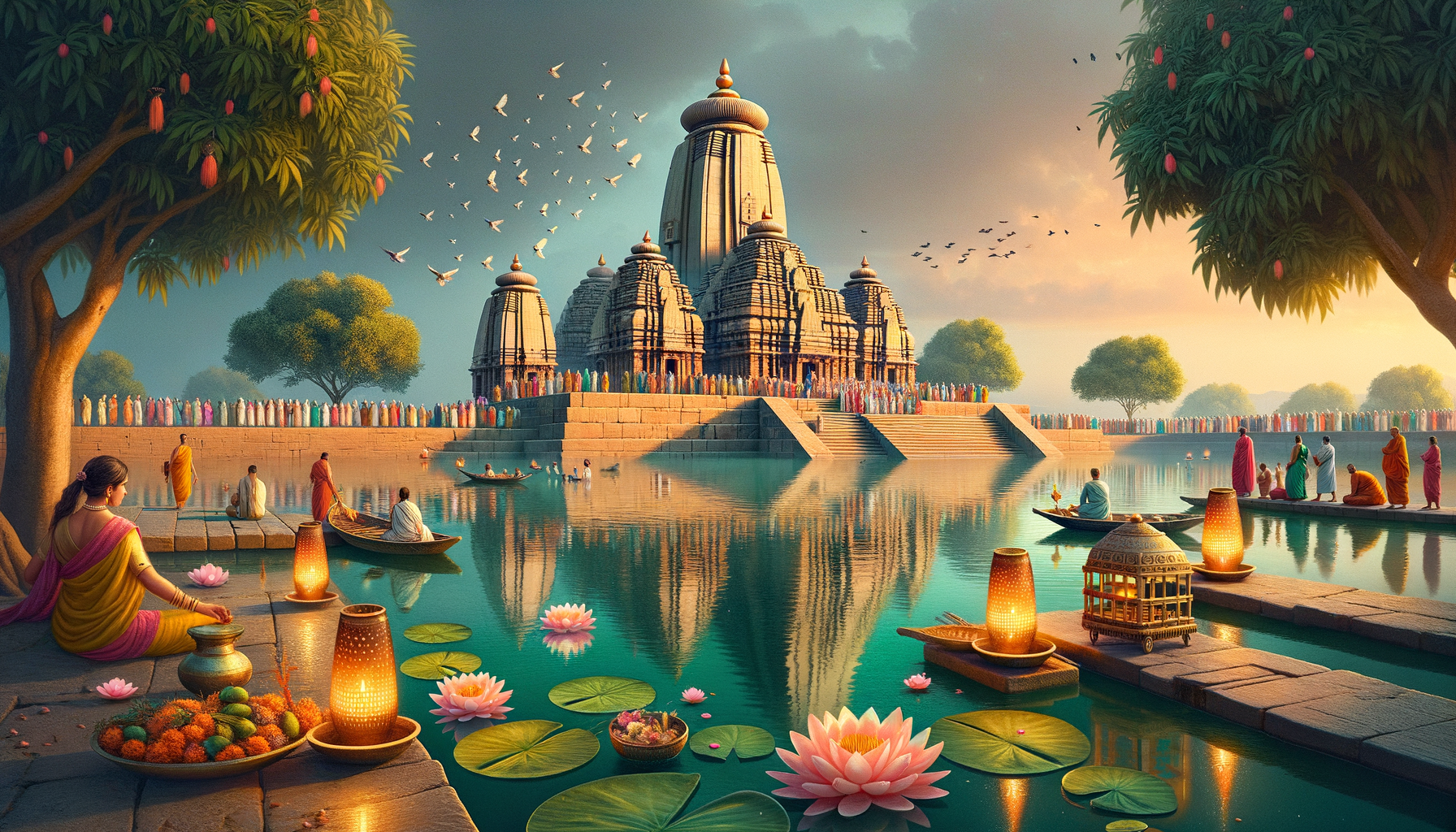
This article presents the Bindusagar (Bindusaras) narrative from the Brahma Purana within the sacred landscape of Ekamra Kshetra in Bhubaneswar, Odisha. It explains how Shiva gathered drops from many tirthas to form a single lake, symbolizing unity, healing, and renewal. Readers gain insight into the ritual life of the Lingaraja Temple, where festival processions and…
-
Dev Deepawali in Varanasi: Awe‑Inspiring Triumph of Light on Holy Kartik Purnima

Dev Deepawali on Kartik Purnima transforms Varanasi into a radiant confluence of devotion, heritage, and communal harmony. Rooted in the Tripurari Purnima narrative of Shiva’s victory, the festival unites theology, ritual, and civic stewardship. At dawn, Kartik Snan frames the day’s observances; at dusk, Deep Daan and an expansive Ganga Aarti illuminate the 84 ghats.…
-
Kartik’s Playful Grace: Krishna’s Disguise in Gokula and the Transformative Power of Bhakti
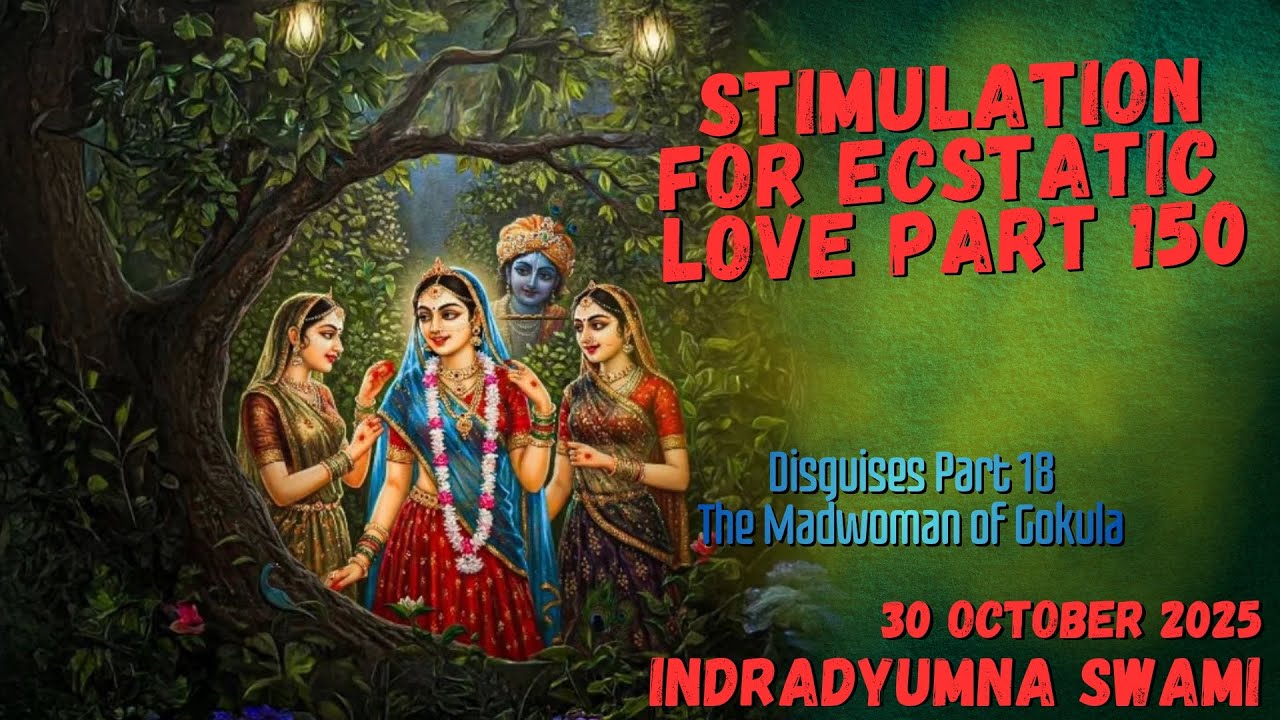
Set in Gokula during the sacred month of Kartik, this lecture explores a playful lila where Krishna disguises himself as the son of the elder gopi Pavati to evade punishment for stealing butter. The episode’s gentle humor reveals deep theological insights in the Bhakti Tradition, especially vatsalya-bhavaparental love that transforms judgment into tenderness. Butter becomes…
-
Unveiling Dakini‑Varnini: Mandakini’s Sacred Legend and Goddess Parvati’s Protective Grace

This re-telling explores how Hindu stories present Dakini-Varnini as protective, transformative figures rather than malevolent forces. Linked to Goddess Parvati at Mandakini Lake, the narrative highlights how fierce imagery in Tantric traditions symbolizes the transmutation of fear into wisdom. Associating these guardians with Shiva, Bhairava, and Kali, the account frames cremation grounds and wilderness as…
-
Bhakta Ramadasu of Bhadrachalam: Unwavering Bhakti, Trials, and the Triumph of Grace
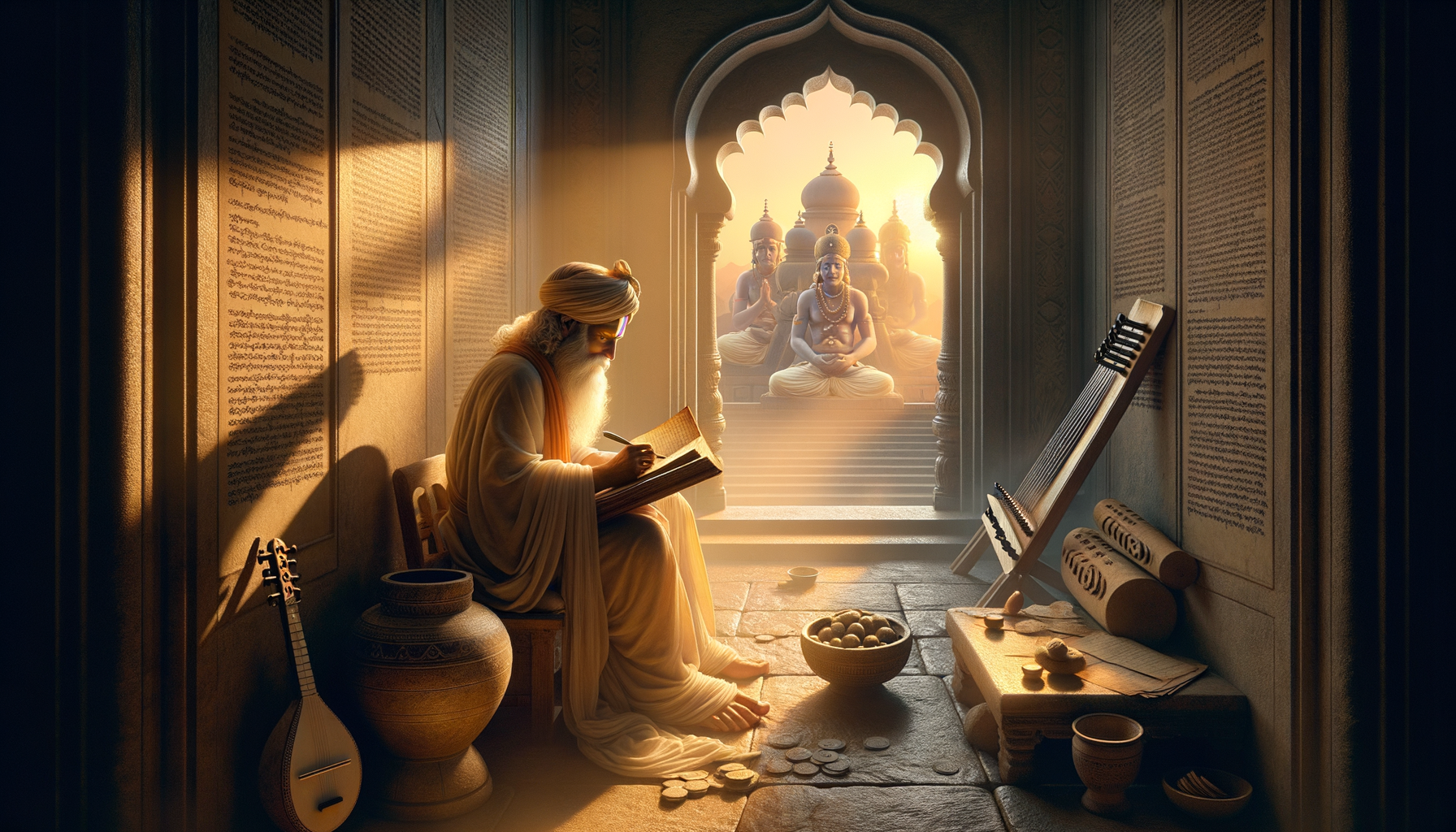
Bhakta Ramadasu (Kancherla Gopanna) exemplifies how unwavering bhakti turns hardship into spiritual strength. Serving under the Qutb Shahi Sultanate, his resolve to restore the Bhadrachalam Temple led to imprisonment, during which he composed enduring works like Ramadasu Keertanalu and Dasarathi Satakam. Hagiographies recount a moving legend of divine intervention, followed by the ruler’s respect for…
-
Pallikonda Shiva of Surutapalli: The Divine Reclining Lord and Vishapaharanam’s Lesson for Seekers

Pallikonda Shiva at Surutapalli presents a uniquely rare sayana (reclining) form of Lord Shivahis head resting upon Parvati’s lapmemorializing the Vishapaharanam, when Shiva absorbed the Halahala poison to protect creation. The temple’s iconography embodies power guided by compassion and rest as a sacred phase of responsible action. Pradosham and Mahashivaratri observances here highlight gratitude, resilience,…
-
Nimai’s Timeless Childhood Lila: Two Thieves Seek Ornaments, Discover Profound Grace
This retelling presents a clear, academically grounded account of Nimai’s childhood episode, where the soothing chant of “HAR! HARI!” frames both tenderness and ethical tension. Readers gain an accessible window into Hindu Stories and the Bhakti Tradition, seeing how devotion (bhakti) turns everyday gesturesclapping, sweets, ksirainto acts of worship. The attempted theft contrasts innocence and…
-
Essential Lessons from King Citraketu: Discover a Proven Dharma Path through Grief and Joy
This post examines the Srimad-Bhagavatam narrative of King Citraketu to reveal how children can catalyze a parent’s spiritual growth. It explains the significance of the child’s name, Harsa-soka, as a framework for understanding joy and sorrow as twin instructors on the path of dharma. Readers gain practical guidance on balancing love with detachment, avoiding partiality…