Why Ganesha Wears Red: Auspicious Energy, Shakti, and Victory Over Darkness
·4 min read
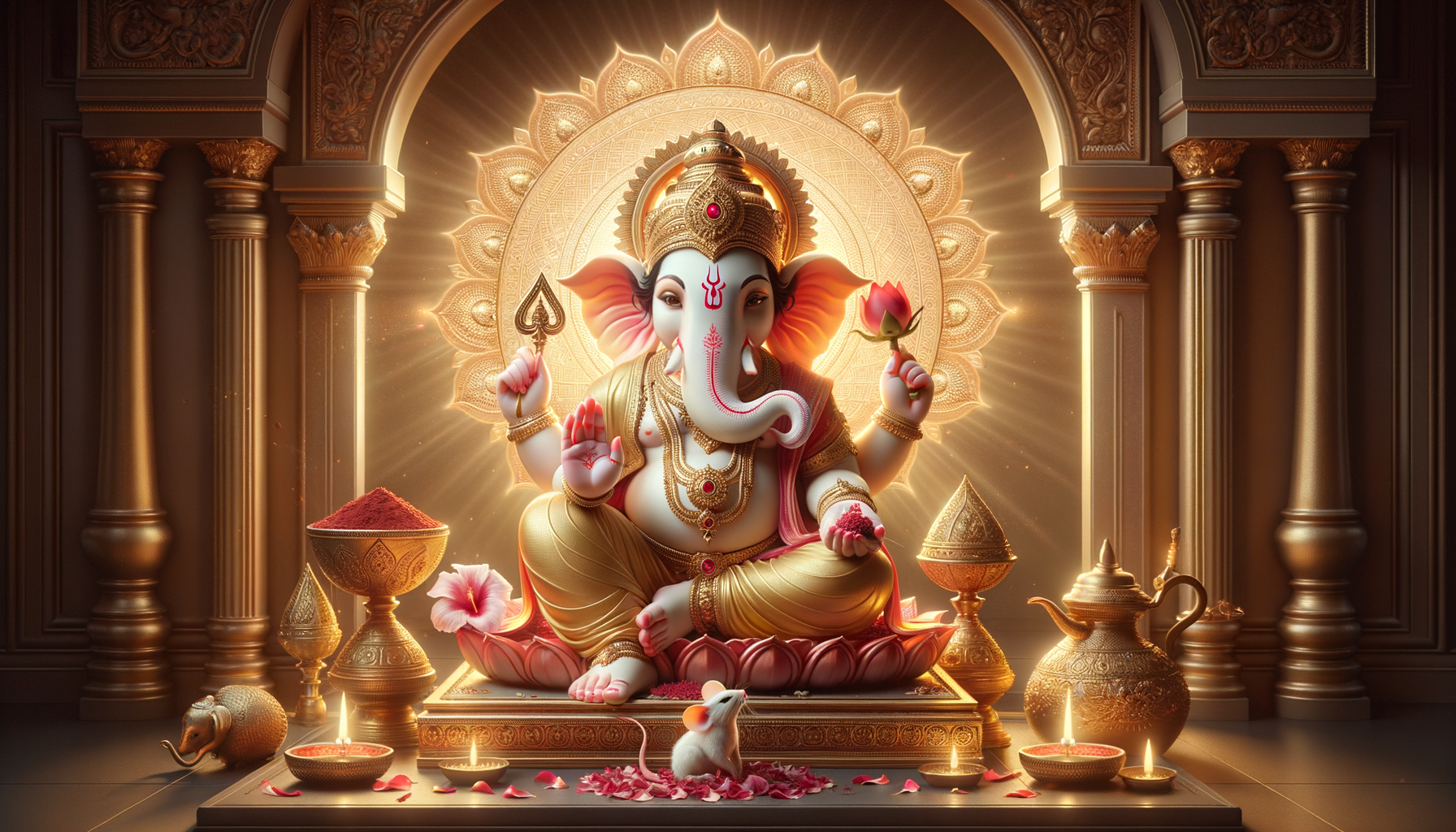
In temples across India, the elephant-headed Ganesha is frequently seen resplendent in vermilion, radiating a sacred red hue that has become inseparable from his worship. This visual language is not ornamental excess; it is a carefully preserved strand of Hindu iconography that communicates energy, auspiciousness, and Ganesha’s role as the remover of obstacles at the threshold of every new beginning.
Within Hindu symbolism, red signifies Shakti (vital energy), rajas (dynamic activity), and mangala (auspiciousness). As the lord of beginnings and guardian of transitions, Ganesha embodies these qualities. The red palette aligns with the Muladhara chakrathe foundational energy center often associated with stability, grounding, and the courage to actreinforcing Ganesha’s presence at the very base of spiritual and worldly endeavors.
Ritual practice underscores this meaning. Offerings of sindoor (vermilion), kumkum, raktachandana (red sandalwood), and red flowers are widely attested in Agamic and Shilpa Shastra traditions of worship and icon-making. The color’s use is both visual and tactile: devotees may anoint Ganesha with vermilion or adorn the murti with a red vastra, enacting a dialogue between form, color, and intention that seeks the deity’s grace for success and protection.
Cultural retellings emphasize intimacy and carestories that speak of a mother’s auspicious powders and a son’s victorious presencemapping red to tenderness, protection, and triumph. While versions differ by region and lineage, the shared insight remains clear: the red of Ganesha is an ongoing assurance that obstacles can be seen, named, and overcome.
Festivals such as Ganesh Chaturthi and Sankashti Chaturthi magnify this symbolism. The vermilion glow on the murti becomes a public affirmation of inner victory over darkness, inertia, and doubt. In collective darshan, the color functions as a beacongalvanizing focus, inspiring resolve, and setting an auspicious rhythm for community life.
Iconographic literature and regional practice also connect specific forms of Ganesha to warm hues that emphasize dynamism and blessing. While textual traditions such as the Mudgala Purana detail multiple aspects of Ganapati, the consistent thread is the activation of benevolent, obstacle-clearing poweraptly communicated through the chromatic charge of red.
Across the broader dharmic tapestry, the resonance of redand cognate saffron-orange tonesremains notable. In Buddhist traditions, radiant reds can symbolize discriminating awareness and compassion in action; in Jain worship, kumkum marks devotion and auspicious intent; in Sikh tradition, the saffron of the Nishan Sahib signifies courage and spiritual sovereignty. These convergences affirm a shared civilizational grammar: warm hues signal energy, clarity, and uplift, fostering unity across Hinduism, Buddhism, Jainism, and Sikhism while honoring each path’s distinct practices.
Contemporary observations add a pragmatic dimension. Psychologically, red heightens alertness and engagement, which can support one-pointed prayer and mindful ritual. In home shrines and diaspora communities alike, a small stroke of kumkum, a red flower, or a crimson cloth quietly re-centers attention and intention, reinforcing Ganesha’s role as a guardian of thresholds and endeavors.
For daily worship, simple gestures align devotion with meaning. Offering a red hibiscus or rose, placing a modest thread of kumkum near the murti, or reciting a brief stotra before new tasks integrates the symbolism of red into lived practice. Such acts reaffirm the pedagogical essence of puja: color, mantra, and action come together to cultivate clarity, courage, and compassionate conduct.
Seen in this light, the sacred red of Ganesha is a disciplined visual theology. It encodes Shakti’s life-force, declares auspicious beginnings, and signals the will to transform obstacles into pathways. Far from mere decoration, it is a precise and time-tested medium through which communities experience the steady assurance that darkness yields to discernment, and effort ripens into victory.
In sum, the red color of Ganesha harmonizes aesthetics, scripture-informed practice, and shared civilizational values. It invites unity across dharmic traditions through a common appreciation of auspicious energy, while remaining faithful to the core promise of Ganapati: grounded beginnings, clear intention, and compassionate strength in the face of life’s crossings.
Why is Ganesha often shown wearing red or vermilion?
The post explains that Ganesha’s red hue is not mere decoration; it communicates Shakti, auspiciousness, and dynamic energy. As the remover of obstacles and lord of beginnings, Ganesha’s red presence signals courage, protection, and the power to start well.
What do sindoor, kumkum, red sandalwood, and red flowers mean in Ganesha worship?
These red offerings are described as part of Agamic and Shilpa Shastra traditions of worship and icon-making. Devotees use them to align form, color, and intention while seeking Ganesha’s grace for success and protection.
How is the color red connected to the Muladhara chakra in this article?
The article connects red with the Muladhara chakra, the foundational energy center associated with stability, grounding, and the courage to act. This reinforces Ganesha’s role at the base of spiritual and worldly endeavors.
Why does red matter during Ganesh Chaturthi and Sankashti Chaturthi?
During these festivals, the vermilion glow on the murti becomes a public affirmation of inner victory over darkness, inertia, and doubt. In collective darshan, red focuses attention, inspires resolve, and sets an auspicious rhythm for community life.
How can households include the symbolism of red in daily Ganesha worship?
The post suggests simple acts such as offering a red hibiscus or rose, placing a modest thread of kumkum near the murti, or reciting a brief stotra before new tasks. These gestures bring color, mantra, and action together to cultivate clarity, courage, and compassionate conduct.
How does the article relate red and saffron tones across dharmic traditions?
The article notes that warm hues such as red and saffron-orange can signal energy, clarity, courage, compassion in action, and auspicious intent across Hindu, Buddhist, Jain, and Sikh contexts. It presents this as a shared civilizational grammar while honoring each tradition’s distinct practices.