
-
From Seer to Seen: Liberating the jiva through Krishna-centered Vision and Joyful Service
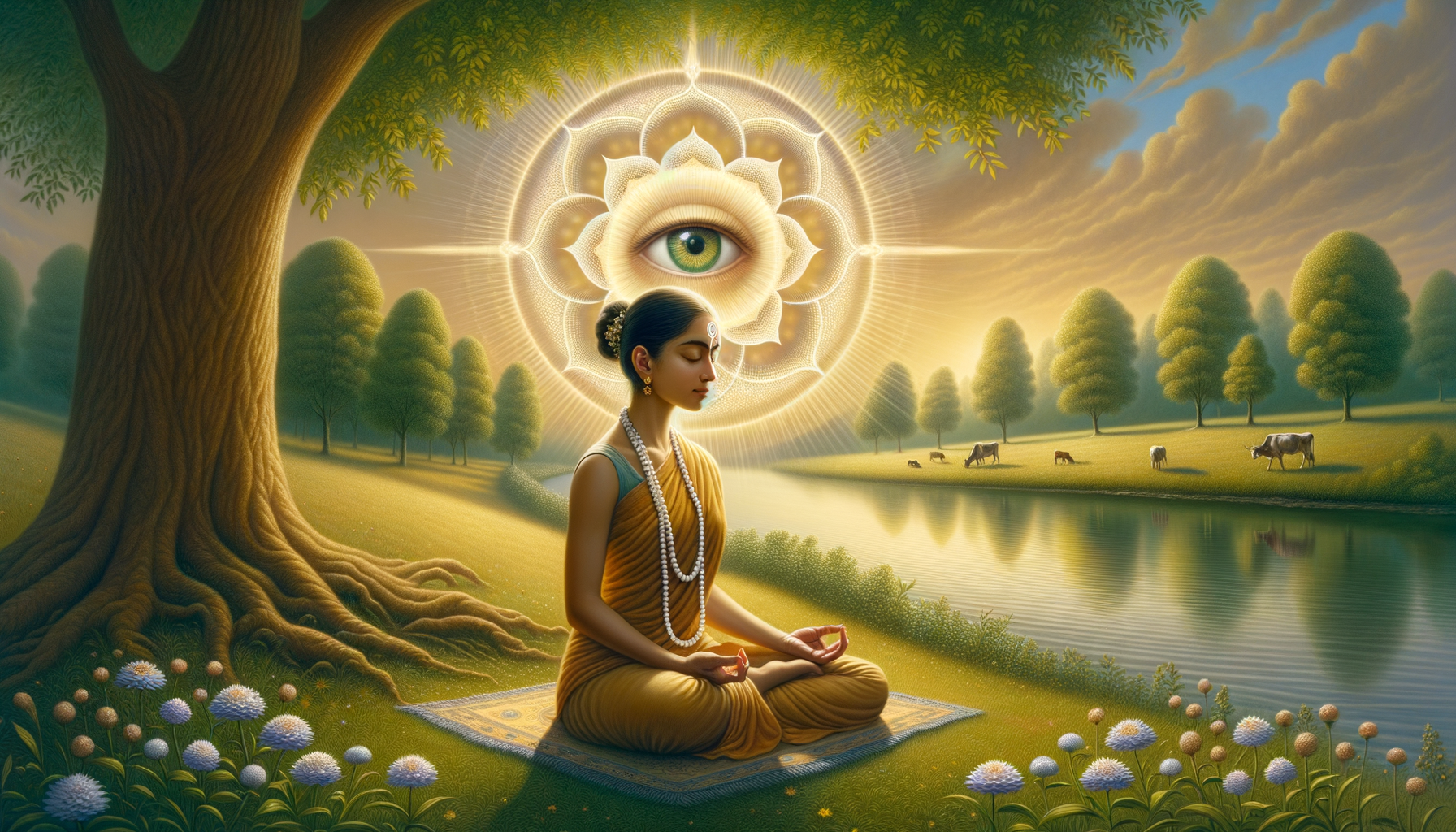
This exploration of Srila Bhakti Siddhanta Saraswati’s teaching on the seer and the seen clarifies how misidentifying the senses as the true knower distorts perception. It shows why the jiva’s ego-centered stanceseeing the world as material for private enjoymentleads to anxiety and dissatisfaction. By reframing life as Krishna’s world and the self as the object…
-
Beliefs as Mirrors of Consciousness: Timeless Dharmic Wisdom from Yoga Vasishta to Today

This reflection explores how Hindu philosophy understands beliefs as mirrors of consciousness, drawing on the Yoga Vasishta, the Upanishads, and Advaita Vedanta. It highlights convergences with Buddhism, Jainism, and Sikhism, showing how Dharmic traditions foster clarity, compassion, and ethical living. Readers gain a precise frameworksamskara, vasana, manas, buddhi, and ahamkarato understand how beliefs form and…
-
Heart and Mind in Harmony: A Hindu Dharma Blueprint for Balanced, Compassionate Living

Modern life demands more than speed; it calls for a values-centered way to live with clarity and compassion. Hindu philosophy offers a practical synthesis of heart (karuṇā) and brain (buddhi), aligning emotion with discernment. Through brief daily practicespranayama, svādhyāya, and sevareaders can cultivate inner peace, emotional balance, and ethical decision-making. The Bhagavad Gita’s integrated path,…
-
Find Lasting Peace: The Transformative Hindu Teaching of Not Looking at Others’ Faults

A time-tested teaching in Hindu philosophy states, “If you want peace, do not look into anybody’s faults.” Grounded in the Bhagavad Gita, the Upanishads, and Yoga, this practice transforms attention from judgment to self-reflection, acceptance, and mindful speech. Dharmic perspectivesAnekantavada in Jainism, mindfulness and Right Speech in Buddhism, and humility with seva in Sikhismconverge to…
-
Mahakala as Kali’s Vehicle in Tantra: Unveiling Time, Power, and Non-Dual Wisdom

This exploration clarifies why, in Tantric symbolism, Mahakala is described as Kali’s vahana not as a literal mount but as the timeless ground supporting Shakti’s transformative dance. It unpacks the etymology of kala, linking time and the fathomless dark to non-dual metaphysics. The discussion reframes iconographyKali standing upon Mahakalaas a pedagogy for transcending fear and…
-
Manmatha’s Five Arrows and the Five Bhakti Rasas: Symbolism, Practice, and Dharmic Unity

This article explores Manmatha (Kamadeva) as the celestial archer whose five flower-arrows symbolize the refinement of love from emotion to devotion. It connects these arrows to the five bhakti rasasśānta, dāsya, sakhya, vātsalya, and mādhuryaclarifying how each rasa expresses a distinct relationship with the Divine. Readers gain practical ways to integrate these rasas into daily…
-
Mahidhara of Kashi: The 16th‑Century Vedic Exegete Who Illuminated the Shukla Yajur Veda
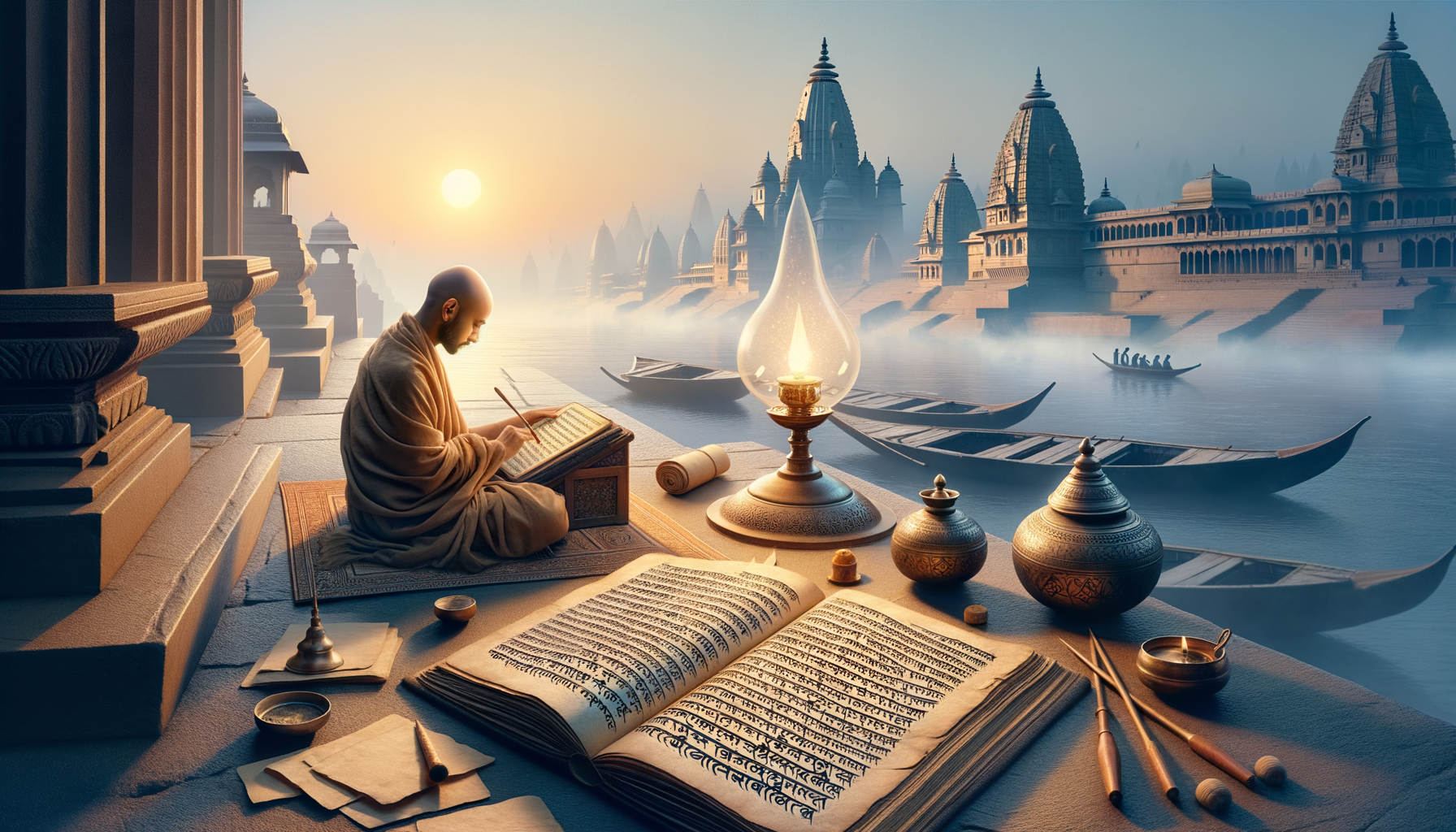
Mahidhara, a seminal 16th-century scholar from Kashi (Varanasi), shaped the study of the Shukla Yajur Veda through his Vedadipa, a lucid commentary on the Madhyandina Samhita. The work blends textual precision with ritual context, making complex mantras intelligible to students, practitioners, and researchers. Readers benefit from a model of Vedic exegesis that transmits tradition without…
-
Why Contentment Differs for Everyone: Dharmic Wisdom to Transform Suffering into Peace

Contentment, in Hindu philosophy and allied dharmic traditions, is an inner equilibrium that naturally varies across individuals. This piece explains why that variability often generates suffering, and how dharmic wisdom reframes it as a pathway to growth. Drawing on concepts such as santosha, aparigraha, Anekantavada, and santokh, it shows how plural measures of fulfilment can…
-
Revealing Trinajalayuka Nyaya: The Caterpillar Maxim Illuminating the Soul’s Rebirth

Trinajalayuka Nyaya, the maxim of the caterpillar, clarifies how the jiva transitions between lives with continuity shaped by karma and samskara. Rather than abrupt change, it presents a measured movement that preserves moral causation across embodiments. This insight aligns with Vedanta and finds resonances in Buddhism, Jainism, and Sikhism, reinforcing unity across dharmic traditions. The…
-
Everlasting Happiness through Spirituality: A Dharmic Guide to Inner Peace and Purpose

Can spirituality truly deliver everlasting happiness? From a dharmic perspective, enduring joy is not fleeting pleasure but a stable ananda rooted in clarity, compassion, and ethical living. Hinduism, Buddhism, Jainism, and Sikhism converge on shared practicesmeditation, selfless service, mindful conductthat cultivate inner peace beyond changing moods. This article clarifies the difference between momentary pleasure and…
-
Kashaya Unveiled: Vedanta, Yoga, and Jain Insights to Purify Mind and Elevate Spirit

Kashayamental impurities such as attachment, anger, and delusionsits at the heart of Hindu philosophy’s exploration of the mind. Seen across Vedanta, Yoga, and Jain philosophy, and resonating with Buddhist kleshas and Sikh teachings on haumai, it represents both obstacle and opportunity. By cultivating mindfulness, ethical clarity, and contemplative depth, seekers learn to recognize and transform…
-
Karya Karana Bhava: Unveiling Causality’s Power Across Dharmic Wisdom Traditions
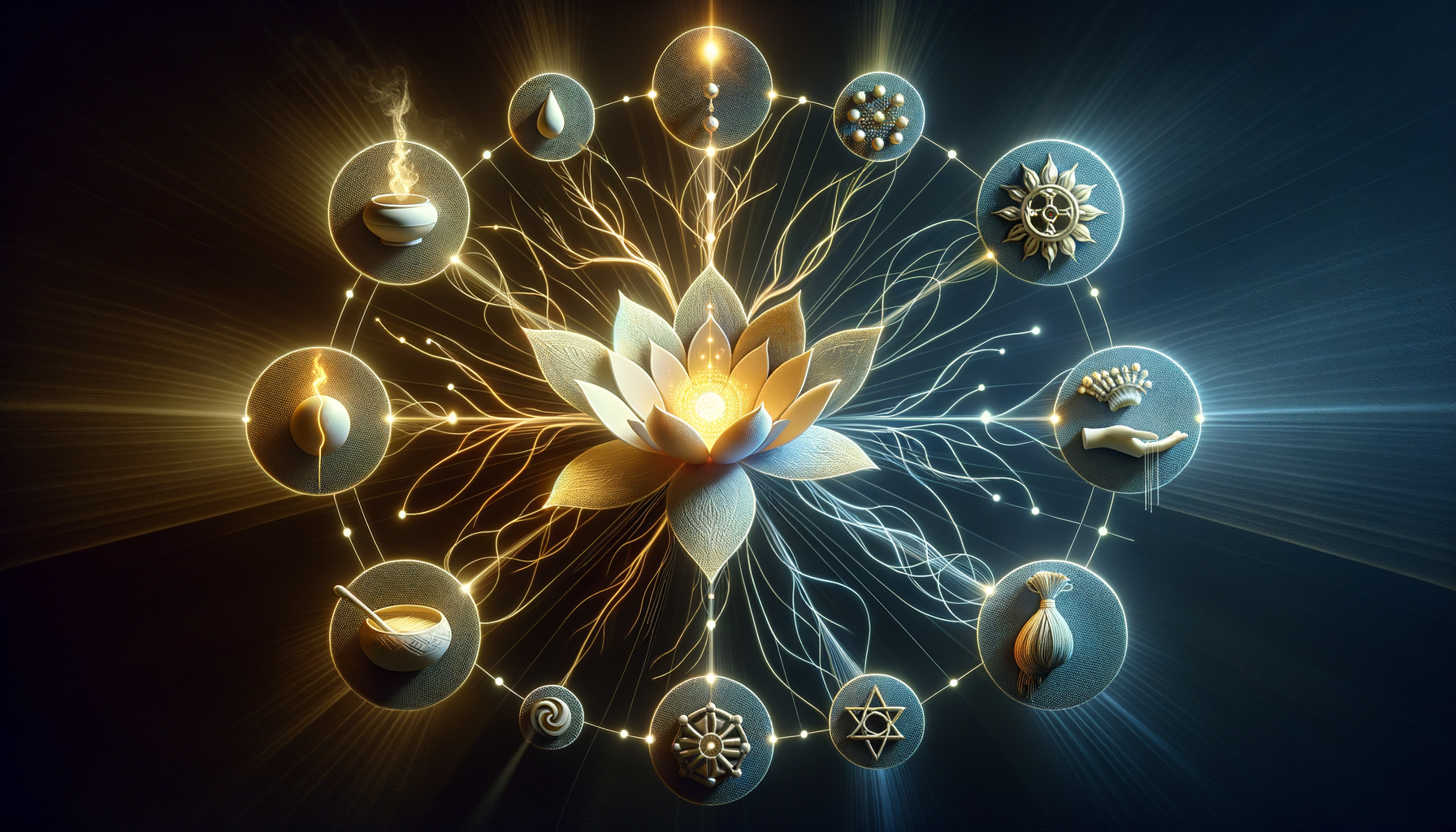
Karya Karana Bhavathe principle of cause and effectoffers a clear lens for understanding reality, ethics, and spiritual growth in Hinduism. Grounded in the Vedas and Upanishads and refined by Samkhya, Nyaya, and Vedanta, it clarifies how choices shape outcomes through karma and disciplined practice. Everyday examples show how patience, consistency, and seva produce meaningful effects,…
-
Satya in Yoga: How Truthfulness Unifies Inner and Outer Self for Lasting Inner Peace

Satya, the practice of truthfulness in Patanjali’s Yoga Sutras, unifies inner self and outer self by aligning thought, speech, and action. This ethical discipline reduces inner conflict, strengthens integrity, and supports mental clarity. Practiced with Ahimsa, truthfulness improves communication, trust, and community cohesion. The principle resonates across dharmic traditionsJainism, Buddhism, Sikhism, and Hinduismaffirming unity in…
-
From Doubt to Clarity in Krishna Consciousness: Navigating Vedic Proofs with Confidence

Seeking certainty in matters of truth is natural, especially within Krishna Consciousness. Vedic philosophy organizes valid knowing into three pramanaspratyaksa, anumana, and sabdaso doubt can mature into clarity. The Brahma-Madhva-Gaudiya Sampradaya emphasizes sabda, operationalized through guru, sastra, sadhu, while still valuing perception and reason. This balanced approach aligns with broader dharmic traditions: Buddhism’s experiential insight,…
-
Hindu Wisdom on Human Nature: Why Grand Reforms Fail Without Inner Transformation
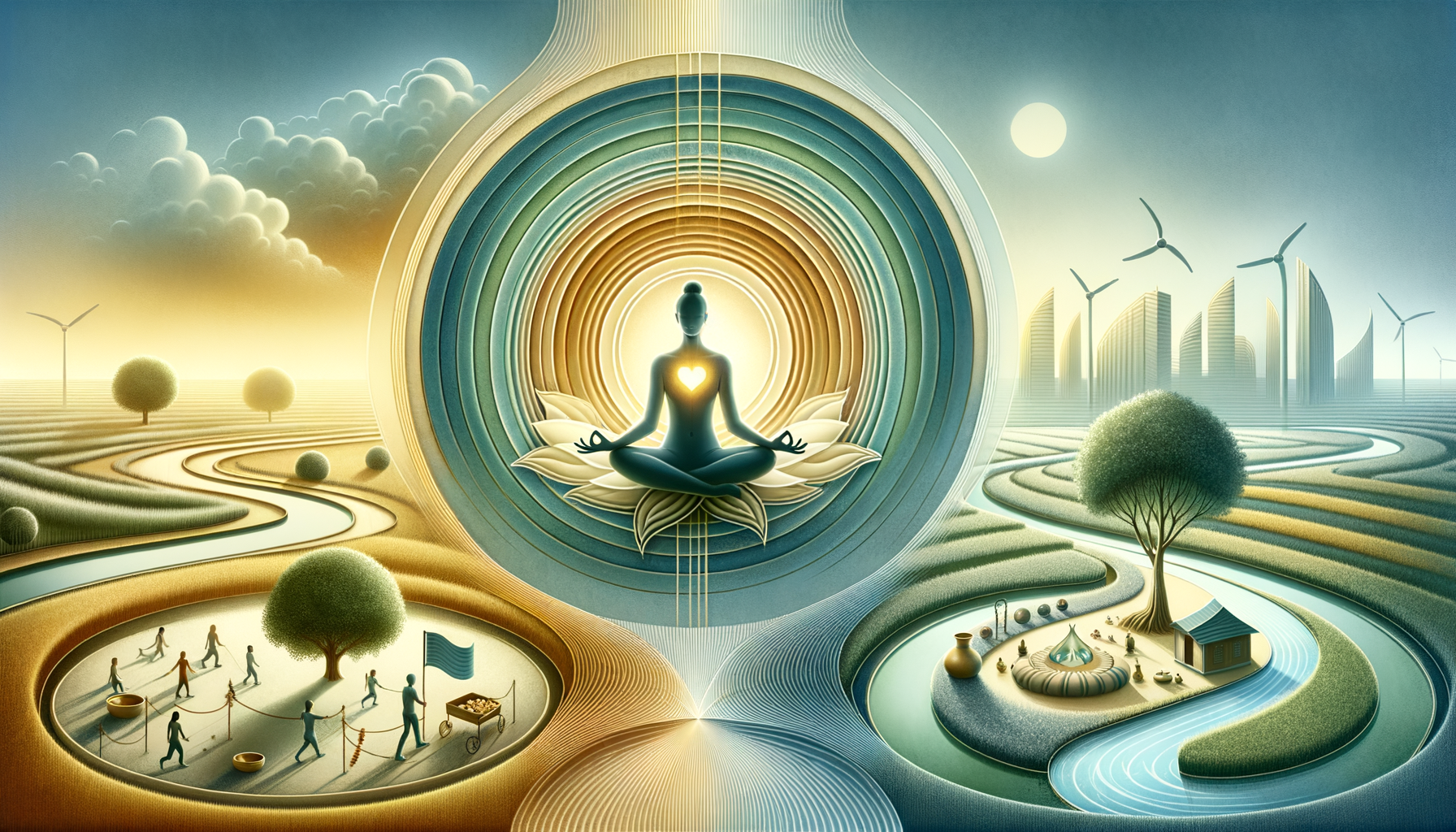
Hindu thought explains why many global reforms falter: they overlook the depth of human conditioning shaped by avidya, samskara, and the three gunas. Sustainable change emerges when inner transformation precedes institutional redesign, aligning personal ethics with public policy. A dharmic, three-layer approachself, community, and systemsintegrates nishkama karma, seva, and accountability to support lokasangraha. This perspective…
-
Spiritual Oneness in Hinduism: Vedic Wisdom to Heal Division, Injustice, and Ecological Harm

Spiritual oneness in Hinduism, rooted in the Vedas and Upanishads, offers a practical ethic for resolving modern crises. By recognizing a shared ground of being, communities can move beyond polarization toward empathy, dialogue, and responsible action. Dharmic traditions converge on this vision: Buddhism highlights interdependence, Jainism advances anekantavada and ahimsa, and Sikhism affirms Ik Onkar…
-
Dhyana and Vichara: Harmonizing Meditation and Enquiry for Self-Realization in Hinduism

This article presents an academic yet accessible synthesis of Dhyana (meditation) and Vichara (enquiry) as complementary paths in Hindu philosophy. It explains how moksha is the unveiling of the ever-present Self (Atman) as Brahman, grounded in the Upanishads, Vedanta, and the Bhagavad Gita. Readers gain practical clarity on how meditation stabilizes attention while enquiry dissolves…
-
Ravana Gita: Timeless Leadership Wisdom from the Ravana–Lakshmana Dialogue in Ramayana

Ravana Gita, the widely known title for Ravana’s final counsel to Lakshmana in the Ramayana, offers clear, actionable lessons on leadership and governance. The dialogue emphasizes timingacting swiftly on beneficial duties while exercising caution in risky mattersand the ethics of counsel, confidentiality, and honest dissent. It also warns against underestimating adversaries, urging vigilance and strategic…
-
Before the Particle Accelerator: Soviet Science, atma, and a Profound Dharmic Convergence

A quiet moment before a Soviet-era particle accelerator crystallizes a core insight: the most decisive forces in life are often unseen. This reflection connects modern physics with dharmic inquiry into atma, showing how both rely on disciplined methods to infer what cannot be directly observed. Hindu philosophy and Vedanta, Buddhism’s process-oriented view, Jainism’s jiva and…
-
Karmendriyas and Tanmatras Explained: How Action Organs Align with the Five Elements
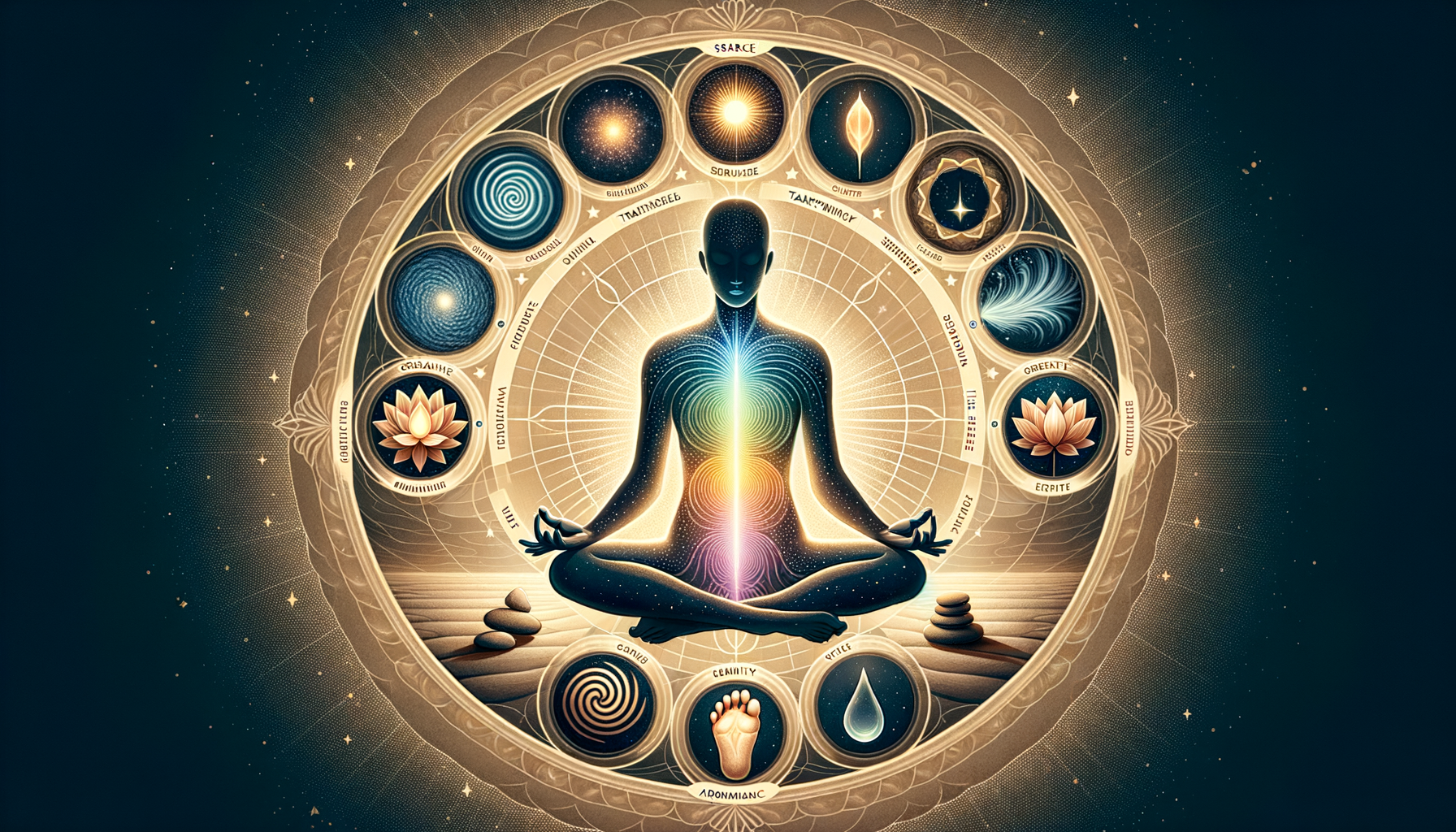
This article clarifies how the five karmendriyasspeech, hands, feet, procreation, and eliminationrelate to the tanmatras and the five elements in Hindu philosophy. It outlines the classical evolution from subtle tanmatras to pancha mahabhutas and shows how action organs are energized by rajas and prana. Readers gain a clear, text-sensitive view of commonly taught correspondencessuch as…