
-
The Divine Voice Within: How Conscience Elevates Human Life across Dharmic Traditions

Conscience in Hindu philosophy is an inner compass cultivated through viveka, buddhi, and alignment with dharma. Anchored in the Upanishads and the Bhagavad Gita, it is clarified by sattva and refined by yoga, devotion, service, and self-study. This academic overview integrates Hindu insights with parallel concepts in Buddhism (hiri–ottappa), Jainism (samyak-darshana, pratikraman), and Sikhism (hukam,…
-
Khandana Khanda Khadya: Shriharsha’s Razor and a Masterclass in Defending Advaita Vedanta

Khandana Khanda Khadya stands as a luminous 12th-century masterpiece of Advaita Vedanta, using elegant refutation to unsettle rigid categories and clear a contemplative path to nondual insight. Shriharsha’s method exposes circularities in definitions and limits in pramana theory, challenging naive realism while honoring the self-luminous nature of consciousness. The analysis reveals deep resonances with Buddhist…
-
Moksha Without Martyrdom: Why Hinduism Teaches Liberation Through Knowledge, Not Pain

The notion that God desires human suffering for spiritual realization conflicts with Hindu philosophy. Across the Upanishads, the Bhagavad Gita, and Vedanta, moksha arises through knowledge, devotion, selfless action, and meditationnot by glorifying pain. The Gita even censures self-mortification, framing tapas as disciplined refinement rather than injury. Hindu ethics centers ahimsa, while jnana, bhakti, karma…
-
Beyond Temple Worship: Kapila on Seeing the Supersoul in All (Bhagavatam 3.29.21–27)

Srimad-Bhagavatam 3.29.21–27 defines authentic devotion as seeing the Lord (Paramātman) in every being, not only in the temple Deity. The discussion clarifies why ritual worship, though essential, remains incomplete without ahiṃsā and dayā. Drawing on the Bhagavad-Gita and the Upanishads, it shows how arcā-vigraha trains perception to recognize the indwelling Lord everywhere. Practical guidance translates…
-
Unmasking Myths: How Truly Enlightened Beings Live, Eat, and Speak Among Us

This essay dismantles the popular myth that enlightened beings must look or act extraordinary, showing instead how Dharmic traditions depict realization as profound normalcy. Drawing on Hindu philosophy, Buddhism, Jainism, and Sikhism, it clarifies how liberation expresses itself in everyday eating, speaking, working, and serving. It synthesizes concepts such as mokṣa, nirvāṇa, kaivalya, kevala-jñāna, and…
-
Unveiling Kena’s Dual Identity: Why It’s the Talavakara Upanishadand Why It Matters Today

The Kena Upanishad is called the Talavakara Upanishad because it is embedded in the Tālavakāra Brāhmaṇa of the Sāma Veda, reflecting its precise textual lineage. Its name “Kena” comes from the opening question“by whom?”that frames a profound inquiry into the source of mind, speech, and life. Structured in four sectionstwo metrical and two proseit advances…
-
Cultivating Contentment: Dharmic Pathways to Enduring Happiness and Inner Peace

This essay examines why contentment generates enduring happiness through a unified lens from Hinduism, Buddhism, Jainism, and Sikhism. It distinguishes short-lived pleasure (sukha) from abiding wellbeing (ananda) and situates santosha within Yoga philosophy and the Bhagavad Gita’s portrait of steady wisdom. It integrates Vedanta’s Pancha Kosha model, Buddhist mindfulness and equanimity, Jain ahimsa and aparigraha…
-
Beyond Possession: Timeless Dharmic Wisdom on Desire, Consumerism, and Inner Freedom

Consumer culture promises joy through acquisition, yet the thrill fades quickly. Dharmic traditions anticipated this pattern and offer rigorous, practical tools to transform desire into discernment. Drawing from the Bhagavad Gita, the Upanishads, the Yoga Sutra, Buddhist insight on craving, Jain vows of aparigraha, and Sikh practices of remembrance and sharing, this article explains why…
-
Beyond Ahamkara: How Dharmic Wisdom Unmasks Ego and Illuminates Liberation

The aphorism “As long as there is the ego, everything else exists” concisely names the mechanism of duality in Hindu philosophy and resonates across Buddhism, Jainism, and Sikhism. This long-form analysis maps ahamkara in Sankhya, asmita in the Yoga Sutra, and adhyasa in Advaita Vedanta, linking them with the Bhagavad Gita’s diagnosis of doership. It…
-
Timeless Dharmic Debate: From Vada to AnekantavadaA Fearless Path to Truth and Unity

Constructive, unbiased debate sits at the heart of Hindu philosophy as a disciplined path to knowledge and self-realization. Grounded in pramana theory and refined by Nyaya’s robust logic, classical shastrartha privileges clarity over conquest. The Upanishads, the Bhagavad-Gita’s samvada, and traditions across Buddhism, Jainism, and Sikhism model dialogue that is rigorous, ethical, and inclusive. Practices…
-
Arthavada in Mimamsa: Unlocking the Purposeful Praise That Animates Vedic Ritual
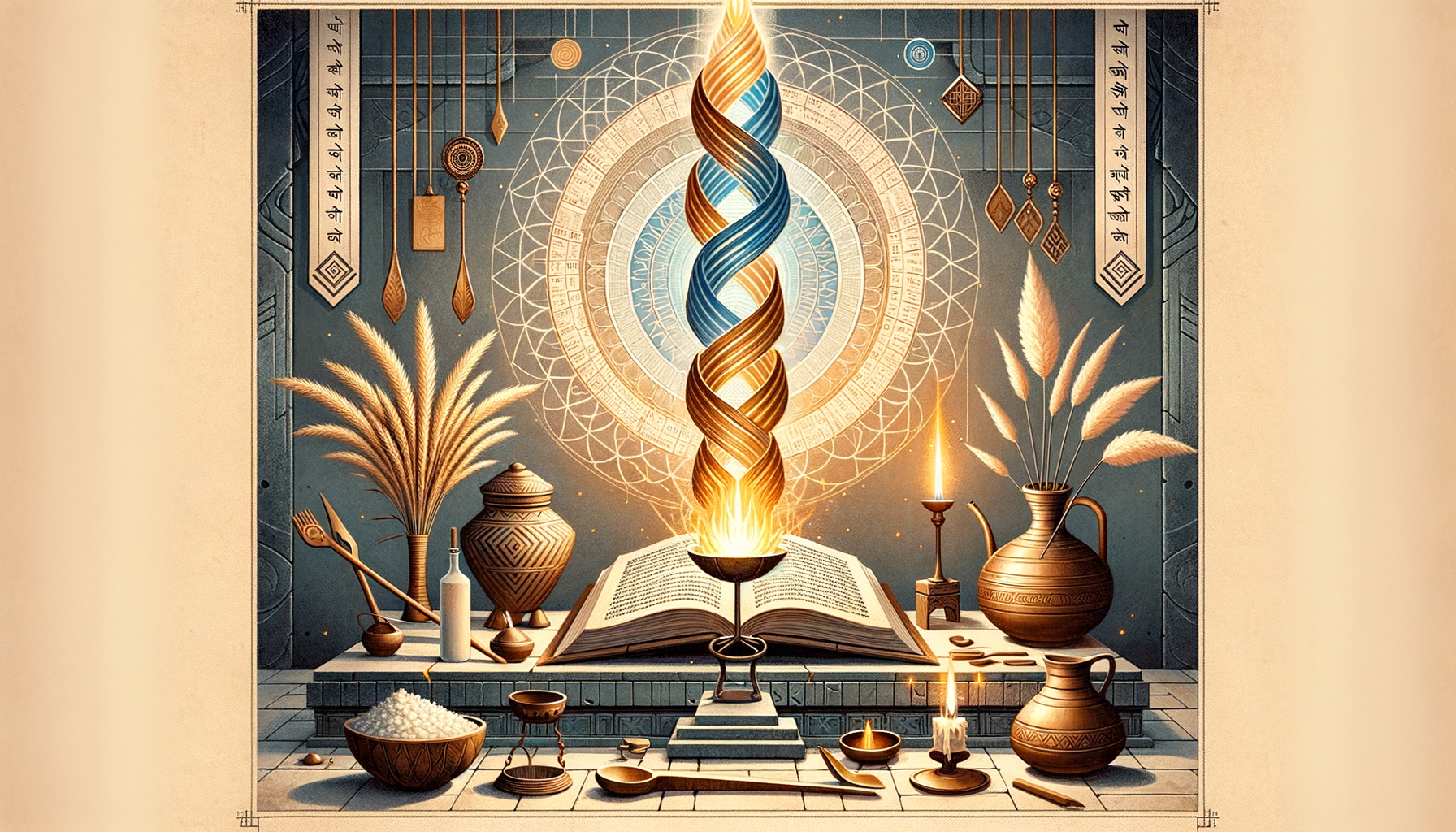
Arthavada, the eulogistic and explanatory stratum of Vedic discourse in Mimamsa, explains why rites matter and how their value should be understood. It complements injunctions and prohibitions by providing praise, censure, and narrative that motivate precise action and steady restraint. Distinguishing Arthavada from mantra and namadheya clarifies the complete architecture of Vedic literature: what to…
-
Katha Rudra Upanishad: A Timeless, Transformative Guide to Sannyasa and Brahma-Jnana

The Katha Rudra Upanishad, affiliated with the Krishna Yajurveda, presents 47 mantras that redefine sannyasa as inner renunciation oriented to Brahma-jnana. It privileges ethical foundations like ahiṁsā and aparigraha, uniting conduct and contemplation as prerequisites for non-dual insight. By emphasizing Om, mahāvākya meditation, silence, and self-inquiry, the text converts knowledge from concept to lived clarity.…
-
Beyond Names and Forms: Embracing the Infinite Nature of God in Dharmic Wisdom

Hinduism teaches that the divine is infinite and cannot be confined to one form or name, as expressed in the Upanishadic dictum “Ekam Sat Vipra Bahudha Vadanti.” This perspective affirms religious pluralism through Ishta, allowing varied yet valid approaches to the sacred. Related dharmic traditions reinforce this vision: Jainism’s Anekantavada, Buddhism’s skillful means, and Sikhism’s…
-
Kshemaraja of Kashmir Shaivism: Timeless Nondual Wisdom, Practice, and Dharmic Harmony

Kshemaraja, the eminent disciple of Abhinavagupta, distilled Kashmir Shaivism’s non-dual insights into lucid, practice-ready guidance. Core textsPratyabhijñāhṛdayam, Spandanirṇaya, Spandasandoha, and Śiva Sūtra Vimarśinībridge rigorous Indian philosophy and accessible methods. Readers gain a clear map of upāyas to steady attention, reduce stress, and cultivate compassion. Everyday beauty and stillness become gateways to recognition (pratyabhijñā) through the…
-
Knowing Truth, Living Dharma: Why Insight Fails Without Practice in Hindu Philosophy

Hindu philosophy names a timeless challenge: many recognize truth yet struggle to live it. Drawing on the Bhagavad Gita and Yoga philosophy, this piece explains how abhyāsa and vairāgya bridge the gap between knowledge and action. It highlights practical stepsdaily routine, Karma Yoga, svādhyāya, and ethical commitments (yama–niyama)that turn insight into steady conduct. Parallels from…
-
Shiva’s Third Eye and the Ashes of Desire: Profound Symbolism Behind Kamadeva’s Fall

Shiva’s incineration of Kamadeva is a profound Hindu symbol of transforming craving into clarity. The third eye represents the fire of insight (jñāna-agni) that burns compulsion to ash (vibhūti) without rejecting love or life. Variations across Puranic and poetic retellings agree on a core teaching: desire is refined, not denied. The story models how tapas,…
-
Annambhatta’s Brilliant Legacy: A Clear Guide to Hindu Logic in the Tarkasamgraha

Annambhatta, a 17th century CE philosopher and logician from Andhra Pradesh, authored the widely respected primer Tarkasamgraha. Recognized for clarity and simplicity in Sanskrit, his work offers an accessible introduction to Hindu logic (tarka). Students consistently turn to Tarkasamgraha to build foundational skills in structured reasoning and inference. The text’s lucidity transforms initial apprehension into…
-
Kalita Tandava Unveiled: Shiva’s Eight-Armed Cosmic Dance of Balance, Time, and Renewal
Kalita Tandava, an eight-armed manifestation of Shiva’s cosmic dance, illuminates the cycles of creation, preservation, and dissolution through a precise symbolic grammar. Readers gain a clear map of its iconographydamaru, agni, triśūla, and protective mudrāsand how these elements encode the pañcakṛtya and expanded functions of grace and discernment. The article connects Vedānta, Kashmir Śaivism, and…
-
Judge by Their Ideals: Swami Vivekananda’s Transformative Call to Empathy and Dharmic Unity

Swami Vivekananda’s teaching urges a shift from judging others by personal standards to understanding them by their own ideals, fostering empathy and fairness. Rooted in dharmic pluralism, this principle resonates with Ishta in Hinduism, compassion in Buddhism, Anekantavada in Jainism, and seva in Sikhism. Applied to work, family, and public discourse, it reduces polarization and…
-
Ravana Anugrahamurti: Shiva’s Compassionate Power and the Transformative Lesson of Humility
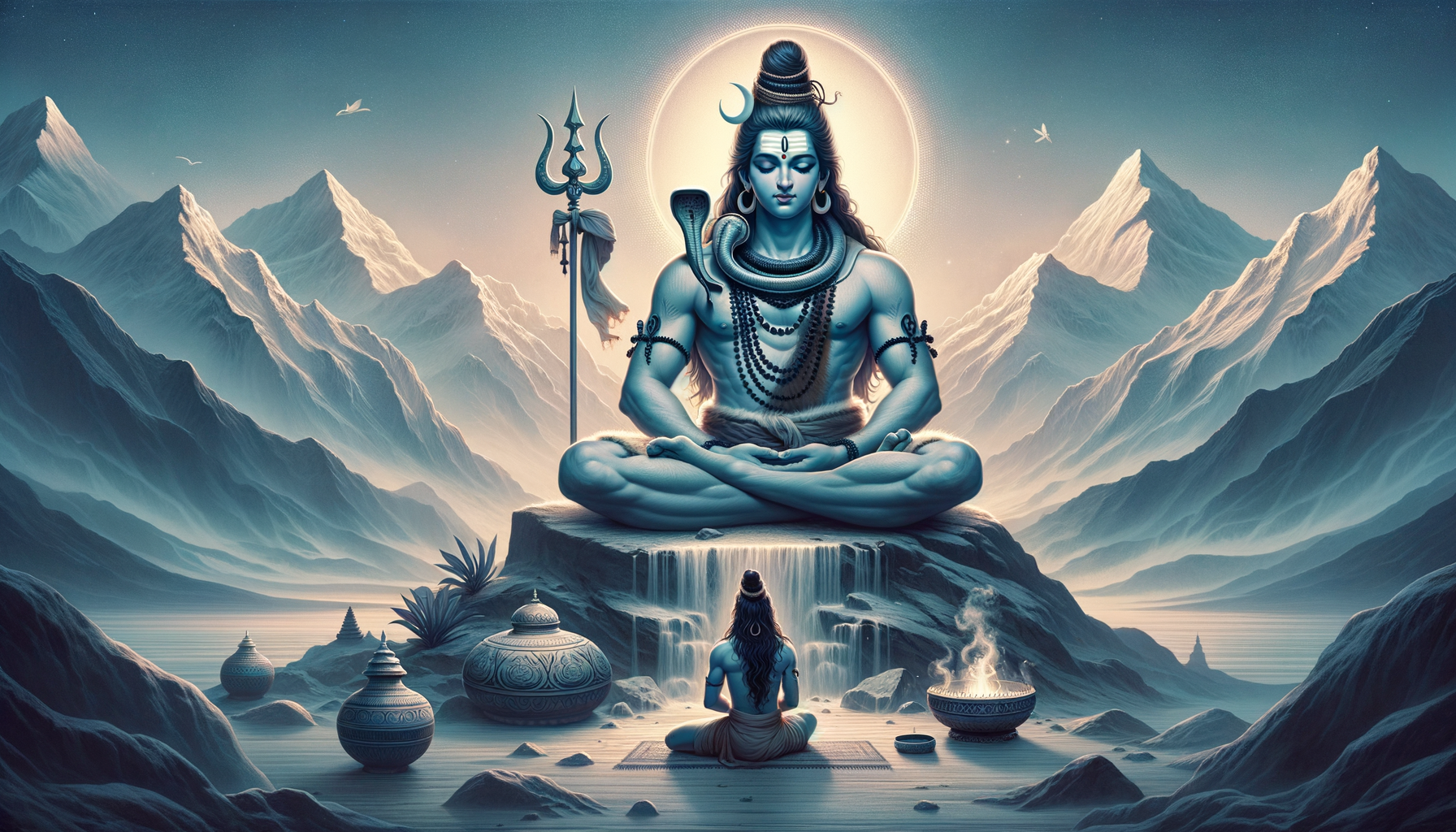
Ravana Anugrahamurti reveals Lord Shiva’s grace transforming Ravana’s pride into devotion, offering a clear ethical lesson for modern life. The narrative emphasizes humility, restraint, and responsibilitycore values in Hindu philosophy and resonant across Buddhism, Jainism, and Sikhism. Readers gain practical insights for daily practice, from reflective chanting to mindful leadership. The iconography highlights compassion over…